How to Make Tuna: red, steak, fresh Ideas
Cooking tuna at home is magical. It’s the seared steak’s gleam or the pride of making a restaurant-quality dish. Many feel intimidated by cooking fresh tuna. But, it’s simpler than you think.
Tuna is great for busy people who want tasty meals fast. Whether it’s a weeknight dinner or a meal for guests, there are many options. From quick pan-seared to grilled Mediterranean-style, there’s something for everyone.
This guide covers everything about cooking tuna at home. You’ll learn how to pick the best fish, cook it right, and season it simply. With the right approach, your red tuna recipe can rival any restaurant’s.
Success in cooking tuna comes from a few key points. First, understand what makes tuna special and how to choose the best cuts. Then, learn cooking methods like grilling and pan-searing. Proper searing techniques keep your tuna juicy and flavorful.
You’ll also find creative ways to serve tuna with sides and sauces. This enhances its rich taste. Throughout this article, you’ll get practical tips for every step of cooking tuna. It doesn’t need special skills or fancy equipment. Just understanding a few basics and being willing to try is enough.
Key Takeaways
- Fresh, sushi-grade tuna steaks work best for home cooking—look for firm flesh and vibrant red color.
- The ideal sear takes only 30 to 60 seconds per side, leaving the inside rare or medium-rare.
- Use neutral oils with high smoke points like canola or grapeseed for searing tuna properly.
- Simple seasonings like kosher salt and black pepper let your tuna’s natural flavors shine.
- Tuna pairs beautifully with Mediterranean flavors, Asian-inspired sides, and fresh vegetable salads.
- Creative lunch options include Mediterranean tuna salad bowls with fresh greens and quality canned.
- Leftover tuna stays fresh in the refrigerator for up to 24 hours when stored in airtight containers.
Understanding Fresh Tuna: Types and Quality Selection
Choosing the right tuna is key to cooking fresh tuna steak perfectly. Walking into a fish market can be overwhelming with so many options. But, learning about tuna varieties and quality signs is easy. Your fishmonger can help a lot if you ask the right questions.
Knowing what you’re buying helps you make better choices. Quality tuna leads to better meals. Let’s explore the tuna world together so you can pick the best fish for your cooking plans.
Yellowfin vs Ahi vs Bluefin Tuna
When shopping for steaks, you’ll find several tuna types. Ahi tuna is the Hawaiian name for yellowfin tuna. Yellowfin tuna has great flavor and a firm texture, perfect for ahi tuna cooking methods. It’s widely available and priced well, making it great for everyday dinners.
Bluefin tuna has a richer, buttery taste. This premium option costs more but tastes amazing. But, there are sustainability concerns with bluefin tuna, so ask about the source.
| Tuna Variety | Flavor Profile | Texture | Availability | Price Range | Best Use |
|---|---|---|---|---|---|
| Yellowfin (Ahi) | Mild to moderate | Firm and lean | Widely available | Moderate | Grilling, pan-searing, poke bowls |
| Bluefin | Rich and buttery | Tender and marbled | Specialty markets | Premium | Sushi, sashimi, light searing |
| Bigeye | Slightly sweet | Firm | Moderately available | Moderate to premium | Grilling, raw preparations |
| Albacore | Mild | Firm | Widely available | Budget-friendly | Canning, cooking, casual meals |
How to Choose Sushi-Grade Tuna at the Market
Sushi-grade tuna is safe for raw consumption. It’s been handled and frozen according to strict safety standards. Ask your fishmonger if the tuna is sushi-grade before buying.
Quality frozen tuna works well in your kitchen. Properly thawed, it delivers excellent results. Don’t overlook frozen tuna if fresh supplies are limited. Look for tuna frozen quickly after catching to keep freshness and flavor.
Starting with sushi-grade options gives you confidence when cooking fresh tuna steak. You know these steaks meet safety and quality standards. Request steaks that are about one inch thick. This thickness cooks evenly and stays juicy inside.
Recognizing Freshness: Color, Smell, and Texture
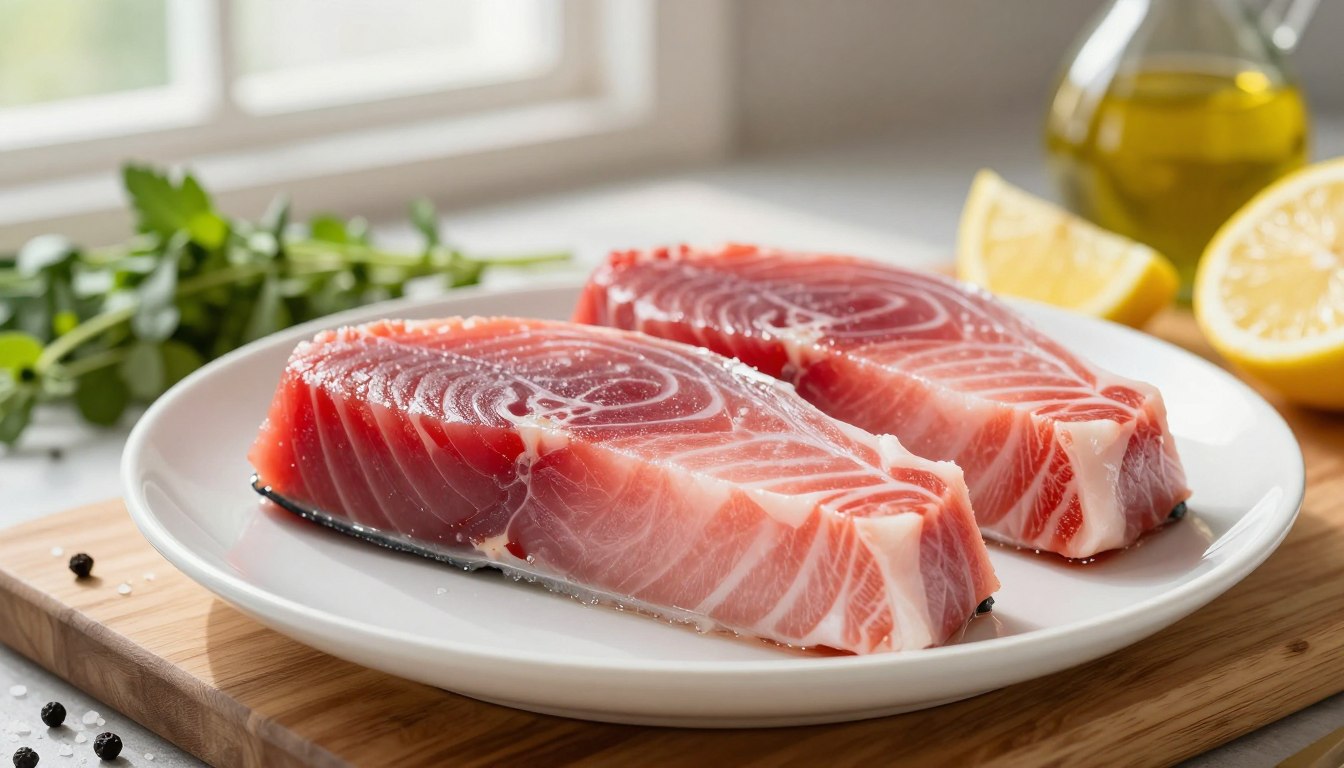
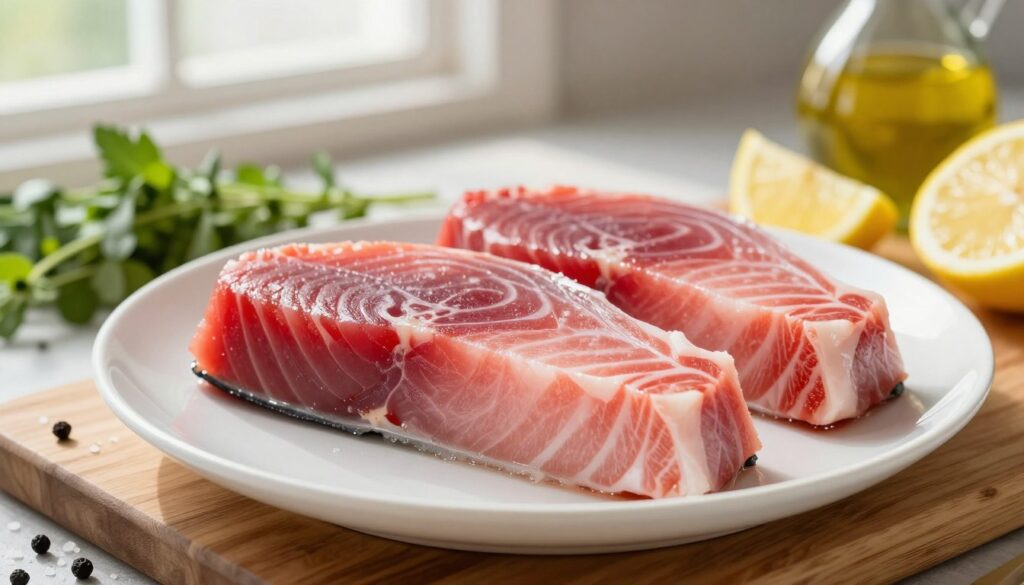
Three simple checks reveal whether tuna is truly fresh. First, look at the color. Fresh tuna has a vibrant, deep red or pink hue. Avoid any pieces showing brown, gray, or dull coloring. The flesh should look bright and appealing.
Next, trust your nose. Fresh tuna smells clean and ocean-fresh. You should never detect fishy or ammonia odors. A strong unpleasant smell means the fish is past its prime. Don’t buy it.
Lastly, feel the flesh. Press gently with your finger. Fresh tuna feels firm and springs back immediately. Mushy or soft flesh indicates age and poor quality. The meat should be dense and solid.
- Vibrant red or pink color (never brown or gray)
- Clean ocean smell (never fishy or ammonia-like)
- Firm flesh that springs back when pressed
- Properly refrigerated at the fish counter
- Wild-caught or sustainably sourced labels
Ask your fishmonger when the tuna arrived. Fish caught that morning tastes best. Build a relationship with your fish counter staff. They’ll tell you the freshest options and can special order premium cuts for you.
Essential Tools and Ingredients for Cooking Tuna Steaks
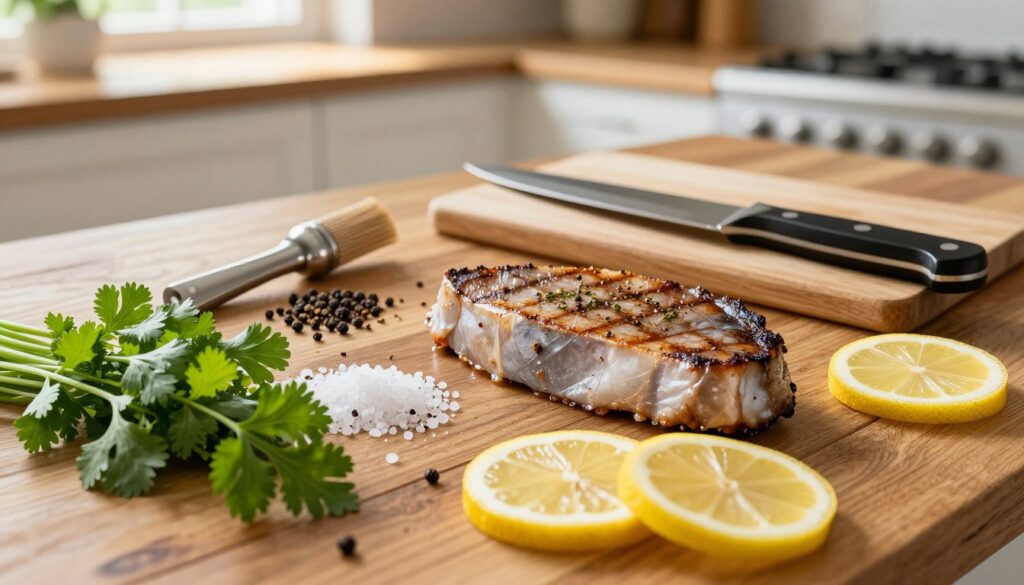
Starting your tuna steak recipe right means knowing what you need in your kitchen. The right tools and ingredients can turn a simple meal into a gourmet dish. You don’t need a lot of expensive stuff. Just the basics that work every time.
When cooking tuna, the right tools are as important as fresh fish. A heavy-bottomed cast iron skillet or large sauté pan is key for a great sear. Cast iron keeps heat even, making a nice crust while keeping the inside soft. A metal fish spatula helps flip steaks without breaking them.
You’ll also need a sharp knife and a good sharpener. Dull blades can shred the fish instead of slicing it cleanly.
For a great tuna steak recipe, you need the right seasoning and oils. Use neutral oils like avocado, grapeseed, or canola oil for searing. Olive oil is perfect for marinades and finishing touches.
Your Essential Pantry Staples
- Kosher salt or flaky sea salt for seasoning
- Freshly ground black pepper
- Fresh lemons for brightness and juice
- Quality olive oil for marinades
- Fresh garlic cloves
- Neutral cooking oils with high smoke points
- Optional: lemon pepper seasoning, unsalted butter
Choosing fresh ingredients is crucial. Get yellowfin tuna steaks that are ¾ to 1 inch thick from a trusted fishmonger. Simple seasonings like salt, pepper, and lemon enhance the fish’s flavor. Having these basics ready makes creating a great dinner easy.
| Tool or Ingredient | Purpose | Why It Matters |
|---|---|---|
| Cast Iron Skillet | Searing tuna steaks | Even heat distribution creates perfect crust |
| Metal Fish Spatula | Flipping delicate steaks | Prevents breaking tender fish |
| Sharp Knife | Slicing cooked tuna | Clean cuts without tearing flesh |
| Kosher Salt | Seasoning fish | Better flavor than table salt |
| Neutral Oil | High-heat cooking | Won’t burn at searing temperatures |
| Fresh Lemon | Brightness and acidity | Complements tuna naturally |
Knowing what each ingredient and tool does helps you cook with confidence. With the right tools and ingredients, making tuna steak becomes easy. Keep your kitchen stocked with these essentials, and cooking tuna will become second nature.
Mediterranean Grilled Tuna Steaks with Bean Salad
Making fresh tuna recipes mediterranean style is easy and fun. It’s perfect for weeknights or weekend meals. The dish pairs tender tuna with a colorful bean salad, making it feel like a fancy restaurant meal but is easy to make.
Creating the Perfect Garlic-Lemon Marinade
The marinade is the first step to great grilled tuna. Mix these ingredients in a ziplock bag:
- ½ cup extra virgin olive oil
- 4 cloves fresh garlic, minced
- Juice of 1 lemon
- 1 teaspoon kosher salt
- ¼ teaspoon black pepper
Put your tuna steaks in the bag and seal it. Press out air and massage the marinade all over. This coats the fish with garlic and lemon flavors. Marinate for 30 minutes to 1 hour. Longer than that, the lemon might cook the fish too much.
Grilling Techniques for Juicy Tuna
To grill tuna without drying it, use indirect heat. Oil your grill grates to prevent sticking. Heat your grill on medium for 10 minutes, leaving one side without direct flame.
Place your tuna on the cooler side and cook for 3 minutes per side. Cover it with foil and let it rest for a few minutes. This keeps the tuna seared on the outside and tender inside.
If grilling indoors, use a grill pan. Brush it with oil and heat on medium for 10 minutes. Cook your tuna the same way for great results.
Preparing the Mediterranean Bean Salad
The bean salad is a perfect match for the tuna. It’s quick to make and adds a burst of flavor. This Mediterranean bean salad from Jamie Oliver combines cannellini beans with fresh veggies and a simple dressing.
| Ingredient | Amount |
|---|---|
| Cannellini beans (canned, drained) | 30 ounces |
| Fresh tomatoes, quartered | 1 cup |
| Red onion, thinly sliced | ½ cup |
| Extra virgin olive oil | ¼ cup |
| Lemon juice | ½ lemon |
| Kosher salt | ½ teaspoon |
| Minced garlic | ¼ teaspoon |
| Black pepper | ¼ teaspoon |
Put all your salad ingredients in a big bowl and gently toss. Let it sit while your tuna cooks. The flavors will meld together beautifully.
To serve, place lettuce on a plate, then add the warm bean salad, and top with your tuna. Squeeze a lemon wedge over it for extra flavor. This mediterranean style tuna recipe is impressive and ready in about 40 minutes.
Pan-Seared Lemon Pepper Tuna Recipe
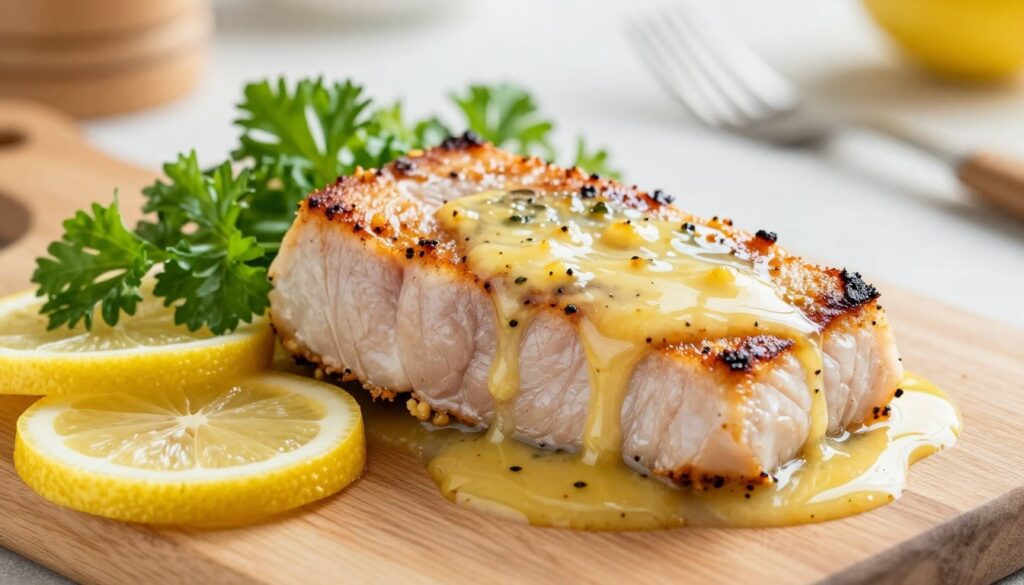
Making seared tuna dishes at home is simpler than you might think. This recipe for pan-seared lemon pepper tuna is quick and delicious. It’s perfect for busy weeknights, ready in just 20 minutes.
The mix of lemon pepper and garlic butter gives a zesty yet savory taste. It complements the tuna’s meaty texture beautifully.
Ingredients and Preparation
Begin with the freshest ingredients. You’ll need 2½ pounds of yellowfin tuna filets, 2 tablespoons of lemon pepper seasoning, and 2 tablespoons of fresh lemon juice. Also, 1 tablespoon of unsalted butter, 1 tablespoon of extra virgin olive oil, and 2 cloves of minced garlic.
First, take your tuna out of the fridge and rinse it under cold water. Dry it completely with paper towels. This step is key for a good sear, not steam.
Then, sprinkle lemon pepper seasoning on both sides of each steak. Drizzle with fresh lemon juice.
Cooking Technique and Timing
Heat your cast iron skillet over medium-high heat for at least 5 minutes. Cast iron holds heat well, which is crucial for a golden crust.
Add butter and olive oil together. The olive oil stops the butter from burning at high heat.
Put in minced garlic and sauté for 30 seconds until it smells good. Don’t let it brown. Coat each tuna steak in the garlic butter.
Sear your tuna for 2-4 minutes per side, depending on its thickness and your desired doneness. For a perfect medium-rare, cook for 2 minutes per side. For medium doneness, cook for 3-4 minutes per side.
Finishing Your Dish
According to simple pan-fried fish recipes, the finishing touch is crucial. Don’t move or flip your tuna too much. Let it sit to form a proper crust.
After cooking, let your tuna rest for a few minutes before slicing. This keeps it moist and flavorful. Add more lemon juice if you like, then serve right away while the crust is still crispy.
| Doneness Level | Cooking Time Per Side | Internal Temperature | Texture |
|---|---|---|---|
| Rare | 2-3 minutes | 110-125°F | Cool center, warm exterior |
| Medium-Rare | 2-3 minutes | 125-135°F | Slightly warm center, golden crust |
| Medium | 3-4 minutes | 135-145°F | Hint of pink, fully cooked exterior |
Pro Tips for Success
- Use the freshest wild-caught tuna available, preferably sushi-grade
- Don’t overcook—tuna is best rare to medium-rare when cooked quickly over high heat
- Slice against the grain with a very sharp knife for picture-perfect pieces
- Serve immediately to keep your crust crispy and delicious
This recipe serves 4 people and has about 376 calories per serving. It’s perfect for family dinners or impressing guests. Your home-cooked tuna dishes are about to get a lot better.
Fresh Tuna Ideas for Quick Weeknight Dinners
Weeknights can still mean great meals. Fresh tuna cooks fast, in just 5 to 10 minutes. This makes it perfect for when you’re in a hurry. Tuna is packed with protein, omega-3s, and vitamins, but it’s low in calories and carbs.
These quick tuna recipes are both healthy and tasty. Your family will enjoy these dishes, which taste like they came from a restaurant but are ready in under 30 minutes.
Tuna is very versatile. You can make exciting meals with simple ingredients. These recipes show that healthy food doesn’t have to take hours to make.
Sesame Crusted Tuna with Asian Flavors
Make a stunning dish by coating tuna steaks in sesame seeds. Use both white and black seeds for a nice contrast. Press the seeds onto the fish before searing.
Quickly sear the coated steaks over high heat, about 2 to 3 minutes per side. This toasts the sesame seeds without burning. Slice the tuna thinly and serve it over mixed greens with mandarin oranges and crispy wonton strips.
For a simple Asian dipping sauce, mix these ingredients:
- Soy sauce
- Rice vinegar
- A touch of sugar for balance
- Sesame oil for richness
- Grated ginger or minced garlic
Serve your sesame crusted tuna with stir-fried veggies and steamed rice for a meal ready in 20 minutes.
Tuna Poke Bowl Variations
Poke bowls are popular for their freshness and customizability. You can make your own poke bowls at home easily.
Start with a base of warm rice or mixed greens. Add cubed raw sushi-grade tuna marinated in soy sauce and sesame oil. Choose your toppings to make a poke bowl that suits your taste.
| Poke Bowl Style | Key Ingredients | Flavor Profile |
|---|---|---|
| Classic Hawaiian | Soy sauce, sesame oil, edamame, cucumber, seaweed salad | Savory and umami-rich |
| Spicy Mayo Version | Sriracha, mayo, jalapeños, avocado, green onions | Creamy with heat |
| Citrus Forward | Ponzu sauce, yuzu, pickled ginger, sesame seeds | Bright and tangy |
| Tropical Twist | Mango, macadamia nuts, lime juice, red onion | Sweet and crunchy |
These poke bowl recipes keep tuna’s nutritional benefits while offering variety. They’re quick to make and perfect for those who love healthy food but don’t want to sacrifice taste.
Mastering the Perfect Sear: Temperature and Timing Guide
Learning to cook tuna steak starts with heat and timing. The perfect sear gives a golden crust and a tender, rare inside. This makes great tuna steak recipes stand out.
When you sear tuna at high heat, the Maillard reaction occurs. This creates a delicious golden-brown crust and complex flavors. The short cooking time keeps the tuna’s center cool and buttery, like a fine steak.
Achieving Medium-Rare vs Rare Tuna
Doneness levels are crucial when cooking tuna steak. Each level changes the texture and flavor. The temperature guide below shows what to expect.
| Doneness Level | Internal Temperature | Cooking Time Per Side | Texture Description |
|---|---|---|---|
| Rare | 120-125°F | 30-45 seconds | Cool center, completely raw, thin cooked layer (⅛ inch) |
| Medium-Rare (Recommended) | 130-135°F | 2-3 minutes | Warm, slightly cooked exterior, raw cool center (¼ inch penetration) |
| Medium | 140-145°F | 3-4 minutes | Cooked through with slight pink center, firmer texture |
| Well-Done | 145°F or higher | 4-5 minutes | Fully cooked, firm texture, no pink remaining |
Medium-rare is the most recommended doneness for quality tuna. Your tuna will have a warm exterior with a rare, tender center. Watch the color change on the sides of your steak as it cooks. When the color reaches about ¼ to ⅓ of the way up the side, flip your tuna immediately.
For rare tuna, sear just 30-45 seconds per side. This creates a thin cooked layer while keeping the center completely raw. This approach works best with sushi-grade tuna where you want to taste the pure, clean fish flavor.
Using Cast Iron for Restaurant-Quality Results
Cast iron is your secret weapon for perfect sears. This cookware retains heat better than other materials. It distributes heat evenly across the surface and maintains temperature even when cold tuna touches the pan.
Here’s how to prepare your cast iron for success:
- Heat your cast iron skillet over medium-high heat for 5-10 minutes until smoking hot
- Test readiness by flicking water drops onto the surface—they should sizzle and evaporate immediately
- Use enough oil to coat the bottom (about 1-2 tablespoons)
- Pat your tuna steaks completely dry before searing
Common searing problems have simple fixes. If your tuna sticks, your pan probably wasn’t hot enough or you didn’t use sufficient oil. If the outside burns before cooking through, reduce your heat. A gray, steamed appearance means your tuna wasn’t dry enough or your pan wasn’t hot enough.
Use an instant-read thermometer to check doneness. Insert it horizontally into the side of the steak to get an accurate center temperature. This removes the guesswork from cooking tuna steak recipes and helps you achieve perfect results every time.
Mastering the sear takes practice, but following these guidelines will help you create restaurant-quality tuna at home. Your investment in learning proper technique pays off with every delicious meal you prepare.
Serving Suggestions and Side Dishes for Tuna Steaks
Your perfectly cooked tuna deserves a presentation that matches its quality. Tuna is versatile and pairs well with many flavors. Whether it’s a weeknight dinner or a guest dinner, the right sides and sauces make your tuna complete.
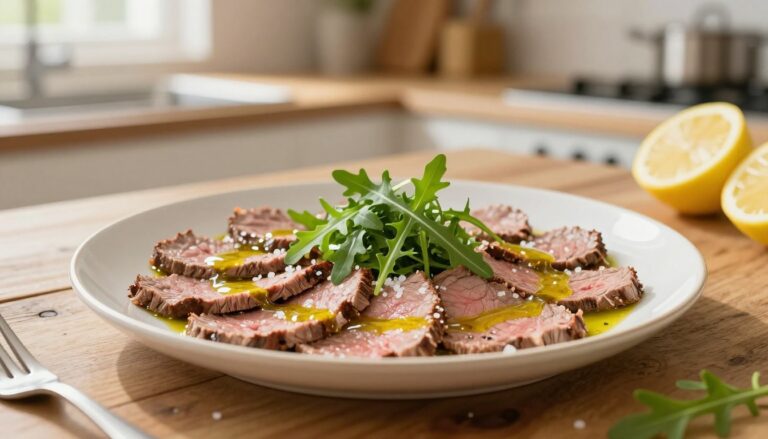
Start with classic tuna sashimi serving ideas. Slice your seared tuna thinly and fan it on your plate. Add olive oil, sea salt, and black pepper. Top with microgreens or edible flowers for a fancy look.
For blackened tuna, coat your steaks in spices before searing. This method creates a spicy crust that goes well with cool sides like coleslaw. The bold seasoning and fresh sides make for an exciting meal.
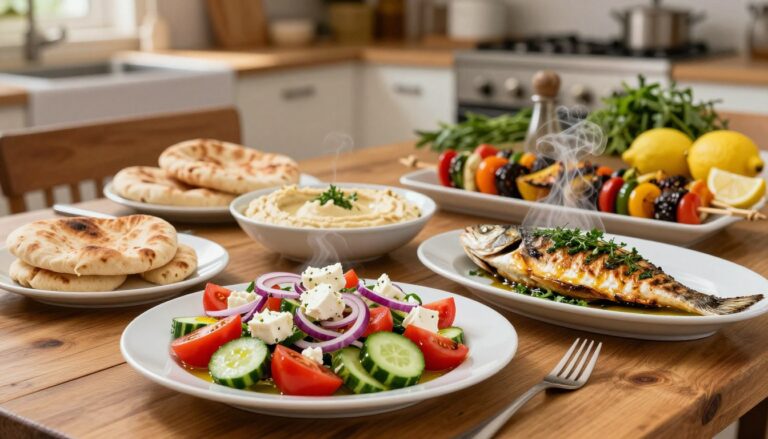
Choose sides that match your tuna’s flavor. Mediterranean tuna goes well with roasted veggies and fresh tomato salad. Asian tuna pairs with steamed rice and stir-fried veggies.
For flavor-packed fish recipes, season your tuna simply. Use lemon juice, soy sauce, or lemon aioli for flavor. Finish with fresh parsley for a fancy touch.
Best Side Dish Pairings
- Steamed rice or quinoa for lighter meals
- Roasted potatoes or air-fried potatoes with olive oil and sea salt
- Fresh cucumber salad or heirloom tomato salad
- Sautéed spinach, zucchini, or green beans with garlic
- Grilled asparagus or roasted cauliflower with almonds
- Mixed green salad with citrusy vinaigrette
- Italian roasted vegetables or potatoes au gratin
Condiment and Sauce Options
- Fresh lemon wedges for brightness
- Soy sauce or ponzu for umami depth
- Lemon aioli for creamy richness
- Spicy sriracha mayo for heat lovers
- Sicilian Salmoriglio for Mediterranean flair
- Italian Salsa Verde for herbaceous notes
Wine and Beverage Pairings
| Wine Type | Best For | Flavor Profile |
|---|---|---|
| Sauvignon Blanc | Any tuna preparation | Crisp, mineral, bright acidity |
| Pinot Grigio | Light, seared tuna | Dry, clean, refreshing |
| Barrel Fermented Chardonnay | Rich preparations | Buttery, complex, smooth |
| Dry Rosé | Warmer weather meals | Fruity, light, elegant |
| Crisp Lager or Wheat Beer | Casual dining | Clean, refreshing, versatile |
Remember, balance is key. Let your tuna be the star. Choose sides and sauces that complement it. A quality sear deserves simple, fresh accompaniments.
Storage Tips and Leftover Tuna Recipe Ideas
Quality tuna needs proper care after cooking. Learning how to store and repurpose leftover seared tuna is key. It ensures you waste nothing and enjoy new flavors.
Proper Refrigeration and Reheating Methods
Let your tuna cool to room temperature, which takes about 30 minutes. Then, put it in an airtight container or wrap it tightly in plastic wrap. Store it in your fridge at 40°F or below right away. Cooked tuna is best within 24 hours, but it’s safe for up to 2 days.
When reheating, you can use a few methods. Wrap your tuna in aluminum foil and heat it in a 300°F oven for 10 minutes. This method will make the tuna more well-done. Many prefer eating it cold or at room temperature to keep the texture and flavor better.
| Storage Method | Duration | Best Texture |
|---|---|---|
| Airtight container in refrigerator | Up to 2 days | Cold or room temperature |
| Plastic wrap in refrigerator | Up to 24 hours | Cold or room temperature |
| Aluminum foil in 300°F oven | 10 minutes reheating time | Warm and cooked through |
Creative Ways to Use Leftover Seared Tuna
Turn leftover tuna into gourmet dishes. Slice it thin and place it on mixed greens with cherry tomatoes, cucumber, and avocado. This makes a protein-rich salad.
Make an elevated tuna salad by flaking the tuna. Mix it with olive oil, lemon juice, capers, and fresh herbs. Serve it on crusty bread or over greens.
For tuna tartare, dice the tuna finely and mix it with avocado, cucumber, red onion, sesame oil, soy sauce, and sriracha. Serve it with crispy wonton chips or cucumber rounds for a fancy appetizer. You can also make tuna crudo by slicing the tuna thinly, drizzling it with olive oil and citrus, and garnishing with capers, olives, or herbs.
- Toss with spaghetti, olive oil, garlic, cherry tomatoes, and basil for Mediterranean pasta
- Mix into Asian noodle bowls with soba noodles, edamame, and ginger-sesame dressing
- Build a tuna banh mi with pickled vegetables and sriracha mayo
- Create Mediterranean wraps with hummus, cucumber, tomatoes, and feta
- Combine with grain bowls using quinoa or farro
These creative ideas make your tuna investment last longer. They reduce waste and open up new flavor possibilities.
Conclusion
You now know how to cook fresh tuna like a pro at home. The recipes in this guide take only 20 to 40 minutes to make. They are healthy, full of protein, and low in carbs. Plus, you can make them taste like restaurant food without leaving your kitchen.
First, choose the freshest tuna you can find. Look for sushi-grade tuna for a rare or medium-rare center. Use a good cast iron skillet and a sharp knife. When searing, use high heat but avoid overcooking. Tuna is best when the inside is tender and buttery.
Don’t just stop with these recipes. Try Mediterranean grilled tuna with a garlic-lemon marinade and bean salad for bold flavors. Or, make quick pan-seared lemon pepper tuna when you’re in a hurry. You can also try sesame-crusted tuna or create your own poke bowls. Once you master searing, experiment with different flavors and sides to keep your meals exciting.
Cooking tuna at home is more than saving money. It’s about the joy of making something special. It’s about impressing your loved ones with fancy-tasting meals. It’s also about getting omega-3s and lean protein into your diet. If your first try isn’t perfect, don’t worry. Tuna cooks fast, so you can practice often. Now, go to your fish counter with confidence and make delicious meals for everyone.