The Best Ideas Beef Carpacci Easy Recipes
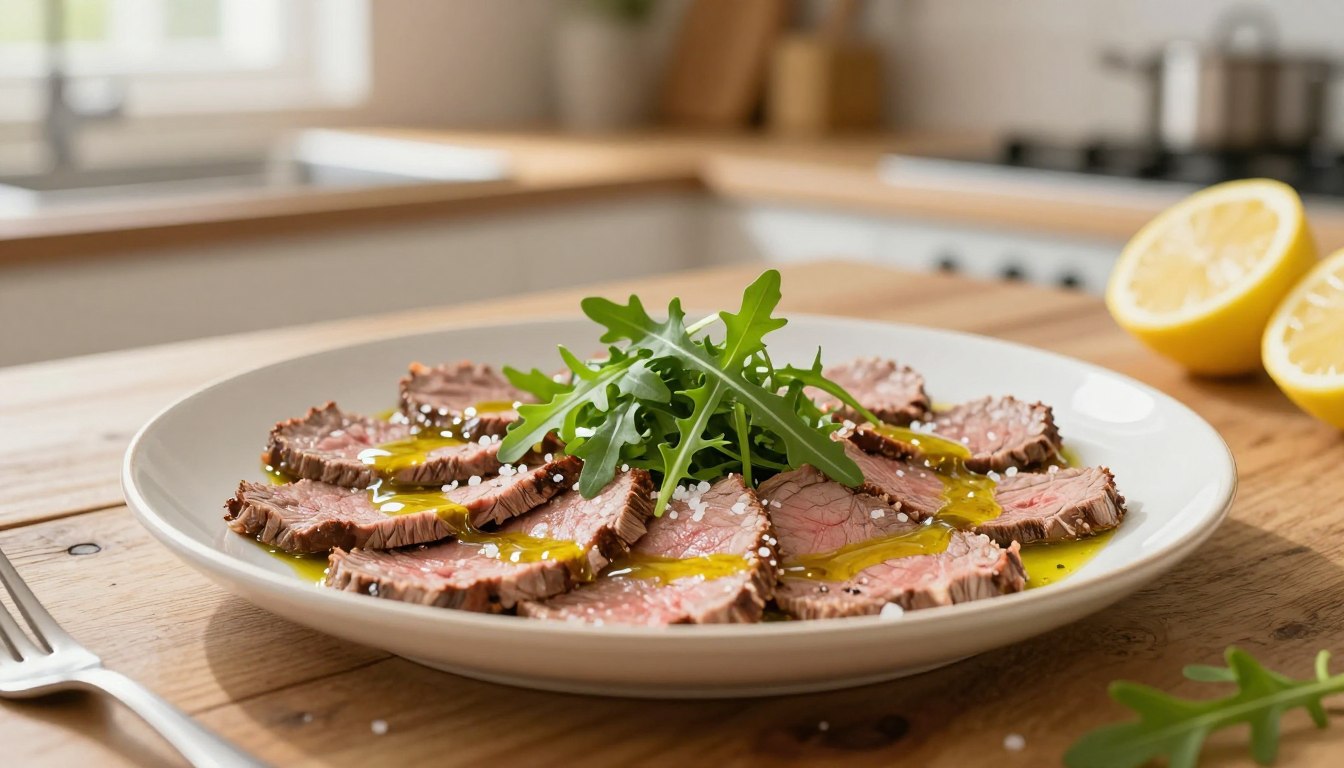
Imagine impressing your guests with a dish that looks like it came from a fancy restaurant. It took you just minutes to make. This feeling of pride is what beef carpaccio gives you every time. It’s a classic Italian dish that’s both fancy and easy to make.
You don’t need to be a chef to make beef carpaccio. All you need is good beef tenderloin, a sharp knife, and a bit of courage to try something new. The beauty of beef carpaccio is in its simplicity. It’s made with raw beef, sea salt, black pepper, lemon juice, olive oil, arugula, and Parmigiano Reggiano cheese. Each ingredient adds to the dish’s magic.
Your homemade carpaccio will look like it took hours to make. But the truth is, it only takes about fifteen minutes. Your guests will be amazed by your skills. And you’ll know the secret. Making beef carpaccio at home makes your dinner parties unforgettable.
This guide will show you how to make beef carpaccio that’s as good as what you’d find in an Italian restaurant. You’ll learn which cuts to use, how to slice thinly without special tools, and the secrets to making it truly special. Whether you’re hosting a small dinner or a big party, this recipe is perfect for any event.
Key Takeaways
- Beef carpaccio is an elegant Italian appetizer that’s surprisingly simple to make at home
- You need just a few quality ingredients like beef tenderloin, olive oil, and lemon juice
- Paper-thin slicing is easier than you think with freezing and pounding techniques
- This dish takes fifteen minutes or less to prepare from start to finish
- Your homemade carpaccio will impress guests and taste restaurant-quality
- Raw beef carpaccio is safe to eat when you follow proper food safety guidelines
What is Beef Carpaccio and Why You’ll Love It
Beef carpaccio is a stunning raw beef appetizer that celebrates simplicity and quality ingredients. It’s made from beef tenderloin sliced paper-thin. It’s dressed with premium olive oil, fresh lemon juice, and minimal seasonings. This dish is elegant because it focuses on the quality of the meat, not complex cooking techniques.
The beauty of a raw beef appetizer lies in its straightforward approach. When you serve carpaccio, you’re showcasing the natural flavors and tender texture of exceptional beef. The thin slicing allows every bite to melt on your tongue, creating an unforgettable dining experience.
The Origins of This Classic Italian Appetizer
Classic beef carpaccio was born at Harry’s Bar in Venice during the 1950s. It was named after the Renaissance painter Vittore Carpaccio, whose distinctive red and white color palette inspired its appearance. The painter’s artistic style perfectly matched the visual presentation of raw red beef against white plates and creamy garnishes.
This venetian creation quickly became famous worldwide. The genius of the original recipe was its elegance in simplicity. You get a raw beef appetizer that feels luxurious without demanding complicated preparation or cooking skills.
Why Carpaccio is Easier Than You Think
Creating classic beef carpaccio at home is surprisingly simple. Here’s what makes it approachable:
- No cooking required—just quality ingredients and proper slicing
- Minimal prep work compared to other appetizers
- Most of the effort goes into presentation, not technique
- A freezing trick makes slicing incredibly easy
You don’t need culinary wizardry to impress your guests. Italian beef carpaccio succeeds through ingredient quality and careful plating. This makes it perfect for home cooks who want to serve restaurant-quality food without spending hours in the kitchen.
Choosing the Right Cut: Beef Tenderloin for Perfect Carpaccio
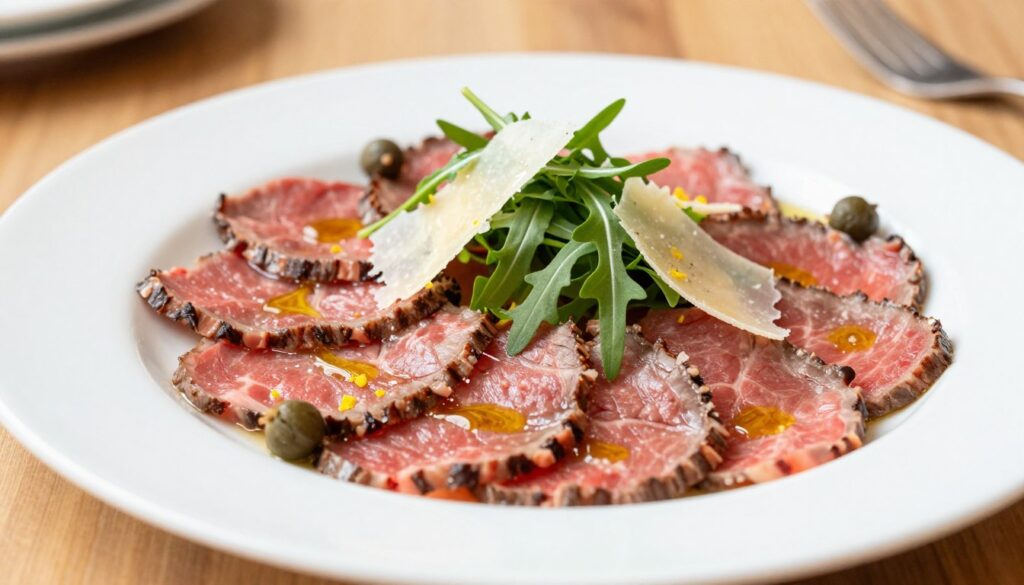
The key to great beef tenderloin carpaccio is picking the right meat. The right cut can make your dish incredibly tender and delicious. Beef tenderloin, also known as filet mignon, is the top choice for this Italian dish. Knowing why this cut is best will help you choose wisely at the butcher.
Beef tenderloin is perfect for carpaccio because of three main reasons. It’s incredibly tender, making it easy to slice thinly. It’s also lean, so your dish won’t feel greasy. Plus, its shape makes it easy to cut even, beautiful slices.
When buying beef, freshness is crucial. Get your beef tenderloin the day you plan to serve it. A good butcher is essential. They can help you find the best quality meat that’s safe for raw dishes.
Why Other Cuts Don’t Work
You might think cheaper cuts could work for carpaccio. But, they don’t. Cuts with more fat or tougher meat will be chewy, no matter how thin you slice them. These cuts can ruin your dish and waste your time.
- Chuck or round steak becomes difficult to slice paper-thin
- Fattier cuts like ribeye feel heavy and greasy when raw
- Inconsistent shapes make beautiful plating impossible
- Lower quality meat raises food safety concerns
Your beef tenderloin carpaccio needs top-notch ingredients. Going to the butcher with confidence and asking for the right cut will make your dish a success.
Essential Ingredients for an Authentic Beef Carpaccio Recipe
Creating the best beef carpaccio recipe with parmesan starts with quality. Every ingredient shines when cooking is simple. You need fresh, premium, and intentional ingredients for a standout dish.
To make an easy italian carpaccio recipe, start with the right ingredients. We’ll look at why each one is crucial and how to pick the best for your kitchen.
Quality Extra Virgin Olive Oil Makes the Difference
Extra virgin olive oil is key for your carpaccio. Spend on a premium bottle, not the cheap stuff. A bold, peppery Tuscan olive oil adds depth and character.
Opt for “first cold-pressed” or “early harvest” for the best taste. Keep your olive oil in a cool, dark spot to keep it fresh.
Fresh Lemon Juice and Seasonings
Don’t use bottled lemon juice for your carpaccio. Freshly squeezed lemon juice adds a bright, zesty touch. Squeeze it just before serving for the best flavor.
Your seasoning lineup should include:
- Coarse sea salt like Maldon or sel gris for clean, mineral flavor
- Freshly ground black pepper with a slightly coarse texture for visual appeal
- Fresh arugula with wilted leaves removed
- Authentic Parmigiano Reggiano or Grana Padano for umami depth
These ingredients make your beef carpaccio recipe truly special. Quality is key at every step.
How to Slice Beef Paper-Thin for Carpaccio
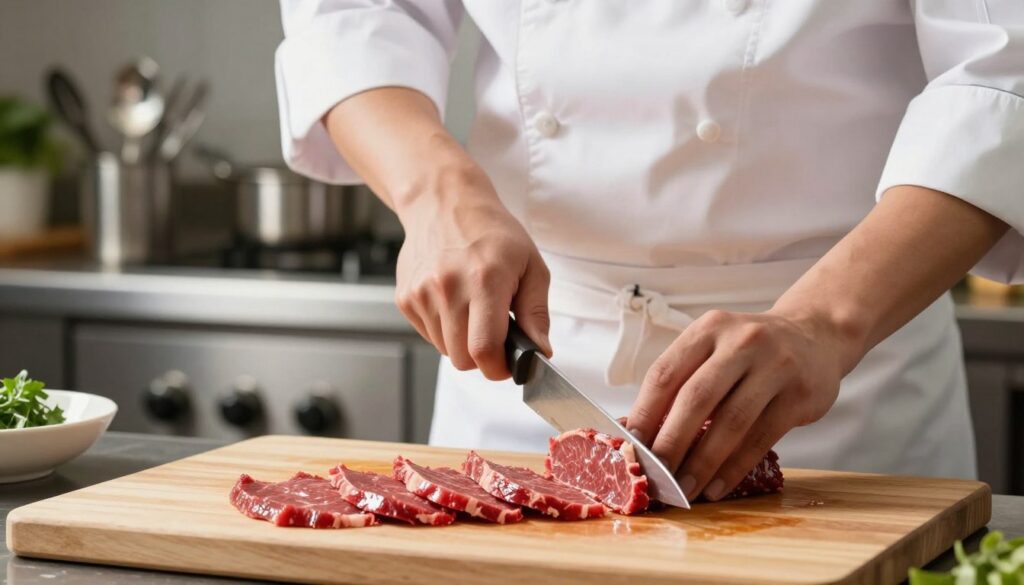
Getting the perfect thin slices is key to making fresh beef carpaccio. This step makes your dish go from homemade to restaurant-quality. Slicing beef paper-thin is easier than you think with the right techniques. Freezing and pounding are the two main methods.
Learning to make beef carpaccio at home means mastering the art of thin slices. The texture and look of your dish depend on this step. With the right approach, you’ll get those thin, melt-in-your-mouth slices that make carpaccio special.
The Freezing Trick for Easy Slicing
The freezing method is your secret for making beef carpaccio. Put your beef tenderloin in the freezer for 1-2 hours. It should be firm but not frozen solid.
A very sharp knife is crucial for this step. Dull knives will tear the meat instead of slicing it cleanly. Slice against the grain, aiming for slices that are ¼ to ⅛ inch thick. Try to make your slices as uniform as possible for even texture and a professional look.
Pounding Technique for Ultra-Thin Slices
After slicing, use the pounding technique to make your beef paper-thin. Place each slice between plastic wrap or parchment paper. Use a meat mallet or rolling pin to gently pound the beef until it’s translucent and thin.
Make sure to space your slices at least one inch apart to prevent sticking. Apply light pressure with your pounding tool. Keep everything cold to maintain the beef’s quality throughout the preparation.
| Slicing Method | Freezing Time | Final Thickness | Best For |
|---|---|---|---|
| Freezing Trick | 1-2 hours | ¼ to ⅛ inch | Initial slicing with sharp knife |
| Pounding Technique | No freezing needed after first method | Paper-thin/translucent | Creating ultra-delicate slices |
Here are key steps to remember when learning how to make beef carpaccio at home step by step:
- Freeze beef tenderloin for 1-2 hours until firm
- Use a very sharp knife for clean slicing
- Slice against the grain for texture
- Maintain uniform thickness throughout
- Place slices between plastic wrap before pounding
- Use light pressure with meat mallet or rolling pin
- Space slices one inch apart to prevent sticking
- Keep all materials and plates chilled
These techniques make making beef carpaccio easy and achievable. Your patience during slicing and pounding is key to a great result. Take your time, keep everything cold, and you’ll impress everyone with your carpaccio.
Is Raw Beef Carpaccio Safe to Eat?
Raw beef carpaccio is safe for most healthy adults if prepared correctly. It’s all about following food safety rules and knowing who should avoid it. Restaurants serve it safely by sticking to strict guidelines. You can do the same at home with care.
But, skipping safety steps makes raw beef carpaccio risky. Pregnant women, older adults, young children, and those with weak immune systems should avoid it. They’re more at risk of getting sick from food. If you’re in one of these groups, try searing the beef before slicing.
- Purchase your beef from a trusted butcher or high-quality grocery store
- Use the meat the same day you buy it for freshness
- Wash your beef under cold water and dry it completely with paper towels
- Keep all surfaces, knives, and cutting boards spotlessly clean
- Refrigerate your beef until the moment you slice it
- Use clean hands and sanitized utensils throughout preparation
- Chill your serving plates before plating your carpaccio
- Eat your raw beef carpaccio within 30 minutes of preparation
Never store raw beef carpaccio as leftovers. Enjoy it fresh and cold, not stored overnight.
| Safety Method | Risk Level | Preparation Time | Best For |
|---|---|---|---|
| Raw Beef Carpaccio (Proper Handling) | Low | 15-20 minutes | Healthy adults |
| Seared Beef Carpaccio | Very Low | 20-25 minutes | Anyone concerned about food safety |
| Fully Cooked Beef | None | 25-30 minutes | At-risk groups |
If raw beef carpaccio worries you, try searing it. Heat a skillet until very hot, then sear the beef for seconds on each side. This kills bacteria while keeping the inside raw and tender. You get safety and flavor.
“Food safety starts with knowing where your ingredients come from and treating them with respect.”
Trust your instincts and make smart choices. Raw beef carpaccio can be your next favorite dish with cleanliness and quality ingredients. Follow these guidelines, and enjoy this elegant appetizer with confidence.
Step-by-Step Beef Carpaccio Recipe
Now, let’s make your own beef carpaccio at home. This quick and fancy appetizer is ready in minutes. Just follow these steps to turn premium beef tenderloin into a dish that wows your guests.
Preparing Your Beef Tenderloin
Choose an 8-ounce beef tenderloin with good marbling. Put it in the freezer for 1 to 2 hours. This makes slicing much easier.
When it’s ready, take it out of the freezer. Use a sharp knife to slice it thinly, about ¼ to ⅛ inch. Slice carefully and evenly.
Then, place each slice between plastic wrap. Pound it gently with your hand or a meat mallet. This makes the beef thin and almost see-through.
Assembling and Plating Your Carpaccio
Chill your plates in the fridge before you start. Peel off the plastic wrap and place each slice on a plate. Arrange them to cover the plate, overlapping slightly.
Drizzle with extra virgin olive oil and fresh lemon juice. Season with sea salt and black pepper. Use a peeler to shave Parmesan cheese over the beef.
For the last step, toss arugula with lemon juice, olive oil, salt, and pepper. Spread it over your carpaccio. Serve it right away, while it’s still cold and fresh.
| Ingredient | Amount | Purpose |
|---|---|---|
| Beef Tenderloin | 8 ounces | Main protein |
| Extra Virgin Olive Oil | 3 tablespoons | Flavor and richness |
| Fresh Lemon Juice | 2 tablespoons | Acidity and brightness |
| Sea Salt | To taste | Seasoning |
| Black Pepper | To taste | Spice and depth |
| Parmesan Cheese | 1 ounce | Savory accent |
| Fresh Arugula | 2 cups | Peppery greens |
This recipe serves 2 to 4 people, perfect for an appetizer or light lunch. It’s quick to make, making it great for parties.
The Best Carpaccio Sauce and Dressing Options
The right carpaccio dressing can make your beef carpaccio unforgettable. Your choice of sauce depends on your taste and how you want to present it. Some like to keep it simple, while others enjoy bold, creamy sauces.
Making your own carpaccio dressing is easy. Start with extra virgin olive oil and fresh lemon juice. Add salt and pepper to taste. This classic mix is found in Italian restaurants, letting the beef’s natural flavors shine.
For more flavor, try a creamy mustard horseradish sauce. This recipe uses pantry staples to create something special. You can also use this technique for restaurant-style salads at home.
Classic Mustard Horseradish Sauce Recipe
This dressing adds serious flavor to your dish. Mix these ingredients for a zesty, creamy sauce:
- 4 tablespoons mayonnaise
- 2 tablespoons fresh lemon juice
- 1½ tablespoons stone ground mustard
- 2 tablespoons freshly grated Parmesan cheese
- 1 teaspoon minced garlic
- ½ teaspoon fresh horseradish (add more for extra kick)
- Salt and pepper to taste
This dressing is perfect for mild raw beef. The creamy base balances the horseradish’s sharpness. You can make it up to a week ahead and store it in the fridge.
When to Use Each Dressing
| Dressing Type | Best For | Flavor Profile | Prep Time |
|---|---|---|---|
| Olive Oil & Lemon | Beef purists who want the beef to be the star | Light, fresh, minimalist | 2 minutes |
| Mustard Horseradish Sauce | Those who prefer bold flavors and creamy textures | Zesty, creamy, complex | 5 minutes |
Your choice of carpaccio sauce depends on your guests and taste. Olive oil and lemon respect the dish’s heritage. Mustard horseradish sauce adds bold flavors and comfort. Both options make your dressing the perfect finish.
Creative Variations and Topping Ideas
Mastering the basic beef carpaccio with arugula recipe opens up a world of possibilities. The simplicity of carpaccio invites creativity. You can make this classic dish your own by trying different toppings and flavors. Whether you want crunch, brightness, or bold tastes, these ideas will help you enjoy this elegant appetizer in new ways.
Adding Arugula and Parmesan
The traditional way to serve beef carpaccio with arugula is a favorite. It pairs tender beef with peppery greens and sharp cheese. The peppery arugula and salty Parmesan shavings make each bite rich and satisfying.
To plate beef carpaccio with arugula, place the greens on top or under the beef. Use a vegetable peeler for thin Parmesan shavings. Mixing baby kale with arugula adds earthiness to the dish.
Mustard Horseradish Sauce Variation
For a bolder twist, try a mustard horseradish sauce with your beef carpaccio. This creamy, spicy sauce elevates the dish while keeping it elegant. The sharp heat of horseradish pairs well with the tender beef.
Here are some topping ideas:
- Briny capers for acidic flavor
- Thinly sliced raw shallots or red onions for sharp bite
- Toasted pine nuts or pistachios for crunch
- Crispy breadcrumbs for texture
Serve your beef carpaccio with arugula on toasted, garlic-rubbed crostini for a more substantial appetizer. This makes the dish perfect for parties, turning it into finger food that guests can enjoy while mingling.
Feel free to adapt the recipe to fit your dietary needs or what you have on hand. The goal is to choose additions that enhance the beef without overpowering it. Each variation you try teaches you about flavor balance and helps you develop your cooking style.
Serving Suggestions and What to Pair with Beef Carpaccio
Beef carpaccio is a fancy appetizer that makes your meal feel special. It’s perfect for starting an Italian dinner or as a light lunch. The thin slices of raw beef make a fancy first course that won’t fill you up too fast.
Think about making a full Italian menu with carpaccio as the star. It goes well with hearty dishes that match its light flavors. Here are some classic Italian pairings for your next dinner:
- Homemade potato gnocchi tossed with fresh basil pesto Genovese
- Creamy mushroom risotto with Parmesan cheese
- Crispy chicken Milanese topped with bright tomato and arugula salad
These dishes are great because they don’t clash with the carpaccio. They show off different parts of Italian cooking, making your dinner feel complete.
You can serve your carpaccio in two ways. For fancy dinners, put it on individual plates for a fancy look. For casual events, put it on a big platter so everyone can grab some.
Don’t forget the accompaniments. Offer crusty bread or crostini to soak up the dressing. When picking toppings and sauces, make sure your bread can handle the moisture.
Choosing the right drinks is important too. Pinot Grigio or light red wines are best with carpaccio. They complement the beef without overpowering it, keeping the meal light and balanced.
| Serving Style | Best For | Presentation Tips |
|---|---|---|
| Individual Plates | Formal dinner parties | Arrange slices in overlapping circles, garnish center, use fine china |
| Large Platter | Casual gatherings | Layer beef artfully, provide small plates and forks for easy serving |
| Crostini Base | Cocktail parties | Top toasted bread slices with thin beef and chosen toppings for finger-food appeal |
Beef carpaccio is perfect for creative entertaining. It’s great for small dinners or big parties, always keeping things fancy.
Make-Ahead Tips for Entertaining with Carpaccio
Beef carpaccio is perfect for making ahead. It’s easy to prepare in advance without losing flavor. This way, you can relax and enjoy your guests, not just cook for them.
Divide your prep into stages to manage your time better. This keeps everything fresh and delicious. It also makes your party day less stressful.
Preparing Components in Advance
Your mustard horseradish sauce is a game-changer for hosting. Make it up to a week before and keep it in the fridge. This saves you time when your guests arrive.
Crostini can be made a day or two in advance. Store them in an airtight container to keep them crispy. For the best crunch, make them the day of your event.
You can slice the beef up to two days before. Place the slices between parchment paper and store them in the fridge. This keeps the meat fresh and ready to serve.
| Component | Storage Time | Storage Method |
|---|---|---|
| Mustard Horseradish Sauce | Up to one week | Covered container in refrigerator |
| Crostini | One to two days | Airtight container at room temperature |
| Sliced Beef Carpaccio | Up to two days | Parchment paper layers on refrigerated tray |
When it’s time to serve, you have choices. You can assemble the dish in advance or let guests create their own. Both options are great for different occasions.
- Pre-plate individual portions for a formal dinner
- Create a beautiful platter for guests to admire before eating
- Set up a DIY station where everyone builds their own
This hosting strategy lets you relax and have fun. Your beef carpaccio will surely impress your guests.
Conclusion
You now know how to make beef carpaccio like a pro. This Italian dish looks fancy but is easy to make. The secret is using top-notch beef, freezing it thin, and adding premium olive oil and fresh lemon juice.
You don’t need fancy cooking skills or rare ingredients. The beauty of beef carpaccio is in its simplicity and quality. Follow the steps from this guide and use the best ingredients, like your beef and oil.
Don’t worry about preparing raw beef at home. With the right safety tips and quality meat, you’ll make something safe and tasty. Your guests will be impressed when you serve this at your next dinner.
Beef carpaccio is all about being flexible and personal. Stick with the classic dressing or try something new like mustard horseradish sauce. Serve it on traditional plates or crispy crostini for a unique touch.
Experiment with toppings like arugula and Parmesan cheese to find your favorite. You’re now ready to make restaurant-quality beef carpaccio. This recipe lets you look like a pro without spending hours cooking. Start today and see how easy it is to make something special.