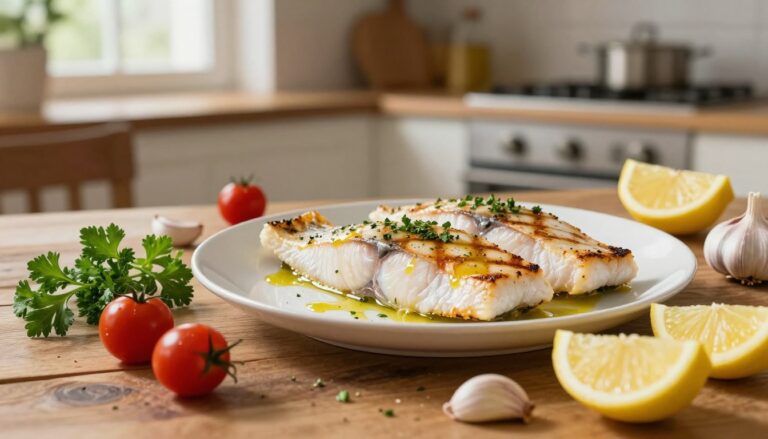
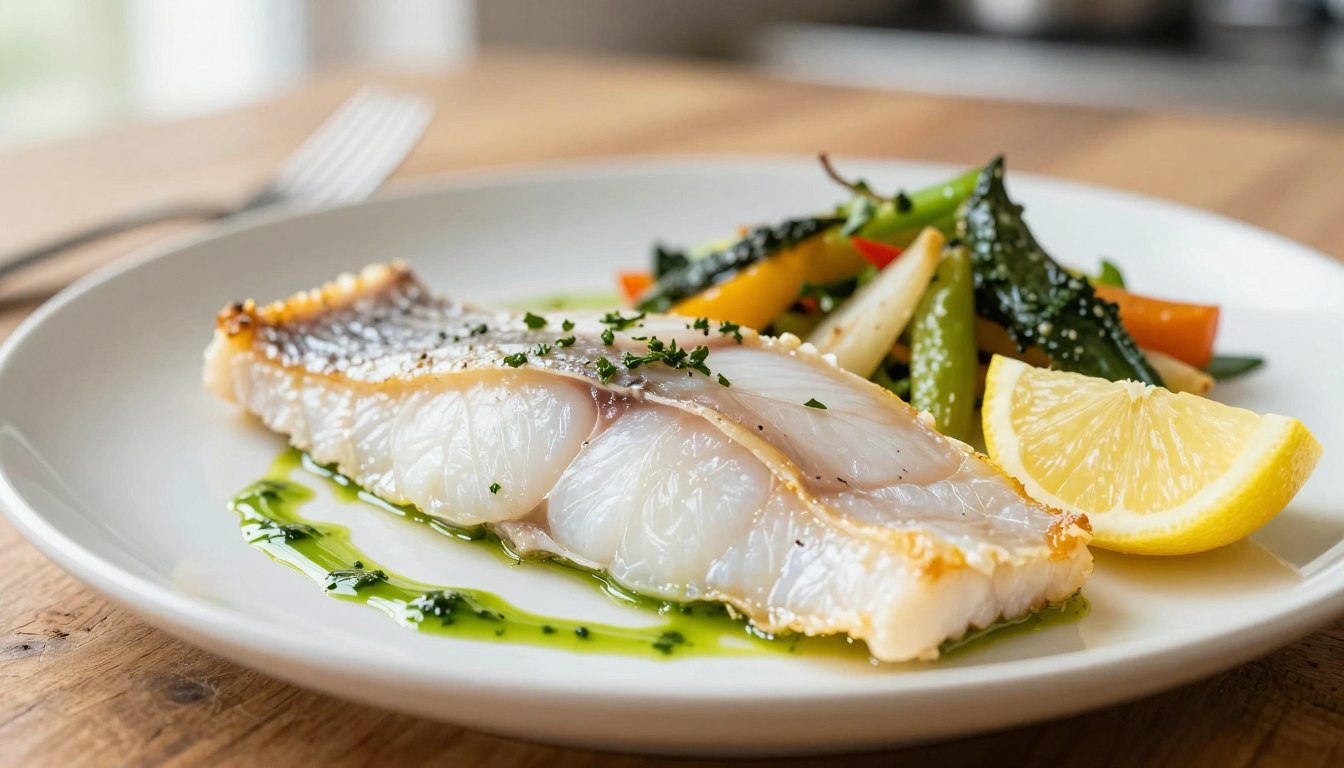
The Best Easy Saint-Pierre: fish, fillet, recipes
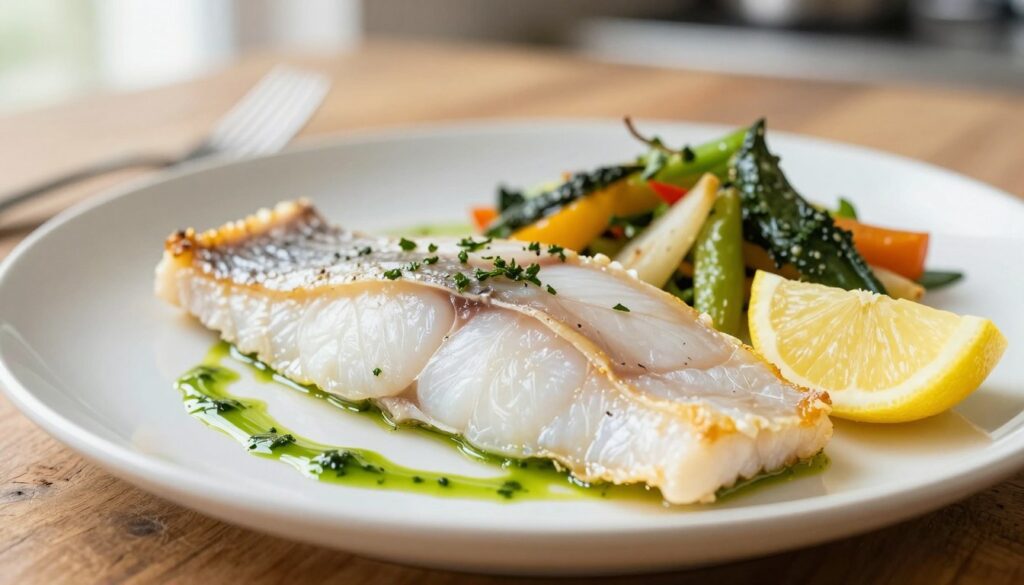
Cooking with luxurious yet simple ingredients is magical. Saint-Pierre, or John Dory, is perfect for this. Its dark spot and elegant shape make it stand out. Once you taste it, you’ll see why chefs and home cooks love it so much.
This guide will help you master the Saint-Pierre fish recipe at home. You don’t need fancy tools or techniques for great meals. Quality fish and a bit of knowledge are all you need. John Dory’s sweet flesh shines in simple preparations.
Cooking Saint-Pierre can make any dinner special. Whether it’s for a weeknight or a dinner party, it’s elegant and easy. You’ll find recipes from French to Asian styles that suit your taste. Premium fish like Saint-Pierre offers unmatched flavor and satisfaction.
Start your Saint-Pierre journey here. Learn to pick the freshest fish and cook it with confidence. Discover how to make dishes that highlight this exceptional ingredient. Let’s explore the possibilities of this remarkable fish in your kitchen.
Key Takeaways
- Saint-Pierre, or John Dory, is a premium white fish with delicate, sweet flesh that requires minimal preparation
- Simple cooking methods like pan-searing and roasting bring out the best flavors in this prized fish
- Selecting fresh Saint-Pierre at the market is your first step to cooking success
- Quick recipes work best with John Dory since the delicate flesh cooks rapidly
- Mediterranean and Asian flavors complement Saint-Pierre beautifully
- Proper temperature control prevents overcooking this tender, delicate fish
- Light wines and bright accompaniments enhance rather than overpower John Dory’s natural taste
What Makes Saint-Pierre Fish Special for Home Cooking
Saint-Pierre, also known as John Dory, is a standout in gourmet white fish recipes. It has qualities that make it different from other seafood. Knowing what makes Saint-Pierre special helps you see the value of choosing it for your meals.
The fish’s look tells a story. It has an oval, bronze body with silvery-gold reflections. It also has a large head and a dark round spot on the skin, said to be Saint Peter’s thumbprint. Saint-Pierre offers culinary benefits that make cooking it worthwhile.
The Delicate Flavor Profile of John Dory
The meat of Saint-Pierre is white and tender. When cooked right, it flakes well on your plate. It tastes subtly sweet with hints of seaweed and ocean brine, adding depth without being too much.
It’s low in fat, making it great for health-conscious cooks. You get a delicate taste without the heaviness of rich sauces. Simple recipes are best, letting the fish’s natural flavors be the main attraction.
Why Saint-Pierre Commands Premium Prices
At your fishmonger, Saint-Pierre might have a high price tag. In the US, it costs between $30-50 per pound. The price reflects several key factors:
- Large head size means less usable meat per whole fish
- Ranking as one of the finest white fish available worldwide
- Skin that removes cleanly, making filleting more efficient
- Exceptional flesh quality that justifies the investment
- Limited availability compared to common fish varieties
Investing in Saint-Pierre means you don’t need complex cooking. Learning about Saint-Pierre’s characteristics helps you make simple dishes that highlight its excellence. With premium ingredients, less effort often leads to better results.
| Quality Factor | Saint-Pierre Advantage | Impact on Cooking |
|---|---|---|
| Fat Content | Remarkably Low | Light, healthy meals without heavy sauces |
| Meat Texture | Firm Yet Moist | Holds shape beautifully when cooked |
| Flavor Profile | Subtle with Ocean Hints | Works with simple preparations |
| Skin Removal | Easy and Clean | Reduces preparation time and waste |
| Availability | Limited and Seasonal | Encourages planning ahead for meals |
Understanding these qualities prepares you for working with Saint-Pierre in your kitchen. The fish’s characteristics influence how you should approach cooking it, guiding your choices about methods and ingredients.
Understanding John Dory: From Market to Kitchen
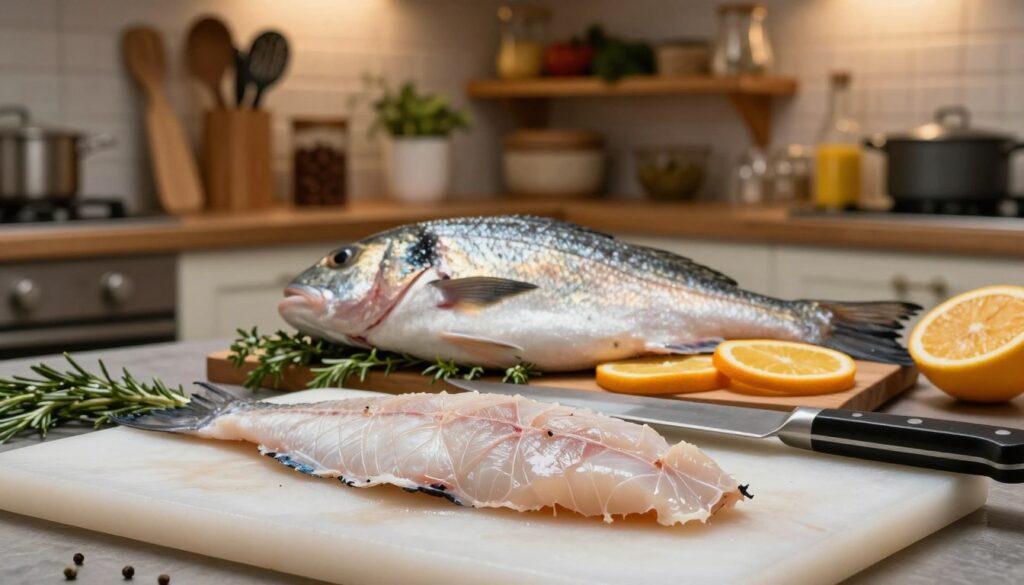
At your local fish market, you’ll find John Dory. It’s known for its unique look and interesting name stories. This fish is called different names worldwide, each with its own history.
The name “John Dory” comes from the French “Jean-doré,” which means “golden John.” This refers to the fish’s beautiful bronze-golden, shimmering skin. In France, it’s called Saint-Pierre, named after Saint Peter. Americans and Canadians also call it Saint Peter. It’s the same fish, known for its oval body and spiny dorsal fins.
The fish has a dark circular spot on each side. Folklore says this is Saint Peter’s thumbprint from catching and releasing the fish. Another story says he took a coin from the fish’s mouth after Jesus’s guidance. This spot makes it easy to spot fresh John Dory at the market.
When you get to the fish counter, you have choices. You can pick whole fish or fillets. Each choice changes how you cook it:
- Whole Saint-Pierre keeps more flavor and juiciness
- Whole fish cooking needs skill and practice
- Fillets are quicker to cook and more convenient
- Fillets need careful cooking to avoid drying out
Learning to cook whole saint-pierre makes your dish richer. The bones add flavor, and the skin becomes crispy. Knowing this helps you make better choices at the market and succeed in the kitchen.
Essential Techniques for Preparing Saint-Pierre Fillets
Getting your Saint-Pierre ready for cooking starts with smart choices at the market. Understanding proper preparation methods is key. Learning the right john dory fillet techniques will make your kitchen work easier and your meals taste better. Preparing an easy saint-pierre fillet doesn’t require professional training when you follow these practical steps.
How to Select Fresh John Dory at the Market
Choosing quality fish at your local market sets the foundation for a delicious meal. When you’re shopping for Saint-Pierre, look for these important signs of freshness:
- Clear, bright eyes that look alive, not cloudy or sunken
- Shiny skin with vibrant bronze-gold coloring
- Firm flesh that springs back when you gently press it
- Fresh ocean smell without any fishy or ammonia odors
- Bright red or pink gills that show good color
- A clearly visible dark spot on the body
- Moist-looking skin without any dry patches
For whole fish, check that the body is intact with no bruising or damage.
Filleting and Skin Removal Tips
The smartest approach for home cooks is asking your fishmonger to handle the filleting. Saint-Pierre has a large head, so expert filleting maximizes your yield. You’ll get two double white, firm fillets from each fish that are ready to cook.
If you work with pre-filleted portions, good news awaits you. An easy saint-pierre fillet means the skin comes off cleanly. After cooking, use two forks to gently pull the skin away from the flesh. It should separate quite easily without tearing the delicate meat underneath. The fish is naturally designed to release from its skin, making your job simpler than with many other varieties.
For those wanting to try john dory fillet techniques yourself, use a sharp filleting knife and work carefully along the backbone. Remove any remaining pin bones using fish tweezers. Your patience and a quality knife make all the difference in preserving the beautiful white flesh.
Classic Pan-Seared Saint-Pierre Fish Recipe
Pan-seared saint-pierre is a fancy way to cook this white fish at home. It’s a classic French method that highlights the fish’s flavor. You can make it in just 15 minutes, perfect for weeknights or special occasions.
This recipe is simple because it doesn’t hide the fish’s taste with heavy sauces. The fish cooks quickly, needing little help to become perfect.
What You’ll Need to Get Started
Before you start cooking, gather your ingredients and tools. Having everything ready makes cooking smooth and uninterrupted:
- Four Saint-Pierre fillets, approximately 150g (5oz) each
- Butter and olive oil for the pan
- Two small shallots, finely chopped
- White wine (30ml or 2 tablespoons)
- One organic lemon
- Fleur de sel salt and freshly ground pepper
- Fresh parsley or chives for garnish
- Non-stick pan or quality ScanPan skillet
Step-by-Step Cooking Instructions
Melt butter with olive oil in your pan over medium heat. This mix adds flavor and doesn’t burn easily. It’s ready when it’s gently foaming and smells good.
Add chopped shallots to the pan. Cook them for two minutes until they’re clear and smell sweet. This step adds flavor to your sauce without overpowering the fish.
Put your saint-pierre fillets in the pan and cook for one minute on each side. This quick cooking ensures they’re well coated in the butter mixture. After flipping, add white wine and season with salt and pepper.
Turn the heat low and cover the pan. Let the fish cook in its own steam for three minutes. This gentle cooking prevents overcooking and ensures it’s fully cooked.
Finishing Your Dish
Remove the pan from heat and squeeze lemon juice over everything. The lemon brightens the dish and enhances the fish’s flavor. If the sauce is too thin, reduce it for a minute over medium-high heat.
Put your cooked fillets on plates and pour the sauce over them. Top with fresh herbs like parsley or chives. This makes your dish look as good as it tastes.
| Component | Cooking Time | Temperature | Key Action |
|---|---|---|---|
| Butter and Oil | 2 minutes | Medium Heat | Heat until gently foaming |
| Shallots | 2 minutes | Medium Heat | Sauté until translucent |
| Fish First Side | 1 minute | Medium Heat | Keep coated in butter mixture |
| Fish Second Side with Wine | 1 minute | Medium Heat | Add white wine and seasonings |
| Covered Cooking | 3 minutes | Low Heat | Cover pan for gentle steam cooking |
| Lemon Finishing | 1 minute | Off Heat | Squeeze fresh lemon juice |
Looking for more simple white fish recipes and pan-frying techniques? The key is quality ingredients, proper heat, and care for the fish. These steps turn ordinary cooking into something special.
This recipe makes four servings and cooks perfectly every time. Prep takes 10 minutes, and cooking is just five. Your dinner is ready in 15 minutes, proving elegance can be quick.
Roasted John Dory with Mediterranean Flavors
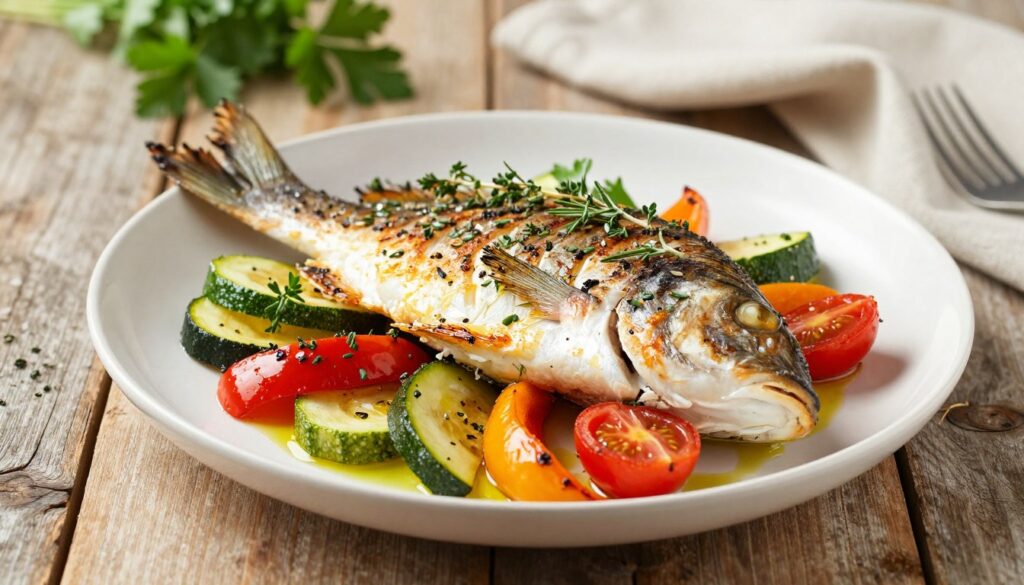
Roasting a whole John Dory brings out the best in this delicate fish. This classic approach makes your baked john dory fillet taste like it’s from a restaurant. The Mediterranean style uses simple, bright ingredients that let the fish shine.
This method is inspired by Chef Jacques Maximim’s legendary bistro in Cagnes-sur-Mer, France. It’s popular for good reason—it works beautifully for mediterranean fish recipes. When you roast your whole fish with aromatic herbs and vegetables, every element absorbs flavor from the others.
Combining Tomatoes, Olives, and Fresh Herbs
The foundation of this dish starts with building layers of flavor. You’ll arrange your roasting pan with fresh herbs before adding the fish. Here’s what you’ll need to layer:
- 6 thyme sprigs for earthy warmth
- 2 dried fennel stalks (or fennel seeds) for subtle anise notes
- 2 bay leaves for depth
- 12 Niçoise olives for briny richness
- 12 halved cherry tomatoes for sweetness and moisture
- 10 small fingerling potatoes (pre-boiled for 15 minutes)
Place your 2-pound whole fish directly on these herbs. Scatter the prepared vegetables around it. The cherry tomatoes release their juices during roasting, creating natural moisture. The olives add complexity without overpowering the delicate fish. Fresh basil added at the end brightens everything with aromatic freshness.
Creating the Perfect Cooking Juice
The magic happens in the roasting liquid. You’ll combine equal parts of three simple ingredients to create something extraordinary:
| Ingredient | Amount | Purpose |
|---|---|---|
| Fresh lemon juice | ½ cup (125 ml) | Bright acidity |
| Extra-virgin olive oil | ½ cup (125 ml) | Rich flavor and moisture |
| Water | ½ cup (125 ml) | Balances intensity |
Slice 4 tablespoons of unsalted butter and place it directly on your fish. Pour the liquid mixture around it. Roast everything at 425°F (230°C) for 20 to 25 minutes. Baste frequently so your fish stays moist and absorbs all these wonderful flavors. The cooking juice becomes perfectly balanced—acidic, rich, and savory all at once.
Learn more about roasting john dory with tomatoes, olives, and to master this technique. You can also explore essential temperature and timing guidelines for roasting to ensure perfect results every time.
When finished cooking, gently remove the skin and fillet your fish at the table. Serve with the potatoes, tomatoes, and olives. Spoon those precious cooking juices over everything. Top with chopped fresh basil for a final flourish. This presentation makes mediterranean fish recipes feel special and restaurant-worthy.
Quick Weeknight Saint-Pierre with Butter and Wine Sauce
Need a fancy dinner fast? Try saint-pierre with butter sauce. It’s ready in 15 minutes, perfect for busy nights. It’s simple yet elegant, letting the fish’s delicate taste shine.
This dish is light and flavorful. It doesn’t hide the fish’s tender taste. A rich butter and wine sauce makes it special in no time. Start by getting your kitchen ready.
Prepare Your Mise en Place
Get everything ready before cooking. This makes the process easy and stress-free:
- Chop shallots into thin slices
- Mince fresh herbs like parsley and tarragon
- Pat your saint-pierre fillets completely dry
- Squeeze fresh lemon juice into a small bowl
- Measure out white wine and butter
This recipe is all about timing, not complicated steps. Heat a skillet with olive oil and butter. Cook the fish skin-side down for three minutes until crispy. Flip and cook for two more minutes.
Take the fish out and set it aside. Sauté shallots until they’re soft. Then, add white wine to deglaze. Reduce it a bit before whisking in cold butter. Finish with lemon juice and herbs, then pour the sauce over the fish.
Simple Sides to Serve Alongside
Keep your sides simple, just like the main dish:
- Steamed green beans with a touch of garlic
- Microwaved baby potatoes drizzled with olive oil
- Crispy baguette slices for soaking up sauce
- A light green salad with lemon vinaigrette
This recipe shows you can have a fancy meal in under 20 minutes. Your dinner will look like it came from a restaurant.
Asian-Inspired John Dory in Galanga Dashi Broth
Explore a new way to enjoy healthy fish fillets by mixing French and Asian flavors. This recipe turns Saint-Pierre into a light, aromatic dish. It shows John Dory’s versatility beyond traditional French dishes.
You’ll make a Japanese dashi base and add Thai aromatics. This creates a meal that’s elegant and satisfying.
This dish combines European and Southeast Asian flavors. It’s a delicate, nourishing meal ready in 40 minutes. It’s perfect for dinner guests or a simple weeknight meal.
Building Layers of Flavor with Thai Herbs
Start with quality ingredients to make a flavorful broth. Prepare your dashi base with these essential components:
- 1 liter of water
- 10 grams dried kelp (kombu)
- 10 grams dried bonito flakes (katsuoboshi)
- 25 grams galanga root, thinly sliced
- 3 tablespoons light soy sauce
- 1.5 tablespoons mirin
- ½ bird’s eye chili
Add fresh Thai herbs to finish your dish. These herbs make your meal unforgettable:
- Thai basil (pairs beautifully with galanga’s lemony notes)
- Fresh cilantro
- Thai cilantro
- Scallions, sliced thin
Making dashi takes patience. Start by boiling water with kombu, then remove the kelp. Add bonito flakes and bring to a boil. Turn off heat, add soy sauce and mirin, then let it infuse. After five minutes, add your galanga and let it infuse for ten more minutes.
Slice your 300-gram Saint-Pierre fillets paper-thin. Cook them gently in the hot broth. Serve with blanched turnip petals for sweetness and visual appeal. Add short-grain rice and optional steamed sweet potato cubes for a complete meal.
Best Side Dishes to Serve with Saint-Pierre
Choosing the right sides can make your gourmet fish fillet recipe complete. Saint-Pierre’s sweet flavor needs sides that enhance it. Look for starches and veggies that complement the fish without taking over.
Classic French sides are perfect with Saint-Pierre. These dishes have been loved for ages. They add elegance to your fish fillet recipe.
- Glazed Vichy carrots – tender carrots cooked in butter, water, and a touch of sugar until glossy
- Fresh peas – steamed simply or sautéed with butter and mint for brightness
- Sautéed green beans – blanched then tossed in olive oil with garlic
- Fingerling potatoes – roasted alongside the fish to absorb cooking juices
- Creamy mashed potatoes – a rich base for pan-seared fillets
For a Mediterranean twist, try roasted cherry tomatoes and potatoes with your fish. They soak up the juices. For something different, rhubarb compote offers a tart contrast. Add crispy dried rhubarb chips for a fancy touch.
Asian-inspired dishes pair well with short-grain rice and sweet potato cubes. These neutral bases soak up broths well. Crusty bread, buttered new potatoes, and rice pilaf are great with any style, ensuring a balanced meal.
Expert Tips for Cooking John Dory Without Overcooking
Overcooking is a big mistake when cooking delicate fish like Saint-Pierre. Learning to control temperature and timing is easy. Saint-Pierre cooks fast because it’s lean and delicate. So, use less heat and time to get it right.
When cooking pan-seared saint-pierre fish, be careful because it’s so tender. Always err on the side of undercooking. You can always cook it a bit more, but you can’t undo overcooking. Let the fish finish cooking on its own.
Temperature and Timing Guidelines
When pan-searing fillets, cook for just one minute on each side over medium heat. Then, cover the pan and cook on low for three minutes. This method keeps the fish moist and tender.
For oven-roasting a whole Saint-Pierre, set your oven to 425°F (230°C). Cook for 20 to 25 minutes. Baste the fish often with butter and pan juices. Cooking on the bone helps prevent overcooking and adds flavor.
Fillets need extra care. Look for a change in color from translucent to opaque white. The fish should flake easily with a fork when done. Use an instant-read thermometer to check for 130 to 135°F internal temperature.
| Cooking Method | Temperature | Time | Key Technique |
|---|---|---|---|
| Pan-Searing Fillets | Medium Heat | 1 minute per side + 3 minutes covered on low | No movement during first sear; cover to steam |
| Whole Fish Roasting | 425°F (230°C) | 20–25 minutes | Baste frequently with butter and juices |
| Thin Fillet Pan-Frying | Medium Heat | Less than 3 minutes total | Watch for opaque color change |
| Broth Cooking (Asian Style) | Hot Liquid Only | 30 seconds–1 minute | Residual heat cooks paper-thin slices |
Before cooking, let your fish sit at room temperature for 15 to 20 minutes. Pat it dry on all sides. This step is key because moisture prevents browning. Removing moisture improves searing, as versatile fish recipes suggest.
- Remove fish from refrigerator 15–20 minutes before cooking
- Pat fillets dry with paper towels on all surfaces
- Season with salt and pepper just before cooking
- Use medium heat for pan-searing, never high heat
- Keep the pan covered during the final steaming phase
- Test doneness with multiple methods (visual, texture, thermometer)
Asian techniques offer another way. Thin slices of Saint-Pierre cook in hot dashi broth in 30 seconds to one minute. This method produces tender results without direct heat.
Remember, your pan-seared saint-pierre fish does best when you respect its delicate nature. Use less heat, check temperatures, and know when to stop for the best results.
Wine Pairing Recommendations for Saint-Pierre Dishes
The right wine can make your Saint-Pierre dinner unforgettable. This delicate fish pairs well with crisp, elegant white wines. These wines complement without overpowering. Whether it’s a classic pan-seared fillet or a Mediterranean dish, the right wine makes it memorable.
Start with white Burgundy wines from the Côte de Beaune region. Choose floral options like Saint Aubin for their subtle fruit notes and refreshing acidity. These wines won’t compete with the fish’s delicate flavor. You can also try lighter whites like Pinot Grigio, Vermentino, or Fiano for your dish.
For richer, butter-based Saint-Pierre dishes, white Bordeaux wines are great. Graves and Entre-deux-Mers have the body and complexity for creamy sauces. These wines blend Sauvignon Blanc with Sémillon for a perfect balance.
Mineral-driven wines from the Loire Valley also work well. Saumur, Sancerre, and Muscadet offer flinty, citrus-forward profiles. Alsatian Pinot Blanc or Riesling add aromatic elegance to herb-forward dishes.
- Pan-seared or roasted Saint-Pierre: White Burgundy or Loire Valley wines
- Mediterranean-style mediterranean fish recipe with tomatoes: Vermentino or Provençal whites
- Butter and wine sauce preparations: White Bordeaux like Graves
- Asian-inspired John Dory in aromatic broths: Off-dry Riesling or Gewürztraminer
- Grilled with lemon and herbs: Coastal Italian whites or Albariño
Serve your white wine well-chilled at 45-50°F for best results. Your Saint-Pierre deserves a wine that respects its delicate nature while enhancing every bite.
Conclusion
You now know how to cook Saint-Pierre with confidence. This fish is special and deserves care in the kitchen. The good news is that simple methods work best.
Quality ingredients are key, not fancy methods or heavy sauces. Let the fish’s natural flavors shine. John Dory’s firm texture and delicate taste are its best features.
Start with the basics to improve your cooking skills. The quick pan-seared recipe is a great place to begin. Mastering this method will help you understand how Saint-Pierre cooks.
Once you’re comfortable, try roasting the whole fish or making an Asian-inspired broth. Each recipe teaches you something new. The main rules are the same: choose fresh fish, watch cooking time, and use seasonings that enhance the fish’s sweetness.
Your next step is to visit your local fish market. Talk to the fishmonger and build a relationship. Learn about the fish’s origin and freshness. Don’t be shy about this fish.
With what you’ve learned, you can make amazing John Dory dishes at home. They’ll impress your family and guests. Investing in quality fish and a little care in the kitchen will make your meals unforgettable.