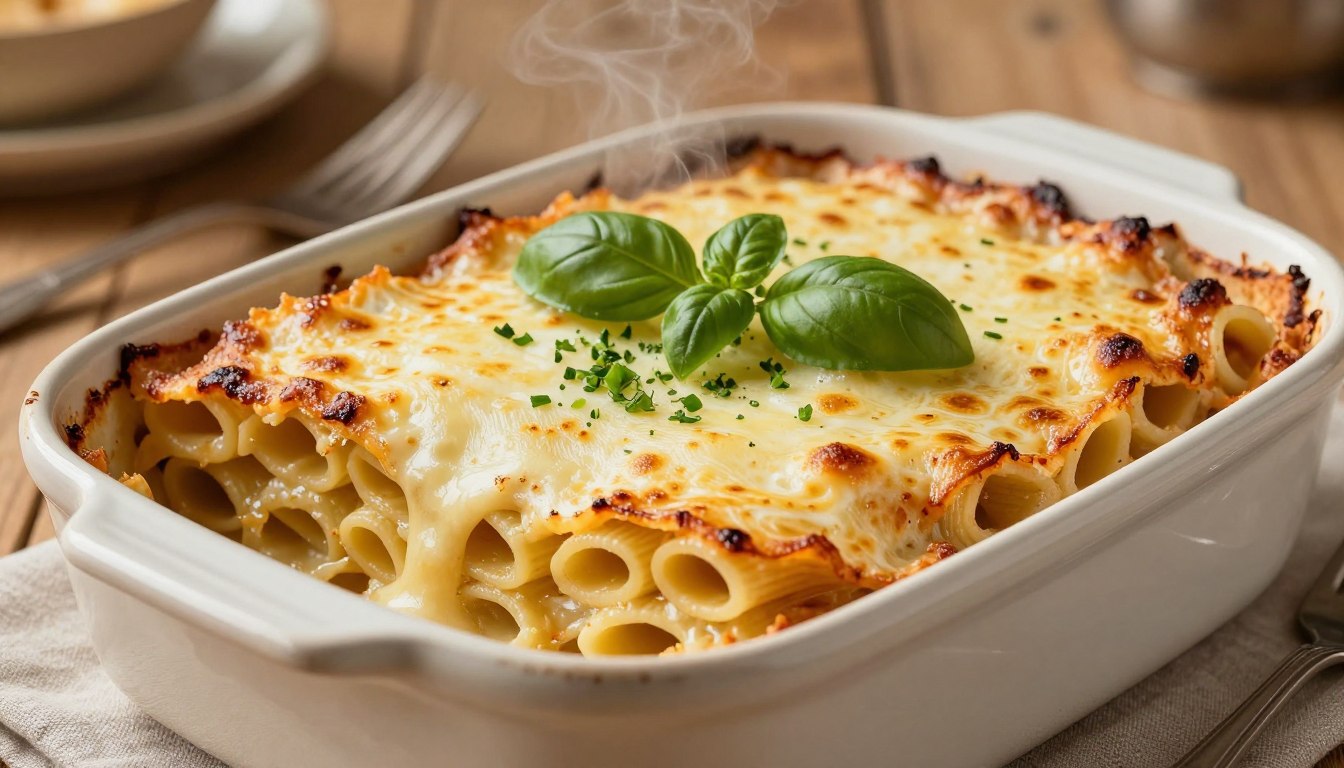
The Best Easy Pasta al Forno Baked Italien
There’s something magical about pulling a bubbling dish of baked pasta from the oven. The aroma fills your kitchen, and you know you’re about to serve something that brings people together. Pasta al Forno is an oven-baked pasta with creamy and cheesy sauce that turns any weeknight into something special. You don’t need fancy techniques or complicated steps to create this beloved comfort food.
This classic Italian comfort food comes from Southern Italy, from places like Calabria, Campania, Puglia, and Sicily. The name itself tells you what makes it work. Pasta al Forno translates to “from the oven” in Italian. It’s traditionally served on Sundays for family lunch, and it’s perfect for parties and buffets because it can be prepared in advance. You can make it hours ahead and simply pop it in the oven when you’re ready to eat.
What makes this dish so special isn’t fancy ingredients or restaurant secrets. The key to success is using pasta water to create creaminess without heavy cream or béchamel sauce. This simple trick gives you silky, luxurious layers that feel indulgent but come together easily. You’ll create something that tastes like it took all day, even when you’ve spent less than an hour in the kitchen.
Key Takeaways
- Pasta al Forno is an oven-baked pasta dish with creamy and cheesy sauce that comes from Southern Italy
- The dish can be prepared in advance, making it ideal for weeknight dinners and entertaining guests
- Pasta water creates creaminess without needing heavy cream or béchamel sauce
- This classic Italian comfort food is traditionally served on Sundays for family lunch
- The recipe is simple enough for beginners but tastes restaurant-quality
- It’s perfect for parties and buffets since you can make it ahead
- The name Pasta al Forno literally translates to “from the oven” in Italian
What is Pasta al Forno and Why You’ll Love This Italian Classic
Pasta al forno means “from the oven” in Italian. It’s a beloved dish in Italian cuisine. It combines tender noodles, rich meat sauce, and melted cheese for a memorable meal.
Preparing pasta al forno is a tradition that has fed Italian families for generations. It’s a favorite at dinner tables across America.
This dish is loved for its simplicity and ability to satisfy many. Unlike quick pasta dishes, it takes time and care. It’s perfect for meal prep and special occasions.
The Origins of This Traditional Italian Baked Pasta
Pasta al forno comes from Calabria, Campania, Puglia, and Sicily in Italy. Each region adds its own twist to this dish. Families have perfected recipes over generations.
Different regions make pasta al forno unique:
- Naples uses tiny meatballs between layers
- Sicily adds scrambled and hard-boiled eggs
- Calabria and Puglia focus on meat sauce and cheese
- Some add béchamel sauce for creaminess
It’s a Sunday lunch tradition in Italian families. Now, you can find it throughout Italy and worldwide. It symbolizes family gatherings and home cooking.
What Makes This Recipe So Comforting and Delicious
The dish offers multiple textures and flavors in every bite. Baking pasta al forno is magical. The pasta becomes tender, the sauce deepens, and the cheese gets crispy.
What makes it so satisfying:
| Element | What It Provides | Sensory Experience |
|---|---|---|
| Tender Pasta | Soft, comforting base | Creamy texture |
| Rich Meat Sauce | Deep, savory flavor | Hearty and filling |
| Melted Mozzarella | Gooey cheese layer | Creamy and mild |
| Sharp Pecorino | Bold cheese punch | Tangy and sharp |
| Crispy Cheese Edges | Textural contrast | Golden and crunchy |
The flavors meld together beautifully during baking and cooling. You can make it ahead of time for stress-free entertaining. It’s perfect for feeding crowds at family dinners and celebrations. Each spoonful brings comfort and warmth, reminding you of Italian food’s heart-touching nature.
Essential Ingredients for the Best Baked Italian Pasta
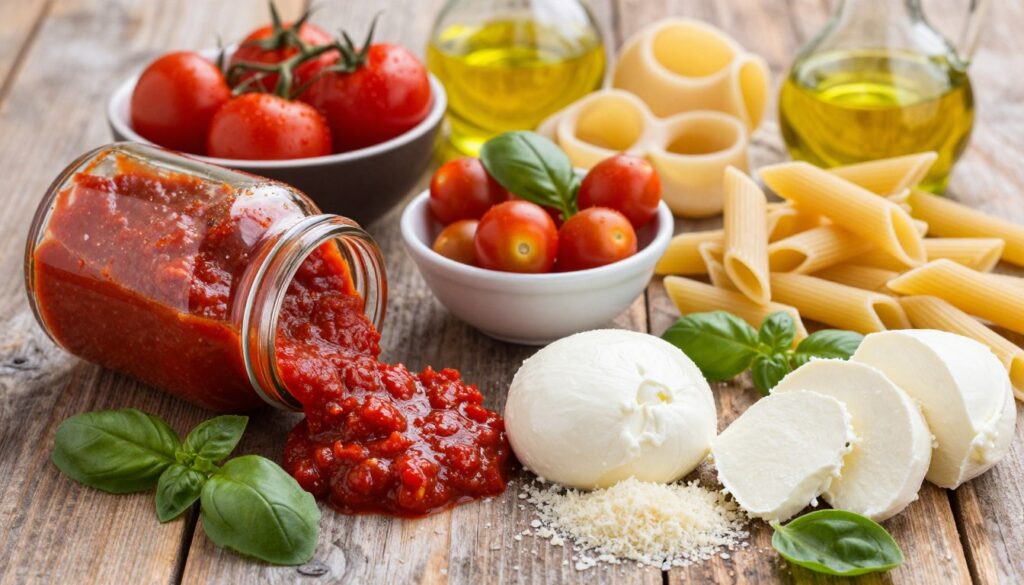
Creating a tasty pasta al forno begins with picking the right ingredients. You need quality items that blend well to make a dish you’ll remember. Let’s dive into what makes this traditional Italian bake special and how each ingredient contributes.
The Foundation: Pasta and Oil
Your pasta choice is crucial. Opt for rigatoni or other short pasta made from bronze die cut durum wheat semolina pasta. This pasta holds sauce well and has the right texture when baked. Use good quality olive oil, whether regular or extra virgin, for cooking and flavor.
Building Your Meat Base
The meat sauce is key to your pasta’s rich flavor. Use ground pork with some fat for flavor. Mix this with Italian sausage for an authentic taste. These ingredients make your pasta bake truly stand out.
Vegetables and Aromatics
Begin your sauce with onion, either white or brown. Carrots and celery add depth. Optional pancetta adds richness if you choose.
The Sauce and Cheese Components
Use tomato passata or puree, like Mutti brand, for a smooth base. Grate your own mozzarella cheese for better melting. Fresh Pecorino Romano cheese, grated yourself, adds a sharp finish.
Flavor Enhancers
- Salt and freshly ground black pepper to taste
- Dried sage and rosemary for Italian flavor
- Bay leaf for depth
- San Marzano plum tomatoes for extra richness
- Red or white wine to develop complexity
Many also add ingredients found in classic comfort food pasta dishes. Quality ingredients are key to success. Choose the best you can for your kitchen.
The Secret to Making Creamy Pasta al Forno Without Béchamel
One of the biggest secrets to creating a rich, creamy pasta al forno lies in something you’ve probably been throwing away: pasta cooking water. The key to this recipe is the addition of pasta water, which creates creaminess almost like magic. Unlike traditional recipes that rely on béchamel sauce, this method works beautifully and creates a lighter dish that lets your meat sauce and cheese shine through. This approach is actually more common in Southern Italian homes and produces better flavor while keeping things simple.
Why Pasta Water is Your Secret Ingredient
When pasta cooks in salted boiling water, it releases starch into the liquid. This starchy water is pure magic for binding your sauce to the pasta and creating that silky texture everyone loves.
Here’s what you need to do:
- Use a large pot with plenty of salted water (2 to 3 tablespoons of salt for a large pot)
- Reserve at least 2 cups of cooking water before draining your pasta
- Pour it into a heatproof container and set it aside
When you combine your pasta with the meat sauce and cheese, you’ll need about 1 cup or more of reserved cooking water. Add it gradually until your mixture looks slightly loose and saucy—not dry. The starchy pasta water helps bring the sauce together beautifully. This keeps the pasta moist and makes it creamy as it bakes. The pasta will absorb liquid during baking, so what seems like too much sauce before baking becomes perfectly creamy afterward.
Choosing the Right Cheeses for Maximum Flavor
Using the right cheese makes a huge difference. The ideal combination is mozzarella and pecorino Romano. Fresh low-moisture mozzarella melts beautifully and provides mild, creamy richness. Pecorino Romano adds sharp, salty notes that cut through the richness.
Here’s the critical part: Grate your own mozzarella and pecorino instead of buying pre-shredded versions. Pre-grated cheese contains preservatives to prevent clumping, which means it won’t melt as well. These coatings create grainy, separated cheese instead of the gooey texture you want.
Use these tips for best results:
- Use the large holes of a box grater for mozzarella
- Use finer holes or a microplane for pecorino
- Grate just before assembling your pasta
- Consider Parmigiano-Reggiano or smoked scamorza as alternatives
This recipe achieves creaminess without béchamel by relying on quality ingredients and proper technique. You’ll create a dish that’s moist, flavorful, and absolutely irresistible.
How to Make the Perfect Meat Sauce for Your Pasta Bake
The key to a great pasta al forno is a rich, flavorful meat sauce. This sauce is where you add layers of taste that make your baked pasta stand out. Making the perfect sauce takes time and effort, but it’s worth it.
Begin with the soffritto, a classic Italian flavor base. Start by sautéing finely chopped carrots, celery, and onion in olive oil for about 7 minutes until they’re soft. Heat olive oil in a large skillet over medium heat. Add your diced vegetables with a pinch of salt. Cook them gently until they smell amazing and become fragrant. This step takes just a few minutes and lays the foundation for your sauce.
Next, add the meat. Mix in ground pork and Italian sausage (skinned and crumbled), cooking until browned about 10 minutes. The pork adds a mild, slightly sweet flavor, while the sausage brings fennel, garlic, and spice notes. Increase your heat and break apart any large chunks as the meat browns. Optional: add diced pancetta for extra richness and a subtle smoky flavor.
Now, add herbs like dried sage, rosemary, and a bay leaf to your meat mixture. These herbs create complexity and make people ask for your recipe. Pour in about ½ cup of red or white wine and let it deglaze—scrape up those browned bits stuck to the pan. Watch the wine bubble and reduce until it’s mostly evaporated.
Next, add the tomatoes. Use tomato passata or pureed San Marzano tomatoes, which are prized for their sweet flavor and low acidity. Stir everything together, then reduce heat to low and let the sauce simmer partly covered on low heat for 30 minutes to 2-3 hours, stirring every 20 minutes to prevent sticking. The sauce should be at a low simmer, not boiling.
| Ingredient | Amount | Purpose |
|---|---|---|
| Olive Oil | 3 tablespoons | Cooking base for soffritto |
| Carrots, Celery, Onion | 1 cup total, finely chopped | Aromatic vegetable foundation |
| Ground Pork | ½ pound | Mild, sweet meat base |
| Italian Sausage | ½ pound | Fennel, garlic, and spice notes |
| Diced Pancetta | 2 ounces (optional) | Smoky richness |
| Dried Sage & Rosemary | 1 teaspoon each | Aromatic complexity |
| Bay Leaf | 1 leaf | Depth and balance |
| Red or White Wine | ½ cup | Acidity and deglazing |
| San Marzano Tomatoes or Passata | 28 ounces | Sweet tomato base |
| Salt & Black Pepper | To taste | Seasoning balance |
| Bouillon Paste or Cube | 1 teaspoon (optional) | Extra savory depth |
Timing is key. The longer you simmer, the better your flavors will be. Season well with salt and pepper—taste and adjust as you go. Some recipes add a spoonful of bouillon paste or a bouillon cube for extra depth, which gives you that restaurant-quality umami flavor.
The best part? You can prepare ahead. The sauce can be made 1-3 days in advance and refrigerated, or frozen for up to 3 months. This makes weeknight cooking easier because your hard work is already done. Just thaw and warm when you’re ready to assemble your pasta bake.
- Cook soffritto for 7 minutes until soft and fragrant
- Brown ground pork and Italian sausage for about 10 minutes
- Deglaze with wine and let it reduce
- Add tomato passata or San Marzano tomatoes
- Simmer on low heat for at least 30 minutes to 2-3 hours
- Stir every 20 minutes to prevent sticking
- Season to taste with salt and pepper
- Make ahead and freeze for up to 3 months
Step-by-Step Instructions for Easy Pasta al Forno
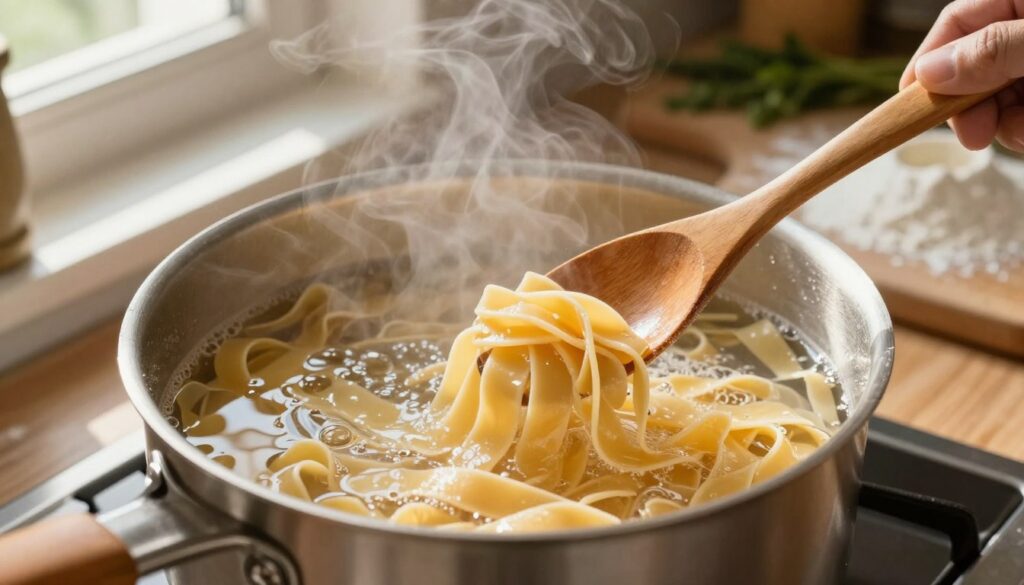
Making pasta al forno at home is easier than you think. It’s all about understanding each step. Start by making your meat sauce before cooking the pasta. This way, everything will come together perfectly when you assemble the dish.
Cooking the Pasta to Perfect Al Dente Texture
Begin by boiling a large pot of water. Add 2-3 tablespoons of salt to the water. This step seasons the pasta from the inside, enhancing the flavor of your dish.
Follow the package instructions for cooking time. But here’s the key: drain the pasta 3-4 minutes before it’s fully cooked. You want it very al dente. This prevents the pasta from becoming mushy in the oven.
Before draining, save at least 2 cups of pasta water. This starchy liquid is crucial for your pasta al forno. Set it aside and then drain the pasta without rinsing. This helps the pasta bind well with the sauce.
Assembling Your Baked Pasta Like an Italian Nonna
Preheat your oven to 350-375°F (180°C). Use a lower temperature for a gentler bake. Grease a 9×13-inch baking dish with butter or cooking spray.
Now, combine the drained pasta with meat sauce, ¾ of mozzarella, and ¾ of pecorino in a large bowl. Add about 1 cup (up to 1½ cups) of pasta water and mix well. The mixture should be slightly loose and saucy. Season the meat sauce with salt and pepper if needed.
Transfer the mixture to your prepared baking dish. Top it with the remaining cheese and drizzle with olive oil. You can choose to cover it with foil for the first 30 minutes or bake it uncovered for 20-30 minutes.
Your pasta is ready when it’s golden brown, bubbly, and cheese is melted with some crispy bits. Let it rest for 5-10 minutes before serving. For more detailed guidance, check out authentic pasta al forno recipes from Italian cooking experts.
Best Pasta Shapes for Baked Italian Pasta Dishes
Choosing the right pasta shape is crucial for a great pasta al forno. You need something short and sturdy to handle oven heat. Shapes with ridges or tubes are best because they hold sauce well.
Rigatoni pasta is commonly used for baked dishes. Its large, ridged tubes are perfect for holding sauce. The hollow center traps cheese and sauce, making each bite flavorful.
When shopping for pasta, look for bronze die cut pasta made from durum wheat semolina. This type has a rough surface that holds sauce better than smooth pasta. Bronze-cut pasta has a matte finish, unlike shiny regular pasta.
| Pasta Shape | Why It Works | Best For |
|---|---|---|
| Rigatoni | Large ridges trap sauce; hollow centers hold cheese | Classic meat sauces and ragù |
| Ziti | Smooth or ridged tubes; traditional choice | Lighter cream sauces |
| Penne Rigate | Diagonal cuts and ridges hold sauce inside and out | Any sauce variety |
| Tortiglioni | Twisted spiral ridges increase surface area | Hearty béchamel dishes |
| Mezze Maniche | Short tubes with smooth surface; smaller portions | Individual servings |
Avoid long, thin pasta like spaghetti or linguini for baked dishes. These shapes clump together during baking and don’t create the layered, saucy texture you’re looking for. Angel hair and fettuccine won’t work well either. Skip tiny shapes like orzo or ditalini since they turn mushy in the oven.
The key to success is choosing quality pasta that’s short and sturdy. The ridges and tube shape help trap sauce, creating that perfect pasta al forno that makes everyone ask for seconds. In a pinch, any short, sturdy pasta will work. What matters most is avoiding long strands and investing in pasta that’s made from real durum wheat semolina.
Expert Tips for Never Dry or Mushy Pasta al Forno
Getting pasta al forno just right can feel tricky. You want it tender, creamy, and full of flavor—not dried out and crusty or overcooked and mushy. The good news is that both problems are easy to avoid once you learn the right techniques. Your success depends on understanding how moisture works during the baking process and making smart choices before your dish even enters the oven.
The number one cause of dry pasta is not using enough liquid before baking. When you reserve at least 2 cups of cooking water and add about 1 cup (up to 1½ cups) when combining pasta with sauce, you keep pasta moist and make it creamy. The mixture should look saucy with liquid at the bottom before baking—think almost soupy. This might feel wrong, but the pasta will absorb all that liquid as it bakes. Don’t be shy with the pasta water.
Your baking dish size matters more than you’d think. Use a baking dish that’s appropriately sized to your recipe. If the dish is too large and pasta is spread thin, it’ll lose moisture and become dry quickly. A 9×13-inch dish works best for serving 6-8 people, while an 8×12-inch dish creates deeper layers. Your pasta should sit at least 2 inches deep in the dish.
The Goldilocks Temperature and Timing
Baking pasta is about finding the perfect balance—not too hot, not too cool, not too long, not too short. Think of it like finding the “Goldilocks zone” for your dish. A moderate oven temperature of 350°F (180°C) works best for most recipes. This temperature is hot enough to heat everything through and melt the cheese beautifully, but gentle enough that the pasta won’t dry out or burn at the edges before the center gets hot.
Some recipes use 375°F for slightly faster cooking, while others use 320°F (180°C) for gentler, more even heating. All of these temperatures work, but 350°F remains the sweet spot for most home cooks. Bake at 320-350°F (180°C) for 20-30 minutes, or at 350-375°F for similar time, depending on your oven.
| Temperature (°F) | Temperature (°C) | Baking Time | Best For |
|---|---|---|---|
| 320-350 | 160-175 | 25-30 minutes | Gentle, even heating with minimal risk of drying |
| 350-375 | 175-190 | 20-25 minutes | Balanced cooking with good browning |
| 375+ | 190+ | 15-20 minutes | Faster cooking for experienced cooks |
For timing, 20-30 minutes is typically perfect. At 20 minutes, check your dish—it should be bubbling around the edges and heated through. If the top isn’t golden enough, give it another 5-10 minutes.
Use the foil technique to lock in moisture. Cover the dish tightly with aluminum foil for the first 20-30 minutes to trap steam and keep moisture in. After that time, remove the foil for the final 10-15 minutes to allow the top to brown. This creates those crispy, cheesy bits everyone loves.
Watch for these visual cues for doneness: the sauce should bubble vigorously around the edges, the cheese should be melted and golden with some darker brown spots, and when you insert a knife into the center, it should feel very hot.
- Salt your pasta cooking water very well with 2-3 tablespoons of salt
- Undercook pasta by 3-4 minutes from package instructions because it keeps cooking in the oven
- Don’t open the oven door repeatedly—this releases heat and moisture
- Rotate the dish halfway through if your oven has hot spots
- Use an oven thermometer to ensure your oven temperature is accurate
- Let pasta rest 5-10 minutes after baking before serving—this lets the sauce thicken and layers set
Avoid leaving your prepared pasta dish sitting out at room temperature for extended periods before baking. This helps prevent food safety issues and keeps your ingredients fresh. After your pasta finishes baking, patience pays off. Let pasta rest 5-10 minutes after baking before serving. This resting time allows the sauce to thicken slightly and the layers to set, making it much easier to serve neat portions instead of a sloppy mess.
Delicious Variations and Substitutions for Your Pasta Bake
Pasta al forno is very flexible. You can make it your own by changing flavors and ingredients. This way, you can enjoy this Italian dish in many ways.
Try different pasta shapes to start. Ziti, penne, and other tubular pasta are great. They hold the sauce well, making every bite full of flavor.
Cheese Variations for Unique Flavors
Don’t just use mozzarella. Smoked scamorza or other smoked cheeses add a wood-smoked taste. Parmesan gives a milder flavor. For a kid-friendly dish, skip the pecorino.
Blend in fontina for creaminess or provolone for a tangy taste. These cheeses can change the flavor of your pasta bake.
Protein and Meat Options
Change your meat sauce easily. Use quality Italian sausage, avoiding fillers. Add red pepper flakes for heat or hot Italian sausage for spice.
Try ground beef, chicken, turkey, or meat substitutes for different proteins. Southern Italian dishes often include hard-boiled eggs and tiny fried meatballs.
Dietary-Friendly Choices
- Vegetarian versions: Skip sausage and ground pork. Add garlic when frying onion and make a simple tomato sauce.
- Gluten-free options: Use gluten-free pasta and sausages from trusted brands.
- Whole wheat pasta: It has more fiber and a nuttier taste.
Vegetable Additions
Add sautéed spinach, mushrooms, roasted zucchini, bell peppers, or eggplant. These vegetables make your dish healthier and more colorful.
The fun of pasta al forno is trying new things. Keep the basic steps the same. But, let your creativity with ingredients make each dish special.
Make-Ahead and Storage Instructions for Busy Weeknights
Pasta al forno is perfect for busy people who want home-cooked meals. You can prepare it in advance and reheat it when you need dinner. This makes it a great choice for meal prep.
There are many ways to prepare pasta al forno, depending on your schedule. You can make parts of it early or the whole dish ahead. This saves time on busy cooking nights.
Freezing and Reheating Your Baked Pasta
You can refrigerate the whole dish up to 24 hours before baking. Cover it tightly with plastic wrap and foil. It might need a few extra minutes in the oven since it’s cold.
The meat sauce can be made 1-3 days in advance. You can also freeze it for up to 3 months. Thaw and reheat the sauce, cook fresh pasta, and assemble when ready. This keeps your pasta perfect.
Refrigerate leftovers in an airtight container for 3-5 days. Reheat in a microwave or oven at 350°F until warm. Many people prefer it the next day when flavors have melded together.
| Storage Method | Time Frame | Best Practice |
|---|---|---|
| Refrigerated assembled dish | Up to 24 hours | Cover with plastic wrap and foil before baking |
| Refrigerated sauce only | Up to 3 days | Store in airtight container separately |
| Frozen sauce | Up to 3 months | Thaw and reheat before assembling fresh pasta |
| Refrigerated leftovers | 3-5 days | Keep in airtight container; reheat at 350°F |
| Frozen individual portions | 2-3 months | Use resealable bags with air removed; microwave or bake from frozen |
Freezing fully baked pasta al forno can make it soggy. Freezing individual portions in small bags is better. Remove air before freezing and use within 2-3 months. Reheat from frozen by microwaving or baking at 350°F.
Freezing the sauce separately is smarter. It freezes well for up to 3 months and thaws easily. Assemble fresh pasta with thawed sauce for great results.
- Cool your dish to room temperature within 2 hours of baking before refrigerating
- Don’t leave pasta al forno sitting out for extended periods
- Always reheat leftovers to at least 165°F for food safety
- Label containers with the date you stored them
- Thaw frozen sauce in the refrigerator overnight rather than at room temperature
These make-ahead and storage options make pasta al forno easy for weeknights. You get restaurant-quality results without the hassle.
What to Serve with Your Italian Pasta Casserole
Your baked pasta deserves the perfect accompaniments to make your meal memorable. Italian families serve baked pasta on Sunday for lunch, following a specific tradition. This turns the dish into a complete celebration.
They balance rich, cheesy pasta with complementary flavors and textures. This enhances your dining experience.
In traditional Italian meals, your pasta al forno serves as the primo piatto (first course). But American home cooks often make this dish the star of the table. Pair your casserole with carefully chosen sides that won’t overpower the main event.
Bread Options for Sauce Soaking
Bread is essential for soaking up every delicious drop of sauce from your plate. Serve warm garlic bread slathered in butter and minced garlic—a classic choice. It pairs beautifully with your baked pasta.
For something more rustic, offer crusty bread torn into chunks. It’s perfect for cleaning your dish. Rosemary breadsticks add an elegant touch and provide satisfying crunch.
Fresh Salads to Balance Richness
A crisp salad cuts through the richness of cheese and meat sauce. Consider these refreshing options:
- Cherry tomato Caprese salad with fresh mozzarella, basil, and olive oil
- Mediterranean cucumber salad with red onion and tangy feta
- Cucumber and tomato salad dressed simply with olive oil and vinegar
- Insalata mista (simple Italian salad) with mixed greens and light vinaigrette
- Panzanella Toscana (Tuscan bread salad) combining tomatoes, cucumbers, and day-old bread
For additional side dish inspiration, explore options that bring freshness and brightness to your table.
Building a Complete Italian Meal
For a traditional Sunday dinner experience, begin with lentil soup as a first course. Then serve your pasta. After enjoying your main course, Italian families often serve a meat course like butterflied chicken or Italian chicken cutlets.
Follow with a simple salad, then finish with classic desserts like cannoli cake or ricotta pie.
Beverage Pairings
Pair your meal with a glass of red wine—Chianti, Montepulciano d’Abruzzo, or Sangiovese complement the tomato sauce beautifully. For non-alcoholic options, sparkling water with lemon or iced tea work wonderfully.
Keep your approach simple. Your baked pasta is the star, and sides should complement rather than compete with it. Whether you’re hosting Sunday dinner or enjoying a weeknight meal, these thoughtful pairings transform your pasta al forno into a complete, satisfying Italian experience.
Conclusion
You now have all you need to make a tasty comfort food that brings your family together. Pasta al forno is perfect for weeknights or special occasions. It’s simple to make, with each step easy to follow.
Learning these key techniques will help you succeed every time. You’ll get the right pasta texture and creamy sauce without heavy sauce. Seasoning and baking right ensures a golden, bubbly dish.
This recipe is also very flexible. You can add different proteins or veggies, or make it for any number of people. It’s great for Sunday dinners, potlucks, or holidays. Once you try it, it’ll likely become a favorite in your kitchen.
Your home will smell amazing as this dish bakes. It’s the perfect way to enjoy a homemade Italian meal. Try it, make it your own, and share it with your loved ones. Leave a comment below to share your experience and ask questions.