How to Make the Perfect Fish Batter
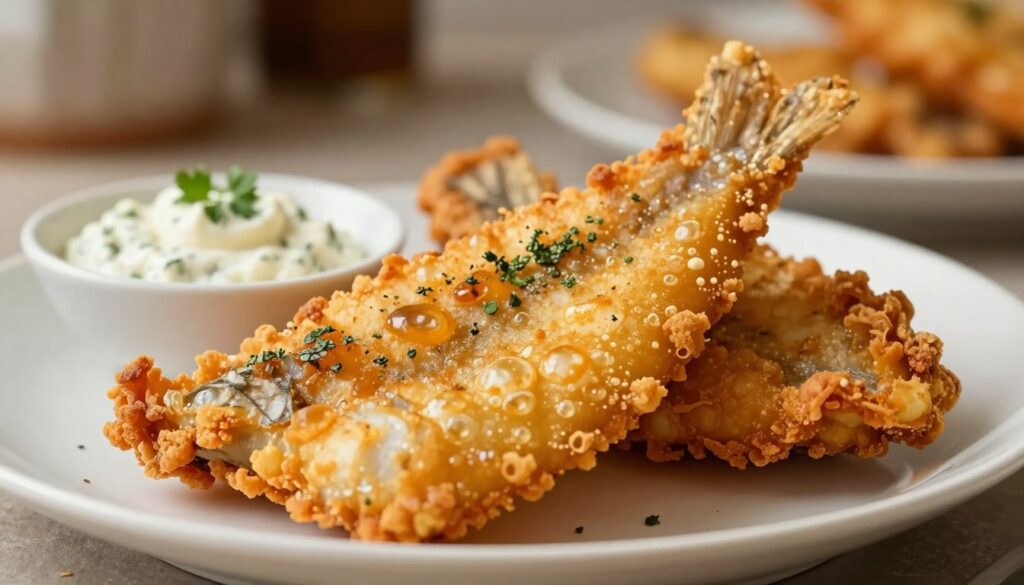
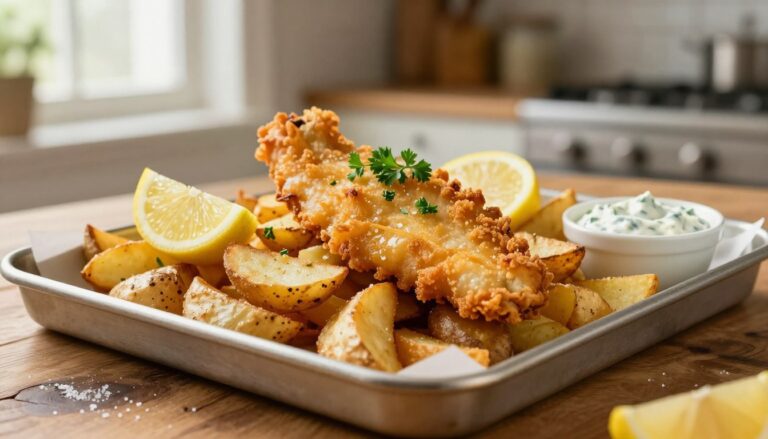
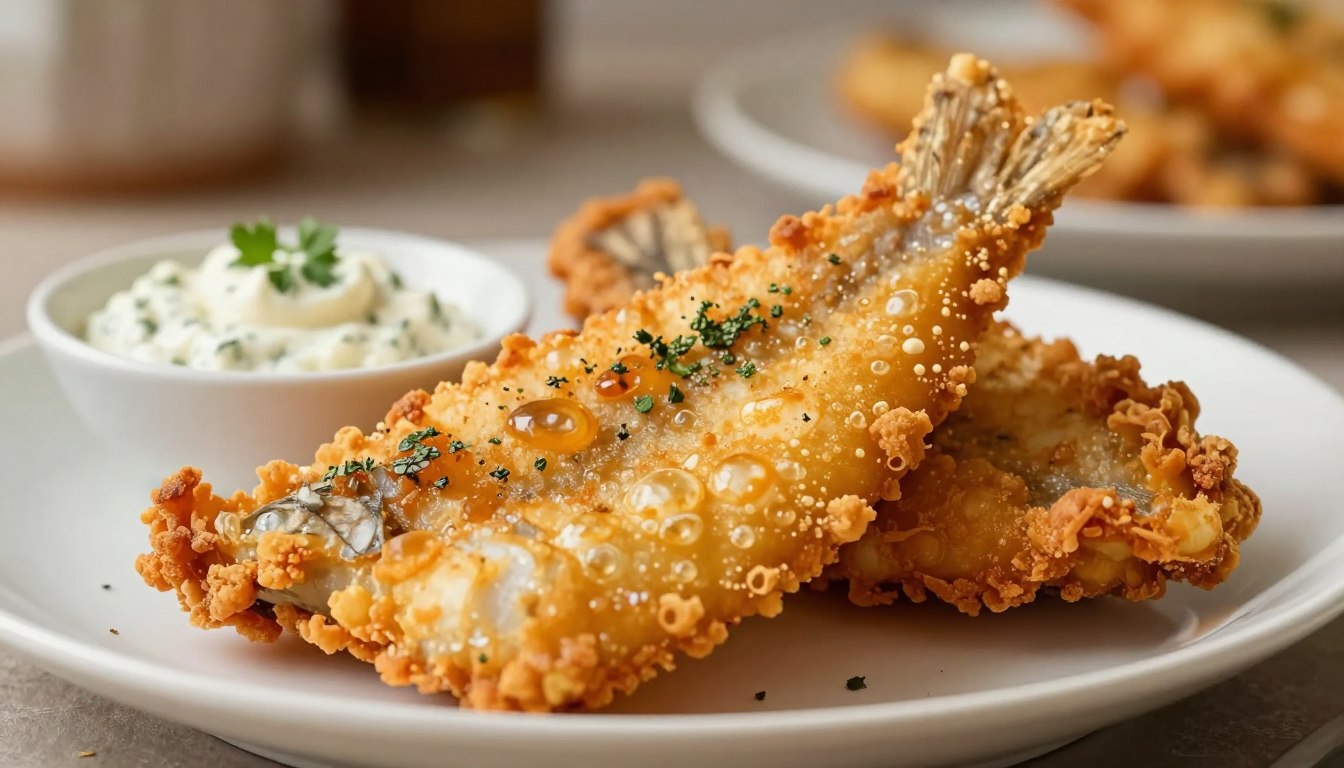
There’s magic in biting into fish with a golden, crispy coating. The tender, flaky meat inside is moist and perfectly seasoned. This is why people love fish and chips. You can make this at home, just like a fancy restaurant.
The art of battering fish has a long history. Sephardic Jewish immigrants from Spain and Portugal introduced pescado frito to England in the 17th century. English cooks mixed it with battered cod, haddock, and pollock to make fish and chips. This dish is a favorite comfort food in American kitchens.
What makes a perfect fish batter recipe? It’s about having a crispy, golden coating and tender fish inside. The right ingredients and techniques are key. Professional chefs have mastered these secrets.
In this guide, you’ll learn to make fish batter like your favorite seafood restaurants. You’ll find out which white fish is best and why some batters are soggy. You’ll also discover secret ingredients and techniques to make your fish extraordinary. Whether you’re new or looking to improve, this guide will help you make crispy fish batter.
Key Takeaways
- A perfect fish batter combines all-purpose flour, rice flour, chilled beer, and vodka for maximum crispiness
- Cold ingredients paired with 400-degree oil creates the ideal contrast for a crunchy exterior
- Rice flour and vodka are secret ingredients that enhance texture and reduce greasiness
- Proper drying and draining techniques on wire racks prevent your battered fish from becoming soggy
- White fish varieties like rockfish, lingcod, and halibut work best for home frying
- Frying time depends on fish thickness, ranging from 3 to 5 minutes for most cuts
- How to make fish batter at home requires understanding the balance between coating crispness and fish tenderness
What Makes a Great Fish Batter
Good fish batter is all about science and technique. The best batter does more than just coat the fish. It makes a sound when you bite into it, followed by tender fish underneath.
The unique flavor, look, and smell of beer-battered fish make it popular. Mastering these elements creates a light and crispy coating. This coating keeps people coming back for more.
The Science Behind Crispy Coating
Creating a crispy coating involves hot oil science. Beer or club soda adds air pockets to the batter. These pockets expand in hot oil, making it crunchy.
Temperature control is key. Use very cold batter and fry it right away. If you wait, the batter gets heavy and loses its light texture.
Flour proteins also matter. Different flours develop gluten at different rates. This affects how the coating crisps up in oil.
Texture and Flavor Balance
The best batter balances crunch and taste. It should enhance the fish’s flavor without overpowering it. The secret to crispy fish coating is in the ingredients’ roles.
Different ingredients add unique qualities:
- Cornstarch adds extra crispness without gluten
- Beer adds subtle maltiness and carbonation
- Flour is the texture and binding base
- Seasonings enhance fish flavor without overpowering
When you season and coat your fish right, you get a dish that sounds and feels as good as it tastes. The goal is a crispy exterior and tender fish inside.
Essential Ingredients for Perfect Fish Batter Recipe
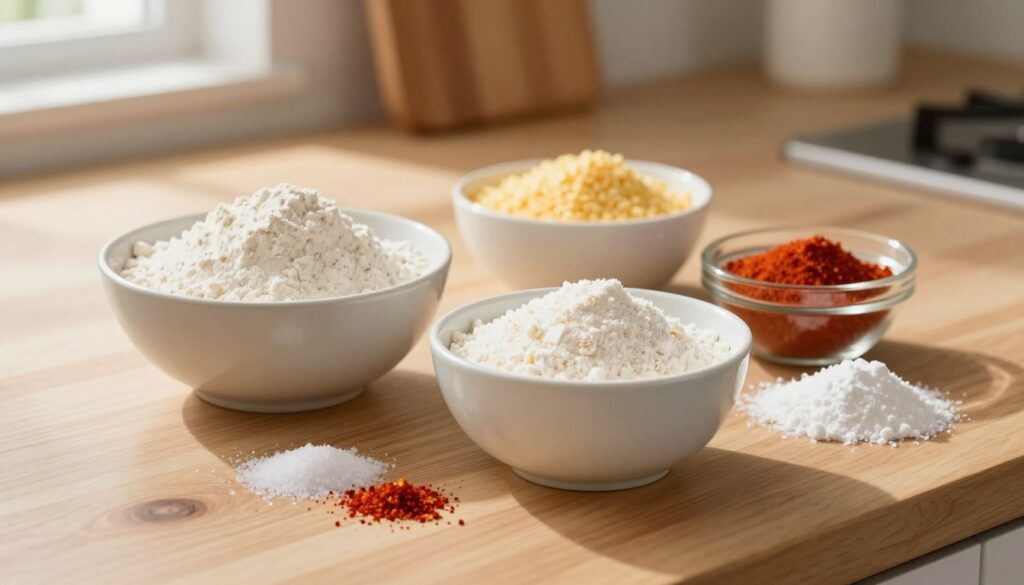
Creating the perfect fish batter starts with understanding your core ingredients. Each component has a role in your final result. A few key players are needed for that crispy, golden coating everyone loves.
Before you start mixing, gather what you need. Your list should include items you likely have at home. Think about how each one affects texture, flavor, and crunch.
Your Core Dry Ingredients
All-purpose flour is your batter’s base. It gives your coating the right structure. Start with one cup of all-purpose flour.
Baking powder makes your batter light and airy. It creates tiny bubbles. You’ll need about two teaspoons for a standard batch.
Cornstarch adds extra crispiness. It absorbs less oil than regular flour. This makes your coating crunchy and stays that way longer. Don’t skip cornstarch for great fried fish.
Basic seasonings complete your dry mix. Use salt, black pepper, garlic powder, onion powder, and paprika. These flavors enhance your white fish without overpowering it.
Selecting Your White Fish Fillets
Choosing the right white fish fillets is crucial. Cod, haddock, and halibut are best. They have firm flesh and mild flavors that match a crispy coating well.
Pat your fish fillets dry before coating. Moisture hurts crispiness. Make sure your fillets are the same thickness for even cooking.
| Fish Type | Texture | Flavor Profile | Best For Frying |
|---|---|---|---|
| Cod | Firm and flaky | Mild and slightly sweet | Excellent |
| Haddock | Tender and delicate | Mild with subtle sweetness | Excellent |
| Halibut | Very firm | Mild and buttery | Excellent |
| Pollock | Firm and moist | Mild and slightly sweet | Good |
Quick Reference Ingredient Guide
- One cup all-purpose flour
- Half cup cornstarch for extra crispiness
- Two teaspoons baking powder
- Half teaspoon each of salt, garlic powder, onion powder, and paprika
- Quarter teaspoon black pepper
- One to one and a half cups cold liquid (beer or club soda)
Knowing these essential ingredients helps you make amazing fish batter. You understand why all-purpose flour is key, baking powder makes it light, and cornstarch adds crispiness. With quality white fish fillets, you’re set to fry up something delicious. Your friends and family will love your crispy, golden results.
The Secret Ingredients That Make All the Difference
Professional fish and chip shops know that some ingredients make a big difference. The right flour and other secret ingredients create a crispy coating. With these secrets, your fried fish can taste like it’s from a restaurant.
It’s all about how different ingredients work together. Sparkling water or beer add air bubbles to the batter. Other ingredients add texture and crispiness that people love.
Why Vodka Creates Extra Crispiness
Vodka might seem strange, but it changes the game for texture. It evaporates fast when the fish fries, leaving a dry, crunchy crust. This crust stays crispy even when it cools down.
You can use vodka in a beer batter recipe too. Just mix some vodka with your sparkling water or beer for extra crispiness. The heat will burn off the alcohol, so your fish won’t taste it.
The Role of Rice Flour in Crunch
Rice flour is different from wheat flour. It makes a lighter, crispier coating that takes less oil to fry. Many top restaurants mix rice flour with all-purpose flour for the best results.
- Rice flour produces less greasy coatings
- Combines well with all-purpose flour
- Creates a delicate, shattering texture
How Cornstarch Enhances Texture
Cornstarch is key for a super crispy exterior. It forms a crust that shatters when you bite into it. Cornstarch absorbs less moisture than flour, keeping the coating light and dry.
For your beer batter, mix half cornstarch with half flour. This mix gives you a crispy coating. Check out professional batter techniques to see how it works.
Temperature and technique are just as important as ingredients. Learn about proper frying methods to enhance these secrets. See expert cooking styles in action.
Choosing the Right Beer or Carbonated Beverage

The liquid you pick for your fish batter is key. Many think you need beer, but it’s the carbonation that’s crucial. Carbonation makes your batter light and crispy when fried.
Looking for a no beer fish batter recipe? You’re in luck. Club soda, seltzer water, and sparkling mineral water all work great. They give you the same crispiness as beer batters. Even plain water can work, though it won’t be as puffy.
For beer, choose lighter types. Lagers, pilsners, and amber ales are best. They have mild flavors that enhance fish without overpowering it. Avoid dark beers like stouts and porters, as their strong tastes can mask the fish’s flavor. Different beers yield different results, so pick wisely.
Here’s what works best for different dishes:
- Carta Blanca—perfect for fish tacos with a golden, crunchy exterior
- Pabst Blue Ribbon—ideal for a fish fry without overwhelming flavor
- Newcastle Brown Ale—great for fritto misto with balanced, subtle caramel sweetness
- Asahi Super Dry—excellent for calamari with crisp, elegant notes
Temperature is also important. Keep your liquid cold, straight from the fridge. Cold liquid helps create a better texture contrast when fried, leading to that perfect crispy coating.
For an easy 3 ingredient fish batter recipe, you just need flour, carbonated beverage, and salt. Mix them and you’re ready to fry. This simple recipe still yields great results, just like more complex ones.
Step-by-Step Guide to Making Fish Batter
Making your own fish batter is simpler than you might think. Success comes from following the right steps and understanding each part’s importance. The process involves mixing dry ingredients, adding liquids, and getting the right consistency. Let’s go through each step to get that perfect crunchy coating every time.
Mixing the Dry Ingredients
Begin by gathering all your dry ingredients in a large bowl. You’ll need flour, cornstarch, baking powder, salt, garlic powder, and onion powder. Cornstarch is key—it absorbs moisture and prevents gluten, leading to a crispy coating.
Whisk all these dry ingredients together well. This ensures the baking powder and seasonings are evenly spread. Even mixing prevents clumps and gives a uniform texture. Skipping this can make some batches crisper than others.
Adding the Liquid Components
Now, your batter gets its special touch. Pour cold beer into the dry mixture. Cold liquid is essential—it keeps the batter temperature low, creating tiny bubbles for crispiness.
Whisk gently until just combined. Don’t overmix. Overworking makes the batter tough instead of light and crispy. Stop whisking when you no longer see dry flour.
Achieving the Right Consistency
Your batter should be like thin pancake batter or heavy cream. It should be fluid enough to flow easily but thick enough to coat the back of a spoon. This balance is key for a perfect crunchy coating.
Use your batter immediately after mixing. The carbonation from the beer or club soda creates tiny bubbles that are still active. These bubbles make your fried fish crispy. Waiting too long will lose that crispiness.
For a detailed guide and trusted recipe, check out the best beer batter recipe guide. It provides helpful tips through the entire process.
| Ingredient | Amount | Purpose |
|---|---|---|
| All-purpose flour | 1 cup | Base structure of batter |
| Cornstarch | 3 tablespoons | Creates extra crispiness and absorbs moisture |
| Baking powder | 2 teaspoons | Creates air bubbles for light texture |
| Salt | 1 teaspoon | Enhances flavor |
| Garlic powder | 1 teaspoon | Adds savory taste |
| Onion powder | 1 teaspoon | Adds depth of flavor |
| Cold beer | 1 cup | Provides carbonation and liquid binding |
| Black pepper | ¼ teaspoon | Adds subtle spice |
Follow these steps carefully, and you’ll make a batter that rivals restaurant quality. The secret is proper mixing, cold ingredients, and using your batter right away. This way, the carbonation works its magic.
Preparing Your Fish for the Perfect Coating
Getting your fish ready is key to a great batter. The right prep ensures your batter sticks well and gives you that crispy, golden coating. Skipping these steps leads to soggy results instead of the meal you want. Let’s go over how to prepare your fish for amazing batter every time.
Selecting the Best White Fish
Choosing the right fish is crucial. For a fish and chips batter recipe, pick firm, white-fleshed fish. Cod and haddock are classics, but halibut, pollock, tilapia, or rockfish work too. These fish have mild flavors and firm textures that hold up when fried.
Buy frozen fish when you can. It’s flash-frozen right after catching, keeping it fresh. Frozen is often fresher than fresh fish in stores.
| Fish Type | Texture | Flavor Profile | Best For |
|---|---|---|---|
| Cod | Firm, flaky | Mild, slightly sweet | Batter for cod and fish and chips |
| Haddock | Firm, delicate | Mild, slightly sweet | Traditional fish and chips |
| Halibut | Very firm | Mild, buttery | Premium battered dishes |
| Pollock | Firm, flaky | Mild, slightly gamey | Budget-friendly battering |
Look for fish that weighs between 1.5 to 2 pounds per fillet for even cooking. Cut larger pieces into smaller portions so everything cooks at the same rate.
Drying and Seasoning Techniques
Moisture is your enemy when applying batter. Any water on the surface prevents the batter from sticking properly and can cause dangerous splattering in hot oil. Pat your fish completely dry using paper towels, then let it rest on a clean towel for a few minutes to remove all surface moisture.
Season your fish before battering with a light sprinkle of sea salt and black pepper. This seasons the fish itself, not just the coating. When you prepare fish recipes that you can make in under 30, proper seasoning at this stage saves time and boosts flavor.
- Pat fish dry with clean paper towels
- Let fish rest on a towel for 2-3 minutes
- Season with sea salt and freshly ground black pepper
- Cut into evenly sized pieces for uniform cooking
- Work quickly to prevent moisture from forming again
These simple steps transform your batter for cod or any white fish into a perfectly crispy coating that sticks beautifully. You’re now ready to dip your prepared fish into your batter and fry it to golden perfection.
Frying Temperature and Techniques
Getting your oil to the right temperature is key to making crispy, delicious fish. When you drop cold fish and batter into hot oil, magic happens. The hot oil seals the batter’s exterior, making it golden and crunchy.
Without the right oil temperature, you’ll get a soggy, greasy mess instead of a perfect meal.
The ideal hot oil temperature for frying fish batter is between 350°F and 375°C (175°C). Some cooks even go up to 400 degrees for smaller pieces. This temperature range is crucial because it affects your final result.
Oil that’s too cool won’t crisp the batter fast enough, leaving it soggy. On the other hand, oil that’s too hot burns the outside before the fish cooks inside.
Using a reliable thermometer to monitor your oil temperature is essential for consistent results. Many home cooks skip this step and regret it. If you’re serious about perfect fish batter, invest in a quality kitchen thermometer. This simple tool removes guesswork from your cooking.
Deep Fryer vs Skillet: Which Works Best?
When choosing between a deep fryer vs skillet, consider your experience level and available equipment. A dedicated deep fryer offers consistent temperature control and makes the process easier for beginners. The machine maintains steady heat throughout cooking, giving you more reliable results.
A heavy-bottomed skillet or Dutch oven works perfectly well if you’re attentive. Fill it with oil to at least one inch deep and use your thermometer constantly. The key difference is that skillets require more attention because heat fluctuates more easily. Both methods work when you respect proper oil temperature control.
| Equipment Type | Temperature Control | Best For | Oil Needed |
|---|---|---|---|
| Electric Deep Fryer | Very consistent | Beginners and frequent frying | 3-4 quarts |
| Skillet or Dutch Oven | Requires monitoring | Home cooks willing to watch heat | 2-3 quarts |
Proper Frying Techniques for Perfect Results
Never overcrowd your pan when frying fish. When you add too much fish at once, the oil temperature drops rapidly, and you lose that crucial crispy texture. Work in batches instead. Each piece needs space to cook properly in hot oil at the right temperature.
Lower fish gently into the oil to prevent dangerous splashing. Avoid moving pieces around constantly. Let them cook undisturbed for three to five minutes depending on thickness. Peanut oil is the favorite choice for fish and chips because it has a high smoke point and neutral taste.
- Use a thermometer to check oil temperature before each batch
- Lower fish pieces slowly and carefully into hot oil
- Maintain oil temperature between 350°F and 375°C
- Fry for three to five minutes until golden brown
- Never overcrowd your deep fryer vs skillet
- Choose peanut oil for best flavor and performance
Proper oil temperature control separates restaurant-quality fish from kitchen disasters. Take time to master this technique, and your results will transform completely.
Common Mistakes and How to Avoid Soggy Batter
Getting crispy fish batter is all about knowing what goes wrong. Many home cooks wonder why their fish batter isn’t crispy. The answer often lies in a few common mistakes. Skipping important steps or ignoring temperature control can make your batter soggy.
Knowing what to avoid can help you serve fish that tastes like it came from a restaurant. The main mistakes include letting batter sit too long, not drying fish well, overcrowding the pan, and using the wrong draining methods. Understanding these issues can greatly improve your cooking.
Why Cold Ingredients Matter
Temperature control is key to great fish batter. Cold fish and batter in hot oil at 400 degrees create a crispy shell. This prevents oil from soaking into your coating.
Keep your beer or club soda cold before mixing. Your fish should be cold from the cooler. Some chefs even chill their flour in the freezer. This simple step makes a huge difference in keeping your batter crunchy.
- Keep all liquid ingredients cold
- Use cold fish fillets, never room temperature
- Chill your flour for extra crispiness
- Maintain oil temperature at 400°F
Proper Draining Methods
Most home cooks make a big mistake by placing fried fish on paper towels. This traps steam, making the bottom soggy. Paper towels also leave oil against your coating, softening it as it cools.
The right method uses a wire cooling rack over a rimmed baking sheet. This setup lets air flow around your fish, allowing excess oil to drip away. Steam escapes, keeping your coating crispy.
For multiple batches, place your drained fish on the rack in a 200°F oven. This keeps your fish warm while maintaining that perfect crunch you worked so hard to achieve.
| Draining Method | Result | Why It Works |
|---|---|---|
| Paper Towels | Soggy Bottom | Steam and oil trap underneath |
| Wire Rack Over Baking Sheet | Crispy All Over | Air circulation on all sides |
| Wire Rack in 200°F Oven | Hot and Crunchy | Maintains heat and crispness |
Avoiding these mistakes ensures your fish batter stays crunchy from start to finish. Now you have the knowledge to troubleshoot any batter problems and create perfect results every time.
Conclusion
You now have all the tools to make crispy fried fish like a pro. The secret is simple: use top-notch ingredients like cornstarch and rice flour. Also, keep everything cold except the oil, and drain the fish on a wire rack. With practice, these steps will become easy for you.
Your deep fried fish batter will always give you that perfect golden crunch. It will also make the fish tender and flaky. This batter is great for lingcod, rockfish, halibut, albacore tuna, and salmon.
You can also make a tempura batter by using ice-cold water and less flour. This makes the coating even lighter. You’ll have extra batter, so you can fry shrimp, clams, scallops, calamari, vegetable fritters, or onion rings. Your kitchen will become a place where cooking fish opens up a world of possibilities.
If you need a gluten-free batter, you can use rice flour or gluten-free all-purpose flour blends. The method is the same, so you won’t lose out on taste or quality. Serve your battered fish with tartar sauce, malt vinegar, lemon wedges, and crispy fries for a full meal. The joy of making this dish at home is well worth the effort.