The Best Make-Ahead Lunch Ideas to Save Time Easy
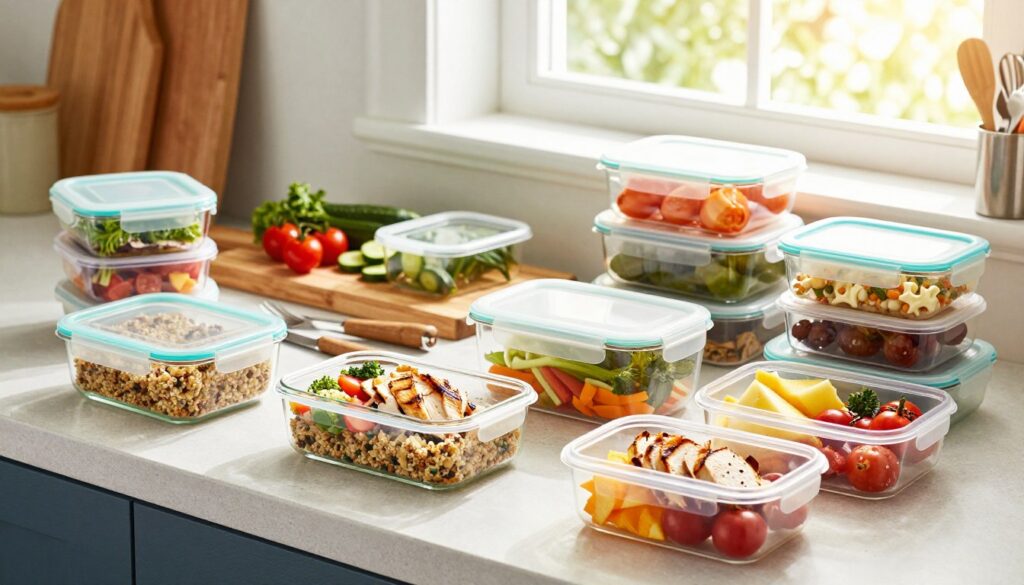
Monday morning hits, and your stomach drops. You’re facing meetings, emails, and no lunch plan. But, healthy make-ahead lunches in your fridge can change that. Meal prep lunches make your weekdays less stressful.
Planning ahead gives you control. You get the nutrition you need. Your wallet stays full, and stress levels drop. Make-ahead lunches are more than just convenient. They make eating well easy, not another task.
Busy professionals know the secret. They save time by not buying expensive takeout. Meal prep experts say it leads to better eating, less spending, and less stress. Meal prep is your superpower during busy seasons.
This guide will help you start making lunches in advance. You’ll find cold options, freezer-friendly meals, and storage solutions. These strategies work for busy people with real lives.
Key Takeaways
- Make-ahead lunch ideas save you time during hectic weekdays and reduce daily cooking stress
- Meal prep lunches help you eat healthier by eliminating last-minute food choices
- Healthy make-ahead lunches cut your food costs and reduce waste throughout the week
- Proper storage containers and freezer strategies keep your lunches fresh and ready to grab
- You can prep lunches to save time with simple batch cooking and component-based strategies
- Over 60 make-ahead lunch ideas work for different tastes, diets, and schedules
Why Make-Ahead Lunch Ideas Are Game-Changers for Busy Lifestyles
When you’re busy with work and family, making lunches ahead of time changes your week. It takes away the stress of what to eat at noon. Just 60–90 minutes of prep time can make your lunch breaks easy for days.
Starting a routine of healthy lunch prep is a game-changer. It’s good for your body and your wallet.
Save Money and Reduce Food Waste
On average, Americans spend $10–15 on lunch each day. That’s $200–300 a month or $2,400–3,600 a year. But, making lunches at home costs only $2–5 per serving, saving you thousands.
Planning meals means you only buy what you need. Fresh veggies stay fresh, and ingredients are used in many meals. Just like with breakfast, it stops food from going bad before you use it.
Roasting veggies on Sunday and using them all week is a smart move. Cooking big batches of grains and portioning them out also saves money and reduces waste.
Eat Healthier with Planned Meals
Hunger can cloud your judgment, leading to unhealthy choices. But, making lunches ahead of time avoids this problem.
By preparing meals in advance, you:
- Control portions better
- Choose healthier grains and proteins
- Add veggies to every meal
- Avoid bad fats and processed foods
- Balance your nutrition
Studies show meal prep leads to more veggies, fewer processed foods, and better portion control. It’s not about eating less, but eating better.
Having balanced meals ready means you fuel your body for the rest of the day. It boosts your energy and productivity.
Essential Tips for Successful Lunch Meal Prep
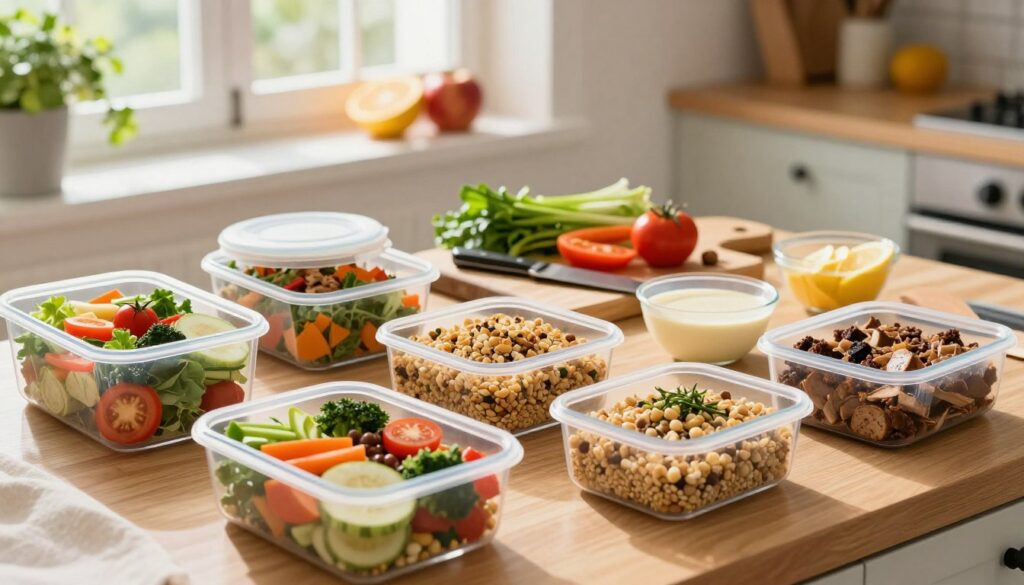
Starting with easy meal prep lunch ideas for beginners is easy. Just begin with one or two recipes you know well. This way, you’ll feel more confident and excited to do it again next week.
Make meal prep less stressful by breaking it into smaller tasks. You can plan your meals and make a shopping list on Thursday. Then, go shopping on Friday and cook on Sunday.
Timing is key when meal prepping for the week. Most people spend 2-3 hours on Sunday to get everything ready. This dedicated time helps you stay focused and efficient.
Here are some smart tips for easy lunch meal prep:
- Wash and chop all veggies at once
- Cook proteins like chicken, beef, and tofu all at once
- Make big batches of grains and legumes for different meals
- Use batch cooking to save time
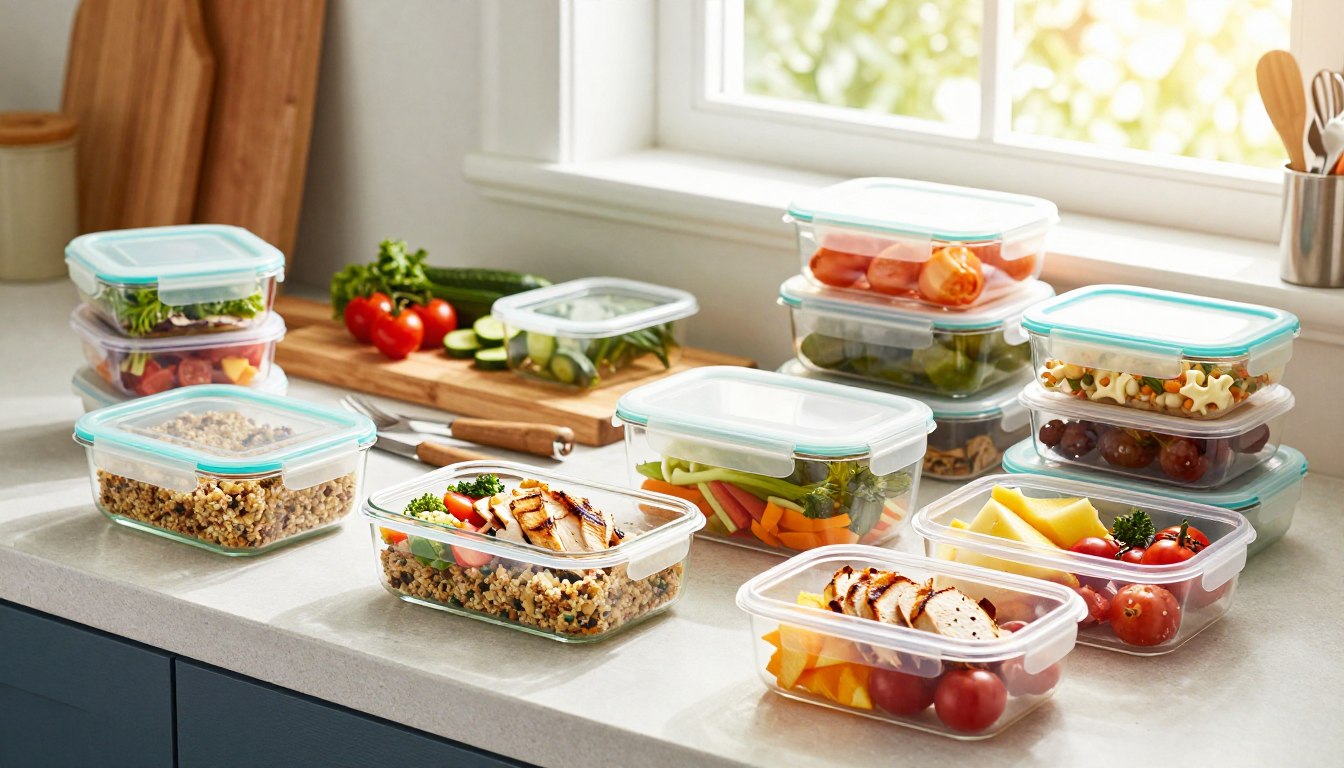
Quality storage containers are a must. Choose glass containers with tight seals from brands like Pyrex or OXO. They keep your food fresh and make it easy to see what’s inside.
| Storage Container Feature | Benefit | Best For |
|---|---|---|
| Airtight Seal | Keeps food fresh longer and prevents odors | All meal prep lunches |
| Glass Material | Microwave and dishwasher safe, lasts longer | Reheating and long-term storage |
| Clear Design | Easy to identify contents at a glance | Quick grab-and-go lunches |
| Stackable Shape | Maximizes refrigerator space efficiently | Weekly meal prep organization |
| Leak-Proof Lid | Prevents spills in your lunch bag or backpack | Portable lunch containers |
“The time investment on the weekend pays dividends all week long when you have ready-made lunches waiting for you.”
Meal prepping is a skill you can learn with practice. Your first tries might not be perfect, but that’s okay. Each week, you’ll find what works best for you. Start with simple recipes to build your confidence before trying more complex ones.
Make-Ahead Lunch Ideas for Grab-and-Go Convenience
When mornings are busy, grab-and-go lunch recipes are a lifesaver. These meals are easy to prepare and can be stored in the fridge for later. By choosing the right foods and storage methods, you can enjoy fresh lunches all week.
Mason Jar Salads That Stay Fresh All Week
Mason jars are perfect for keeping salads fresh. Their tight seal keeps greens crisp and dressing flavors balanced. The trick is to layer ingredients correctly.
Begin with 2-3 tablespoons of dressing at the bottom. This stops greens from getting soggy. Add sturdy veggies like cucumbers, tomatoes, and bell peppers next. Then, add grains or beans, followed by proteins like chickpeas or feta cheese. Place nuts and seeds above that. Finish with delicate greens at the top.
When you’re hungry, just shake the jar to mix the dressing. You can eat it straight from the jar or pour it into a bowl. These salads stay fresh for five days in the fridge.
| Mason Jar Salad Recipe | Key Ingredients | Best For | Storage Time |
|---|---|---|---|
| Mediterranean Quinoa Salad | Roasted tomatoes, Kalamata olives, cucumbers, feta cheese, Italian dressing | Work lunches | 5 days |
| Black Bean and Corn Salad | Black beans, corn, bell peppers, red onion, cilantro-lime dressing | Quick meals | 5 days |
| Greek Chickpea Salad | Chickpeas, cherry tomatoes, red onion, parsley, lemon vinaigrette | Protein boost | 4 days |
| Asian Sesame Salad | Mixed greens, shredded carrots, edamame, sesame dressing, almonds | Light meals | 3 days |
Wraps and Rolls You Can Prep in Advance
Wraps and rolls are great for quick, portable meals. They work best with the right tortilla and a moisture barrier. Choose heartier tortillas to avoid sogginess.
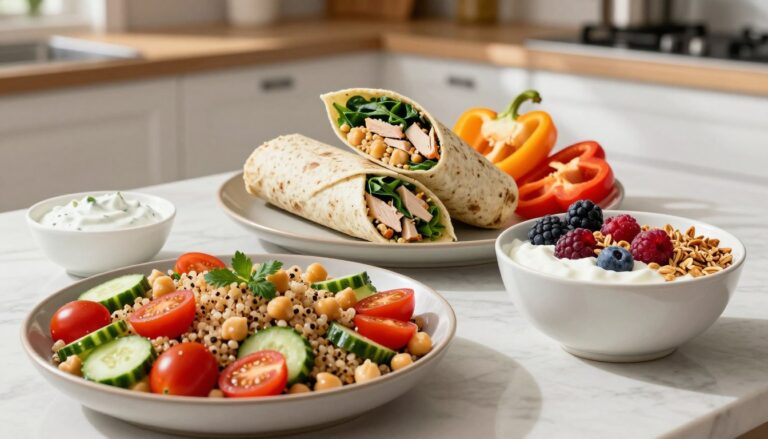
Spread hummus, cream cheese, or avocado on the tortilla first. This keeps wet ingredients from making it soggy. Add lettuce or spinach as a second layer for extra protection.
Here are some make-ahead lunch ideas:
- Chickpea Shawarma Wraps with hummus, pickled onions, and spiced roasted chickpeas
- Caprese Wraps with fresh mozzarella, tomato, basil, and balsamic glaze
- Vietnamese Spring Rolls with rice paper, vegetables, herbs, and peanut sauce for dipping
- Turkey and Cranberry Wraps with cream cheese and spinach
- Hummus Veggie Wraps with roasted vegetables and tahini dressing
Wrap each item tightly in foil or reusable beeswax wraps. This keeps them fresh and compact. These meals stay best for 1-2 days when assembled. For longer storage, pack components separately and assemble throughout the week.
“The secret to great make-ahead lunches is preparing components that you can mix and match during the week. This keeps flavors fresh and prevents boredom.”
Both mason jar salads and wraps offer quick, stress-free meals. Choose your favorites and switch them up throughout the week. This makes your busy schedule easier with meals ready in the fridge.
Freezer-Friendly Lunches That Reheat Perfectly
Your freezer is a powerhouse for making hot lunches ahead of time. With freezer-friendly lunches, you can spend one weekend afternoon making meals for the next few weeks. This makes busy weekdays easier, with your lunch ready to reheat and enjoy.
Moist foods freeze better than dry ones. Soups, stews, casseroles, and burritos keep their texture and taste. They reheat well and taste fresh, just like when you first made them.
Batch cooking lunches opens up a world of possibilities. Here are some great options:
- Chicken burritos wrapped in foil for quick microwaving
- Homemade hot pockets with pizza or breakfast fillings
- Creamy chicken noodle soup in individual containers
- Baked chicken taquitos with cream cheese and cilantro
- Mini naan pizzas for everyone’s taste
- Individual chicken pot pies in ramekins
- Chicken burrito bowls with rice, beans, and toppings
- Creamy white chicken enchiladas in lunch containers
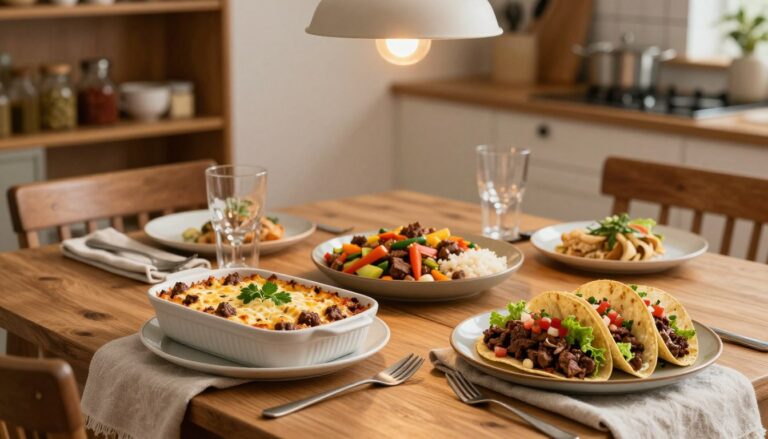
Most of these items stay good in the freezer for 2-3 months. For casseroles like baked ziti or lasagna, assemble without baking first. Then, freeze in the baking dish. When you’re ready, bake covered at 350°F for an hour.
Freezing food right is key. Cool it down before freezing to avoid moisture. Make sure containers have room for food to expand. Label them with what’s inside and when you froze it. This makes your hot lunch prep a huge time-saver for staying organized and healthy all week.
Cold Lunch Recipes That Don’t Need Reheating
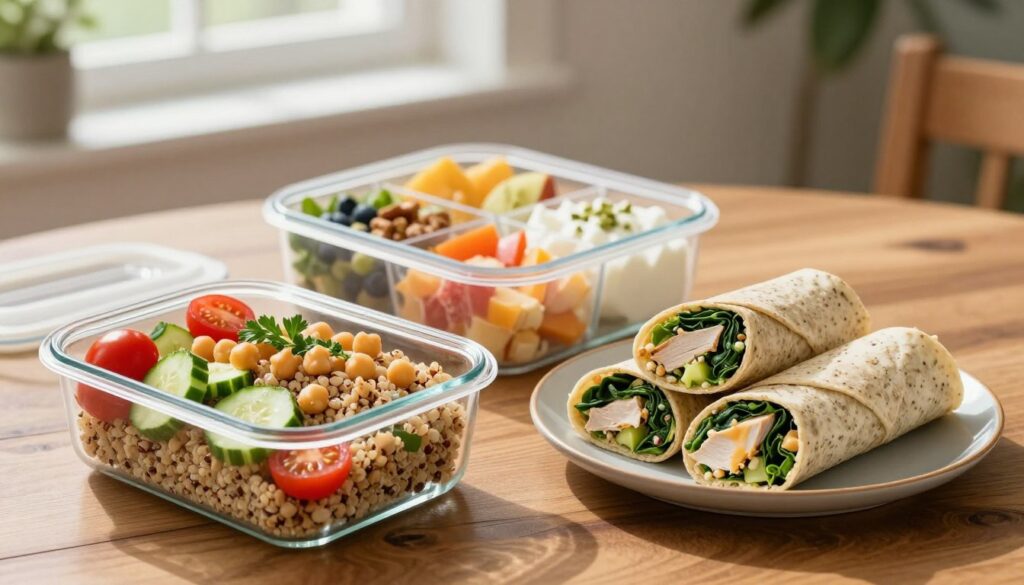
Not everyone has a microwave at work. This is true for offices, construction sites, or delivery drivers. Cold lunches are a great solution. They’re as tasty as hot meals if you prepare them well.
These lunches are satisfying and don’t need reheating. You avoid the microwave line and food smells that bother others. Plus, you get to enjoy your meal without uneven heating.
Cold lunches should be full of flavor and nutrients. Check out no-reheat meal prep options for a boost of energy. Choose ingredients that taste good at room temperature and stay fresh for up to four days.
Protein-Packed Salads and Bowls
Salads and grain bowls are perfect for high-protein lunches. They’re easy to make and don’t need cooking when you’re ready to eat.
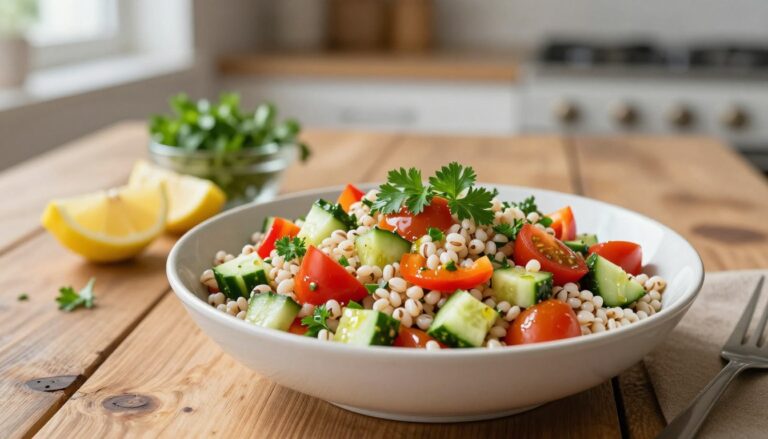
- Mediterranean Chickpea Salad – Mix chickpeas with cucumbers, tomatoes, red onion, and feta cheese. Dress with lemon-herb vinaigrette. Chickpeas provide about 15 grams of protein per cup.
- Sesame Soba Noodles – Combine cooked noodles with edamame, shredded cabbage, carrots, and creamy peanut-sesame dressing packed with healthy fats.
- Kale Salads – Kale gets better with time, becoming tender while staying crisp for days.
- Buddha Bowls – Layer roasted sweet potato, chickpeas, quinoa, and vegetables with turmeric-tahini sauce drizzled on top.
- Burrito Bowls – Use black beans, corn, avocado, salsa, and your choice of rice or cauliflower rice.
Sandwich and Wrap Variations
Smart sandwich and wrap prep means assembling just before eating. Keep fillings separate from bread to avoid sogginess and keep things fresh.
| Sandwich Type | Main Protein | Storage Duration | Bread Recommendation |
|---|---|---|---|
| Egg Salad | Hard-boiled eggs mixed with Greek yogurt | Up to 3 days | Hearty whole grain |
| Chickpea Salad | Mashed chickpeas with mayo and celery | Up to 4 days | Sourdough or ciabatta |
| Caprese | Fresh mozzarella and basil | 1-2 days | Crusty Italian bread |
Choose sturdy breads like sourdough, whole grain, or ciabatta. They’re better against moist fillings. Light toasting helps keep your lunch fresh and tasty all day.
Hearty Soups and Stews for Weekly Meal Prep
Soups and stews are top picks for easy lunch recipes in meal prep. They get better with time, blending flavors. Perfect for a 5-day lunch meal prep plan, they offer nutrition and taste with little effort.
One great thing about soups is they’re great for freezing. Make a big batch on Sunday, eat half, and freeze the rest. This saves time when life gets busy. Soups stay fresh in the fridge for four to five days and freeze well for up to three months.
Choosing family-friendly lunch recipes means picking dishes everyone likes. Here are some great options for your meal prep:
- Vegetarian chili loaded with beans, corn, and peppers
- Creamy coconut curry soup with chickpeas and vegetables
- Adaptable vegetable soup you customize with seasonal ingredients
- Curry lentil soup with warming spices and rich broth
- Black bean soup paired with fresh cornbread
- Cannellini beans and greens with Italian seasonings
When making soup recipes, season well and finish with olive oil. Store them in wide-mouth jars or rectangular containers for easy stacking in your freezer. Make sure to leave some space at the top for expansion when frozen.
The charm of soup-based meal prep is its simplicity. You just need basic skills like chopping and following simple steps. Your easy lunch recipes become something you eagerly look forward to all week.
Budget-Friendly Batch Cooking Strategies
It’s possible to save money on lunch without eating the same thing every day. Smart batch cooking lets you make tasty meals without spending too much. By cooking wisely, you can stretch your budget and enjoy healthy lunches at work.
Think about how you prepare ingredients. Instead of making the same thing every day, prep versatile parts. This makes your lunches exciting and varied.
Prep Components Instead of Full Meals
Prepping components separately is a big change for those tired of the same lunch. On Sunday, cook different items. You’re not making meals yet. You’re gathering ingredients for different lunches all week.
- Whole grains – Brown rice, quinoa, and farro cook once and stay fresh all week
- Plant-based proteins – Baked tofu, roasted chickpeas, and cooked beans provide lasting nutrition
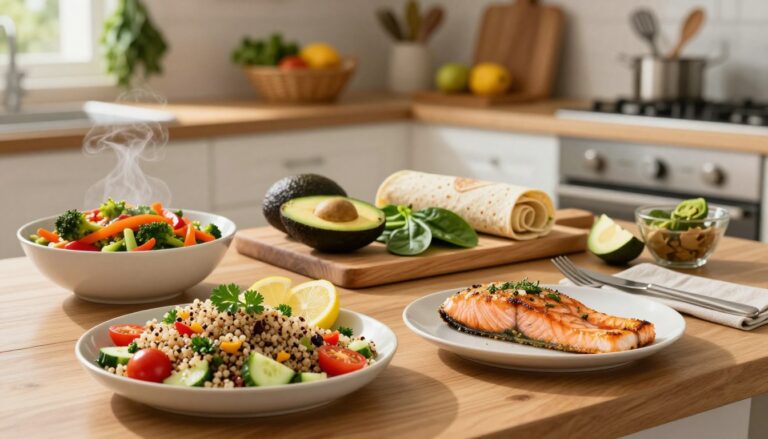
- Roasted vegetables – Sweet potatoes, broccoli, and Brussels sprouts maintain good texture
- Flavorful sauces – Tahini, peanut, and chipotle sauces transform simple ingredients
Monday, you might make a grain bowl. Tuesday, a wrap. Wednesday, something new. This keeps your lunches interesting and saves time.
Double Your Recipes and Freeze Half
When cooking dinner, doubling the recipe costs little extra time. This strategy makes your meal prep go further.
| Meal Type | Why It Freezes Well | Freezer Life |
|---|---|---|
| Soups and Stews | Liquid keeps everything moist and flavorful | 3-4 months |
| Casseroles | Bake one dish now, freeze unbaked for later | 2-3 months |
| Meatballs and Burgers | Form extra portions and freeze on sheets first | 3-4 months |
| Saucy Dishes | Sauce prevents freezer burn and drying out | 2-3 months |
Buying in bulk saves money. A big bag of rice is cheaper than small boxes. Cooking at home is fifty to seventy percent cheaper than buying lunch out.
These strategies make healthy meals affordable. They’re your secret to eating well without spending too much.
Best Containers and Storage Solutions for Lunch Prep
The right meal prep containers can make a big difference. They keep your food fresh, prevent odors, and make lunch easy to grab. Investing in good containers means less waste and tastier meals all week.
Glass containers are the best for meal prep. They’re clear, so you can see what’s inside without opening them. Plus, they don’t stain or hold odors like plastic can. Look for ones with airtight lids and silicone gaskets for the best seal.
When looking for the best containers, check out Snapware Total Solution and Glasslock containers. They offer great designs and security.
For quick lunches at work, consider these options:
- Mason jars for layered salads that stay crisp for five days
- Bento-style compartment containers for balanced, varied meals
- Round glass bowls for soups and stews
- Rectangular containers for flat items like sandwiches and wraps
Mason jars are great for keeping ingredients separate. Quart jars are good for full lunches, and pint jars are perfect for dressings and snacks.
| Container Type | Best For | Key Advantage | Price Range |
|---|---|---|---|
| Glass Snapware Sets | All-purpose meal prep | Leakproof latches, multiple sizes | $58–$65 |
| Glasslock Containers | Long-term storage | Stain-resistant, durable glass | $38–$53 |
| Joseph Joseph Plastic Sets | Budget-conscious prep | Very leakproof, nesting design | $26–$30 |
| Rubbermaid Flex & Seal | Mixed-size needs | Press-on silicone lids, 36 pieces | $39–$46 |
| Mason Jars | Salads and dressings | Inexpensive, airtight seal | $10–$20 per dozen |
Plastic containers are good for when you need something light and affordable. The Joseph Joseph Nest Lock set is a great choice for its leakproof performance. The Rubbermaid Flex & Seal has lids that don’t trap moisture.
Proper labeling matters just as much as container quality. Use masking tape, erasable labels, or a label maker to mark what’s inside and the date. This keeps you organized and ensures you eat meals in the right order.
To keep containers in good shape, let hot food cool before sealing. This prevents condensation buildup. Wash containers right after eating to prevent stains. Replace lids when they wear out, rather than throwing away the whole set. Good containers are a smart investment that saves money by preventing waste and making healthy eating easy.
Conclusion
You now have all the tools to change your lunch routine. Meal prepping for the week is a great way to eat better, save time, and reach your goals. You can prep full meals, mix and match components, or use a mix of both. The key is finding a method that works for you.
Busy professionals will find meal prep a lifesaver. It takes away the daily stress of deciding what to eat. You get to control your health, budget, and routine, reducing morning stress and boosting satisfaction.
If you’re trying to lose weight, meal prep is a game-changer. You can control what goes into your meals, making it easier to stick to your diet. Start with one or two recipes this week. As you get more comfortable, you can try more.
Looking for vegetarian options? This guide has many ideas using plant-based proteins like beans and tofu. These are affordable, healthy, and tasty. For more ideas, check out healthy lunch ideas and easy recipes online.
Make time this weekend for your first meal prep session. It’s worth it for the savings, healthier eating, and less waste. Meal prep gets better with practice. Even if it’s not perfect, it’s better than no prep at all. Every packed lunch is a win for your health and wallet.