The Best Simple Angel Cake and Citrus Cream
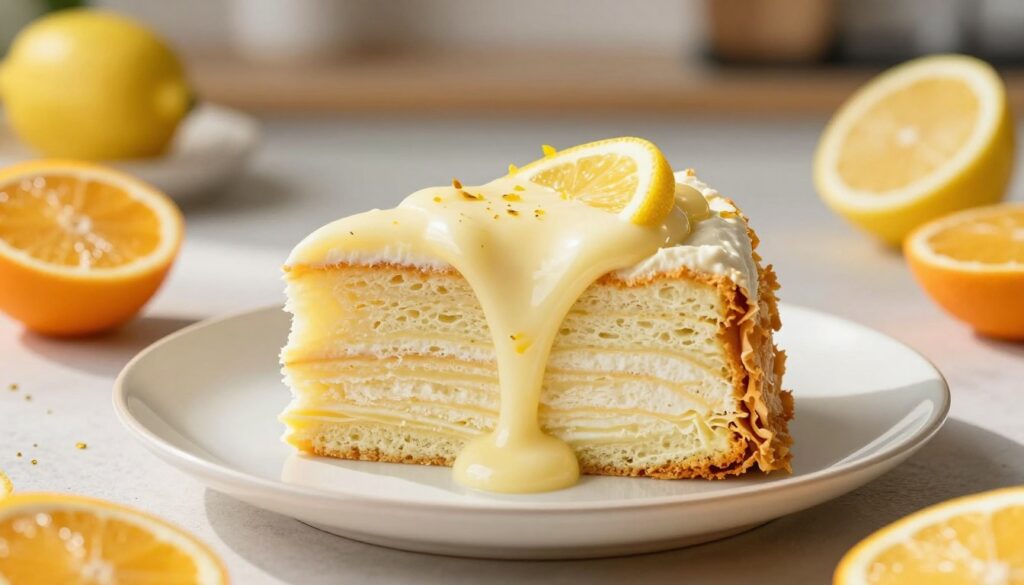
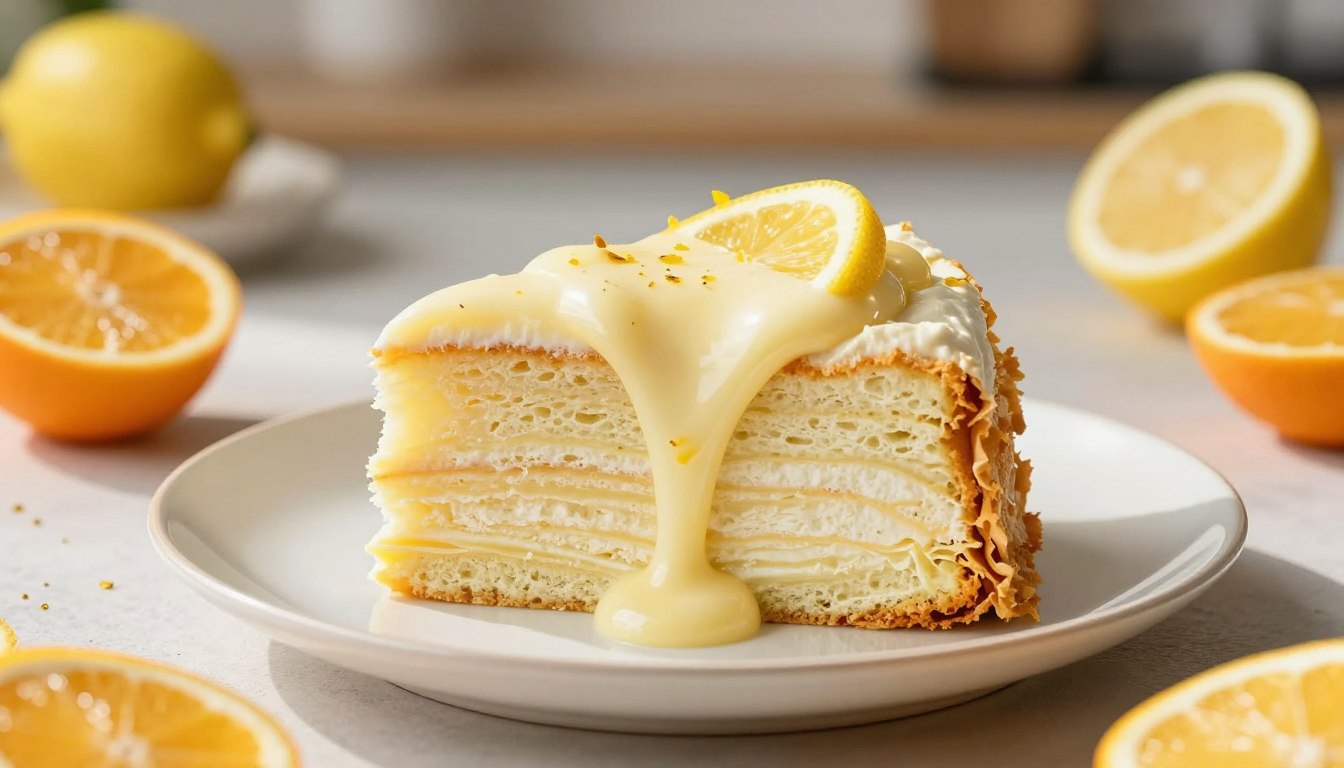
When your kitchen fills with the scent of warm sugar and lemon, time seems to stand still. Maybe you’re baking for a birthday or just need a sweet treat. This angel cake with citrus cream is as light as air and brightens any gathering.
This guide will show you how to make the perfect angel cake. You’ll learn about the egg-white base, sifted flour, and the secret ingredient that keeps it fluffy. Plus, we’ll cover how to whip up a zesty citrus cream that pairs perfectly with the cake. You’ll also get tips on the right tools, like why a footed tube pan is essential for cooling and removing the cake.
Key Takeaways
- Angel cake with citrus cream combines airy texture and bright flavor for celebrations or everyday desserts.
- The best angel cake recipe relies on proper egg-white whipping and gently folding sifted cake flour.
- Use an ungreased, footed tube pan and invert the pan to cool for a tender crumb.
- Citrus cream—made with whipped cream, sugar, and lemon zest—keeps the cake fresh and lively.
- This homemade angel cake is adaptable: lemon, orange, or mixed citrus variations work well.
Why you’ll love this angel cake with citrus cream
This recipe makes a light and airy angel cake that tastes homemade. It uses whipped egg whites, sifted cake flour, and gentle folding. This creates a sponge-like crumb that melts in your mouth.
You’ll love the cloud-like texture. It makes every bite feel effortless and satisfying.
Light and airy texture that feels homemade
To achieve the signature lift, use room-temperature egg whites and cream of tartar. Whip them to stiff peaks. Sifting flour several times prevents lumps and keeps air in the batter.
Mastering these small steps will give you an airy crumb to be proud of.
Zesty citrus cream adds bright, refreshing flavor
The citrus cream adds a bright contrast to the delicate cake. Lemon zest, a touch of juice, or a hint of orange extract turns basic whipped cream into a lively topping. You can choose a simple whipped lemon frosting or a stabilized citrus cream for extra body and longer life.
For inspiration on how citrus notes lift desserts, see a roundup that praises lemon zest for freshness in celebratory sweets: best home-made desserts for special occasions.
Great for celebrations and everyday desserts
This cake is perfect for birthdays, showers, and casual dinners. The angel cake with lemon cream pairs well with berries, ice cream, or a tart compote for a show-stopping platter. You can make the cake ahead and finish with citrus cream just before serving for the best texture and presentation.
Swap citrus combinations to create a citrus flavored cake that matches your menu. Use lemon-only, orange-only, or a mix of zests to suit the mood of your gathering.
Ingredients for the best angel cake recipe
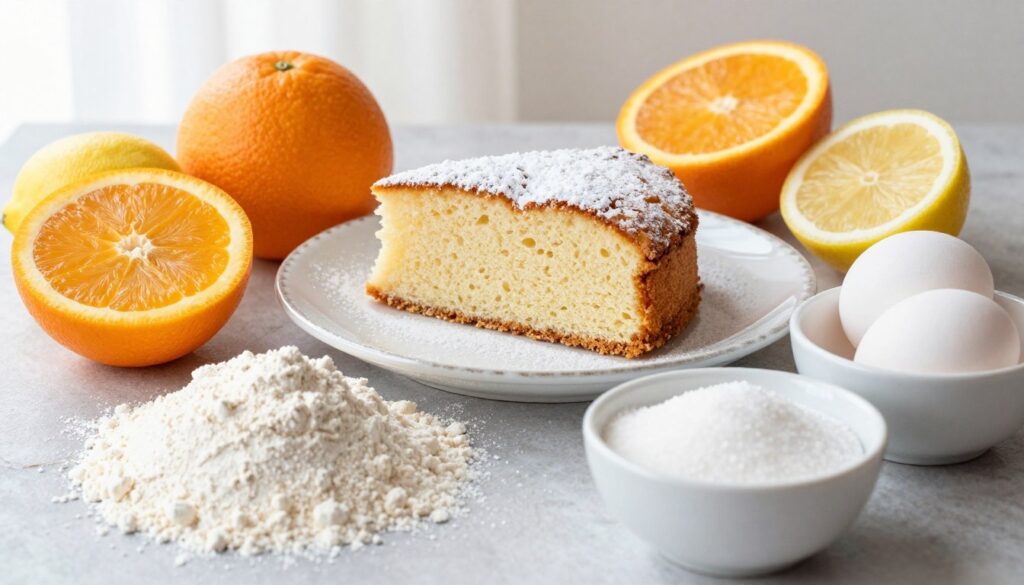
Start by gathering the key ingredients for a light angel cake. Dry measures and stable egg whites are crucial. This ensures a tender crumb, not a dense loaf. Have all your ingredients ready to avoid any delays.
Dry ingredients: sifted cake flour and sugar
For a light cake, use 1 to 1 1/2 cups of sifted cake flour. Spoon and level the flour, then sift it. Sifting the flour with sugar three times helps remove lumps and keeps the cake tender. You’ll need about 1 1/2 to 1 3/4 cups of sugar, divided for easy mixing.
Key egg white ingredients: room-temperature egg whites, cream of tartar, salt
Use 12 large egg whites at room temperature for the best results. They whip up faster and higher than cold eggs. Add 1/2 to 1 1/2 teaspoons of cream of tartar and 1/4 to 1/2 teaspoon of kosher salt for stability and flavor.
Flavorings: vanilla, lemon zest, and optional extracts (lemon or orange)
Start with 1 teaspoon of vanilla extract. Add the zest of one lemon for brightness. For more citrus, use 1/4 to 1/2 teaspoon of lemon or orange extract. A small amount of Fiore de Sicilia can add a unique orange-vanilla flavor.
What you’ll need for citrus cream frosting
For a simple frosting, whip 1 1/2 cups of heavy cream with 2–3 tablespoons of sugar and lemon zest. Add 1–2 teaspoons of vanilla for extra flavor. For a thicker frosting, mix in 2 tablespoons of lemon pudding powder. These ingredients complement the cake without making it heavy.
Equipment: tube pan (angel food pan) and why the feet matter
Use an ungreased, footed tube pan like a Wilton angel food pan. This allows the batter to rise and the cake to cool without collapsing. A removable-top pan is also good. Place a baking sheet or parchment under the pan to catch any spills.
Preparing your kitchen and equipment for a light and airy angel cake
Start by clearing a workspace and getting your tools ready. You’ll need a footed, ungreased tube pan. This pan is crucial because the batter needs to stick to its sides as it rises.
Preheat your oven to 325°F (163°C). Place the pan on a baking sheet lined with parchment paper. This will catch any spills and keep your oven clean.
Why use an ungreased tube pan and how to position it
Don’t grease the pan. Grease can cause the cake to collapse when it cools. Use a 9- or 10-inch deep tube pan with feet for easy inversion.
Invert the pan onto its feet or a bottle to cool. This helps keep the cake’s height and structure.
Room-temperature egg whites and why they matter
Make sure your egg whites are at room temperature before whipping. Warm egg whites whip faster and better than cold ones. Use an electric whisk for this.
Add cream of tartar to stabilize the foam. Keep your bowls and beaters dry and grease-free to avoid deflating your peaks.
Sifting flour and sugar: tips to avoid lumps and keep the crumb tender
Sift cake flour and sugar together to aerate the dry mix. Sifting several times removes lumps and lightens the mix. Use sifted flour tips like measuring after sifting and folding in small increments.
Fold gently with a rubber spatula to keep the batter airy. For more details, check out a trusted guide like this angel food cake recipe. These steps ensure a tender crumb and a tall, stable cake.
Step-by-step angel cake recipe method
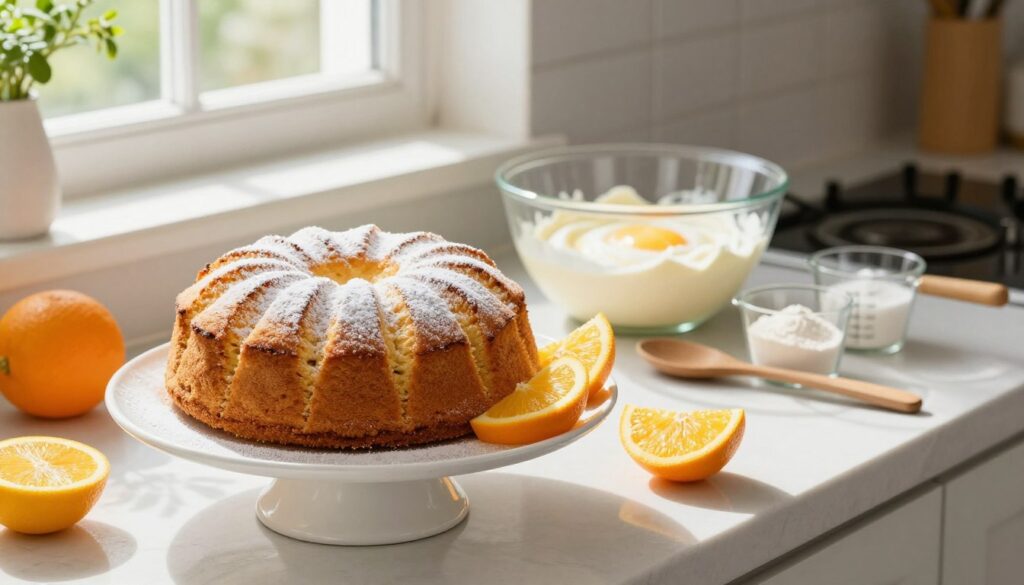
First, get a quick overview of the steps. This method offers two ways to handle sugar. You can warm it with egg whites or add it slowly while whipping. Both methods help stabilize the foam and improve texture.
Warming and dissolving sugar into the egg white mixture.
Warm the egg-white mixture over a double boiler for about five minutes if you choose the heating route. Whisk constantly until the sugar dissolves and the whites feel warm to the touch. If you skip warming, keep sugar handy to add slowly while whipping so it dissolves without deflating the foam.
Whipping egg whites to stiff peaks without overbeating.
Beat egg whites with a pinch of salt until foamy, then add cream of tartar and bring them to soft peaks. Add sugar in increments—either the warmed portion first or 1/4-cup at a time—until you reach stiff peaks. Stop when peaks hold their shape but still look glossy; dry, grainy whites will collapse and ruin baking angel cake results.
Folding in sifted cake flour gently to preserve air.
Sift flour and any reserved sugar together. Fold the dry mix into the foam in 1/4-cup additions using an over-and-under motion with a large spatula. Work quickly but gently. Fold only until no streaks remain; overfolding knocks out the air that makes this cake light.
Baking times and how to test for doneness.
Bake times vary with oven and method. If you used warmed whites, a higher temperature and shorter time may work; others bake lower and longer. Typical ranges are 325°F for 50–60 minutes or 350°F for 30–35 minutes. Watch for a gold-brown top and test with a cake tester; it should come out clean. Check the bottom color if possible; a golden base and a clean tester mean it’s done.
Proper cooling technique: inverting the pan to keep structure.
As soon as the cake comes from the oven, invert the pan onto its feet or a bottle to cool. Cooling upside down preserves height and prevents collapse. Let it sit an hour or up to two hours. Run a dull knife around the tube and sides only after it’s cooled enough, then release the cake gently to finish cooling on a rack.
How to make citrus cream frosting that complements angel cake
You want a light, bright topping that matches the airy crumb of an angel cake. Start with a simple whipped base. Then, choose a variation or stabilizing method that fits your event. Below are clear steps and options so you can make a citrus cream frosting that holds up and tastes fresh.
Basic whipped cream citrus cream
Chill a metal bowl and beaters for best results. Whip 1 1/2 cups heavy cream until it becomes light and fluffy. Add 2–3 tablespoons granulated sugar to taste, 1–2 teaspoons vanilla, and the zest of one lemon. Fold gently, chill, and use right before serving for a delicate lemon whipped cream that crowns the cake without weighing it down.
Variations for more body
If you want a scoopable topping, fold in 2 tablespoons instant lemon pudding powder. This adds structure and a creamy texture similar to pastry-creme blends. Swap some lemon zest for orange zest for a sweeter profile. You may also mix a touch of orange extract with lemon for a balanced mixed-citrus finish.
Stabilizing options for longer-lasting frosting
For parties and warm venues use stabilized whipped cream so the dessert stays tidy. Dissolve 1–2 teaspoons unflavored gelatin in 2 tablespoons warm water, cool slightly, then whisk into whipped cream at medium peaks. You can replace gelatin with 2 tablespoons instant vanilla pudding mix or fold in 1/3 cup mascarpone for richness and stability. Commercial stabilizers like Dr. Oetker Whip It or Knoer’s Whip can be used per package directions.
Use chilled tools and cold cream for best lift. Taste as you go and keep the citrus accents subtle so the angel cake remains the star. With these options you can create a citrus cream frosting that looks elegant and holds its shape through service.
Flavor variations and add-ins for a citrus flavored cake
You can change your angel cake’s flavor for any event. Use lemon zest and juice for a tangy taste. Or, go for orange with Cara Cara Navel juice and zest for a sweeter flavor.
Mix both for a balanced citrus taste. This makes your cake lively and full of flavor.
Lemon, orange, or mixed citrus
Choose lemon for a sharp, fresh taste. Orange is great for a mellow, sweet flavor. Mix both for a complex taste that’s both lively and balanced.
Add 2 tablespoons of Cara Cara Navel orange juice, 1 tablespoon of orange zest, and 1 teaspoon of vanilla extract. This highlights the flavors without making the cake too dense.
Toppings to finish your bakes
Top your cake with macerated berries for a pop of color. Short maceration keeps berries fresh. Toss strawberries or raspberries with lemon and sugar for 10–20 minutes.
Try citrus segments for a clean finish. Or, use a dulce de leche drizzle for a rich contrast.
Spice and cream twists
Add cinnamon-whipped cream for warmth. Mix it with dulce de leche drizzle. A light vanilla-lemon frosting softens the spice and ties the flavors together.
Small amounts of cinnamon or vanilla extract can change the cake’s flavor. They add depth without making it heavy.
For a tested orange-angelfood recipe, check out a detailed guide at this recipe source.
| Variation | Key Add-ins | Best Pairings |
|---|---|---|
| Lemon-Forward | Lemon zest, lemon juice, lemon-forward frosting | Macerated berries, citrus segments |
| Orange-Forward | Cara Cara Navel orange juice, orange zest, vanilla | Light cream, vanilla-lean frosting |
| Mixed Citrus | Lemon and orange zest, small orange juice | Citrus-berry compote, plain whipped cream |
| Spiced Twist | Cinnamon-whipped cream, a hint of ground cinnamon | Dulce de leche drizzle, macerated berries |
| Decadent Finish | Dulce de leche drizzle, light salt | Vanilla ice cream, cinnamon cream |
Troubleshooting common issues with homemade angel cake
When your angel cake doesn’t turn out light and airy, a few small fixes usually get you back on track. Use these troubleshooting angel cake tips to spot where the process went wrong and how to correct it next time.
Why the cake didn’t rise
If the cake didn’t rise, check how you folded the flour into the whites. Adding flour too quickly or stirring aggressively deflates the whipped egg whites and robs the batter of lift. Whip egg whites to soft, then firm peaks and fold in sifted flour in three gentle additions with a rubber spatula.
Egg temperature matters. Room-temperature whites whip faster and hold air better. If you followed a recipe exactly and still saw a collapsed center, review oven temperature and placement. A miscalibrated oven can make the difference between a perfect dome and a flat top.
Dense or sticky angel cake
A dense angel cake often means either under-whipped whites that can’t support structure or over-whipped whites that dry and collapse. Aim for glossy, firm peaks without graininess. Stop and test the peak with a fingertip; it should hold shape but remain slightly flexible.
Greasing the pan can create a sticky, low-rising cake. Angel food needs to cling to the ungreased tube pan to climb and set. If the center is gummy, add a few extra minutes of bake time and confirm your oven temperature with an oven thermometer.
Tips for removing the cake cleanly from the pan
Remove the cake only after cooling it upside down on the pan feet for at least one hour. Cooling inverted lets the crumb set and prevents collapse. Use the pan’s feet or rest the tube over a bottle neck if your pan lacks built-in feet.
When loosening, run a dull knife gently around the inner tube and the outer rim. For pans with removable bottoms, slide the base out slowly while supporting the cake. Work carefully to keep edges intact and preserve the airy texture.
For a helpful checklist of common mistakes and fixes, review this collection of angel food cake tips from Taste of Home: angel food cake mistakes.
| Problem | Likely Cause | Quick Fix |
|---|---|---|
| cake didn’t rise | Folding errors or under-whipped egg whites | Whip whites to firm peaks; fold flour gently in increments |
| dense angel cake | Overmixing or under-beaten whites; greased pan | Stop at glossy peaks; use an ungreased tube pan |
| sticky center | Insufficient bake time or wrong oven temp | Check with an oven thermometer; add a few minutes |
| tearing when removing | Removed too soon or rushed release | Cool inverted 1–2 hours; loosen with a dull knife |
Serving suggestions and make-ahead tips for parties
Set your angel cake out like a simple showpiece and let guests help themselves. A few smart pairings turn a light slice into a memorable bite. For a clean, attractive display, arrange slices on a platter with bowls of toppings nearby.
Pairing ideas
Top slices with macerated berries, a spoonful of citrus-berry compote, or a scoop of vanilla ice cream. The compote balances the cake’s airy crumb and bright citrus cream. If you want a richer note, drizzle a little dulce de leche over the slice.
How to store cake and citrus cream separately
When storing angel cake, keep the un-iced layer wrapped in plastic or an airtight container. At room temperature it stays fresh for one day. For longer life, refrigerate the cake; remove it from cold an hour before serving to soften the crumb.
Chill citrus cream in an airtight container for 24–48 hours depending on whether it is stabilized. Stabilized whipped cream or pudding-enhanced frosting lasts longer. Store the cream away from strong odors to preserve its bright flavor.
Timing for assembling before serving
Plan a true make-ahead dessert by baking the cake a day ahead and cooling it fully. Make the citrus cream the morning of the event or the same day. If you use unstabilized whipped cream, whip and assemble within a few hours of serving.
If you use stabilized frosting, you can assemble up to a day before the party. Add fresh fruit, like the citrus-berry compote, right before serving to avoid soggy layers and to keep the presentation fresh.
Conclusion
You now have the tools to make a light and airy angel cake with citrus cream at home. Start with 12 room-temperature egg whites, sifted cake flour, sugar, cream of tartar, and a pinch of salt. Add lemon or orange zest for a bright flavor.
The right pan—a footed, ungreased tube pan—is key. Also, warm the sugar, whip the whites to stiff peaks, and fold gently. These steps are crucial for the best angel cake recipe.
Follow important preparation and troubleshooting tips. Sift flour well, whip whites right, fold gently, and cool the cake inverted. This keeps its shape. Stabilize the citrus cream for parties and store parts separately for freshness.
Don’t be afraid to try new things with your angel cake. Mix lemon and orange zest, add macerated berries, or drizzle dulce de leche. For more simple dessert ideas, check out easy dessert recipes. They offer quick and easy treats to make at home.