The Simple Gluten-Free Dessert Recipes Everyone Will Love
Ever feel left out of dessert because of food sensitivities? Or maybe you’re exploring new eating habits? I’ve been there too. My first gluten-free cake was a mess—dense and crumbly. But that cake was the start of a journey to delicious gluten-free baking.
I used to think gluten-free desserts were less tasty. But I was wrong. I found a world of flavors that stand on their own. These desserts are not just okay for being gluten-free; they’re truly great for everyone.
This guide aims to simplify the mystery. We’re leaving behind complicated recipes for the essence of great desserts: flavor, texture, and joy. Let’s focus on simple, foolproof methods that highlight natural ingredients. We’re making desserts that are so good, you won’t even guess they’re gluten-free.
Key Takeaways
- Gluten-free baking is not a compromise on flavor or texture.
- Simple, wholesome ingredients can create incredible desserts.
- You don’t need to be a professional baker to succeed.
- This guide focuses on easy, foolproof recipes that work.
- These desserts are so good, everyone will love them.
2. Why You’ll Love These Gluten-Free Dessert Recipes
Exploring gluten-free baking opened my eyes to amazing desserts. You don’t lose flavor or texture. These easy gluten-free desserts are perfect for any occasion.
Flavor That Doesn’t Compromise
Many think gluten-free baking means less flavor. But that’s not true. High-quality, natural ingredients bring incredible tastes.
Made with Natural, Wholesome Ingredients
Gluten-free baking often leads to creative ingredients. Almond flour adds a rich, nutty flavor. Oat flour brings a toasty, comforting taste. These ingredients make desserts special.
Desserts Everyone Can Enjoy
These recipes are inclusive. At gatherings, everyone enjoys dessert without worry. They’re perfect for those avoiding gluten by choice or necessity.
Simple, Foolproof Methods for Guaranteed Success
These recipes are easy to follow. You don’t need to be a pro. They’re designed for beginners.
No Fancy Equipment Needed
You won’t need special tools. Just a mixing bowl, spoon, and baking dish. These gluten-free sweets are simple to make.
Time-Saving Tips and Tricks
Gluten-free baking can be quick. Pre-measure dry ingredients to save time. Mix dry ingredients the night before for easier baking. Double recipes and freeze half for busy weeks.
| Feature | Traditional Desserts | Gluten-Free Alternative | Key Benefit |
|---|---|---|---|
| Base Flour | All-purpose wheat flour | Almond, coconut, or oat flour | Naturally gluten-free and nutrient-rich |
| Common Additives | Often includes preservatives | Natural sweeteners and binders | Cleaner ingredient list |
| Allergen Friendly | Contains gluten | Naturally gluten-free | Safe for gluten sensitivities |
| Prep Time | Often similar | Often faster mixing time | Quick preparation |
| Dietary Needs | Limited options | Versatile for many diets | More inclusive for guests |
Gluten-free baking has many benefits. Ingredients are often more flavorful and nutritious. Preparation can be simple.
These recipes bring people together. They’re great for those with celiac disease, gluten avoidance, or healthier options. Enjoy delicious, homemade gluten-free sweets with loved ones.
3. Your Gluten-Free Pantry: Essential Ingredients
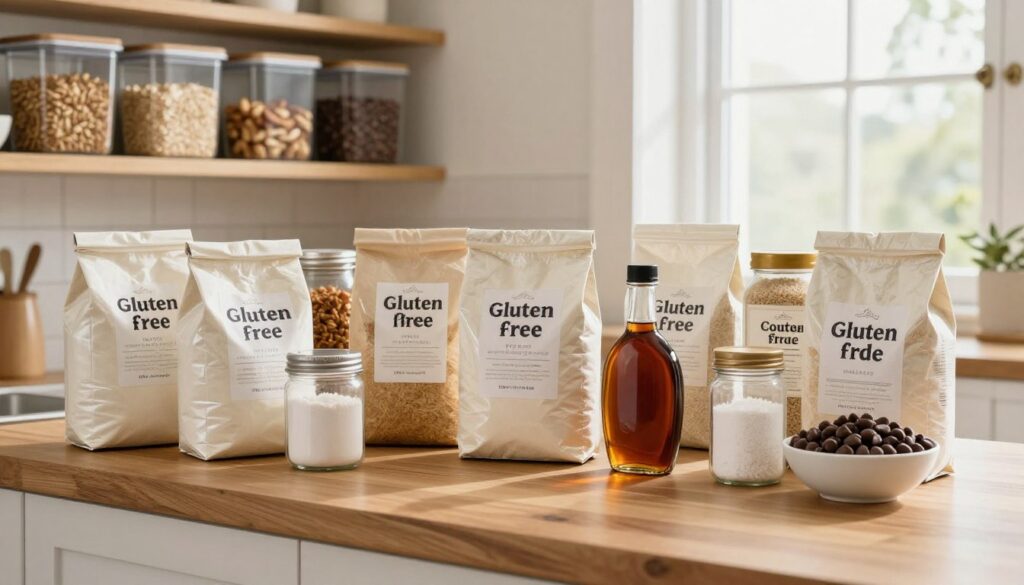
Building your gluten-free pantry is the most exciting part of baking. It’s like getting a new baking tool. At first, I was confused by all the flours and binders. But once you learn the basics, it’s like learning a new language.
Let’s fill your shelves with the right ingredients for success.
Building Your Flour Power
Your flour choice is the base of any gluten-free dessert. It’s not just about replacing wheat flour. It’s about finding a blend that gives structure and flavor.
I learned this the hard way—my first gluten-free cake was crumbly. Now, I pick my flour based on texture and flavor.
Choosing Your Primary Flour: Almond, Oat, or All-Purpose GF Blends
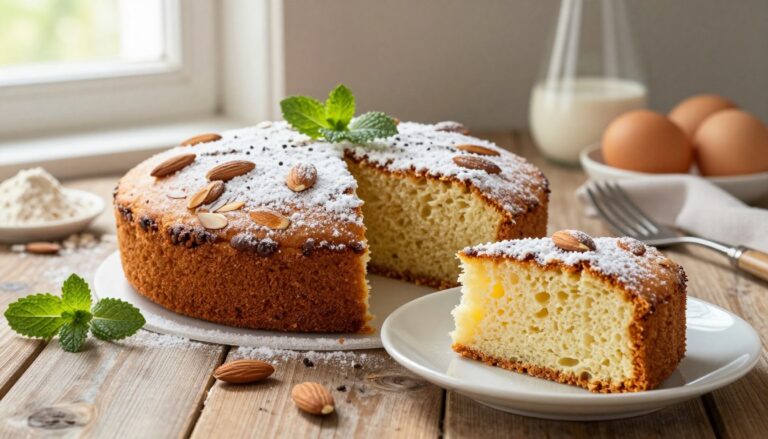
Your flour choice sets the stage. Almond flour, like in my favorite orange almond cake, adds a rich, nutty flavor and moisture. It’s great for dense, moist cakes.
Oat flour, made from gluten-free oats, gives a heartier texture. It’s perfect for chewy cookies. For beginners, start with a trusted all-purpose gluten-free flour blend. It’s designed to work like wheat flour.
Here’s a quick guide to help you choose:
| Flour Type | Best For | Texture | Flavor Profile |
|---|---|---|---|
| Almond Flour | Moist cakes, dense brownies | Dense, moist crumb | Nutty, rich |
| Oat Flour | Cookies, muffins | Chewy, hearty | Mild, slightly sweet |
| All-Purpose GF Blend | Versatile for all recipes | Most similar to wheat flour | Neutral, balanced |
The Role of Starches and Binders
This is where the magic happens! Gluten-free flours need help to stick together. Starches like tapioca, potato, or cornstarch do this. They lighten the texture and help with browning.
Think of them as the support team for your main flour, adding that perfect crumb to your gluten-free baking.
Sweeteners, Binders, and the Magic of Xanthan Gum
Now, let’s talk about what holds it all together. In traditional baking, gluten does this job. In our gluten-free world, we have other tricks up our sleeves.
Natural Sweeteners and Sugars
I love using natural sweeteners that bring their own flavors. Pure maple syrup adds moisture, honey brings floral notes, and coconut sugar gives a caramel-like depth. For deep, fudgy brownies, I sometimes use black beans—like in black bean brownies.
It sounds wild but creates an incredibly moist, protein-packed treat.
Understanding Binders: Xanthan Gum, Psyllium, and Alternatives
Xanthan gum is my go-to binder. It mimics gluten’s stretch and structure. If you’re sensitive to it, psyllium husk is a fantastic, fiber-rich alternative that also adds moisture.
The key is to start small—a quarter teaspoon per cup of flour is my golden rule. Too much, and your bake can become gummy; too little, and it might crumble.
Remember, building your gluten-free pantry is a journey. Start with a good all-purpose blend and your favorite sweetener, then experiment. Your perfect flour blend is out there, waiting to make your desserts not just “good for gluten-free,” but absolutely delicious.
4. Your Gluten-Free Baking Toolkit
Starting your gluten-free baking journey means having the right tools. Passion and a great recipe are key, but the right equipment makes a big difference. Your tools help make the process smoother and more enjoyable.
Essential Bakeware and Tools
Before you start, gather your essentials. The right tools make the job easier and help you get consistent results. They’re crucial for baking quick gluten-free desserts to perfection.
Must-Have Pans, Mixing Bowls, and Scales
Begin with the basics. A digital kitchen scale is a must. Gluten-free flours need precise measurements, and using weight is more accurate than cups. You’ll also need mixing bowls, measuring cups and spoons, and various pans.
A silicone spatula helps scrape every bit of batter. A fine-mesh sieve is key for mixing flour blends. And, an instant-read thermometer ensures your baked goods are cooked just right.
Helpful Gadgets for Perfect Results
Some gadgets can take your baking to the next level. A hand mixer or stand mixer makes mixing easier. An oven thermometer helps prevent over- or under-baking. A food processor can also be a game-changer for quick tasks like making a crust.
Setting Up Your Kitchen for Success
Success in baking starts before you begin. It’s not just about having the right tools but using them well. A little organization and a consistent method can make a big difference.
The “Mise en Place” Method for Baking
The French term “mise en place” means “everything in its place.” It’s a game-changer. Prepare all your ingredients before mixing. This approach ensures you don’t forget anything and makes mixing a calm, enjoyable process.
How to Measure Ingredients Accurately
Accurate measuring is crucial for gluten-free baking. Use the “spoon and level” method for dry ingredients. For precision, weigh ingredients with a digital scale. This removes guesswork and ensures consistent results.
5. Simple Gluten-Free Dessert Recipes for Beginners
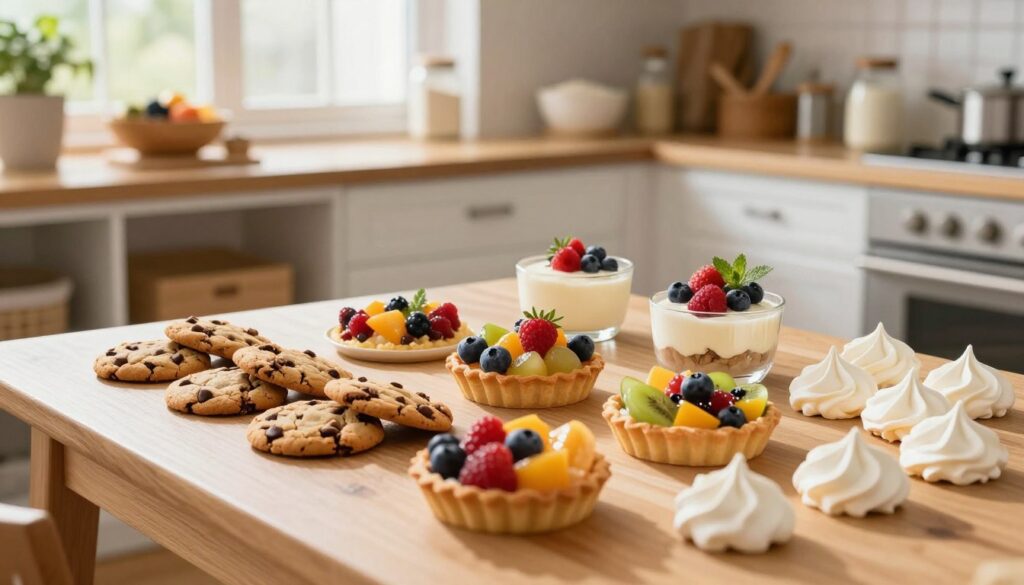
You’ve got your pantry stocked and your tools ready. Now, let’s make some dessert! These three recipes are my go-to’s for their foolproof methods and incredible flavor. They’re the perfect way to build your confidence and win over any crowd.
Ready to bake with confidence? I’ll guide you through three of my absolute favorite simple gluten-free desserts everyone will love. These recipes are designed for success, whether you’re a total newbie or just new to gluten-free baking.
Recipe 1: One-Bowl Fudgy Brownies
These brownies are the ultimate test of a good gluten-free recipe: rich, fudgy, and impossible to tell they’re gluten-free. The one-bowl method means less cleanup and more time for eating.
Ingredients and Simple Substitutions
You likely have most of this in your pantry. The key is using a good 1:1 all-purpose gluten-free flour blend that includes xanthan gum.
- Wet: 2 large eggs, 1 cup sugar, 1/2 cup melted butter or coconut oil, 1 tsp vanilla.
- Dry: 3/4 cup cocoa powder, 1/2 cup GF flour blend, 1/4 tsp salt.
- Add-in: 1 cup chocolate chips or chopped nuts (optional).
Substitutions: For a dairy-free version, use a plant-based butter and your favorite dairy-free chocolate.
Step-by-Step: Mixing, Baking, and Testing for Doneness
- Preheat your oven to 350°F (175°C) and line an 8×8 pan with parchment paper.
- In a large bowl, whisk the eggs and sugar until combined. Whisk in the melted (and slightly cooled) butter and vanilla.
- Sift in the cocoa, flour, and salt. Stir until just combined. Fold in chocolate chips, if using.
- Pour the batter into the pan and bake for 25-30 minutes. The brownies are done when a toothpick inserted in the center comes out with a few moist crumbs attached.
“The key to fudgy brownies is not overbaking. A few moist crumbs on the toothpick means they’ll be perfectly fudgy, not cakey.”
Recipe 2: No-Bake Lemon Cheesecake Bars
This is the perfect make-ahead dessert. The bright, zesty filling and crunchy, nutty crust require zero baking and deliver a seriously impressive result.
Creating the Almond-Oat Crust
Pulse 1 cup of almonds and 1 cup of gluten-free rolled oats in a food processor until it resembles coarse crumbs. Add 3 tbsp of maple syrup and 2 tbsp of melted coconut oil. Pulse until it holds together when pinched. Press firmly into a lined 8×8 pan.
Making the Filling and Setting the Bars
For the filling, blend 2 cups of soaked cashews (or a 8oz block of cream cheese for a classic version), 1/3 cup lemon juice, 1/2 cup coconut cream, and 1/3 cup maple syrup until silky smooth. Pour over the crust and freeze for 4 hours. It’s that simple.
For more easy gluten-free dessert recipes, this site is a fantastic resource for stress-free, family-friendly ideas.
Recipe 3: 3-Ingredient Peanut Butter Cookies
This is the simplest, most satisfying cookie you’ll ever make. With just peanut butter, sugar, and an egg, you’re minutes away from warm, chewy cookies.
Mixing and Shaping the Dough
Simply mix 1 cup of smooth peanut butter, 1 cup of sugar, and 1 large egg in a bowl until a dough forms. Roll into 1-inch balls.
Baking to a Perfect, Chewy Finish
Place balls on a lined baking sheet and flatten with a fork in a criss-cross pattern. Bake at 350°F (175°C) for 10-12 minutes. Let them cool on the sheet for 10 minutes—they’ll firm up into the perfect chewy cookie.
Here’s a quick look at how these easy gluten-free dessert recipes for beginners compare:
| Recipe | Key Ingredients | Active Time | Special Equipment |
|---|---|---|---|
| Fudgy Brownies | GF Flour, Cocoa, Sugar | 15 min | Mixing bowl, 8×8 pan |
| No-Bake Cheesecake Bars | Cashews, Lemon, Almonds | 20 min (plus chilling) | Food Processor |
| Peanut Butter Cookies | Peanut Butter, Sugar, Egg | 10 min | Mixing Bowl, Baking Sheet |
These simple gluten-free desserts everyone will love prove that “gluten-free” doesn’t mean flavor-free. Start with the 3-ingredient cookies for instant gratification, then work your way up to the show-stopping no-bake bars. Remember, the best dessert is the one you make and enjoy.
6. Next-Level Gluten-Free Desserts
Ready to wow your guests? These recipes are your secret weapons for making a stunning impression. They show that gluten-free desserts can be as sophisticated and delicious as any classic dessert. These next-level creations are perfect for special occasions, dinner parties, or holiday meals. For more gluten-free dessert ideas, you can find endless inspiration.
Recipe 4: Flourless Chocolate Torte
This torte is the definition of elegant simplicity. It’s rich, fudgy, and has a texture that is both dense and airy. The magic lies in the technique, not a long list of ingredients.
Mastering a Light and Airy Gluten-Free Sponge
The secret to its incredible texture is in the eggs. You’ll separate the eggs, whipping the whites to stiff, glossy peaks. Folding this meringue into the melted chocolate and yolk mixture is what gives the torte its signature lift and light-as-air crumb. The key is to not overmix; a few streaks of egg white are fine.
Creating a Silky Chocolate Ganache Topping
A simple ganache takes this dessert to a professional level. Just two ingredients—high-quality chocolate and warm heavy cream—melted together create a silky, shiny glaze. Pour it over the cooled torte for a smooth, glossy finish that’s as beautiful as it is delicious.
Recipe 5: Rustic Apple Galette
This free-form tart is a celebration of simple, rustic charm. It’s less about perfection and more about showcasing the beauty of fresh fruit. The best gluten-free desserts for all occasions often look as good as they taste, and this galette is a perfect example.
Making a Tender, Flaky Gluten-Free Pastry
Don’t be intimidated by pastry. A good gluten-free galette dough is forgiving. The key is to keep all your ingredients cold and handle the dough as little as possible. Using a quality 1:1 gluten-free flour blend with xanthan gum will give you the structure and flakiness you’re after.
Arranging the Apples and Baking to Perfection
Arrange your apple slices in a beautiful, slightly overlapping spiral. The fruit will soften and caramelize as it bakes, while the crust turns a deep, golden brown. The rustic, free-form shape means no two galettes are exactly alike, and that’s part of the charm.
| Dessert | Difficulty | Best For | Key Skill |
|---|---|---|---|
| Flourless Chocolate Torte | Intermediate | Elegant Dinners, Special Occasions | Mastering the Meringue Fold |
| Rustic Apple Galette | Beginner-Friendly | Casual Gatherings, Seasonal Baking | Working with Pastry Dough |
Both of these best gluten-free desserts for all occasions are sure to impress. They prove that a gluten-free diet doesn’t mean missing out on the art of the dessert course.
7. Pro Tips for Perfect Gluten-Free Baking
Perfect gluten-free baking is all about mastering a few key techniques. These ensure your desserts are never dry, crumbly, or dense. It’s not just about swapping flours; it’s about small, deliberate steps for bakery-worthy results every time. Let’s explore the professional secrets to elevate your homemade gluten-free desserts from good to exceptional.
Mastering Texture and Moisture
Gluten-free baking is a delicate dance between moisture and structure. The right balance is the difference between a dry, crumbly cake and one that is moist and tender.
One of the most important steps in gluten-free baking is the rest period. After mixing your batter or dough, let it rest for 20-30 minutes. This is not just downtime—it’s an active process. The gluten-free flours and starches need time to fully hydrate.
This resting period allows the flours to absorb the liquid. It results in a better structure and a more cohesive, less gritty texture in your final baked good. It’s a simple step that makes a world of difference in the texture of your no-fail gluten-free dessert recipes.
How to Know When Your Baked Good is Perfectly Done
Gluten-free items often look underbaked before they are actually done. The visual and tactile cues are your best friends. The classic “toothpick test” is a start, but for items like brownies or quick breads, the top should be set and the edges should just begin to pull away from the pan.
The internal temperature is a more reliable guide. For most cakes, an instant-read thermometer should read between 200-210°F (93-99°C) in the center. This ensures the structure is set without drying it out.
Flavor and Texture Enhancements
Creating delicious homemade gluten-free desserts is as much about flavor as it is about texture. Since gluten-free flours can be mild, you have a fantastic opportunity to build and layer flavors in creative ways.
Infusing Flavors and Creating Layers
Don’t just mix in flavor—build it in layers. For a rich chocolate cake, you could infuse the milk with a vanilla bean or a cinnamon stick as it warms. For a fruit dessert, consider steeping citrus peels or fresh herbs in the liquid ingredients before adding them to the batter.
This builds a base of flavor that is more complex and interesting.
Using Extracts, Zest, and Spices
This is where your no-fail gluten-free dessert recipes truly shine. A few drops of high-quality, pure vanilla or almond extract can transform a simple batter. For a vibrant, fresh flavor, the zest of a lemon, lime, or orange adds a bright, aromatic punch without adding extra liquid.
Spices like cinnamon, nutmeg, and ginger should be fresh and aromatic—toast them in a dry pan for 30 seconds to unlock their full, fragrant potential.
| Flavor Enhancer | Best Used In | Flavor Profile | Pro Tip |
|---|---|---|---|
| Pure Vanilla Extract | Cakes, Custards, Frostings | Warm, sweet, aromatic | Use pure, not imitation, for best flavor. |
| Almond Extract | Macarons, Cookies, Glazes | Nutty, sweet, aromatic | A little goes a long way; start with 1/4 tsp. |
| Citrus Zest (Lemon, Orange) | Cakes, Glazes, Gluten-Free Pastries | Bright, tangy, fresh | Zest the fruit before juicing for maximum flavor. |
| Ground Cinnamon | Quick Breads, Muffins, Cookies | Warm, sweet, spicy | Add to dry ingredients for even distribution. |
| Ground Ginger | Gingersnaps, Spice Cakes | Warm, spicy, pungent | Use fresh grated ginger for a more intense flavor. |
Mastering these techniques will give you the confidence to create stunning, homemade gluten-free desserts that are defined by their perfect texture and vibrant flavor, not by what’s missing.
8. Decorating and Presenting Your Desserts
You’ve baked a perfect gluten-free dessert, but it’s not complete until it’s beautifully presented. A few simple touches can make your homemade treat stunning. It becomes worthy of a patisserie window. Great presentation celebrates your hard work and makes every dessert special.
It turns your desserts without gluten into a feast for the eyes and taste buds.
Simple Yet Elegant Finishing Touches
You don’t need to be a pro to add a professional touch. A few simple techniques can make your desserts look artisanal in minutes.
Dusting, Drizzles, and Sauces
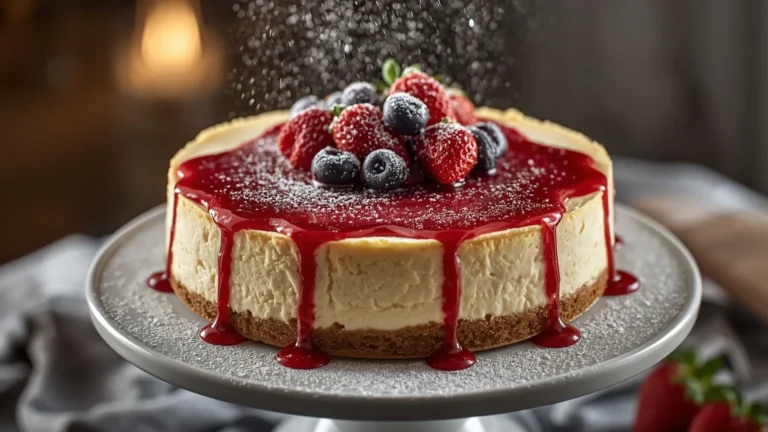
A little dusting goes a long way. A light dusting of powdered sugar or cocoa powder adds a bakery-fresh look to brownies, tarts, or tortes.
For a decadent touch, a drizzle can change everything. Try a gluten-free chocolate or fruit coulis. Blend fresh or frozen berries with a touch of sweetener and lemon, then strain for a smooth sauce. Drizzle it in a zigzag pattern or create swirls on the plate.
Fresh, colorful garnishes add texture, freshness, and color. They show your dessert is fresh and thoughtfully prepared.
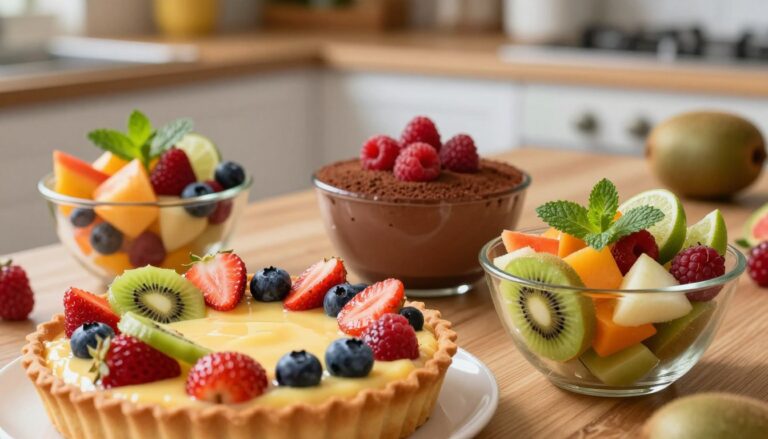
- Fresh Fruit: A few fresh berries, a fan of sliced strawberries, or citrus segments add vibrancy and a tart contrast to sweet desserts.
- Toasted Nuts: A sprinkle of toasted, chopped nuts (like almonds, pecans, or pistachios) adds crunch and rich flavor. A sprig of fresh mint or a dusting of lemon zest can add a fragrant touch.
Plating and Presentation
How you arrange your dessert on the plate is the final, creative step. Think of the plate as your canvas.
Choosing the Right Serveware
The plate or bowl you choose sets the stage. For a rustic dessert like a galette or crumble, a simple, white, rustic-chic plate is perfect. For a more elegant dessert like a torte or mousse, a modern, minimalist plate makes it the star. Don’t forget about small bowls, martini glasses, or mason jars for layered parfaits or mousses.
Creating a Visually Stunning Dessert Plate
You can turn a simple cookie or brownie into a restaurant-worthy dessert. Here’s how to plate like a pro:
- Create Height: Slice your brownie and lean it against a quenelle of whipped cream or a scoop of ice cream.
- Use the Sauce as a Canvas: Swirl your fruit coulis or chocolate sauce on the plate before placing the dessert. It adds a professional splash of color and flavor.
- Add Texture: A crisp cookie, a crunchy nut praline, or a delicate tuile provides a fantastic textural contrast to creamy mousses or mousses.
- Less is More: Avoid clutter. A clean, intentional arrangement with a few well-placed elements looks more sophisticated than a crowded plate.
Remember, the goal is to make your gluten-free sweets look as incredible as they taste. With these simple touches, every dessert you make can be a beautiful, delicious work of art.
9. Storing, Serving, and Making Ahead
You’ve made a delicious gluten-free dessert, and now you want to enjoy it for days to come or share it with a crowd. This section is your complete guide to keeping your creations fresh, planning ahead for events, and presenting a beautiful spread that will impress any guest. A little planning ensures your gluten-free treats taste as good on the last day as they did on the first.
Keeping Your Desserts Fresh
Proper storage is the secret to keeping your gluten-free desserts tasting their best. The right container and location can make all the difference between a fresh, moist treat and a stale one. The key is understanding the enemies of baked goods: air, moisture, and strong odors. Let’s break down the best ways to protect your creations.
Short-Term Storage and Freezing
Not all desserts store the same way. The right container and environment are key. Always let baked goods cool completely before storing, as trapped steam can create sogginess. For short-term storage of 1-3 days, an airtight container at room temperature is perfect for most cookies, brownies, and cakes. For longer storage, the freezer is your best friend.
This table shows the best storage methods for common gluten-free desserts:
| Dessert Type | Room Temp (1-2 days) | Refrigerate (3-5 days) | Freeze (1-3 months) | Make-Ahead Tip |
|---|---|---|---|---|
| Cookies & Brownies | Yes, in airtight container | Not recommended | Wrap tightly in plastic, then foil. Thaw at room temp. | Freeze dough balls or baked cookies. |
| Cakes & Cheesecakes | Not recommended | Yes, in an airtight container or well-wrapped | Wrap slices individually for easy thawing. | Bake and freeze unfrosted layers up to a month ahead. |
| No-Bake Desserts (e.g., mousse, cheesecake) | No | Yes, always refrigerate | Freezing is not recommended for most | Make the crust a day ahead; assemble the day of serving. |
| Frozen Desserts (Mousse, Soufflés) | No | Not recommended | Yes, in an airtight container for 1-2 months | Perfect for making weeks ahead for a party. |
How to Properly Thaw and Reheat
Thawing and reheating the right way is crucial for texture. Never microwave a frozen dessert to speed up thawing—it will make it soggy or create ice crystals. The best method is to move the dessert from the freezer to the refrigerator 12-24 hours before serving. For cookies or brownies, you can place them at room temperature for 2-3 hours.
For reheating, a low and slow oven (around 300°F) works best for baked goods. Place brownies or a cake slice on a baking sheet for 5-10 minutes to refresh the texture. For individual portions, a toaster oven on a low setting works wonders.
Serving a Crowd
Hosting doesn’t have to be stressful. With a little strategy, you can prepare most of your dessert spread in advance, leaving you free to enjoy your own party.
Make-Ahead Strategies for Parties
The key to a stress-free party is a solid make-ahead plan. Most gluten-free desserts freeze exceptionally well. Cookie dough can be portioned and frozen in balls, ready to be baked straight from the freezer. Brownies and bars freeze perfectly for up to 3 months. A flourless chocolate torte or a rustic galette can be baked, cooled, and frozen whole, then thawed overnight in the fridge. For frozen mousses or soufflés, make them up to a month in advance.
Create a make-ahead timeline:
- One Month Before: Bake and freeze cookie dough, brownies, or cheesecake layers.
- One Week Before: Make and freeze a mousse or a no-bake dessert.
- Two Days Before: Thaw frozen desserts in the refrigerator.
- Day Before: Bake any thawed dough or assemble no-bake desserts.
- Day Of: Add final garnishes and decorations.
Creating a Beautiful Dessert Buffet
A beautiful presentation makes your best gluten-free desserts for all occasions look even more inviting. Create a simple but stunning dessert buffet by varying height, texture, and color. Use cake stands, cake plates, and cake stands of different heights to add dimension. Label each dessert with a small, elegant card listing its name and marking it as “Gluten-Free.” This is a simple touch that guests with dietary needs will appreciate. Offer a variety, from rich and decadent (flourless chocolate torte) to light and fresh (lemon bars). This thoughtful arrangement makes your spread not just a dessert course, but the main event.
10. Common Gluten-Free Baking Pitfalls (And How to Fix Them)
Even the most confident baker can face challenges when making gluten-free desserts. The good news is, most problems have a simple fix. This guide will help you solve the most common issues, so your next batch of brownies or cookies turns out perfectly.
Solving Texture Problems
Texture is often the biggest challenge in gluten-free baking. A recipe can be followed perfectly, but small adjustments can make a big difference. Let’s break down the two most common texture problems.
Fixing Dense, Gummy, or Crumbly Results
If your bakes are too dense, gummy, or crumbly, the issue often lies with moisture and binders. Gummy textures often mean there’s too much liquid or starch in the batter. Try reducing the liquid by a tablespoon or two.
If your baked goods are too crumbly, they likely need more binder. Add an extra egg, a bit of xanthan gum, or a tablespoon of ground flaxseed mixed with water to help hold things together.
Here’s a quick reference for common texture problems and their likely solutions:
| Problem | Likely Cause | Quick Fix |
|---|---|---|
| Gummy, dense center | Underbaking or too much moisture. | Extend baking time by 5-10 minutes and check with a toothpick. |
| Dry, crumbly texture | Not enough fat or binder (like xanthan gum or eggs). | Add an extra egg or a tablespoon of a “sticky” ingredient like applesauce. |
| Dense, heavy loaf | Over-mixing the batter or using the wrong flour blend. | Mix until just combined and use a store-bought 1:1 gluten-free flour blend. |
| Sunken middle | Oven temperature too high, or under-mixed batter. | Check oven temp with a thermometer and don’t open the oven door too early. |
Adjusting for Your Specific Oven
Ovens are not all created equal. The temperature you set is often not the temperature inside your oven. An oven that runs hot can cause the outside of your dessert to burn before the inside is done.
If you find your cookies are browning too fast on the bottom, try placing a baking sheet on the rack below your baking dish to shield it from direct heat.
Baking Time and Temperature Mastery
Gluten-free baking is less forgiving than traditional baking when it comes to time and temperature. Being precise is the key to avoiding a gooey center or a burnt bottom.
Using an Oven Thermometer
This is my number-one, cannot-live-without baking tool. A simple, inexpensive oven thermometer can save a bake. Most home ovens are off by 25°F or more.
If your oven says 350°F, it might really be 325°F or 375°F inside. An oven thermometer lets you know for sure, so you can adjust the dial. It’s the secret weapon for easy gluten-free desserts that bake evenly.
Identifying and Working with Hot Spots
All ovens have hot spots. To find yours, lay out slices of white bread on a baking sheet and bake at 350°F for a few minutes. The slices that brown the fastest show your oven’s hot spots.
Once you know where they are, you can rotate your pans during baking for an even bake. If you can’t rotate, just be aware that the side of the pan near the hot spot might bake faster.
Remember, gluten-free baking is a science, but it doesn’t have to be a mystery. With these fixes in your back pocket, you can troubleshoot like a pro and turn any baking flop into a delicious success.
11. Conclusion
Exploring gluten-free baking shows it’s easy to make tasty, safe desserts. These recipes are your start for making simple gluten-free desserts everyone will love. They prove you don’t have to give up flavor or fun, even with dietary needs.
Begin with a simple recipe, like the three-ingredient cookie. It boosts your confidence and skills. Soon, you’ll be making the best gluten-free desserts for all occasions. Sharing these safe, tasty treats brings joy.
You have a pantry guide, a toolkit, and many recipes to try. Your journey to making amazing gluten-free desserts is clear. Your next delicious creation is just a bowl and a whisk away.
FAQ
What’s the most common mistake people make when they start gluten-free baking?
I’m allergic to nuts. Can I still make gluten-free desserts?
My gluten-free cakes are always so crumbly. What am I doing wrong?
Is a kitchen scale really necessary for gluten-free baking?
Can I just use a gluten-free flour blend from the store instead of a specific recipe?
Why do my gluten-free cookies spread into one giant cookie puddle?
What’s the secret to a really moist gluten-free cake?
Can I make these desserts ahead of time for a party?
🌐 URL
/simple-gluten-free-dessert-recipes-everyone-will-love