How to Make Zucchini & Summer Squash Ribbon Quiche
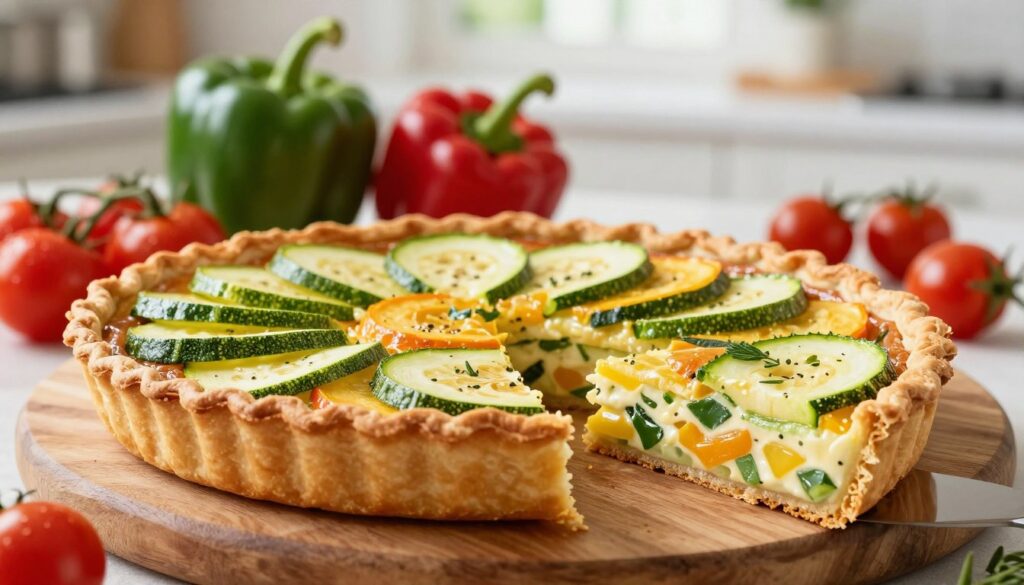
Walking through a farmers market in late summer is magical. You see fresh zucchini and summer squash piled high. You know you want to make something special with them. A zucchini ribbon quiche turns these simple vegetables into a dish that looks like it’s from a five-star restaurant.
Making a zucchini quiche is more than just tasting good. It’s about turning simple ingredients into something amazing. Your zucchini and summer squash become delicate ribbons that look like edible art.
This quiche is unique because of its beautiful ribbon patterns. You’ll use about 4 medium zucchinis and summer squash for this. Some people even add Japanese eggplant to make a stunning floral design.
Key Takeaways
- A zucchini ribbon quiche uses spiralized or thinly sliced vegetables to create beautiful patterns
- You’ll need 4 medium zucchinis and summer squash as your main vegetables
- The layering technique is what makes this dish visually stunning and restaurant-quality
- This recipe works perfectly for brunches, light dinners, or special entertaining
- Learning how to make zucchini quiche step by step is simple and achievable for any home cook
- The finished quiche is nutritious, vegetable-forward, and naturally impressive
- Preparation and baking require basic kitchen skills and standard equipment
Why You’ll Love This Zucchini Ribbon Quiche
This healthy vegetable quiche is a feast for the eyes and taste buds. It’s a dish that will make you want to cook it again and again. The mix of fresh zucchini and summer squash is a true delight for any meal.
A Beautiful Vegetable-Forward Centerpiece
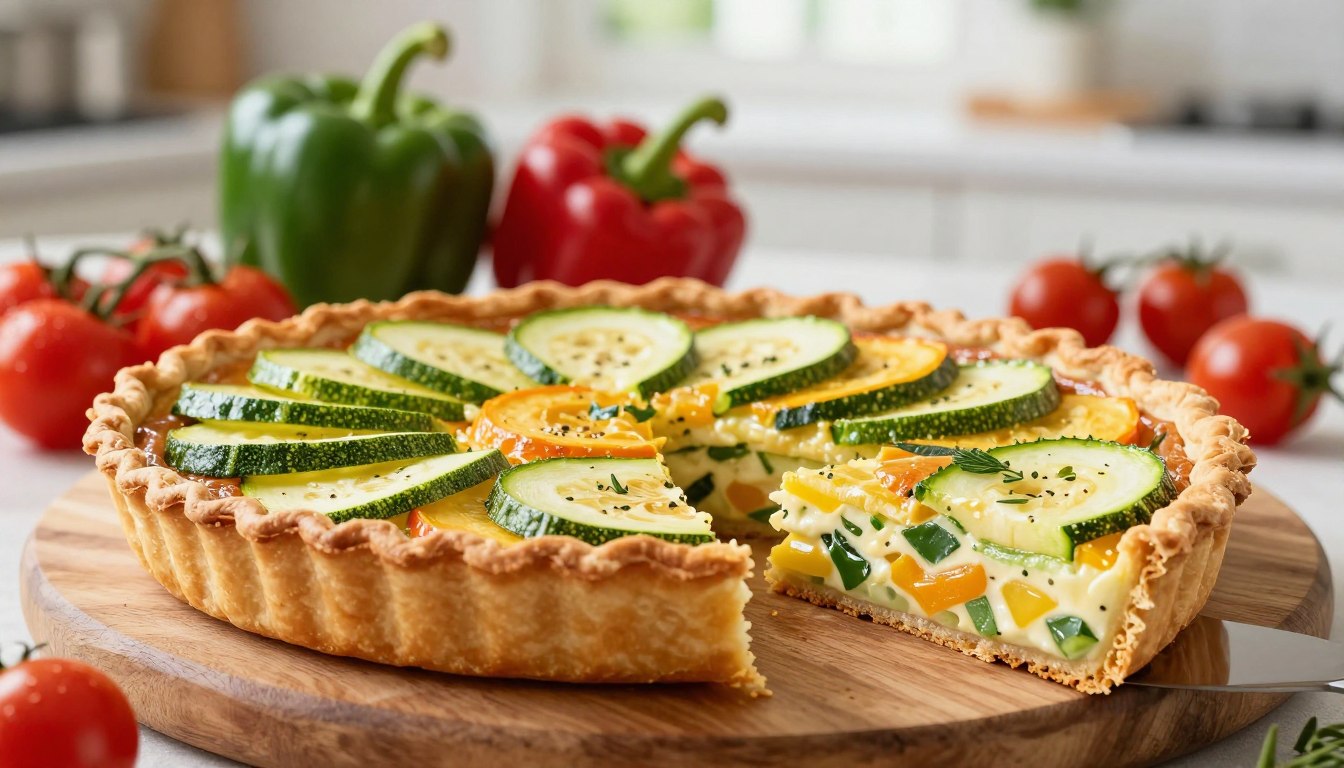
Your guests will be wowed before they even take a bite. The zucchini and summer squash ribbons make a stunning pattern. Each slice is a work of art, showcasing the beauty of fresh produce.
This vegetarian quiche turns simple zucchini into a showstopper. The green and yellow ribbons make it perfect for brunches, potlucks, or any time you want to impress. It’s a dish that looks as good as it tastes.
Perfect for Healthy Brunch or Light Dinner
This quiche is packed with 4 medium zucchinis and more summer squash. It’s a great way to get lots of veggies in one dish. It’s light but still filling, making it great for dinner too.
This recipe is perfect for many diets. It’s great for vegetarians, those looking to eat more veggies, or anyone wanting a quick, healthy dinner. It’s perfect for weekend meals, meal prep, or a weeknight dinner that wows.
| Meal Occasion | Best For | Serving Size |
|---|---|---|
| Weekend Brunch | Entertaining guests and family gatherings | 6-8 slices |
| Meal Prep | Weekly lunches and light dinners | Individual portions |
| Weeknight Dinner | Quick healthy meal solutions | 4-6 servings |
| Potluck | Impressive dish that travels well | 12 pieces |
This recipe is versatile and suits many lifestyles. It offers nutrition, beauty, and flavor in one dish. It’s easy to make and even easier to love.
Essential Ingredients for Summer Squash Quiche
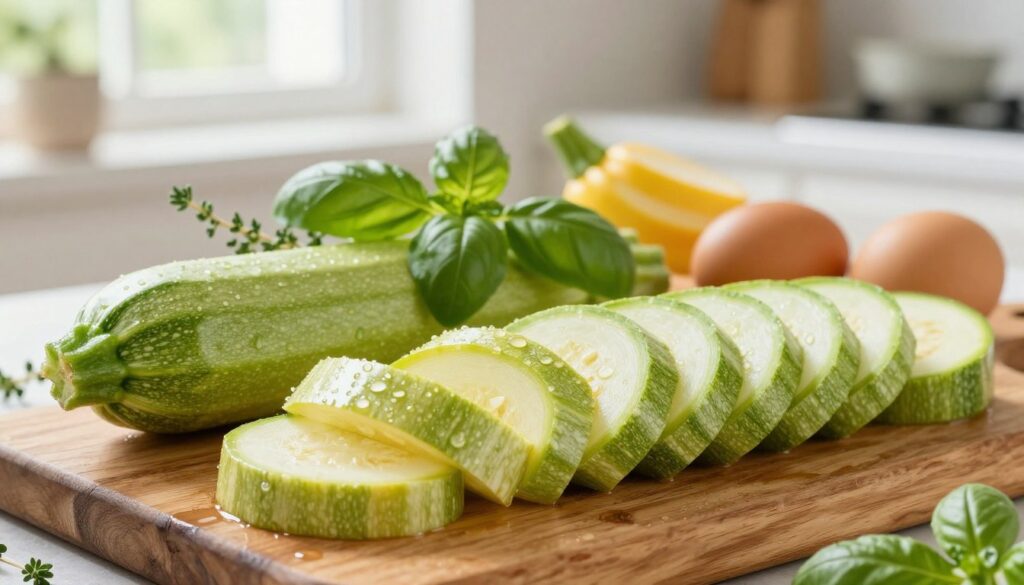
To make a delicious summer squash quiche, start by gathering the right ingredients. Your garden vegetable quiche will be amazing with fresh, quality produce and pantry staples. These ingredients create layers of flavor and texture. Here’s everything you need to make this stunning dish.
The main ingredients are the vegetables. You’ll need 4 medium zucchini, which you’ll turn into beautiful ribbons. One small Japanese eggplant adds texture and visual interest. A large white onion provides aromatic depth, and 2-3 minced garlic cloves add savory richness.
| Ingredient | Amount | Purpose |
|---|---|---|
| Zucchini | 4 medium | Main vegetable base, spiralized into ribbons |
| Japanese Eggplant | 1 small | Texture variety and visual appeal |
| White Onion | 1 large | Aromatic flavor foundation |
| Garlic Cloves | 2-3 large, minced | Savory depth and richness |
| Olive Oil | 4 teaspoons | Cooking and sautéing vegetables |
| Fresh Mozzarella | 5 ounces, sliced | Creamy pockets throughout quiche |
| Dijon Mustard | 2 teaspoons | Subtle tang and crust seasoning |
| Eggs | 2 large | Binding agent for custard base |
| Half & Half | 1/2 cup | Creamy custard filling |
| Salt & Pepper | To taste | Seasoning all layers |
| Frozen Pie Shell | 1 shell | Crust foundation |
Choose firm zucchini and summer squash that aren’t oversized. Large vegetables can make your quiche soggy. Look for smooth skin and a vibrant green color to ensure freshness.
Fresh mozzarella is better than pre-shredded cheese because it melts smoothly. The dijon mustard adds a subtle tang to your crust. These quality ingredients make your quiche special.
Optional additions include fresh rosemary, cherry tomatoes, and additional herbs like basil or thyme. Having everything ready before you start cooking makes preparation smooth.
Kitchen Tools You’ll Need to Create Zucchini Ribbons
Making an easy zucchini quiche starts with the right tools. The tools you pick will speed up veggie prep and make your dish look great. Whether you’re making summer squash recipes or baked zucchini, the right tools make it easier and more fun.
The right tools turn raw zucchini into beautiful ribbons. These ribbons cook evenly in your quiche. Your choice of tools affects your dish’s look and feel. Let’s look at your options.
Using a Spiralizer for Perfect Vegetable Noodles
A spiralizer is a game-changer for zucchini. It turns zucchini into delicious ribbons. This device makes long, uniform strips. The best summer squash recipes often use spiralized veggies because they cook well and look great in your quiche.
Spiralizers come in different styles and prices:
- Handheld models cost under $15 and work well for small batches
- Countertop versions range from $20 to $50 with multiple blade options
- Electric spiralizers offer hands-free operation for larger quantities
For your easy zucchini quiche, use the flat ribbon blade. This creates wider strips that layer beautifully and stay in place during baking. The spiralizer ensures consistent thickness, so your veggies cook evenly.
Alternative Methods for Slicing Squash Ribbons
You don’t need a spiralizer to make baked zucchini recipes. Several common kitchen tools work well:
| Tool | Method | Best For | Skill Level |
|---|---|---|---|
| Vegetable Peeler | Run lengthwise down the zucchini | Wide, flat ribbons | Beginner |
| Mandoline Slicer | Use julienne blade for thin strips | Uniform thickness | Intermediate |
| Sharp Knife | Slice thin strips by hand | Custom sizes | Advanced |
You’ll also need more equipment for your best summer squash recipes. Keep a sauté pan ready for pre-cooking veggies, a mixing bowl for your egg mixture, and a pastry brush for applying seasonings. Choose a pie dish or quiche pan that conducts heat evenly for consistent baking results.
Preparing Your Zucchini and Summer Squash
Getting your vegetables ready is key for a tasty vegetable tart. Start by washing and drying your zucchini and summer squash under cool water. Trim both ends and remove any damaged spots. This prep work takes only a few minutes but makes a big difference.
Once your vegetables are clean and dry, spiralize them into beautiful ribbons. Spiralizing ahead of time keeps your cooking smooth and organized. If you don’t have a spiralizer, use a mandoline or vegetable peeler to create thin strips for your squash ribbon tart.
The key to amazing flavor is cooking your vegetables in separate batches with different seasonings. This method creates layers of taste that make every bite interesting. Start with sliced onions sautéed in olive oil over medium heat until soft and translucent.
Add about 2 cups of your zucchini ribbons and cook until just tender. If vegetables begin sticking, pour in a tablespoon or two of low-sodium broth to help them steam gently without extra oil.
For your second batch, heat minced garlic in olive oil until fragrant and lightly browned. Add your remaining zucchini ribbons and warm them until just soft. Remove both batches from heat and drain well using a colander or paper towels. Removing excess moisture is critical for preventing a soggy quiche. Learn more about proper preparation techniques for your zucchini to ensure perfect results every time.
| Batch | Main Flavoring | Key Ingredients | Cooking Time | Moisture Control |
|---|---|---|---|---|
| First Batch | Onion Base | Sliced onions, zucchini ribbons, olive oil | 5-7 minutes | Low-sodium broth if needed |
| Second Batch | Garlic Focus | Minced garlic, remaining zucchini, olive oil | 3-5 minutes | Drain in colander |
Never overcook your vegetables at this stage. They’ll continue cooking inside the oven, and overcooked vegetables become mushy and lose their wonderful texture. Your goal is tender but still slightly firm ribbons. This approach ensures your squash ribbon tart stays fresh, vibrant, and packed with flavor from the first bite to the last.
Zucchini Quiche Recipe: Step-by-Step Instructions
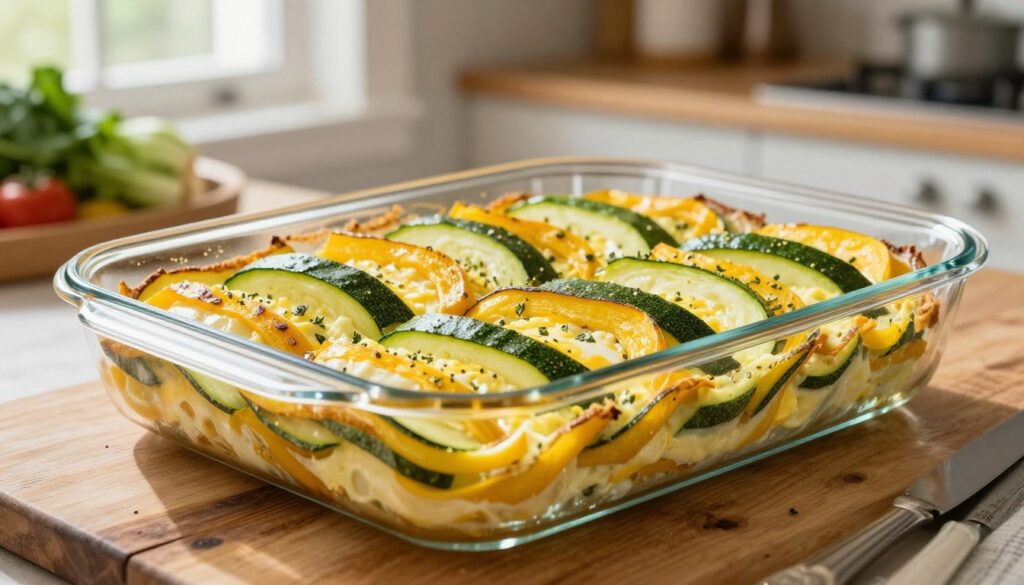
Making a tasty homemade quiche needs focus and the right layering. This guide shows you how to make your zucchini egg bake from the beginning. It uses expert methods to turn simple ingredients into a dish fit for a restaurant. Each step adds to the flavor, making every bite delicious.
Seasoning Each Layer for Maximum Flavor
The key to a great zucchini egg pie is to season each part separately. This way, you can control the flavors and mix them in interesting ways.
First, heat your oven to 375°F. Make your pie crust by brushing Dijon mustard on the bottom and sides. This adds a bit of tanginess and keeps the crust from getting soggy.
Then, put fresh mozzarella slices on the mustard layer. Add your sautéed zucchini, eggplant, and onion mix as the first veggie layer. On top, place your garlic-infused zucchini ribbons. This way, every bite has a different taste.
Creating the Creamy Egg Base
The egg custard holds everything together and makes your zucchini egg bake richer. In a bowl, mix:
- 2 eggs
- 1/2 cup half and half
- Salt and pepper to taste
Whisk until it’s smooth, with no egg white streaks. Slowly pour it over your veggies. Use a spoon to gently move veggies, letting the egg mix flow underneath. This makes sure your quiche sets right and stays moist and tasty.
Building Your Quiche: Layering Techniques for Visual Appeal
Making a stunning zucchini ribbon quiche is more than just mixing ingredients. The way you arrange your spiralized veggies makes your dish stand out. Think of your pie dish as a canvas, where green zucchini and golden yellow squash are your colors.
Begin with veggies that are warm but not hot from cooking. This makes them easy to shape without breaking. Your ribbons will naturally curl, so use this to your advantage.
- Create a spiral pattern by coiling ribbons from the outer edge toward the center of your dish
- Alternate between green and yellow vegetables for a striking two-toned effect
- Stand some ribbons vertically to add height and dimension to your finished slices
- Position your most beautiful ribbons where they’ll be visible when you cut wedges
- Tuck loose ends neatly around the edges for a polished appearance
To make a low calorie quiche look like it came from a restaurant, save a few raw, thin ribbons. Place them on top after pouring the egg mixture. These ribbons will get golden and crispy, adding a beautiful finish.
These layering techniques don’t add extra time or effort. They just need careful placement and patience. Your homemade quiche will look like it was made by a pro and taste amazing.
Baking Tips for the Perfect Crustless or Traditional Quiche
To bake a perfect quiche, you need to know about temperature, timing, and what to look for. Whether it’s a crustless zucchini quiche or a traditional one, understanding the baking process is key. The right oven temperature and positioning are crucial for a golden outside and creamy inside.
Put your oven rack in the center before heating up. This ensures even heat, preventing burning and ensuring the top cooks well. When making a crustless quiche zucchini, place your buttered pie dish carefully so it sits level.
Achieving a Golden Crust and Set Center
Your quiche should bake at 350°F for about 40 to 50 minutes. Look for these signs that it’s done:
- A golden-brown crust around the edges of the dish
- A center that has a slight jiggle when you gently shake the pan
- A knife inserted about one inch from the center comes out clean or with just a few moist crumbs
Don’t just rely on the clock. Every oven is different, so watch for visual cues. The center will keep cooking after you take it out, so remove it when it’s still slightly soft.
| Quiche Type | Oven Temperature | Baking Time | Key Visual Signal |
|---|---|---|---|
| Traditional Quiche with Crust | 350°F | 40-50 minutes | Golden-brown crust and set center |
| Crustless Zucchini Quiche | 350°F | 35-45 minutes | Lightly browned top, slight center jiggle |
| Gluten Free Quiche Recipe | 350°F | 40-50 minutes | Golden edges and set custard |
Let your crustless zucchini quiche rest for 10 to 15 minutes after baking. This allows the egg custard to set fully, making clean cuts. You’ll get neat slices instead of messy ones.
For traditional quiches, watch the bottom carefully. If it browns too fast, cover it with foil. Gluten-free crusts may brown faster, so keep an eye on them during the last 15 minutes.
Cracked tops mean your oven was too hot. Watery centers come from not draining veggies enough. Squeeze out excess moisture from your zucchini to avoid this.
Serving Suggestions and Garnish Ideas
Your zucchini ribbon quiche looks amazing. The right touches make it even better. Choose fresh garnishes and smart serving ideas to make it a showstopper.
Start with fresh rosemary sprigs on top. They add a nice smell and look. The green of the rosemary against the quiche’s golden color is stunning.
Tomatoes are a great finish. Use cherry or grape tomatoes, fresh or roasted. They add color and a tangy taste. Sliced or whole, they make your dish look fresh and appealing.
- Fresh basil or parsley sprinkles
- Light dusting of grated Parmesan cheese
- Microgreens for an upscale touch
- Edible flowers for special occasions
Your quiche goes well with many sides. Check out what to serve with quiche. Try salads, fruit, bread, potatoes, or soups. It’s great for any meal.
When you slice, use a sharp knife. Cut into 6-8 wedges. Lift each slice with a pie server to keep the ribbons intact.
Your quiche is good warm, at room temperature, or cold. It’s perfect for any time or place.
Storage and Make-Ahead Options for Vegetable Quiche
Your low carb zucchini quiche is perfect for meal planning because it stores beautifully. It’s great for busy weeks or when you’re hosting guests. You can enjoy it fresh, refrigerate leftovers, or freeze it for later. The flavors get even better after a day or two in the fridge.
For short-term storage, let your quiche cool completely after baking. Wrap it tightly with plastic wrap or aluminum foil and refrigerate it for up to 4 days. You can store individual slices separately wrapped in parchment paper, making grab-and-go breakfast options super simple. Reheating takes just 1-2 minutes in the microwave for a single slice, or about 15-20 minutes in a 300°F oven for the whole quiche when covered with foil.
Freezing and Reheating Instructions
Your low carb zucchini quiche freezes beautifully for up to 2-3 months. Let the baked quiche cool completely, then wrap it tightly in plastic wrap. Follow with a layer of aluminum foil or place it in a freezer-safe container. You can freeze the whole quiche or individual slices separated by parchment paper for maximum convenience. For a detailed approach to freezing and preparation, check out freezing and reheating instructions for step-by-step guidance.
Thaw your quiche in the refrigerator overnight before serving. This slow thawing keeps the texture as fresh as possible. You can reheat straight from frozen by adding extra time and covering with foil to prevent the edges from burning.
Consider this make-ahead strategy: prepare your vegetables and egg mixture the night before, storing them separately. Assemble and bake fresh in the morning for maximum flavor and texture. Your spiralized vegetables stay fresh in the refrigerator for up to 24 hours, giving you flexibility for busy schedules.
- Cool quiche completely before wrapping
- Use plastic wrap plus aluminum foil for freezer protection
- Freeze individual slices between parchment paper
- Thaw overnight in the refrigerator
- Reheat covered to prevent over-browning
- Use within 2-3 months for best quality
Conclusion
You’ve learned how to make simple summer veggies into a stunning dish. Your zucchini ribbon quiche uses 4 medium zucchinis and 1 small Japanese eggplant. It’s a vegetable-forward masterpiece that shows off fresh, seasonal produce.
Learning to make this quiche teaches you important cooking skills. You now know how to arrange veggies for looks, make a creamy egg base, and bake it just right. It’s easy to make, perfect for both newbies and seasoned cooks.
Your zucchini ribbon quiche is great for any meal. Serve it to loved ones or enjoy it yourself. Try different cheeses, herbs, or veggies to keep it exciting. It’s a recipe that should be a regular in your kitchen.
Cooking should make you happy from start to finish. This recipe does just that, from spiralizing to serving. You’ll be proud to share this healthy, homemade dish with others. Your summer squash quiche shows that good home cooking is worth celebrating.