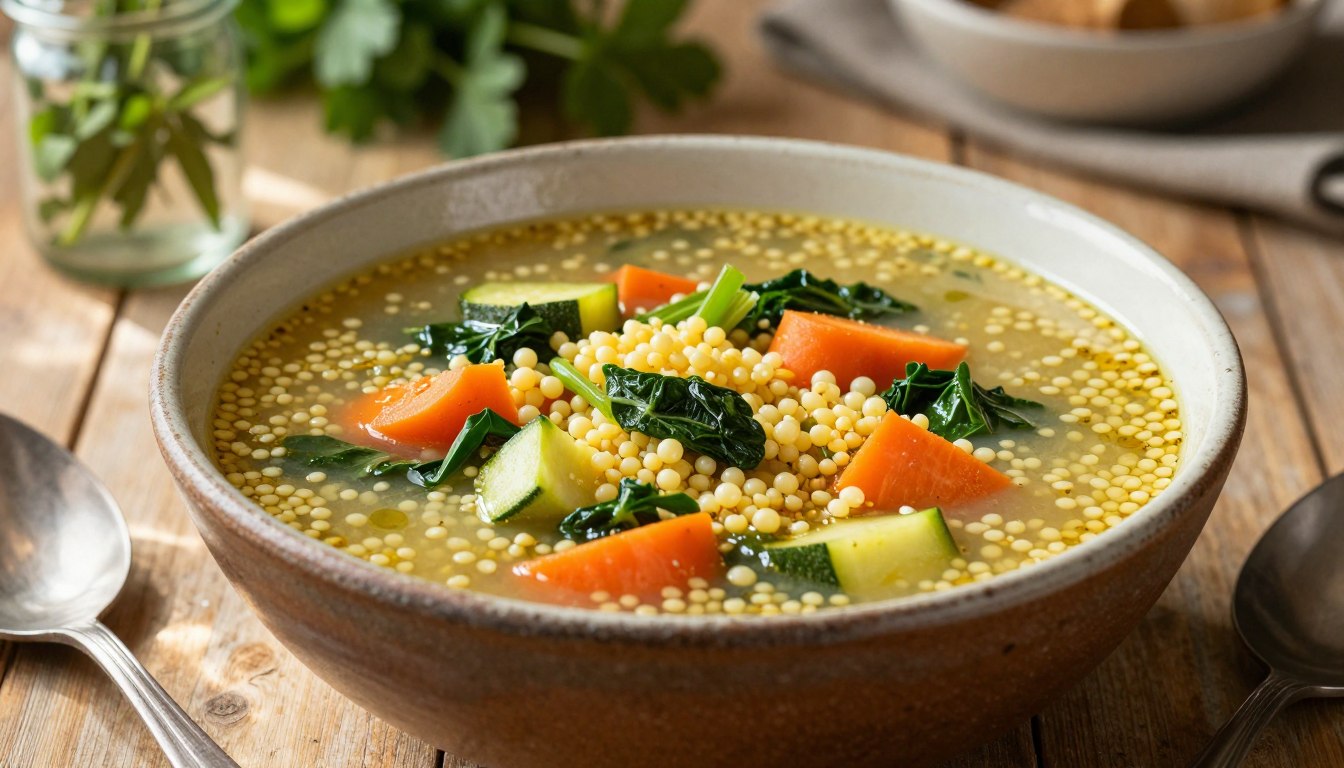
How to Make Sardinian Longevity Minestrone Soup
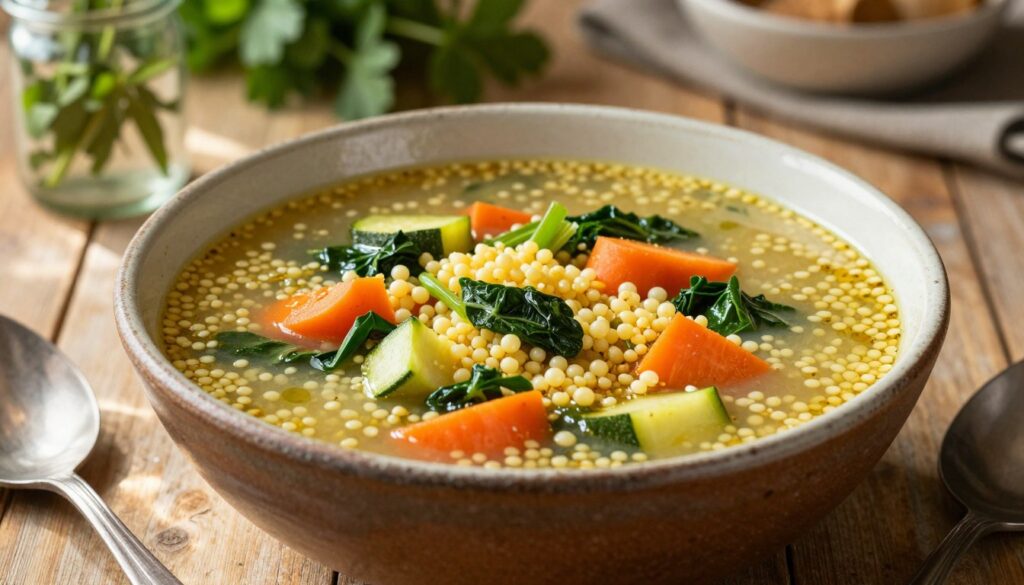
There’s something magical about a warm bowl of soup. It’s even more special when it comes from a place where people live long and healthy lives. You’re about to learn how to make a traditional Sardinian minestrone. It’s a recipe that connects you to centuries of wellness wisdom from the Blue Zones.
The island of Sardinia has a secret. In the Nuoro province, people often live past 100. Their secret isn’t fancy supplements or trendy diets. It’s meals like this Sardinian minestrone soup with fregola. It’s the heart of Blue Zone eating, combining beans, vegetables, and pasta in a way that’s both tasty and good for you.
Making this dish is easy. You don’t need to be a chef. The ingredients are simple, and the technique is straightforward. Every spoonful is packed with real nutrition. Beans offer protein and fiber, while vegetables give you vitamins and minerals. Fregola adds texture and a nutty flavor.
This Blue Zone recipe is for everyone. It’s vegetarian and vegan, affordable, and uses ingredients you can find at your local store. Plus, it tastes like you’ve spent all day cooking, even if you’ve only been in the kitchen for an hour.
What you’re learning is more than just following steps. It’s a way of eating that real people in Sardinia use every day. Families gather to enjoy this soup together. They eat slowly and savor the meal. This is part of the longevity story that makes this soup so powerful.
Key Takeaways
- Sardinian minestrone soup with fregola comes from a Blue Zone where people live exceptionally long lives
- This longevity soup recipe combines beans, vegetables, and toasted pasta in one nourishing pot
- The traditional Sardinian minestrone is naturally vegetarian and works for most dietary needs
- A Blue Zone recipe like this one delivers serious nutrition from simple, affordable ingredients
- You can make this dish in about an hour without special cooking skills
- The recipe adapts easily to whatever vegetables you have on hand
- One batch makes multiple servings and actually tastes better as leftovers
What Makes Sardinian Minestrone Soup with Fregola a Blue Zone Recipe
This authentic fregola minestrone is more than a tasty soup. It comes from a place where people live long, healthy lives. Learning about its origins makes you appreciate why it’s a longevity diet.
Sardinia is key in nutrition science. Dan Buettner found five Blue Zones where people live over 100 years. These areas share diet and lifestyle habits. Plant-based eating is key in a Blue Zone diet.
Understanding Blue Zones and Longevity
Blue Zones are places where people live long, healthy lives. They share common diets and lifestyles. Diet is a big factor in these regions.
A Blue Zone diet focuses on whole foods. Vegetables, legumes, and grains are mainstays. Meat is rare. The mediterranean minestrone recipe fits this pattern well.
Buettner’s research shows diet is 80 percent of longevity in Blue Zones. Exercise, community, and stress reduction also matter. The diet keeps bodies and minds young.
| Blue Zone Location | Key Dietary Feature | Primary Foods | Longevity Age Range |
|---|---|---|---|
| Sardinia, Italy | Plant-based with legumes | Beans, whole grains, vegetables | 100+ years |
| Okinawa, Japan | Sweet potato and vegetables | Root vegetables, leafy greens | 100+ years |
| Nicoya, Costa Rica | Beans and corn staples | Legumes, corn, tropical fruits | 100+ years |
| Ikaria, Greece | Mediterranean olive oil focus | Vegetables, beans, olive oil | 100+ years |
| Loma Linda, California | Vegetarian emphasis | Nuts, beans, whole grains | 100+ years |
The Melis Family and Their Daily Minestrone Tradition
The Melis family from Sardinia is truly remarkable. Nine siblings from this family lived a combined 851 years. The oldest lived to 109. Guinness World Records recognized them as the longest-lived family.
What made the Melis family special wasn’t just genetics. Dan Buettner found that they ate the same lunch every day. This included sourdough bread, local wine, and minestrone soup. The authentic fregola minestrone soup recipe was their daily ritual.
The Melis family’s diet was simple but nourishing. They ate real food, not fancy meals. Their minestrone was made with beans, vegetables, and fregola pasta. This combination provided complete nutrition every day.
- The Melis family consumed this minestrone at lunch every day
- Nine siblings combined lived 851 years
- The oldest sibling reached 109 years of age
- Sourdough bread and local wine accompanied each meal
- Their simple eating pattern proved more valuable than modern diet trends
Preparing this mediterranean minestrone recipe connects you to tradition. It’s not just nutrition science. It’s proven longevity through generations of healthy eating. The minestrone is a diet that works in real life, for those who want to live long and well.
Essential Ingredients for Authentic Sardinian Longevity Minestrone
Making a real sardinian vegetable soup starts with knowing what to put in it. When you pick out the minestrone ingredients, you’re building a flavorful and nutritious dish. This dish has been loved by Sardinian families for many years.
The base is the soffritto, made from onion, carrot, and celery. These veggies give the soup its deep flavor. Make sure to chop them finely so they blend well with the broth. Use extra virgin olive oil to tie everything together, adding a Mediterranean flair.
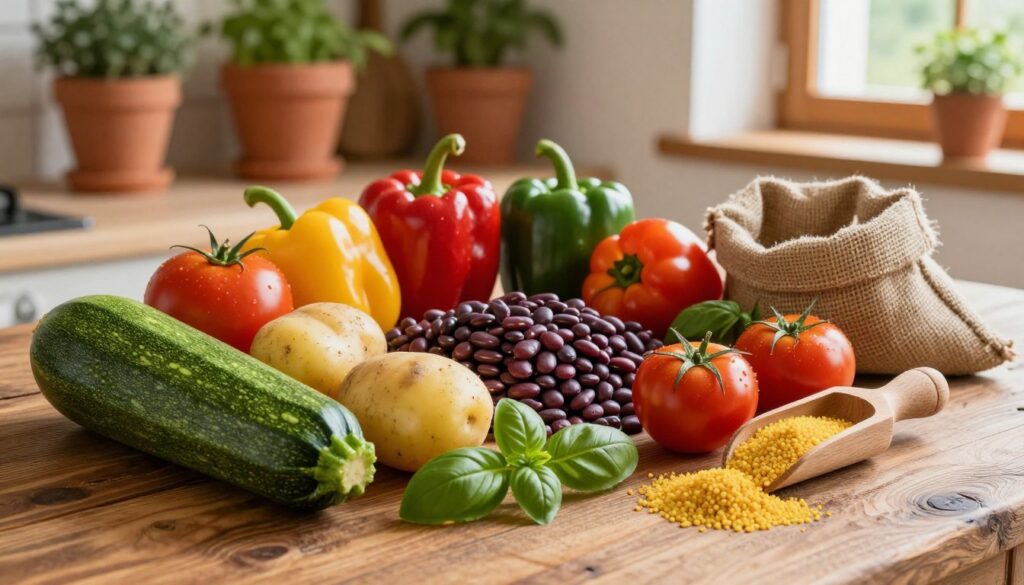
The Core Minestrone Ingredients You Cannot Skip
Your list of authentic Sardinian ingredients should include beans and legumes. Use white beans, borlotti beans, and chickpeas for a protein-rich base. Some recipes also call for dried peeled fava beans.
Don’t forget fresh garlic, about three to four cloves chopped finely. Add fresh parsley and basil too. Bay leaves, thyme, and rosemary can add more depth if you like.
- Extra virgin olive oil
- Fresh herbs (parsley, basil, thyme, rosemary)
- San Marzano or crushed tomatoes
- Yellow potatoes (three to four, cubed)
- Fresh fennel bulb or fennel seeds
- Optional leafy greens (chard, spinach, Tuscan kale)
Tomatoes are key—use canned peeled San Marzano or crushed tomatoes. They add sweetness and acidity. Potatoes make the soup creamy without needing heavy cream. Fresh fennel adds a subtle anise flavor that Sardinian cooks love.
The Star Ingredient: Italian Fregola Pasta Soup Component
The special ingredient is italian fregola pasta. It’s a toasted Sardinian pasta that looks like tiny pearls. Unlike regular pasta, fregola is toasted, giving it a nutty taste and a hearty texture. If you can’t find fregola, Israeli couscous or orzo are good substitutes.
| Ingredient Category | What to Use | Why It Matters |
|---|---|---|
| Base Vegetables | Onion, carrot, celery | Creates aromatic soffritto foundation |
| Protein | White beans, borlotti, chickpeas | Provides fiber and plant-based protein |
| Pasta | Fregola (Sardinian toasted pasta) | Adds texture and authentic flavor |
| Liquid Base | San Marzano tomatoes | Brings natural sweetness and acidity |
| Vegetables | Potatoes, fennel, optional leafy greens | Adds nutrition, texture, and volume |
| Finishing Touch | Pecorino cheese, fresh herbs | Adds sharpness and aromatic brightness |
Pecorino cheese is the traditional topping. It adds a sharp, salty flavor that balances the soup’s richness. Remember, authentic pecorino has animal rennet, so vegetarians might prefer plant-based options.
Knowing what each ingredient does helps you shop and cook with confidence. Quality is important at every step.
The Role of Beans and Legumes in This Nutritious Soup
Beans and legumes are the heart of this minestrone con fregola. They turn a simple vegetable soup into a hearty, protein-rich soup. This soup keeps you full and energized.
When you cook this traditional Sardinian dish, you’re building nutrition into every spoonful. Beans give you fiber, plant-based protein, and essential minerals. This bean soup recipe has fed people in the Blue Zones for generations.
The beauty of this legume soup lies in its flexibility. You can work with what you have in your kitchen and still create something authentic and delicious. Whether you choose dried or canned beans, your final dish will taste wonderful and nourish your body.
Choosing Between Dried and Canned Beans
Your choice between dried and canned beans depends on your schedule and priorities. Canned beans offer speed and convenience. You skip the overnight soaking step, so you can have dinner ready in about an hour.
Dried beans demand patience but reward you with better results. They contain less sodium than canned varieties, retain more nutrients through cooking, and hold their shape beautifully during the long simmer. When you use dried beans, your protein-rich soup develops deeper flavor and better texture.
If you choose dried beans, follow this simple process:
- Cover beans with water and let them soak overnight (at least 8 hours)
- Drain and rinse them thoroughly before cooking
- Add them to your pot and simmer for 1.5 to 2 hours until tender
Bean Varieties That Work Best
The traditional minestrone con fregola recipe combines three bean types: white beans, borlotti beans (cranberry beans), and chickpeas. This mix creates wonderful texture variety and ensures complete nutrition in every bowl. The original Sardinian version uses dried peeled fava beans, which add a subtle sweetness and creamy texture.
You don’t need to search everywhere for exact matches. This authentic bean soup recipe shows you flexible that work beautifully. Great Northern beans and cannellini beans both create that creamy consistency white beans provide. Pinto beans substitute well for borlotti beans if you can’t find them locally. Northern lights beans add visual appeal with their unique appearance.
When you combine legumes with other protein sources like fish, you create even more nutritional power. Research shows that pairing legumes with fish provides long-lasting, which is why many longevity diets feature both together.
| Bean Type | Texture | Best Use In Soup | Cooking Time (Dried) |
|---|---|---|---|
| Great Northern Beans | Creamy, soft | Primary ingredient | 1.5-2 hours |
| Borlotti Beans | Firm, earthy | Adds substance | 1.5-2 hours |
| Chickpeas | Dense, hearty | Boosts protein | 2-2.5 hours |
| Cannellini Beans | Creamy, mild | White bean substitute | 1.5-2 hours |
| Pinto Beans | Tender, slightly sweet | Borlotti substitute | 1.5-2 hours |
| Fava Beans | Creamy, subtle sweetness | Traditional choice | 1.5-2 hours |
Your bean soup recipe becomes more nutritious when you use a variety. Different beans offer different nutrients and fiber types. This diversity supports your digestive health and keeps your meals interesting. You can’t really go wrong with your choices—just use what works best in your kitchen and feels right for your meal preparation style.
What Is Fregola and Why It’s Perfect for This Recipe
Fregola sarda soup recipe uses a special ingredient: fregola pasta. This small pasta from Sardinia makes your minestrone unique. Knowing about fregola will make you want to try it at home.
Fregola pasta is made from durum wheat semolina into tiny balls. It’s toasted in the oven, which adds a distinctive nutty flavor and golden color. Each pearl is small, making your soup look and taste great.
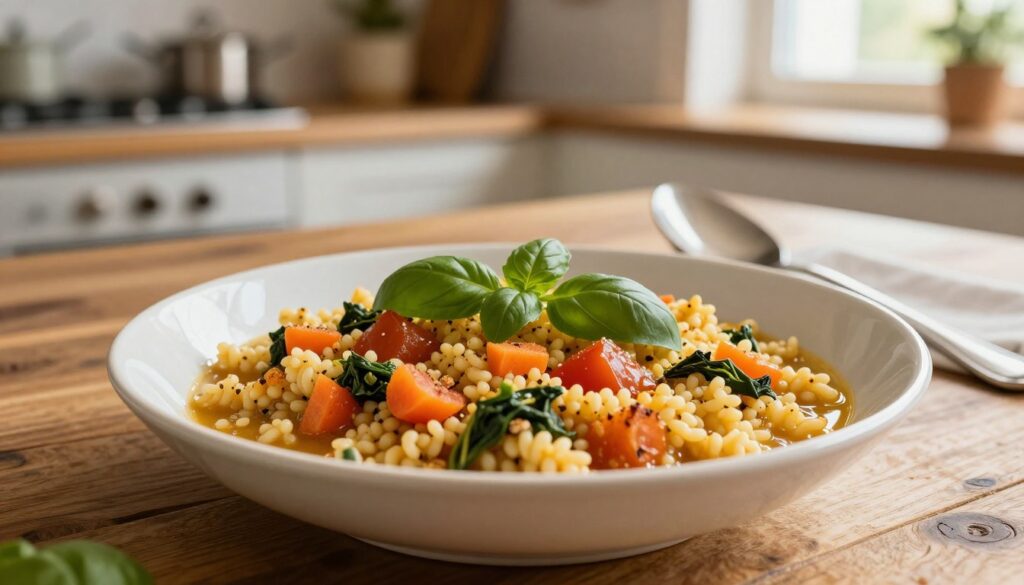
Cooking fregola in your soup is magical. The small pearls soak up the broth, keeping a chewy texture. This means every bite is full of flavor and texture.
Finding and Using Fregola in Your Kitchen
Finding fregola in American supermarkets can be tough. But, you have great alternatives:
- Israeli couscous—similar size and texture to fregola sarda soup recipe standards
- Orzo pasta—rice-shaped and easy to find
- Ditalini—small tubes that hold broth well
- Acini di pepe—tiny pasta pearls like traditional toasted pasta pearls
To cook fregola, break up clumps for even cooking. Stir often to avoid sticking. Your soup will be ready in ten to twelve minutes when the pasta is tender.
Building the Flavor Base with Soffritto
Every great bowl of Sardinian minestrone starts with a strong flavor base. This base is called soffritto, a key part of Italian cooking. Learning to make a good soffritto recipe will make your minestrone stand out.
Soffritto is the aromatic base for many Italian soups and sauces. It makes your minestrone taste authentic and delicious. Making soffritto is easy once you know the basics.
Preparing Your Aromatic Vegetables
Soffritto starts with three basic vegetables. These three ingredients are the heart of Italian cooking:
- Onion (1 medium, diced small)
- Carrot (1 medium, diced small)
- Celery (2 stalks, diced small)
Cut your vegetables into small, even pieces about ¼-inch in size. This ensures they cook evenly and develop a consistent flavor.
Heat 3-4 tablespoons of olive oil in a large pot over medium heat. Add your chopped vegetables and sauté gently for 5-8 minutes. They should become soft and fragrant, but not browned.
Once the vegetables are soft, add 3-4 cloves of chopped garlic. Garlic cooks fast, so add it later. Fresh rosemary can also be added at this stage, adding its aromatic oils to your soffritto.
“Don’t rush this step. Gently cooking your vegetables really pays off in flavor.”
The Importance of Quality Olive Oil
In Mediterranean cooking, olive oil is more than just cooking fat. It’s a flavor ingredient that matters. Extra virgin olive oil adds superior taste and healthy fats to your minestrone.
Choose high-quality extra virgin olive oil for your soffritto. Its fruity and peppery notes enhance your soup. Investing in quality olive oil at the start makes a big difference in taste.
| Olive Oil Type | Flavor Profile | Best Use in Soffritto |
|---|---|---|
| Extra Virgin Olive Oil | Fruity, complex, peppery notes | Highly recommended for flavor base |
| Virgin Olive Oil | Mild, buttery flavor | Good alternative option |
| Regular Olive Oil | Neutral, subtle taste | Less ideal for flavor development |
Investing time and quality ingredients in your flavor base makes your minestrone exceptional. This is when Italian cooking techniques turn simple vegetables into something magical.
Step-by-Step Instructions for Making Sardinian Minestrone Soup with Fregola
Making Sardinian minestrone soup with fregola is simpler than you might think. Follow these steps to cook a nourishing bowl of longevity. Whether you’re experienced or new, these steps will help you make a perfect dish every time.
Preparing Your Ingredients
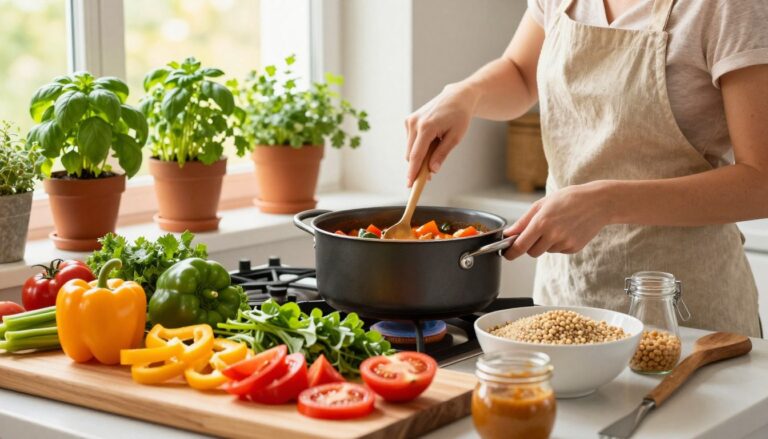
Begin by preparing all your ingredients before cooking. If using dried beans, soak them in water for at least 8 hours. Drain and rinse them the next day. Wash and chop all vegetables into small pieces.
Cut carrots and celery into small chunks. Peel and chop your onion and garlic. Cube your potatoes. If using fresh fennel, wash and chop it. Prepare your fresh herbs like parsley and basil.
Building Your Flavor Base
Heat a lot of quality olive oil in a large pot over medium heat. Add your chopped onion, carrots, celery, and fennel. Sauté these aromatics for 5 to 8 minutes until they soften and become fragrant.
Add your minced garlic and any fennel seeds you’re using, cooking for about one more minute. Some cooks add tomato paste at this point and let it cook for 1 to 2 minutes to deepen the flavor.
Combining and Simmering
Add your drained beans or chickpeas to the pot along with your cubed potatoes, fresh tomatoes, and herbs. Pour in enough water or vegetable broth to cover everything by about one inch. You can use all water for a traditional approach, all vegetable stock for richer flavor, or a combination of both. Some cooks add vegetable bouillon paste for extra depth.
Raise the heat to high and bring everything to a full boil. Once boiling, reduce the heat to low and let it simmer uncovered for about 90 minutes. The beans need time to become tender, and the flavors need to meld together beautifully. Check your soup occasionally and add more water if it gets too thick. If you’re adding leafy greens like chard or kale, stir them in about 5 minutes before the beans finish cooking.
Adding the Fregola Pasta
When your beans are tender, stir in your fregola pasta along with salt and pepper to taste. Add 1 to 2 cups of water if your soup seems too dry. Continue simmering uncovered for 10 to 12 minutes until the pasta becomes tender. Stir frequently during this stage to prevent the pasta from sticking to the bottom of the pot. This final cooking phase brings all your ingredients together into one harmonious, delicious bowl.
| Cooking Stage | Time Required | Key Actions |
|---|---|---|
| Bean Soaking (if using dried) | 8+ hours or overnight | Soak beans in plenty of water, then drain and rinse |
| Vegetable Preparation | 15-20 minutes | Wash, peel, and chop all vegetables into small pieces |
| Soffritto Creation | 6-9 minutes | Sauté onion, carrots, celery, fennel until soft and fragrant |
| Garlic and Aromatics | 1 minute | Add garlic and fennel seeds, cook until fragrant |
| Main Simmering Phase | 90 minutes | Simmer beans, potatoes, herbs until beans become tender |
| Leafy Greens Addition | 5 minutes | Add greens and allow them to wilt into the soup |
| Fregola Pasta Cooking | 10-12 minutes | Add pasta and stir frequently until tender |
Understanding how to make minestrone involves patience and attention to detail. These steps show that cooking minestrone soup is a gradual process where each stage builds upon the last. Your finished Sardinian minestrone will reward your effort with warmth, nutrition, and the authentic taste of longevity.
Customizing Your Minestrone with Seasonal Vegetables
Making a customizable soup recipe lets you use what’s in season. Sardinian minestrone is a great example. Families used fresh vegetables from their gardens or markets.
Seasonal minestrone changes with the seasons. In spring, you can add tender zucchini and fresh peas. Summer brings bell peppers and green beans. Fall is for hearty cabbage and cauliflower. Winter is the time for root vegetables and leafy greens.
Think about when to add different vegetables. Root veggies like carrots and potatoes cook longer. Add tender veggies like zucchini near the end to keep them fresh.
Here are some great vegetables for your minestrone:
- Zucchini for tender texture and mild flavor
- Mushrooms for earthy depth
- Cabbage for heartiness and substance
- Green beans for snap and color
- Cauliflower and broccoli florets for nutrition
- Bell peppers for natural sweetness
- Broccoli stems for zero-waste cooking
Adding Leafy Greens for Extra Nutrition
Leafy greens are great for your soup. They add vitamins and minerals. You can add them in the last few minutes of cooking.
Choose greens that you like:
- Swiss chard brings a slightly mineral flavor and tender leaves
- Spinach wilts almost instantly and adds iron
- Tuscan kale (also called lacinato kale) offers hearty texture and subtle sweetness
- Curly kale adds substance and vibrant color
Adding greens at the end keeps them fresh. Your soup stays colorful and nutritious. It’s also a great way to use up vegetables.
“The flexibility of minestrone is its greatest strength—it’s a soup that adapts to you and your harvest.”
There’s no wrong way to make this recipe. Use seasonal vegetables from your local market. Your minestrone will be truly yours.
Serving Suggestions and Finishing Touches
Learning how to serve minestrone properly makes it special. The way you present it is as important as the ingredients. Give your minestrone a moment of care before serving.
Start with quality bowls and a generous ladle. Pour hot minestrone into warm bowls, leaving room for finishing touches. This keeps your soup at the perfect temperature.
The final touch is a drizzle of extra virgin olive oil. Pour about one tablespoon into each bowl. This adds a fruity, peppery richness. Some cooks pour oil into the bowl before adding soup, creating pockets of flavor.
Building Your Minestrone Toppings
Adding toppings and garnishes makes your presentation pop. Consider these options:
- Grated pecorino romano or Parmigiano-Reggiano cheese (optional)
- Fresh chopped parsley for color and brightness
- Torn basil leaves for an herbal note
- A squeeze of fresh lemon juice
- Chopped preserved lemon for complex citrus flavor
- Crushed red chili flakes for gentle heat
Traditional Sardinian minestrone calls for pecorino or parmesan grated on top. But remember, authentic Italian pecorino has animal rennet, not good for vegetarians. Vegetarian parmesan is a better choice, or enjoy it without cheese for a plant-based option.
Bread Pairing for Perfect Italian Soup Serving
Bread is key to serving Italian soup right. Choose crusty bread that’s great for dunking:
- Rustic sourdough with its tangy crumb
- Chewy ciabatta with an airy interior
- Dense country bread for hearty bites
For garlicky olive oil toast, grill thick bread slices until golden. Rub them with garlic while warm. Drizzle with olive oil and sprinkle with sea salt. It’s a simple yet spectacular addition.
These finishing touches show respect for your ingredients and the tradition behind minestrone. Presenting your minestrone beautifully makes it memorable.
Storage Tips and Reheating Your Longevity Soup
Sardinian minestrone soup tastes better the next day. It’s perfect for meal prep. The flavors blend more, and the beans soak up more broth.
Let the soup cool before storing it. Never put hot soup in the fridge. Once cool, put it in airtight containers. It stays good in the fridge for 3 to 5 days, making it easy for lunches or dinners.
The soup thickens in the fridge. This is because the fregola absorbs liquid even when cold. Just add water or broth to thin it out when reheating.
Best Methods for Reheating Your Soup Leftovers
Reheating on the stovetop is best. Heat it on medium-low, stirring now and then. Add liquid as needed to get the right consistency. This method heats evenly and gives you control.
- Warm soup gently on the stovetop over medium-low heat
- Stir occasionally to ensure even heating
- Add liquid gradually to reach desired thickness
- Avoid rapid boiling, which can break down ingredients
| Storage Method | Duration | Best For | Notes |
|---|---|---|---|
| Refrigerator (airtight container) | 3-5 days | Quick weekday meals | Soup thickens as it sits; add liquid when reheating |
| Freezer (without fregola) | Up to 3 months | Long-term storage | Add fresh fregola after thawing and reheating |
| Freezer (with fregola) | Not recommended | Not ideal | Fregola becomes mushy; vegetables lose texture |
Freezing Your Soup Leftovers Properly
Freezing isn’t the best for this soup. The fregola gets mushy, and the veggies lose their texture. But, there’s a way to freeze it.
Freeze the soup without the fregola first. Then, freeze it in portions. When you want to eat, thaw and reheat a portion. Cook fresh fregola and add it to your soup. This keeps the pasta texture right.
Storing and reheating your minestrone soup this way keeps it delicious. Enjoy your homemade meals all week long.
Conclusion
Making this Sardinian soup recipe might seem hard at first. The list of ingredients looks long. But, it’s actually easy to make. You don’t need to be a pro in the kitchen to enjoy a delicious meal with your family.
This soup is great because you can change it up. Use what you have in your kitchen. Add fresh veggies from the market or leftovers from your fridge. It’s like a blank canvas for your cooking.
By making this minestrone, you’re joining a tradition of health and longevity. Families in Sardinia, like the Melis family, have eaten this soup for years. It’s a key part of their long, healthy lives. Your kitchen becomes a part of that story when you cook this recipe.
Start cooking this week and make it a regular part of your meals. Share it with loved ones and try new veggies and beans. This Sardinian soup recipe invites you to a healthier lifestyle. It’s comforting and nourishing, just like the Blue Zone cooking methods.
Get into your kitchen with confidence. You have everything you need to create something special. Enjoy the journey of cooking and the benefits it brings to your health.