How to Make Fried Rice Recipes for Busy Weeknights
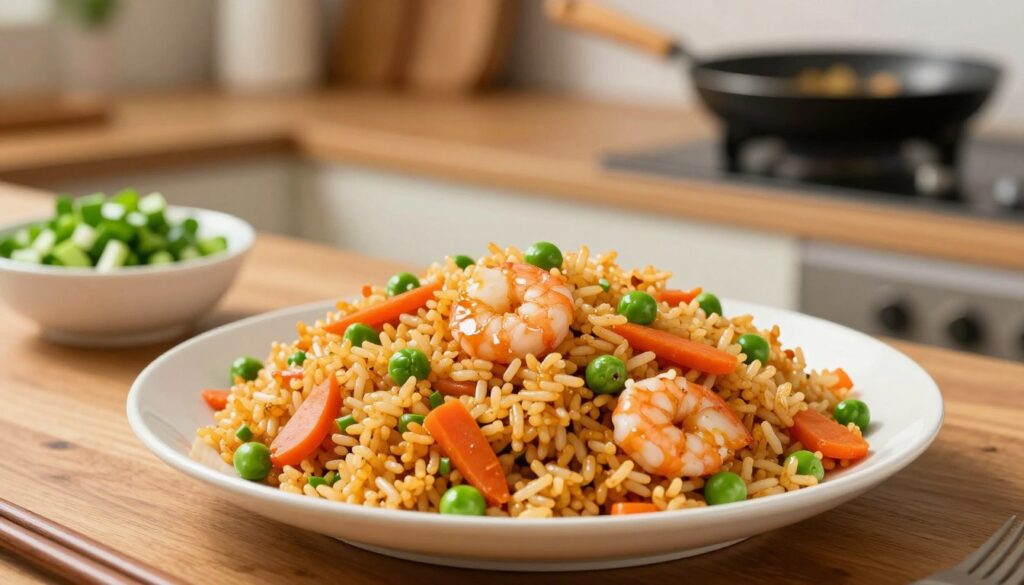
Ever stare into the fridge after a long day, hoping dinner will magically appear? We’ve all been there. The clock is ticking, everyone’s hungry, and the takeout menu is calling your name.
What if I told you a restaurant-style meal could be ready before your delivery app even estimates arrival? It’s true. A fantastic, homemade dish can be on your table in the time it takes to drive to the restaurant and back.
This guide is your secret weapon. We’re throwing out the idea that you need special skills or hours to cook. Instead, you’ll learn a simple, reliable method that turns basic pantry items into something incredible. It’s the perfect solution for turning a hectic evening into a delicious win. For more inspiration on fast meals, check out these easy dinner recipes for busy weeknights.
Key Takeaways
- You can create a delicious, satisfying meal faster than ordering takeout.
- The method relies on simple ingredients you probably already have at home.
- It’s completely customizable based on what’s in your fridge or freezer.
- This approach is designed for chaotic, time-crunched evenings.
- You get big, authentic flavor with minimal effort and cleanup.
- It’s a fantastic way to use up leftovers in a creative and tasty way.
- Mastering this one technique can become your go-to weeknight dinner solution.
Why Fried Rice is Your Weeknight Dinner Hero
Imagine a dinner that’s quicker than delivery, uses leftovers, and everyone loves it. That’s fried rice. It’s a practical, lifesaving meal when you’re busy.
Fried rice is fast. It goes from cold pan to full plate in under 20 minutes. That’s quicker than waiting for delivery. It makes chaotic evenings calm and tasty.
Fried rice is also great at cleaning out your fridge. Leftover rice, a half-onion, peas, and chicken? You’ve got a meal. As one cook said, it’s “the BEST for cleaning out the fridge and using up leftovers.” It’s good for the planet and your creativity.
This dish is also super customizable. Don’t like peas? Use corn. Want it vegetarian? Skip the meat. Need more protein? Add shrimp or extra egg. You decide, making it a perfect 10-minute egg fried rice or a hearty meal. As another cook said, “I can serve with chicken for a complete meal.”
By making it yourself, you control the ingredients and sodium. It’s healthier and often tastier than restaurant versions. It’s a one-pan solution to the “what’s for dinner?” problem. With a reliable simple fried rice recipe, you’re set for any weeknight.
Gathering Your Fried Rice Toolkit: Ingredients & Equipment
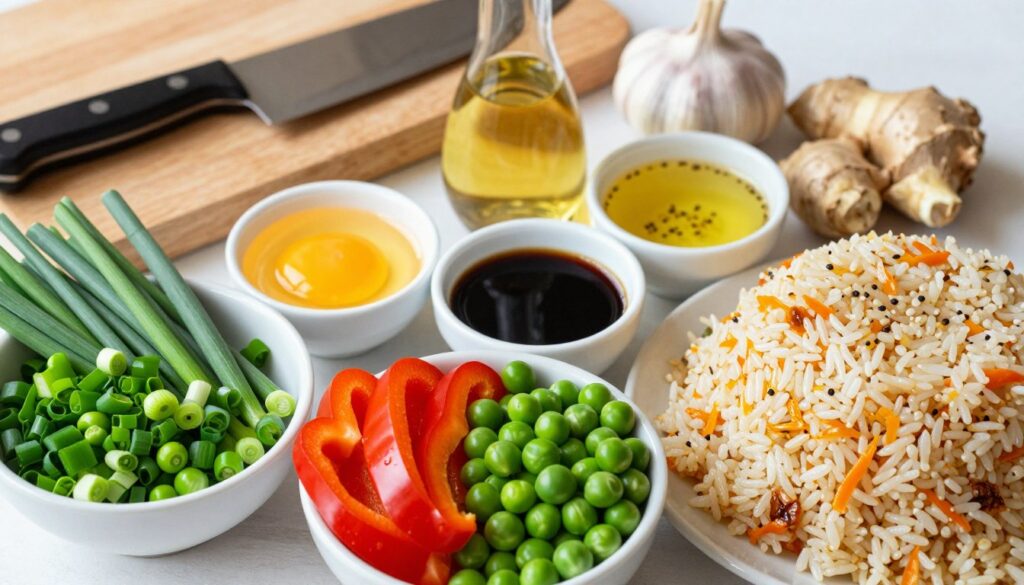
Making fried rice is like building a house. You need a solid foundation, strong walls, and a beautiful finish. For perfect homemade fried rice, you must have the right fried rice ingredients ready. Let’s break down your essential toolkit into three simple groups.
The Non-Negotiable Base: Rice & Oil
Your rice is the foundation. Medium or long-grain varieties like Jasmine rice work best. They stay separate and fluffy. Day-old, chilled rice is the gold standard as it’s drier and fries beautifully without turning mushy.
For oil, you have a choice. Use a neutral oil like vegetable or peanut oil for its high smoke point. Then, finish with a drizzle of fragrant sesame oil. As noted in one Asian-inspired dinner bowl recipe, sesame oil gives an incredible flavor boost.
The Flavor Builders: Aromatics, Sauces, and Seasonings
This is where your dish comes alive. Start with aromatics like minced garlic, onion, and ginger. They create the first layer of savory fragrance.
Your sauce mix is crucial. Soy sauce provides saltiness and color. For deeper umami, a dash of fish sauce works wonders. A touch of mirin or a pinch of sugar balances everything with a hint of sweetness. Mastering this balance is part of the master fried rice formula.
The Add-Ins: Protein and Vegetables
Now, make it a meal! Eggs are a classic and easy protein—just scramble them right in. For more substance, add diced chicken, shrimp, or tofu.
Vegetables add color, texture, and nutrition. Frozen peas and carrots are a convenient staple. Feel free to use fresh bell peppers, zucchini, or corn. The goal is to use what you have and love.
| Category | Key Items | Purpose & Flavor |
|---|---|---|
| The Base | Day-old Jasmine Rice, Sesame Oil, Vegetable Oil | Provides the structure; neutral oil for frying, sesame oil for aroma. |
| Flavor Builders | Garlic, Ginger, Soy Sauce, Fish Sauce, Mirin | Creates the savory, umami-rich, and slightly sweet foundation. |
| The Add-Ins | Eggs, Chicken/Shrimp/Tofu, Peas, Carrots, Bell Peppers | Adds protein, color, and texture to complete the meal. |
With this toolkit assembled, you’re more than halfway to a delicious dinner. The right fried rice ingredients set the stage for stir-frying success.
The Essential Fried Rice Technique: Stir-Frying Mastery
Perfecting fried rice starts with two key steps: using high heat and the right order. Good fried rice cooking tips make all the difference. Learning to stir-fry well gives you control and a top-notch dish.
Why High Heat is Non-Negotiable
Think of your wok or skillet as a stage. High heat is the spotlight. Turning up the heat is the first step in how to make fried rice right.
A hot cooking surface is crucial. It sears food, locking in flavors and textures. Adequate oil helps prevent sticking and ensures even heat.
High heat does several things:
- Sear and Caramelization: It browns proteins and veggies quickly, adding deep flavors.
- Wok Hei (The “Breath of the Wok”): It creates a smoky essence from vaporized oils and juices.
- Dry, Separate Grains: It dries leftover rice fast, making each grain perfect.
Never overcrowd your pan. Too much food lowers the temperature. Cook in batches to keep it hot. A hot pan cooks food quickly and keeps it crisp.
The Order of Operations: Layering Flavors
Great fried rice is layered, not mixed all at once. This ensures each ingredient is cooked right and seasoned well. Follow this sequence for perfect results every time.
Start by cooking your protein—chicken, shrimp, or tofu—until just done. Remove it from the pan and set it aside. This prevents overcooking.
Next, scramble your eggs. A classic fried rice cooking tip is to push your sautéed vegetables to one side of the skillet. Crack an egg or two into the empty space and scramble them right there. Once set, mix them with the veggies.
Now, sauté your aromatics like garlic and ginger, followed by your harder vegetables. The hot oil will bloom their flavors in seconds.
The final act is introducing the rice. Spread it across the hot surface in an even layer. Let it sit for a moment to get a slight crisp on the bottom before you start tossing and breaking it up. This is where the magic happens.
Return your cooked protein to the pan. Add your sauces and seasonings, tossing everything together over high heat for just another minute. This layering of flavors means every bite is balanced, and nothing is mushy. You’ve just mastered the essential technique.
Your Master Fried Rice Recipe in 20 Minutes
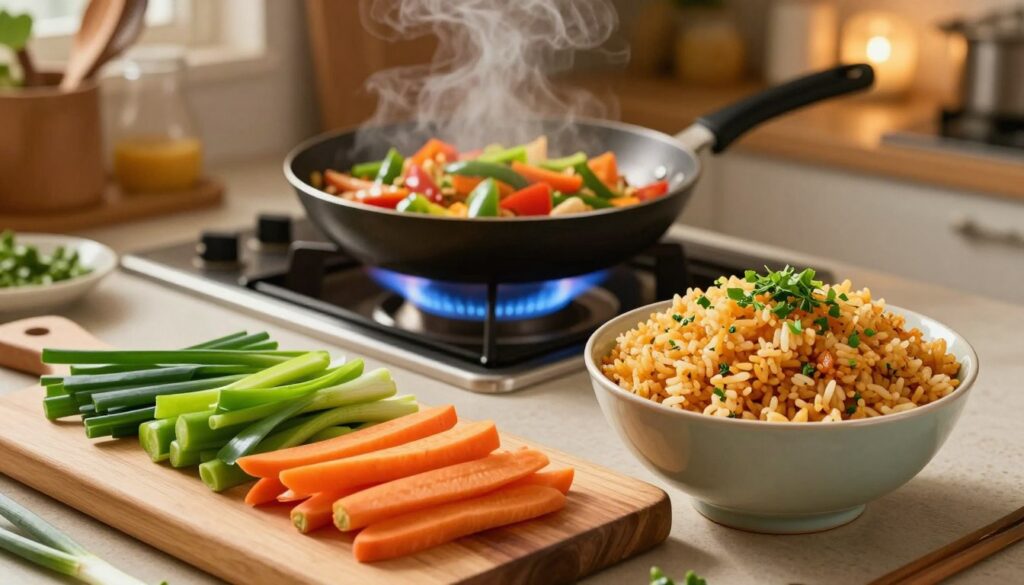
Don’t let time stop you from enjoying a delicious dinner. This best fried rice recipe is quick and easy. It turns simple ingredients into a tasty weeknight meal in just 20 minutes.
Success starts with being organized. Once the pan is hot, you’ll work fast. We’ve broken it down into five easy steps.
Step 1: Prep All Your Ingredients (Mise en Place)
Prepping everything ahead of time is a chef’s secret. Mise en place means having all your ingredients ready. This way, you won’t be searching for soy sauce when you need it.
Chopping Vegetables and Protein
Dice onions, mince garlic and ginger, and slice carrots into small pieces. Cut chicken or shrimp into bite-sized chunks. This ensures everything cooks evenly and quickly.
Measuring Sauces and Seasonings
Combine soy sauce, sesame oil, and mirin or fish sauce in a bowl. Having this mix ready lets you season the dish quickly.
| Ingredient Category | Preparation | Purpose |
|---|---|---|
| Rice | 3 cups cooked, cooled | Dry, separate base grain |
| Aromatics | 2 cloves garlic (minced), 1 tbsp ginger (minced) | Create foundational flavor |
| Vegetables | 1 cup mixed (peas, carrots, corn), 1 onion (diced) | Add color, texture, and nutrients |
| Protein | 1 cup chicken, shrimp, or tofu (cubed) | Provide heartiness and protein |
| Sauce Mix | 3 tbsp soy sauce, 1 tsp sesame oil, 1 tsp mirin | Deliver savory, umami seasoning |
Step 2: Cook the Protein and Scramble the Eggs
Heat a large skillet or wok over medium-high heat with oil. Add your protein in a single layer. Let it sear for a minute, then stir until cooked. Move it to a clean plate.
Lower the heat to medium. Push any bits to the side. Pour in your eggs. Let them set for 10 seconds, then scramble them. Move the eggs to the plate with the protein.
Step 3: Sauté the Aromatics and Vegetables
Increase the heat to high. Add oil. Toss in garlic and ginger, stirring constantly for 15 seconds. Add onions and carrots.
Stir-fry for 2-3 minutes until the veggies are tender-crisp. The high heat adds flavor without making them soggy. Your kitchen should smell great.
Step 4: Combine and Fry the Rice
Add your cold, cooked rice to the pan with the veggies. Use your spatula to break up clumps. Coat each grain with hot oil.
This is the core of the fried rice in 20 minutes technique. Stir-fry the rice for 3-4 minutes. Let it sit briefly to toast the bottom. You want dry, separate grains.
Step 5: Season and Finish the Dish
Return the cooked protein and scrambled eggs to the skillet. Toss everything together to combine and reheat. Drizzle your pre-mixed sauce around the edges of the pan.
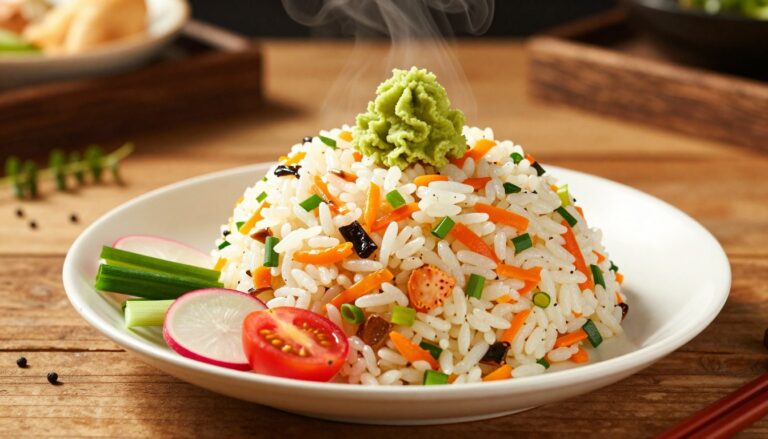
Give the rice a final, vigorous toss for about one minute. Turn off the heat. Finish with a final splash of sesame oil and chopped green onions. Your incredible one-pan fried rice recipe quick is ready to serve immediately.
Easy Fried Rice Variations to Keep Dinner Exciting
Your fried rice skillet is a blank canvas, ready to become a hearty chicken dinner, a veggie-packed meal, or a healthy powerhouse. Once you master the basic technique, creating new versions is the fastest way to beat weeknight boredom. These variations prove that a single method can deliver a different delicious result every time.
Quick Chicken Fried Rice for Busy Nights
This protein-packed version turns simple fried rice into a complete, satisfying meal. It’s perfect for using up leftover rotisserie chicken or quickly cooking a fresh batch. The key is having your protein ready to go so the stir-fry comes together in minutes.
Ingredients Tweaks
Swap the base protein to match what you have on hand. The beauty of a quick chicken fried rice for busy nights is its flexibility.
- Protein: Use diced chicken breast or thigh, pre-cooked shrimp, thinly sliced beef, or cubed firm tofu.
- Veggies: Stick with classics like peas and carrots, or add bell peppers, broccoli florets, or corn.
- Sauce: A mix of soy sauce and a dash of oyster sauce adds deep, savory flavor.
Method Adjustments
A small change in your cooking order makes all the difference.
- If using raw chicken, cook it first in hot oil until no longer pink. Remove it from the wok before proceeding with the eggs and veggies.
- Add the cooked chicken back in when you combine the rice. This keeps it tender and prevents overcooking.
- For even faster prep, use pre-cooked meat. Just toss it in at the end to warm through.
Vegetable Fried Rice Recipe in 15 Minutes
When you need a lightning-fast meal loaded with color and crunch, this is your go-to. A vegetable fried rice recipe in 15 minutes is all about using what’s in your fridge. Want to use more egg? Go for it! You can even add meat, but be sure to adjust cooking times.
Ingredients Tweaks
This is the ultimate clean-out-the-produce-drawer dish. Almost any vegetable works.
- Classic Mix: Peas, carrots, corn, and green onions.
- Bolder Choices: Sliced mushrooms, baby spinach, diced zucchini, or snap peas.
- For Extra Heartiness: Crumble in extra scrambled egg or toss in some edamame beans.
Method Adjustments
Speed is your friend here. Keep everything moving over high heat.
- Chop all veggies into small, uniform pieces so they cook quickly and evenly.
- Start with harder vegetables like carrots and broccoli. Add softer ones like spinach at the very end.
- If you love egg, scramble two or three right in the wok after the veggies sauté. Push them to the side before adding the rice.
Healthy Fried Rice Recipe for Dinner
Craving all the comfort of fried rice but want a lighter, nutrient-dense plate? A few smart swaps create a healthy fried rice recipe for dinner that doesn’t skimp on flavor. It’s about boosting fiber, cutting refined carbs, or packing in more plants.
Explore classic fried rice recipes for inspiration, then apply these healthy tweaks.
Simple Swaps for a Healthier Bowl:
- Rice Alternatives: Substitute with riced cauliflower, riced broccoli, or hearts of palm rice for a grain-free, low-carb option. Brown rice is a great whole-grain alternative that adds a nutty flavor and more fiber.
- Leaner Protein: Use extra egg whites, shredded chicken breast, or firm tofu. For a vegan version, use scrambled tofu or a plant-based egg substitute.
- Boost the Veggies: Double the vegetable quantity! The more colors you add, the more vitamins and minerals you get.
- Sauce Smart: Use low-sodium soy sauce or tamari, and control the amount. A splash of lime juice at the end can brighten flavors without extra salt.
These variations show how one simple technique can feed your family all week long without repetition. Mix and match ingredients based on your mood and what’s in your kitchen.
Fried Rice Seasoning Secrets: Beyond Soy Sauce
Think soy sauce is the only seasoning your fried rice needs? Think again—the real magic lies in a balanced blend of flavors. Mastering your fried rice seasoning is what separates a forgettable meal from a restaurant-quality dish right at home.
This section reveals how to build depth and complexity with a few simple pantry staples. You will learn to craft a signature sauce mix and discover how to make delicious easy fried rice without soy sauce for dietary needs.
Crafting Your Perfect Sauce Mix
A great sauce mix balances four essential flavor profiles: salty, umami, sweet, and aromatic. Relying solely on soy sauce can lead to a one-dimensional, sometimes overly salty dish.
Here is a professional framework for building your own blend:
- Salty Base: This is your soy sauce. Using a low-sodium variety is a smart move. It gives you complete control over the saltiness, allowing other flavors to shine.
- Umami Booster: This is the secret weapon. A teaspoon of fish sauce adds a deep, savory complexity that should not be skipped. It’s the “what is that amazing flavor?” ingredient.
- Sweet Note: A splash of mirin (Japanese sweet rice wine) or a pinch of sugar counteracts saltiness and adds a subtle, rounded sweetness.
- Aromatic Finish: A drizzle of toasted sesame oil added at the very end provides a nutty, fragrant aroma that defines great fried rice.
Combine these elements in a small bowl before you start cooking. This “mise en place” for your sauce ensures even distribution and prevents last-minute scrambling.
| Flavor Component | Ingredient Examples | Key Function | When to Add |
|---|---|---|---|
| Salty | Soy Sauce, Tamari | Provides foundational savory saltiness | During the final fry with the rice |
| Umami | Fish Sauce, Oyster Sauce | Adds deep, savory depth and richness | During the final fry with the rice |
| Sweet | Mirin, Sugar, Honey | Balances saltiness and adds complexity | During the final fry with the rice |
| Aromatic | Toasted Sesame Oil | Imparts a nutty, finishing fragrance | Off the heat, after cooking |
Easy Fried Rice Without Soy Sauce
Need a soy-free, gluten-free, or paleo version? You can absolutely make incredibly flavorful fried rice. The goal is to replicate the salty and umami notes soy sauce provides.
Your best one-to-one substitute is coconut aminos. It has a similar consistency and savory-sweet flavor profile, though it is less salty. For a gluten-free option that tastes very close to soy sauce, use tamari.
If you want to build flavor from scratch, try this combination:
- Sauté your aromatics (garlic, ginger) in oil as usual.
- Add a generous pinch of sea salt directly to the rice as it fries.
- For umami, use a teaspoon of fish sauce (check for gluten-free if needed) or a tablespoon of vegetable broth powder.
- Finish with a splash of rice vinegar for brightness and that signature toasted sesame oil.
This method creates a deeply satisfying, allergen-friendly dish that proves amazing fried rice seasoning doesn’t depend on a single ingredient. With these secrets, you have the blueprint for perfect flavor every time.
Pro Cooking Tips for the Best Fried Rice
Good fried rice turns into the best Asian fried rice recipe simple with a few pro tips. These tricks make every grain taste great and stand out. Serve it with simple pan-fried fish for a full, tasty dinner.
The Leftover Rice Rule (And How to Fake It)
Day-old, chilled rice is key. It’s drier and firmer, perfect for frying. The starches change in the fridge, making it ideal for stir-frying.
No leftover rice? No worries. You can make it seem like you do. Cook fresh rice with less water for a firmer texture. Or, spread hot rice on a baking sheet and freeze it for 15-20 minutes. This dries the rice, just like overnight refrigeration.
Controlling Moisture for Perfect Grains
Moisture ruins perfect fried rice. It comes from fresh rice, wet veggies, and sauces. You want flavor without wetness.
Pat veggies dry before using. Add sauce slowly, letting it sizzle and reduce. This way, the rice stays dry and flavorful. Less sauce is often more for that classic taste.
Don’t Crowd the Pan: Cooking in Batches
Don’t fill the pan too much. It lowers the heat, making food steam instead of fry.
Cook in batches for better results. Sear protein first, then remove. Scramble eggs, then remove them. Cook veggies until tender. Then, mix everything with rice for a final stir. This method ensures each part gets enough heat, enhancing flavor and texture.
Follow these tips—cold rice, controlled moisture, and enough space in the pan—and you’ll make the best Asian fried rice recipe simple every time.
Common Fried Rice Mistakes and How to Fix Them
Fixing a few simple mistakes can turn your fried rice into a tasty, crispy dish. We all make mistakes sometimes. But, each common error has a simple fix. Knowing these fixes makes how to make fried rice at home easily a skill for any busy cook.
Soggy, Mushy Rice
Nothing spoils a stir-fry like wet, gummy rice. This usually comes from three main reasons.
First, using too fresh and moist rice is a big mistake. Always use cold, day-old rice. It dries out better when fried. If you’re in a hurry, chill fresh cooked rice for 30 minutes.
Second, too much liquid seasoning is another culprit. “Don’t overdo the saucy seasonings like soy sauce or it will make your rice mushy.” Add sauces slowly around the pan’s edge, not directly on the rice.
Lastly, cooking at too low a heat steams the rice instead of frying it. Turn up the heat to get that sear and evaporation. You want separate, distinct grains.
Bland or Overly Salty Flavor
Getting the right balance of salt and flavor is crucial for flavorful fried rice. If it tastes flat, you might have under-seasoned or not layered flavors well.
Begin with garlic and ginger as your base. Then, mix different sauces. Soy sauce, a bit of oyster sauce, and sesame oil add depth. Remember, “For such a small ingredient, the amount of soy sauce used can really make or break a fried rice recipe.” You can always add more later.
If the rice is too salty, don’t worry. Stir in more plain, cooked rice or quick-cooking veggies like bean sprouts. A little sugar can also balance the saltiness.
Burnt Garlic or Stuck-On Bits
Scorched garlic or food stuck to your pan means you need to adjust your heat and technique.
Burnt garlic occurs when it hits a super-hot surface without enough oil or constant stirring. Mince garlic finely so it cooks quickly. Add it to hot oil and stir constantly. Don’t leave it unattended!
Stuck-on food means not enough oil or a crowded pan. “A blazing hot wok… and an adequate amount of oil will ensure your ingredients don’t stick to the surface.” Heat your pan well before adding oil. Swirl the oil to coat the surface. Cook in batches if you have lots of ingredients.
This approach ensures a non-stick cook and perfectly cooked, flavorful fried rice every time.
| Common Mistake | Primary Cause | Quick Fix |
|---|---|---|
| Soggy, Mushy Rice | Fresh rice, too much sauce, low heat | Use day-old rice, add sauces sparingly at pan’s edge, use maximum heat. |
| Bland or Salty Flavor | Poor seasoning balance or over-pouring soy sauce | Layer sauces, taste before adding more salt, rescue with plain rice or veggies. |
| Burnt Garlic / Stuck Food | Insufficient oil, extreme heat without stirring, crowded pan | Use adequate oil, maintain constant motion, cook in batches if needed. |
For more detailed insights on avoiding these pitfalls, explore this guide on common fried rice mistakes. With these solutions, mastering how to make fried rice at home easily is a sure thing.
Conclusion
You’re all set to make busy evenings easier. Fried rice is a quick, customizable meal. It’s the essence of fast, flexible cooking.
Start with the master recipe for homemade fried rice. You now know how to stir-fry at high heat and layer flavors. Day-old rice and a hot pan are your go-to tools.
Make dinner exciting with simple tweaks. Try different proteins or add more veggies. Your quick fried rice can change with what you have.
Don’t forget the pro tips to avoid common mistakes. Cook in batches to avoid steaming. Balance your sauces for rich flavor without saltiness. Your homemade fried rice will have perfect, separate grains.
This dish shows quick fried rice can be gourmet. It saves time, cuts down on waste, and pleases your family. Ditch the takeout menu and grab your spatula. Your kitchen is now the best place for a weeknight feast.