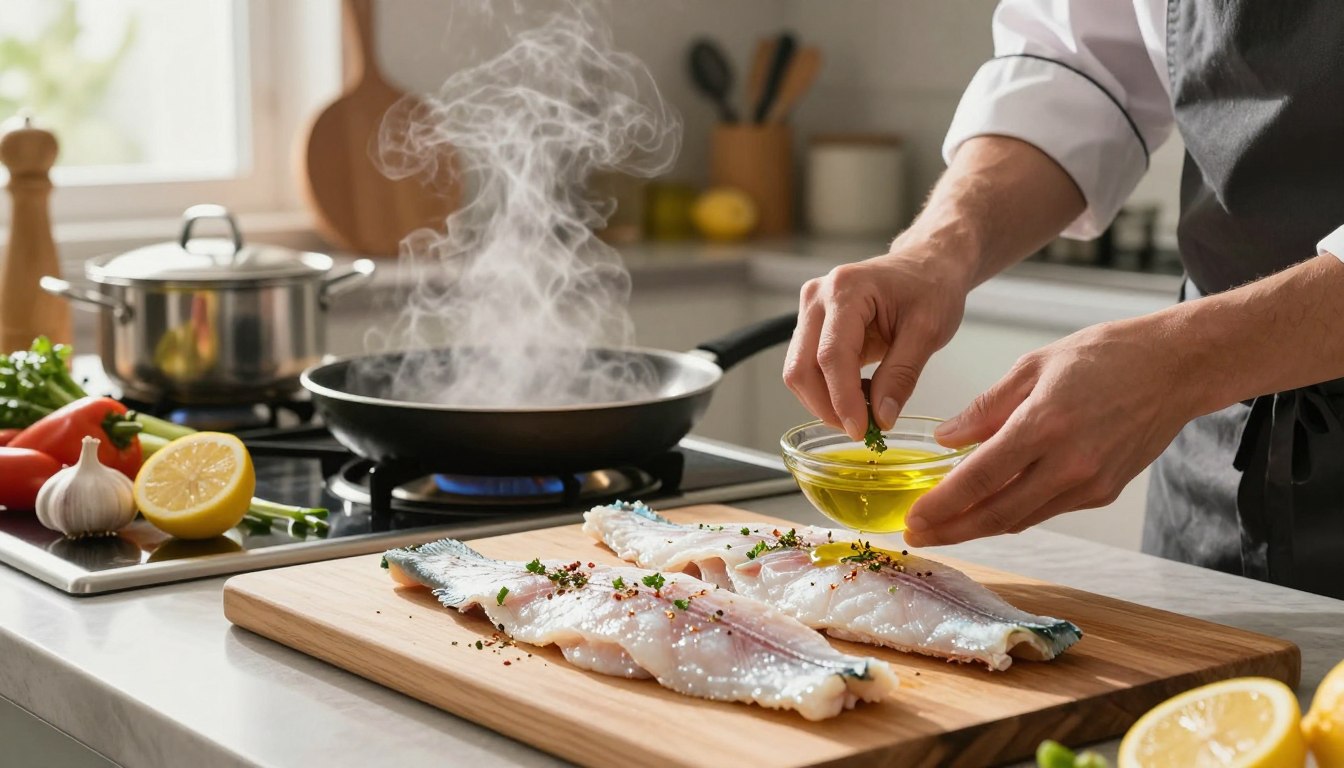
How to Cook Frozen Fish That Tastes Fresh
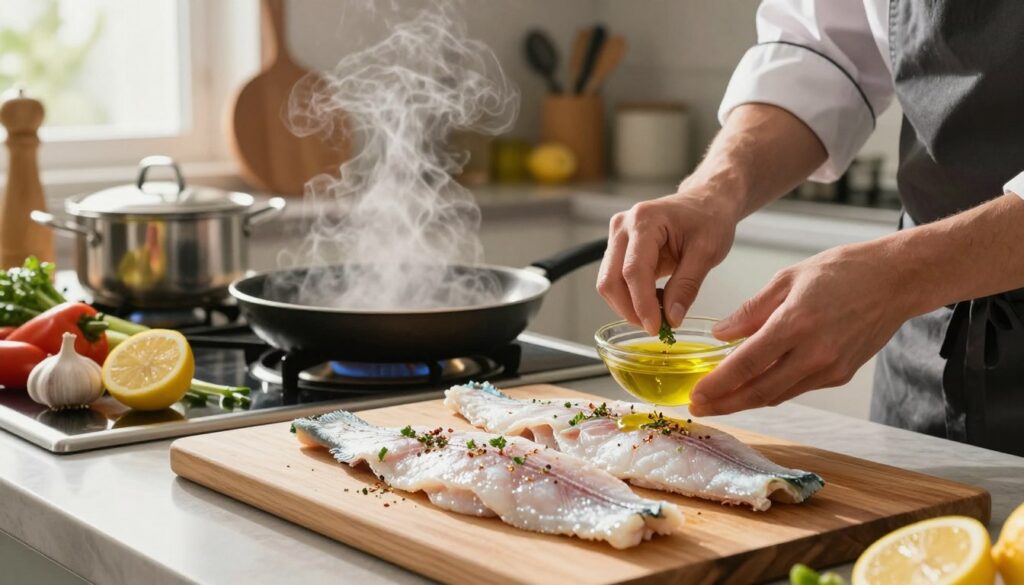
I’ll never forget the day I found out how to cook frozen fish that tastes amazing. I love seafood but finding fresh fish was hard. But now, thanks to new freezing tech, we can make frozen fish taste fresh at home.
Many people doubt cooking frozen fish because they think it’s bland. But, with the right methods, frozen fish can be as tasty as fresh. Whether you’re short on time or looking for easy meals, I’ve got tips to change your seafood game.
Today’s freezing tech keeps fish at its best quality. Most fish in stores is flash-frozen, keeping nutrients and flavor in. I’ll show you how to thaw and cook frozen fish to avoid bad seafood meals.
Key Takeaways
- Frozen fish can taste as fresh as just-caught seafood
- Modern flash-freezing preserves nutrients and flavor
- Multiple cooking techniques work for frozen fish
- Proper thawing is crucial for maintaining texture
- Anyone can master cooking delicious frozen fish
Why Frozen Fish Can Taste Just as Fresh as Never-Frozen
Many people think frozen fish won’t taste as good as fresh. But, modern freezing techniques can make frozen fish taste just as fresh. This is true when cooked properly.
Advanced flash-freezing technology is the secret. Professional fisheries use it to preserve fish at its best quality right after catching. These tips will show you why frozen seafood can be as great as fresh.
Understanding Modern Flash-Freezing Technology
Flash-freezing freezes fish instantly at very low temperatures. This quick freezing stops ice crystals from damaging the fish. So, the fish keeps its original taste, texture, and nutrients.
- Fish is frozen within hours of being caught
- Temperatures drop to -30°F or lower
- Cellular structure remains intact
- Flavor and nutrients are locked in immediately
How Freezing Preserves Nutrients and Flavor at Peak Quality
Freezing is like a pause button for fish. It stops the fish from degrading naturally. Nutrients stay stable and flavors are preserved just like when the fish was caught.
| Nutrient | Preservation Rate | Impact of Freezing |
|---|---|---|
| Omega-3 Fatty Acids | 95-98% | Minimal Loss |
| Protein | 100% | No Degradation |
| Vitamins | 90-95% | Excellent Retention |
Now, chefs and seafood experts know frozen fish can be as tasty as fresh. The trick is to know how to pick, store, and cook frozen seafood right.
The Biggest Mistake That Makes Frozen Fish Taste Mushy
Here’s a secret about frozen fish that many home cooks don’t know. The dreaded mushy texture isn’t about the fish being frozen. It’s about how you thaw it. Understanding this can help you avoid making fish turn from a delicate delicacy to a disappointing dinner.
When fish thaws improperly, ice crystals break down the protein structure. This creates that unappetizing mushy texture. I’ve seen many home cooks make this mistake, and it’s easy to avoid.
- Avoid thawing fish at room temperature
- Never use hot water to speed up thawing
- Prevent direct microwave thawing
- Always use refrigerator or cold water thawing methods
The science behind mushy fish is fascinating. When rapid temperature changes occur, the delicate fish proteins break down. This releases excess moisture, destroying the fish’s natural texture. It turns from a firm, flaky delight into a soggy disappointment.
| Thawing Method | Texture Result | Recommended |
|---|---|---|
| Room Temperature | Mushy | No |
| Refrigerator | Firm | Yes |
| Cold Water | Excellent | Yes |
Pro tip: Patience is key when thawing fish. Slow and steady wins the battle against mushy textures!
My Favorite Overnight Method for Thawing Fish in the Refrigerator
Thawing frozen fish right is key to great cooking. I’ve found the slow, careful thawing method keeps the fish’s flavor and texture perfect. https://s.click.aliexpress.com/e/_c3wtxT23
Thawing fish is crucial for a great meal. My favorite method is slow thawing in the fridge. It ensures your fish tastes like it’s from a restaurant.
Why Slow Thawing Protects Fish Quality
Quick thawing can ruin the fish’s texture. To cook frozen fish well, you need to avoid losing moisture and prevent protein breakdown. Here’s why slow thawing is best:
- Maintains consistent, safe temperature
- Prevents moisture loss
- Preserves original fish texture
- Reduces risk of bacterial growth
Safe Thawing Step-by-Step Process
To thaw frozen fish the right way, follow these steps:
- Remove fish from freezer packaging
- Place fish on a plate or in a shallow container
- Cover loosely with plastic wrap
- Position in the refrigerator
- Allow 8-12 hours for complete thawing
“Patience is the secret ingredient to perfectly thawed fish.” – Professional Chef’s Wisdom
Pro tip: Always keep raw fish on the bottom shelf of your refrigerator to prevent potential cross-contamination with other foods.
The Milk-Soaking Trick That Removes Any Fishy Flavor
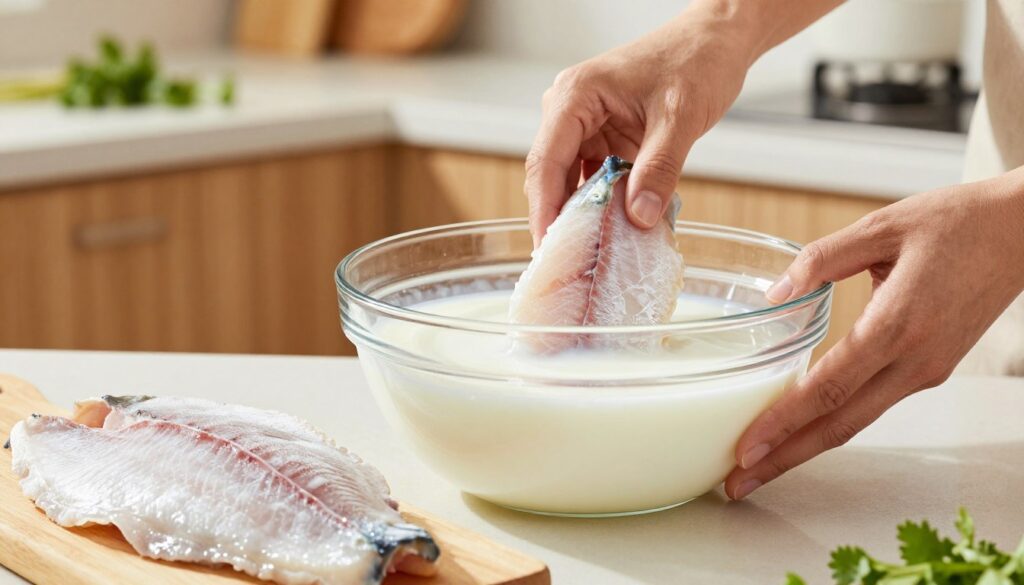
Cooking frozen fish can be tricky, but I found a trick that makes it taste amazing. The secret is milk. It removes fishy smells and makes the fish taste sweet.
Learning to cook frozen fish without losing flavor is easier with the milk-soaking method. Here’s why it’s great:
- Milk’s fat molecules bind to odor-causing compounds
- Adds a subtle sweetness to the fish
- Helps create beautiful browning during cooking
Here’s how to use milk to enhance your fish:
- Place fish in a glass or metal baking dish
- Cover entirely with milk
- Optional: Add fresh herbs like dill or parsley
- Refrigerate for 8 hours or overnight
- Pat dry before cooking – do not rinse
Pro tip: For quick results, soak thawed fish in milk for 10-20 minutes. Make sure the fish is fully covered for the best flavor.
How to Cook Frozen Fish That Tastes Fresh Without Thawing First
Cooking fish from frozen is a big win for busy cooks. Not all fish are the same when cooking frozen without thawing. The right method can make your frozen seafood taste great in minutes.
Best Fish Varieties for Cooking from Frozen
Lean white fish are your go-to for cooking from frozen. These types do well with the direct-from-freezer method:
- Cod
- Tilapia
- Haddock
- Pollock
- Halibut
These fish don’t get soggy because they have less fat and water. They also have a firm, flaky texture that holds up to heat.
Why Fatty Fish Require Special Attention
Fatty fish like salmon and swordfish are harder to cook from frozen. They can be tricky. My kitchen tests showed they release too much moisture, making them watery and disappointing.
Salmon, for example, can become too soft and watery when cooked from frozen. Its high fat content means it loses a lot of liquid during cooking. This ruins its texture and flavor.
For the best results, stick to lean, white fish. They’re faster to cook and taste better.
Baking Frozen Fish Directly from the Freezer
Baking frozen fish fillets is easy and tasty. It’s a quick way to make a delicious meal in under 30 minutes. The secret is knowing how to prepare and cook it right from the freezer.
Here are the essential steps for baking frozen fish fillets:
- Preheat the oven to 450°F
- Rinse fish under cold water to remove ice crystals
- Pat fish completely dry with paper towels
- Place fillets in a single layer on a parchment-lined baking sheet
- Season generously with herbs, spices, or your favorite marinade
I like to use olive oil, lemon juice, and herbs for seasoning. A quick cold water rinse method helps keep the fish moist and flavorful.
| Fish Thickness | Cooking Time | Internal Temperature |
|---|---|---|
| Thin Fillets (1/2 inch) | 12-15 minutes | 145°F |
| Average Fillets (3/4 inch) | 15-18 minutes | 145°F |
| Thick Cuts (1-1 1/4 inch) | 20-25 minutes | 145°F |
Pro tip: Cover the fish loosely with foil for the first half of cooking. This keeps it moist and cooks evenly. Then, remove the foil for a crispy top. https://s.click.aliexpress.com/e/_c4rqk48L
Always check the fish with a fork. It should flake easily and be 145°F inside. With these tips, you’ll make a seafood dinner that’s fresh and delicious every time.
Pan-Searing Techniques for Frozen Fish Fillets
Learning to cook frozen fish can make your meals amazing. Pan-searing is a great method that keeps flavors in and makes the fish golden. With some tips, you can make meals that taste like they came from a restaurant.
- Rinse off any ice crystals
- Pat the fish completely dry with paper towels
- Choose a heavy skillet like cast iron or stainless steel
Creating the Perfect Golden Crust
My top method is a two-step process for a crispy outside and a tender inside. First, heat your skillet over medium-high and add a tablespoon of oil. The key is to not move the fish for 2-3 minutes to get a great crust.
“The magic happens when you let the fish sit undisturbed and develop that perfect sear!” – Professional Chef Tip
Once the crust is golden, lower the heat, cover the pan, and cook for 5-7 more minutes. This method ensures the fish cooks evenly without drying out.
- Use medium-high heat for initial searing
- Cook 2-3 minutes per side
- Reduce heat and cover to finish cooking
Remember, cooking frozen fish well means being patient. Don’t flip or move the fillet too much. Trust the process, and you’ll get a meal that tastes like it was just caught.
Grilling Frozen Seafood for Smoky, Charred Flavor
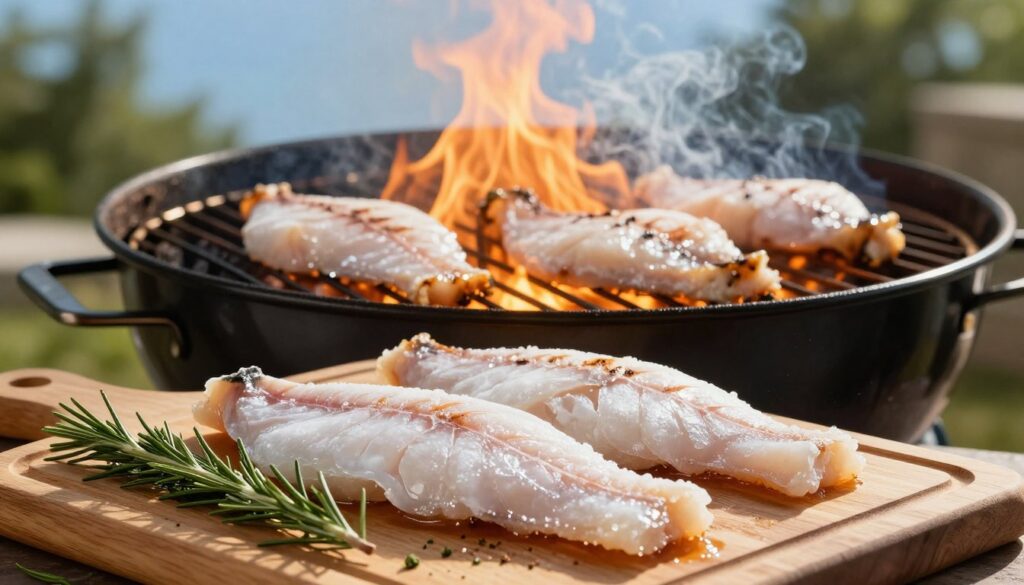
Turning healthy frozen fish meals into a grilled feast is simple. Grilling frozen seafood brings out smoky flavors, making your meal feel fancy.
Before grilling, it’s important to prepare and know how to grill frozen seafood. This ensures your fish turns out perfectly every time.
- Preheat grill to medium-high heat (375-400°F)
- Clean and oil grill grates thoroughly
- Brush frozen fish with olive oil or melted butter
- Season generously with your favorite herbs and spices
Cooking times depend on the fish type and thickness. Thinner fillets might take 4-5 minutes per side, while thicker cuts could require 6-8 minutes. You want a golden-brown outside and a moist inside.
| Fish Type | Cooking Time | Best Seasoning |
|---|---|---|
| Salmon | 6-7 minutes | Lemon-dill |
| Tilapia | 4-5 minutes | Cajun spice |
| Cod | 5-6 minutes | Garlic-herb |
For healthy frozen fish meals, use a grill basket for small or delicate fish. It prevents them from falling through the grates. This method ensures even cooking and beautiful char marks, making your meal look like it was made by a pro.
Quick Cold Water Rinse Method for Last-Minute Meals
We’ve all been there—dinnertime is approaching, and you forgot to thaw your fish. Don’t panic! The cold water rinse method is a lifesaver for creating easy frozen fish dinner ideas in a pinch. This quick technique can transform your frozen seafood into a delicious meal in less than an hour. https://s.click.aliexpress.com/e/_c3ZMk7nd
The secret to success lies in using cold water strategically. Here’s how to rescue your meal:
- Place the frozen fish in a sealed plastic bag
- Submerge the bag in a bowl of cold water
- Change the water every 10-15 minutes
- Check for partial thawing and disappearing ice crystals
When This Method Works Best
This technique is perfect for thin fish fillets that thaw quickly. It works best when you need to get a meal on the table within 30. Thicker cuts or large pieces might not thaw evenly, so stick to smaller, uniform portions.
Seasoning Your Quickly Thawed Fish
After your fish is partially thawed, you’ve got several delicious options:
| Cooking Method | Seasoning Suggestion |
|---|---|
| Baking | Olive oil, lemon, herbs |
| Stir-Fry | Garlic, ginger, soy sauce |
| Pasta Dish | Butter, parsley, white wine |
Important: Once thawed using this method, cook the fish immediately and never refreeze. This quick cold water rinse is your secret weapon for transforming frozen fish into a delightful dinner in no time!
Marinades and Seasonings That Enhance Frozen Fish
Creating tasty frozen fish dinner recipes is all about seasoning. The right marinade can turn a simple frozen fish fillet into a gourmet meal.
For amazing frozen fish, layer flavors that match the seafood’s natural taste. Quick marinades are great when you’re short on time.
- Citrus-Based Marinades: Lemon, lime, and orange juices help cut through any residual “frozen” taste
- Herb Combinations: Fresh dill, parsley, and thyme add brightness to the fish
- Spice Blends: Paprika, garlic powder, and cayenne can create exciting flavor profiles
My top quick marinade tips are:
- Mediterranean-Style: Olive oil, lemon juice, oregano, and garlic
- Asian-Inspired: Soy sauce, ginger, sesame oil, and green onions
- Cajun Kick: Paprika, cayenne, thyme, and a touch of butter
Pro tip for frozen fish dinner recipes: Always season generously! A simple drizzle of olive oil, squeeze of fresh lemon, and sprinkle of salt and pepper can make your dish amazing.
Remember, frozen fish can taste just as delicious as fresh when you know the right seasoning tricks!
Common Mistakes to Avoid When Cooking Frozen Fish
Cooking frozen fish can be tricky. But, knowing the common mistakes helps you cook it right. Many home cooks make errors that can ruin a great seafood dish.
Here are the top mistakes to avoid when cooking frozen fish:
- Thawing on the counter: This creates a breeding ground for harmful bacteria
- Overcrowding the cooking surface, which prevents proper cooking
- Not patting fish dry before cooking
- Using low heat that causes fish to steam in its own liquid
- Skipping proper seasoning https://s.click.aliexpress.com/e/_c4dUyoEX
The Dangers of Overcrowded Cooking Spaces
When cooking frozen fish, space is key. Putting too many fish fillets in a pan or on a baking sheet is bad. It stops air from getting through and makes the fish steam instead of sear.
This leads to pale, soggy fish. Not what you want.
To get perfect results, follow these tips:
- Leave at least an inch between fish pieces
- Cook in batches if necessary
- Use a larger pan or multiple baking sheets
- Pat fish dry with paper towels before cooking
By avoiding these mistakes, you can make your frozen fish amazing. A little extra care can turn your dish into a restaurant-quality seafood meal right in your kitchen.
Conclusion
Cooking frozen fish is easier than you think. With the right methods, you can make it taste as good as fresh fish. Modern flash-freezing keeps the flavor and nutrients, so you get great results at home.
Learning to cook frozen fish that tastes fresh is all about technique. You can thaw it slowly, use cold water, or cook it straight from the freezer. Each way leads to tasty fish dishes. Adding a milk soak, the right seasonings, and careful cooking can make any frozen fish unforgettable.
Don’t be shy to try different fish and cooking ways. You can bake, pan-sear, or grill it. Frozen fish can be just as tasty as fresh, and it’s often easier and cheaper. With these tips, you’ll make your family and friends love your seafood dishes. https://s.click.aliexpress.com/e/_c3LzWI7p
Start your journey to becoming a frozen fish cooking pro today. Enjoy the ease, flavors, and pride of making delicious meals with frozen seafood.
FAQ
Is frozen fish as nutritious as fresh fish?
How can I prevent frozen fish from becoming mushy?
Can I cook fish directly from frozen?
How do I remove the fishy taste from frozen fish?
What’s the best way to season frozen fish?
How can I quickly thaw frozen fish?
What are common mistakes to avoid when cooking frozen fish?
Can I grill frozen fish?
🌐 URL
👉 /how-to-cook-frozen-fish-that-tastes-fresh
Alternative courte :
👉 /cook-frozen-fish-like-fresh