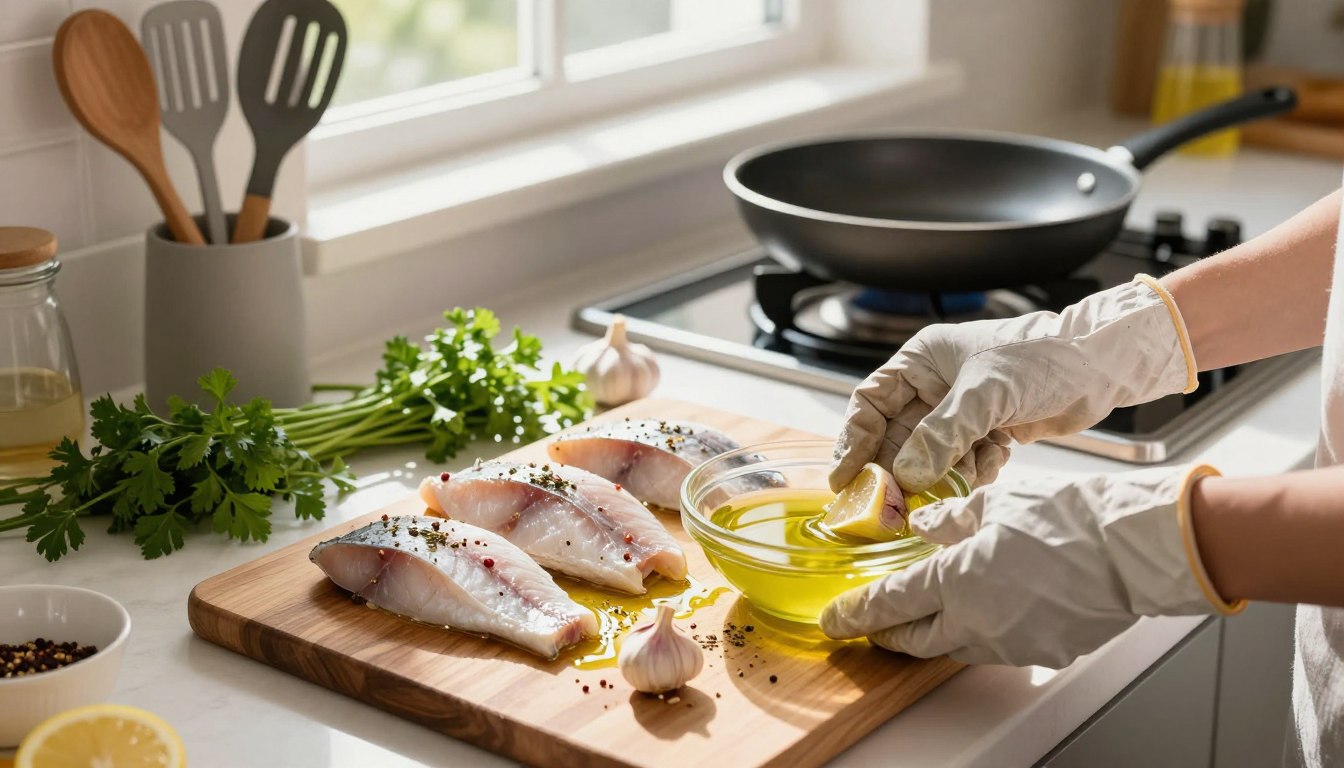
“How to Make Dogfish: Prepare and Cook Dogfish Easy”
You’re fishing and catch a dogfish. Most people throw it back. But, dogfish is a European seafood treasure. It deserves to be on your plate, not in the sea.
Many fishermen catch dogfish by accident. They don’t know it’s tasty and versatile. In Europe, it’s a favorite in fish and chips.
Cooking dogfish opens up new culinary adventures. You can grill, fry, sauté, or bake it. This guide will teach you how to do it all.
Whether you’re a fisherman or just curious, this guide will boost your kitchen confidence. An easy dogfish recipe is simple to follow. You’ll see how easy it is to cook dogfish once you know the basics.
Dogfish has a flaky texture and mild sweet taste. It’s as tasty as fluke or striped bass. This guide will turn that overlooked shark into a dish that wows everyone.
Key Takeaways
- Dogfish is a highly underappreciated fish that rivals fluke and striped bass in taste and texture
- European fish and chips shops have served dogfish for decades as a delicacy, not a throwaway catch
- Both smooth dogfish and spiny dogfish varieties are edible and work well in many cooking methods
- Learning easy dogfish recipes takes minimal kitchen skills and common pantry ingredients
- Simple freezing techniques remove the ammonia taste that concerns many first-time cooks
- Dogfish works beautifully in fried, grilled, sautéed, and Mediterranean-style preparations
What Is Dogfish and Why Should You Try It
Dogfish are small sharks that are great for dinner. They grow up to 48 inches long and have unique fins and eyes. Knowing which type to use in your cooking is key.
Dogfish eat shrimp, lobsters, and small fish. This diet makes their meat taste amazing. Cooking dogfish can be as tasty as more expensive seafood.
Understanding Smooth Dogfish vs Spiny Dogfish
There are two main dogfish types, and knowing them is important. For the best results, focus on the smooth dogfish.
| Feature | Smooth Dogfish | Spiny Dogfish |
|---|---|---|
| Color | Brown or olive-grey | Grey-blue |
| Teeth | 10 rows of blunt, flat teeth | Sharp, pointed teeth |
| Spines | No spines | Two sharp spines before dorsal fins |
| Anal Fin | Present | Absent |
| Best for Cooking | Yes, recommended | Less ideal for culinary use |
The smooth dogfish is best for cooking. Its teeth are made for crushing food. The spiny dogfish has dangerous spines that can hurt you.
The Taste and Texture of Dogfish Meat
Smooth dogfish meat looks like striped bass. It’s white, flaky, and firm. Its taste is mild and sweet, perfect for many dishes.
Experts can’t tell the difference between smooth dogfish and premium fish like fluke. This means you get great quality at a good price. Cooking dogfish gives you:
- Firm, flaky texture that holds up well during cooking
- Mild, sweet flavor that appeals to most palates
- White meat appearance similar to striped bass
- Excellent versatility for various preparation methods
- Outstanding value compared to other quality fish species
Your next meal should include dogfish. This fish offers top-notch taste in your kitchen.
Selecting and Storing Your Dogfish
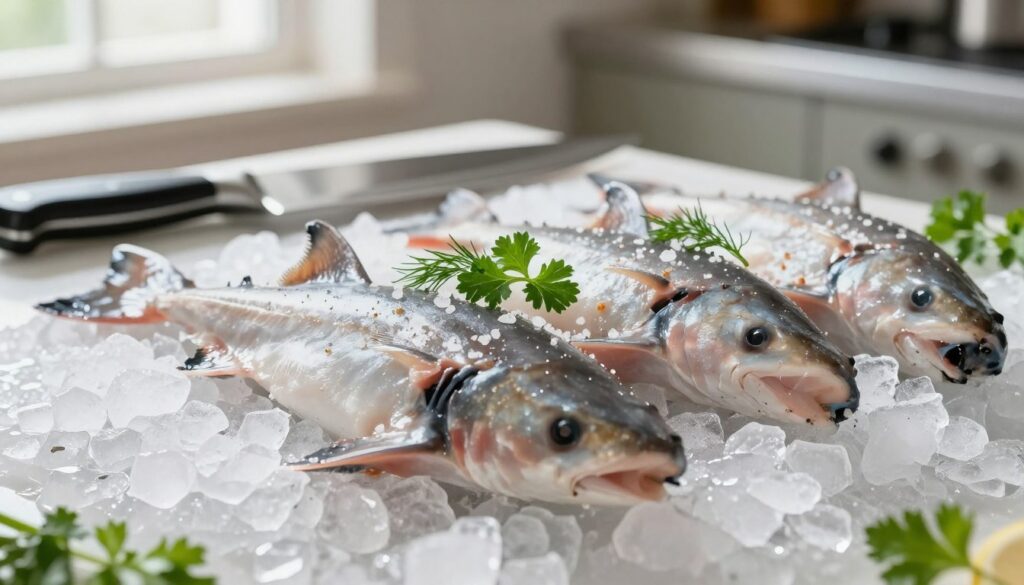
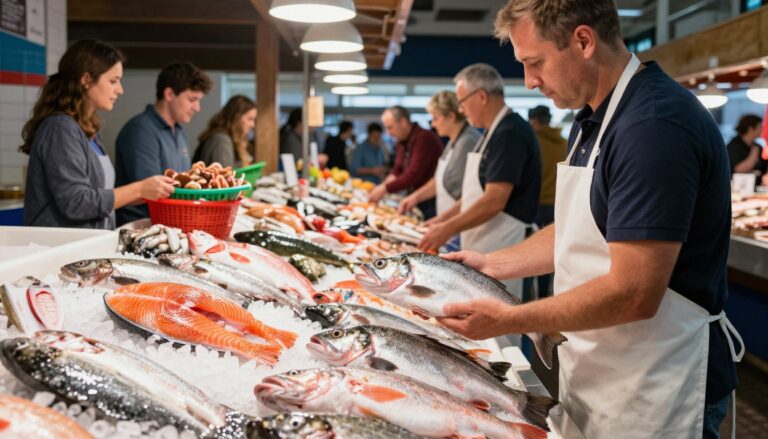
Getting your dogfish ready starts with smart selection and proper storage. Whether you’re catching your own or buying from a seafood counter, knowing what to look for makes a real difference. Fresh dogfish should have firm, translucent flesh with a clean ocean smell. Avoid any fillets that look discolored, mushy, or smell strongly of ammonia.
If you’re catching dogfish yourself, identify the species before handling. Smooth dogfish are safe to handle without worry. Spiny dogfish have sharp defensive spines that can cause painful puncture wounds, so handle them with care. Gut and fillet your catch right away if possible—ideally while still on the boat. This step keeps your meat quality high and improves flavor.
Proper storage keeps your dogfish in top shape. Place fillets on ice during transport, but never directly on ice. Melting freshwater damages meat quality. Instead, use a sealed bag or container that sits on the ice. Fresh fish should be cooked within 1-2 days of, and you should store it in the coldest part of your fridge.
Freezing is your secret weapon for better dogfish fillet preparation. Freeze your fillets for at least two weeks before cooking. This does two important things:
- Removes lingering ammonia taste from the meat
- Extracts excess water for better texture when cooked
This freezing step sets dogfish apart from many other fish species and gives you superior results in the kitchen.
Essential Tools and Ingredients for Cooking Dogfish
Ready to cook dogfish? You’ll need the right tools and ingredients. You don’t need fancy stuff to make delicious dogfish meals. Most kitchen items work great for cooking dogfish.
Whether you’re pan-frying, deep-frying, or making Mediterranean dishes, the right setup makes cooking fun and easy.
Kitchen Equipment You’ll Need
Start with basic tools that do many jobs. A sharp knife is key for cleaning and preparing dogfish. Large bowls are perfect for breading and mixing marinades.
You’ll need a sturdy frying pan or a deep fryer, depending on your cooking method.
For pan-frying, use a heavy skillet for even heat. A good fish spatula helps flip fillets without breaking them. For Mediterranean osso bucco style, a casserole dish is essential.
Deep frying needs a heavy pot and an oil thermometer for the right temperature. Check oil readiness with a bread cube—it should brown in 20 seconds.
- Sharp filleting knife for cleaning dogfish
- Heavy-based skillet for pan-frying
- Deep fryer or heavy-bottomed pot for frying
- Fish spatula for flipping fillets
- Casserole dish for oven-to-stovetop cooking
- Mixing bowls for breading and marinades
- Thermometer for monitoring oil temperature
- Paper towels for drying fish before cooking
Best Seasonings and Marinades for Dogfish
Dogfish has a mild flavor that goes well with many seasonings. Its firm texture takes bold flavors well, making it great for trying new things. You can keep it simple or get creative with spices and herbs.
| Cooking Method | Key Ingredients | Best Seasonings |
|---|---|---|
| Beer-Battered Dogfish | Plain flour, lager-style beer, salt, neutral oil | Salt, pepper, optional paprika |
| Pan-Fried Dogfish | Flour, beaten egg, panko breadcrumbs, vegetable or grapeseed oil | Salt, pepper, lemon zest, fresh herbs |
| Mediterranean Osso Bucco | Olive oil, garlic, shallots, tomatoes, white wine, lemon zest | Fresh parsley, salt, pepper, Italian herbs |
| Fish Cakes | Potatoes, milk, parsley, lemon juice, beaten egg, breadcrumbs | Salt, pepper, fresh parsley, lemon juice |
Simple seasonings like salt, pepper, and lemon juice are great for dogfish. Garlic and parsley add a Mediterranean touch. Choose seasonings that match your cooking method for the best results.
Remember, dogfish’s mild taste won’t clash with strong marinades. Feel free to try different flavors. Citrus, herbs, and spices all complement dogfish without overpowering it.
How to Clean and Fillet Dogfish Properly
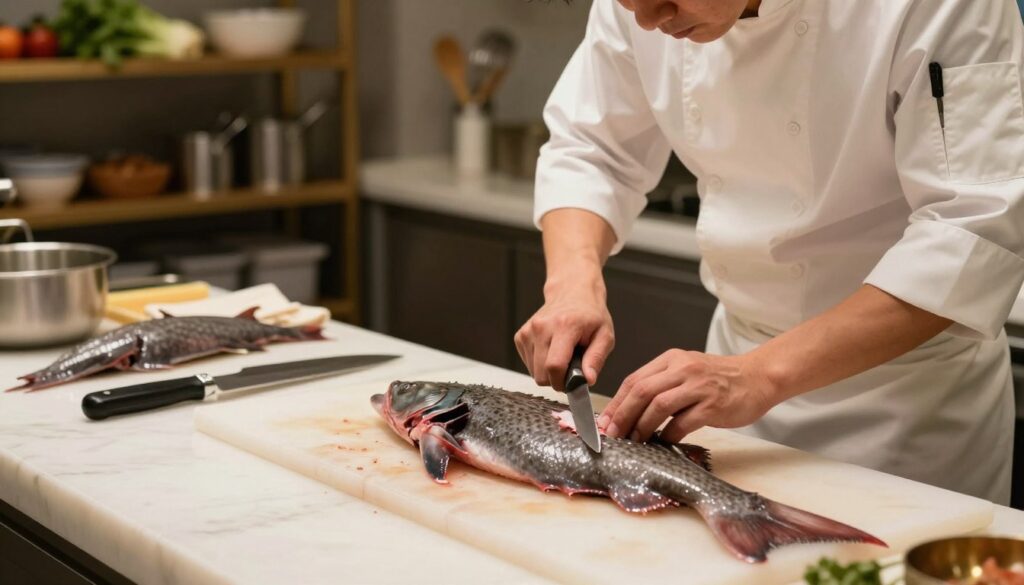
Cleaning dogfish for cooking is different from regular fish. They have cartilage instead of bones, which changes how you fillet. Knowing this helps you work better and get better results.
To start, you need to remove the skin from the dogfish. This tough layer must be taken off before cooking. Begin by cutting near the tail to separate the skin from the flesh.
Hold your knife at a shallow angle and use a gentle sawing motion. Pull the skin tight with your other hand. It takes patience, but it gets easier with practice.
After removing the skin, you’re ready to fillet. Start by cutting behind the head and follow the top of the fish down toward the tail. Use the cartilage backbone as your guide, keeping your knife close to maximize the meat.
Key Steps for Filleting Success
- Make your initial cut behind the head at a slight angle
- Follow the cartilage backbone as your guide
- Separate the fillet from ribcage cartilage carefully
- Watch for venomous spines on spiny dogfish species
- Flip and repeat on the other side
The cartilage structure actually makes cleaning dogfish easier since you won’t need to remove small pin bones. Your first attempt might feel awkward, but it gets smoother with each fish. You’ll end up with clean, boneless fillets ready for your favorite cooking method.
Removing the Ammonia Taste from Dogfish
Learning to prepare dogfish fish can be tough, mainly because of the ammonia taste. Dogfish stores urea in its body, which turns into ammonia. This ammonia makes the fish taste bad if not handled right. But, freezing the fish fixes this problem.
Dogfish needs special care when preparing it. The ammonia taste is more obvious in spiny dogfish than smooth ones. Freezing the fish fillets gets rid of the ammonia and excess water. This makes the fish better to cook and sear.
The Freezing Method for Better Flavor
Freezing is key when preparing dogfish fish. Freeze the fillets for at least two weeks, but one week is okay. Put the fish in freezer-safe bags and remove air before sealing.
- Label each bag with the date you froze it
- Store in your freezer at 0°F or below
- Keep track of the freezing timeline
- Thaw fillets gradually in your refrigerator overnight
- Never thaw at room temperature
Freezing breaks down ammonia and removes moisture. This improves flavor and texture. Thaw the fillets slowly in the fridge before cooking. This keeps the meat quality high and ensures great taste. Some cooks say fresh fish may need less time, but two weeks is best for beginners. For best fish recipes for lunch, freezing is crucial.
| Freezing Timeline | Benefits | Best For |
|---|---|---|
| 1 week minimum | Basic ammonia reduction, some moisture removal | Very fresh, freshly gutted dogfish |
| 2 weeks standard | Complete ammonia elimination, optimal moisture removal | Most commercial and caught dogfish |
| 3 weeks maximum | Maximum flavor improvement, ideal texture | Spiny dogfish varieties with stronger ammonia |
Freezing is not just recommended; it’s essential for cooking dogfish. Your patience will reward you with fish that tastes clean and sweet, loved by all.
How to Cook Dogfish: Popular Cooking Methods
Dogfish is a versatile fish for home cooking. Its firm texture makes it great for many cooking methods. You can grill, fry, bake, or sauté dogfish fillets for tasty results. The trick is to pick the method that suits your taste and kitchen.
Start by choosing your cooking technique. Each method brings out unique flavors and textures. You can make crispy fried dishes or light, tender baked meals.
- Baking and Roasting — Preheat your oven to 375-400°F. Place seasoned fillets in a baking dish with butter or oil. Cook for 12-15 minutes until the flesh turns opaque.
- Pan-Frying — Heat oil to medium-high heat in a heavy skillet. Season your dogfish fillets, then place them in the pan without moving them for 3-4 minutes. This creates a golden crust. Flip and cook the other side until done.
- Grilling — A grilled dogfish recipe works wonderfully because the flesh won’t fall apart on the grates. Brush fillets with oil, season well, and grill over medium-high heat for 4-5 minutes per side until opaque.
- Deep Frying — This traditional method produces crispy, golden results. Cook until the flesh reaches 145°F internally.
- Broiling — Position fillets 4 inches from the broiler element. Cook for 4-5 minutes per side, watching carefully to prevent burning.
- Sautéing — Use smaller pieces of dogfish cooked quickly in a hot pan with butter and aromatics for a lighter option.
| Cooking Method | Temperature | Time (per side/total) | Best For |
|---|---|---|---|
| Baking | 375-400°F | 12-15 minutes total | Easy, beginner-friendly meals |
| Pan-Frying | Medium-High Heat | 3-4 minutes per side | Golden crust and quick dinners |
| Grilling | Medium-High Heat | 4-5 minutes per side | Summer cookouts and flavor |
| Deep Frying | 350-375°F | 6-10 minutes total | Crispy, traditional results |
| Broiling | Broiler Element | 4-5 minutes per side | Quick weeknight dinners |
| Sautéing | Medium-High Heat | 6-8 minutes total | Light, healthy preparations |
When cooking dogfish, don’t overcook it. It’s done at 145°F. The flesh should be opaque and flake easily with a fork, staying moist inside.
For fresh inspiration on fish recipes for every cooking style, dogfish is versatile. Try a grilled recipe with lemon and herbs for a Mediterranean taste. Or, go simple with salt, pepper, and lime.
Pat your fillets dry before cooking. This helps them brown better. Season immediately after cooking to enhance flavors. Your choice of method depends on your time and equipment. Each way makes delicious dogfish worth making again.
Beer Battered Deep Fried Dogfish Recipe
Once you’ve cleaned and prepared your dogfish fillets, it’s time to cook them in a tasty way. This recipe is perfect for beginners and makes your kitchen smell like a restaurant. The beer batter makes the fish crispy on the outside and soft on the inside.
Making the Perfect Beer Batter
To make a great batter, start with simple ingredients. You’ll need quality stuff for the best taste. Mix 8 tablespoons of flour with 250ml of beer until it’s like pouring cream. Add a pinch of salt to make it even better.
Some people use half beer and half water for a lighter batter. Don’t mix too much, or it will be tough. A little bit of lumpiness is okay. Keep the batter cold in the fridge for better results.
- Combine 8 tablespoons flour with 250ml cold beer
- Add salt to taste
- Mix gently until just combined
- Refrigerate until ready to use
Frying Temperature and Timing
The oil temperature is key for a crispy fish. Heat it to 350-375°F. If a bread cube turns golden brown in 20 seconds, the oil is perfect.
Before battering, dry the fish with paper towels. Dust it with flour to help the batter stick. Dip the floured fish in the batter, let excess drip off, and fry it. This method works well for other white fish too.
Fry each piece for 4-6 minutes, turning once, until it’s golden brown. Remove it with a slotted spoon and drain on paper towels. Keep it warm in a 200°F oven while cooking the rest.
| Step | Details |
|---|---|
| Oil Temperature | 350-375°F |
| Bread Cube Test | Golden brown in 20 seconds |
| Cooking Time per Batch | 4-6 minutes |
| Holding Temperature | 200°F in oven |
This recipe makes crispy, golden fish every time. Serve it with thick-cut chips, salt, and your favorite sauce for a great fish and chips meal at home.
Pan Fried Dogfish with Panko Crust
Pan frying your dogfish makes a meal that’s as good as fancy restaurant dishes. It gives a crispy outside and keeps the inside tender. Plus, it uses less oil than deep frying, making it a healthier choice.
To make a great dogfish recipe, start with a breading station. You’ll need three shallow dishes for the coating process. This setup is used by chefs every day.
Setting Up Your Breading Station
Get your breading ready before cooking:
- Dish one: All-purpose flour mixed with salt and pepper
- Dish two: Beaten eggs (add a splash of water or milk to thin)
- Dish three: Panko breadcrumbs with optional seasonings like garlic powder or paprika
Panko breadcrumbs are Japanese crumbs that make a crunchy coating. They’re better than regular crumbs and stay crispy longer.
Cooking Your Dogfish
Pat your thawed dogfish fillets dry with paper towels. Dryness helps the coating stick. Then, follow these steps:
- Coat each fillet in seasoned flour, shaking off excess
- Dip the flour-coated fillet into beaten egg, ensuring full coverage
- Press firmly into panko breadcrumbs on all sides
- Pour vegetable or grapeseed oil into your pan to about one-quarter inch depth
- Heat oil over medium to medium-high heat until it shimmers
- Place breaded fillets in hot oil without crowding the pan
- Cook undisturbed for three to four minutes until golden brown
- Flip carefully and cook the other side for three to four minutes
Vegetable and grapeseed oils are best because they have high smoke points. This means they won’t burn during cooking. The oil is ready when a small pinch of panko sizzles right away.
| Cooking Element | Details | Why It Matters |
|---|---|---|
| Oil Type | Vegetable or grapeseed oil | High smoke point prevents burning |
| Oil Depth | Approximately 1/4 inch | Allows even cooking and browning |
| Heat Level | Medium to medium-high | Creates crispy crust without burning |
| Cook Time Per Side | 3-4 minutes | Develops golden exterior and cooked interior |
| Pan Crowding | Cook fillets separately | Ensures even heat distribution |
The result is dogfish with a crunchy outside and tender meat inside. It tastes just like expensive fish like fluke. Many people can’t tell the difference when tasting them blind. This makes your dogfish recipe a great dish to serve while staying budget-friendly.
Mediterranean Style Dogfish Osso Bucco
Turn your dogfish into a fancy Mediterranean dish that’s as good as a restaurant meal. This recipe uses dogfish’s firm texture to perfection in a tomato and wine sauce. It’s a dinner that will wow your family and guests.
Cutting and cooking your fish is key. Cut your dogfish fillets in half and chop them into 4cm (1.5-inch) pieces. These pieces stand upright in your casserole, making a beautiful dish that tastes amazing.
Preparing the Tomato Wine Sauce
Your sauce starts with quality ingredients and gentle heat. Begin by whisking chopped shallots or half a small onion in olive oil until softened and fragrant. This base layer builds flavor for your entire dish.
Next, add your fresh tomatoes and tomato paste, cooking for a few minutes to concentrate those rich flavors. Pour in a glass of dry white wine—Pinot Grigio or Sauvignon Blanc work beautifully—and let it bubble gently, cooking off the alcohol while flavors meld together.
- Stir in half your chopped fresh parsley and garlic
- Arrange dogfish pieces upright in the aromatic sauce
- Transfer to a preheated 170°C (325°F) oven for 30 minutes
- Check at the 20-minute mark, adding water if needed
Once your fish becomes tender and cooked through, remove it carefully and keep warm. Return your casserole to the stovetop for the final touch. Add fresh lemon zest, remaining garlic, and parsley, then season with salt and pepper. Give it a quick bubble to brighten all those Mediterranean flavors.
This healthy dogfish fish recipes method uses minimal oil while creating maximum flavor. Serve your dish with crusty bread, polenta, or pasta to soak up every delicious drop of sauce.
Creative Dogfish Recipes: Burgers and Fish Cakes
Want to make your dogfish into something your family will love? A creative dogfish recipe can turn it into a hit for casual meals. Dogfish burgers and fish cakes are great ways to impress your guests. They taste like they’re from a restaurant, but they’re homemade.
This recipe is easy and flexible. You just need a few ingredients for tasty patties. Use twice as much fish as potato to keep the burgers firm and flavorful.
Ingredients and Basic Preparation
First, gather what you need for this recipe. For four servings, you’ll need:
- Two small dogfish (frozen then thawed)
- Two medium potatoes
- Splash of milk
- Fresh chopped parsley
- Lemon juice
- One beaten egg
- Breadcrumbs or two slices blended bread
- Oil for shallow frying
Start by skinning and filleting your dogfish. Put the fillets in a microwave-safe bowl with milk. Microwave for three minutes until cooked. While the fish cooks, boil potato cubes until tender, then mash them to remove moisture.
Assembly and Cooking Instructions
After cooking, drain the fish well and flake it. In a large bowl, mix the flaked fish with mashed potatoes. Add lemon juice, parsley, salt, and pepper. Shape the mix into four to six patties.
Refrigerate the patties for at least thirty minutes. This step helps them firm up. Heat oil in a pan to 350°F. Dip each patty in egg, then breadcrumbs, and fry for three minutes on each side until golden.
“These homemade dogfish burgers rival anything you’d find at a restaurant, and your guests will be pleasantly surprised.”
Serve your burgers in toasted buns with lettuce, tomato, mayo, or tartar sauce. This recipe turns simple ingredients into impressive meals. It shows why dogfish is a great choice for your kitchen.
Conclusion
You now know how to cook dogfish. Many anglers view dogfish as a problem while fishing. But, once you learn the right ways, you’ll see how amazing smooth dogfish is. It’s an affordable seafood that tastes as good as pricier fish.
Start with simple recipes like beer-battered or panko-crusted. These easy methods let you enjoy the flavor without stress. As you get more confident, try Mediterranean osso bucco or creative fish cakes.
You already know how to clean, fillet, and remove the ammonia taste using the freezing method. You also know the best seasonings and cooking techniques. These tools help you succeed with every dogfish dish you make.
Learning to cook dogfish means finding a sustainable seafood option that’s abundant and cheap. You reduce waste while enjoying great taste and texture. Whether you caught your dogfish while fishing or found it at the market, you can prepare it with confidence.
Don’t let dogfish’s reputation scare you away from trying something new. Give these recipes a chance, and you might find your new favorite seafood has been swimming right in front of you the whole time.