
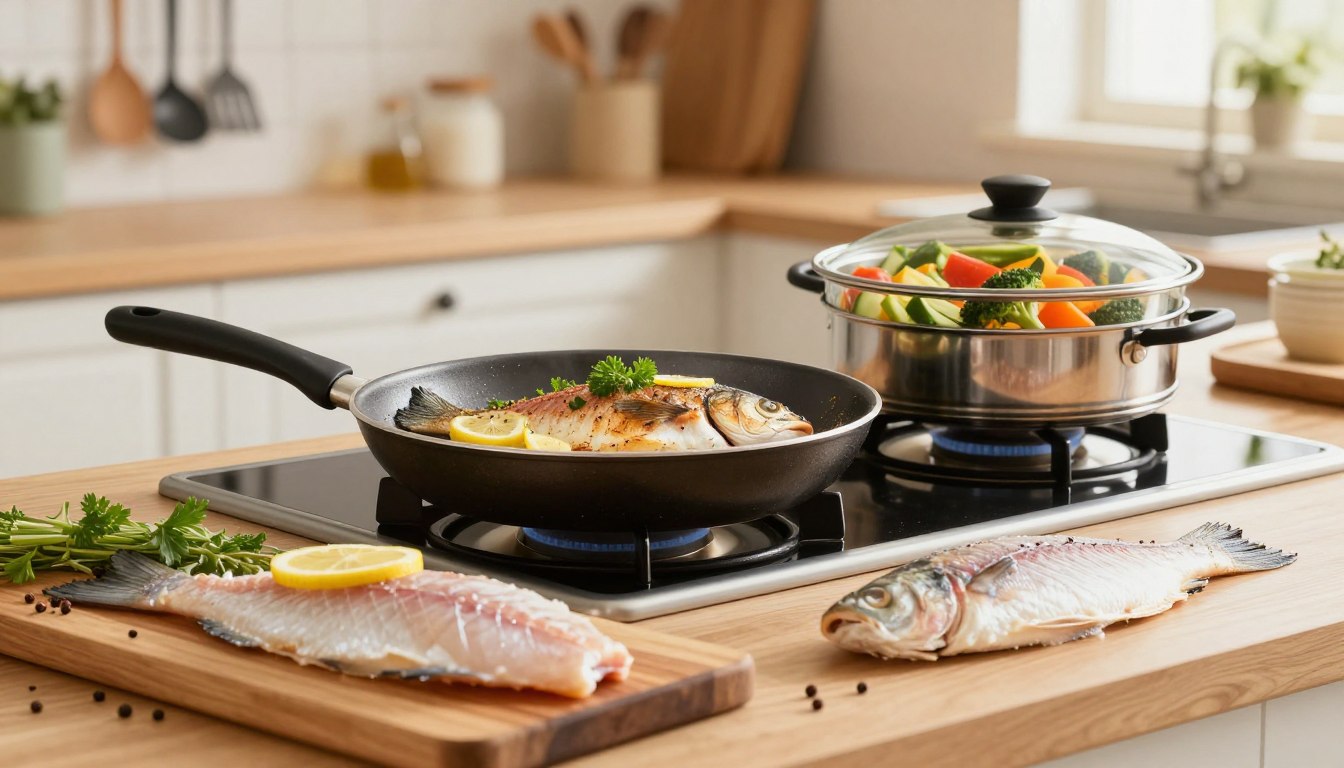
The Simple How to Cook Fish
When I first entered my kitchen with a fresh salmon, my hands shook. The fear of ruining the fish was overwhelming. Cooking fish seemed like a daunting task, with one mistake ruining dinner.
Learning the best ways to cook fish boosted my kitchen confidence. I found out that fish is very forgiving. With simple cooking methods, anyone can make delicious seafood at home. This guide will make fish cooking easy and tasty. https://amzn.to/3ZigFTu
Whether you’re new to cooking or want to improve, mastering fish cooking is simpler than you think. I’ll share expert techniques to ensure you cook fish perfectly every time.
Key Takeaways
- Fish is one of the most versatile proteins to cook
- Most fish dishes can be prepared in under 15 minutes
- Multiple cooking methods exist for different preferences
- Fresh, high-quality fish is crucial for great results
- Proper technique matters more than complex recipes
Why Cooking Fish at Home Is Easier Than You Think
Many home cooks worry about cooking fish, but it’s actually quite simple. The key is knowing that fish is very forgiving and quick to cook.
Chefs say fish is fast and versatile. Most fish fillets cook in under 15 minutes, making them great for quick dinners. Its delicate texture means it cooks fast and is hard to mess up.
- Cook fish in less than 15 minutes
- Requires minimal kitchen preparation
- Responds well to simple seasonings
- Works with multiple cooking methods
Professional chefs don’t use complex methods for fish. With just a few basic rules – like managing heat and checking for doneness – you can make great fish dishes at home.
“Fish is one of the most forgiving proteins you can cook in your kitchen”
Changing your mindset can make cooking fish fun. Start with simple steps, use basic seasonings, and you’ll soon get the hang of it. You’ll be making tasty fish meals in no time.
Essential Tips Before You Start Cooking Fish
Preparing fish for cooking is an art that needs careful attention. It’s more than just throwing a fillet into a pan. The steps before cooking can greatly affect the taste, texture, and quality of your dish. https://amzn.to/3Nn6ri8
Professional chefs know that great fish dishes start long before cooking. I’ll show you three key steps to improve your fish cooking skills. These steps will help you achieve restaurant-quality results every time.
Choosing Fresh, High-Quality Fish
Choosing the right fish is key for a delicious meal. Look for these signs of freshness when shopping:
- Fish should be displayed on ice
- Flesh must appear moist and firm
- No strong, fishy odor
- Clear, bright eyes (for whole fish)
The Importance of Patting Fish Dry
Moisture is the enemy of a crispy fish exterior. Always pat your fish dry with paper towels before cooking. This step helps achieve a golden, crispy crust.
Seasoning Your Fish for Maximum Flavor
Proper seasoning can turn an ordinary piece of fish into an extraordinary dish. Here’s a quick guide to seasoning: https://amzn.to/3LQ5Dli
| Seasoning Type | Best Used With | Recommended Fish Cooking Time |
|---|---|---|
| Salt and Pepper | Most fish varieties | 3-5 minutes per side |
| Herb Blend | Mild white fish | 4-6 minutes total |
| Citrus Marinade | Salmon, tuna | 2-3 minutes per side |
Pro tip: Always season both sides of the fish generously. Remember, the safe internal fish cooking temperature is 135°F. This ensures both flavor and food safety.
Best Way to Cook Fish: Pan Frying for a Crispy Golden Crust
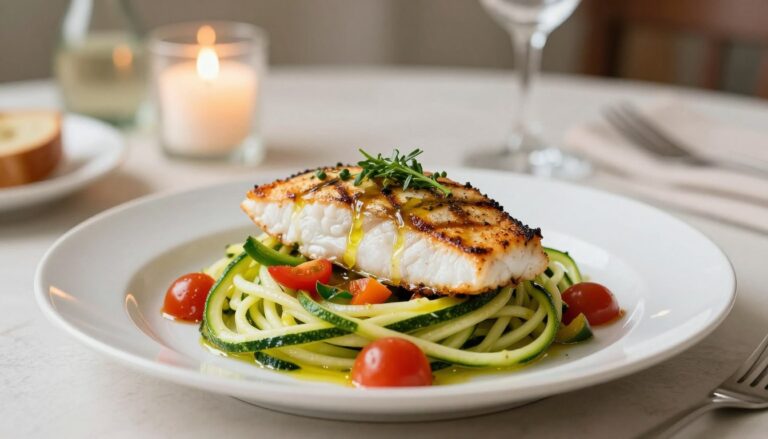
Pan-frying turns fresh fish into a top-notch meal at home. It’s a skill that makes your cooking stand out. You get a fish that’s both tender and crispy, perfect for impressing anyone.
Pan-frying is quick and easy. In just a few minutes, you can get a golden crust. This method works well for many fish types, from flaky sole to thick salmon.
Selecting the Right Skillet for Perfect Cooking
Choosing the right pan is key to great cooking. A heavy skillet ensures even heat and prevents burning. Here are some top picks:
- Cast iron skillets for optimal heat retention
- Stainless steel pans with thick bottoms
- Non-stick surfaces for easier handling
Preventing Fish from Sticking
Sticking is a major problem in pan-frying. To avoid it, follow these tips:
- Pat fish completely dry with paper towels
- Ensure pan is hot before adding oil
- Use oils with high smoke points like avocado or grapeseed
- Don’t move fish until it naturally releases from the pan
Crafting Restaurant-Quality Crispy Skin
The secret to great pan-fried fish is its crispy skin. Patience and proper technique are key. Start with room temperature fish, season well, and let the pan work its magic. A gentle press with a spatula helps get that golden crust while keeping the fish tender.
“Cooking fish is an art of timing and temperature – respect the ingredient, and it will reward you with incredible flavor.” – Professional Chef’s Wisdom
Grilling Fish Without Overcooking
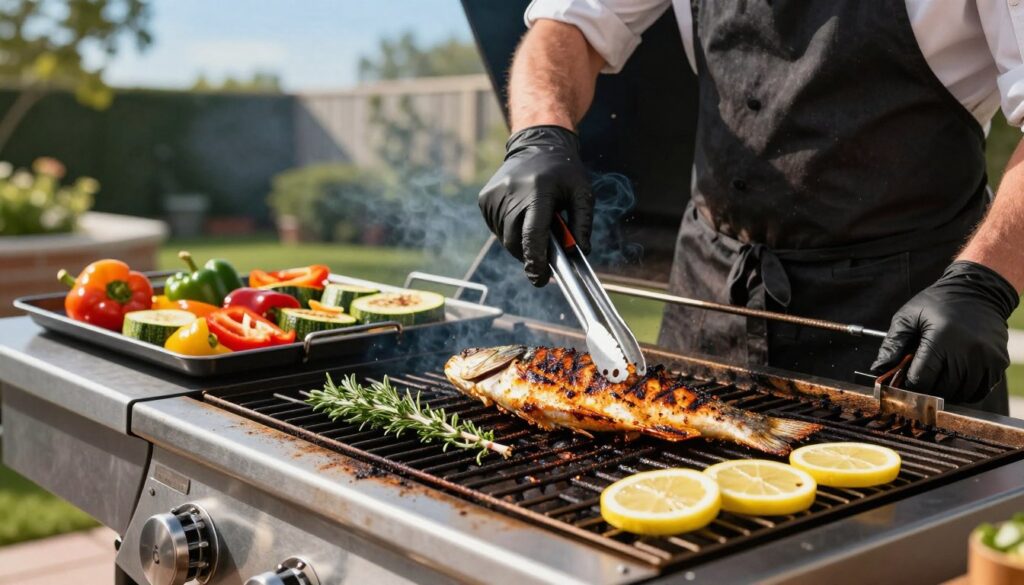
Mastering grilled fish without overcooking needs specific techniques. Not all fish is the same for grilling. Fish like salmon, mahi mahi, and tuna steaks grill well because they’re firmer.
Before grilling, pick the right fish and prepare well. Grilled fish without overcooking starts with knowing your fish. Meatier fish can handle high heat better than delicate white fish.
- Choose firm fish varieties like salmon or halibut
- Clean and oil your grill grates thoroughly
- Preheat grill to medium-high (400°F-450°F)
- Use protective cooking methods like cedar planks
My top grilling trick is using cedar planks. These planks keep fish away from direct heat and add a smoky flavor. Soaking the planks first stops them from burning and makes the cooking area aromatic. https://amzn.to/49GDy86
Timing is key when grilling. Shrimp cooks fast, in about 5 minutes. Thicker fillets might need 15-20 minutes. Watch the internal temperature. Aim for 135°F-140°F for moist, perfectly cooked fish.
Remember: The window between perfectly cooked and overdone is incredibly narrow when grilling fish.
Pro tip: Keep the skin on when you can. It protects the fish from heat, keeping it moist and preventing overcooking.
Poaching Fish for Moist and Tender Results
Poaching is a top method for cooking fish that keeps it moist and tender. It’s a reliable way to avoid dry fish. The trick is to cook fish gently in a flavorful liquid at the right temperature.
Learning to poach fish is key to keeping it moist. This method involves cooking fish in a simmering liquid. It’s a great way to cook delicate seafood.
Selecting the Perfect Poaching Liquid
The right liquid can make your fish taste amazing. Here are some tasty options:
- White wine for delicate white fish
- Vegetable or chicken broth for added depth
- Coconut milk for a tropical twist
- Water infused with herbs and lemon
Elevating Flavor with Aromatics and Seasonings
Aromatics add a lot to a poached fish dish. Try adding:
- Fresh herbs like dill, parsley, or thyme
- Sliced lemon or orange
- Garlic cloves
- Whole peppercorns
- Bay leaves
The perfect poaching temperature is about 140°F. This heat keeps the fish tender and moist. With practice, poaching becomes a delicious and forgiving way to cook fish.
Roasting and Baking Fish in the Oven
Roasting fish in the oven is a great way to make a tasty meal with little effort. To bake fish without drying it out, you need to know a few tricks. These tricks turn simple seafood into a dish fit for a restaurant. https://amzn.to/4jKNz8R
The key to perfect baked fish is knowing the right temperature and timing. Different fish need different approaches:
- Delicate white fish (trout, flounder, tilapia): Bake at 350°F
- Firm fish (salmon, cod, halibut): Roast at 425°F
For moist baked fish, follow this simple rule: cook for about 5 minutes per half-inch of thickness. A food thermometer is essential. It helps you reach an internal temperature of 135°F. This ensures the fish is safe to eat at 140°F after carryover cooking.
Here are some tips to keep your fish moist:
- Pat the fish dry before seasoning
- Add a splash of lemon juice
- Use a rimmed baking dish
- Avoid overcooking
Roasting fish with vegetables makes a complete meal and cuts down on cleanup. It’s a great way to cook a healthy dinner with little effort.
Air Frying Fish for a Healthier Crispy Texture
Air frying has changed how we cook fish, offering a healthier choice than deep-frying. It uses hot air to make a crispy outside without too much oil. This makes it great for cooking fish without drying it out.
To cook fish in an air fryer, you need to know a few tricks. These tricks help keep the fish moist and full of flavor. The goal is to get a crispy outside and a tender inside.
Coating Fish for Maximum Crispiness
For the best air-fried fish, try these coatings:
- Use a light panko breadcrumb coating for extra crunch
- Create a thin layer of seasoned flour or cornmeal
- Experiment with pre-made fish batters designed for air fryers
Preventing Fish from Drying Out
To cook fish without drying it out in an air fryer, follow these steps:
- Choose thicker fish fillets like cod, haddock, or catfish
- Pat fish completely dry before coating
- Spray or lightly brush with oil to help retain moisture
- Cook at the right temperature (typically 375-400°F)
- Use a meat thermometer to check internal temperature
Air frying takes 10-12 minutes. It makes a crispy outside and keeps the fish inside juicy and tasty. By using these tips, you can enjoy crispy fish without the extra oil of deep-frying.
En Papillote: Cooking Fish in Parchment Paper
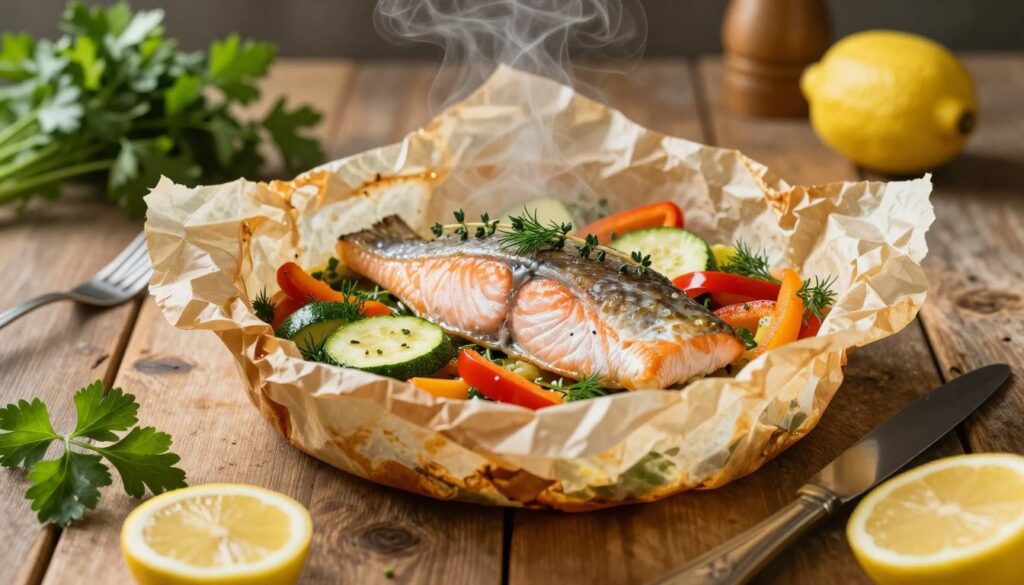
Cooking fish en papillote is a French technique that makes simple ingredients elegant. It seals fish and seasonings in parchment paper, creating a steam oven. This method intensifies flavors and keeps the fish moist. https://amzn.to/3YJQ4P8
The beauty of en papillote is its simplicity and presentation. Baking fish in parchment creates a steam-filled packet. This traps juices and aromas, making the fish tender and flavorful.
- Choose thin fish fillets like trout or flounder
- Select fresh herbs and citrus for added flavor
- Bake at 400°F for 10-15 minutes
- Open packets at the table for a sensory experience
My favorite combinations for en papillote include:
- Salmon with lemon and dill
- Cod with bell peppers and lime
- Trout with tomatoes, olives, and capers
This method ensures perfectly cooked fish every time. Parchment paper keeps the fish moist by preventing it from drying out. It’s easy to do and impresses guests with little effort.
Pro tip: Ensure your parchment paper packets are sealed tightly to trap all the delicious steam and flavors inside. https://amzn.to/49tPlb2
How to Keep Fish Moist When Cooking
Cooking fish right is an art that needs skill and knowledge. The difference between a dry fish and a juicy one comes down to two things: temperature and timing.
Fish is a delicate protein that needs careful cooking. Through years of cooking, I’ve learned that keeping it moist is key to making seafood dishes at home taste like they’re from a restaurant.
Understanding Proper Cooking Temperatures
Keeping the right temperature is key to moist fish. Here are some important tips:
- The safe internal temperature for fish is 135°F
- Use an instant-read thermometer for precise measurements
- Remove fish from heat when it reaches 130°F, as it will continue cooking
“Cooking fish is about respecting its delicate nature and understanding heat’s impact on protein structure.”
Timing Your Fish Perfectly
Cooking time depends on the fish’s thickness and cooking method. Here’s a general guide:
- Thin fillets (1/2 inch): 3-4 minutes total
- Medium fillets (3/4 inch): 4-5 minutes total
- Thick fillets (1 inch): 5-6 minutes total
By focusing on temperature and timing, you can make your fish moist and tasty. The trick is to cook it with care and precision. https://amzn.to/49EtxIq
Best Flavor Combinations and Seasonings for Fish
https://www.youtube.com/watch?v=yN3zNSFT5tg
Turning fish into a culinary masterpiece is all about the right seasonings. The right mix can make a simple dish into a work of art. It brings out the best in different types of seafood.
I’ve found some amazing flavor combinations that change the game for fish cooking. Here are some top seasoning mixes that will make your seafood shine:
- Mediterranean Blend: Basil, oregano, and parsley make a classic Italian flavor for white fish and shrimp
- Zesty Mexican Style: Lime, cilantro, and jalapeño are perfect for light fish like tilapia and flounder
- Asian-Inspired: Teriyaki sauce adds deep umami to salmon and tuna
- Middle Eastern Touch: Za’atar seasoning with thyme and sumac is great for grilled halibut
For a sophisticated taste, try adding capers and olives to fatty fish like salmon or cod. Their salty flavor balances the richness of the fish.
When picking seasonings, think about the fish’s texture and taste. Delicate fish go well with light herbs and citrus. But robust fish can handle stronger flavors.
Don’t forget about classic sauces like lemon butter, creamy dill, and tangy tartare. They can take your fish from good to great. Try these out to impress your friends and family.
Common Mistakes to Avoid When Cooking Fish
Cooking fish can seem scary, but knowing common mistakes helps. I’ve learned that a few key tips can make your seafood cooking great. These tips can turn a frustrating meal into a fantastic one.
Fish cooking needs precision and patience. Many home cooks face challenges that can mess up a good meal. Let’s look at the most common mistakes and how to avoid them.
Preventing Premature Fish Movement
One important fish cooking tip is to know when to move your fillet. Beginners often move fish too soon in the pan. Here’s why waiting is better: https://amzn.to/49qAyh5
- Fish sticks to the pan at first
- Moving it too soon tears the fish
- Waiting lets it release naturally and get a nice crust
Pro tip: Let fish cook without moving it until it releases from the pan. This usually takes 3-4 minutes, depending on its thickness.
Flour Coating Techniques
Flour can be tricky when cooking fish. Many home chefs either don’t coat enough or too much, which affects the texture.
- Shake off extra flour before cooking
- Use a light, even coating for the best results
- Too much flour makes a crust that falls apart
Learning these tips will greatly improve your fish cooking skills. It will give you more confidence in the kitchen.
Conclusion
Cooking fish at home is easier and more rewarding than most people think. You can make simple seafood into restaurant-quality meals. These meals are not just delicious but also very nutritious. Each method, from pan-frying to poaching, offers a unique way to enjoy this versatile protein.
Fish can be a great addition to any meal, including breakfast. Try healthy fish breakfast options like smoked salmon with eggs or a quick pan-seared fish. These recipes are surprisingly simple and can make your morning routine better with little effort.
The secret to success is understanding a few key principles. Choose fresh fish, season it well, and pay attention to cooking temperature. Avoid overcooking. Whether you’re new to cooking or have experience, these tips will help you make perfectly cooked seafood every time.
Start cooking fish today. Choose a method that interests you, try different flavors, and get better with practice. Soon, you’ll be making delicious fish dishes that will impress your family and change your home cooking experience. https://amzn.to/3NnLun7





5 Comments