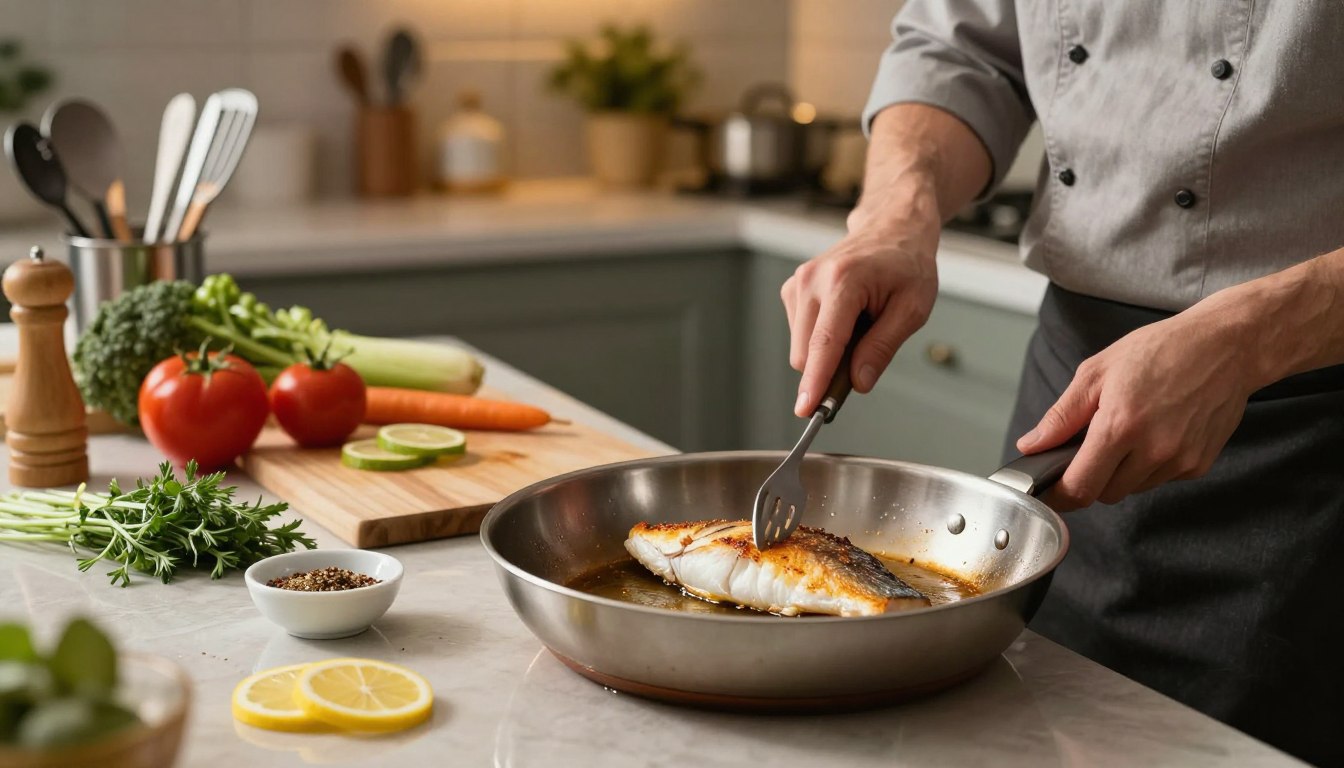
How to Cook Fish Without Overcooking It
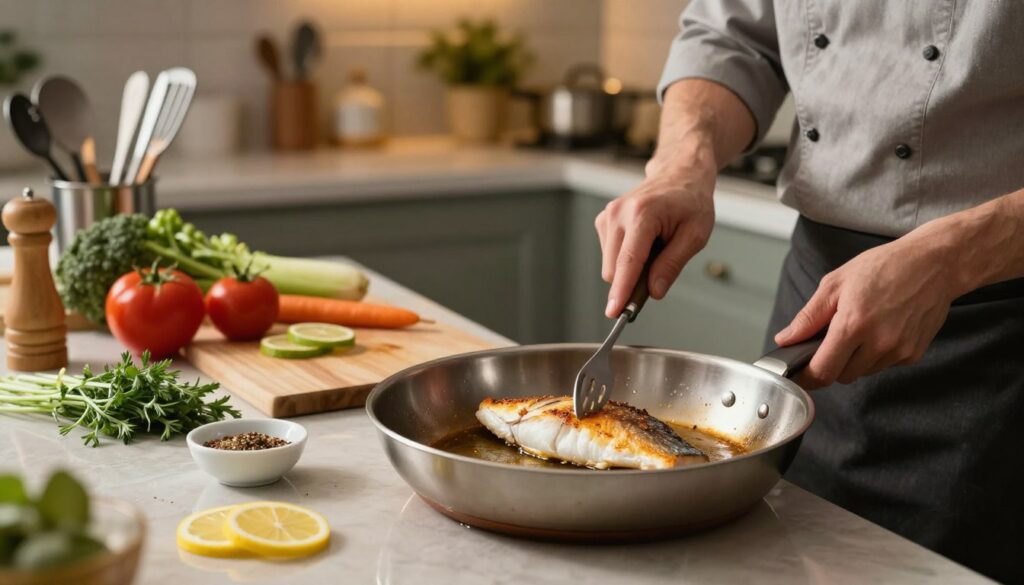
The first time I ruined an expensive salmon fillet, I nearly swore off cooking fish forever. My dreams of perfectly cooked fish turned into a dry, rubbery mess. It tasted more like cardboard than seafood. But I was determined to master these delicate proteins.
Cooking fish can be intimidating for home chefs. The fear of overcooking and wasting an expensive piece of seafood keeps many people from exploring delicious fish cooking tips. Trust me, I’ve been there. Learning the best way to cook fish isn’t just a skill—it’s an art that anyone can master with the right techniques.
Most fish dishes can be prepared in under 15 minutes, making them incredibly convenient for busy home cooks. With a few simple strategies, you’ll transform from a hesitant fish cook to a confident seafood chef.
Key Takeaways
- Fish cooking is quick and manageable with the right techniques
- Most fish can be cooked in under 15 minutes
- Proper cooking prevents dry, rubbery textures
- Temperature and timing are crucial for perfect fish
- Anyone can learn to cook delicious fish at home
Why Overcooked Fish Ruins Your Meal
Cooking fish is an art that needs precision and care. When I started cooking seafood, I learned quickly. Avoiding overcooking fish is key to a delicious meal. The difference between perfectly cooked and overcooked fish is just 2-3 minutes.
Overcooked fish turns from a delicate, flavorful dish to a disappointing meal. The proteins in fish tighten quickly, making the texture unappetizing. Common fish cooking mistakes often come from not knowing how fast fish can dry out and become rubbery.
The Texture Problem: Dry and Rubbery Fish
When fish is cooked too long, something bad happens. The proteins contract, squeezing out all the moisture. This results in fish that’s:
- Tough and chewy
- Difficult to cut
- Unpleasant to eat
“Cooking fish is like a delicate dance – one wrong step, and you’ve lost the entire performance.”
Loss of Natural Flavors and Moisture
The real tragedy of overcooked fish is more than just texture. Heat causes the natural oils to evaporate, stripping away the fish’s subtle flavors. Learning to keep fish moist while cooking is crucial for preserving its taste and nutritional value.
My top tip? Watch cooking time and temperature closely. Those extra minutes can make all the difference between a memorable seafood dinner and a dry, tasteless meal.
Essential Tips for Perfectly Cooked Fish
Cooking fish can seem scary for beginners. But with the right tips, you’ll soon be making tasty seafood. The first step is before you start cooking.
- Fish should be on ice
- Flesh should be moist and firm
- It should smell mild and oceanic, not too fishy
For beginners, seasoning is your best friend. Try different herbs and marinades. A mix of salt, pepper, and fresh herbs can make your dish amazing.
| Fish Thickness | Approximate Cooking Time |
|---|---|
| 1/2 inch | 5 minutes |
| 1 inch | 10 minutes |
| 2 inches | 15 minutes |
Figuring out how long to cook fish is important. Cook for about 5 minutes per half-inch of thickness. Remember, it’s always better to slightly undercook than overcook!
Pro tip: The fish will continue cooking slightly after removing from heat, so take it off when it’s just about done.
The Wooden Skewer Test for Doneness
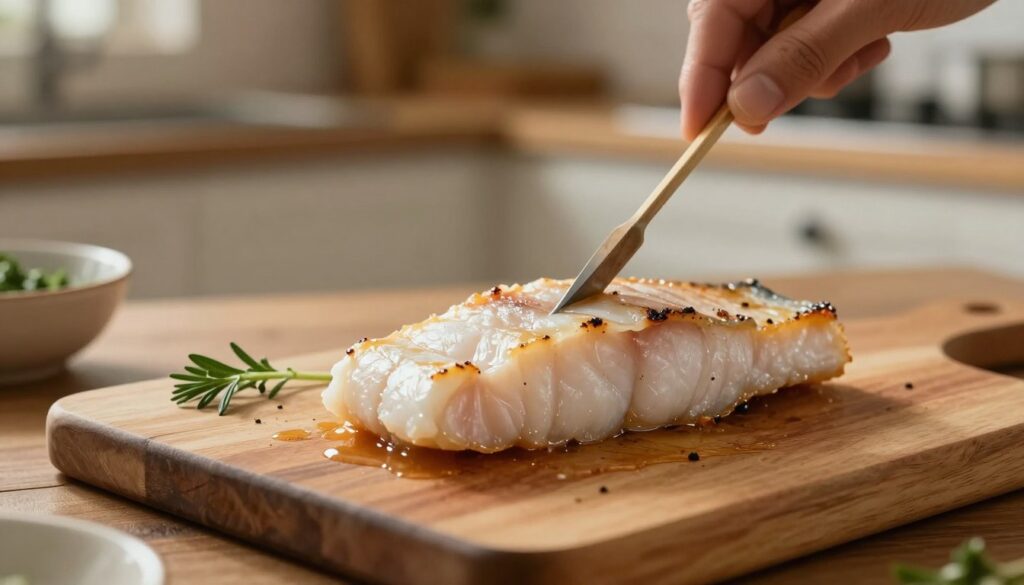
Cooking fish can be tricky, but I’ve found a simple way to get it right every time. The wooden skewer test is a great guide for checking if fish is done. It’s easy for home cooks to use.
This method is my favorite for checking fish doneness. It’s easy and doesn’t need a fancy thermometer.
Mastering the Skewer Technique
Here’s how to use the wooden skewer test like a pro:
- Select a clean, flat wooden skewer
- Locate the thickest part of the fish fillet
- Gently insert the skewer at a slight angle
- Press slowly through the fish
Interpreting the Results
The skewer tells you a lot about your fish’s cooking:
| Skewer Feel | Cooking Status | Action |
|---|---|---|
| Slides through easily | Perfectly cooked | Remove from heat |
| Meets resistance | Needs more cooking | Cook for 1-2 more minutes |
Pro tip: This method works best for thicker fish cuts like salmon, halibut, and cod. Always be gentle to avoid breaking the delicate fish texture.
“The wooden skewer is a cook’s secret weapon for perfect fish every time!” – Professional Chef
Using a Food Thermometer to Check Fish Temperature
Mastering cooking fish temperature is key to perfect seafood. An instant-read food thermometer removes the guesswork. This ensures you never serve dry or undercooked fish again.
Understanding internal temperature is vital for fish cooking. The ideal internal temperature of cooked fish is 145°F (63°C). But here’s a professional chef’s trick: remove the fish from heat when it reaches 135°F-140°F to account for carryover cooking.
- Insert the thermometer into the thickest part of the fish
- Always measure closest to the center for accuracy
- Check temperature near the end of cooking time
Carryover cooking means fish heats up more after being removed from heat. This is why removing fish slightly before it reaches the final target temperature prevents overcooking.
| Fish Type | Recommended Internal Temperature | Remove from Heat At |
|---|---|---|
| Salmon | 145°F | 135°F-140°F |
| Cod | 145°F | 135°F-140°F |
| Tuna | 145°F | 135°F-140°F |
An instant-read thermometer is a small investment—usually under $15—that ensures perfect fish every time. Trust me, it’s a game-changer in the kitchen!
Visual Cues That Tell You Fish is Ready
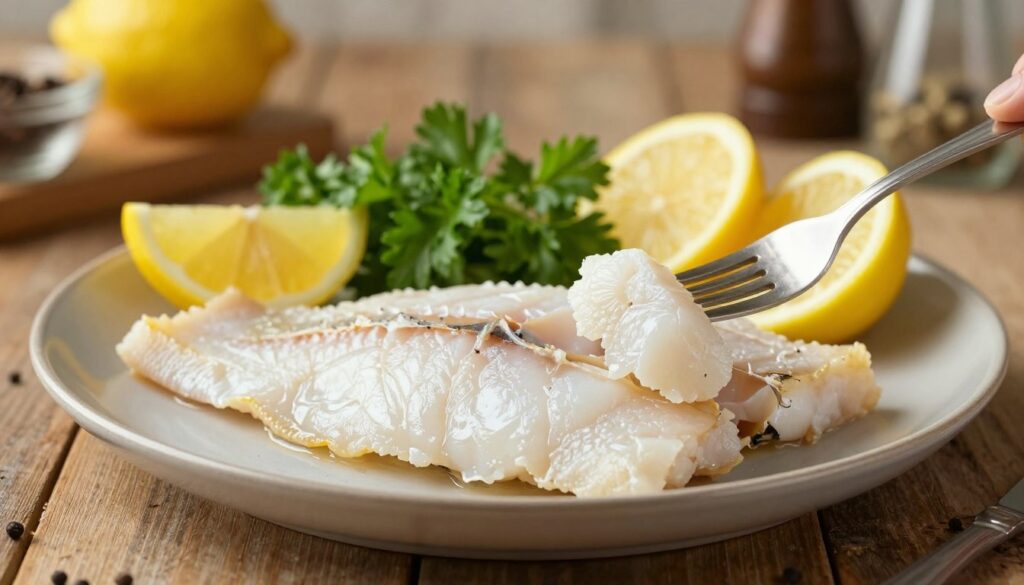
Cooking fish is more than just following a recipe. It’s about knowing when it’s perfectly cooked. My guide will help you cook tender flaky fish every time.
To know when fish is cooked, you need to observe closely. Your eyes and a fork are key tools. They help you know when to take the fish out of the heat.
Color Changes Reveal Cooking Progress
Fish changes color as it cooks. Here are the main color changes to look for:
- Salmon turns from deep reddish-orange to light pink
- Cod and halibut go from translucent white to bright white
- Tuna changes from deep red to lighter pink or brown
The Fork Test for Perfect Flakiness
The fork test is crucial for flaky fish. Press the fork into the fish’s thickest part and twist. Here’s what to check:
- Perfect doneness: Fish flakes easily and breaks into segments
- Undercooked: Fish feels mushy and resists
- Overcooked: Fish breaks apart too much and looks dry
With practice, you’ll get better at knowing when fish is done. Trust your senses, watch the colors, and use the fork test. This way, you’ll cook fish perfectly every time.
The Low-and-Slow Oven Method
I’ve found the perfect way to cook fish that makes it moist every time. The low-and-slow oven method is a game-changer. It helps avoid dry, rubbery seafood.
This method is a magic trick for those who struggle with timing and temperature. Here’s why it’s my favorite way to cook fish:
- Preheat the oven to a gentle 300°F
- Choose firm white fish like cod, halibut, or sea bass
- Season generously with olive oil and herbs
- Bake for 15-20 minutes, depending on thickness
The secret is the low temperature. Unlike high-heat methods that can quickly dry out your fish, this technique creates a forgiving cooking environment. The gentle heat allows for a wider window of perfect doneness, reducing the risk of overcooking.
“Cooking fish should be simple, not stressful” – My cooking philosophy
Pro tip: Look for the fish to turn from translucent to opaque and start flaking when gently pressed. This method works beautifully for salmon, white fish, and even delicate seafood varieties.
The best part? You’ll get restaurant-quality fish with minimal effort and zero fishy smell in your kitchen. Give this method a try, and you’ll never fear cooking fish again!
Best Fish Types for Different Cooking Methods
Choosing the right fish for your cooking method is key to mastering fish cooking. Each fish type has its own texture and traits, making it perfect for certain cooking ways. Knowing these differences will help you cook fish to perfection every time.
Let’s explore the top fish types for various cooking methods. This will help you improve your cooking skills and follow the best fish cooking tips.
Firm Fish for Grilling and Roasting
Some fish are made for high-heat cooking. These strong fish can handle hot temperatures without breaking apart:
- Salmon – A perfect choice for grilling
- Tuna steaks – Excellent for searing
- Mahi mahi – Holds up beautifully on the grill
- Halibut – Thick and meaty
- Swordfish – Ideal for robust cooking methods
Delicate Fish for Gentle Cooking
Lighter fish need more care. These fish do best with gentle cooking methods:
- Trout – Perfect for poaching
- Flounder – Best with low-temperature baking
- Tilapia – Works well with steaming
- Cod – Wonderfully versatile
Pro tip: Always match your fish’s texture to the cooking method. Thicker, firmer fish love high heat, while delicate fish prefer gentle treatment. This ensures you’ll make top-notch seafood dishes at home.
My Favorite Techniques to Prevent Overcooking
After years of cooking fish, I’ve found ways to avoid overcooking. My goal is to help you make fish moist and tasty every time.
Timing is key to avoid common mistakes. I use a kitchen timer to keep track. My trick is to start the timer 2-3 minutes before the recommended time. Then, I check the fish and add more time in small amounts.
- Set a timer 2-3 minutes before expected cooking time
- Check fish frequently
- Add cooking time in small 1-minute increments
Marinating is a great way to keep fish moist. I prepare a light marinade or dry rub 30 minutes before cooking. It adds flavor and helps keep the fish moist.
“The difference between perfectly cooked and overcooked fish is often just a minute or two.” – Professional Chef
Poaching is my go-to method. It keeps the fish tender and moist, even if it cooks a bit longer than planned.
| Cooking Method | Moisture Retention | Difficulty Level |
|---|---|---|
| Poaching | High | Easy |
| Baking with Foil | Medium-High | Medium |
| Grilling | Low | Challenging |
Pro tip: Always remove fish from heat just before it appears completely done. The residual heat will continue cooking the fish, ensuring a perfectly moist result.
Conclusion
Cooking fish doesn’t have to scare you anymore. With these tips, you’ll go from being unsure to a pro at cooking seafood. You’ll make dishes that everyone will love.
Perfectly cooked fish is all about the little things. Use a skewer, a thermometer, or look for visual signs. Each method helps you get better at cooking.
Start with what feels right to you. The oven method is great for beginners. The more you practice, the better you’ll get. Don’t be afraid to try new things and trust your gut.
Your fish cooking journey begins today. Be patient, and enjoy the tasty outcomes. Every meal is a chance to get better and make memories.
FAQ
How long does it take to cook fish?
What’s the best way to know if fish is fully cooked?
How can I prevent fish from becoming dry?
What internal temperature should fish reach?
How do I choose fresh fish at the market?
What are the best fish for grilling?
Can I cook fish from frozen?
What’s the easiest method for cooking fish for beginners?
How do I keep fish moist while cooking?
What are the most forgiving types of fish for cooking?
🔗 URL
/how-to-cook-fish-without-overcooking