The Best Simple Provençal Baked Fish with Roasted Potatoes
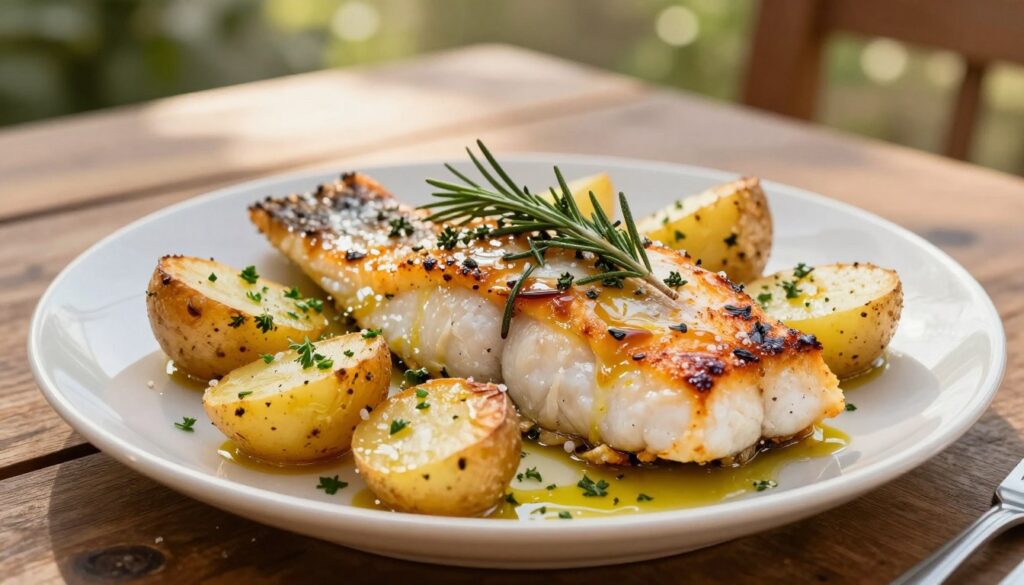
Ever dreamed of a dinner that feels like a vacation? Imagine the sun-drenched flavors of the French coast, right from your oven. This isn’t about complicated techniques or hours of prep. It’s about creating something truly special with surprising ease.
This stunning one-pan meal delivers maximum flavor with minimal hands-on effort. In about 15 minutes of active time, you can have a healthy, Mediterranean-inspired feast on the table. It’s the perfect solution for a busy weeknight, yet impressive enough for weekend guests.
The magic lies in the harmony of simple ingredients. Fresh fish, herb-roasted potatoes, and vibrant vegetables cook together, infusing every bite with taste. Whether you’re a seasoned cook or just starting out, this dish is a rewarding gateway to classic Provençal technique. It proves that a great meal doesn’t have to be hard.
Key Takeaways
- This dish brings the authentic, sunny flavors of the French Mediterranean to your home kitchen.
- It requires only about 15 minutes of active prep time, making it perfect for busy schedules.
- The recipe is inherently healthy, focusing on olive oil, fresh vegetables, and lean protein.
- Its one-pan nature means easy cleanup and straightforward cooking.
- It’s incredibly versatile, working equally well for a casual family dinner or a special occasion.
- Mastering this method builds confidence for other easy oven-baked fish recipes.
- The combination of roasted potatoes and seasoned fish creates a complete, satisfying meal.
Discover the Joy of This Effortless Mediterranean Feast
Imagine making a stunning, healthy meal for any day or special occasion. This Provençal baked fish recipe is your answer. It brings the bright flavors of Southern France to your table, all in a snap.
Why This Recipe Wins for Weeknights and Special Occasions
For a busy weeknight, you need a quick and easy dinner. This recipe is ready in just 15 minutes. Simply chop veggies, season the fish, and bake. Cleaning up is easy, thanks to a single baking sheet.
This dish is also super flexible. Choose any firm white fish you like. It’s one of the most adaptable easy baked fish recipes out there.
But it’s not just simple. It’s also impressive. For guests, it’s a real showstopper. The fish sits on a colorful mix of tomatoes, olives, and herbs. The smell is amazing. It feels like a fancy restaurant meal.
For more ideas on making seafood special, check out our quick fish recipes that taste like fine dining.
Unpacking the Magic of Rustic Provençal Cooking
The secret is in the rustic Provençal way. It’s not about fancy cooking. It’s about celebrating fresh ingredients and letting them shine.
Think juicy tomatoes, salty olives, aromatic garlic, and herbs like thyme and rosemary. With olive oil, they make a sauce that wraps around the fish. Every bite is filled with rich flavor.
This cooking style is all about simplicity and flavor. This recipe embodies that perfectly. It’s a complete, satisfying healthy provençal dish that feeds both your body and soul.
A Taste of the South of France: What is Provençal Cuisine?
Provençal cooking is all about simple yet deep flavors. It’s a style from southern France that celebrates the land and sea. It’s not about fancy techniques.
Imagine Provence’s sunny landscapes. Lavender fields, olive groves, and the Mediterranean coast are the backdrop. Provençal cuisine turns these into dishes that are both rustic and satisfying.
The Sun-Kissed Ingredients That Define the Region
The heart of this cuisine is its iconic ingredients. Each one brings a piece of the region to your plate.
- Ripe Tomatoes: Sweet and tangy, they’re the base for many dishes.
- Olives & Olive Oil: The region’s liquid gold, used for cooking and finishing.
- Garlic and Onions: These aromatics are the flavor foundation.
- Herbes de Provence: This blend of thyme, rosemary, oregano, and savory is the kitchen’s signature scent.
These ingredients come together in dishes like ratatouille. They also work magic with baked fish.
The Philosophy of Simple, Fresh, and Flavorful Cooking
The method is key in Provençal cooking. It’s about letting high-quality ingredients shine.
No need for heavy sauces or complicated steps. Roasting, baking, and sautéing are preferred. They bring out natural sugars and deepen flavors.
The goal is layered, harmonious taste. A drizzle of olive oil, a sprinkle of herbs, and perfect seasoning do the trick. This turns a simple meal into a special occasion.
When you cook this way, you’re not just following a recipe. You’re capturing the essence of the Mediterranean sun. This is the true joy of Provençal cuisine.
Your Complete Guide to Ingredients
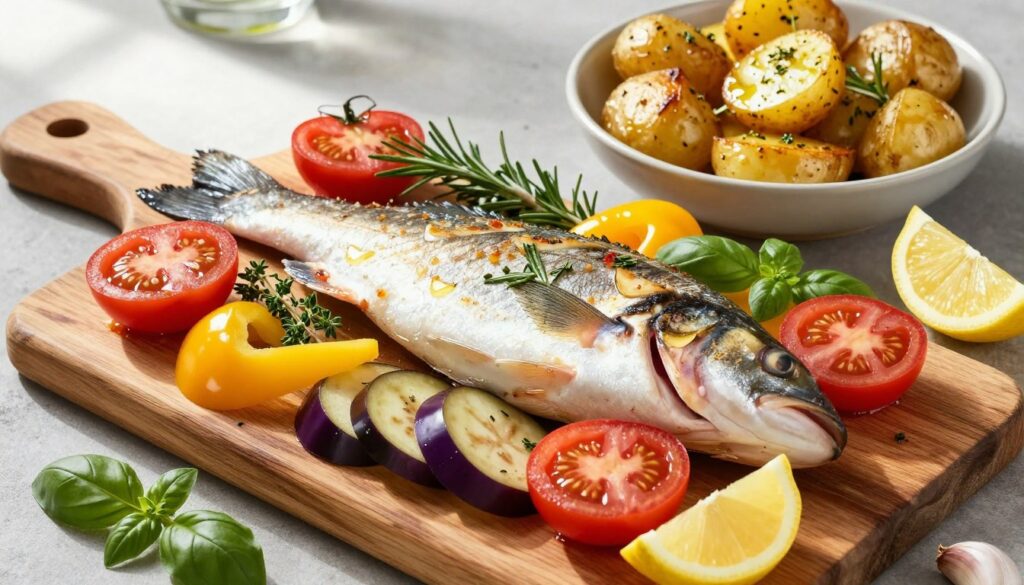
Before you start cooking, let’s look at each ingredient that makes this dish special. Every item in your shopping list is key to creating that rustic, sun-kissed flavor.
Selecting the Best Fish for Provençal Baked Fish
You need a fish that’s firm and flaky. It should stay in shape well while baking in a juicy bed of tomatoes and olives.
Fillets are the most convenient choice, but a whole fish can make a stunning presentation.
Top Choices: Cod, Halibut, Sea Bass, and Salmon
Cod and halibut are classic, mild white fish that soak up the Provençal flavors perfectly. Sea bass (or branzino) offers a slightly richer taste and delicate texture.
For a heartier option, salmon is a fantastic swap. Its natural oils pair wonderfully with the tomatoes and herbs.
Fresh vs. Frozen: What You Need to Know
Fresh fish is ideal, but high-quality frozen fillets are a brilliant weeknight shortcut. Modern flash-freezing locks in freshness right after the catch.
If using frozen, thaw it slowly in your refrigerator overnight. Pat the fillets very dry with paper towels before seasoning. This step is crucial for perfect sear and texture.
The Essential Provençal Aromatics and Herbs
This is where the magic happens. These ingredients build the deep, savory base that defines your baked fish with tomatoes and olives.
Tomatoes, Olives, Garlic, and Onions
Use ripe, diced fresh tomatoes in summer. For other seasons, a can of diced tomatoes is a pantry hero—it’s consistent and saves time.
Kalamata or Niçoise olives bring a salty, briny punch. Yellow onion and plenty of fresh garlic create a sweet, aromatic foundation that mellows as it roasts.
This iconic blend is the soul of the dish. Store-bought jars are perfectly fine and convenient. For a truly special touch, mix your own Provençal herbs and spices.
A simple homemade blend might include dried thyme, rosemary, savory, marjoram, and a touch of lavender. The lavender is optional but adds an authentic floral note.
Choosing Potatoes for Roasting Perfection
The right potato turns side dish into superstar. You want a variety that gets crispy on the outside and tender inside.
Yukon Gold, Russet, or Red Potatoes?
- Yukon Gold: The all-around favorite. They have a buttery flavor and creamy interior, with skins that crisp up nicely.
- Russet: Excellent for maximum crispiness. Their high starch content gives you those fluffy, crackly edges everyone loves.
- Red Potatoes: Hold their shape well and have a waxier texture. They offer a firmer bite and beautiful color.
For this recipe, Yukon Gold or Russet are top recommendations.
The Full Ingredient List (With Measurements)
Here is everything you need to make this Provençal feast for four people. Gather these items, and you’re ready to cook.
- For the Fish & Provençal Medley:
- 4 (6-ounce) skinless firm white fish fillets (cod, halibut, or sea bass)
- 1 tablespoon olive oil (plus more for drizzling)
- 1 medium yellow onion, thinly sliced
- 4 cloves garlic, minced
- 1 (14.5 oz) can diced tomatoes, drained
- 1/2 cup pitted Kalamata olives, halved
- 2 teaspoons Herbes de Provence
- Salt and freshly ground black pepper to taste
- For the Roasted Potatoes:
- 1.5 pounds Yukon Gold or Russet potatoes, cut into 1-inch chunks
- 2 tablespoons olive oil
- 1 teaspoon dried thyme or Herbes de Provence
- 1/2 teaspoon salt
- For Garnish:
- Fresh parsley or basil, chopped
- Lemon wedges
With these fresh, vibrant ingredients, you’re set to create an unforgettable baked fish with tomatoes and olives infused with authentic Provençal herbs and spices.
Getting Your Kitchen Ready
Let’s get your kitchen ready for cooking. This means everything in its place, following the French concept of mise en place. A little organization makes cooking a breeze.
Must-Have Tools: Baking Dishes, Sheet Pans, and Knives
You don’t need fancy tools, just the basics. Having these tools ready before you start makes a big difference.
- A Large Baking Dish or Sheet Pan: This recipe works well in one pan. Use a 9×13 inch ceramic or glass dish, or a sturdy sheet pan.
- A Sharp Chef’s Knife: This knife is essential for quick work. It’s safer and makes prep easier.
- Basic Bowls and Utensils: Have mixing bowls for veggies and seasoning. Measuring spoons are key for balanced herbs.
Prep Steps to Do an Hour Before Cooking
Do these tasks an hour before dinner to relax. You’ll feel ready to cook.
- Preheat Your Oven: Heat your oven to the right temperature. It’s ready when your dish goes in.
- Wash and Chop Vegetables: Prep tomatoes, olives, and garlic. Store them in the fridge. This saves time.
- Pat the Fish Dry: Remove fillets from packaging, pat dry, and place on a plate. This helps with seasoning and browning. For more fish tips, see this comprehensive guide.
- Measure Your Herbs and Oil: Mix herbs in a dish and have oil ready. Measuring makes assembly easy.
With tools and ingredients ready, you’re set to cook. The hard part is done!
Step 1: Building the Flavor Base – The Provençal Medley
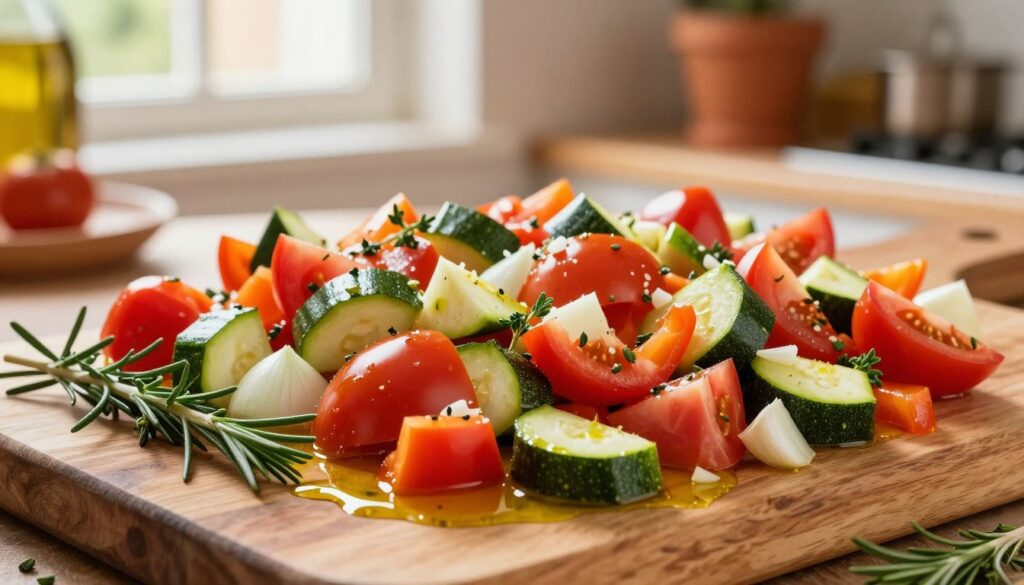
This Provençal medley is more than just ingredients. It’s the essential sauce that forms during baking. A mix of tomatoes, olives, and garlic, with herbs and oil, creates a moist, fragrant bed for your fish. As everything roasts together, the juices mingle to create an incredible built-in sauce.
How to Chop and Combine Tomatoes, Olives, and Garlic
The goal is a uniform size. You want all your vegetables to cook at the same rate. This prevents some pieces from turning to mush while others remain undercooked.
For cherry or grape tomatoes, simply slice them in half. If using a larger tomato, chop it into ½-inch chunks. Use a sharp knife for clean cuts. This helps the tomato hold its shape a bit as it roasts.
Pitted Kalamata olives are perfect. Give them a rough chop so their briny flavor can spread. For the garlic, mince it finely. This allows its sweet, mellow flavor to permeate the entire dish without any harsh bites.
Combine all these chopped elements right in your baking dish. Toss them gently with your hands or a spoon to distribute them evenly. This creates the foundation.
| Ingredient | Preparation | Ideal Size |
|---|---|---|
| Tomatoes (Cherry) | Halve | 1/2 of a cherry tomato |
| Tomatoes (Roma/Beefsteak) | Chop | 1/2-inch chunks |
| Kalamata Olives (pitted) | Rough Chop | Quartered or halved |
| Garlic Cloves | Mince | Fine pieces |
Mixing in Herbs and Olive Oil for Maximum Flavor Infusion
Now, it’s time for the magic. Drizzle a generous amount of good olive oil over your vegetable mix. Sprinkle on dried herbes de Provence, a little salt, and freshly ground black pepper.
The key technique is to toss everything until every single piece is thoroughly coated. That thin film of oil is what will conduct heat and encourage caramelization. The herbs and salt will stick to the oil, seasoning each vegetable perfectly.
This step of flavor infusion happens before the oven even heats up. As the oil and herbs coat the vegetables, they begin to marry. This foundational technique works for many fish recipes for any fish variety.
Your aromatic base is ready. This vibrant Provençal medley is now prepped to support your fish and transform into something truly special in the heat.
Step 2: Preparing the Fish for Its Aromatic Bath
Before your fish meets the aromatic vegetables, a bit of TLC with paper towels and seasoning makes all the difference. This step is your insurance policy for a flawless result—it ensures your fillets bake up perfectly flaky and moist, not soggy or steamed.
Properly Drying and Seasoning Your Fish Fillets
Moisture is the enemy of crisp texture and deep flavor. You must remove every bit of surface moisture from your fish fillets. Here’s your simple, two-part ritual:
- Dry Thoroughly: Lay each fillet on a clean layer of paper towels and gently pat the top, bottom, and sides until completely dry. If you’re using a whole fish, score the skin lightly; this helps render fat and allows seasoning to penetrate.
- Season Generously: Don’t be shy. Sprinkle a liberal amount of kosher salt and freshly ground black pepper over all surfaces. This foundational seasoning is what makes the fish itself taste amazing, not just the sauce around it.
The few minutes you spend drying and seasoning are what separate a good baked fish from a great one.
Arranging the Fish Over the Bed of Provençal Goodness
Now for the fun part—creating the layered masterpiece. Your seasoned fish fillets are ready for their aromatic bath.
Gently lift each fillet and place it right on top of the waiting vegetable medley in your baking dish. Nestle them in a single layer, leaving a little space between each piece for even heat circulation.
This arranging is strategic. As the fish bakes, its savory juices will drip down, mingling with the tomatoes, olives, and herbs below. This creates a self-saucing effect, much like in a classic fish stew like bouillabaisse, but with the ease of a one-pan bake.
Handle the fillets carefully to keep all that good seasoning in place. Once arranged, your dish is visually stunning and ready for the oven’s transformative heat.
Step 3: Baking Your Provençal Baked Fish to Perfection
To bake Provençal fish perfectly, you need consistent heat and the right timing. This step turns your ingredients into a delicious, fragrant dish. Follow this guide for great results every time.
The Ideal Oven Temperature and Rack Position
Heat your oven to 375°F (190°C). This temperature cooks the fish and roasts the vegetables without burning the herbs.
Put your oven rack in the middle position. This ensures even heat. Your fish will cook evenly, and the potatoes will crisp up nicely.
Step-by-Step Baking Timeline and Visual Cues
The baking process has two phases. First, the vegetables roast to add flavor. Then, the fish bakes gently.
First 10 Minutes: Letting the Flavors Melt Together
Once the oven is ready, put in your dish with the vegetable base. In these minutes, the tomatoes soften and release juices.
The garlic and olives become fragrant. You’ll see gentle bubbling. This creates a savory “bath” for the fish.
Final Minutes: Checking for Doneness
After 40 minutes of roasting, add the seasoned fish fillets. Return to the oven for 25 to 30 minutes.
Watch for the fish to turn opaque and white. The best sign is when the thickest part flakes easily with a fork.
How to Avoid Overcooking – The Finger Test Explained
For a precise check, use the finger test. Touch the top of the thickest fish fillet with your fingertip.
Properly cooked fish feels firm but yields slightly. If it’s hard or leaves a deep indent, it’s overdone or underdone. This method prevents dry fish.
| Baking Stage | Time | Visual & Tactile Cue | Action |
|---|---|---|---|
| Initial Vegetable Roast | 40 minutes | Tomatoes softened, juices bubbling, aromas released. | Create the flavor base for the fish. |
| Fish Bake | 25-30 minutes | Fish turns opaque white and begins to flake. | Add fish fillets to the dish after the first roast. |
| Doneness Check | At the 30-minute mark (for fish) | Flesh flakes easily with a fork or springs back to the touch. | Perform the fork test or finger test. Remove from oven if done. |
Watch closely during the last five minutes. Fish cooks a bit more after being removed. Let it rest for five minutes for the juiciest result.
Step 4: Crafting the Crispy, Golden Roasted Potatoes
Step four turns simple potatoes into a stunning side dish. It’s a perfect match for your baked fish. Achieving that perfect crispiness is all about a few key steps.
Cutting Potatoes for Even Cooking and Maximum Crisp
Choose starchy potatoes like Russets for the best texture. Peel and cut them into ½-inch pieces. This size is ideal for browning and fluffy insides.
Uniform pieces ensure even cooking. This way, every potato chunk roasts perfectly at the same time. You won’t have burnt or undercooked potatoes.
Tossing with Oil, Salt, and Herbs for Classic Flavor
Coat the potatoes well. Use olive oil, kosher salt, and herbes de Provence. This herb blend adds a French touch.
For a perfect coat, follow these steps:
- Place the cut potatoes in a large mixing bowl.
- Add the oil, salt, and herbs.
- Use your hands to toss and massage everything together. You want every single surface lightly glistening.
This step is crucial for flavor and crispiness.
Roasting Timeline and How to Coordinate with the Fish
Timing is key for a smooth dinner. Start roasting the potatoes at 400°F (200°C). Spread them in a single layer on a baking sheet.
Place them on a middle rack. Roast for about 20 minutes before adding the fish. This gives the potatoes a head start.
The potatoes will roast for about 40 minutes. This timing aligns with the fish’s shorter bake time. Both dishes will be ready together, hot and delicious.
The Trick for Extra-Crispy Edges: A Quick Shake
Halfway through, pull the sheet from the oven. Give it a firm but careful shake or stir with a spatula.
This “quick shake” prevents sticking and exposes new surfaces. It leads to golden, extra-crispy edges on every piece.
Return the pan to the oven. Let the potatoes finish roasting until deeply browned. Now, you have the perfect, crispy side for your Provençal baked fish.
Step 5: Serving Your Masterpiece
Serving your dish is where all your hard work pays off. It turns baked fish and potatoes into a beautiful Mediterranean feast. This step makes your kitchen creation into a stunning plate ready to be enjoyed.
Before you start, take a moment to enjoy the smells. Your goal is to make a balanced plate that shows off each part.
Plating Techniques for a Restaurant-Worthy Look
First, carefully move the baking dish to a trivet. Use a thin spatula to lift each fish fillet onto a clean cutting board.
If the skin is still on, slide a spatula between the skin and flesh to remove it. Cut the fish into serving-sized pieces.
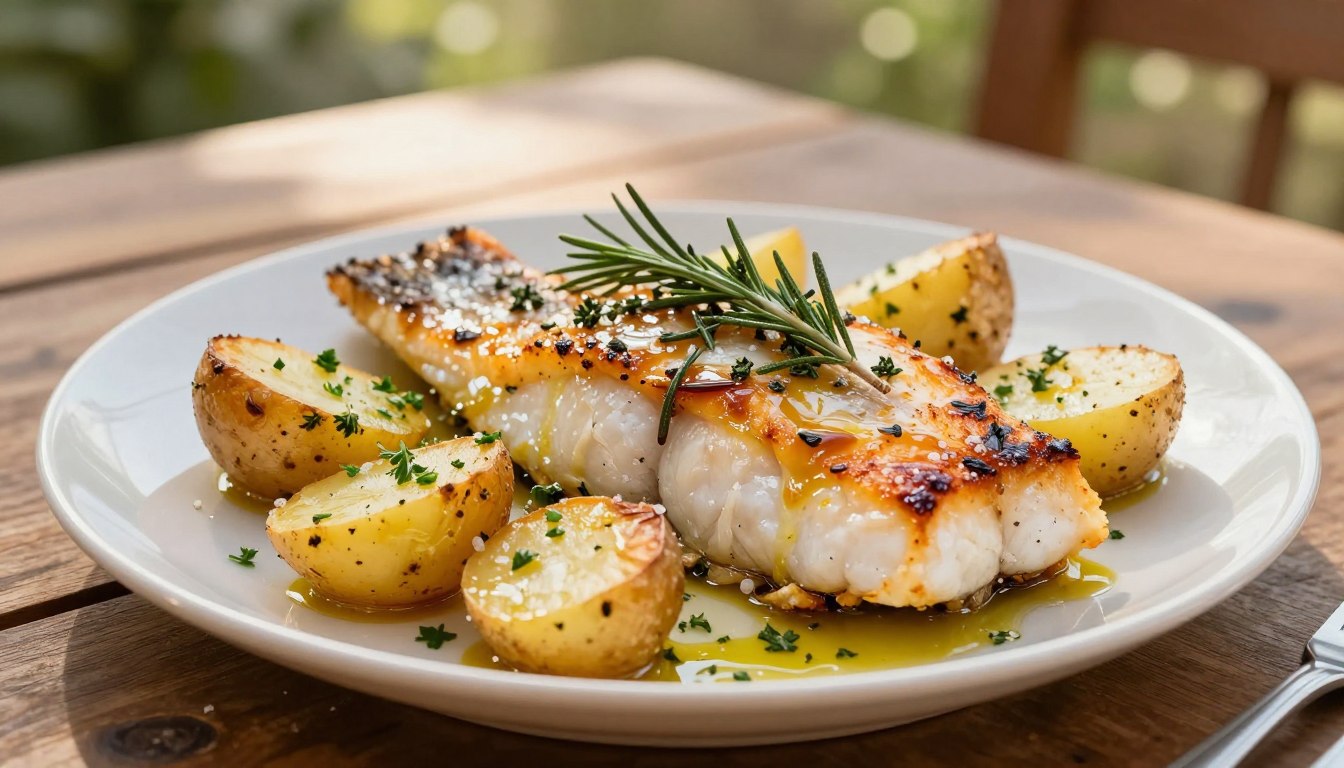
Put a generous amount of warm tomato and olive meddle in the center of each plate. Place a piece of fish over this flavorful base.
Put the crispy roasted potatoes on the side. The contrast between the tender fish and crisp potatoes is important. Add a fresh sprinkle of chopped parsley or basil.
For an authentic touch, serve with warm, crusty baguette slices. The bread is great for soaking up the juices.
The Best Wine Pairings for Provençal Baked Fish
The dish’s bright, herbal flavors need wines that are fresh and crisp. A dry rosé from Provence is the classic and perfect match.
Its light berry notes and acidity go well with the tomatoes and olives. If you prefer white wine, choose a Sauvignon Blanc or a Pinot Grigio.
These wines are zesty enough to cut through the richness without overpowering the fish. For a non-alcoholic option, sparkling water with lemon is refreshing.
Simple Green Salad or Steamed Vegetable Sides
A light side salad completes the meal. Mix fresh greens with a simple vinaigrette made from olive oil, lemon juice, Dijon mustard, salt, and pepper.
Steamed green beans or asparagus are also great sides. Their bright color and tender-crisp texture add visual appeal and nutrition.
This meal shows how simple ingredients can create amazing flavors. For more ideas, check out our collection of flavor-packed fish recipes.
Your table is now set with a complete, satisfying, and healthy Mediterranean seafood recipe. Gather everyone and enjoy the delicious results of your work!
Make It Your Own: Variations, Tips, and Tricks
This recipe is a great starting point for your own creations. The simple Provençal baked fish recipe is easy to change. You can use fresh ingredients or your favorite flavors.
Alternative Fish and Vegetable Swaps
Don’t stick to just one fish. Salmon and trout are great alternatives. They add a rich flavor to the dish.
For veggies, start with tomatoes and olives. But you can also add zucchini or eggplant. Just toss them with oil and salt. This makes the dish more colorful and filling.
Adjusting Herbs and Spices for Different Palates
Customize the herbs to your liking. Add lemon for a zesty taste. Or red pepper flakes for a spicy kick.
Not a fan of rosemary? Try thyme or herbes de Provence. Make your kitchen smell like the South of France, your way.
Meal Prepping and Leftover Storage Instructions
Chop tomatoes, olives, and garlic ahead of time. Store them in an airtight container. This saves you time when cooking.
Leftovers last up to two days in the fridge. Reheat in a warm oven for best results. This keeps the fish moist and potatoes crispy. Freezing is not recommended as it can make the fish and potatoes mushy.
Top 5 Mistakes to Avoid for First-Timers
Steer clear of these common mistakes for a first-time success.
- Overcooking the Fish: Check with your finger or a fork. It should flake easily but still be moist.
- Under-Seasoning: Season well with salt and pepper. Do this for both the fish and potatoes.
- Overcrowding the Pan: Give potatoes space on the sheet pan. This prevents them from steaming instead of roasting.
- Using Wet Fish: Pat the fillets dry with paper towels. This helps them sear and not become watery.
- Skipping the Resting Time: Let the fish sit for five minutes after baking. This allows the juices to settle.
Follow these tips, and your simple Provençal baked fish recipe will become a favorite in your kitchen.
Conclusion
Your journey through this Provençal baked fish recipe captures the heart of a timeless culinary tradition. You’ve made a dish that’s both comforting and elegant. It has a perfect balance of richness and freshness.
This meal shows that impressive flavor comes from simple, quality ingredients. It’s all about how you prepare them with care.
This experience is a direct window into traditional Provençal cooking. The method honors the region’s philosophy. It lets fresh fish, ripe tomatoes, fragrant herbs, and golden potatoes shine.
It’s a versatile blueprint for a healthful weeknight dinner or a special gathering. For more inspiration on easy, delicious meals, you can always explore more simple fish recipes.
Now, share this taste of the South of France at your own table. Let the aromas fill your kitchen and the flavors delight everyone. We hope this recipe becomes a cherished part of your cooking repertoire.
Remember, the best meals are often the simplest ones to make.