The Best Simple Japanese Teriyaki Fish
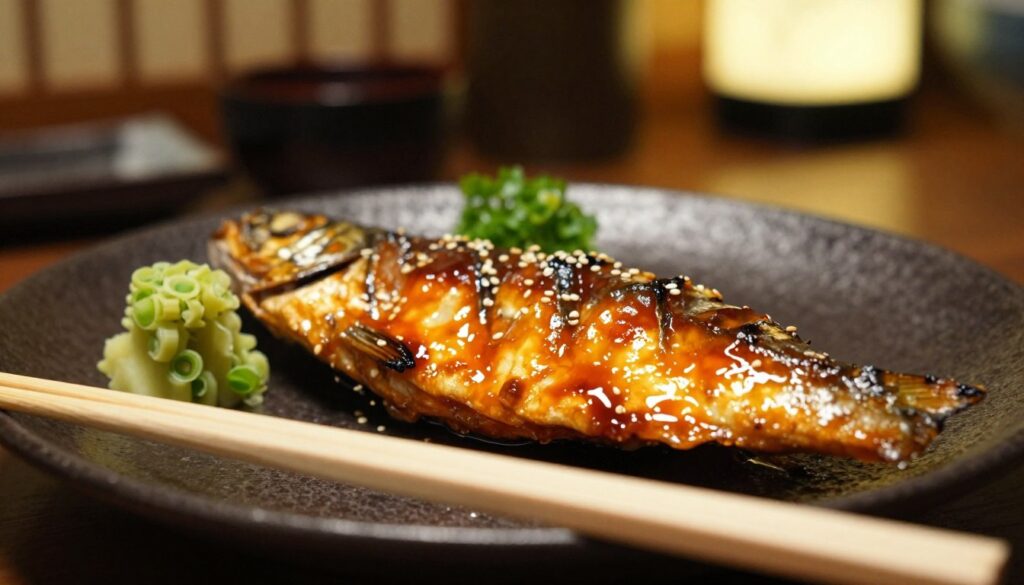
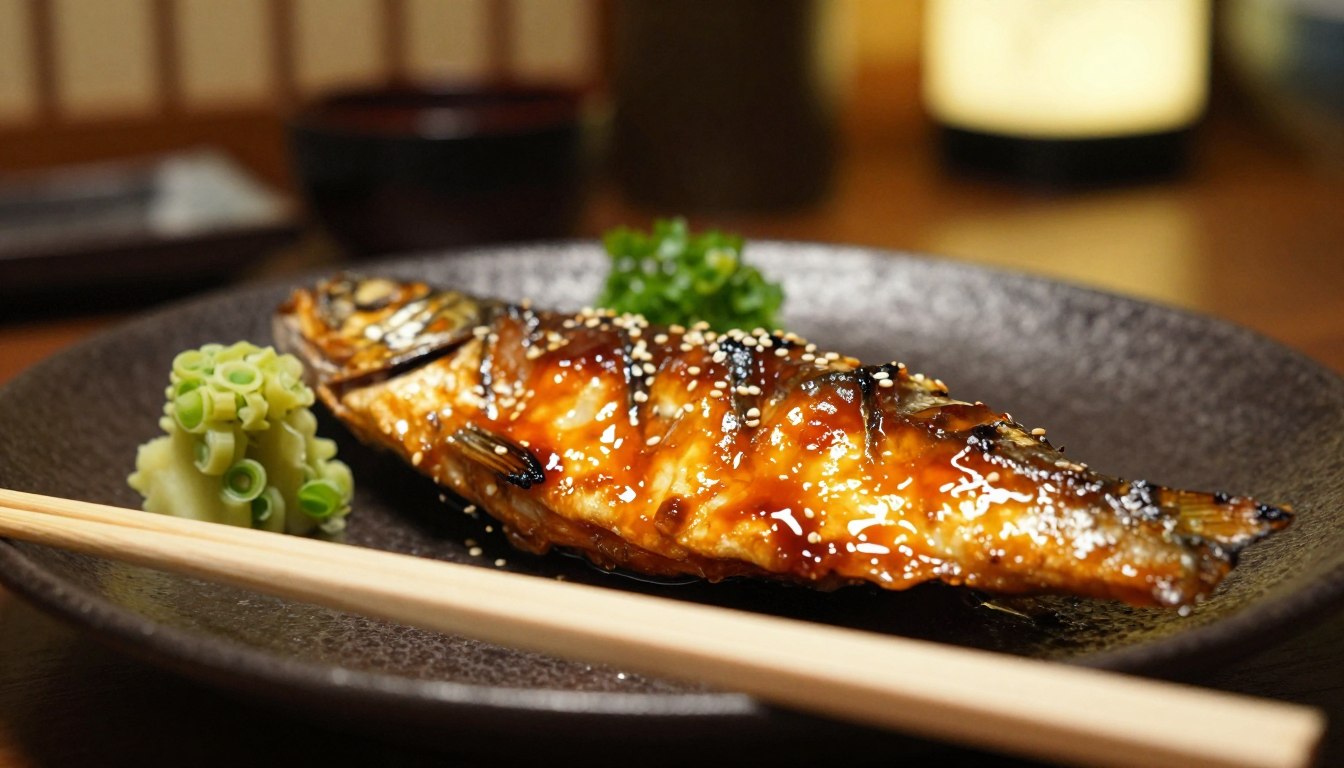
Imagine the moment when you see that glossy coating on your fish. The smell fills your home. Your family waits eagerly at the table. This is the magic of teriyaki, turning simple into unforgettable.
Teriyaki ( り き) started in Japan in the 1600s. It comes from “Teri” ( り), meaning shiny, and “Yaki” ( き), meaning grilled. It’s about brushing food with a shiny glaze called “tare.” This method creates a perfect mix of sweet and savory.
Japanese cooks have always preferred pan-frying over baking. They knew something special. Salmon, chicken, yellowtail, pork, and tofu are top choices for teriyaki in Japan. Each one becomes tender inside and caramelized outside, shining in the light.
Teriyaki is more than a sauce; it’s a cooking philosophy. It turns simple fish into something amazing. What you’re about to learn is the real Japanese way, not an American twist.
Key Takeaways
- Teriyaki ( り き) has roots dating back to Japan in the 1600s and combines “teri” (glossy) with “yaki” (pan-fried)
- The cooking method creates a shiny glaze called “tare” that balances sweet and savory flavors perfectly
- Japanese home cooks traditionally pan-fry teriyaki dishes instead of baking them for better results
- Salmon stands out as one of the most popular ingredients cooked teriyaki-style in Japan
- Teriyaki represents a complete cooking philosophy that elevates simple fish into restaurant-quality meals
- The glossy coating develops through proper pan-frying technique and sauce application
- Authentic teriyaki preparation delivers crispy skin and tender, flavorful fish every time
What Is Japanese Teriyaki Fish
Japanese teriyaki fish is a favorite cooking method in Asia. Many think it’s just a sauce, but it’s more. It’s a way to make your fish special. Once you understand teriyaki, you’ll see why it tastes so great.
The term “teriyaki” comes from Japanese words. “Teri” means shiny, and “yaki” means to grill. This method makes your fish shiny and sweet.
Teriyaki fish cooking involves a few key steps:
- Cook the fish until it’s almost done
- Brush on a shiny glaze called tare
- Let the sugar caramelize on the surface
- Get that glossy look
The Meaning Behind Teriyaki
“Teri” means shiny, and “yaki” means to grill. Together, they create a cooking method that makes food shiny. This shine means the sauce has caramelized and tastes amazing.
The shiny glaze comes from soy-based sweet sauce. Traditional teriyaki uses simple ingredients. The sugar in the sauce makes the food shiny when heated.
Traditional Japanese Cooking Method
The traditional teriyaki method has several steps. You start by cooking the fish. Then, you brush it with tare, the special glaze. Sometimes, cooks baste the sauce, and sometimes they add it to the pan.
| Cooking Approach | Description | Best For |
|---|---|---|
| Basting While Cooking | Brush sauce on during cooking process | Building glossy layers gradually |
| Pan-Frying Method | Add sauce to pan and reduce | Creating concentrated glaze |
| Hybrid Approach | Combine both basting and pan reduction | Maximum glossy finish |
Teriyaki salmon is the most popular fish in Japan. It’s called sake no teriyaki. The oily fish pairs well with the sweet soy glaze. Cooking teriyaki fish the traditional way follows methods perfected over generations.
Why This Japanese Teriyaki Fish Recipe Works

This Japanese-style teriyaki salmon recipe is a hit because it’s fast and full of flavor. You can make a meal that tastes like a restaurant in just 15 minutes. It’s perfect for when you’re short on time but want something tasty.
The recipe uses a simple sauce made of soy sauce, sake, mirin, and sugar. You don’t need a lot of special ingredients. This makes it quick and easy to prepare. The glaze in the pan does all the work, letting the salmon’s flavor stand out.
The secret to this recipe is how it’s cooked. You pan-fry the salmon until it’s golden and juicy, then add a sweet-savory glaze. This dish is done in over 10 minutes, but it looks and tastes amazing. The initial fry gives the fish a crispy crust while keeping it moist.
The starch coating on the salmon helps the glaze stick, giving it a shiny look. As the sauce cooks, the sugar caramelizes, thickening the glaze. Salmon’s fat keeps it tender, avoiding the dryness that can ruin fish dishes. For more tips on getting that perfect finish, check out this guide.
| What Works | Why It Matters | Your Benefit |
|---|---|---|
| No marination required | Sauce glazes quickly in the pan | Saves 30+ minutes of prep time |
| Four-ingredient sauce | Traditional and simple | Easy to remember and execute |
| One-pan cooking method | Reduces cleanup and complexity | Less time at the sink |
| Thin salmon fillets | Cook faster and more evenly | Restaurant results in 15 minutes |
| Starch coating application | Helps glaze adhere to fish | Creates glossy, appetizing finish |
This method beats longer cooking times because it keeps the fish moist. The quick pan-frying and glazing make the fish tender and flavorful. You get a restaurant-quality dish at home with hardly any effort. It’s easy and quick, yet tastes like you spent hours cooking.
Essential Ingredients for Authentic Teriyaki Fish
Making great teriyaki fish starts with the right ingredients. You need quality fish, basic pantry items, and the four essential teriyaki sauce components. Knowing what each ingredient does helps you make a dish that’s better than restaurant versions. Plus, you can make it with items you likely have at home.
Choosing the Right Fish for Teriyaki
Fish with oily and firm flesh are best for teriyaki. Salmon is the most popular choice, but kingfish, swordfish, and Spanish mackerel are great alternatives. These fish stay moist during cooking and have a firm texture that holds up well.
Choose skin-on salmon fillets that are ½ to ¾ inch thick. Thin, Japanese-style salmon fillets work well too. They cook evenly and give you crispy skin and tender flesh.
For seasoning, keep it simple with salt and pepper. Coat them with all-purpose flour before cooking. Cornstarch or potato starch are good gluten-free substitutes.
Understanding the Four Key Sauce Components
A homemade teriyaki sauce needs four main ingredients. Start with equal parts soy sauce, sake, and mirin, plus sugar. The amount of sugar can vary based on your taste. Each ingredient plays a key role:
- Soy sauce gives the sauce its salty, umami flavor
- Sake adds warmth and tenderizes the fish
- Mirin adds sweetness and gives the sauce its glossy shine
- Sugar balances the saltiness for your taste
You’ll also need cooking oil and butter for pan-frying. The oil heats the pan, and butter adds richness to the glaze.
Can’t find all the ingredients? No worries. Sake can be replaced with Chinese rice wine, dry sherry, or water. Mirin can be swapped with 1 tablespoon sake or water plus 1 teaspoon sugar. Use gluten-free soy sauce or tamari if needed. These substitutions help you make authentic teriyaki at home.
How to Make the Perfect Teriyaki Sauce

Making a real teriyaki sauce is easier than you think. It’s all about simplicity and balance. You only need four main ingredients to make a sauce that tastes like Japan’s home cooking.
First, get your ingredients ready. Mix together 1 Tbsp sake, 1 Tbsp mirin, 2 Tbsp soy sauce, and 1 Tbsp sugar. The sake and mirin add warmth and sweetness. Soy sauce gives it a deep umami flavor. Sugar adds a touch of sweetness. If the sugar doesn’t dissolve, microwave for 30 seconds to mix it well.
In Japanese cooking, you can adjust the seasonings as you like. You don’t have to stick to exact amounts. You can use less soy sauce or sugar if you want a lighter taste. Japanese cooks often taste and adjust the flavors based on their family’s traditions.
It’s also important to know what not to add. Traditional Japanese teriyaki only uses these ingredients. It doesn’t include rice vinegar, hoisin sauce, sesame oil, sesame seeds, green onion, or garlic. Ginger and soy sauce are great together for Asian flavors. But, traditional teriyaki keeps it simple without adding extra ingredients.
As you cook, the sauce will thicken on its own. You don’t need to add cornstarch. The flour or starch on the fish helps thicken it naturally. This way, you get a glossy sauce without using fancy tricks. For more tips on making sauce, check out the most versatile fish recipe.
- Whisk ingredients thoroughly for even mixing
- Microwave briefly to dissolve sugar completely
- Taste and adjust to your preference
- Let simmering do the thickening work
Step-by-Step Guide to Cooking Teriyaki Fish
Cooking teriyaki fish at home is easier than you think. With the right technique and attention to detail, you’ll create a restaurant-quality dish. This guide walks you through each stage of the cooking process, from prep work to the final glaze. You’ll learn professional tricks that transform ordinary salmon into an unforgettable meal.
Preparing Your Fish Fillets
The foundation of perfect teriyaki fish starts with proper preparation. Rinse and pat dry salmon under cool running water, then use paper towels to remove excess moisture. Dry fish cooks better and browns more evenly. Next, season both sides with salt and pepper to enhance the natural flavors of your fillet.
The secret step comes next: coat evenly with flour. This creates a protective layer that locks in umami and juices while helping sauce thicken and absorb better. The flour coating protects your fish during cooking, preventing the delicate flesh from drying out. Whether you’re working with salmon or other varieties, this technique makes all the difference in texture and taste.
- Pat salmon completely dry with paper towels
- Season both sides generously with salt and pepper
- Apply flour coating evenly across the surface
- Let coated fillets rest for one minute before cooking
Pan-Frying Techniques for Crispy Skin
Heat pan over medium heat and add oil and butter together. The oil prevents burning while butter adds rich flavor to your fish. This combination creates the perfect cooking environment for crispy, golden skin.
Sear the skin against hot pan for 15 seconds before laying fillet skin side down. This quick sear prevents the skin from curling. The presentation side goes in first for best browning, ensuring your fish looks as beautiful as it tastes. Cook 3 minutes until golden brown, then flip your fillet carefully.
Add 1 Tbsp sake, cover and reduce heat to low, steam 3-5 minutes. Sake adds moisture and subtle flavor while steaming cooks the interior gently. Check reliable cooking sources for detailed salmon preparation to master this essential technique.
| Cooking Stage | Temperature | Duration | Key Action |
|---|---|---|---|
| Searing Skin | Medium Heat | 15 seconds | Create initial crust |
| Initial Cook (Skin-Side Down) | Medium Heat | 3 minutes | Achieve golden brown color |
| Flip and Steam | Low Heat | 3-5 minutes | Cook interior through |
| Temperature Check | 125-130°F (52-54°C) | Use thermometer | Verify doneness at thickest part |
Glazing and Finishing Your Teriyaki Fish
Monitor the internal temperature of 125-130°F (52-54°C) at thickest part using a digital thermometer. This temperature ensures moist, tender fish that’s cooked through without becoming dry. Transfer salmon to plate once it reaches this point.
Add teriyaki sauce to pan, increase heat and bring to a simmer. When sauce boils, add salmon back to the pan. Spoon sauce over salmon repeatedly to build layers of glossy coating. The flour coating and reduction creates the glaze without cornstarch, giving you a natural, silky finish.
Watch carefully as the sauce thickens into a beautiful caramel glaze that clings to your fish. When sauce thickens and darkens slightly, turn off heat. For additional inspiration on fish lunch preparation, explore creative fish recipes designed for lunchtime that showcase similar glazing techniques.
- Transfer cooked salmon to serving plate
- Return pan to heat and add prepared teriyaki sauce
- Bring sauce to a rolling boil
- Return salmon to pan briefly
- Spoon thick sauce over fish several times
- Turn off heat when sauce reaches desired thickness
This method creates restaurant-quality teriyaki fish that looks stunning and tastes incredible. The combination of proper preparation, heat control, and careful glazing delivers layers of flavor and texture that you’ll want to recreate again and again.
Tips for Perfectly Cooked Teriyaki Salmon
Getting your teriyaki salmon right takes practice and attention to detail. The good news? Once you master a few key techniques, you’ll create restaurant-quality fish every time at home. Let’s walk through what makes the difference between average and amazing teriyaki salmon.
Selecting and Preparing Your Salmon
Start by choosing thin, Japanese-style salmon fillets with skin-on. Look for fillets sliced thin and diagonally, measuring about ½ to ¾ inch thick. You can find these cuts at Japanese grocery stores, where they understand what teriyaki cooking needs. This thickness prevents overcooking and keeps salmon juicy while letting it absorb seasoning faster than thicker cuts.
Before cooking, coat salmon evenly with flour. This step is the secret to juicy salmon because it creates a protective layer that seals in moisture. Don’t skip this part—the flour coating makes a real difference in your final dish.
Mastering the Pan-Frying Process
When you’re ready to cook, sear skin first before laying down your fillet. Place the presentation side (skin) down first for best browning. This makes skin crispy and delicious—the texture your guests will love. Japanese-style fillets cook faster than typical US cuts, so watch your timing closely.
Temperature Control for Perfect Results
This is where precision matters. Check internal temperature with a digital thermometer at the thickest part of your fish. Cook to 125-130°F (52-54°C). This takes out the guesswork that ruins many home-cooked meals.
Why not cook to the USDA recommended 145°F? Residual heat continues cooking your salmon after you remove it from the pan. Taking it out at 125-130°F to avoid overcooking gives you perfectly moist fish instead of dry, chalky salmon.
Sauce Application and Taste Adjustment
Once your salmon reaches the right temperature, apply your teriyaki glaze. Play with sauce ratios to taste—start conservative and add more if you want deeper flavors. Everyone’s preference differs, so adjust according to your taste.
| Cooking Step | Key Action | Temperature/Time |
|---|---|---|
| Preparation | Coat salmon evenly with flour | Room temperature |
| Searing | Skin side down first for browning | 3-4 minutes per side |
| Temperature Check | Use digital thermometer at thickest part | 125-130°F (52-54°C) |
| Glazing | Apply teriyaki sauce and adjust ratios | 1-2 minutes |
| Resting | Let residual heat finish cooking | 2-3 minutes before serving |
- Buy thin, Japanese-style salmon fillets from Japanese grocery stores
- Flour coating creates a protective layer that locks in moisture
- Sear skin-side down first to achieve crispy, delicious skin
- Use a digital thermometer for accuracy
- Remove salmon at 125-130°F to prevent overcooking
- Adjust sauce ratios based on your taste preferences
These tips work because they respect how Japanese-style fillets cook faster than typical US cuts. Once you nail these fundamentals, teriyaki salmon becomes your signature dish.
Best Fish Varieties for Teriyaki Preparation
Choosing the right fish is key for teriyaki. You want fish that’s oily and firm. This keeps the fish moist and tender. Teriyaki salmon is a top pick in Japan, but other fish work well too.
Look for fish with natural oils to prevent drying. White fish and lean types dry out fast. Oily fish stays moist, even if you’re a bit off on timing.
Salmon Versus Other Oily Fish
Salmon is the top choice for teriyaki. It’s firm and oily, making it hard to mess up. Yellowtail and kingfish fillet are great alternatives. Swordfish and Spanish mackerel add unique flavors.
Try using salmon cutlet for a different look. Some like cooking with backbones in, others remove them. A 2-3 lb salmon fillet feeds many and cooks evenly. For a tasty glaze, these fatty fish are perfect. Teriyaki glazed salmon is great with noodles.
Wild-Caught Versus Farm-Raised Options
Farmed salmon, like Atlantic and farmed King, is fattier. This lets you bake it longer without drying. These pieces are thicker and more forgiving for beginners.
Wild-caught salmon, like Coho and Sockeye, is thinner and less fatty. They cook quickly and can dry out. Wild salmon cooks faster to keep it moist. Wild King salmon is an exception, with more fat.
| Salmon Type | Fat Content | Thickness | Cooking Forgivability | Recommended Approach |
|---|---|---|---|---|
| Farmed Atlantic | High | Thicker pieces | Very forgiving | Standard cooking times, longer baking acceptable |
| Farmed King | High | Thicker pieces | Very forgiving | Standard cooking times, longer baking acceptable |
| Wild Coho | Low | Thinner pieces | Less forgiving | Reduce cooking time by 20-30 percent |
| Wild Sockeye | Low | Thinner pieces | Less forgiving | Reduce cooking time by 20-30 percent |
| Wild King | Moderate to High | Thicker pieces | Moderately forgiving | Standard cooking times with slight caution |
Perfect results are possible with any type of salmon. Start with farmed salmon if you’re new. Try sustainable options like arctic char for a clean flavor. Knowing your fish helps you cook it just right every time.
- Choose fish with oily and firm flesh for best results
- Farmed salmon is more forgiving for beginners
- Wild-caught varieties need shorter cooking times
- Adjust your technique based on fish type and thickness
- Consider sustainable sourcing when selecting your fish
Serving Suggestions and Side Dishes
Teriyaki salmon goes great with many side dishes for a balanced meal. For a healthy Japanese dinner, pair it with a veggie side, soup, and steamed rice. This mix offers all the nutrition and taste you need for a meal that feels like a restaurant at home.
Adding fresh, crisp veggies makes your meal pop. Try pan-seared asparagus for a tender bite. Green Bean Gomaae with sesame dressing adds a nutty flavor. For something creamy, Japanese Potato Salad is a great choice. Blanched Broccoli with Sesame Oil is quick and healthy.
Building Your Perfect Plate
Start with steamed rice as your base. It lets your teriyaki salmon shine and soak up the glaze. Add your favorite veggie side dish, then a warm Homemade Miso Soup to complete your meal.
- Green Bean Gomaae (Sesame Dressing)
- Pan-seared asparagus
- Japanese Potato Salad
- Homemade Miso Soup
- Spinach with Sesame Miso Sauce
- Blanched Broccoli with Sesame Oil
- Green Bean with Crumbled Tofu and Sesame
- Brussels Sprouts with Bacon
- Roasted Cauliflower Kale Salad
Finish with chopped green onion and sesame seeds. They add flavor and make your dish look great. The green onions cut through the salmon’s richness, while sesame seeds add a nutty crunch.
Creative Serving Options
Serve your teriyaki salmon in fun ways. Try it in a rice bowl for a casual meal. This is easy to eat and perfect for busy nights.
For a special touch, serve it on Ochazuke (Green Tea Over Rice). The hot green tea broth makes it a comforting, light meal. You can also mix it with noodles for a quick, tasty dish.
Pack it in bento boxes for lunch the next day. It’s a balanced, portable meal that stays fresh and tasty. Your coworkers will love your homemade Japanese lunch.
| Serving Style | Best For | Key Ingredients |
|---|---|---|
| Rice Bowl Dinner | Weeknight meals | Steamed rice, teriyaki salmon, vegetable side dish |
| Ochazuke | Light meals | Steamed rice, green tea broth, salmon, toppings |
| Noodle Bowl | Fusion dinners | Noodles, teriyaki salmon, sesame seeds, green onion |
| Bento Box | Lunch prep | Rice, salmon, vegetables, Tamagoyaki, miso soup |
Add a Tamagoyaki (Japanese rolled omelette) for extra protein and sweetness. It pairs well with teriyaki salmon and adds authentic Japanese flavor. Your dinner becomes a colorful, flavorful feast that makes healthy eating enjoyable.
Common Mistakes to Avoid When Making Teriyaki Fish
Cooking teriyaki fish at home can be a treat, but some mistakes can ruin it. Knowing these pitfalls helps you make meals that taste like they came from a restaurant. The main challenges are controlling heat and getting the sauce just right, both of which need practice.
Temperature Control and Timing
Overcooking is the biggest mistake home cooks make with teriyaki fish. Japanese-style fillets are thinner and cook faster than usual. A 1-inch thick fillet only needs 8–10 minutes in a 400°F oven, but many cook it for too long.
Use an instant-read thermometer to avoid overcooking. Cook your fish to 125-130°F (52-54°C) at the thickest part, not the USDA’s 145°F. Thinner Japanese-style fillets cook faster, and the lower temperature helps with carryover cooking.
Keeping the pan temperature right is crucial. Don’t let the butter burn. If the pan gets too hot, reduce the heat or take it off temporarily. This helps prevent the fish skin from burning while keeping the inside raw.
You can also bake instead of pan-frying. Make your sauce separately and brush the salmon with it several times while baking for 10-15 minutes. Baking times vary, with farmed salmon needing longer and wild salmon needing careful timing due to less fat.
Sauce Consistency Problems
Many cooks struggle with the right sauce texture. If your sauce is too thin, it might not have been reduced enough or you skipped adding flour or starch to the fish. The flour or starch on the fish helps thicken the sauce as it cooks.
A sauce that’s too thick usually means it was over-reduced or caramelized too much. Sugar can burn easily, making the glaze bitter and dark. Simmering naturally thickens the sauce, making a cornstarch slurry unnecessary.
Check out fish recipes for every cooking style for different sauce preparation methods that work well with your cooking method.
- Use medium heat for gentle reduction
- Stir your sauce every 30 seconds to prevent burning
- Watch for a glossy, syrupy consistency
- Test thickness by coating the back of a spoon
With patience, these common mistakes can be turned into perfectly cooked teriyaki fish dishes that impress everyone.
Storage and Leftover Ideas
To get the most out of your teriyaki salmon, learn how to store it right. Let the fish cool down to room temperature before storing. This keeps it moist and flavorful for days.
You can store leftovers in an airtight container. Keep it in the fridge for up to 3 days or freeze for 2 weeks. This makes meal planning easier when you want to prep ahead or save for later.
Proper Storage Methods
Using the right containers is key to keeping your teriyaki salmon fresh. Glass containers with tight-fitting lids are best. Make sure the lid seals well to keep air out.
| Storage Method | Time Frame | Best For |
|---|---|---|
| Airtight Container in Refrigerator | Up to 3 days | Quick weeknight meals |
| Freezer Storage | Up to 2 weeks | Meal prep and planning ahead |
| Individual Portions | Varies by method | Easy reheating and portion control |
Creative Ways to Use Leftover Teriyaki Salmon
Teriyaki salmon is great because you can use leftovers in many ways. You can make different meals without spending hours cooking.
- Flake the salmon and serve it on a rice bowl with fresh vegetables for a quick lunch
- Create a traditional Teriyaki Salmon Bento with rice, pickles, and steamed vegetables
- Pour hot broth or green tea over rice and top with flaked salmon for Ochazuke (Green Tea Over Rice)
- Mix the salmon into noodle dishes for extra protein and rich flavor
- Pack it into a Teriyaki Salmon Onigirazu (Rice Sandwich) for portable meals
Reheating for Best Results
Don’t use the microwave to warm up your leftover salmon. Instead, use a covered pan with a splash of water or sake. This gentle reheating keeps your fish moist and prevents it from becoming dry or rubbery. Heat on low to medium heat for just a few minutes until warmed through.
Conclusion
Authentic Japanese teriyaki fish is surprisingly simple to make. You just need four basic sauce ingredients and a simple pan-frying method. This recipe shows that cooking can be easy and authentic, without needing complicated methods or hard-to-find ingredients.
The dish is very flexible. It’s great for quick weeknight dinners and also impresses at special occasions. You can change it up to fit your taste, what you have on hand, and your dietary needs. Start with the basic recipe to learn the traditional way. Then, try different fish, adjust the sauce sweetness, and find fun ways to serve it.
Learning to make this dish connects you to Japan’s rich culinary history. You bring healthy, tasty meals to your family while honoring a long tradition. This skill also lets you try other Asian-inspired seafood recipes, growing your cooking skills and confidence.
Your journey into Japanese cooking is just starting. Share your dishes, ask for help when needed, and keep trying new things. Make this teriyaki fish a staple in your kitchen. As you cook more, your skills will keep getting better.