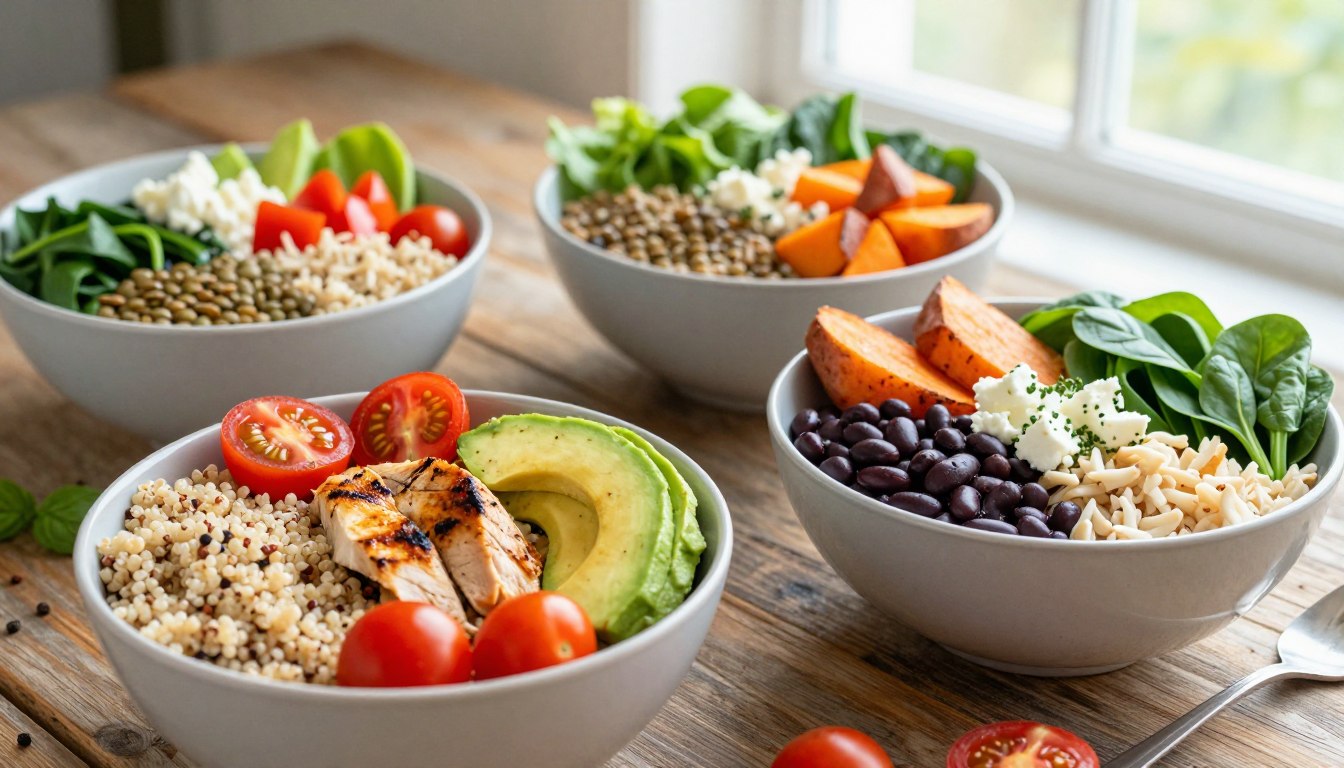
Protein-Packed Dinner Bowls for Clean Eating
Reflecting on my clean eating journey, protein-packed dinner bowls have been a game-changer. They’ve greatly improved my health and wellbeing.
These bowls are more than just a meal. They nourish my body with whole foods, fitting my unique needs. Experts say healthy protein bowls are great for a balanced diet.
By mixing protein, healthy fats, and complex carbs, I make a filling meal. Whether I need a quick high-protein dinner or a meal prep option, these bowls are perfect.
Key Takeaways
- Protein-packed dinner bowls are a nutritious and customizable meal solution.
- They can be tailored to meet individual dietary needs and preferences.
- A balanced bowl typically includes a mix of protein, healthy fats, and complex carbohydrates.
- These bowls are ideal for meal prep and can be prepared in advance.
- Clean eating dinner bowls promote overall health and wellbeing.
Why I Love Protein-Packed Dinner Bowls for Clean Eating
I love protein-packed dinner bowls because they’re great for clean eating. They’re a convenient and healthy way to feed my body. I can change them up to fit my diet and taste preferences. Whether I want something spicy or savory, I can make a bowl that hits the spot.
Protein-packed dinner bowls are perfect for meal prep. I can make them ahead of time and heat them up when I need to. This makes it easy to stay on track with my clean eating, even when I’m busy. Plus, I can switch up the ingredients to keep things interesting and ensure I’m getting all the nutrients I need.
Adding protein-packed dinner bowls to my clean eating routine lets me enjoy different flavors and nutrients. It helps me keep my diet healthy and balanced.
Essential Components of Healthy Protein Bowls
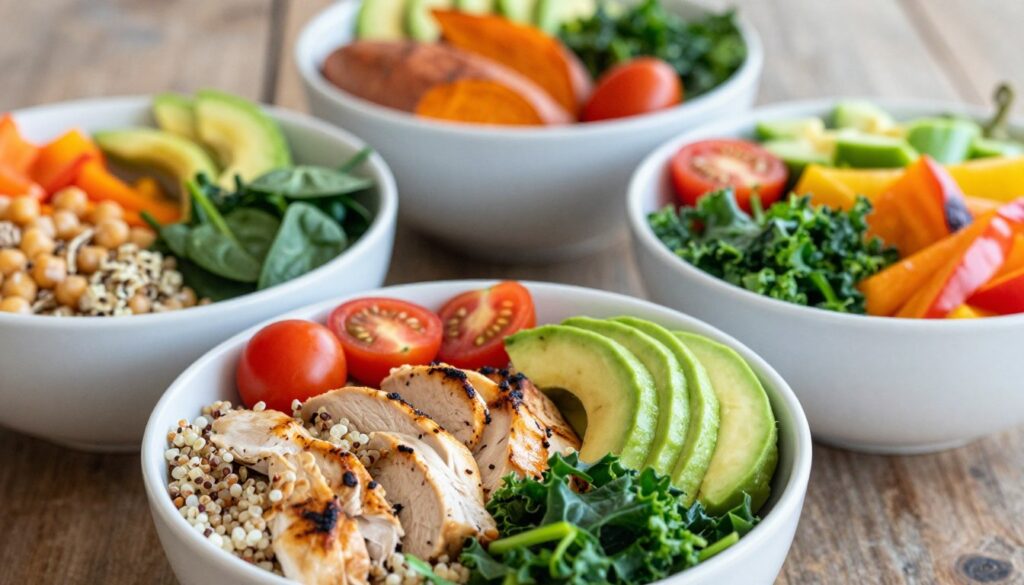
Healthy protein bowls are packed with good stuff. They’re both filling and full of nutrients. A great protein bowl has the right mix of everything your body needs.
Base Layer: Choosing Your Foundation
The base of your bowl is key. It gives you energy and fiber. I choose quinoa or brown rice for their health benefits. For a low-carb option, try cauliflower rice. Or, go for whole grain couscous for a lighter feel.
- Quinoa
- Brown rice
- Cauliflower rice
- Whole grain couscous
Vegetables: Adding Color and Nutrients
Vegetables bring color, texture, and lots of nutrients. I add roasted vegetables like sweet potatoes and broccoli. Spinach or kale are also great choices.
Healthy Fats for Satiety
Healthy fats keep you full and add flavor. Nuts and seeds like almonds and chia seeds are perfect. Avocado slices add a creamy touch.
- Almonds
- Chia seeds
- Flaxseeds
- Avocado
Flavor Boosters and Clean Eating Sauces
Flavor boosters and sauces make your bowl even better. I use herbs and spices for flavor without extra calories. Sauces like peanut sauce add taste and healthy fats.
- Peanut sauce
- Tahini dressing
- Herbs
- Spices
Best Protein Sources for Your Dinner Bowls
Choosing the right protein for your dinner bowl is key. Protein helps build muscles and keeps you full. There are many options, making it hard to pick the best.
Lean Animal Proteins: Chicken, Turkey, and Fish
Lean animal proteins are great for dinner bowls. They have lots of protein and less fat. Chicken, turkey, and fish are top choices.
Chicken breast is full of protein and easy to use in bowls. Turkey breast is lean and goes well with veggies and grains. Fish, like salmon, adds protein and omega-3s for heart health.
A nutrition expert says, “Adding lean proteins like chicken and fish makes meals better.” They’re full of amino acids and have less saturated fat.
Plant-Based Protein Options for Meatless Bowls
For a meatless diet, there are many plant-based protein options. Tofu, tempeh, and seitan are tasty and protein-rich. Legumes like lentils, chickpeas, and black beans are filling and protein-packed. Plant-based protein powders also add protein easily.
- Tofu and tempeh for versatile protein sources
- Lentils and chickpeas for high fiber and protein content
- Plant-based protein powders for convenience
Eggs and Dairy-Based Proteins
Eggs and dairy-based proteins like Greek yogurt and cottage cheese are great too. Eggs have all nine essential amino acids. Greek yogurt and cottage cheese are protein-rich and good for your gut.
Mixing different proteins in your dinner bowls is smart. It ensures you get all the nutrients you need. Remember, variety is key in your diet.
How I Build Balanced Dinner Bowls Step by Step
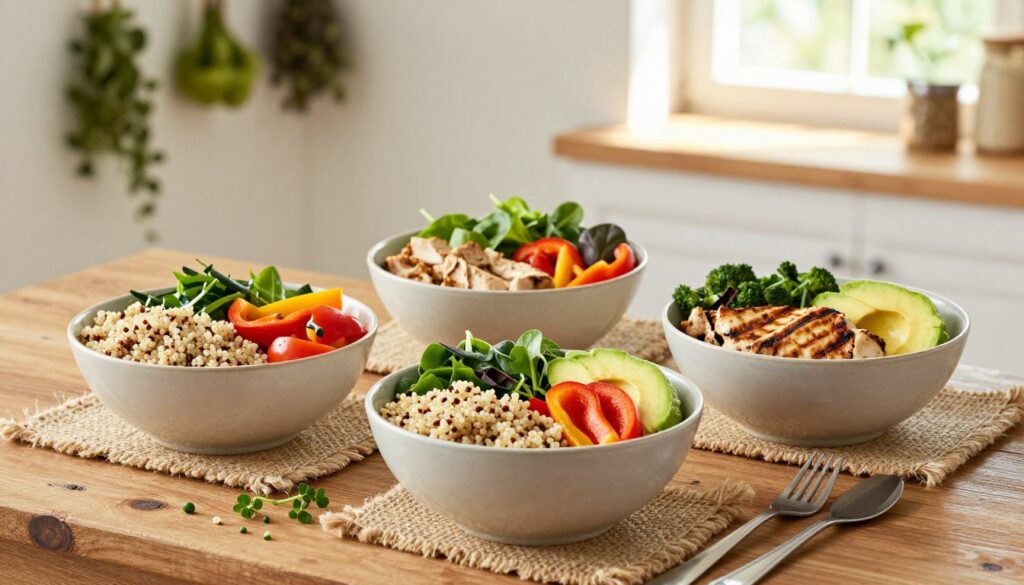
I’ve found a simple way to make balanced dinner bowls. This method makes sure my meals are tasty, healthy, and filling.
I start with a base layer, like whole grains or veggies. They give me energy and fiber. A study in the Journal of the Academy of Nutrition and Dietetics shows whole grains can lower disease risk.
“The key to a healthy diet is variety, and that’s exactly what you get with a well-built dinner bowl,” says a registered dietitian.
Next, I add protein. This can be lean meat, fish, or plant-based options like beans or tofu. Protein helps repair muscles and keeps me full.
Then, I add colorful veggies to boost the meal’s nutrition. They’re packed with vitamins, minerals, and antioxidants. A National Institutes of Health study found veggies can lower cancer risk.
After that, I add healthy fats like nuts, seeds, avocado, or olive oil. These fats make the bowl taste better and keep me satisfied. They’re also good for my brain and help me absorb vitamins.
Lastly, I top it off with a tasty sauce or seasoning. A nutrition expert says, “A good sauce can greatly improve your meal’s nutrition.”
| Component | Examples | Benefits |
|---|---|---|
| Base Layer | Quinoa, Brown Rice, Cauliflower Rice | Sustained Energy, Fiber |
| Protein Source | Chicken, Turkey, Fish, Beans, Lentils, Tofu | Muscle Repair, Satisfaction |
| Vegetables | Broccoli, Bell Peppers, Carrots, Spinach | Vitamins, Minerals, Antioxidants |
| Healthy Fats | Nuts, Seeds, Avocado, Olive Oil | Flavor, Satiety, Brain Function |
By following these steps, I make a meal that’s balanced and satisfying. Dinner bowls let me try new ingredients and flavors, keeping my meals interesting and healthy.
My Favorite High-Protein Dinner Bowl Recipes
I’m excited to share my favorite high-protein dinner bowl recipes. These bowls are delicious and full of nutrients. They’re perfect for a quick, healthy meal. I’ve mixed proteins, veggies, and whole grains to make them satisfying and nutritious.
Grilled Chicken Bowl with Quinoa and Roasted Vegetables
The grilled chicken bowl with quinoa and roasted vegetables is a top pick. It’s packed with protein, carbs, and fiber. I marinate the chicken in olive oil, lemon juice, and herbs before grilling.
Quinoa is a great base, offering a complete protein and fiber. Roasted veggies like broccoli, carrots, and bell peppers add sweetness and color.
Salmon Protein Bowl with Sweet Potato and Greens
The salmon protein bowl with sweet potato and greens is another favorite. Salmon is full of omega-3s, good for the heart and brain. I bake or grill the salmon and serve it over roasted sweet potato and greens.
This bowl is high in protein and vitamins and minerals.
Plant-Based Protein Bowl with Chickpeas and Tahini
For a plant-based option, I make a protein bowl with chickpeas and tahini. Chickpeas are a great protein and fiber source. I top them with tahini sauce and roasted veggies for extra flavor and nutrients.
This bowl is vegan-friendly and packed with protein.
Low-Carb Protein Dinner Bowl with Cauliflower Rice
When I’m watching carbs, I choose a low-carb protein dinner bowl with cauliflower rice. Cauliflower rice is low in carbs and rich in vitamins. I pair it with grilled chicken or shrimp and steamed veggies.
This bowl is low in carbs but high in protein and fiber.
Gluten-Free Dinner Bowl with Shrimp and Avocado
My gluten-free dinner bowl with shrimp and avocado is a staple. Shrimp is a lean protein source. I serve it with avocado and mixed greens or roasted veggies.
This bowl is gluten-free, making it perfect for those with dietary restrictions.
Meal Prep Tips for Protein-Rich Dinner Ideas
Meal prep is key for healthy dinners. Spending a few hours on the weekend helps me have nutritious meals all week.
I start by cooking a big batch of protein like grilled chicken or quinoa. Then, I divide it into containers for quick dinners. Choosing the right protein is important, whether it’s meat, fish, eggs, or plant-based options.
Next, I add different veggies to each container. Veggies add color, texture, and nutrients. I mix roasted and raw veggies for variety. Favorites include broccoli, bell peppers, and carrots.
Healthy fats are also crucial. I add nuts, seeds, or avocado to my containers. They give energy and keep me full.
To make meals exciting, I prepare various flavor boosters and sauces. Homemade salsa or tahini sauce are great. These sauces add flavor without processed condiments.
- Prepare your protein source in bulk.
- Portion out individual servings.
- Add a variety of vegetables to each serving.
- Incorporate healthy fats like nuts or avocado.
- Make a batch of clean eating sauces to add flavor.
These tips help me enjoy protein-rich dinners all week. It saves time and keeps my diet healthy.
Customizing Your Clean Eating Bowl Recipes for Different Goals
Protein bowls are great because you can change them to fit your health and fitness goals. You can adjust the ingredients and how much you eat. This way, you can make a meal that meets your needs, whether you’re trying to lose weight, build muscle, or improve your athletic performance.
Protein Bowls for Weight Management
For weight management, protein bowls can be very helpful. To make a bowl for weight control, use lean protein sources like chicken, turkey, or beans and lentils. Add lots of vegetables for nutrients and to stay full. Choose complex carbs like quinoa or brown rice to help with weight control.
Dinner Bowls for Muscle Building
If you want to build muscle, your bowl should have lots of high-quality protein and healthy fats. Use grilled chicken, salmon, or tofu as your protein. Add healthy fats like avocado or nuts. Sweet potatoes or whole grains are also key for energy and muscle recovery.
Macro-Balanced Meals for Athletic Performance
Athletes need a diet that gives them energy and helps them recover. For a bowl that boosts athletic performance, aim for a mix of complex carbohydrates, lean proteins, and healthy fats. Include quinoa, grilled chicken, and colorful veggies. Don’t forget to drink plenty of water for the best performance.
Customizing your protein bowl for your health and fitness goals is key. Whether you’re trying to lose weight, build muscle, or get better at sports, a well-made protein bowl can help a lot.
Common Mistakes I Avoid When Making Nutritious Dinner Ideas
Making healthy dinner bowls can be tricky. It’s easy to make mistakes that hurt their nutritional value. Knowing these errors helps you avoid them.
To make sure your dinners are both healthy and tasty, watch out for these common mistakes. Here are some key ones to avoid.
Skimping on Protein Portions
Not enough protein in your meals is a big mistake. Protein is key for muscle health and overall well-being.
For example, in a chicken bowl, use plenty of chicken breast or thighs. Aim for 3-4 ounces of protein per serving. This varies based on your needs.
Overlooking Vegetable Variety
Not mixing up your veggies is another mistake. Different veggies offer different nutrients. So, it’s important to have variety.
Try to include a variety of colors like bell peppers, carrots, and leafy greens. This ensures you get a wide range of nutrients.
Using Processed Sauces and Dressings
Processed sauces and dressings can ruin your meal’s healthiness. They’re often full of added sugars, salt, and unhealthy fats.
Make your own sauces with olive oil, herbs, and spices instead. A simple vinaigrette with olive oil and lemon juice is a healthier choice than store-bought.
Neglecting Proper Food Storage
Ignoring how to store food can lead to illness and nutrient loss. It’s important to store your food right.
| Food Item | Storage Method | Shelf Life |
|---|---|---|
| Raw Chicken | Refrigerate at 40°F or below | 1-2 days |
| Cooked Vegetables | Refrigerate in airtight containers | 3-5 days |
| Prepared Dinner Bowls | Refrigerate or freeze in airtight containers | 3-5 days (refrigerated), 3 months (frozen) |
By avoiding these mistakes, you can make healthy and enjoyable dinners. Stay aware and take steps to keep your meals nutritious.
Conclusion
Protein-packed dinner bowls are a great way to eat clean and healthy. They mix protein, veggies, whole grains, and fats for a balanced meal. This combo not only fills you up but also boosts your health.
It’s important to tailor your dinner bowls to fit your needs. Whether you want to lose weight, gain muscle, or just feel better, you can adjust the ingredients. This makes dinner bowls a flexible and effective choice for your meals.
Try out the tips and recipes from this article to make tasty, protein-rich meals. Start making your own protein-packed dinner bowls today. You’ll see how clean eating can make a big difference in your health and taste buds.



One Comment