The Best Simple Foods to Eat to Fight Inflammation
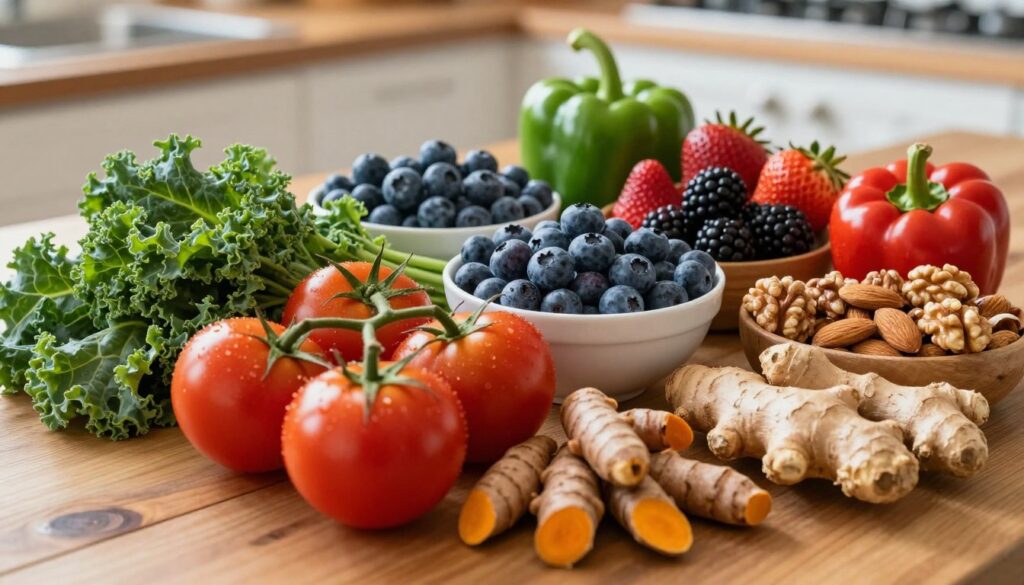
Ever felt a nagging worry about your health? You might have heard that inflammation causes many modern diseases. This makes you wonder what you can do about it.
Here’s the empowering truth: a powerful tool isn’t in your medicine cabinet. It’s at the grocery store.
Inflammation is your body’s natural defense. But chronic inflammation is linked to serious diseases like heart disease, diabetes, and arthritis.
The good news is simple. By choosing the right foods, you can reduce this internal heat. It’s not about a strict diet. It’s about making delicious, calming choices for a healthier you.
This is your friendly guide. We’ll look at science-backed foods you can enjoy today. For more on fighting inflammation, check out this resource from Harvard Health on foods that fight inflammation.
Key Takeaways
- Chronic inflammation is linked to major diseases like heart disease, diabetes, and Alzheimer’s.
- Your diet is a powerful, simple tool to combat this internal fire.
- Effective anti-inflammatory foods are common, everyday items you can find at any store.
- This approach focuses on adding delicious, healthy choices, not on deprivation.
- Starting with small changes to what you eat can have a significant impact on your long-term well-being.
Turning Down the Heat: How Food Can Fight Inflammation
Using your fork to cool internal fires is more than a saying; it’s backed by science. Inflammation is crucial for fighting infections and healing injuries. But, when it doesn’t stop, it becomes harmful. You have the power to control this with every meal.
What Chronic Inflammation Does to Your Body
Acute inflammation is like your body’s emergency team. It shows up to heal cuts and fight colds. Once the job is done, it leaves.
Chronic inflammation is different. It’s a long-lasting, low-grade alert state. It’s like a fire that never goes out, quietly damaging tissues.
This ongoing stress increases the risk of serious conditions. These include heart disease, type 2 diabetes, and autoimmune disorders. You often can’t see or feel this inflammation until it causes big problems.
Why Your Diet is the First Line of Defense
What you eat sends signals to your immune system. Some foods, like processed snacks and sugary drinks, can make inflammation worse. Others can help calm your body’s response.
Experts say diet is key. Dr. Frank Hu, a Harvard professor, notes:
“Many experimental studies have shown that components of foods or beverages may have anti-inflammatory effects.”
Building an anti-inflammatory diet is a direct action you can take. It’s about choosing foods that reduce inflammation regularly. While exercise, sleep, and stress management are important, your diet is the foundation. For inspiration, check out these vegan salad recipes packed with nutrients.
A Friendly Warning: Partnering with Your Doctor
This information is for educational purposes to empower you. It’s not a substitute for medical advice.
If you think you have chronic inflammation or a health condition, talk to your doctor. They can provide tests, diagnosis, and a personalized health plan.
Think of this guide as a helpful resource. Your healthcare provider is your essential partner. For more on this process, check out this comprehensive guide to inflammation and turning down the.
The Core Anti-Inflammatory Foods: Your Essential List
Discovering an anti-inflammatory lifestyle isn’t about pills. It’s about filling your plate with fruits, vegetables, and healthy fats. This anti-inflammatory foods list is your guide to better health. It’s like a blueprint for your grocery shopping.
The Simple Principle: Whole, Colorful, and Natural
Forget about restrictive diets. The key is simple: choose whole, colorful, and natural foods. Focus on a rainbow of produce, healthy fats, and lean proteins over processed foods.
“An anti-inflammatory diet isn’t about subtraction; it’s about addition. Load up on the good stuff, and the rest tends to fall into place.”
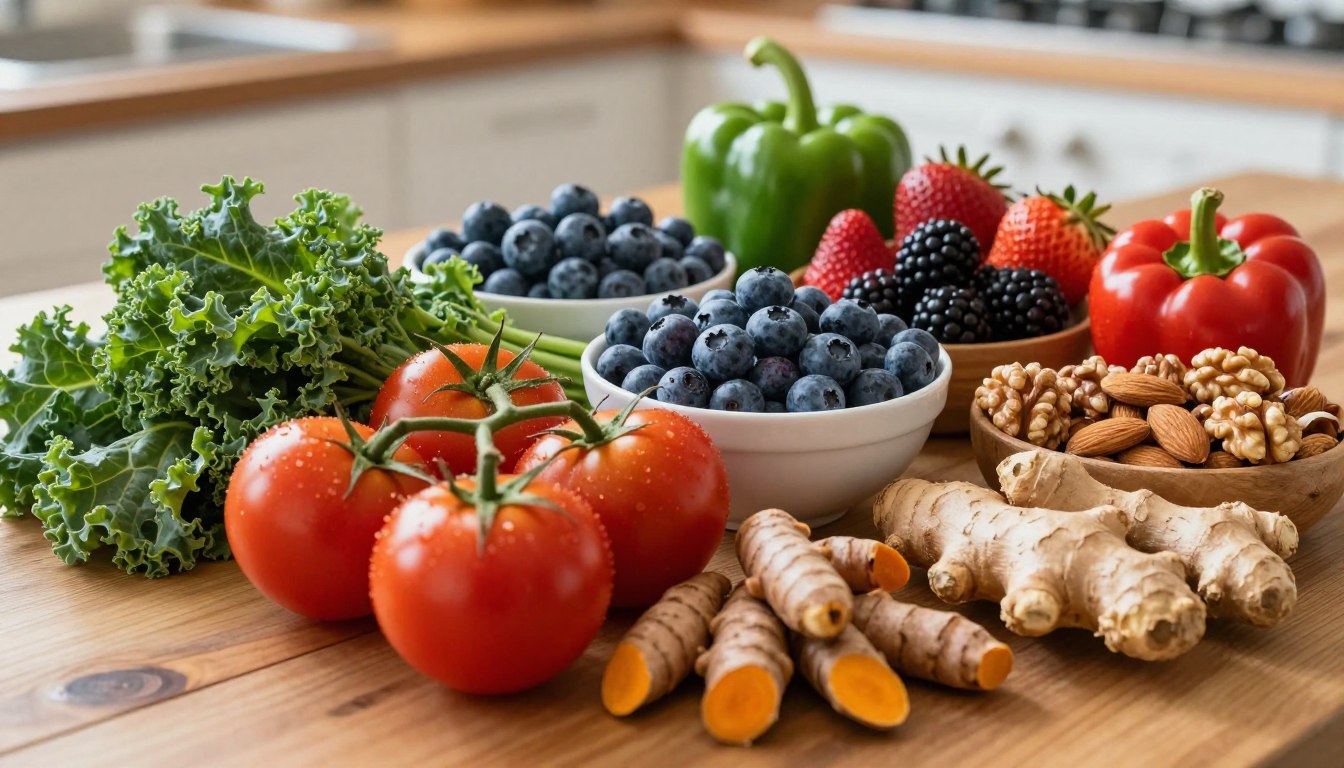
Research from Kaiser Permanente shows the importance of tomatoes, olive oil, and green leafy vegetables. Nuts, fatty fish, and fruits like strawberries and oranges are also key. These are the core natural anti-inflammatory foods.
This eating style is similar to the Mediterranean diet. It’s rich in fish, vegetables, and olive oil. It focuses on whole, colorful foods that nourish you from the inside.
How to Use This Guide to Transform Your Meals
This list is your tool, not a strict rulebook. You don’t need to change everything at once. Start by adding new items to your cart each week. Small changes can lead to big improvements.
Begin with a better breakfast. Check out these 15 healthy breakfast ideas to start your day. The goal is to make your meals more satisfying, not less.
Here’s a breakdown of the core food groups for your anti-inflammatory toolkit:
| Food Category | Key Examples | Primary Anti-Inflammatory Benefit |
|---|---|---|
| Colorful Fruits & Berries | Blueberries, strawberries, oranges, cherries | Packed with antioxidants like vitamin C and anthocyanins that combat oxidative stress. |
| Powerful Vegetables | Spinach, broccoli, kale, bell peppers, tomatoes | Rich in fiber, vitamins, and compounds like sulforaphane that help regulate the body’s inflammatory response. |
| Healthy Fats | Avocados, extra virgin olive oil, walnuts, chia seeds | Provide monounsaturated fats and omega-3s, which are building blocks for anti-inflammatory hormones. |
| Smart Proteins | Salmon, sardines, lentils, chickpeas | Omega-3s in fish and fiber in legumes directly help lower inflammatory markers. |
| Healing Herbs & Spices | Turmeric, ginger, garlic, cinnamon | Contain potent bioactive compounds (like curcumin in turmeric) that inhibit inflammatory pathways. |
Use this table as a quick reference. Your mission is simple: include more foods from these columns in your daily routine. Let this list inspire your next meal and guide you toward a healthier, more vibrant you.
Step 1: Load Up on Colorful Fruits and Berries
Imagine turning your grocery cart into a rainbow of healing. This is the power of Step 1 in your anti-inflammatory plan. Those bright, vibrant colors are more than just pretty. They are signals of powerful compounds that directly combat inflammation in your body.
Packed with antioxidants, these natural sweets support your immune system. They help fight inflammation from the inside out. Making them a daily habit is one of the simplest and most effective dietary shifts you can make.
Blueberries, Strawberries, and Raspberries
Think of berries as tiny, flavorful bombs of healing power. Their deep blues, reds, and purples come from anthocyanins. These are potent antioxidants that studies show can help reduce inflammatory markers in the body.
They are incredibly versatile and easy to love. You can stir a handful into your morning yogurt for a flavor boost. For a quick, nutrient-packed meal, you can blend them into best smoothie breakfast recipes. Another great tip is to keep a bag of frozen berries handy for a cool, satisfying snack any time.
Cherries (Especially Tart Cherries)
Cherries, particular the tart varieties, are true superstars on the list of top anti-inflammatory foods. They are also rich in anthocyanins. But they offer an extra benefit: melatonin.
This natural compound can aid better sleep and support your body’s recovery processes. A small glass of 100% tart cherry juice is a delicious way to get these benefits. For a portable option, toss a few dried cherries into your homemade trail mix for a sweet and tart punch.
Oranges, Lemons, and Other Citrus
Don’t overlook the sunny citrus family. Oranges, lemons, limes, and grapefruits are bursting with vitamin C and flavonoids. This dynamic duo is excellent for immune support and actively helps soothe inflammation.
Research continues to highlight the fruits’ anti-inflammatory benefits, with citrus playing a key role. It’s easy to add them to your day. Simply squeeze fresh lemon juice over steamed vegetables or a salad. Keep easy-to-peel clementines on your desk for a refreshing, vitamin-C-rich snack.
Starting your anti-inflammatory journey with these colorful foods is both simple and rewarding. You’re not just eating fruit—you’re choosing powerful allies to help your body feel its best.
Step 2: Pile Your Plate with Powerful Vegetables

Forget bland side dishes; these vegetables are packed with health benefits. Experts say to eat at least six half-cup servings of vibrant vegetables every day. Choose the most powerful ones to make your servings count.
When you fill half your plate with these heroes, you get a flood of vitamins and minerals. These nutrients help soothe your body. Let’s look at the top choices.
Dark Leafy Greens: Spinach, Kale, and Arugula
These greens are the nutrient-dense foundation. Their deep green color shows their strength.
Key Anti-Inflammatory Compounds: Vitamin K, Antioxidants.
These greens have vitamin K and many antioxidants. They help calm cellular stress and support healthy blood flow. This is key for managing inflammation.
Simple Ways to Eat Them: Massage Kale for Salads, Sauté Spinach with Garlic, Blend into Soups.
You don’t need fancy recipes. Massage kale with olive oil and lemon for a quick salad. Sauté spinach with garlic for a fast side dish. Blend arugula or spinach into soups or smoothies for a nutrient boost.
Broccoli, Cauliflower, and Brussels Sprouts
This family of veggies has a secret weapon. Chopping or chewing them releases a powerful compound.
Key Anti-Inflammatory Compounds: Sulforaphane.
This compound is called sulforaphane. It’s a strong natural agent for switching on your body’s detox and anti-inflammatory pathways.
Simple Ways to Eat Them: Roast with Olive Oil, Rice Cauliflower as a Base, Shred Brussels for a Slaw.
Roasting makes these veggies special. Toss broccoli or Brussels sprouts with olive oil, salt, and pepper, then roast until crispy. Pulse cauliflower into “rice” for a low-carb base. Shred Brussels sprouts thinly for a crunchy slaw.
Bright Peppers, Tomatoes, and Beets
These veggies add color and protection to your plate. Each color has a different protective compound.
Key Anti-Inflammatory Compounds: Lycopene, Betalains.
Tomatoes and red peppers are known for lycopene, which is more potent when cooked. Beets get their color from betalains, which reduce oxidative stress and inflammation.
Simple Ways to Eat Them: Slice Peppers for Crudités, Add Tomatoes to Sauces, Roast Beets for Salads.
Keep sliced bell peppers in the fridge for a quick snack. Add diced tomatoes to soups or scrambled eggs. Roasting beets makes them sweet; peel, cube, and roast them for a salad or grain bowl.
| Vegetable Group | Star Compounds | Top Health Benefit | Easiest Preparation Method |
|---|---|---|---|
| Dark Leafy Greens (Spinach, Kale) | Vitamin K, Antioxidants | Calms cellular stress & supports circulation | Sauté with garlic or blend into soups |
| Cruciferous Veggies (Broccoli, Brussels Sprouts) | Sulforaphane | Activates body’s natural detox pathways | Roast with olive oil for caramelized flavor |
| Bright Color Veggies (Tomatoes, Beets) | Lycopene, Betalains | Reduces oxidative stress and inflammation | Use in sauces or roast to enhance sweetness |
Mixing and matching from these groups is best. A lunch with kale salad, roasted broccoli, and tomatoes hits all the marks. By eating these inflammation-fighting foods, you build a strong diet. Enjoy each colorful, delicious bite.
Step 3: Incorporate Healthy, Inflammation-Fighting Fats
Think fat is the enemy? Not all fats are bad. Healthy fats help your body absorb vitamins and keep your brain and cells working right. Some fats even calm inflammation.
Our goal is simple: swap out unhealthy fats for better ones in your meals. This is key to eating healthy anti-inflammatory foods.
Avocados
Avocados are a superstar for a reason. They’re full of monounsaturated fats and fiber. These help soothe inflammation and make you feel full and nourished.
Key Anti-Inflammatory Compounds
Avocados’ monounsaturated fats lower inflammatory markers in your blood. Their fiber feeds good gut bacteria, which fights inflammation too.
Simple Ways to Eat Them
- Mash ripe avocado on whole-grain toast for a quick, hearty breakfast.
- Dice them into salads, grain bowls, or tacos for a creamy texture.
- Blend with lime juice and herbs to make a delicious, dairy-free dressing or dip.
Extra Virgin Olive Oil
Extra virgin olive oil is key to the Mediterranean diet. It’s famous for its anti-inflammatory effects. A compound called oleocanthal blocks inflammatory pathways, similar to ibuprofen.
For the best benefits, use it for cooking and finishing dishes.
Key Anti-Inflammatory Compounds
Oleocanthal is the powerful compound in high-quality olive oil. It’s what gives it a peppery taste, showing its anti-inflammatory strength.
Simple Ways to Eat Them
- Drizzle generously over finished soups, roasted vegetables, and pasta.
- Whisk with vinegar or lemon juice to create simple, healthy vinaigrettes.
- Use for light sautéing or roasting at medium temperatures to preserve its nutrients.
Walnuts, Almonds, and Chia Seeds
Nuts and seeds are packed with healthy fats and fiber. Walnuts and chia seeds are great for omega-3s, which fight inflammation.
Key Anti-Inflammatory Compounds
Omega-3 fatty acids (ALA) are the main anti-inflammatory in walnuts and chia seeds. Almonds add monounsaturated fats and vitamin E, plus fiber.
Simple Ways to Eat Them
- Enjoy a small handful of walnuts or almonds as a perfect afternoon snack.
- Sprinkle chia seeds or chopped nuts on your morning oatmeal or yogurt.
- Spread almond or walnut butter on apple slices or celery sticks.
- Add a tablespoon of chia seeds to smoothies for a thick, nutrient boost.
By adding avocados, olive oil, nuts, and seeds to your kitchen, you’re not just adding flavor. You’re choosing fats that heal and protect your body.
Step 4: Choose Smart Proteins that Soothe
Protein is key for fixing and building your body. But, not all proteins fight inflammation well. The right ones calm your body, while others might make it worse. It’s about picking proteins that help you, not harm you.
Think of protein as a tool. Choose lean, nutrient-rich sources. Harvard’s anti-inflammatory diet guide is a great resource. It gives you science-backed tips. Let’s look at the top two protein types.
Fatty Fish: Salmon, Mackerel, and Sardines
These fish are top anti-inflammatory proteins. They’re full of omega-3 fatty acids, EPA and DHA.
Key Anti-Inflammatory Compounds: EPA and DHA Omega-3s
These fats are very powerful. Studies show they can lower inflammatory markers in your blood. Since your body can’t make them, you need to eat them.
Simple Ways to Eat Them
Aim for two to three servings a week. A serving is about 3-4 ounces, like a deck of cards.
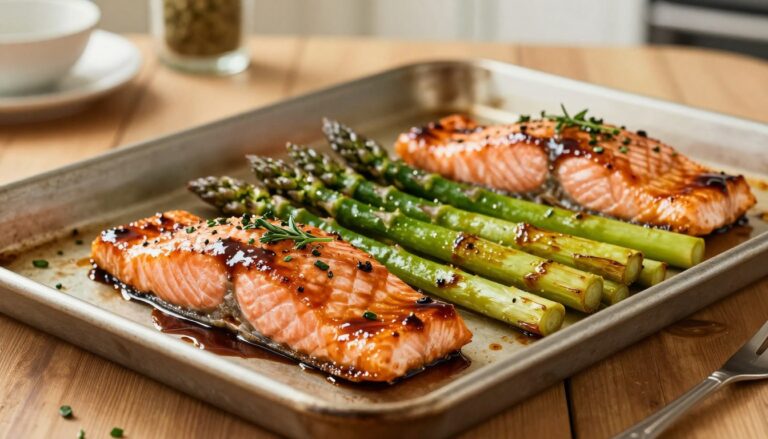
- Bake a salmon fillet with lemon and fresh dill.
- Flake canned sardines or mackerel over a leafy green salad.
- Make a quick tuna salad with olive oil instead of mayo.
Beans, Lentils, and Chickpeas
Don’t like fish? No worries. Plant-based proteins are great anti-inflammatory foods. They’re full of fiber and antioxidants, which fight inflammation in a different way.
Key Anti-Inflammatory Compounds: Plant-Based Protein and Fiber
The fiber in beans and lentils feeds your good gut bacteria. A healthy gut means less inflammation. They also give you steady energy without raising your blood sugar.
Simple Ways to Eat Them
These affordable foods are very versatile. Keep your pantry full.
- Toss together a colorful three-bean salad with a vinaigrette.
- Add red or brown lentils to soups and stews for extra heartiness.
- Toss chickpeas with olive oil and spices, then roast until crunchy for a perfect snack.
| Fatty Fish | Plant-Based Proteins |
|---|---|
| Key Benefit: Direct source of EPA/DHA omega-3s | Key Benefit: Rich in fiber and gut-friendly nutrients |
| Serving Goal: 2-3 times per week | Serving Goal: Daily, as part of meals |
| Simple Idea: Herb-baked salmon | Simple Idea: Roasted spiced chickpeas |
The best plan? Mix it up. Eat fatty fish a few times a week and add beans or lentils to your daily meals. This gives you many anti-inflammatory compounds and keeps your meals interesting and varied.
Step 5: Boost Flavor with Healing Herbs and Spices
Seasoning your food is key to fighting inflammation. Herbs and spices are packed with good stuff. They turn simple foods into tasty, healing meals.
Turmeric (and Black Pepper)
Turmeric is a golden spice that fights inflammation. It has a powerful compound called curcumin. But, your body doesn’t absorb it well alone.
Black pepper helps. It has piperine, which boosts curcumin absorption. Use them together for the best effect.
Key Anti-Inflammatory Compounds: Curcumin (enhanced by piperine in black pepper)
Curcumin blocks inflammatory pathways in your cells. Piperine makes sure you get the most benefit.
Simple Ways to Eat Them
- Add a pinch to scrambled eggs or tofu.
- Stir into soups, stews, and lentil dishes.
- Make a soothing “golden milk” latte with warm milk, turmeric, black pepper, and a touch of honey.
Ginger and Garlic
Ginger and garlic do more than add flavor. They’ve been used for centuries for health. Ginger is sharp and warming, while garlic is savory.
Key Anti-Inflammatory Compounds: Gingerol, allicin
Gingerol in ginger fights inflammation and is antioxidant. Allicin in garlic is key to its health benefits.
Simple Ways to Eat Them
- Grate fresh ginger into hot water for tea, or add it to smoothies.
- Mince fresh garlic and let it sit for 10 minutes before cooking to activate allicin. Add it to sauces, sautés, and dressings.
- Use both generously in stir-fries, marinades, and vegetable roasts.
Cinnamon and Rosemary
Sweet and earthy flavors are important too. Cinnamon and rosemary add unique compounds to your meals. They make healthy eating aromatic and satisfying.
Key Anti-Inflammatory Compounds: Cinnamaldehyde, rosmarinic acid
Cinnamaldehyde in cinnamon has anti-inflammatory properties. Rosmarinic acid in rosemary is a strong antioxidant.
Simple Ways to Eat Them
- Sprinkle cinnamon on your morning oatmeal, yogurt, or even your coffee.
- Add a cinnamon stick to simmering soups or rice.
- Use fresh rosemary sprigs on roasted potatoes, carrots, or chicken.
- Chop fresh rosemary and mix it into olive oil for a simple bread dip.
Using herbs and spices a lot helps reduce salt and sugar. You get more flavor and support your health. Making them a daily habit is a tasty step towards better health.
Step 6: Hydrate with Anti-Inflammatory Beverages

While focusing on your food, don’t overlook your drinks. What you drink can help calm inflammation. Avoid sugary sodas and fancy coffee drinks. Excessive alcohol also promotes inflammation. Choosing the right drinks is a simple step to reduce inflammation.
This step turns hydration into a healing ritual. Let’s look at two essential drinks to drink every day.
Green Tea
Green tea is a superstar in soothing drinks. It’s full of antioxidants called polyphenols that fight oxidative stress. Black and white teas also have benefits, but green tea is most celebrated.
Key Anti-Inflammatory Compounds: Epigallocatechin-3-gallate (EGCG)
Green tea’s secret is EGCG, a powerful polyphenol. Studies show EGCG blocks inflammatory pathways at a cellular level. This makes it a top choice for reducing inflammation.
Simple Ways to Drink It
You don’t need to be a tea expert. Just steep a bag or loose-leaf green tea for 2-3 minutes. Drink 1 to 3 cups daily. For a twist, brew a pot, cool it, and pour it over ice with lemon.
Water: Your Most Important Drink
Plain water is incredibly powerful. It supports every process in your body, including inflammation management.
Key Benefit: Flushes Toxins and Reduces Inflammatory Load
Water is your body’s detoxifier. It helps your kidneys remove waste and toxins that cause inflammation. Proper hydration keeps your cells working well, reducing inflammation.
Simple Tip: Infuse with Cucumber, Lemon, or Berries for Flavor
If plain water is too plain, add flavors. Keep a pitcher in your fridge and mix in natural flavors. Try these:
- Cucumber & Mint: Refreshingly calming.
- Lemon or Lime Slices: Boosts vitamin C and adds zest.
- Mixed Berries: Adds sweetness and color.
Don’t forget about coffee! In moderation, black coffee is anti-inflammatory. Just avoid sugar and creamers.
By choosing green tea and infused water, your drinks become allies against inflammation. What you drink matters a lot.
Foods and Habits to Reduce for Less Inflammation
Knowing what foods to avoid can boost your efforts to eat well. It’s not about making a list of bad foods. It’s about making smart choices that help your healthy foods work better.
Processed Snacks, Sugary Drinks, and Refined Carbs
White bread, pastries, chips, and soda raise your blood sugar quickly. This leads to inflammation. Eating these foods often keeps inflammation going.
It’s not about feeling deprived. Try sparkling water with lemon instead of soda. Choose whole-grain bread and nuts or fruit over chips. These changes are key to a anti-inflammatory diet.
For more ideas on balanced meals, check out these healthy eating tips. They help you cut down on inflammatory foods.
Unhealthy Cooking Oils and Trans Fats
Not all fats are good for you. Avocados and olive oil are soothing, but some fats are bad. Trans fats in fried foods and baked goods are harmful.
Using saturated fats like lard for cooking is also bad. Choose extra virgin olive oil or avocado oil instead. This simple change is good for your health.
Excessive Alcohol and Processed Meats
Having a drink now and then is okay, but too much is bad. It can upset your gut and liver, causing inflammation. Drink in moderation.
Processed meats like hot dogs and sausages have preservatives that can cause inflammation. They’re also high in bad fats. Treat them as occasional foods. Balance your meals with vegetables. For a good lunch, try these high-protein lunches made with whole foods.
Don’t aim for perfection. The goal is to make healthy choices most of the time. By reducing common triggers, your anti-inflammatory diet can help you feel your best.
Your Simple Anti-Inflammatory Meal Plan in Action
Start your journey to less inflammation with a sample day of eating. You’ll learn simple swaps to make today. This plan combines the best anti-inflammatory foods into tasty, easy meals.
Consistency is key. The whole diet is more than its parts. Eat half your plate with veggies at lunch and dinner to start.
A Sample Day of Eating to Fight Inflammation
This day includes all the powerful food groups we’ve talked about. It’s flexible—mix and match what you have at home.
Breakfast: Greek Yogurt with Berries and Walnuts
Begin with a protein and antioxidant boost. Greek yogurt has probiotics, while berries offer vitamins. Walnuts add omega-3 fats. It’s a balanced start. For more ideas, check out these sweet and easy gluten-free breakfasts.
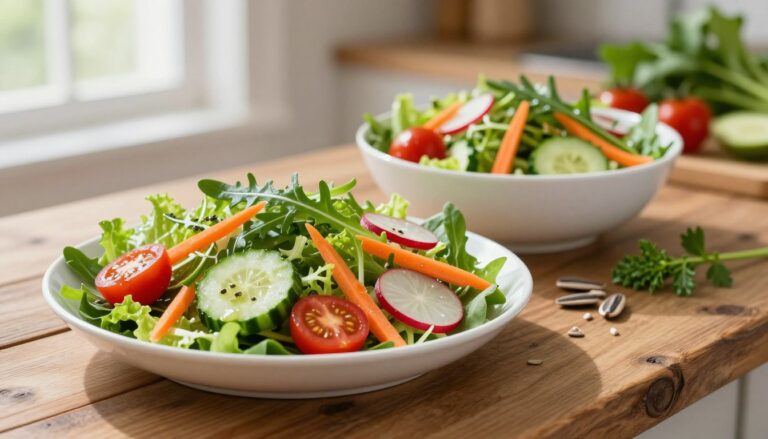
Lunch: Large Salad with Spinach, Chickpeas, Avocado, and Olive Oil Dressing
This meal is a powerhouse. Spinach is full of nutrients. Chickpeas offer protein and fiber. Avocado and olive oil dressing add healthy fats.
Dinner: Baked Salmon with Roasted Broccoli and Quinoa
This dinner is a classic. Salmon is rich in omega-3s. Broccoli is sweet and tender, offering sulforaphane. Quinoa is a nutritious, gluten-free whole grain.
Snacks: Apple with Almond Butter, Carrot Sticks
Smart snacks prevent energy crashes. An apple with almond butter is fiber-rich and sweet. Carrot sticks are hydrating and full of beta-carotene. They’re perfect between meals.
5 Quick Swaps to Make Today
Start with these swaps if planning a whole day is too much. Each swap replaces an inflammatory habit with a healing choice. These small wins make your new eating pattern effortless.
- Swap soda for sparkling water with fruit. Ditch the sugar and chemicals. Add lemon, lime, or berries to plain sparkling water for a refreshing drink.
- Swap white bread for whole-grain. Choose bread with “whole wheat” or another whole grain first. You’ll get more fiber, nutrients, and steady energy.
- Swap potato chips for a handful of nuts. Trade empty carbs and unhealthy oils for protein, fiber, and good fats. Almonds or walnuts are great choices.
- Swap creamy dressing for olive oil and vinegar. Skip processed dressings full of soybean oil and sugar. A mix of olive oil, vinegar, salt, and pepper is flavorful and anti-inflammatory.
- Swap butter for avocado on toast. Top your whole-grain toast with mashed avocado. You’ll get creamy texture and a vitamin boost.
By following this sample day or making one swap, you choose the best anti-inflammatory foods for your body. This practical approach turns knowledge into lasting, healthy habits.
Keeping It Simple and Sustainable
Consistency is key, not complexity, in fighting inflammation through food. One meal won’t change your health drastically. Instead, make small, positive choices often. This turns your anti-inflammatory foods list into a lasting, enjoyable lifestyle.
Change happens slowly. Trying to change everything at once is a big mistake. It leads to burnout and frustration. Instead, focus on these three strategies to build lasting habits.
Start with One Change at a Time
You don’t need to change every meal at once. Pick one item from your anti-inflammatory foods list to start. Master that change before adding another.
Start by adding walnuts to your oatmeal. Next, try using extra virgin olive oil instead of other oils. Small changes can lead to big progress.
Here’s a helpful comparison of two different approaches:
| Aspect | The Overhaul Approach | The Sustainable Approach |
|---|---|---|
| Mindset | All-or-nothing, perfectionist | Progress-focused, flexible |
| First Week Focus | Changing breakfast, lunch, dinner, and snacks all at once | Adding one new food, like berries, to your daily routine |
| Likely Outcome | Feeling overwhelmed and giving up | Building confidence and a sense of achievement |
| Long-Term Result | Reverting to old habits | Gradually incorporating more anti-inflammatory foods naturally |
Batch Cook and Plan Your Meals
Preparation reduces daily stress about what to eat. Having healthy options ready makes it easier to choose them.
Set aside a couple of hours each week for batch cooking. This is a game-changer for busy lives.
- Cook a big pot of quinoa or brown rice. Use it as a base for bowls all week.
- Roast a tray of mixed vegetables. Broccoli, sweet potatoes, and bell peppers are perfect.
- Rinse and drain a can of beans or lentils. They’re ready to add protein to salads or soups.
Store these components in clear containers in your fridge. Now, a nourishing meal is just a quick assembly away.
Listen to Your Body and Celebrate Progress
This journey is about how you feel, not just the numbers on a scale. Pay close attention to your body’s signals.
You might notice more steady energy or better digestion. Maybe those old aches and pains are less noticeable. These are huge victories!
The key to anti-inflammatory eating is consistency. One meal won’t make or break a healthy diet.
Celebrate every positive shift. Did you choose green tea over soda? That’s a win. Filled half your plate with colorful veggies? Another win. This positive reinforcement makes the lifestyle enjoyable and permanent.
Remember, you are building a lifelong practice of nourishment. Be patient with yourself. Each small, simple choice adds up to a profound impact on your well-being.
Conclusion
You now have a clear, simple list of the most powerful foods to help your body feel its best. This journey is about adding vibrant nourishment, not following strict rules.
Choosing these top anti-inflammatory foods consistently has a big impact. Swapping a processed snack for berries or using olive oil instead of less healthy fats is a direct investment in your well-being. Dr. Frank Hu from the Harvard T.H. Chan School of Public Health says a healthy diet does more than fight disease. It lifts your mood and improves your overall quality of life.
Remember, lasting change happens one meal at a time. Start with a single swap you enjoy. Listen to how your body responds and build from there.
Your path to less inflammation is built on the delicious, whole foods on your plate. Keep this guide handy and revisit your list of top anti-inflammatory foods whenever you need inspiration. You have everything you need to begin feeling better, starting today.