
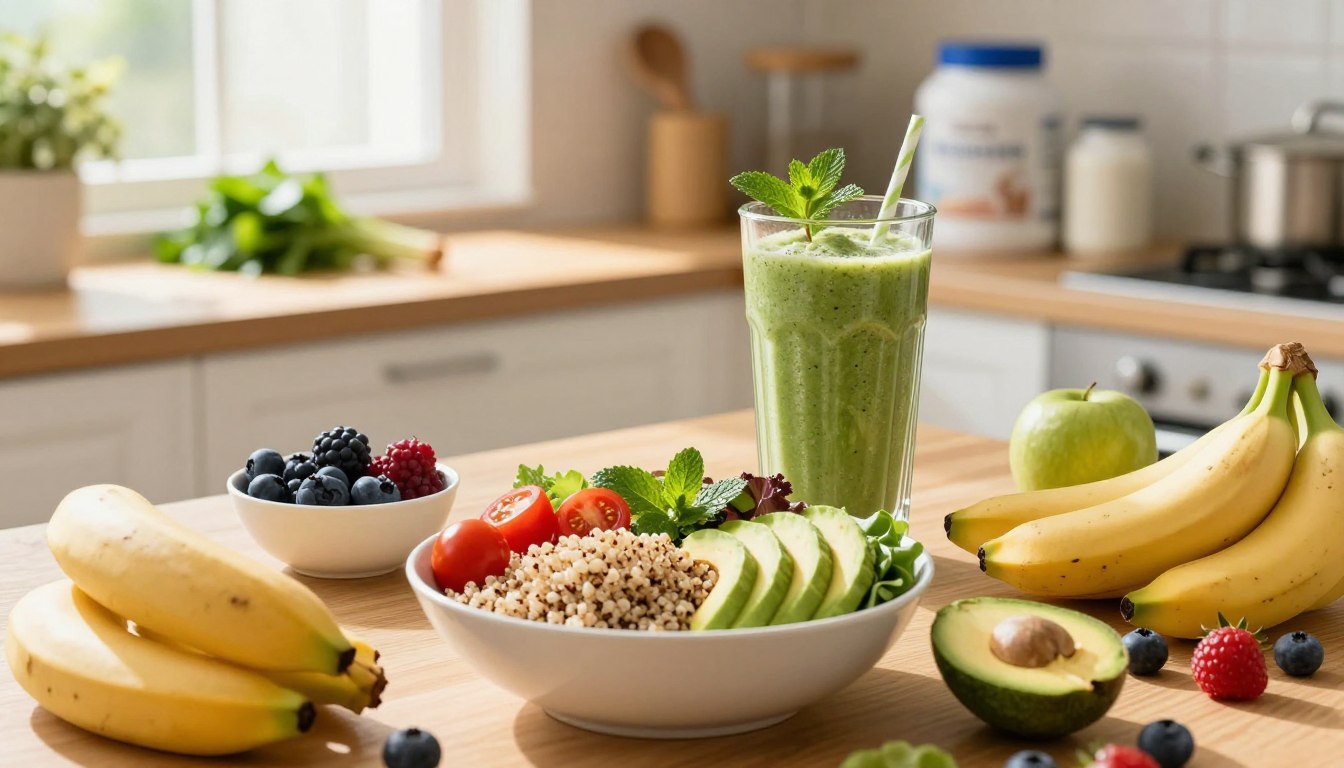
The Best Simple Athletic Recovery Nutrition: The Plant-Based
You just finished a tough workout. Your muscles ache, and you feel tired. You know you need to recover well, but what to eat is unclear. The good news is that plant-based foods can make your recovery easy and tasty.
Many think they need meat and dairy to recover. But this is a myth. Plant-based foods have everything your body needs to fix muscles, regain energy, and get ready for the next workout.
Recovery nutrition is simple. You don’t need fancy supplements or expensive powders. Real plant foods are just as good as animal products. The trick is knowing what your body needs and eating the right foods at the right times.
This guide will show you how to make simple recovery meals with foods you likely have at home. You’ll learn about the best times to eat, the right mix of nutrients, and how to fuel your body for top performance. Whether you’re training for a race or just going to the gym, plant-based recovery works for everyone.
Today, finding plant-based athletic recovery is easier than ever. Guides on plant-based sports nutrition offer detailed meal plans. You’ll get tips on meeting protein needs, timing nutrients, and making meal plans that fit your schedule.
Key Takeaways
- Plant-based foods contain all the nutrients your muscles need for recovery and growth
- Simple timing strategies help your body use nutrients more effectively after exercise
- Combining plant proteins with carbohydrates speeds up muscle repair and energy restoration
- Quick meals made from whole foods work better than complicated recipes for busy athletes
- Proper hydration and electrolyte balance complete your recovery nutrition picture
- Plant-based high-protein lunch ideas support muscle maintenance and provide lasting energy for active people
- You can match or exceed the protein needs of traditional athletes using plant sources alone
Why Plant-Based Athletic Recovery Nutrition Works for Athletes
Your body needs specific nutrients to recover after hard workouts. Plant-based recovery nutrition gives your muscles and energy systems what they need. Studies show it speeds up recovery and boosts performance in your next session.
Understanding how plant foods work in your body helps you make better choices after exercise. Your recovery depends on getting the right nutrients. These nutrients reduce inflammation, restore energy, and repair muscle damage.
The Science Behind Plant-Powered Recovery
Plant-based diets improve how your body uses energy and handles inflammation. Research shows that plant-based eating patterns enhance endurance and muscle strength. They also support faster recovery through metabolic efficiency.
One key benefit is improved glycogen availability. Plant foods are high in carbohydrates and fiber. This means your muscles can store more glucose for your next workout. This direct energy supply helps you perform better and recover faster.
Your metabolic rate also improves on a plant-based recovery diet. Studies show that eating a low-fat plant-based diet increases your thermic effect of food by over 14 percent. This means your body burns more calories just processing the food you eat.
Plant-based diets also improve your lipid storage and insulin resistance. When your body handles insulin better, your energy systems work more efficiently. This leads to better recovery and improved performance during training.
How Antioxidants and Anti-Inflammatory Foods Speed Recovery
Plant foods are packed with antioxidants that fight the damage caused by hard workouts. Your muscle cells experience stress during intense exercise, and antioxidants help repair this damage faster.
The antioxidant difference is striking. Plant-based foods contain about 11.57 millimoles of antioxidants per 100 grams. Animal-based foods contain only 0.18 millimoles per 100 grams. This means plant foods give you 5 to 33 times more antioxidants than animal products.
These powerful compounds reduce inflammation throughout your body. Lower inflammation means less soreness, faster muscle repair, and quicker return to training. Your immune system also gets stronger from these antioxidant-rich foods.
| Recovery Benefit | Plant-Based Impact | Timeline |
|---|---|---|
| Antioxidant delivery | 5–33 times higher than animal foods | Immediate (within hours) |
| Inflammation reduction | Significant decrease in inflammatory markers | 24–48 hours |
| Glycogen replenishment | Enhanced by higher carbohydrate content | 2–4 hours post-workout |
| Muscle soreness relief | Reduced through anti-inflammatory compounds | 48–72 hours |
| Energy system recovery | Improved metabolic efficiency by 14.1% | 24–48 hours |
Fiber in plant foods creates another recovery advantage. Dietary fiber improves your gut health and increases short-chain fatty acid production. These compounds reduce systemic inflammation and support your immune system during recovery periods.
The combination of high antioxidants, anti-inflammatory compounds, and improved metabolic function makes plant-based recovery nutrition ideal for athletes. Your body repairs faster, bounces back quicker, and prepares itself for your next training session more effectively.
Understanding Your Body’s Recovery Needs After Exercise

Exercise changes your body a lot. Muscles break down, energy stores get low, and sweat loses fluids. Knowing what your body needs to recover is key. The good news is, your body doesn’t care if nutrients come from plants or animals. It just needs the right amounts at the right time.
After you finish working out, three things happen. Your muscles need protein to repair and grow. They also need carbohydrates to refill glycogen stores. And, your body needs water to replace lost fluids.
Athletes should use an optimized fueling window. This is from the end of your workout to up to three hours later. What you eat during this time is crucial for health and recovery. Your muscles are most ready to absorb nutrients and rebuild during this time.
Think of recovery like refueling a car. You wouldn’t drive on empty, and you shouldn’t ignore your body’s needs after hard work. High-protein meals to fuel performance can come from plants and work just as well as animal sources. Your recovery success depends on timing and balance, not where your nutrients come from.
Consider these recovery essentials:
- Carbohydrates restore energy levels quickly
- Protein starts muscle-building processes right away
- Water replaces lost fluids and supports all body functions
- Proper timing makes everything more effective
- Plant sources deliver all needed nutrients
Understanding these basics shows that plant-based recovery nutrition works. You’re not missing out by choosing plants over animal products. You’re making a smarter choice for your goals and values.
The Essential Macronutrients for Optimal Athletic Recovery
Your body needs three key macronutrients to recover after exercise. Knowing what these nutrients do helps you make better recovery meals. Each one plays a unique role in getting your body back to peak performance. Let’s look at what your muscles and energy systems need most.
Carbohydrates: Your Primary Fuel for Glycogen Replenishment
After exercise, your muscles are low on glycogen. This is the stored energy your body uses during workouts. Carbohydrates quickly refill these energy stores. Eating carbs after training helps your body recover faster.
Good carbohydrate sources include:
- Sweet potatoes
- Quinoa
- Brown rice
- Legumes like lentils and chickpeas
- Whole grain bread
Eat carbs soon after training. This speeds up glycogen replacement and gets you ready for your next workout.
Protein Requirements for Muscle Repair and Growth
Protein is key for rebuilding muscle fibers damaged during exercise. Your protein needs vary based on your sport and training intensity. Endurance athletes need about 1.2-1.4 grams/kilogram/day, while strength and power athletes require 1.6-1.8 grams/kilogram/day. Bodybuilders in short-term cutting phases may need 2+ grams/kilogram/day.
Many athletes wonder about plant-based options. Clinical trials show that plant proteins are just as effective at building muscle as animal proteins. This means you can meet your recovery goals through plant sources alone.
Excellent plant-based protein sources include:
- Tofu and tempeh
- Lentils and chickpeas
- Black beans
- Quinoa
- Hemp seeds
- Edamame
Protein-rich salads for fitness and energy combine these sources with vegetables for complete nutrition. Aim for 20–30 grams of protein per recovery meal.
| Athlete Type | Sport Examples | Daily Protein Need | Recovery Focus |
|---|---|---|---|
| Endurance Athletes | Distance running, cycling, triathlon | 1.2-1.4 grams/kilogram/day | Muscle maintenance and aerobic repair |
| Strength and Power Athletes | Weight lifting, sprinting, jumping | 1.6-1.8 grams/kilogram/day | Muscle growth and power restoration |
| Bodybuilders in Cutting Phases | Competitive bodybuilding | 2+ grams/kilogram/day | Maximum muscle preservation with fat loss |
Healthy Fats for Hormone Production and Nutrient Absorption
Fat is necessary for absorbing fat-soluble vitamins, serving as an alternative energy source, and hormone production. These functions are critical for athletic recovery. The general recommendation for fat intake for athletes is 20-35% of daily calories.
Don’t skip healthy fats in your recovery nutrition. Your body uses them to absorb vitamins A, D, E, and K. These vitamins support muscle function and reduce soreness.
Include these fat sources in your meals:
- Avocado
- Olive oil
- Nuts and nut butters
- Seeds like chia, flax, and pumpkin
- Coconut oil
Plant-based omega-3 fats found in nuts are anti-inflammatory and may promote recovery in athletes. Walnuts, flaxseeds, and chia seeds are powerful. These foods help reduce muscle inflammation and speed up healing after intense workouts.
Combining all three macronutrients creates complete recovery meals. Your muscles get the protein they need, your energy stores refill with carbs, and your hormones stay balanced with healthy fats. This balanced approach gives you the best chance for strong recovery and better performance tomorrow.
Plant-Based Athletic Recovery Nutrition: Meeting Your Protein Goals
Getting enough protein from plant-based sources is totally doable for athletic recovery. Many athletes worry they cannot build muscle without animal products. The truth is that plant-based proteins work just as well when you eat the right combinations and amounts.
Your body needs 0.7 to 1.0 grams of protein per pound of body weight daily for muscle repair after intense workouts. Plant-based athletes can hit this target by choosing foods rich in amino acids. These amino acids are the building blocks your muscles need to bounce back stronger.
- Legumes like lentils, chickpeas, and black beans
- Tofu and tempeh for complete amino acid profiles
- Quinoa and buckwheat as whole grains
- Nuts and seeds such as hemp, pumpkin, and sunflower seeds
- Nutritional yeast for B vitamins and protein
- Pea protein powder for quick post-workout shakes
Combining different plant proteins throughout your day helps you get all nine essential amino acids your body needs. Eat beans with rice, or pair nuts with whole grain bread. These combinations create complete proteins for muscle growth.
Timing matters too. Consume your plant-based protein within the critical recovery window after exercise. This helps your muscles start rebuilding right away. Pair your protein with carbohydrates to boost absorption and recovery speed.
Timing Your Post-Workout Nutrition Window

Timing is everything when it comes to plant-based recovery nutrition. Your body is most ready to absorb nutrients and repair muscle tissue after exercise. Knowing when and what to eat can boost your athletic performance. This is a great chance to fuel your recovery with hydration and food in tasty and simple ways.
The Critical Three-Hour Recovery Period
Your muscles are most open to nutrients 30 minutes to two hours after you finish working out. This is when your body can best take in protein and carbs to rebuild muscles. Studies show that eating protein and carbs significantly helps with muscle repair and glycogen during this time.
Don’t worry if you can’t eat right away. What’s important is eating the right foods within three hours. Your body will still use these nutrients well for recovery and muscle growth.
Achieving the Optimal 4:1 Carbohydrate-to-Protein Ratio
The best ratio for plant-based meals after working out is four parts carbs to one part protein. This mix is good because carbs trigger insulin, helping protein get into muscles for repair.
Here’s how it works in real life:
| Body Weight | Protein (grams) | Carbohydrates (grams) | Example Meal |
|---|---|---|---|
| 130 lbs | 12-16 | 48-64 | Banana smoothie with pea protein powder |
| 160 lbs | 15-20 | 60-80 | Rice cakes with almond butter and berries |
| 190 lbs | 18-24 | 72-96 | Quinoa bowl with black beans and sweet potato |
Plant-based foods make it easy to hit this ratio. Your post-workout meal can include:
- Whole grain toast with tahini and sliced mango
- Oatmeal with hemp seeds and apple slices
- Lentil pasta with roasted vegetables
- Brown rice with tempeh and steamed broccoli
The key is to pair carbs with protein sources that digest well. This gives your muscles the fuel they need and supports recovery and growth through proper nutrition timing.
Top Plant-Based Foods to Stock in Your Recovery Kitchen
Starting a recovery kitchen is easy with the right plant-based foods. Your kitchen should have foods that help muscles heal, give you energy, and reduce swelling after workouts. These foods are full of antioxidants, helping athletes recover faster.
When making lunch for athletes, having key plant-based foods makes meal prep simple. Look for foods that have protein, healthy fats, and complex carbs all in one.
- Legumes — beans, lentils, and chickpeas offer lots of protein and fiber
- Nuts and seeds — almonds, walnuts, chia seeds, and sunflower seeds are good for healthy fats
- Tofu and tempeh — these soy products have all the amino acids you need
- Whole grains — quinoa, brown rice, and oats help restore energy
- Fruits and vegetables — berries, leafy greens, and cruciferous veggies fight oxidative stress
Peanut butter is a must-have. Two tablespoons have 188 calories, 8g of protein, 6g of carbs, and 16g of fat. It’s great in smoothies or energy bites. Mix it with whole grain toast or add it to your morning smoothie for energy.
Avocados are also key for recovery. One cup has 21g of fat, 10mg of sodium, 2.9g of protein, and 708 mg of potassium. They support hormone production and keep your electrolytes balanced. Use them on toast, in salads, or in recovery drinks.
Soy milk is great for rehydrating. One cup unsweetened has 85 mg of sodium, 300 mg of potassium, and 7g of protein. It’s perfect for smoothies or drinking plain after workouts.
| Plant-Based Food | Serving Size | Protein (g) | Key Nutrients | Recovery Benefit |
|---|---|---|---|---|
| Peanut Butter | 2 tablespoons | 8 | 188 calories, 16g fat, 6g carbs | Energy and muscle repair |
| Avocado | 1 cup sliced | 2.9 | 21g fat, 708 mg potassium, 10mg sodium | Electrolyte balance and hormone production |
| Soy Milk (Unsweetened) | 1 cup | 7 | 85 mg sodium, 300 mg potassium | Superior hydration and rehydration |
| Lentils | 1 cup cooked | 18 | Fiber, iron, polyphenols | Sustained energy and antioxidant protection |
| Tofu | 1/2 cup | 10 | Complete amino acids, calcium | Complete protein for muscle building |
| Tempeh | 3 ounces | 19 | Complete amino acids, probiotics | Muscle repair and digestive health |
| Quinoa | 1 cup cooked | 8 | All nine amino acids, manganese | Complete carbohydrate and protein source |
| Hemp Seeds | 3 tablespoons | 10 | Omega-3s, magnesium | Inflammation reduction and sleep quality |
Athletes should build meals around these plant-based foods. Mix beans with grains, nuts with seeds, and tofu with veggies. This way, you get enough protein and vitamins for recovery.
Don’t forget about dried fruits, nut butters, and plant-based milks for quick snacks. Keep your freezer full of frozen berries and greens for smoothies. Having these items ready means you’re always ready to fuel your recovery, no matter your schedule.
Simple Plant-Based Recovery Meals You Can Make in Minutes
You don’t need hours in the kitchen to fuel your body after a tough workout. Plant-based recovery meals can be ready in minutes. They give your muscles the nutrients they need to repair and grow. Plus, these recipes use simple ingredients you likely have at home.
When you eat the right foods right after exercise, you’re setting yourself up for faster recovery and better performance next time. Getting enough protein and carbs is key.
Avocado Toast with Whole Grain Bread
This classic combo is a powerhouse for post-exercise nutrition. Start by toasting 2 slices whole grain bread until golden. While the bread toasts, mash ½-¾ avocado directly onto bread using a fork.
Add a sprinkle of salt and pepper for flavor, and a pinch of red pepper flakes for a kick. Sprinkle with seasonings to your taste.
The approximate nutrition delivers 362 calories with 25g fat, 30g carbohydrates, 300mg sodium, 10.2g fiber, and 10g protein. The whole grain base provides steady energy release. Adding leafy spinach or arugula on top can help speed up cellular regeneration post exercise.
Coffee Banana Recovery Smoothie
When you need fast nutrition, blend this energizing drink in seconds. Combine 1 cup unsweetened soy milk, ½ cup coffee, 1 frozen banana, ¼ cup quick oats, 1 tablespoon ground flax, and 1-2 teaspoons cinnamon. Blend all ingredients until smooth and creamy.
Your smoothie delivers 300 calories with 6g fat, 52g carbohydrates, 5mg sodium, 9g fiber, and 95mg caffeine. Caffeine improves recovery by enhancing alertness and reducing muscle soreness perception. The banana provides fast-acting carbs to replenish glycogen, while the ground flax seeds add omega-3 fatty acids. Learn more about high-protein breakfasts that keep you full for additional recovery ideas.
No-Bake Peanut Butter Energy Balls
These portable protein-packed bites come together with no baking required. This recipe makes 16 balls for multiple post-workout sessions. Process 2 cups rolled oats, ½ cup ground flax seed, 1 tablespoon chia seeds, 1 teaspoon cinnamon, ¾ cup dried dates, ½ cup peanut butter, 1 teaspoon vanilla extract, and 1 scoop vanilla pea protein powder until blended.
Add water slowly until mixture sticks together, then mix in chocolate chips by hand. Form into 1-inch balls and refrigerate.
Each ball contains 136 calories with 8g fat, 14g carbohydrates, 5g protein, 34mg sodium, and 3g fiber. The dates provide natural sweetness and quick energy, while peanut butter delivers healthy fats for hormone production. These balls store well, making them perfect for grab-and-go recovery nutrition.
| Recovery Meal | Calories | Protein (g) | Carbs (g) | Fat (g) | Fiber (g) | Prep Time |
|---|---|---|---|---|---|---|
| Avocado Toast with Whole Grain Bread | 362 | 10 | 30 | 25 | 10.2 | 3 minutes |
| Coffee Banana Recovery Smoothie | 300 | 9 | 52 | 6 | 9 | 2 minutes |
| No-Bake Peanut Butter Energy Balls (per ball) | 136 | 5 | 14 | 8 | 3 | 10 minutes (makes 16) |
These three meals give you quick, nutritious options that support your athletic recovery goals. Pick the meal that fits your schedule and taste preferences. Your body will thank you with faster recovery and stronger performance in your next workout.
Hydration and Electrolyte Replacement for Complete Recovery
When you exercise, your body loses more than just water. Electrolytes, like sodium and potassium, are lost too. These minerals help your muscles work and keep your body balanced. Without them, your recovery slows down and your performance drops.
Electrolytes include sodium, potassium, calcium, and magnesium. They control muscle contractions and nerve signals. They also help keep fluid balance in your cells. Plant-based athletes need to replace these minerals within 30 minutes after exercise to start recovering.
The best plant-based recovery solutions mix hydration with electrolyte replenishment. A recovery drink meets WHO hydration standards and replaces what you lose during training. Just shake one stick pack with 16 ounces of water for quick electrolyte replacement.
Drinking water is important all day, not just during workouts. Drink water before and after your workout to stay hydrated. This helps your body recover naturally and prevents energy crashes in the afternoon.
- Sodium helps retain fluids and maintain proper hydration
- Potassium prevents muscle cramps and supports heart function
- Calcium strengthens bones stressed during exercise
- Magnesium reduces muscle soreness and promotes relaxation
Plant-based recovery powders are vegan, gluten-free, soy-free, and dairy-free. They’re great for athletes with dietary restrictions. Mixing electrolyte drinks with foods like bananas and coconut water, and adding sea salt, makes a complete recovery plan.
Plant-Based Supplements That Support Athletic Performance
Plant-based athletes face unique challenges in recovery. Whole foods are the base of your nutrition plan. Supplements can fill gaps and boost performance. They help speed recovery, reduce soreness, and build muscle strength.
Your diet may lack nutrients found in animal products. Targeted supplements can help. Knowing which supplements work and which don’t is key to achieving your athletic goals.
Creatine for Strength and Power
Creatine monohydrate is a top choice for athletes. It helps your muscles produce energy during intense workouts. Plant-based athletes often have lower creatine levels, making supplementation beneficial.
Creatine is completely vegan-friendly when made synthetically. Most commercial creatine is from non-animal sources. Start with 3-5 grams daily. Your muscles will build creatine stores over two to four weeks, improving strength and recovery.
Omega-3s for Anti-Inflammatory Support
Omega-3 fatty acids reduce muscle soreness and aid recovery. ALA is found in plants, but your body converts little to EPA and DHA.
Algae-based omega-3 supplements are ideal for plant-based athletes. They provide EPA and DHA directly, without contaminants found in fish oil. Look for supplements with at least 200-300mg combined EPA/DHA daily.
Essential Amino Acids and Protein Building
Essential amino acids (EAAs) trigger muscle protein synthesis. Leucine, a BCAA, is key in this process. Many plant-based athletes wonder if they need BCAA supplements.
If you eat enough protein from legumes, nuts, and grains, you get enough EAAs. Stand-alone BCAA supplements are not needed when your diet is well-planned. Whole foods should always be your first choice.
Other Critical Supplements for Plant-Based Athletes
Beyond the three core supplements, several nutrients are important:
| Supplement | Why You Need It | Daily Recommendation | Best Sources |
|---|---|---|---|
| Vitamin B12 | Energy production and nerve function | 2.4 micrograms | Fortified plant milks, nutritional yeast |
| Vitamin D | Bone health and immune function | 1,000-2,000 IU | Sunlight, mushrooms, supplements |
| Iron | Oxygen transport (test first) | 8-18 mg based on blood work | Legumes, fortified cereals, supplements |
| Zinc | Muscle repair and immune health | 8-11 mg | Seeds, nuts, legumes, supplements |
| Caffeine | Performance enhancement | 3-6 mg per kilogram of body weight | Coffee, tea, sports drinks |
| Beta-Alanine | Endurance improvement | 3-6 grams daily | Supplements only |
Vitamin B12 is essential for all plant-based eaters. Your body doesn’t produce B12, and plant sources are unreliable. Iron is important only if blood work shows low levels. Zinc supports muscle repair and immune function. Caffeine delivers proven performance benefits for many athletes. Beta-alanine may help with endurance activities lasting longer than four minutes.
Choosing Quality Supplements Wisely
- Look for third-party testing through NSF International, Informed Choice, or USP verification
- Check labels for transparent ingredient lists with no hidden additives
- Start with one supplement at a time to monitor how your body responds
- Work with a sports dietitian to identify your specific needs through testing
- Avoid supplements making unrealistic claims about muscle gain or fat loss
“Supplements should enhance your well-planned diet, not replace whole foods.”
Remember, supplements support your training when paired with solid nutrition and consistent exercise. They magnify the results of your hard work, not create results alone. Your plant-based diet can deliver everything you need with strategic supplementation filling specific gaps. Choose quality products from reputable brands, follow dosing instructions carefully, and prioritize whole foods first.
Special Considerations for Endurance Athletes and Masters Athletes
Your recovery nutrition needs change with your athletic goals and age. Endurance and masters athletes face unique challenges. Tailored plant-based nutrition approaches help optimize performance and maintain competitive edge.
Endurance Athletes: Maximizing Your Aerobic Performance
Endurance athletes need sustained energy and top cardiovascular function. Plant-based eating patterns are non-inferior to omnivore diets when macronutrients are matched. Studies show great benefits for aerobic capacity.
A 2020 study found vegan diets increased VO2 max by 7% in women. They also had 39% longer time to exhaustion than omnivores. Vegetarian endurance athletes had 13% higher VO2 max values. Plant-based foods’ antioxidants reduce oxidative stress during long training.
Your recovery strategy should emphasize:
- Polyphenol-rich foods like berries and dark leafy greens
- Omega-3 fatty acids from algae supplements or flaxseeds
- Adequate carbohydrates to replenish glycogen stores depleted during extended efforts
- Total protein intake of 1.2 to 2.0 grams per kilogram of body weight daily
Masters Athletes: Adapting Your Nutrition Strategy
Masters athletes aged 35 to 40 need special attention to muscle preservation and recovery speed. Higher protein intake at each meal is needed for effective muscle protein synthesis. Research on plant-based athletic nutrition shows spreading protein across 3 to 4 meals optimizes muscle repair.
Your recovery priorities include:
| Recovery Element | Daily Target | Best Plant-Based Sources |
|---|---|---|
| Total Protein | 1.2-2.0 g/kg body weight | Legumes, tofu, tempeh, nuts, seeds |
| Vitamin B12 | 2.4 mcg daily | Fortified plant milks, nutritional yeast, supplements |
| Omega-3 Fatty Acids | 1.1-1.6 g daily | Algae supplements, walnuts, flaxseeds, chia seeds |
| Antioxidants | Multiple servings | Blueberries, spinach, kale, beets, sweet potatoes |
Masters athletes benefit from vitamin E and polyphenol supplements for faster recovery and less muscle damage. Your plant-based kitchen should focus on whole foods, not ultra-processed alternatives lacking essential nutrients.
Both endurance and masters athletes do well on plant-based diets with complete nutrition. Success in recovery comes from consistency, proper timing, and choosing whole plant foods for peak performance.
Conclusion
You now have a complete roadmap for plant-based athletic recovery nutrition. You’ve learned how plant-based foods offer superior anti-inflammatory and antioxidant properties. These help speed up your healing process.
You’ve also discovered that many plant sources provide adequate protein for muscle building. Optimal carbohydrates are key for energy replenishment. Healthy fats are important for hormone production and nutrient absorption. These are the building blocks of your recovery plan.
The practical strategies you’ve covered matter most when you put them into action. Remember the importance of the three-hour recovery window after your workouts. Keep the 4:1 carbohydrate-to-protein ratio in mind when planning your meals.
Start with the simple recipes you can implement immediately. Like those featured in fast high-protein lunch ideas that take just minutes to prepare. You don’t need to change everything at once. Pick one recovery meal recipe to try this week or stock your kitchen with a few recommended foods. Small steps lead to big results over time.
Plant-based recovery nutrition benefits reach far beyond your athletic performance. This choice supports your long-term health and reduces your risk of chronic diseases while supporting your fitness goals. Research shows that plant protein blends can stimulate muscle protein synthesis at levels comparable to whey when consumed at adequate. Many elite athletes thrive on plant-based diets, proving that this approach works at the highest levels of competition. You’re making an excellent choice for your body and your performance. You have all the knowledge and tools you need to optimize your recovery through plant-based nutrition. Get excited about implementing what you’ve learned—your athletic journey just got stronger.