How to Master Cooking All Types
Cuisiner du poisson me paraissait autrefois un art mystérieux qui m’intimidait. Je regardais le saumon frais au magasin, me demandant comment le rendre savoureux sans le rater. Apprendre à cuisiner du poisson, c’est bien plus que suivre une recette. C’est gagner en confiance en cuisine et explorer de nouvelles saveurs. https://s.click.aliexpress.com/e/_c3CUtNiJ
Mon apprentissage de la cuisine du poisson a commencé par une prise de conscience : tout le monde peut devenir un chef de fruits de mer. Un bon guide de cuisine du poisson ne se limite pas aux méthodes. Il s’agit de trouver une façon plus saine, plus créative et plus économique de cuisiner.
Maîtriser la cuisine du poisson demande du temps, des efforts et les bonnes informations. Je partagerai avec vous tout ce que j’ai appris pour transformer des ingrédients simples en de délicieux plats de fruits de mer. Ces plats épateront votre famille et vos amis.
Points clés à retenir
- La cuisine du poisson est une compétence accessible aux cuisiniers amateurs.
- La maîtrise des techniques de base renforce la confiance en cuisine.
- Cuisiner du poisson à la maison permet d’économiser de l’argent et favorise une alimentation saine.
- Tout cuisinier amateur peut apprendre à préparer de délicieux fruits de mer
- La pratique et les techniques appropriées sont essentielles à la réussite.
Pourquoi apprendre à cuisiner du poisson est une compétence qui change la vie
Apprendre à cuisiner le poisson peut changer votre vie. Il ne s’agit pas simplement de suivre une recette. Cela ouvre un monde de possibilités en matière de nutrition, de créativité et d’économies.
Cuisiner du poisson chez soi est valorisant. C’est une compétence qui apporte de nombreux avantages. Laissez-moi vous expliquer pourquoi c’est si important.
Bienfaits pour la santé de la cuisson du poisson à la maison
Le poisson regorge de bienfaits pour la santé. Apprendre à bien le cuisiner permet de préserver tous ces avantages.
- Riche en acides gras oméga-3
- Excellente source de protéines maigres
- Contient des minéraux essentiels comme le sélénium
- Fournit des nutriments bénéfiques pour le cœur
Économisez de l’argent en préparant vous-même vos repas à base de poisson.
Cuisiner à la maison permet de faire de belles économies. Voici une comparaison :
| Option de restauration | Coût moyen |
|---|---|
| Entrée de poisson au restaurant | 20 à 30 $ |
| Repas de poisson fait maison | 5 à 8 $ |
« Cuisiner à la maison permet un contrôle total sur les ingrédients et leur valeur nutritive. » – Experts culinaires
Libérez votre créativité culinaire avec les fruits de mer
Le poisson est comme une toile vierge pour les saveurs. On peut y ajouter des herbes méditerranéennes ou des laques asiatiques. Le secret, c’est de bien le cuire pour qu’il reste moelleux et savoureux.
Apprendre à cuisiner du poisson, c’est bien plus que simplement cuisiner. C’est préparer des repas sains et savoureux qui vous font du bien.
Ustensiles de cuisine indispensables à tout cuisinier de poisson
Pour maîtriser la cuisson du poisson, nul besoin de gadgets sophistiqués. Quelques ustensiles essentiels suffisent pour devenir un véritable chef à la maison. Voici les indispensables pour sublimer vos plats de poisson.
Votre aventure culinaire autour du poisson commence avec quelques outils essentiels :
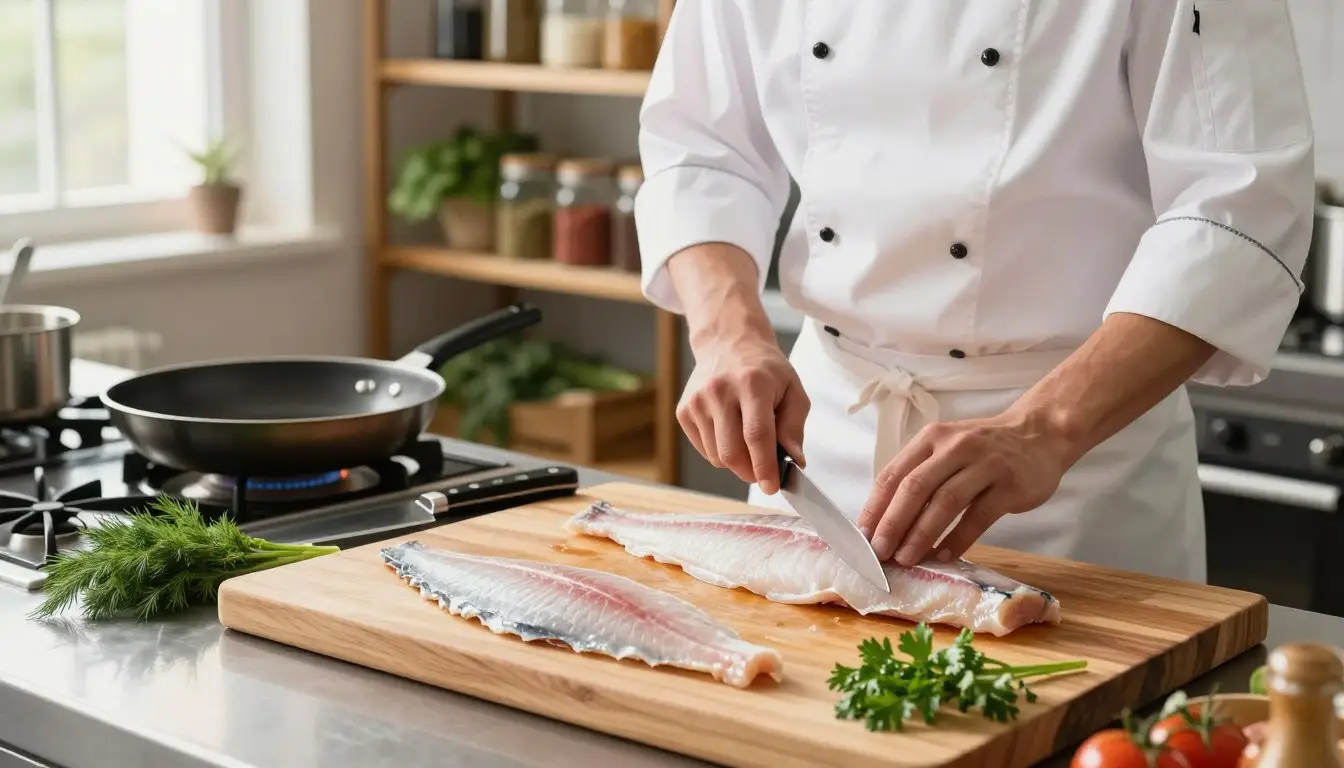
- Couteau de chef : Un couteau bien aiguisé de 20 à 25 cm est votre outil principal pour préparer le poisson. Un couteau de qualité permet des coupes nettes et garantit une préparation des aliments plus sûre.
- Non-Stick Skillet: Ideal for delicate fish fillets, preventing sticking and making cleanup a breeze.
- Flexible Fish Spatula: Thin and nimble, this tool helps you flip fish without breaking the delicate flesh.
Professional fish cooking techniques rely on precision tools. An instant-read thermometer is crucial for checking doneness – fish should reach 145°F internal temperature for safe consumption. Tongs are perfect for handling fish on the grill, while kitchen tweezers help remove pesky pin bones.
“The right tools transform cooking from a chore to an art.” – Professional Chef
Budget-conscious cooks can start with basic tools. A wooden cutting board, measuring cups, and silicone utensils complement your fish cooking arsenal. Remember, quality matters more than quantity when selecting kitchen equipment.
- Wooden cutting board
- Reliable instant-read thermometer
- Parchment paper for baking
Investing in these essential tools will dramatically improve your fish cooking skills, making every meal a delightful culinary experience.
Stocking Your Pantry for Perfect Fish Dishes
Having a well-stocked pantry is key to cooking fish with ease. The right ingredients can turn simple seafood into amazing meals. Your kitchen will become a place of culinary creativity.
Knowing how to season fish starts with having the right ingredients. I’ll show you the pantry items that will make your seafood dishes stand out.
Oils and Fats for Fish Preparation
The right oil is crucial for your fish dish. Here are my top picks:
- Olive Oil: Great for most cooking methods
- Vegetable Oil: Ideal for high-heat cooking
- Butter: Adds a rich flavor to delicate fish
- Sesame Oil: Brings a unique Asian flavor
Herbs and Spices That Complement Seafood
| Herb/Spice | Best Fish Pairings |
|---|---|
| Dill | Salmon, White Fish |
| Paprika | Firm White Fish |
| Old Bay Seasoning | Shellfish, Cod |
| Thyme | Roasted Fish |
Pantry Staples for Quick Fish Meals
Keep these versatile ingredients on hand for quick flavor:
- Soy Sauce
- Capers
- White Wine
- Dijon Mustard
- Breadcrumbs
With a well-organized pantry, you’ll cook fish like a pro. Try these ingredients and soon you’ll be a seafood master.
Understanding Different Types of Fish
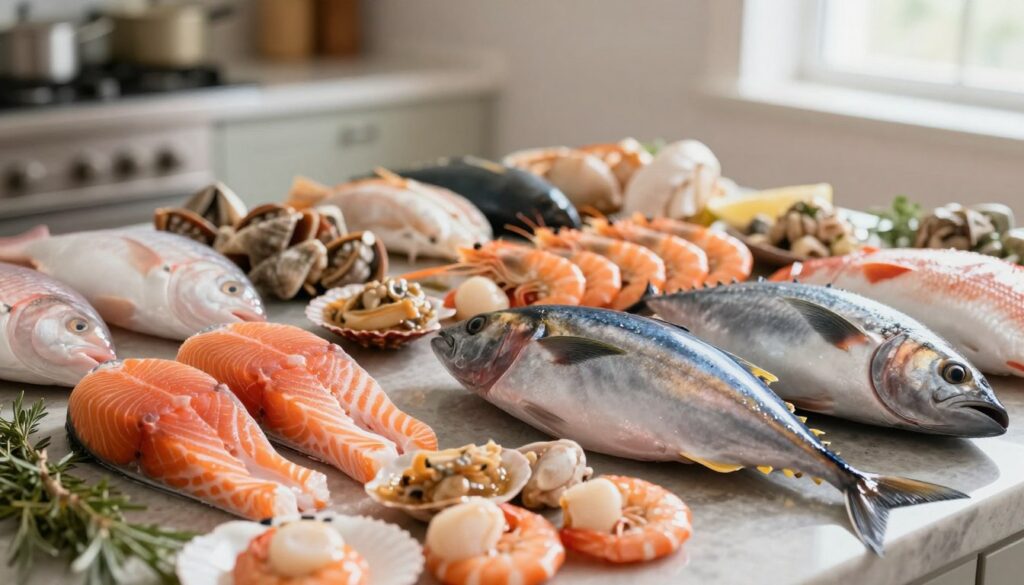
Learning to cook any fish perfectly starts with knowing the unique traits of each type. Fish falls into several main groups. Each group needs its own cooking method to highlight its flavors and textures.
Let’s look at the main fish categories that will improve your white fish recipes and oily fish cooking:
- White Fish: These lean, delicate fish include cod, haddock, halibut, and tilapia. They have:
- Low fat content
- Mild flavor
- Delicate texture
- Oily Fish: Rich and flavorful options like salmon, tuna, and mackerel are known for:
- Higher fat content
- Stronger flavor profiles
- Firmer texture
Each fish type needs a special approach. White fish does well with gentle cooking like poaching and steaming. Oily fish can handle higher heat from grilling or broiling. Knowing these differences is key to cooking seafood perfectly.
“Knowing your fish is the first step to becoming a confident seafood cook.” – Culinary Experts
When picking fish, think about sustainability and freshness. Look at local seafood guides and choose wild-caught when you can. Knowing about fish types helps you pick the best cooking method for delicious results every time.
How to Cook Fish Using Basic Techniques
Cooking fish can seem scary, but learning a few simple tricks can make it easy. Whether you’re new to cooking or have some experience, knowing how to pan-fry, bake, and grill fish will improve your skills.
Mastering fish cooking opens up a world of tasty, healthy dishes. Each method brings out different flavors and textures, making your cooking more versatile.
Pan-Frying Fish to Golden Perfection
Pan-frying fish makes it crispy and delicious. Here’s how to do it right:
- Pat fish dry with paper towels
- Season with salt and pepper
- Optional: Lightly flour for extra crispiness
- Use medium-high heat with 2-3 tablespoons of oil
- Cook 3-4 minutes per side until golden
Baking Fish for Healthy Meals
Baked fish recipes are great for those who care about health and don’t want to clean up much. Here’s my easy method:
- Preheat oven to 375°F-400°F
- Line baking sheet with parchment paper
- Arrange fish fillets with space between them
- Brush with olive oil
- Bake 10-15 minutes depending on thickness
Grilling Techniques for Flavorful Results
Grilling fish can turn a simple meal into something special. My best tips are:
- Use a clean, well-oiled grill grate
- Preheat to medium-high heat (around 400°F)
- Oil the fish, not just the grill
- Follow the 60/40 cooking rule
- Use grilling baskets for delicate fish
“The secret to perfect fish is understanding heat and timing.” – Professional Chef
Pro tip: Always let your fish rest for a few minutes after cooking to retain moisture and enhance flavor.
Mastering Cooking Methods for White Fish and Oily Fish
Learning about fish cooking techniques can really boost your cooking skills. It’s important to know how to cook white and oily fish right. Each type needs a special way to get the best taste and texture.
White fish, like cod and halibut, need gentle cooking. Steaming is the best way to keep them healthy and tasty. Here are some tips:
- Poaching: Gently cook fish in simmering liquid at 180°F-190°F
- Steaming: Use a basket to preserve nutrients and natural flavors
- Light seasoning with herbs and citrus to enhance subtle flavors
Oily fish, such as salmon, need different cooking methods. Their fat content lets you cook them more boldly:
- Broiling: Creates a caramelized exterior while keeping the interior moist
- Slow-roasting: Develops a rich, buttery texture
- Smoking: Enhances the fish’s natural richness
Pro tip: Always keep the skin on oily fish when cooking. It protects the flesh and creates a deliciously crispy exterior.
By mastering these cooking methods, you’ll take your seafood cooking to the next level. You’ll be able to make dishes that taste like they’re from a fancy restaurant, right in your own kitchen.
How to Tell When Your Fish is Perfectly Cooked
Cooking fish can be tricky, but mastering the fish doneness guide helps you create delicious meals every time. Understanding the nuances of cooking fish without drying it out separates home cooks from culinary experts.
Learning to recognize the perfect moment when fish reaches ideal doneness requires practice and attention to detail. Professional chefs rely on multiple indicators to ensure their seafood dishes are perfectly cooked.
Visual Cues for Fish Doneness
My go-to method for determining fish doneness involves several key visual signals:
- Opacity: Raw fish looks translucent, while cooked fish turns opaque
- Flaking: Gently press with a fork – properly cooked fish separates into delicate flakes
- Color transformation: Salmon shifts from deep red to lighter pink; white fish becomes milky white
- Texture: Fish should feel firm but slightly yielding when pressed
Temperature Guidelines for Different Fish Types
Using an instant-read thermometer provides the most accurate way to check fish doneness. Different fish varieties have unique temperature requirements:
| Fish Type | Ideal Temperature | Texture Description |
|---|---|---|
| Delicate White Fish (Cod, Sole) | 135°F | Moist, tender |
| Salmon | 120°F-145°F | Rare to fully cooked |
| Tuna | 115°F-125°F | Rare to medium-rare |
| Swordfish, Mahi-Mahi | 140°F-145°F | Firm, fully cooked |
My secret for cooking fish without drying it out is removing it from heat just before reaching the target temperature. Let the fish rest for 2-3 minutes to allow carryover cooking to complete the process. This technique ensures juicy, perfectly cooked seafood every time.
Pro tip: Thin fillets cook in 4-6 minutes, medium fillets in 8-10 minutes, and thick fillets or steaks in 12-15 minutes. Always prioritize visual and temperature cues over strict timing.
Fresh Fish vs Frozen Fish: What You Need to Know
Finding the right fish can be hard. Knowing the difference between fresh and frozen is key when cooking fish. Many think fresh fish is always better, but it’s not that simple.
Fresh fish has clear benefits. You can check its quality by looking at:
- Clear, bright eyes
- Firm, springy flesh
- Ocean-fresh smell
- Bright red gills
Frozen fish also has its perks. Freezing keeps fish fresh, often at the moment it’s caught. Frozen fish is often cheaper and helps reduce waste.
Here are some tips for picking both fresh and frozen fish:
- Check sell-by dates carefully
- Ask your fishmonger about origin and catch date
- Inspect visual and olfactory qualities
- Consider your specific cooking method
Thawing frozen fish needs the right approach. Slow thawing in the fridge is best, taking 8-12 hours. Avoid thawing at room temperature to prevent bacterial growth.
Pro tip: Building a relationship with your local fishmonger can provide invaluable guidance in selecting the best fish for your meal.
Choosing between fresh and frozen fish is about understanding how to cook it well. Both can lead to tasty, healthy meals with the right care and knowledge.
Simple Fish Recipes for Everyday Cooking
Turning fish into tasty meals is easy. My collection of easy fish recipes will show you how to make simple, healthy meals. These recipes are perfect for busy people or anyone looking to improve their cooking skills.
Easy Weeknight Fish Dinners
Weeknights can be tough for cooking, but these quick fish recipes will help. Here are some favorites that take 30 minutes or less:
- Pan-Seared Salmon with Lemon-Dill Sauce: Season salmon fillets, sear for 4-6 minutes, and create a quick pan sauce
- Mediterranean Baked Cod: One-pan dish with cherry tomatoes, olives, and capers
- Ginger-Soy Glazed Fish: A quick Asian-inspired recipe that’s bursting with flavor
Healthy Fish for Lunch Recipes
Fish for lunch can be tasty and healthy. Here are some top picks:
- Poached Salmon Salad with mixed greens
- Tuna Poke Bowl with brown rice and avocado
- Smoked Trout Wrap with cream cheese and spinach
“Cooking fish at home is not just about nutrition, it’s about creating delicious memories in your kitchen.” – Chef’s Wisdom
Pro tip: Cook more fish for dinner and use leftovers for lunch. This saves time and keeps meals fresh. Try different seasonings to avoid getting bored – Italian herbs, Cajun spices, and Asian flavors are great options.
With these easy fish recipes, you’ll get better at making healthy, tasty seafood dishes. Remember, the more you practice, the better you’ll get. Soon, you’ll be making restaurant-quality fish dishes at home.
Common Mistakes to Avoid When Cooking Fish
Learning to cook fish can be challenging. But knowing common mistakes helps you become a pro at cooking seafood. Many home cooks find it hard to make fish both tasty and perfectly cooked.
Let’s look at the key mistakes to avoid when cooking fish:
- Overcooking: Fish cooks fast and keeps cooking after it’s taken off the heat. Always take it off the heat a bit before it’s fully done.
- Not drying fish properly: Wet fish won’t get a crispy outside. Dry the fish with paper towels before cooking for a nice crust.
- Underseasoning: Fish needs plenty of seasoning. Season both sides with salt and pepper just before cooking to bring out the flavors.
Good kitchen technique is key when cooking seafood. Here are more mistakes to avoid:
- Using low heat for searing
- Moving fish too much in the pan
- Cooking fish straight from the fridge
- Not accounting for carryover cooking time
Choosing the right cooking method is very important. Different fish need different cooking techniques. Always choose the right method for your fish to get perfect results.
| Mistake | Solution |
|---|---|
| Overcooking | Use a timer, check early, remove just before target doneness |
| Not drying fish | Pat dry with paper towels, let sit at room temperature |
| Wrong pan selection | Choose non-stick or well-seasoned cast iron |
Cooking fish is an art that gets better with practice. Don’t get discouraged by mistakes – each try teaches you something new about cooking fish perfectly.
Conclusion
Learning to cook fish makes home cooking exciting. This guide has shown you key techniques. Now, your kitchen is a place for culinary adventures.
It’s okay if you’re not perfect at first. Start with one technique and try different fish. Each dish is a chance to learn about texture, flavor, and cooking.
Local fishmongers and fresh ingredients are your best friends. Cooking should be fun and easy. You’ll make meals that wow your loved ones.
Keep trying new things and stay curious. This guide is just the start of your cooking journey. Every dish you make is a celebration of your growing skills and love for cooking.