How to Make The Best Lobster Armorican Style Recipe
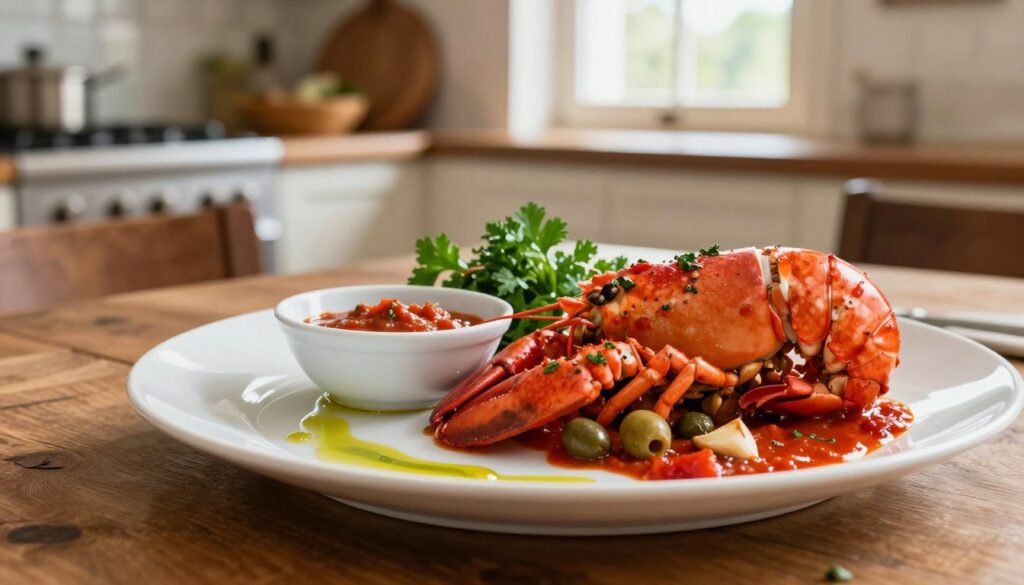

Cracking open a lobster tail and tasting the buttery sauce is magical. Lobster Armorican style brings this magic to your kitchen. This French classic has been a favorite for centuries, and now you can make it at home.
This dish is all about balance. You get tender lobster with a sophisticated tomato and cognac sauce. It tastes like you spent hours in a French kitchen. But, you don’t need years of training to make it. With the right tips, you’ll impress everyone at your table.
This recipe teaches you pro techniques that work for more than just lobster. You’ll learn how to flambe, build flavors, and cook shellfish perfectly. These skills let you make restaurant-quality meals at home anytime.
Key Takeaways
- Lobster Armorican style combines tender lobster meat with a rich tomato and cognac sauce
- This French dish requires proper flambeing technique for authentic flavor development
- Selecting quality ingredients like fresh lobster and good cognac makes a real difference
- The cooking process takes about 30 minutes from start to finish when you follow the steps
- You can adapt this classic recipe using monkfish or other shellfish on a budget
- Proper sauce consistency and timing prevent overcooking the delicate lobster meat
- Leftover Armorican lobster stores well and reheats beautifully for future meals
What Is Lobster Armorican Style and Why You’ll Love It
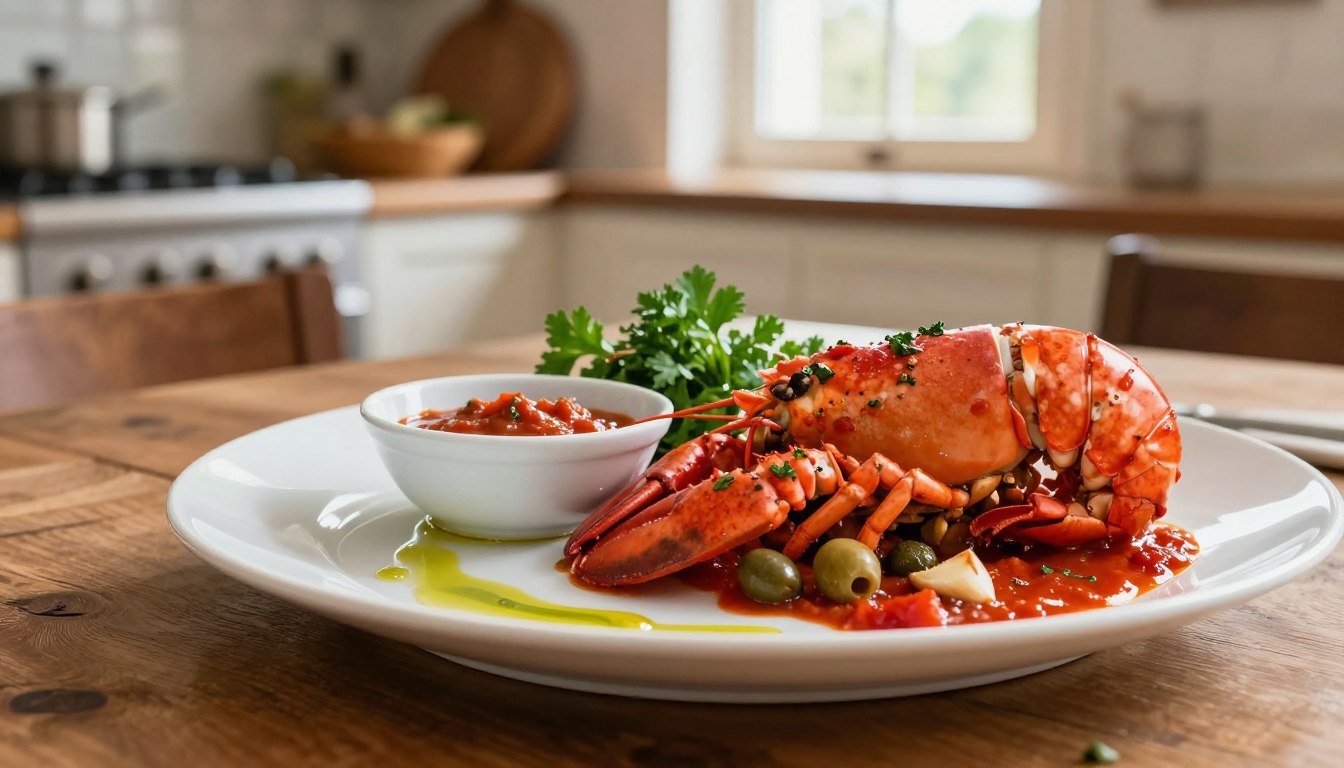
Lobster Armorican style is a beloved seafood dish from France. It comes from Brittany, a coastal area known for its fish and seafood. This dish combines French elegance with hearty flavors, making it both refined and welcoming.
The lobster is first seared to enhance its flavor, creating a golden crust. Then, it’s flambéed with cognac, which adds depth without the alcohol. Lastly, it simmers in a tomato sauce, blending all the flavors beautifully.
The Rich History Behind Homard à l’Armoricaine
Armoricaine comes from the Armorican Peninsula, now known as Brittany. This area’s deep connection to the sea is reflected in its cooking. Fishermen have used lobster for centuries, creating a special sauce.
The Armoricaine sauce recipe combines tomatoes, white wine, and cognac. It’s a mix of necessity and creativity.
In Brittany, using every part of the lobster is a sign of respect. Even the head’s creamy parts are used in the sauce. This makes the dish deeply connected to local traditions.
What Makes This French Lobster Recipe So Special
This dish is special because every part is important. The lobster meat is tender and full of flavor. The sauce, rich and slightly sweet, is perfect for dipping bread.
Several things make this dish magical:
- The searing process develops deep, savory flavors
- Cognac adds warmth and sophistication to the sauce
- Tomatoes provide natural acidity and sweetness
- Head parts create an unmatched creamy texture
- Gentle simmering keeps meat tender and juicy
This dish is comfort food elevated to art. It’s rustic yet refined, making any meal special. Whether for yourself or guests, Lobster Armorican style is a hit at home.
Understanding the Américaine vs Armoricaine Debate
When you look at menus in America and France, you might see a funny thing about lobster dishes. Some call it Homard à l’Américaine, while others say Homard à l’Armoricaine. This debate has puzzled food lovers for over a century. But, both names lead to the same tasty dish with a rich history.
The mix-up began with a chef named Fraisse, from Brittany. He mixed his seafood knowledge with American cooking styles from the late 1800s. This mix explains why the dish has two names that seem similar but are quite different.
Food historians find it interesting that this dish combines Mediterranean ingredients like tomatoes and olive oil. These aren’t typical of Brittany. Yet, it also uses Atlantic lobsters, a staple for Breton fishermen. This mix of old and new makes the dish unique.
You can call this lobster dish by either name and be right. What’s important is the amazing taste it offers. The debate adds to the dish’s charm, showing that great food can come from complex origins but still be loved by all.
| Name Version | Meaning | Origin Reference | Common Usage |
|---|---|---|---|
| Américaine | American-style lobster | Quick-cooking American restaurant methods | United States restaurants |
| Armoricaine | Breton-style lobster | Armorica, the ancient name for Brittany | French restaurants and cookbooks |
Knowing the history behind these names makes the dish even more special. You’re enjoying a recipe that connects two culinary traditions. Next time you try it, remember the chef who merged tradition and innovation for your taste.
Essential Ingredients for Authentic Lobster Armorican Style
Making lobster Armorican style needs careful ingredient selection. This classic French dish depends on quality components for a balanced, flavorful sauce. You’ll need main ingredients and aromatics. Most items are found at your local grocery store or specialty market.
Understanding each ingredient’s role is key to making an authentic lobster Armorican dish. From the main protein to the finishing touches, every element is crucial. Let’s explore what you need and why each ingredient is important.
Selecting the Best Lobster for Your Recipe
Start with 2 lobsters, about 1.5 to 2 pounds each. Female lobsters are best because their flesh is tender and the roe adds richness to the sauce. If female lobsters aren’t available, male lobsters can be used, but you’ll miss out on the roe.
Female lobsters have wider tails and softer shells than males. Their meat cooks more gently and stays juicy. Ask your fishmonger to help identify female lobsters. If lobster is not available or too expensive, 1.2kg fresh monkfish fillets can be a great substitute.
Key Aromatics and Seasonings You’ll Need
The flavor foundation of your dish comes from aromatic vegetables. You’ll need finely diced onions, shallots, carrots, and plenty of fresh garlic. These ingredients build layers of flavor that make the sauce complex and authentic. Dice your vegetables into small, uniform pieces for even cooking and blending into the sauce.
For tomatoes, use tomatoes (fresh ripe or canned) based on what’s available. Fresh tomatoes are best in summer, while canned tomatoes provide consistency year-round. Many chefs prefer canned tomatoes. Add tomato paste to concentrate the tomato flavor and deepen the sauce color.
Essential herbs make this dish sing. Bay leaves and thyme are non-negotiable. These provide the backbone of French cooking flavor. Optional fresh herbs like chervil, tarragon, basil, and parsley add brightness at the end. A pinch of saffron threads and piment d’Espelette or cayenne pepper adds subtle complexity and gentle heat.
- Finely diced onions and shallots for sweetness
- Fresh garlic for pungent depth
- Diced carrots for natural sweetness
- Fresh ripe or quality canned tomatoes
- Tomato paste for concentrated flavor
- Bay leaves and thyme for classic French seasoning
- Fresh chervil and tarragon for finishing brightness
The Role of Cognac and White Wine in the Sauce
The spirits in this dish transform simple ingredients into something extraordinary. You’ll need good cognac (about 100ml/2 shot glasses) for flambéing. Choose something you’d actually drink. Quality cognac matters because it adds warmth and complexity to the finished sauce.
The cognac gets flambéed to create dramatic flavor through caramelization. This process burns off harsh alcohol notes while concentrating the spirit’s natural sweetness and depth. Pair this with dry white wine (280ml) that adds acidity and brightness. A crisp Chablis or Muscadet works beautifully. Together, these spirits create a sophisticated lobster with brandy sauce that tastes like it came straight from a Parisian bistro.
Quality butter (Breton salted butter is traditional) adds richness and helps emulsify the sauce. Olive oil serves as your cooking fat for sautéing aromatics. You’ll also need flour for making a roux base and water or fish stock to adjust sauce consistency. Season everything with salt and pepper to taste.
“The cognac serves double duty in this dish. It creates dramatic flavor through caramelization while burning off harsh alcohol notes, and it adds subtle warmth and complexity to the finished sauce.”
When you’re building your ingredient list, think of this dish like the most versatile fish recipe framework—quality components prepared with care make all the difference.
| Ingredient | Amount | Purpose |
|---|---|---|
| Female lobsters | 2 (1.5-2 lbs each) | Main protein with tender meat and roe |
| Olive oil | 3-4 tablespoons | Cooking fat for aromatics |
| Onions and shallots | 1 cup diced | Sweet aromatic base |
| Carrots | 1 cup diced | Natural sweetness and texture |
| Fresh garlic | 4-5 cloves, minced | Pungent depth flavor |
| Tomatoes (fresh or canned) | 1.5 lbs or 28 oz can | Sauce base |
| Tomato paste | 2 tablespoons | Concentrated tomato flavor |
| Cognac | 100ml/2 shot glasses | Flambéing and depth |
| Dry white wine | 280ml (about 1 cup) | Acidity and brightness |
| Breton salted butter | 3-4 tablespoons | Richness and emulsification |
| Bay leaves | 2 | Classic French seasoning |
| Fresh thyme | 3-4 sprigs | Herbal backbone flavor |
| Flour | 2 tablespoons | Sauce thickening base |
| Water or fish stock | 1 cup | Sauce consistency adjustment |
| Salt and pepper | To taste | Seasoning balance |
| Fresh chervil, tarragon, parsley | 2 tablespoons combined | Finishing brightness (optional) |
| Saffron threads | Pinch | Color and subtle complexity (optional) |
| Piment d’Espelette or cayenne | Pinch | Gentle heat (optional) |
With these ingredients gathered and understood, you’re ready to move forward in your cooking journey. The next section covers proper preparation techniques that ensure your lobster cooks perfectly.
How to Properly Prepare and Thaw Frozen Lobster
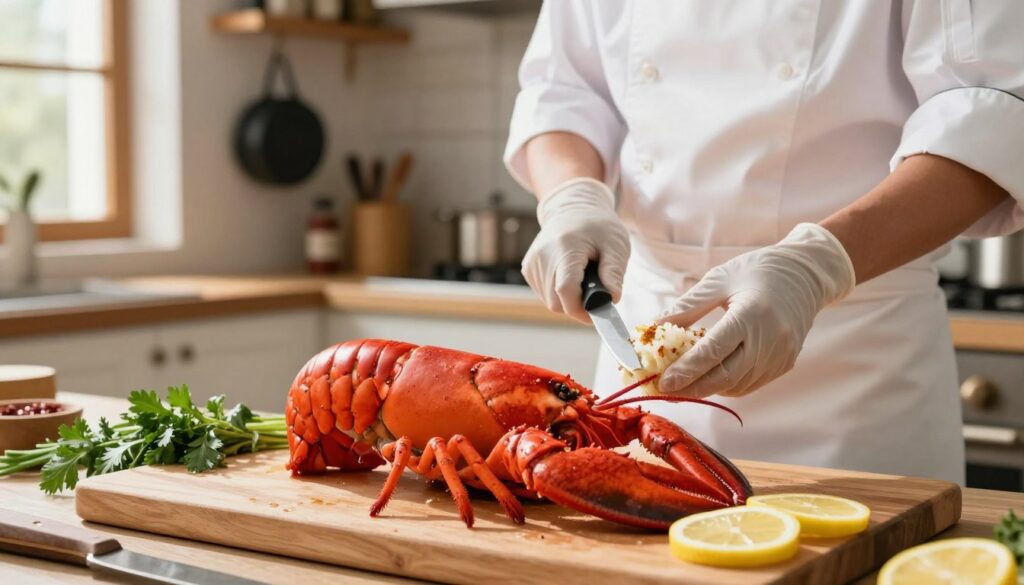
Getting your frozen lobster ready for cooking is key. The thawing method affects the quality of your dish. Preparing your lobster right ensures tender, flavorful meat that soaks up the sauce well.
Don’t use hot water or the microwave to thaw. These methods cook the outside while leaving the inside frozen. This makes the meat tough and rubbery. It ruins the dish before you even start cooking.
The Refrigerator Method: Best Results
Move your frozen lobster to the fridge 24 hours before cooking. Put it in a covered container or sealed bag on a plate. This slow thaw keeps the lobster’s texture delicate and the meat firm and sweet.
The Cold Water Method: Quick Alternative
For a quicker thaw, use cold water. Seal the lobster in a waterproof bag and soak it in cold water, changing the water every 30 minutes. This method thaws a whole lobster in 2-3 hours, perfect for when you’re in a rush.
| Thawing Method | Time Required | Quality Level | Best For |
|---|---|---|---|
| Refrigerator Method | 24 hours | Excellent | Best results, planned meals |
| Cold Water Method | 2-3 hours | Good | Time-limited situations |
| Hot Water | 30-45 minutes | Poor | Not recommended |
| Microwave | 15-20 minutes | Poor | Not recommended |
Why Not Cook Frozen?
Some wonder about cooking lobster tails frozen without thawing. It’s possible for some recipes, but not for this Armorican dish. The method requires searing the lobster, which is hard with frozen meat. It also leads to uneven cooking, affecting texture and flavor.
Drying and Quality Check
After thawing, dry the lobster with paper towels. Excess moisture stops browning and makes the oil splatter when adding cognac. Remove any ice crystals or freezer burn.
The lobster should look glossy, smell fresh, and feel firm but not rigid. With the right thawing, frozen lobster can almost match fresh in this dish.
- Keep your lobster in a sealed container during thawing to prevent odors from spreading in your fridge
- Never refreeze a thawed lobster—use it immediately
- Check the smell and appearance before cooking to confirm quality
- Allow extra time if you’re working with multiple lobsters
Step-by-Step Guide to Making Lobster Armorican Style
Making lobster Armorican style is all about careful preparation and technique. This classic French dish turns fresh lobster into a luxurious treat with rich tomato and cognac flavors. To succeed, organize your workspace and follow each step carefully.
Preparing Your Lobster for Cooking
First, gather your ingredients and prepare your mise en place. Dice onions, shallots, and carrots finely. Chop tomatoes, keeping their juice for extra flavor. Have everything ready before you start cooking, as this dish moves fast.
If you have live lobsters, humanely dispatch them by placing your knife tip in the center of the head. Then, plunge down swiftly. Detach the heads and claws, catching juices in a bowl. Crack the claws with the back of your knife for easier eating later.
Cut each tail into thick pieces between the scales. Cut the heads in half lengthwise and remove the gills. Save the creamy green parts (tomalley) and red coral (roe) for the sauce. Coat all lobster pieces lightly in flour, shaking off any excess.
Creating the Perfect Tomato Cognac Sauce
In a deep pan with oil and butter, cook the lobster pieces over medium-high heat until they turn bright red. This takes about five minutes. Set the cooked lobster aside on a clean plate.
Add more oil and butter to the same pan. Cook the onions and carrots for three minutes, scraping up those flavorful browned bits stuck to the bottom. Add the shallots and return the lobster pieces to the pan, cooking for two minutes while everything combines.
Pour in your cognac (about one-half cup). This brings us to the most dramatic moment in your cooking process.
Flambéing Technique for Maximum Flavor
Now you’ll flame the cognac in a flambé technique. If cooking over gas, carefully tilt the pan toward the flame to ignite the alcohol. For electric stoves, use a long match or lighter. The flames will shoot up impressively—stand back and tie back long hair for safety. The alcohol burns off after twenty to thirty seconds, leaving behind concentrated, caramelized flavor without any harsh boozy taste.
Once the flames subside, add your chopped tomatoes with their juice, tomato paste, white wine, water or stock, and herbs including bay leaves and thyme. Season with salt and pepper. Cover and cook for twenty minutes, allowing flavors to meld.
Remove the lobster pieces and set aside. Reduce the sauce by one-third to concentrate the flavors, creating a rich, intense sauce. Strain through a fine mesh to remove solids. Mix flour with butter and the reserved tomalley or coral, then add this mixture to the sauce. Heat and stir until thick and unctuous. Pour the finished sauce over your lobster and serve immediately.
| Cooking Step | Ingredient or Action | Time Required |
|---|---|---|
| Initial Searing | Cook lobster pieces in oil and butter until red | 5 minutes |
| Vegetable Cooking | Cook onions and carrots | 3 minutes |
| Return Lobster and Shallots | Add shallots and lobster pieces back to pan | 2 minutes |
| Flambé Process | Ignite cognac and burn off alcohol | 20-30 seconds |
| Simmering | Cover and cook with sauce ingredients | 20 minutes |
| Sauce Reduction | Reduce sauce volume by one-third | 10-15 minutes |
“The beauty of lobster Armorican style lies in its balance of rich, sweet tomato flavors against the subtle bite of cognac and wine.”
Remember, timing is key in this dish. Each step builds on the previous one, creating layers of flavor. Watch your lobster’s color changes and sauce consistency to know when it’s done.
Mastering the Art of Sauce Armoricaine
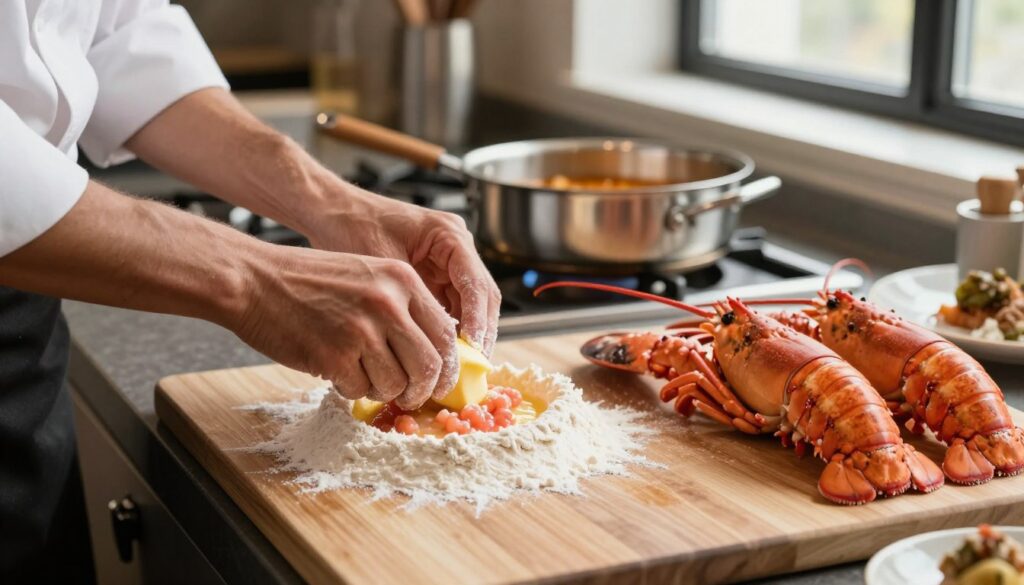
The sauce is where Lobster Armoricaine truly shines. It’s a rich, elegant mix of tomato, cognac, and lobster essence. Mastering this sauce makes your dish go from good to extraordinary. The secret is in building layers of flavor and getting the perfect cling to your lobster meat.
The sauce starts with your strained base. After cooking your lobster and aromatics, you have a flavorful liquid. This is where you start making a sauce that tastes like lobster luxury.
One key technique is making a beurre manié enriched with the lobster’s tomalley and coral. Mix softened butter and flour until smooth. Then add the tomalley and coral. This mix thickens the sauce and adds a briny sweetness.
Whisk this paste into your strained sauce over medium heat, stirring constantly. Watch as the sauce becomes glossy and thick. It should coat the spoon and drip slowly. This means the texture is just right.
Perfecting Your Sauce Seasoning
Taste and adjust the seasoning carefully. A squeeze of fresh lemon juice brightens it. A pinch of cayenne adds warmth without overpowering the flavors.
- Add lemon juice gradually, tasting between additions
- Use cayenne sparingly for gentle heat
- Incorporate freshly chopped herbs like chervil, tarragon, or parsley for color and freshness
- Season with salt and white pepper to taste
Just before serving, stir in your fresh herbs. This sauce is so good, you’ll want to lick the spoon. Your guests will notice the difference a well-made Armoricaine sauce makes.
Cooking Tips for Perfect Lobster Every Time
Making lobster Armorican style needs precision and care. The cooking process makes a big difference. Knowing how to time the lobster and get the sauce right is key.
Home cooks often rush or overcook the lobster. Timing is more important than temperature for this delicate shellfish.
How Long to Cook Lobster Without Overcooking
Don’t overcook your lobster! It should be tender, not tough and chewy. Here’s a simple timing guide:
- Initial searing: about 5 minutes on high heat
- Gentle simmering: 20 minutes in covered sauce
- Rest period: 2-3 minutes after removing from heat
The high-heat sear and gentle simmer keep the lobster tender. This two-step method adds flavor and texture.
Check if the lobster is done by looking at the meat. It should be white and firm but still soft. The tail should curl a bit but not too much.
If unsure, it’s better to be slightly underdone. This way, you avoid tough lobster.
Achieving the Ideal Sauce Consistency
The sauce’s consistency is crucial for a great meal. Aim for a mix that’s thinner than gravy but thicker than soup.
Start by reducing the cooking liquid by one-third. This step enhances flavors and keeps the sauce right. Add beurre manié, whisking constantly, and simmer to adjust the thickness.
| Sauce Stage | Appearance | Fix Needed |
|---|---|---|
| Too Thick | Coats spoon heavily, doesn’t drip | Whisk in fish stock, wine, or water |
| Perfect Consistency | Coats spoon with slow drip | No adjustment required |
| Too Thin | Runs quickly off spoon | Add more beurre manié gradually |
The sauce should coat the spoon slowly and leave a clear trail. If too thick, add a bit of liquid. If too thin, add more beurre manié.
Remember, the cognac must flame when flambéed. If it doesn’t, the dish will taste harsh. Warm the cognac first for easy ignition. Always remove the pan from heat before adding alcohol.
Follow these tips for a lobster dish that’s tender, flavorful, and perfectly balanced.
What to Serve with Your Brittany Lobster Dish
Creating the perfect meal around your lobster Armorican style is more than just the main dish. The sides and drinks you pick can make or break your French dinner. Think of it as building a complete culinary story where every part makes your lobster stand out.
Don’t throw away those aromatic vegetables from the sauce. Many home cooks in Brittany save them and serve them as a side dish with the lobster. After simmering in the juices, they become tender and full of flavor, perfect with seafood.
Bread: Your Essential Companion
The must-have side for any lobster Armorican style meal is a fresh, crusty baguette or artisan bread. You’ll need lots of it to soak up every last drop of sauce. The French call this tradition “faire chabrot,” and it’s a big part of the Brittany experience.
Beverage Pairings That Work
Your drink choice is just as important as your food. In Brittany, people often drink crisp, slightly sweet local cider with seafood. It’s a refreshing contrast to the rich sauce.
If you prefer wine, go for a white with good acidity. Here are some great options:
- Muscadet from the Loire Valley
- Chablis
- Dry Riesling
These wines cut through the butter and complement the seafood without overpowering your taste buds.
Building Your Complete French Dinner
For a full French dinner, plan your meal carefully. Begin with a simple green salad with vinaigrette to wake up your taste buds. Then, serve your lobster as the main dish. This lets the lobster be the star while following French traditions.
Next, add a cheese course and fresh fruit or a light dessert. This ends your meal on a refreshing note.
Common Mistakes to Avoid When Making Lobster Armoricaine
Making a great lobster Armoricaine dish needs skill and care. Even small mistakes can ruin the dish. Knowing what to avoid helps you make this classic French recipe a hit with your guests.
Preventing Tough, Overcooked Lobster Meat
Many home cooks overcook the lobster, making it tough. Lobster meat is delicate and cooks fast. It should be just opaque and still tender when removed from the sauce.
Stick to a 20-minute simmer after searing. Don’t cook it too long. Perfectly cooked lobster is tender, not firm.
Balancing the Cognac and Wine Flavors
Many struggle with alcohol balance in their sauce. Not flambéing the cognac properly can leave a harsh taste. This ruins the dish’s smooth flavors.
Make sure your cognac is at room temperature before using it. Your pan should be hot, and you need a safe way to ignite the flames. This burns off the raw alcohol, keeping the flavors smooth.
Using too much alcohol is another problem. Your cognac and wine should enhance the flavors, not overpower them. Stick to the recipe amounts and avoid adding extra.
Getting Your Sauce Right
Sauce consistency is key in lobster Armoricaine. Two common issues ruin the dish:
- Not reducing the sauce enough, resulting in a thin, watery sauce that lacks flavor and body
- Adding too much thickener at the end, creating something gluey and heavy
Take your time during the reduction phase. Let the sauce bubble away until it thickens and concentrates. Cooking the sauce too hot can break the emulsion, making it look greasy. Keep the heat low.
When adding beurre manié, do it gradually. Give it time to work before adding more. Using poor-quality canned tomatoes also hurts the sauce. Use San Marzano tomatoes or fresh tomatoes for the best flavor.
Salt Management
Be careful with salt. The lobster and butter already add saltiness. Adding salt too early throws off the flavor balance. Season lightly at the start and adjust at the end.
Taste as you go and season gradually. You can always add more salt, but you can’t remove it from a finished sauce. An over-salted sauce ruins the dish.
| Common Mistake | What Goes Wrong | How to Fix It |
|---|---|---|
| Overcooking the lobster | Meat becomes tough and rubbery | Follow the 20-minute gentle simmer timing after initial sear |
| Failing to properly flambé the cognac | Harsh, boozy taste dominates the sauce | Ignite the cognac properly or simmer for 3-4 minutes to cook off alcohol |
| Using too much alcohol | Sharp, unbalanced flavors in the sauce | Use correct amounts and let alcohol cook off completely |
| Cooking the sauce at too high a temperature | Emulsion breaks, sauce looks separated and greasy | Maintain a gentle simmer instead of a rolling boil |
| Not reducing the sauce enough | Thin, watery sauce lacking concentrated flavor | Allow sauce to bubble away until visibly thicker and more concentrated |
| Using poor-quality canned tomatoes | Flat, mediocre tomato flavor in the sauce | Choose San Marzano tomatoes or use fresh tomatoes |
| Adding salt too early | Over-salted sauce that cannot be fixed | Season lightly at first and adjust at the end after reduction |
Mastering lobster Armoricaine means understanding how each step affects your final dish. Avoid these common pitfalls, and your homemade French lobster dinner will rival anything served in a professional kitchen. The investment in quality ingredients and proper technique pays off with restaurant-quality results at home.
Storing and Reheating Leftover Lobster Armoricaine
Your lobster Armoricaine dish is too delicious to waste. Proper storage and reheating techniques keep your leftover lobster fresh and flavorful. Learning the right methods protects your investment in this fancy French meal.
The Best Way to Store Your Leftover Dish
Let your cooked lobster cool to room temperature before storing. Transfer the lobster and its sauce into an airtight container. Refrigerate for up to three days for the best quality. The sauce will thicken as the butter solidified during cooling. This is completely normal and actually helps preserve the flavors.
Stovetop Reheating Method
The stovetop approach gives you the most control. Place the lobster and sauce in a pan over very low heat, cover with a lid, and warm slowly, stirring occasionally. This should take 10-15 minutes. You’re not trying to cook the lobster again, just warm it through, so be patient and keep the heat low. Watch your pan closely to avoid overheating.
If the sauce seems too thick after refrigeration, whisk in a splash of fish stock, white wine, or even water to restore its silky consistency. Start with small amounts and stir well between additions.
Oven Reheating Alternative
Alternately, you can reheat in a low oven at 300°F (150°C). Place the lobster and sauce in an oven-safe dish, cover tightly with foil, and warm for about 20 minutes until heated through. Check the temperature with an instant-read thermometer if you have one. You’re aiming for 140°F (60°C), which is warm enough to be pleasant but not so hot that it overcooks the lobster further. This gentle method prevents the meat from becoming rubbery.
| Reheating Method | Temperature | Time Required | Best For |
|---|---|---|---|
| Stovetop Low Heat | Low Flame | 10-15 minutes | Quick reheating with sauce control |
| Low Oven | 300°F/150°C | 20 minutes | Gentle, even warming |
| Target Internal Temp | 140°F/60°C | Check with thermometer | Perfect warmth without overcooking |
Using Leftover Sauce Creatively
If you have leftover sauce but have already eaten all the lobster, don’t throw it away. That precious sauce is incredible tossed with pasta, spooned over grilled fish, or used as a base for seafood risotto. The rich, complex flavors you worked so hard to develop deserve to be enjoyed to the last drop. Your sauce brings restaurant-quality taste to simple meals.
- Toss with fresh pasta and butter
- Serve over white fish fillets
- Mix into creamy risotto
- Spoon over roasted vegetables
- Use as a seafood sauce for mussels
Your leftover lobster Armoricaine deserves proper care. These reheating methods ensure you enjoy the same delicious meal you worked hard to create.
Variations on the Classic French Lobster Recipe
The tomato-cognac sauce is very versatile. You don’t need expensive lobster to make a great dish at home. By trying different seafood, you can make this sauce work for other shellfish too. Just remember, different proteins cook at different rates, so adjust your timing to avoid tough meat.
Using Monkfish as a Budget-Friendly Alternative
Monkfish is a great choice if you want luxury without the high cost. It’s firm and meaty, perfect for this dish. Since monkfish cooks faster, don’t simmer it for 20 minutes. Instead, add it to the sauce for just 5 minutes after it’s ready.
To keep the fish moist, dust it in flour before searing. Use butter and oil in a hot pan. Once it’s golden, move it to your sauce américaine to warm through gently.
Adapting the Recipe for Other Shellfish
Exploring seafood options opens up a world of possibilities. Large prawns or jumbo shrimp are great choices. Use 2 pounds of shell-on shrimp, sear them, then peel and add to the sauce for 3-4 minutes.
Sea scallops also pair well with the sauce. Sear them until golden, then warm them in the sauce for 2 minutes. They cook quickly, so watch the time closely.
| Seafood Option | Quantity | Cooking Method | Time in Sauce |
|---|---|---|---|
| Monkfish | 1.5 lbs, cubed | Flour-dust and sear | 5 minutes |
| Shell-on Shrimp | 2 lbs | Sear in shells, peel | 3-4 minutes |
| Sea Scallops | 1.5 lbs | Sear until golden | 2 minutes |
| Crab Legs | 2 lbs, cracked | Pre-cooked, heat through | 2-3 minutes |
For a budget-friendly option, mix seafood like shrimp, scallops, mussels, and white fish. This “fruits de mer” version is tasty and easy to make for everyday meals.
You can also use crab. Dungeness or king crab legs work well, but crack them first. They’re usually pre-cooked, so just heat them through in the sauce.
Vegetarian versions use hearts of palm or cauliflower steaks as “lobster.” The sauce makes even veggies taste special.
- Always adjust cooking time based on your protein choice
- Sear proteins before adding to sauce for better texture
- Remember that most seafood cooks faster than lobster
- Never overcook delicate proteins in the finished sauce
- Taste and season your sauce before adding proteins
When using cheaper alternatives, adjust cooking times carefully. Seafood cooks faster than lobster and gets tough if overcooked. Start checking for doneness early and remove your proteins when they’re done. Your guests will never know you saved money.
Conclusion
You now have all the tools to make an authentic Lobster Armorican Style dish at home. This classic French recipe combines fresh lobster, rich tomato sauce, and cognac. It creates a dish that’s truly special.
Remember, cooking this dish takes time and patience. Don’t rush the sauce or the flambéing process. Your hard work will reward you with flavors that taste like they came from a restaurant in Brittany, France.
Whether you stick with the classic recipe or try a variation with monkfish or other shellfish, you’ll impress. Your family and friends will love the dish. Start with quality ingredients, follow the steps carefully, and taste as you cook to adjust the flavors to your liking.
The next time you want to make something fancy and delicious, use this recipe. You’re ready to bring French coastal cooking to your dinner table. Enjoy every bite of your homemade Lobster Armorican Style.