How to Make Roast Leg of Lamb Easy
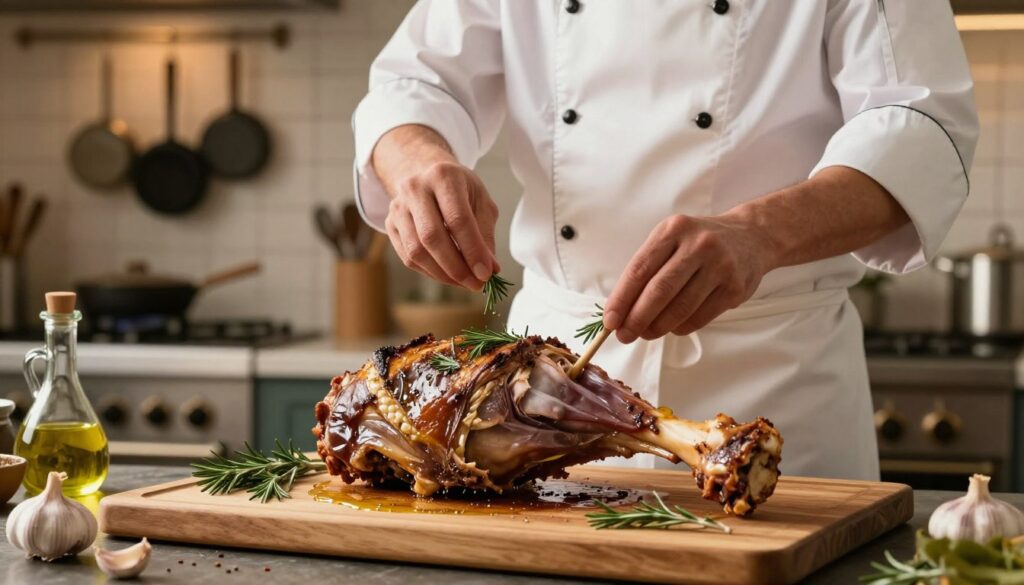
Imagine the warm scent of rosemary and garlic filling your home on a chilly Sunday afternoon. You might feel a bit nervous about tackling a large cut. But gathering your loved ones for a centerpiece is never stressful.
Mastering this ultra easy and forgiving method is simpler than you think. With a few fresh ingredients and patience, you can serve a dish that tastes like it came from a professional kitchen. This simple meat recipe relies on the magic of slow cooking, ensuring every bite is tender.
A great way to start is by following a technique that uses a bed with onions and herbs. This approach flavors the juices and keeps the protein moist throughout the process. You will love the way the flavors meld together, creating a comforting experience for everyone at the table.
Key Takeaways
- Slow cooking makes the meat fall away from the bone.
- Garlic and rosemary provide a rich, aromatic profile.
- A vegetable bed prevents the meat from sitting in excess fat.
- Adding beef stock and water keeps the dish moist during the long cook.
- Resting the meat for fifteen minutes is vital for best results.
- This approach requires no thermometer for achieving perfection.
- Pan drippings create a perfect base for a homemade savory sauce.
Why This Simple Lamb Roast Recipe Works Every Time
Ever felt scared of big cuts of meat? This foolproof method is here to help. You don’t need a fancy culinary degree to make a delicious lamb roast that wows your guests. It uses simple pantry items and easy steps for success.
Many home cooks think roasting meat is hard or takes too long. But this quick lamb roast method makes it easy. It focuses on key flavors like olive oil, garlic, and herbs. This creates a tasty crust while keeping the inside juicy.
This guide is perfect for roast leg of lamb for beginners. It’s easy to prepare, letting the oven do the work. It’s both elegant and simple, great for any family dinner or holiday meal.
- Minimal Preparation: Just a few minutes to season the meat before baking.
- Classic Aromatics: Garlic and rosemary give a timeless taste.
- Consistent Results: Basic techniques mean the meat is always juicy and flavorful every single time.
| Feature | Our Simple Method | Complex Recipes |
|---|---|---|
| Preparation Time | 15 Minutes | 45+ Minutes |
| Skill Level | Roast leg of lamb for beginners | Advanced Cooks |
| Recipe Style | Quick lamb roast | Slow Multi-step Process |
“Simplicity is the keynote of all true elegance, specialy when cooking at home.”
Following these basic steps helps you avoid common mistakes like dry or tasteless meat. You’ll know your main dish will be the highlight. Enjoy cooking a meal that feels like it’s from a fancy restaurant.
What You’ll Need for Your Easy Roast Leg of Lamb
You don’t need a fancy kitchen to make this impressive holiday dish. Preparing your space and ingredients ahead of time makes it easy. Here’s a simple list to help you succeed in the kitchen.
Having everything ready lets you enjoy the aromatic experience of cooking. Quality ingredients mean the oven does most of the work. This simplicity leads to a memorable meal.
Selecting the Right Cut of Lamb
For the best roast leg of lamb, choose a bone-in cut. The bone helps the meat cook evenly and adds flavor. It’s better than boneless versions.
Look for a leg that’s five to seven pounds for family gatherings. It should have a pink color and a thin white fat layer. This fat melts, keeping the meat juicy.
If bone-in isn’t available, a tied boneless leg works well too. Just remember cooking times might be different. Always ask your butcher to trim fat before you go.
Essential Seasonings and Aromatics
Creating a flavorful roast lamb recipe is easy. You probably have the key ingredients in your pantry. Freshness is key for the best scent and taste.
| Ingredient | Role in Recipe | Pro Tip |
|---|---|---|
| Fresh Garlic | Adds savory depth | Use whole cloves for roasting |
| Fresh Rosemary | Provides earthy aroma | Strip leaves off the woody stem |
| Olive Oil | Creates a crisp crust | Use extra virgin for better flavor |
| Kosher Salt | Enhances natural juices | Season generously on all sides |
Basic Kitchen Tools Required
You only need a few basic items for this easy lamb main dish. A sturdy roasting pan is key for holding the meat and catching juices. Use a roasting rack for better air circulation.
A reliable digital meat thermometer is crucial. It shows when the meat is done. You’ll also need a sharp carving knife for beautiful slices.
- Large roasting pan or heavy rimmed baking sheet
- Digital instant-read meat thermometer
- Small bowl for mixing your herb rub
- Sharp carving knife and a large cutting board
“The secret to a perfect roast is not in the complexity of the tools, but in the quality of the ingredients and the patience of the cook.”
Preparing Your Lamb Leg for Roasting
Getting your easy roast leg of lamb recipe right starts with preparation. Take the meat out of the fridge an hour before cooking. This lets it warm up evenly, ensuring it cooks well from edge to center.
While it warms up, trim off thick fat patches with a sharp knife. Keep a thin layer of fat to keep it moist. But remove the excess to avoid a greasy finish. Pat the meat dry with paper towels to help seasonings stick.
| Step | Action | Benefit |
|---|---|---|
| Tempering | Rest at room temperature | Ensures even cooking |
| Drying | Pat with paper towels | Creates a better crust |
| Trimming | Remove excess fat | Prevents a greasy roast |
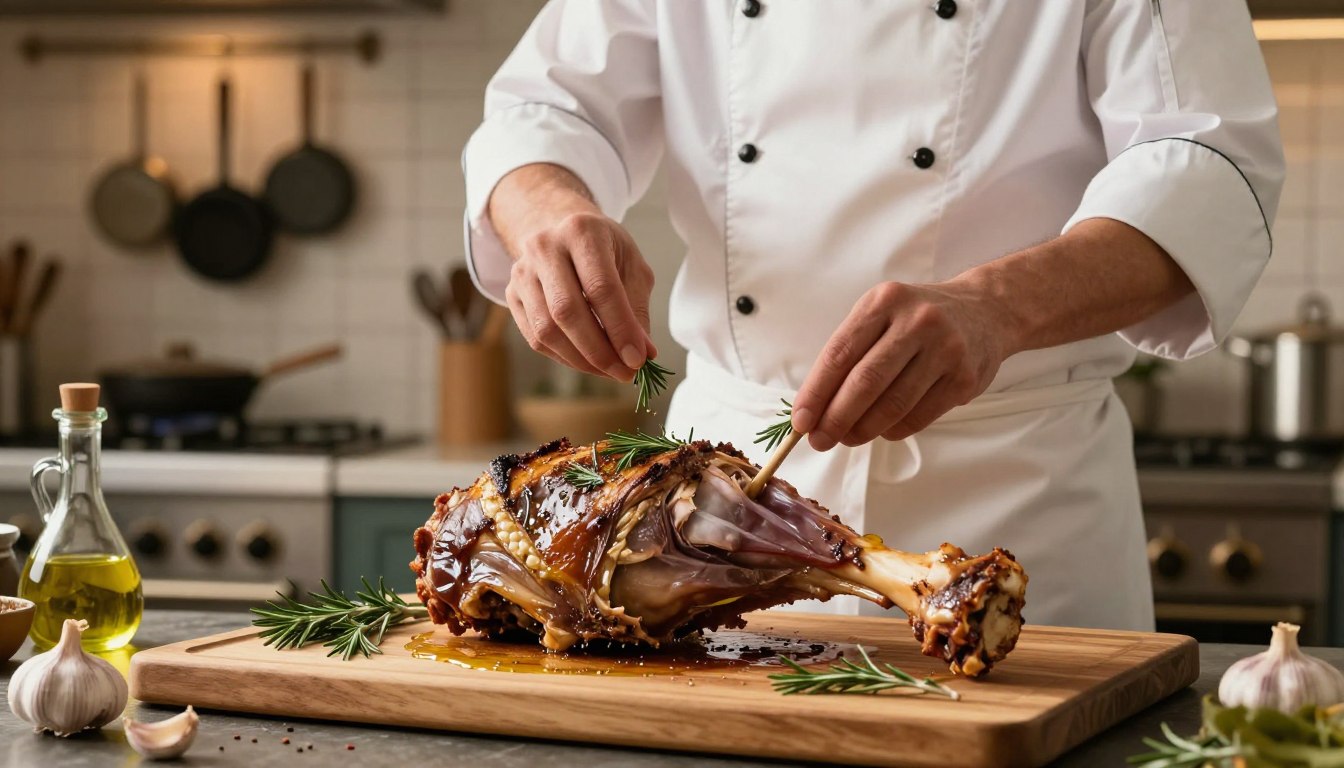
Now, create a flavor base that makes your oast leg of lamb easy and tasty. Use a knife to make small slits on the meat’s surface. Then, push garlic slivers into these slits for a strong savory aroma.
- Rub the entire leg with a generous coating of high-quality olive oil.
- Apply a heavy layer of kosher salt and freshly cracked black pepper.
- Press your favorite chopped herbs, like rosemary or thyme, into the oil.
The olive oil holds your spices together, helping create a crispy crust. Spending a few minutes on prep will make every bite tender. Once seasoned, your easy roast leg of lamb recipe is ready for the oven.
Creating the Perfect Garlic and Rosemary Seasoning
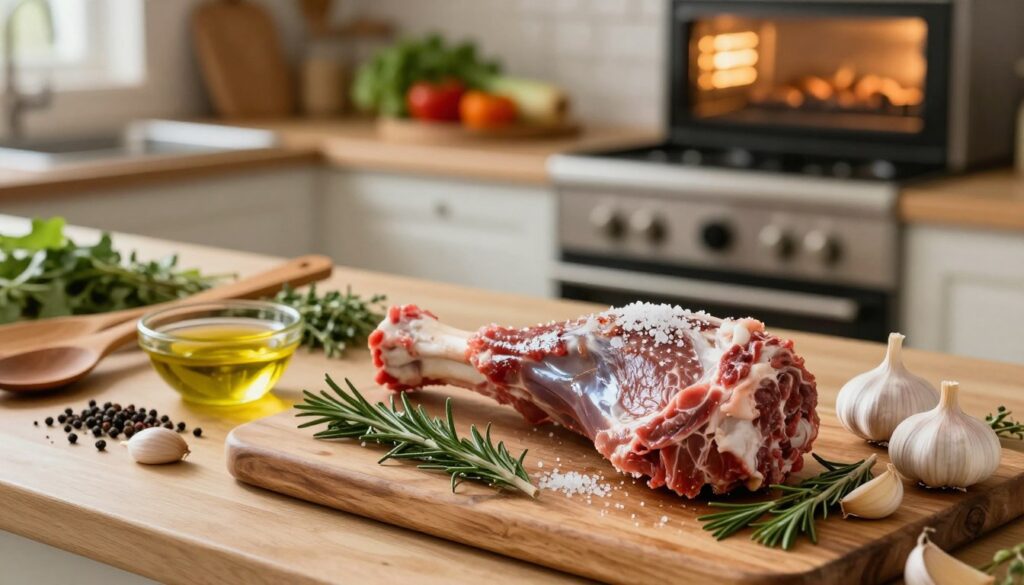
The secret to a simple roast lamb recipe is the mix of earthy rosemary and strong garlic. Together, they cut through the meat’s richness. A fresh rub creates a crust that smells amazing and tastes even better.
Learning how to cook roast lamb leg shows that seasoning is more than salt. It’s about adding layers of flavor that go deep into the meat. A well-seasoned roast makes every bite juicy and full of aroma.
How to Prep Fresh Garlic for Maximum Flavor
Garlic’s best oils come out when you break its cells. Instead of chopping, smash the cloves with a knife. This releases juices for a bold, savory flavor.
Also, cut small slits in the lamb’s surface. Put thin garlic slivers in these pockets. This lets the garlic infuse the meat as it roasts.
Using Fresh vs. Dried Rosemary
Fresh rosemary is the best choice for your simple roast lamb recipe. It has a unique piney, citrusy aroma that dried rosemary can’t match. Fresh sprigs’ oils hold up well to oven heat.
If you only have dried rosemary, it still works. Just crush the dried leaves in your palm before applying. This “wakes up” the flavors and helps them stick to the meat.
| Feature | Fresh Rosemary | Dried Rosemary |
|---|---|---|
| Flavor Intensity | Bright and Piney | Concentrated and Earthy |
| Texture | Soft and Waxy | Hard and Needle-like |
| Best Use | Rubbing and Garnishing | Slow Braising or Dry Rubs |
Additional Herb and Spice Options
While garlic and rosemary are key, you can add your own twist. Discover how to cook roast lamb leg with a unique flair. Adding extra ingredients can make the dish stand out.
Consider these popular additions to your herb rub:
- Lemon Zest: Adds a bright, acidic note that balances the heavy fats.
- Dried Oregano: Provides a classic Mediterranean vibe.
- Black Peppercorns: Freshly cracked pepper adds a necessary bite.
- Dijon Mustard: Acts as a binder to help the herbs stick to the lamb.
“A perfect roast is only as good as the aromatics you choose to surround it with.”
How to Make Roast Leg of Lamb Easy in Your Oven
Getting a perfect oven roasted leg of lamb is easy. You don’t need to be a pro chef or have fancy gear. Just a good oven and patience are all you need. Follow these simple steps to make a juicy roast leg of lamb without stress.
First, heat your oven to the right temperature for your meat. While it warms up, put your lamb in a big roasting pan. Make sure the meat fits well without touching the pan’s sides for even heat.
Next, rub the lamb all over with olive oil. This helps the seasonings stick and makes a beautifully crisp crust. Then, press garlic and herbs into the meat to keep those flavors in.
| Process Phase | Action Required | Main Benefit |
|---|---|---|
| Preparation | Coat with oil and herbs | Enhances flavor and crust |
| Initial Sear | High heat (425°F) | Locks in natural juices |
| Slow Roast | Lower heat (325°F) | Ensures tender texture |
When you put the pan in the oven, magic happens. The oven’s dry heat makes the oven roasted leg of lamb tender. Try not to open the oven door too much to keep the heat in.
To make a juicy roast leg of lamb, watch the internal temperature. Use a meat thermometer to check it towards the end. This keeps the meat moist and prevents overcooking.
- Always use a roasting rack if possible to allow fat to drip away.
- Check the meat early to avoid a dry or tough texture.
- Let the lamb reach room temperature before putting it in the oven.
Roasting this dish is a simple way to wow your guests. Your oven roasted leg of lamb will smell amazing and look like a pro made it. Just trust the process and let the oven do the work.
Best Oven Temperature for Roasting Lamb Leg
Choosing the right oven temperature is key to a juicy center. You need a heat that cooks the meat evenly without drying out the edges. Most experts agree that 325°F (170°C) is the best for a slow, steady roast.
Setting your oven to this temperature helps the heat reach the thickest part of the leg gently. This prevents the outside from getting tough before the inside is perfectly cooked. Finding the best oven temperature for roasting lamb leg ensures your dinner is a success.
The Two-Temperature Method Explained
You can also try a technique that gives you the best of both worlds. Start with a high heat to sear the meat quickly. Then, lower the temperature to finish cooking slowly.
Preheat your oven to 425°F (220°C) and roast the lamb for 15 to 20 minutes. Then, drop the heat to 325°F (170°C) for the rest of the time. This creates a beautiful contrast between the exterior and interior.
Why Starting Hot Matters
Starting with high heat helps create a savory, golden-brown crust. This is crucial for a easy roast leg of lamb with garlic and rosemary. The intense heat triggers the Maillard reaction, unlocking deep flavors in the meat.
A hot start also renders the outer layer of fat more effectively. This creates a crispy texture that complements the tender meat underneath. You’ll notice a big difference in the aroma and appearance of your roast.
Adjusting for Your Oven Type
Not all ovens are the same, so watch your roast closely. If you use a convection oven, lower the best oven temperature for roasting lamb leg by about 25°F to prevent overcooking.
Altitude and oven age can also affect cooking. Use an oven thermometer to ensure your oven is at the right temperature. This small step keeps your meat juicy every time.
| Roasting Style | Initial Temp | Finishing Temp | Expected Result |
|---|---|---|---|
| Classic Slow Roast | 325°F (170°C) | 325°F (170°C) | Uniformly tender meat |
| High-Sear Method | 425°F (220°C) | 325°F (170°C) | Crispy, dark crust |
| Ultra-Low Roast | 300°F (150°C) | 300°F (150°C) | Maximum moisture retention |
Timing Your Roast for Perfect Results
Getting the timing right is key to cooking a lamb leg without drying it out. While your oven works its magic, you need to watch the minutes and check the internal temperature. A simple sunday roast lamb recipe for beginners needs consistent heat and patience for that tender texture.
Start by preparing your lamb with olive oil, garlic, and herbs. This flavorful layer keeps the meat moist and creates a savory crust. Timing depends on the leg’s weight and your desired doneness.
Use a meat thermometer to check the roast’s center during the last stages. Pull it out just before it reaches your target temperature. This is crucial because the meat’s temperature will rise a bit while it rests.
Letting the lamb rest for 15 to 20 minutes is essential. This step allows the juices to spread evenly, so they don’t spill when carving. By following this simple sunday roast lamb recipe for beginners, you’ll get a juicy and impressive meal.
| Weight of Leg | Desired Doneness | Approx. Time (325°F) | Pull Temp (°F) |
|---|---|---|---|
| 5 – 7 lbs | Rare | 15 mins per lb | 125°F |
| 5 – 7 lbs | Medium-Rare | 20 mins per lb | 130°F |
| 5 – 7 lbs | Medium | 25 mins per lb | 140°F |
How to Cook Lamb Leg Without Drying It Out
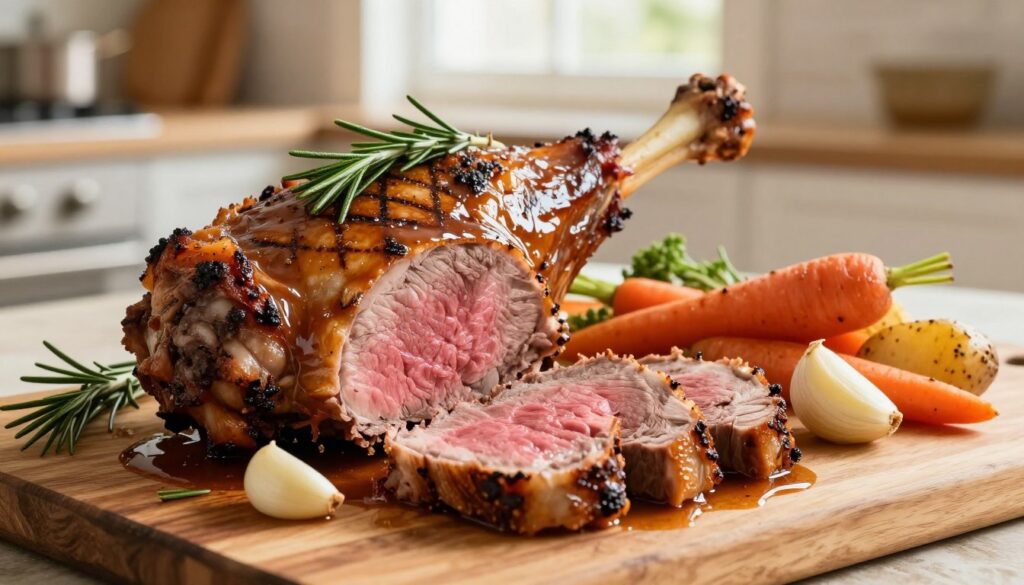
To get that perfect, melt-in-your-mouth texture, you need a strategy and to watch the oven closely. You want your meal to be tender and full of juices. A simple lamb roast recipe should make a masterpiece, not a dry disappointment.
Moisture loss occurs when muscle fibers tighten too much from too much heat. To avoid this, keep an eye on the meat as it finishes cooking. A few simple techniques can keep your meat juicy and tender.
Checking Internal Temperature Correctly
A digital meat thermometer is key for a roast leg of lamb easy enough for any weeknight. Don’t rely on time alone because every oven and piece of meat is different. Put the probe into the thickest part of the leg, avoiding the bone.
The bone heats differently than meat, which can give a false reading. Aim for the center of the muscle for the most accurate reading. Check the temperature every ten minutes to avoid going too high.
Precision is the secret ingredient that turns a good cook into a great one, when dealing with premium cuts of meat.
Visual Cues for Doneness
You can also use your senses to judge your roast’s progress. The outside should be a deep, golden-brown with a rich, savory smell. If the meat pulls away from the bone, it’s almost done.
Try a quick “poke test” for firmness. Rare meat feels soft and spongy, while well-done meat feels firm and springy. Look for these signs to keep your roast leg of lamb easy process on track:
- Juice Color: Piercing the meat should result in pinkish juices for medium-rare.
- Surface Texture: The fat should be rendered and look slightly crisp.
- Aroma: A rich, toasted scent indicates the Maillard reaction is complete.
Understanding Carryover Cooking
One big secret to a simple lamb roast recipe is accounting for carryover cooking. Your roast doesn’t stop cooking when you take it out of the oven. The internal temperature will rise by 5 to 10 degrees while it sits.
To get the perfect doneness, remove the lamb when it’s just below your desired temperature. This prevents the meat from becoming tough. Always let the juices redistribute before carving.
| Desired Doneness | Pull Temperature (F) | Final Temperature (F) |
|---|---|---|
| Rare | 115°F – 120°F | 125°F |
| Medium-Rare | 130°F – 135°F | 145°F |
| Medium | 150°F – 155°F | 160°F |
Resting and Carving Your Delicious Lamb Roast
It’s tempting to cut into that golden crust right away. But, waiting is crucial for the best taste. Resting your meat ensures it stays moist and tender for your guests.
When you take the meat out of the oven, the juices are all in the center. Cutting it then would let those juices spill out. This makes the meat dry and tough instead of juicy.
Move your leg of lamb to a warm plate or a wooden carving board. Cover it loosely with aluminum foil to keep the heat in. Let it rest for at least 15 to 20 minutes before carving.
While it rests, the meat’s fibers relax and soak up moisture. This simple step turns a good meal into a flavorful roast lamb recipe. You’ll see a big difference in the meat’s texture once it’s rested.
When carving, look for the muscle fibers’ direction. Always slice against the grain for easy chewing. Use a long, sharp knife to make thin, clean slices for a beautiful presentation.
“The secret to a perfect roast isn’t just the heat of the oven, but the stillness that follows it.”
| Step | Tool Needed | Time | Goal |
|---|---|---|---|
| Resting | Aluminum Foil | 15-20 Minutes | Redistribute Juices |
| Positioning | Carving Board | 1 Minute | Stability for Cutting |
| Carving | Sharp Slicing Knife | 5 Minutes | Tender, Thin Slices |
Serving Your Flavorful Roast Lamb
Turning your kitchen into a fancy dining room starts with the right sides for your lamb. After the meat rests, a beautiful platter is key. It shows off the best roast leg of lamb and makes the meal special.
Choose colors and textures that match the meat’s rich flavor. Offer a variety so everyone finds something they like. This makes your roast leg of lamb easy to enjoy and unforgettable.
Classic Side Dish Pairings
Traditional favorites are perfect with the best roast leg of lamb. Crispy roasted potatoes soak up the meat’s juices. Honey-glazed carrots or steamed green beans add sweetness and color.
Creamy mashed potatoes with butter and garlic are a hit. They pair well with the lamb. A fresh salad offers a crisp contrast to the meal’s richness.
Simple Sauce and Gravy Ideas
A great sauce brings all flavors together. Use the pan drippings for a roast leg of lamb easy sauce. Whisk in flour and beef stock for a thick, savory gravy.
Herbs like rosemary and garlic make the gravy better. For a bright touch, try mint sauce or jelly. These small touches make the meal special.
Making It a Complete Sunday Roast
A Sunday roast is more than food; it’s a tradition. Include Yorkshire puddings or warm bread for a complete meal. These soak up the gravy perfectly.
Start with a light appetizer before the main course. Strong flavors and inviting aromas keep guests happy. Your effort ensures everyone leaves full and impressed.
| Accompaniment | Dish Type | Flavor Profile |
|---|---|---|
| Roasted Potatoes | Side Dish | Salty and Crispy |
| Garlic Gravy | Sauce | Savory and Bold |
| Mint Jelly | Condiment | Sweet and Tangy |
| Glazed Carrots | Vegetable | Earthy and Sweet |
Common Mistakes to Avoid When Making Roast Leg of Lamb
Learning how to cook roast lamb leg perfectly means knowing what not to do. Even with a simple roast lamb recipe, small mistakes can make the meat dry or tough. Avoiding these mistakes ensures your lamb stays juicy and flavorful for your guests.
One big mistake is not using a meat thermometer. Relying only on time can be risky because every oven is different. Always check the internal temperature to get the perfect doneness without overcooking.
Another common error is not letting the meat rest. Carving it right after it comes out of the oven means all the juices will spill out. Let your roast rest for at least 15 to 20 minutes. This allows the fibers to relax and reabsorb the moisture.
“The secret to a tender roast isn’t just the heat, but the patience you show once the oven timer goes off.”
Many forget to season the meat enough. A mix of olive oil, fresh garlic, and herbs is key for a flavorful and tender dish. For more tips on avoiding mistakes cooking leg of lamb, check out this resource.
| Common Mistake | Resulting Issue | Easy Solution |
|---|---|---|
| Skipping the Rest | Dry, tough meat | Wait 15-20 minutes |
| No Thermometer | Overcooked lamb | Check internal temp |
| Cold Meat in Oven | Uneven cooking | Rest at room temp first |
Lastly, avoid overcooking, which is the most common mistake. Lamb is best served medium-rare or medium to keep its buttery texture. Remember these tips for a successful Sunday dinner.
Conclusion
You can make a meal that looks like it was done by a pro. This easy method for roast leg of lamb is both tasty and stunning. Your guests will be amazed at how easy it was for you.
The secret is in the little details that make each bite special. This technique ensures your dish turns out great every time.
For flavor, you insert garlic slivers into the meat. Then, you rub a herb paste with olive oil on the outside. These steps create a delicious crust that everyone will enjoy.
Using a thermometer keeps the meat juicy and prevents it from drying out. This easy approach makes hosting a breeze.
Let the roast rest for 20 to 30 minutes before carving. This step ensures the meat stays juicy and tender. It lets you cut thin slices that are incredibly tender.
This simple lamb roast recipe is perfect for Easter. It makes planning your holiday meal stress-free. You’ll love the taste of this simple recipe.
Chef Jean-Pierre shows that elegant cooking can be easy and stress-free. Now, you can make a memorable roast. Gather your family and enjoy the delicious smells of your hard work.