How to Make Nigerian Chicken Suya
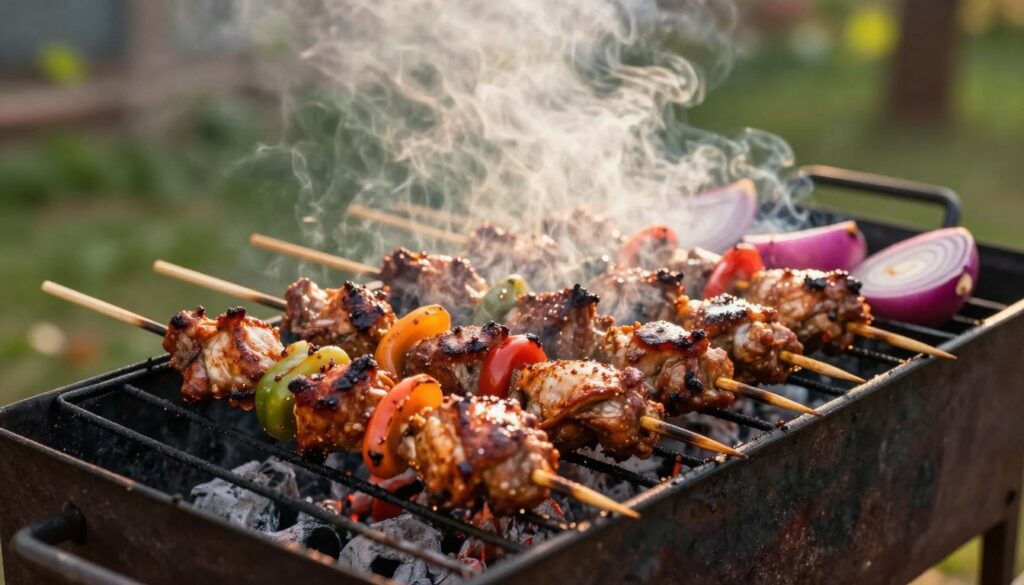
The smell of spiced chicken sizzling is magical. West African street food, like Nigerian chicken suya, brings that magic to your kitchen. It feels like coming home, no matter where you’re from.
Have you ever tried suya at a Nigerian restaurant? Or heard friends talk about its bold taste? Making suya at home is simple. With the right ingredients and steps, you can make skewers that taste like street food.
This guide will teach you everything. You’ll learn about the key ingredients and special spices. You’ll also discover how to grill, bake, or air fry your chicken. By the end, you’ll be able to make healthy Nigerian chicken suya skewers that wow your family and friends.
Key Takeaways
- Chicken breast is the best cut for a healthier version of suya
- Yaji spice is the heart of authentic Nigerian suya flavor
- Marinating chicken for 20 to 60 minutes creates better taste
- You can bake suya at 425°F for 15 minutes on each side
- Fresh onions and tomatoes are perfect sides for serving suya
- Grilling, air frying, and baking all work great for cooking suya
What is Nigerian Chicken Suya
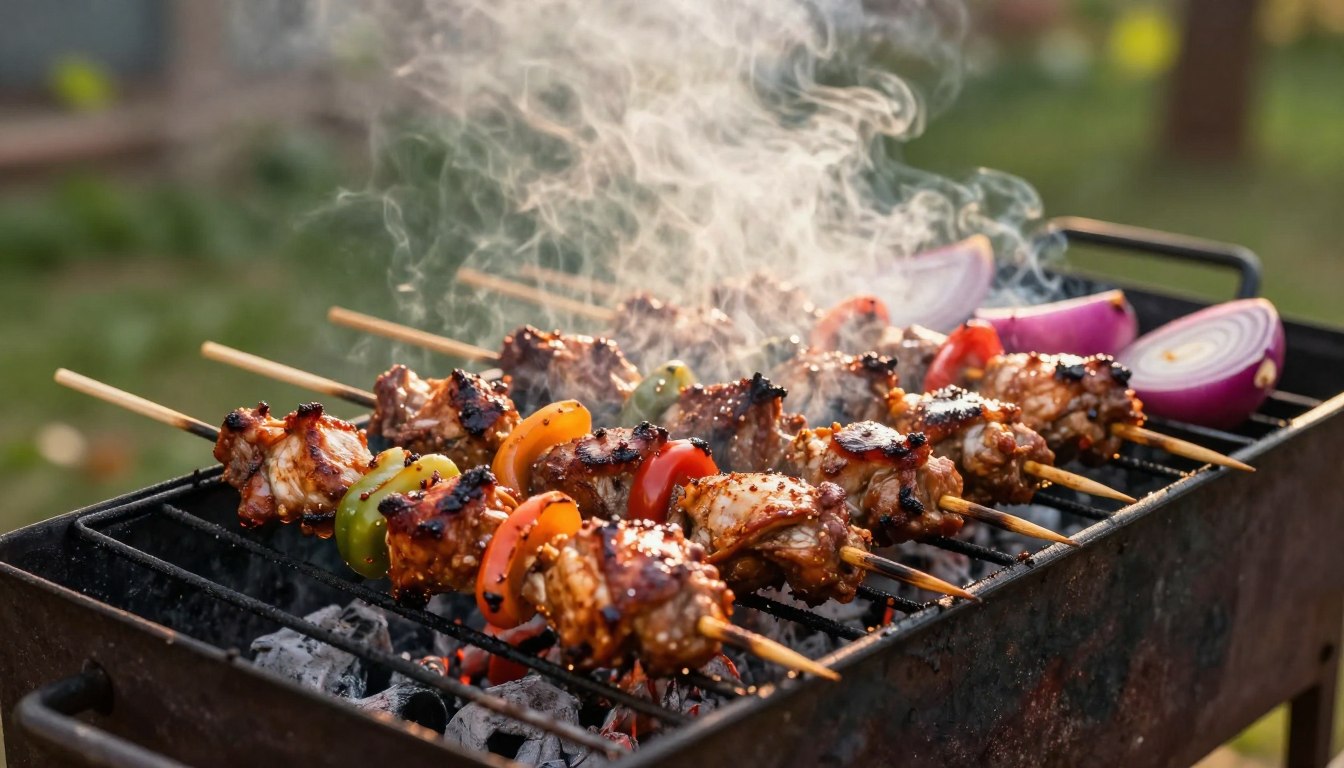
Nigerian chicken suya is a spiced grilled meat dish that brings authentic West African flavors to your kitchen. It’s a beloved street food with tender chicken coated in a bold spice blend called yaji. When you make suya at home, it’s crispy outside, juicy inside, and full of complex flavors.
Suya is special because it uses simple ingredients with masterful seasoning. The meat is marinated in spices and grilled until it’s golden and slightly charred. The warm, nutty taste with a hint of heat makes it unforgettable.
Origins of Suya as West African Street Food
Suya started as street food in Nigeria and spread to West Africa. Traveling merchants and vendors perfected this recipe over generations. It comes from the Hausa people of Northern Nigeria, where it’s a cultural icon.
Street vendors still grill suya the traditional way, selling it to hungry customers. This cooking method brings people together, creating a vibrant food culture. Making suya at home is a way to continue this tradition, celebrating community and flavor.
- Originated in Northern Nigeria
- Spread across West African countries
- Traditionally cooked on open-flame grills
- Served as a popular street food for decades
The Role of Yaji Spice in Authentic Suya
Yaji spice is the heart of authentic Nigerian chicken suya. This special blend gives suya its unique taste, making it stand out from other grilled chicken dishes. Using real yaji unlocks the true flavor of West African cuisine.
Yaji includes roasted groundnuts, cayenne pepper, ginger, and other warming spices. The mix creates a rich, slightly sweet heat that coats the chicken perfectly. The spice blend isn’t just about heat—it’s about creating layers of flavor that develop as you grill the meat. You’ll see how the spices caramelize, creating that signature golden crust.
Real suya depends on quality yaji. You can buy it pre-made or grind your own spices at home. When you control the ingredients, you can make suya that matches your taste preferences exactly.
Essential Ingredients for Nigerian Chicken Suya
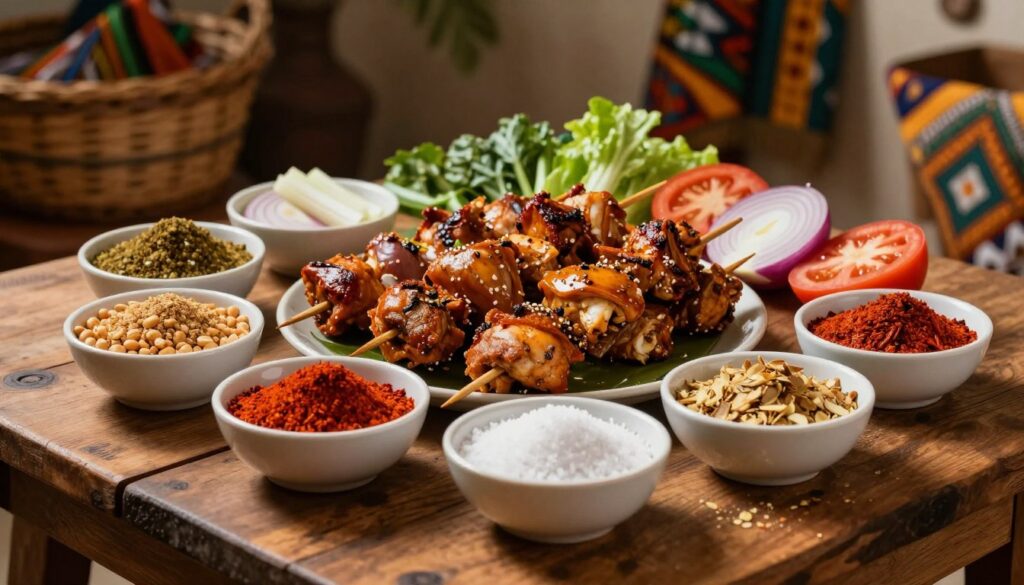
Making Nigerian chicken suya starts with the right ingredients. You need quality chicken and special seasonings for that West African taste. Suya’s magic is in simple ingredients combining for a bold, smoky flavor.
Start with your protein. Use 1 to 2 kg of chicken in your favorite cut. Choose wings, thighs, or breast for different tastes and textures.
The spice blend is key. You’ll need 4 to 5 tablespoons of suya spice or yaji powder. Add 2 teaspoons of chicken bouillon powder or Maggi cube for depth. Don’t forget salt to taste and 3 to 4 tablespoons of vegetable oil or peanut oil for cooking.
Your Complete Ingredient Checklist
- Chicken cuts: Wings, thighs, or breast (1-2 kg total)
- Suya spice: 4-5 tablespoons
- Chicken bouillon powder: 2 teaspoons
- Cooking oil: 3-4 tablespoons vegetable or peanut oil
- Salt: To taste
When making Nigerian chicken suya from scratch, you can make your spice mix. Mix 1/2 cup dry-roasted peanuts with 1 tablespoon paprika, 1 tablespoon ground ginger, and more.
Don’t forget your garnishes. Use sliced red onions, roma tomatoes, and more. These add crunch and brightness to your dish.
| Ingredient Category | Items Needed | Quantity |
|---|---|---|
| Protein | Chicken (wings, thighs, or breast) | 1-2 kg |
| Core Seasonings | Suya spice/yaji | 4-5 tablespoons |
| Flavor Enhancers | Chicken bouillon powder or Maggi cube | 2 teaspoons |
| Cooking Medium | Vegetable oil or peanut oil | 3-4 tablespoons |
| Seasoning Base | Salt | To taste |
| Spice Mix Component | Dry-roasted peanuts | 1/2 cup |
| Spice Mix Component | Paprika | 1 tablespoon |
| Spice Mix Component | Ground ginger | 1 tablespoon |
| Spice Mix Component | Garlic powder | 1 tablespoon |
| Spice Mix Component | Onion powder | 1 tablespoon |
| Spice Mix Component | Brown sugar | 1 tablespoon |
| Spice Mix Component | Cayenne pepper | 1/2 teaspoon |
| Spice Mix Component | Black pepper | 1 teaspoon |
| Garnishes | Sliced red onions, roma tomatoes, thinly sliced cabbage, chopped lettuce, lime wedges | As desired |
These ingredients create the suya experience. Ground ginger adds warmth, while garlic and onion powder add depth. Paprika adds color and spice, balancing the heat with brown sugar. Cayenne pepper gives the kick, and peanuts create the nutty coating.
Having everything ready before cooking makes it smooth and fun. Quality ingredients make a big difference in your dish.
Making Suya Spice Mix from Scratch
Making suya spice at home lets you control the flavors. Homemade spice mixes are fresher and better than store-bought ones. It turns simple chicken into something special with layers of flavor.
Start by getting quality ingredients. Use 1/2 cup dry-roasted peanuts for a nutty taste. Add 1 Tbsp paprika for color and sweetness, 1 Tbsp ground ginger for warmth, and 1 Tbsp garlic powder for depth. Include 1 Tbsp onion powder for savory notes, 1 Tbsp brown sugar for sweetness, 1/2 tsp cayenne pepper for heat, 1 1/2 tsp salt to enhance flavors, and 1 tsp black pepper for sharpness.
Key Spices and Their Proportions
Creating the perfect spice blend is about knowing each ingredient’s role. Kani pepper and African nutmeg are key for authentic suya spice. They give the dish a genuine West African taste.
Getting the right balance is crucial for a delicious taste in every bite. Learn more about homemade suya spice preparation and yaji spice two to improve your skills. Here’s how your spice proportions break down:
- Peanuts create the base flavor and texture
- Paprika adds color and mild pepper notes
- Ground ginger brings warmth and depth
- Garlic powder contributes savory punch
- Onion powder adds umami richness
- Brown sugar balances heat with sweetness
- Cayenne pepper delivers the signature kick
- Salt amplifies all flavors together
- Black pepper sharpens the overall blend
Grinding and Blending Techniques
Processing your ingredients right is as important as what you use. Start by grinding your peanuts roughly. Use a blender, spice grinder, or food processor. But don’t blend too long, or you’ll get peanut butter.
After grinding, put the peanuts in a clean kitchen towel. Twist and squeeze to remove oil. This prevents clumps and oiliness. Spread the peanuts on a plate and let them dry at room temperature for a few hours.
Once dry, loosen the peanuts with your fingers and mix them in a bowl. Add all spices and blend with a fork until combined. For a smoother texture, sieve the mixture. Reserve about one third of a cup of the mixture to serve as a garnish for your chicken suya. Store the rest in an airtight container away from heat and light for freshness.
Preparing and Marinating the Chicken
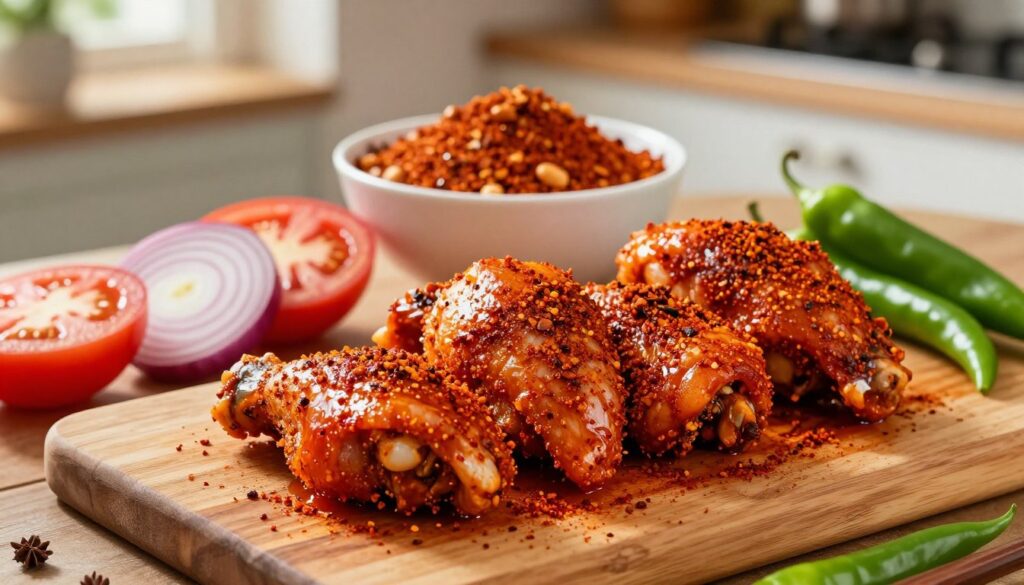
Getting your chicken ready is key to making authentic Nigerian chicken suya. How you prepare and marinate your chicken affects the taste. Taking your time to do this right makes a big difference.
Begin by cutting your chicken into bite-sized pieces or cubes. Pat them dry with paper towels to remove excess moisture. This helps the spices stick better to your meat.
Once your pieces are dry, place them in a large mixing bowl. Now, you’re ready to add your suya spice blend.
Coat all your chicken pieces with the suya spice mixture. Make sure every piece is evenly covered. The longer you marinate, the more flavorful your suya will be.
Timing Your Marinade
If you have time, marinate for 2-4 hours in the fridge. For even richer flavor, marinate up to 24 hours. This lets the spices penetrate deep into the meat.
While the chicken marinates, prepare your basting mixture. Mix the remaining suya spice with vegetable or peanut oil. This creates a beautiful crust and adds extra flavor.
The oil also prevents the spices from burning before the chicken is fully cooked. Keep this basting mixture handy for when you’re ready to cook.
- Cover your marinating chicken tightly with plastic wrap or aluminum foil
- Keep it on the lowest shelf of your refrigerator away from other foods
- Stir the chicken pieces occasionally if marinating longer than 4 hours
- Remove from refrigerator 15 minutes before cooking for best results
Your chicken is now ready for the next cooking stage. The preparation and marinating you’ve done will show in every bite when you grill or cook your suya.
Choosing the Best Chicken Cuts for Suya
The chicken you pick is key to great Nigerian chicken suya. Each cut adds unique flavors and textures. Your choice depends on the texture you prefer and how long you have to cook.
Think about the fat content and how the meat grills when picking chicken for suya. Some cuts stay juicy, while others can dry out fast. Knowing each option helps you make the best street food at home.
Chicken Wings
Chicken wings are ideal for authentic suya. They have lots of skin and fat, keeping the meat moist. Wings cook quickly, usually in 15 to 20 minutes over medium heat.
- High fat content prevents drying out
- Skin crisps up nicely when grilled
- Perfect handheld size for street food style
- Faster cooking time
Chicken Thighs
Thighs are the most forgiving option for beginners. Dark meat stays tender, even if cooked a bit longer. The natural juices make every bite juicy and flavorful.
- Extremely juicy and flavorful
- Hard to overcook compared to white meat
- Affordable and readily available
- 20 to 25 minutes cooking time
Chicken Breast
Chicken breast is lean but needs careful attention. This white meat cooks fast and can dry out if not watched closely. Many home cooks avoid breasts for suya, finding it less authentic.
- Lower fat content means less flavor
- Requires close monitoring while cooking
- Cooks in 12 to 15 minutes
- Best sliced thin before marinating
| Chicken Cut | Fat Content | Cooking Time | Best For |
|---|---|---|---|
| Wings | High | 15-20 minutes | Authentic street style |
| Thighs | Medium-High | 20-25 minutes | Beginners and flavor |
| Breast | Low | 12-15 minutes | Health-conscious cooks |
For traditional Nigerian suya, wings and thighs win every time. They offer the juicy, flavorful results that make this street food special. Mix and match cuts to create your perfect suya platter.
Grilling Methods for Perfect Chicken Suya
Grilling is the traditional way to cook authentic Nigerian chicken suya. It creates a crispy crust and keeps the inside juicy. To get great results, you need to know how to position your meat and manage your grill temperature.
Setting Up Your Grill for Success
Start by preheating your grill to medium-high heat. If you’re using a gas grill, create a two-zone fire. This lets you move pieces that are charring too quickly to the cooler side to finish cooking without burning them.
When placing your skewers on the grill grates, arrangement is key. Pack the pieces close together, even letting them touch slightly. This prevents the thin pieces from cooking too quickly and drying out. The meat should have some contact with each other while still allowing heat circulation around each piece.
The Flipping and Cooking Process
Let your skewers sit undisturbed for about 4-5 minutes before flipping. This waiting period allows a nice crust to form on the bottom. During grilling, brush the chicken with your oil-spice mixture every time you flip. This builds up layers of flavor and creates that characteristic suya crust.
You’ll typically flip 2-3 times during cooking, for a total cooking time of 12-15 minutes. This depends on the thickness of your chicken and the heat of your grill. Watch for the chicken to develop nice char marks and for the edges to get slightly crispy and darkened, but not burnt.
Knowing When Your Suya Is Done
The chicken is done when it’s no longer pink in the center and the juices run clear. Use an instant-read thermometer to verify that the internal temperature reaches 165°F. This temperature ensures your chicken is safe to eat while staying tender.
- Check for clear juices when you pierce the thickest part
- Look for golden-brown char marks across the surface
- Feel the meat—it should be firm but not hard
- Verify internal temperature with a thermometer
The key to perfect grilled suya is staying attentive. The high heat and thin meat mean things can go from perfectly charred to burnt in just a minute or two. Keep your eyes on your grill and respond quickly to any flare-ups or hot spots.
How to Make Chicken Suya in the Oven
Not everyone has a grill or charcoal setup for making Nigerian chicken suya. But, your oven can make delicious, spiced chicken with a crispy exterior. You can get restaurant-quality results in your kitchen using baking or broiling. Both methods give you that smoky, charred flavor that makes suya special.
The oven lets you control the heat and cooking time. Your chicken will cook evenly with the right temperature and timing. You’ll also learn how to baste for layers of flavor.
Temperature and Timing Guidelines
Baking is easy for making chicken suya at home. Start by preheating your oven to 360°F (180°C). This temperature cooks the chicken without burning the spice coating. Use a baking sheet with foil for easy cleanup and a wire rack for even cooking.
Put your marinated chicken on the rack, leaving space for air. Brush with oil-spice mixture. Bake for 15 minutes, flip, and brush again. Repeat this for 45 minutes to ensure the chicken is cooked and flavorful.
For quicker cooking, bake at 425°F. This method cooks the chicken faster and caramelizes it more. Bake for 15 minutes per side, flipping and basting halfway through. It’s great for chicken breast.
Basting Techniques for Maximum Flavor
Basting is key to great suya. Your oil-spice mixture is full of flavor. Brushing it on the chicken multiple times creates a delicious crust. Each baste adds more spice and color to the exterior.
For authentic oven-cooked suya, try broiling. Set your oven to broil and place the rack 4 inches from the heating element. Broil for 3-5 minutes per side, watching carefully to avoid burning. Broiling requires constant attention to get the perfect char.
| Cooking Method | Temperature | Total Time | Best For | Flipping Schedule |
|---|---|---|---|---|
| Baking (Low) | 360°F (180°C) | 45 minutes | Even cooking, gentle heat | Flip at 15 min, 30 min, 45 min |
| Baking (High) | 425°F (220°C) | 30 minutes | Chicken breast, quicker results | Flip at 15 min mark |
| Broiling | High (Broil) | 6-10 minutes | Authentic char, crispy crust | Flip at 3-5 min mark |
Your chicken is done at 165°F internal temperature. The juices should run clear, and the exterior should be crispy and golden. The spice coating should be flavorful, and you might see oil sizzling.
Let the chicken rest for about 5 minutes after cooking. This ensures the juices redistribute, making every bite moist and flavorful. Your patience will reward you with tender, delicious suya.
- Use a meat thermometer to check for doneness (165°F internal temperature)
- Don’t skip the resting period after cooking
- Baste regularly for maximum flavor development
- Keep an eye on broiling chicken to prevent burning
- Ensure proper spacing on the rack for air circulation
Traditional Serving Suggestions and Accompaniments
Nigerian chicken suya is best with the right sides and extras. Street vendors in Lagos and Abuja serve it with fresh veggies and sauces. This brings out the spicy flavors. You’ll want to create an experience like what locals enjoy on the streets of Nigeria.
How you present your chicken suya is important. Mix warm spices with cool, crisp textures. Your guests will enjoy the contrast between the charred, spiced meat and fresh accompaniments.
Best Side Dishes for Nigerian Chicken Suya
Fresh vegetables pair well with suya. Here are the top choices:
- Sliced onions with fresh lemon or lime juice
- Tomato and cucumber salad with salt and pepper
- Roasted plantains or yam chips
- Coleslaw with a light vinegar dressing
- Grilled bell peppers and zucchini
These sides cool down your palate between bites and add nutrition to your meal.
Dipping Sauces and Condiments
Your suya needs sauces that complement the yaji spice blend. Try these authentic options:
| Sauce Type | Main Ingredients | Flavor Profile |
|---|---|---|
| Peanut Dipping Sauce | Peanut butter, lime juice, garlic, water | Creamy and tangy |
| Hot Pepper Sauce | Scotch bonnet peppers, vinegar, salt | Fiery and bold |
| Onion and Tomato Mix | Red onions, tomatoes, cilantro, lemon | Fresh and zesty |
| Ginger-Garlic Paste | Fresh ginger, garlic, oil, salt | Warm and pungent |
Serve these sauces in small bowls so your guests can dip each bite.
Bread and Grain Pairings
You can wrap your suya in warm pita bread or naan for a complete meal. Many West African restaurants also serve suya with:
- Cornbread or cornmeal cakes
- Rice and beans on the side
- Cassava bread
- Flatbread with herbs
These starches balance the spicy, protein-rich meat and create a filling dish.
Beverage Recommendations
Your drink choice matters when eating spicy suya. Cold beverages work best because they soothe the heat from the yaji spices. Choose refreshing options like fresh ginger juice, hibiscus tea, or mango smoothies. Avoid drinks with too much sugar, as they can make the spice feel stronger.
When you arrange everything together, you’re recreating an authentic Nigerian street food experience right in your home. Your guests will appreciate the thoughtful presentation and the flavors that transport them to West Africa.
Tips for Achieving Authentic Street Food Flavor at Home
To make authentic Nigerian chicken suya at home, you need more than just good ingredients. You must learn the cooking techniques that street vendors have mastered over years. These techniques transform simple seasoned chicken into something truly special.
Getting that genuine street food taste starts with understanding what makes suya different. It’s not just about the ingredients. It’s about how you prepare and cook them. Your goal is to recreate that smoky, spiced crust and tender meat that makes suya so addictive.
Marinating Time Recommendations
How long you let your chicken sit in the marinade is crucial. The spices need time to penetrate the meat and build flavor depth. Plan ahead and give yourself enough marinating time before cooking.
| Marinating Duration | Best For | Flavor Intensity | Preparation Details |
|---|---|---|---|
| 2-4 hours | Quick weeknight meals | Moderate | Surface-level seasoning penetration |
| 6-8 hours | Standard home cooking | Strong | Deep flavor development throughout meat |
| 12-24 hours | Maximum flavor results | Authentic street food quality | Complete spice integration and tenderness |
Overnight marinating is best for authentic street food flavor. The longer the chicken sits, the better the spices blend into the meat. Even with just a few hours, don’t skip this step.
Mastering the Basting Technique
The basting technique is key for authentic suya. The spice and oil mixture you brush on during cooking is essential. It creates those layers of flavor and the characteristic crust that makes street vendor suya so delicious.
Apply the basting mixture generously and multiple times throughout cooking. Don’t be afraid of a little char and crispiness. Those slightly blackened edges are part of authentic suya’s appeal. Just make sure you don’t let it burn completely.
- Brush the spice-oil mixture every 2-3 minutes while cooking
- Build up multiple layers for deeper flavor
- Use a pastry brush for even application
- Watch for light browning rather than complete blackening
- Keep extra basting mixture nearby for frequent reapplication
Temperature Control Matters
Temperature control is crucial for authentic results. Whether grilling or using the oven, you need high enough heat to create caramelization and char. The trick is finding the sweet spot where the outside cooks perfectly without burning before the inside finishes cooking.
Medium-high heat is your sweet spot for most cooking methods. This temperature range creates that beautiful crust while keeping the chicken juicy inside. Too low and you won’t get the char. Too high and the exterior burns while the meat stays raw.
Pay attention to the fresh accompaniments. Sliced onions and tomatoes aren’t just pretty garnishes. They’re an essential part of the eating experience. In Nigeria, you’d never be served suya without them. The contrast of cool, crisp, slightly sharp vegetables against hot, spicy, rich meat is fundamental to the dish.
Presentation Like a Street Vendor
For the full street food experience, embrace the casual, hands-on presentation. Serve your suya on butcher paper or parchment, mimicking the traditional newspaper wrapping. Pile it up with the vegetables and encourage everyone to eat with their hands. There’s something about the informal, communal nature of eating suya this way that enhances the whole experience.
Don’t be shy with the final sprinkling of suya spice. Street vendors are generous with this finishing touch, and you should be too. That last coat of spice brings everything together and gives you that authentic vendor taste in your own kitchen.
Healthy Modifications and Alternative Cooking Methods
Making Nigerian chicken suya at home lets you enjoy this street food in healthier ways. You don’t have to give up on this tasty dish just because you’re watching your diet. By tweaking your ingredients and cooking methods, you can make a lighter version that’s just as tasty.
First, understand the fat in your suya. Suya spice is peanut-based, and peanuts have a lot of fat. But, these fats are good for you. If you’re counting calories, use less suya spice in the marinade. This way, you still get lots of flavor but with less fat.
Oil is key in making suya. You can use less oil in your basting or skip it altogether. Just a light spray of oil will stop the chicken from sticking. Your suya will be lighter but still delicious. This change helps cut down on calories.
Managing Sodium in Your Marinade
Be careful with salt in your marinade. Many suya spice blends already have salt. Adding bouillon cubes or powder can make sodium levels high. Use just one small bouillon cube or skip it for less salt. This keeps your dish tasty without too much salt.
Air Frying for Crispy Results
Air frying is great for crispy, grilled-style foods with little oil. Preheat your air fryer to 375-400°F. Place your marinated chicken in a single layer and cook for 10-12 minutes, flipping halfway. This method gives you crispy outside and juicy inside without much fat.
Baking is another option at 350°F. It makes chicken tender and juicy, with less chance of drying out. You might miss the char and crispiness of grilled suya. But, it’s a good choice for quick, healthy meals.
| Cooking Method | Temperature | Time | Oil Used | Texture Result |
|---|---|---|---|---|
| Air Frying | 375-400°F | 10-12 minutes | Minimal (light spray) | Crispy exterior, juicy inside |
| Baking | 350°F | 15-18 minutes | None to minimal | Tender, juicy, less char |
| Traditional Grilling | Medium-High Heat | 8-10 minutes | Basting oil needed | Charred, crusty exterior |
Dealing with Peanut Allergies
If you’re worried about allergies, traditional suya spice has peanuts. Peanuts are a common allergen. You can try using other nuts like cashews or sunflower seeds for a different flavor. This makes suya safe for more people to enjoy.
Making Your Meal More Vegetable-Forward
Use more vegetables with your suya. Fresh veggies add fiber, vitamins, and minerals. They also help you eat less meat. Try lettuce wraps or a big salad with your chicken. This makes your meal healthier and more filling.
- Use large lettuce leaves as wraps instead of bread
- Serve suya over mixed greens with fresh tomatoes and cucumbers
- Add roasted vegetables like bell peppers and zucchini
- Top with fresh herbs like cilantro or parsley for extra flavor
- Include a side of cooked vegetables like steamed broccoli
Healthy eating is about balance. Enjoy traditional suya as an occasional treat. Make lighter versions for weeknight meals. Your body will thank you for the delicious food and good nutrition.
Conclusion
You now know how to make Nigerian chicken suya at home. You’ve learned about choosing the right chicken and making the yaji spice blend. This knowledge lets you bring this West African favorite to your table.
Every time you make suya, you’ll find new ways to improve the flavors and techniques. This makes each dish unique and tailored to your taste.
Making suya at home is more than just cooking. It’s about honoring a tradition that has brought joy to many in West Africa for generations. When you mix the spices, marinate the chicken, and grill it carefully, you’re paying homage to a culinary art form.
Whether you grill, bake, or use other methods, your hard work makes something special and meaningful. It’s a way to connect with West Africa’s rich food culture.
As you explore the rich flavors and cultural significance of suya, remember it’s more than food. It’s a way to connect with West Africa’s vibrant food culture. Serve it with traditional sides, share it with loved ones, and enjoy the authentic street food experience you’ve created.
Your kitchen is now a doorway to West African cuisine. It’s a place where you can taste and appreciate the heritage of West African food.