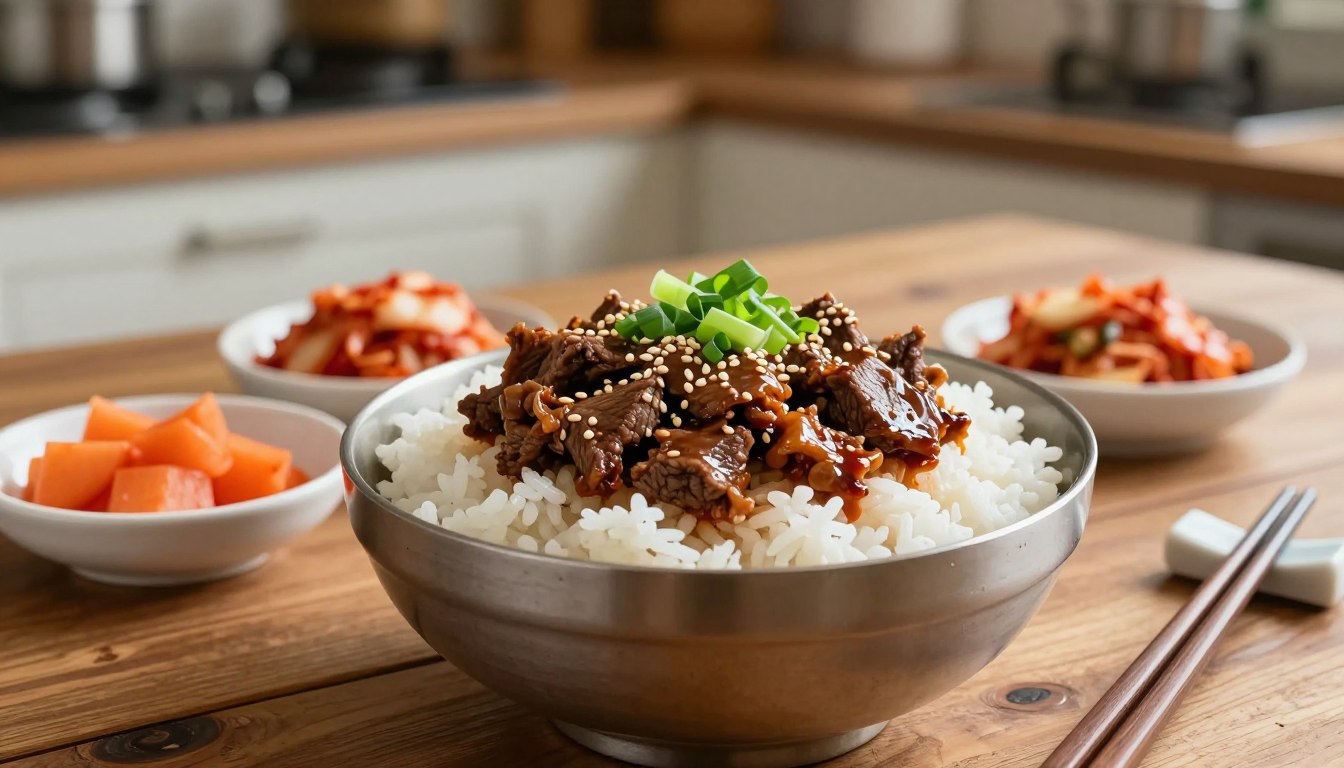
How to Make Korean Beef Rice Bowls
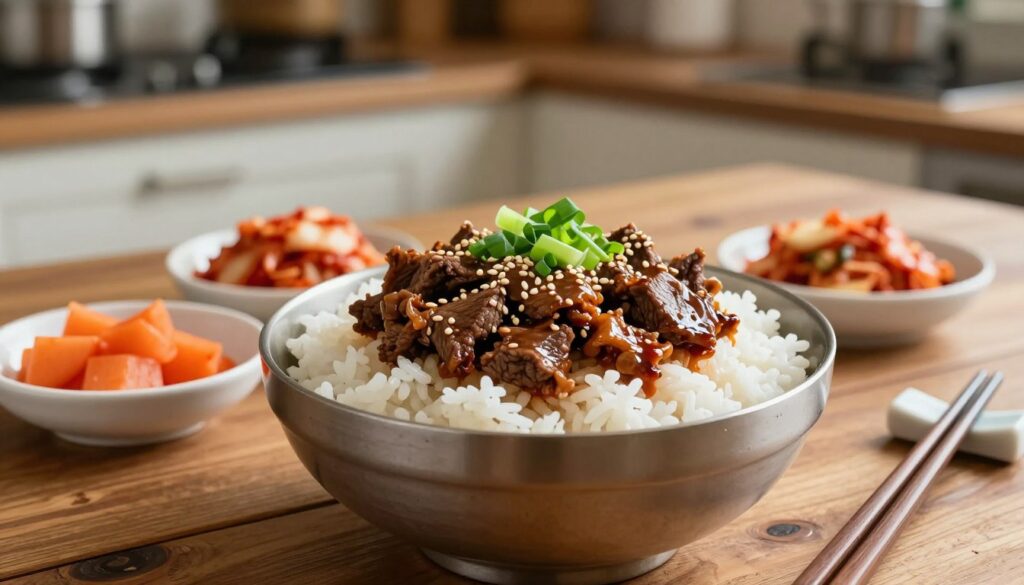
Coming home after a long day and finding a simple dinner is a relief. You might think Korean food is hard to make at home. But, a korean beef rice bowl recipe can give you those amazing flavors in just 20 minutes. Your weeknight dinner worries are over.
Using ground beef makes this dish easy on your wallet. It tastes like expensive bulgogi without the high cost. Plus, it’s a complete meal in a bowl, so no need for extra sides.
If cooking Korean food is new to you, don’t worry. This recipe is easy and uses common ingredients. It’s broken down into simple steps. Soon, you’ll be making restaurant-quality dishes at home.
You’ll learn to make flavors that seem like they’ve been marinating all day. The sweet and savory sauce creates a surprising depth. Many cooks make this dish twice a week. Cleanup is quick since it cooks and serves in one pan.
This guide will show you how to make your perfect korean beef rice bowl. You’ll learn about key ingredients, sauce secrets, and how to add your favorite toppings. You can adjust the recipe to fit your taste. Ready to change your dinner routine? Let’s start.
Key Takeaways
- Ground beef delivers authentic bulgogi flavor in just 15 to 20 minutes
- This korean beef rice bowl recipe costs less than restaurant versions
- The entire meal comes together in one bowl with no extra sides needed
- You can make this dish without any special equipment or advanced cooking skills
- Customization options let you adjust spice levels and flavors for your family
- Prep-ahead techniques make weeknight dinners even faster
- An asian-inspired dinner bowl approach gives you endless creative variations
What Makes Korean Beef Rice Bowls So Special
Korean beef rice bowls are special because they offer bold flavors that are easy to make. They mix the taste of traditional bulgogi with the simplicity of ground beef. This makes for a quick dinner that’s full of flavor.
The sauce in this dish turns ordinary ground beef into something amazing. It’s made with ginger, garlic, soy sauce, brown sugar, and gochujang. This mix creates a deep flavor that’s hard to resist.
The Magic of Bulgogi Flavors in Ground Beef
Traditional bulgogi uses sirloin marinated overnight for tenderness and flavor. But, this easy recipe uses grated apple and onion in the sauce. These add sweetness and depth to the beef.
- Grated apple provides natural sweetness and enzymatic tenderizing
- Grated onion creates concentrated flavor throughout the meat
- Soy sauce and brown sugar balance sweet and savory notes
- Gochujang adds complexity with mild heat and umami richness
This mix turns ground beef into a dish that tastes like it’s from a Korean restaurant. It’s not just meat; it’s layers of flavor that make dinner special.
Why This Recipe Takes Only 20 Minutes
This recipe is quick because it uses smart shortcuts without losing quality. Unlike traditional bulgogi, it uses ground beef that cooks fast. Prep and cooking take just 20 minutes.
- Ground beef cooks faster than sliced meat
- No overnight marinating required
- One-pan cooking means less cleanup
- Sauce cooks while beef browns simultaneously
- Toppings assemble while rice finishes
Using pre-cooked rice saves a lot of time, as shown by healthy dinner bowls for 30-minute meals. This lets you focus on making bold flavors fast. It’s perfect for feeding yourself or your family.
This quick korean beef dinner is all about balance. It’s fast to make but tastes like you spent hours. That’s why it’s a game-changer for busy weeknights.
Essential Ingredients for Korean Beef Rice Bowl Recipe
Making a ground beef rice bowl at home is simple. You likely have most of the ingredients already. This recipe uses common pantry items, keeping costs low and avoiding specialty stores.
Ground beef is cheaper than bulgogi cuts, making this recipe budget-friendly. It’s perfect for families looking to save money without losing flavor.
Core Bulgogi Sauce Components
Your bulgogi sauce is the dish’s heart. You’ll need basic ingredients that blend well:
- 1 pound ground beef
- ¼ cup brown sugar
- ¼ cup soy sauce
- 2 teaspoons sesame oil
- 3 cloves minced garlic
- 1 teaspoon grated ginger
- ½ apple, grated (about 3 tablespoons)
- ¼ onion, grated (about 1 tablespoon)
- 1 tablespoon gochujang (adjustable for spice level)
Bowl Assembly Essentials
For the base, you’ll need cooked rice. Add fresh veggies for color and nutrition:
- Cucumber slices
- Shredded carrots
- Sesame seeds
- Green onions
- Kimchi (optional)
- Mayo for drizzling (optional)
The grated apple and onion are key. They bring sweetness and depth, making the dish taste like it’s from a restaurant.
You can find all the ingredients at most supermarkets. Gochujang, the spicy paste, is in the Asian section. If you can’t find it, red pepper flakes are a good substitute. This makes making authentic Korean beef bowl ingredients at home easy.
The Secret to Authentic Bulgogi Sauce
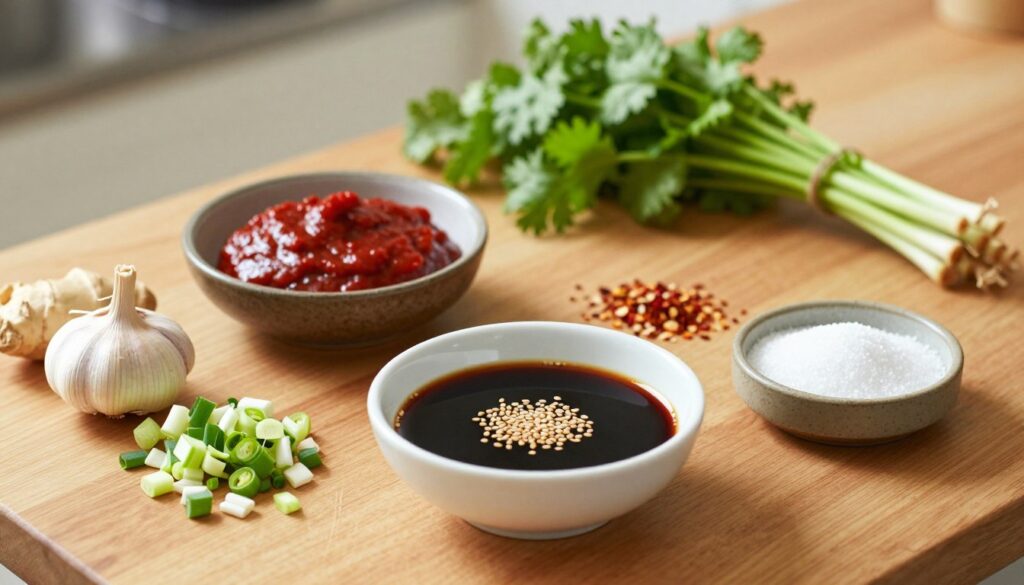
The secret to a great korean beef bowl sauce is finding the right balance of flavors. A korean bulgogi bowl is more than just seasoned ground beef. It’s beef that’s been marinated in a sauce that’s both authentic and complex. The sauce is the key to making your dish stand out.
This sauce combines brown sugar, soy sauce, sesame oil, garlic, ginger, and two special ingredients: grated apple and onion. These ingredients turn ground beef into a dish that tastes like it’s from a Korean restaurant.
Why Grated Apple and Onion Matter
Korean cooks have used grated apple and onion in bulgogi sauce for years. These ingredients add more than just flavor. They’re crucial for an authentic bulgogi rice bowl. When you grate them, you release juices that mix with the beef, adding flavor.
The apple adds a natural sweetness that’s more complex than brown sugar. It gives depth to the sauce. The onion adds savory richness and umami, making the dish unforgettable.
- Use a microplane grater for finely grated apple and onion (a box grater works too)
- Grate the apple right before cooking to prevent browning
- Don’t skip this step—it truly makes a difference in your bulgogi rice bowl
Understanding Gochujang and Heat Levels
Gochujang is a Korean chili paste that adds authentic heat to your sauce. It might seem scary if you’ve never tried it, but it’s easy to use. Gochujang brings a mix of mild heat, savory, and sweet flavors. You can find it in most supermarkets in the Asian foods section.
If you’re new to gochujang, start with just one teaspoon. Taste your dish before adding more. You can always add more heat. For those who prefer no spice, use tomato paste instead. Your dish will still be delicious.
| Gochujang Levels | Amount | Heat Level | Best For |
|---|---|---|---|
| Light | 1 teaspoon | Mild | First-time users, sensitive palates |
| Medium | 2 teaspoons | Moderate | Most families, balanced flavor |
| Bold | 1 tablespoon | Strong | Spice lovers, experienced cooks |
| Substitute | Same amount as gochujang | None | No heat preference, young children |
Mixing gochujang into your sauce makes your dish authentic. The fermented paste adds a depth that’s hard to replicate. Your bulgogi rice bowl will taste like it’s from a Korean kitchen, even with ground beef.
Step-by-Step Instructions for Perfect Korean Beef Bowls
Making the best korean ground beef recipe for dinner is easy. You don’t need to be a pro in the kitchen. It only takes about 10 minutes, perfect for a quick dinner on a busy night. Follow these steps to cook like a pro.
First, mix your bulgogi sauce in a small bowl before heating up. This step helps you avoid rushing while cooking. It makes the whole process smooth and stress-free.
- Combine all bulgogi sauce ingredients in a small bowl and mix well
- Heat oil in a large skillet over medium-high heat
- Add minced garlic and cook for about 1 minute until fragrant
- Add your ground beef to the pan, breaking it up as it cooks (3-5 minutes total)
- Drain excess fat from the beef
- Pour in your prepared bulgogi sauce and stir to coat the beef
- Simmer for 2-3 minutes until the sauce thickens slightly
- Stir in sliced green onions and remove from heat
When cooking your beef, aim for a brown color with a caramelized look. Take your time. This step enhances flavor and texture. Cook the garlic first to release its oils, preventing burning and adding depth.
| Cooking Stage | What to Look For | Time |
|---|---|---|
| Garlic cooking | Fragrant aroma fills your kitchen | 1 minute |
| Beef browning | Beef changes from pink to brown | 3-5 minutes |
| Sauce simmering | Sauce thickens and coats beef | 2-3 minutes |
| Total cooking time | All beef is cooked through | 10 minutes |
The sauce should coat your beef well without being too thin. If it’s too thin, simmer it a bit longer. When you prepare your homemade korean rice bowl, the sauce will cling to the beef, creating layers of flavor.
Add green onions at the end to keep them fresh. This adds brightness and texture. Your quick korean beef recipe is now ready to be served over rice with your favorite veggies.
Creating the Perfect Gochujang Mayo Drizzle
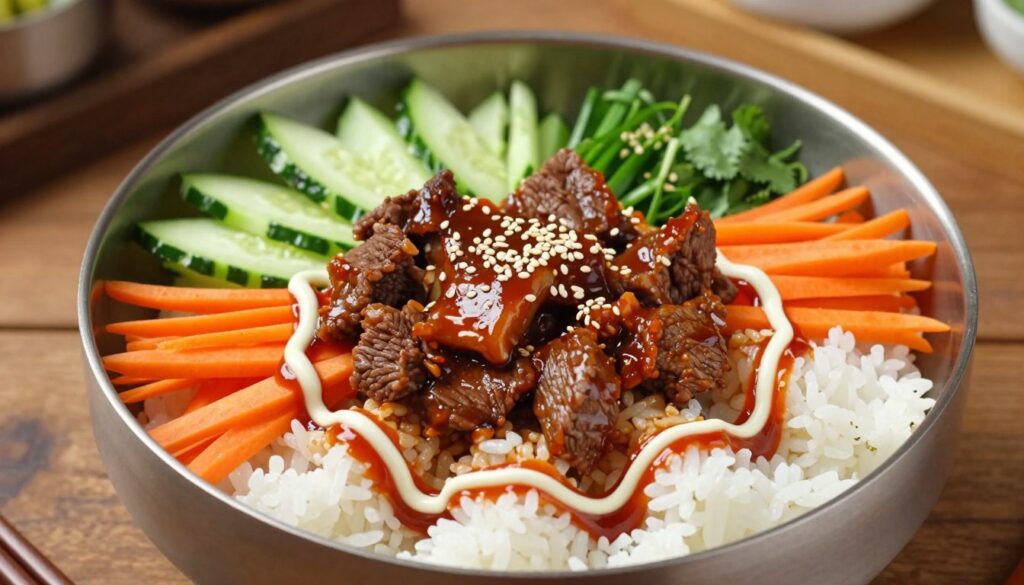
The finishing touch on your spicy korean beef bowl with rice is what makes it unforgettable. This creamy, spicy drizzle adds moisture and richness. It brings all your bowl components together. You can make this sauce in under a minute with just four simple ingredients.
Making an asian beef bowl recipe truly shine comes down to understanding how different flavors work together. The gochujang mayo is your secret weapon for creating that perfect balance.
Balancing Creamy and Spicy Elements
Your gochujang mayo drizzle combines these four essential ingredients:
- 3 tablespoons whole-egg mayonnaise
- 1 teaspoon gochujang
- ½ teaspoon sesame oil
- ½ teaspoon rice vinegar
The mayonnaise provides cooling creaminess that balances the heat from the gochujang. The sesame oil adds nutty richness that makes every bite more satisfying. The rice vinegar brings bright acidity that cuts through the richness, preventing the sauce from feeling heavy.
This sauce complements your savory-sweet beef and fresh vegetables beautifully. You can adjust it to match your taste preferences—add more gochujang for extra heat in your spicy korean beef bowl with rice, or reduce it for a milder version.
Want a lighter option? Try this alternative soy-based drizzle instead:
- 2 tablespoons soy sauce
- 1 tablespoon sesame oil
- 2 teaspoons brown sugar
- 2 teaspoons rice vinegar
You can prepare your gochujang mayo up to 3 days ahead and store it in the fridge. This make-ahead tip makes your asian beef bowl recipe even easier for busy weeknights or meal prep days.
Best Toppings and Vegetables for Your Rice Bowl
The toppings and vegetables you choose make your savory beef bowl amazing. Fresh veggies add crunch and color, balancing the rich beef. Your bowl becomes a complete meal with the right mix of fresh and fermented items.
Think of your bowl as a canvas for creativity. Use any vegetable you have in the fridge. Raw veggies stay crisp, while lightly cooked greens are softer. This lets you make your healthy Korean rice bowl just how you like it.
Start with your vegetable base. Choose items that offer different textures and flavors:
- Crunchy vegetables: Julienne your carrots into thin matchsticks, slice Persian cucumbers into half moons, and shred red cabbage for satisfying crunch
- Creamy elements: Add sliced or mashed avocado for richness and healthy fats
- Fermented additions: Kimchi and pickled radish bring tangy, complex flavors that complement the beef
- Fresh greens: Wilted baby spinach or crisp lettuce adds nutrition and visual appeal
- Garnishes: Sesame seeds, sliced green onions, and chopped cilantro finish your bowl
You can also add sugar snap peas, sliced bell peppers, and diced carrots for extra veggies. A fried egg on top adds protein and richness. Easy Korean ground beef rice bowls often feature cucumber ribbons and shredded red cabbage.
| Vegetable Type | Preparation Method | Texture Profile | Best Role in Bowl |
|---|---|---|---|
| Carrots | Julienne or grate | Crunchy | Color and sweetness |
| Cucumber | Slice into half moons | Refreshing and crisp | Cooling element |
| Red Cabbage | Shred finely | Crunchy | Color and texture |
| Baby Spinach | Lightly wilt or raw | Soft or tender | Nutrition and color |
| Bell Pepper | Julienne or dice | Crisp and sweet | Sweetness and crunch |
| Avocado | Slice or mash | Creamy | Richness and healthy fats |
| Kimchi | Chop or use whole pieces | Soft and tangy | Fermented flavor depth |
| Sesame Seeds | Toast lightly (optional) | Nutty crunch | Garnish and nutty flavor |
When you create protein bowl dinner ideas for busy nights, fresh roasted veggies like broccoli and zucchini work well with raw options. The mix keeps every bite exciting.
Your veggies do three important things: they add texture, make your bowl look good, and boost nutrition. This mix makes your meal feel both indulgent and healthy. Don’t be afraid to try new things.
Customizing Your Korean Ground Beef Rice Bowl for Different Tastes
Making a homemade korean beef bowl is easy to adapt for everyone. You can adjust the spice level to suit your family’s taste. This way, you can make each bowl unique, without having to cook separate meals.
Start by serving the ingredients separately. This lets everyone create their own perfect bowl. Kids might prefer plain beef and mild veggies, while adults can add more spice.
Making It Kid-Friendly Without Losing Flavor
Kids don’t have to miss out on tasty korean ground beef and rice. The sauce is sweet from brown sugar and soy sauce. You can skip the spicy gochujang for a milder taste.
Here’s how to make it kid-friendly:
- Use tomato paste instead of gochujang for a sweeter flavor
- Leave out the spicy gochujang mayo
- Don’t include fermented kimchi
- Use mild veggies like carrots and cucumber
- Keep the savory-sweet beef base
This way, kids enjoy the same flavors as everyone else. They get to taste real Korean flavors without the heat.
Adding Extra Heat for Spice Lovers
If you love spice, you can make your korean ground beef rice bowl even hotter. Start with the basic recipe from this korean ground beef rice bowl, then add your favorite spicy ingredients.
Here are some ways to add more heat:
- Use more gochujang in the beef mixture
- Add crushed red pepper flakes to the beef
- Top with extra kimchi
- Mix sriracha into your mayo drizzle
- Finish with gochugaru, Korean red chili flakes
Your bowl becomes a spicy adventure. You decide how hot it gets, from the sauce to the toppings.
This recipe is super flexible. Everyone can enjoy their favorite version. No one complains, and you avoid the stress of pleasing everyone.
Serving Suggestions and Creative Variations
Your korean beef rice bowl meal prep can be more than just a simple dish. Once you learn how to make bulgogi beef, you can turn it into many meals. This dish is great because you can serve it in many ways, from traditional to modern.
Try new ways to serve your beef. It’s perfect for meal prep because it stays good for a while. This makes your week easier.
Traditional Korean Serving Methods
Enjoy your bulgogi beef in the ssam style. Wrap it in lettuce with rice and spicy sauce. It’s fun to eat this way. You can also serve it over noodles for a new twist.
Creative Fusion Variations
Use your beef in new dishes. Here are some ideas:
- Korean beef tacos with rice and cilantro
- Loaded fries with beef and gochujang mayo
- Sliders with pickled veggies
- Spring rolls with beef and veggies
- Sushi rolls with bulgogi beef
- Nachos with beef and spicy sauce
Smart Meal Prep Storage Guide
| Storage Method | Duration | Best Use |
|---|---|---|
| Refrigerator | 2-3 days | Quick weekday meals |
| Freezer | Up to 3 months | Long-term meal prep |
| Separate components | 2-3 days | Fresh assembly daily |
Keep your beef, veggies, and rice separate for the best taste. Reheat the beef and make your bowl in minutes. This keeps your meals fresh all week.
Meal prep with korean beef rice bowl saves you time. Cook once, enjoy many meals.
Conclusion
You now have all you need to make a fantastic Korean beef rice bowl recipe. It tastes like it’s from a restaurant, but it’s easy and quick. You can make it in just 20 minutes with ground beef and simple ingredients.
This dish is perfect for everyone because you can adjust the spice level. Kids can have a milder version, and spice lovers can add more gochujang and sriracha. You can also change up the vegetables to keep things interesting.
Prepping ahead of time is a smart move. Brown the beef and chop the veggies on Sunday. Then, you can quickly make your bowl when you’re hungry. For more meal prep ideas, check out meal prep dinner bowls that stay fresh all week.
Try the basic Korean beef rice bowl recipe this week. You’ll love the mix of sweet, savory, and umami flavors. As you make it more, you can add your own twists. This recipe is a must-have for its flavor, nutrition, and convenience.