How to Make Global & Flavor-Packed Fish Recipes
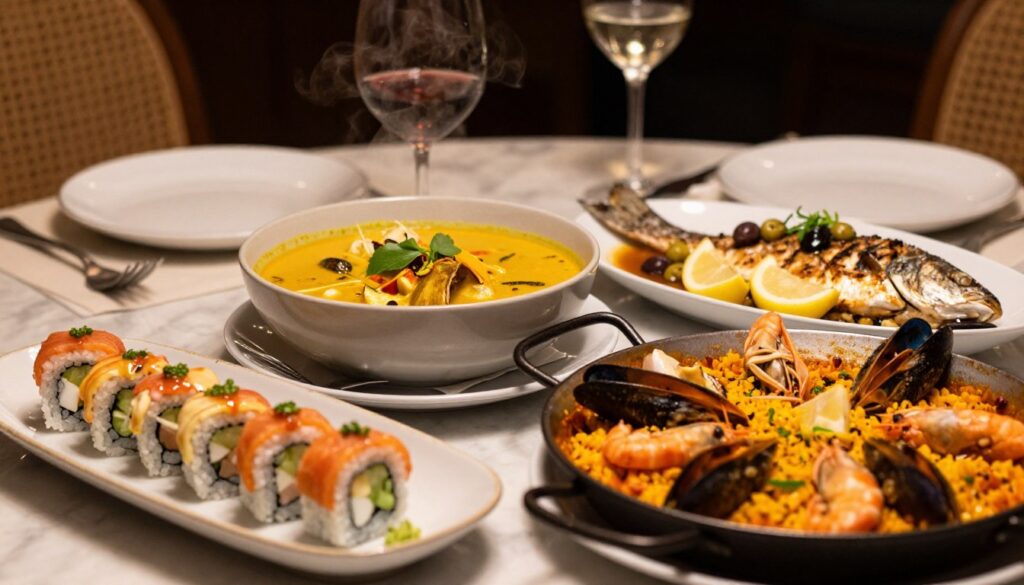
Do you remember a meal that took you somewhere special? Maybe it was the zing of lemon and oregano from Greece or the spicy Thai curry that made your taste buds dance. You don’t need to travel far to find that magic. It’s right in your kitchen, with just a simple fish fillet.
This guide invites you on a culinary journey. We’ll dive into how cultures from the Mediterranean to Asia make their famous seafood recipes worldwide. You’ll discover the why behind their flavors, not just the how.
Imagine unlocking simple cooking techniques that boost your confidence. Think about having a versatile pantry that opens up a world of flavors. Your dinner table is about to get a lot more exciting.
Key Takeaways
- Explore how different cultures transform simple seafood into spectacular meals.
- Understand the “why” behind iconic flavor combinations from around the world.
- Master straightforward cooking techniques that guarantee delicious results every time.
- Learn which pantry staples are essential for creating authentic international fish dishes.
- Gain the confidence to experiment and make these global recipes your own.
- Discover why seafood is the perfect, versatile canvas for culinary creativity.
- Bring the vibrant tastes of world cuisines directly to your home kitchen.
Unlock a World of Flavor on Your Plate
Imagine your dinner plate as a passport, with each bite a journey to a new place. You don’t need a ticket to explore the tastes of Vietnam, Spain, or Scandinavia. Your kitchen is the key.
This journey is all about embracing diverse fish recipes. Fish and seafood are your most versatile ingredients for this adventure.
Why Fish is the Perfect Global Canvas
Fish has a mild flavor and delicate texture. This makes it perfect for bold international seasonings. A firm white fillet can soak up a zesty Latin American citrus marinade. A rich salmon steak carries a sweet-savory Japanese miso glaze beautifully.
This adaptability is why global seafood cuisine is so exciting. You can apply techniques and flavors from anywhere. The documentary “The Fish on My Plate” explores how our seafood choices connect us to the world.
| Cuisine | Key Flavor Profile | Common Fish Used | Signature Technique |
|---|---|---|---|
| Mediterranean | Herbs, Lemon, Olive Oil | Sea Bass, Sardines | Grilling, Roasting |
| Asian | Umami, Ginger, Soy | Salmon, Snapper | Steaming, Glazing |
| Latin American | Bright Citrus, Spicy Chiles | Flaky White Fish, Shrimp | Ceviche, Grilling |
| Nordic | Dill, Mustard, Smoke | Salmon, Herring | Curing, Smoking |
Cooking as Culinary Travel
Preparing these dishes is your ticket to travel. Sizzling garlic for Spanish shrimp transports you to a tapas bar in Barcelona. Simmering caramel sauce for Vietnamese fish brings the bustling energy of a Hanoi kitchen to your stove.
This form of travel is affordable, immediate, and deeply satisfying. It expands your skills and turns weeknight dinners into exploration. You can find inspiration for quick fish recipes that feel luxurious from any corner of the globe.
Every new recipe you try adds another destination to your culinary map. Start your journey today and discover how easy it is to bring the world’s flavors home.
Your First Step: Selecting the Right Fish
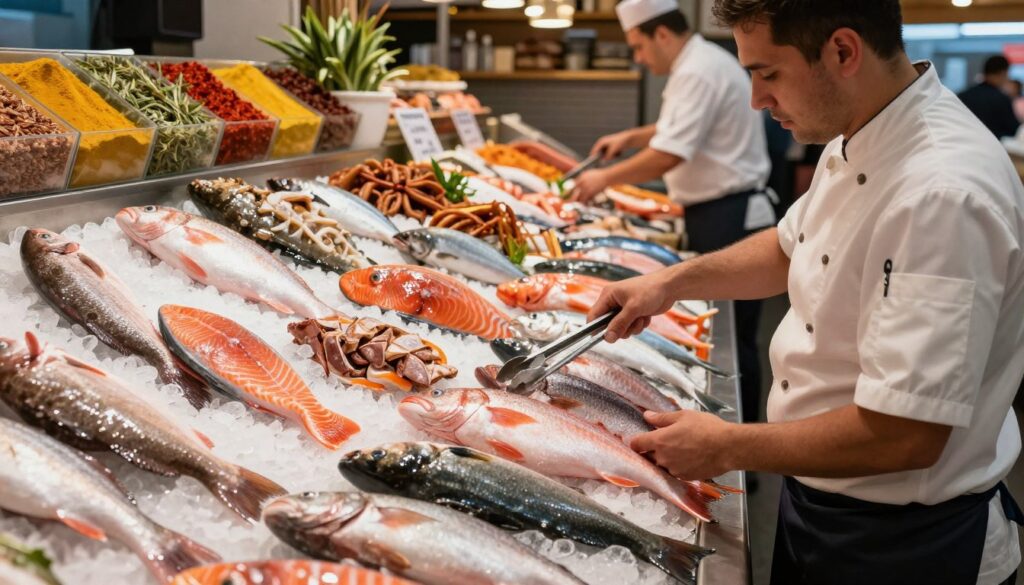
Choosing the right fish is key to a great dish. It’s the first step to making fish dishes around the world a success.
Lean vs. Fatty Fish: Matching Texture to Technique
Not all fish are the same. Knowing the types helps you choose the best cooking method.
Lean fish are low in fat. They’re mild and flaky. Good for high-heat cooking like searing or frying.
Fatty fish are oily. Salmon, mackerel, and trout are examples. They’re best for baking, broiling, or poaching.
| Type | Common Examples | Texture | Best Global Cooking Techniques |
|---|---|---|---|
| Lean Fish | Cod, Flounder, Snapper | Firm, Delicate Flake | Searing (Asian stir-fry), Beer-battering (British), Ceviche (Latin American) |
| Fatty Fish | Salmon, Mackerel, Sardines | Rich, Buttery, Oily | Broiling (Japanese miso glaze), Hot Smoking (Nordic), Grilling (Mediterranean) |
| Medium-Fat Fish | Sea Bass, Trout, Tuna Steak | Meaty, Versatile | Pan-roasting, Baking en Papillote, Quick Searing for Tacos |
How to Spot the Freshest Catch Every Time
Freshness is crucial. Use your senses at the counter.
Look for clear, bright eyes. The flesh should spring back when pressed. It should feel firm, not soft.
Smell it. It should smell clean and briny, like the sea. Avoid strong smells. Check the gills; they should be red, not brown or slimy.
The Smart Guide to Buying Frozen Seafood
Don’t skip the freezer aisle. High-quality frozen seafood is a great option. It’s often more sustainable and lets you try multicultural fish recipes anytime.
Choose solidly frozen packages with no ice crystals. The packaging should be intact. Look for “individually quick frozen” (IQF) for portion control.
Thaw it slowly in the fridge overnight for the best texture. Frozen fish is perfect for curries, stews, and baked dishes from around the world.
Essential Gear for Your Global Kitchen
Busy families and new cooks need a few reliable tools for fish dinners. You don’t need lots of fancy gadgets to make international fish dishes. Just four essentials will help you make amazing meals at home.
A sharp chef’s knife is a must. It chops herbs, minces garlic, and fillets fish safely. Then, get a heavy-bottomed skillet, like cast-iron or stainless steel. It cooks food evenly, so you get a crispy sear without sticking.
A flexible fish spatula is great for flipping delicate fillets. It keeps them from falling apart. An instant-read thermometer also helps. It ensures your fish is cooked just right, without being dry or overcooked.
With these four tools, you’re ready to try seafood recipes worldwide with confidence. You can sear a fillet for tacos or roast a whole baked fish with Mediterranean herbs. The right tools make cooking easy and fun.
Building Your Global Pantry for Fish Recipes
Think of your kitchen pantry as a passport. Each jar and bottle is a stamp from a different place. With the right items, you can cook global seafood cuisine without leaving home. This turns simple fillets into a world tour.
You build flavor from the shelf up. Let’s explore the essential building blocks.
The Foundation: Oils, Acids, and Aromatics
Every great dish starts here. Your oil choice sets the stage. Use extra virgin olive oil for Mediterranean dressings and low-heat sautés. For high-heat stir-fries, a neutral oil like grapeseed works best.
Acids like fresh lemon, lime, and vinegar brighten flavors. They cut through richness. Aromatics are your flavor base. Garlic, ginger, and shallots create depth. Sauté them first to build a delicious foundation for your fish.
Spice Journey: Key Blends from Around the World
Pre-mixed spices are your shortcut to authenticity. They deliver complex flavor instantly. Keep these key blends on hand.
- Herbes de Provence: A French mix of rosemary, thyme, and lavender. It’s perfect for baked or grilled fish.
- Za’atar: A Middle Eastern blend with thyme, sumac, and sesame seeds. Sprinkle it on fish before cooking.
- Chinese Five-Spice Powder: This blend of star anise and cinnamon adds a warm, sweet note to glazes.
These blends help you explore diverse fish recipes with confidence.
Secret Weapons: Condiments and Pastes
These are the power players for deep, savory flavors. A small spoonful can transform a dish.
Miso (Japan) and gochujang (Korea) add salty, fermented umami. Harissa (North Africa) brings smoky heat. Fish sauce (Southeast Asia) is the ultimate savory booster. Don’t be shy with these ingredients.
They are the key to unlocking the true taste of global seafood cuisine. For inspiration, check out these must-try fish recipes that use such condiments.
| Pantry Category | Key Examples | Primary Cuisine Use | Flavor Profile |
|---|---|---|---|
| Oils | Extra Virgin Olive Oil, Grapeseed Oil | Mediterranean, Asian Stir-fry | Fruity, Neutral |
| Acids | Fresh Lemon, Rice Vinegar | Universal, Ceviche, Dressings | Bright, Tangy |
| Spice Blends | Za’atar, Chinese Five-Spice | Middle Eastern, Asian | Earthy, Warm, Citrusy |
| Condiments & Pastes | Miso, Gochujang, Fish Sauce | Japanese, Korean, Thai | Salty, Umami, Spicy |
Mediterranean Magic: Herb-Infused Simplicity
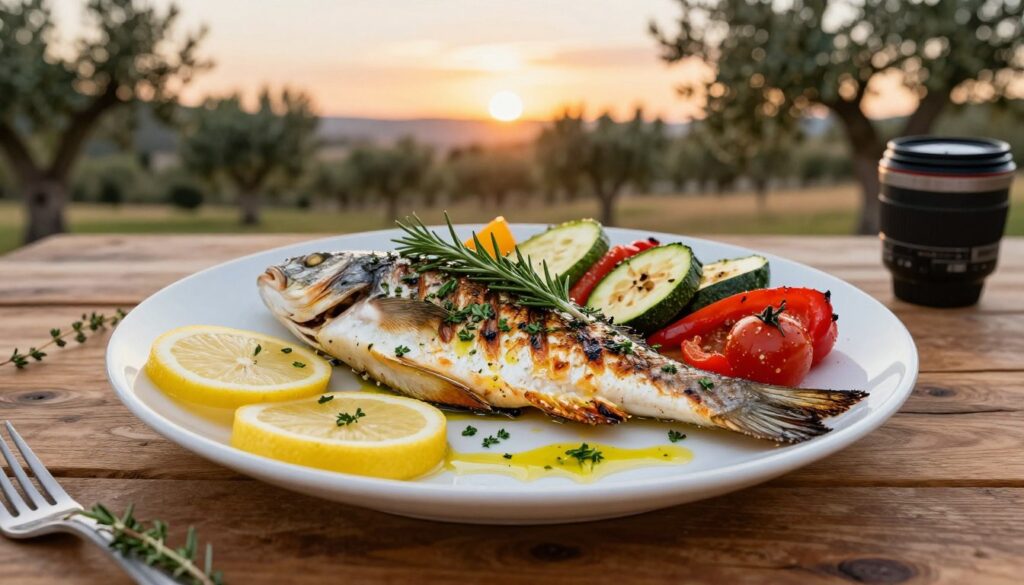
To master fish dishes around the world, start with the Mediterranean’s timeless formula. It includes pristine seafood, quality olive oil, bright lemon, and fragrant herbs. This region teaches us that less is often more, letting the natural flavor of the catch shine.
The Philosophy: Freshness Above All
Mediterranean cooking isn’t about complex sauces or heavy spices. It’s a celebration of the ingredients themselves. Think of a platter of simply grilled fish, anointed with golden olive oil and a squeeze of sun-ripened lemon. The goal is to enhance, not mask.
This philosophy turns every meal into a vibrant, healthful experience. Herbs like oregano, thyme, and rosemary are used generously, while garlic adds a savory depth. It’s an approachable style that forms the heart of many beloved multicultural fish recipes.
How-To: Greek-Style Whole Roasted Fish with Lemon & Oregano
This stunning centerpiece, like a classic Baked Whole Rockfish, looks impressive but is surprisingly simple. The magic lies in the ladolemono sauce—a zesty Greek blend of oil and lemon.
Step 1: Preparing the Fish and Cavity
Pat your whole fish (like branzino or snapper) completely dry. Make a few shallow slashes on each side. This helps it cook evenly. Season the cavity generously with salt, pepper, fresh oregano, and slices of lemon and garlic.
Step 2: Whisking the Zesty Ladolemono Sauce
In a bowl, combine extra virgin olive oil, freshly squeezed lemon juice, minced garlic, dried oregano, and a pinch of salt. Whisk vigorously until it emulsifies into a creamy, fragrant dressing. This sauce will be used both before and after roasting.
Step 3: Roasting to Perfect Flakiness
Place the fish on a parchment-lined baking sheet. Brush it liberally with the ladolemono sauce. Roast in a hot oven (about 400°F) until the flesh is opaque and flakes easily with a fork, usually 20-30 minutes depending on size.
Quick Fire: Spanish Garlic Shrimp (Gambas al Ajillo) in 10 Minutes
When you need a taste of the Mediterranean in a flash, this iconic tapas dish delivers. It’s the ultimate proof that incredible fish dishes around the world can be effortless.
Heat a generous amount of olive oil in a small pan or skillet. Add thin slices of garlic and a pinch of red pepper flakes, cooking just until fragrant. Toss in raw shrimp and cook for 2-3 minutes until they turn pink and curl. Finish with a squeeze of lemon and a sprinkle of parsley. Serve immediately with crusty bread for dipping into that glorious garlic oil.
For more global recipe inspiration, exploring these simple techniques is a perfect start. This style of cooking turns your kitchen into a portal to coastal villages, proving how accessible multicultural fish recipes truly are.
Asian Flavors: Mastering Umami and Balance
The secret to unforgettable international fish dishes often lies in the balanced principles of Asian cooking. This culinary tradition doesn’t just add flavor; it creates harmony. Great seafood recipes worldwide from Asia are built on a foundation of thoughtful contrast and deep, savory satisfaction.
The Principle: The Five-Flavor Harmony
Asian culinary philosophy often revolves around balancing five core tastes: sweet, salty, sour, bitter, and umami. The goal is to have no single flavor overpower the others. Instead, they work together.
Think of a dish like Rock Cod in Ginger Soy Sauce. The honey provides sweetness, the soy sauce brings saltiness, and the fresh ginger adds a sharp, almost spicy note that brightens everything. This balance turns a simple piece of fish into a complex experience.
- Sweet: From palm sugar, honey, or mirin.
- Salty: Soy sauce, fish sauce, or sea salt.
- Sour: Lime juice, rice vinegar, or tamarind.
- Bitter: Often from greens or herbs like bitter melon.
- Umami: The savory depth from miso, dried mushrooms, or fermented pastes.
Mastering this interplay is your key to authentic and exciting international fish dishes.
How-To: Vietnamese Caramel Fish (Cá Kho Tộ)
This beloved Vietnamese dish is a stunning example of salty-sweet harmony. Firm fish like catfish or cod is braised in a rich, dark caramel sauce until it’s incredibly tender and flavorful. It’s comfort food that feels like a culinary adventure.
Step 1: Crafting the Salty-Sweet Caramel Sauce
Don’t use store-bought caramel. The magic is in making it yourself. In your pot, combine sugar and a little water over medium heat. Swirl the pot until the sugar melts and turns a deep amber color.
Immediately add fish sauce—this will sizzle and stop the cooking. Then stir in water, garlic, shallots, and a touch of black pepper. You’ve just created the complex base for your braise.
Step 2: The Slow Braise for Deep Flavor
Add your fish pieces to the pot, along with slices of fresh coconut water if you have it. Bring the liquid to a gentle simmer, then reduce the heat to low.
Cover the pot and let it cook slowly. This low-and-slow method allows the fish to absorb every bit of the caramel sauce without falling apart. It’s how the flavor penetrates to the core.
Step 3: Reducing to a Glaze and Serving
After about 20 minutes, remove the lid. Turn the heat up to medium and let the sauce bubble and thicken. It will reduce down to a sticky, glossy glaze that clings to the fish.
Serve it straight from the pot with a big pile of steamed white rice. The rice soaks up the incredible sauce, making every bite perfect.
Quick Fire: Miso-Glazed Broiled Salmon
For a weeknight superstar, look to Japanese umami. Miso paste is a flavor powerhouse. Mix white or yellow miso with a little mirin, sake, and sugar to form a thick paste.
Pat your salmon fillets dry and broil them skin-side down for a few minutes. Then, spread a generous layer of the miso glaze over the top. Return to the broiler until the glaze is bubbly and the salmon is just cooked through.
The result is a sweet, salty, and deeply savory crust over moist, flaky fish. It’s a prime example of how one potent ingredient can elevate simple seafood recipes worldwide. For a fusion twist, consider a dish like Prawns with Carrot-Ginger Coconut Sauce, which blends Asian ginger with creamy coconut for a modern take.
Latin American Zest: Bold Marinades and Salsas
Get ready to add bold, sun-drenched flavors to your meals. Latin American cuisine loves contrasts. It mixes fiery chiles with tangy citrus and creamy avocados with crisp veggies.
Learning these flavors opens up a new world of diverse fish recipes. It makes your global seafood cuisine more festive and interactive.
The Principle: Bright, Acidic, and Spicy
The heart of Latin American fish cooking is in vibrant marinades and fresh salsas. Citrus juice, like lime or bitter orange, tenderizes and flavors the fish. Fresh chiles add a sharp, clean heat.
Herbs like cilantro cool down the dish. The goal is to balance flavors so no one element overpowers the fish.
To see how these principles create different dishes, look at this comparison of two classics:
| Dish | Core Technique | Key Flavors | Best Fish Type |
|---|---|---|---|
| Peruvian Ceviche | “Cooked” in citrus (acid) | Lime, onion, aji pepper, cilantro | Lean, firm white fish (Sea Bass, Flounder) |
| Crispy Fish Tacos | Pan-fried or battered | Lime crema, cabbage slaw, pico de gallo | Mild white fish (Tilapia, Cod) |
How-To: Classic Peruvian Ceviche
This dish is a perfect example of bright, acidic flavors. The fish is perfectly “cooked” by citrus juice, making it firm yet tender.
Step 1: “Cooking” the Fish in Citrus
Cut one pound of very fresh, skinless sea bass or flounder into half-inch cubes. Place them in a glass bowl. Cover the fish with the juice of 8-10 fresh limes. Gently mix.
Let it sit for 10-15 minutes. The flesh will turn from translucent to opaque white around the edges.
Step 2: Preparing the Leche de Tigre Marinade
While the fish cures, make the leche de tigre (“tiger’s milk”). Blend ¼ cup of the used lime juice with a 1-inch piece of ginger, one garlic clove, a few cilantro stems, and a pinch of salt.
Strain this liquid into a bowl. Stir in finely sliced red onion and a minced aji amarillo or serrano pepper.
Step 3: Combining and Chilling
Drain the excess lime juice from the fish. Pour the leche de tigre over the fish. Add a handful of chopped cilantro.
Fold everything together gently. Cover and refrigerate for 20 minutes to let the flavors marry. Serve immediately, garnished with sweet potato and corn.
Quick Fire: Crispy Fish Tacos with Lime Crema
For a fun, hands-on meal, try these tacos. Cut a pound of white fish into strips. Season with salt, pepper, and chili powder.
Dredge in flour and pan-fry in hot oil for 3-4 minutes per side until golden and crispy. For the lime crema, mix ½ cup sour cream with the zest and juice of one lime and a pinch of salt.
Serve the fish in warm corn tortillas. Top with shredded cabbage, pico de gallo, and a generous drizzle of the cool, tangy crema.
This approach shows how diverse fish recipes can be. You go from a refined, chilled ceviche to a hearty, crispy taco feast, all under the same flavorful umbrella.
Nordic & European Classics: Hearty and Smoked
The cooking traditions of Northern Europe are all about being tough. They’ve created hearty fish dishes with deep, earthy flavors. These recipes add a comforting touch to your collection of fish dishes around the world.
The Principle: Preservation and Earthy Notes
Long winters and coastal living led to curing, smoking, and pickling. These methods weren’t just practical. They also brought out unique, savory flavors. Think of the smoky taste of kippers or the tangy flavor of cured salmon.
These preservation methods also led to a love for earthy flavors. Dill, juniper, and mustard are favorites. A classic example is a simple Scandinavian fish salad, where these flavors come alive. The idea is to get the most taste from simple, strong ingredients.
How-To: Swedish Dill-Cured Salmon (Gravad Lax)
Making Gravad Lax is surprisingly easy and yields amazing results. It’s all about patience, not cooking. You’ll mix salt, sugar, and fresh dill for the cure.
Spread the cure over a fresh salmon fillet, wrap it tight, and refrigerate for 48 to 72 hours. The salt and sugar draw out moisture, focusing the flavor. This makes the fish silky and firm.
The outcome is a delicious, elegant dish. Slice it thinly and serve on crispbread or bagels with a mustard-dill sauce. It’s perfect for a special brunch or as an impressive appetizer.
Quick Fire: British Beer-Battered Fish
Beer-battered fish is a classic pub dish. The secret is in the batter. Cold, carbonated beer makes the batter light and airy, frying up crisp and golden.
Pat your fish fillets (like cod or haddock) dry. Then, dip them in a batter of flour, cornstarch, and chilled beer. Fry them in hot oil until they’re puffed and crispy.
This method gives you that iconic crunch. Serve with chunky chips and tartar sauce for a beloved classic. It’s a must-have in your collection of multicultural fish recipes.
Core Techniques: How to Cook Fish Perfectly
The secret to perfect seafood recipes worldwide is not just in the ingredients. It’s also in the cooking techniques. Learning a few key methods lets you cook with confidence in any cuisine. Here are three essential skills to ensure your fish is always flavorful, moist, and cooked just right.
Getting a Crispy Sear Every Time
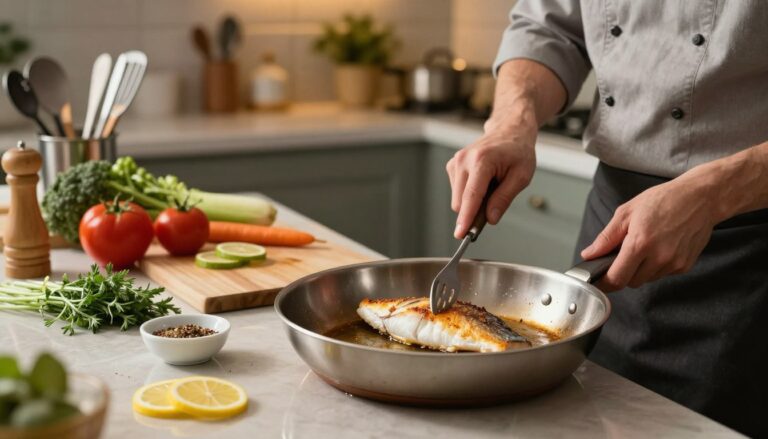
A golden, crispy exterior is key for many international fish dishes. To achieve this, use a very hot pan and a dry fish surface. Pat your fillet or steak dry with paper towels before cooking.
Choose a high-smoke point oil like avocado or grapeseed. When the oil shimmers, place the fish in the pan. Do not move it for a few minutes. This helps create a beautiful crust. Flip it when it releases easily to finish cooking.
Baking and Steaming En Papillote
The French en papillote method is great for moist and aromatic fish. You cook the fish in parchment paper with herbs, citrus, and wine or broth.
Seal the packet tightly. As it bakes, the ingredients steam inside, infusing the fish with flavor. It’s a simple, elegant way to cook delicate fillets.
Gentle Poaching for Ultimate Moisture
Poaching is the best way to avoid dry fish. Cook the seafood in a simmering liquid, just below a boil. Use flavorful water or broth, like court-bouillon with herbs and lemon.
This method cooks the fish evenly, keeping it tender. It’s perfect for delicate fish like cod or sole. It’s a classic technique for many elegant seafood recipes worldwide.
With these techniques—searing, steaming in parchment, and poaching—you’re set. You can now cook fish perfectly for any global recipe. For more detailed fish cooking guides, check out our resource library.
Serving Your Global Creation: Sides and Presentation
Your journey through global flavors doesn’t end when the fish is cooked. It’s completed by the sides and presentation on the plate. The right accompaniments turn a great recipe into a harmonious meal. They balance textures and flavors, making your diverse fish recipes feel complete and authentic.
Pairing with Globally-Inspired Side Dishes
Think of side dishes as your flavor support team. A zesty ceviche sings next to crunchy plantain chips. Rich, beer-battered fish finds its match in crispy roasted potatoes.
Don’t be afraid to mix traditions. Serve your salmon cakes with cool tzatziki. Pair a steaming mussel soup with soft gnocchi. For simpler meals, try prawns over a fresh salad or a bed of rice.
This table helps you match sides to your main dish for a perfect global seafood cuisine experience.
| Cuisine | Fish Dish | Perfect Side | Why It Works |
|---|---|---|---|
| Mediterranean | Whole Roasted Fish | Warm Pita & Greek Salad | Fresh herbs and acidity cut through the richness. |
| Asian | Miso-Glazed Salmon | Jasmine Rice & Steamed Greens | Neutral rice soaks up the savory glaze. |
| Latin American | Fish Tacos | Black Bean Corn Salad | Adds color, fiber, and a smoky-sweet contrast. |
| Nordic | Cured Fish | Crusty Rye Bread & Pickles | Earthy bread and sharp pickles complement the salty fish. |
Garnishes That Elevate Taste and Look
A garnish is your final, flavorful brushstroke. It adds a pop of color, a crunch, or a burst of fresh aroma.
For Asian dishes, try sliced scallions and toasted sesame seeds. Mediterranean plates love a drizzle of good olive oil and lemon zest. A sprinkle of chopped cilantro or a dollop of lime crema finishes Latin American dishes perfectly.
Even simple flavor-packed fish recipes become special with these touches. A few toasted pine nuts or a chiffonade of fresh basil makes all the difference.
Remember, your plate is a canvas. Thoughtful sides and smart garnishes show you care about the whole experience. They transform your cooking from simple to spectacular.
Conclusion
Your journey in cooking has taken you from picking the freshest catch to learning global cooking techniques. Now, you can make tasty meals with ease.
This knowledge lets you try many international fish dishes. Pick the recipes that catch your eye. Practice until you feel comfortable with them.
Remember, the key to great cooking is a good recipe. You can find amazing ideas to explore more fish recipes for any fish. Use these as a starting point for your own dishes.
Don’t be shy to make your own mark on these multicultural fish recipes. Try new herbs, spices, or sides. Your kitchen is a place of endless flavor. Enjoy the world’s cuisines, one perfectly cooked fillet at a time.