

How to Cook Fish Without the “Fishy” Smell


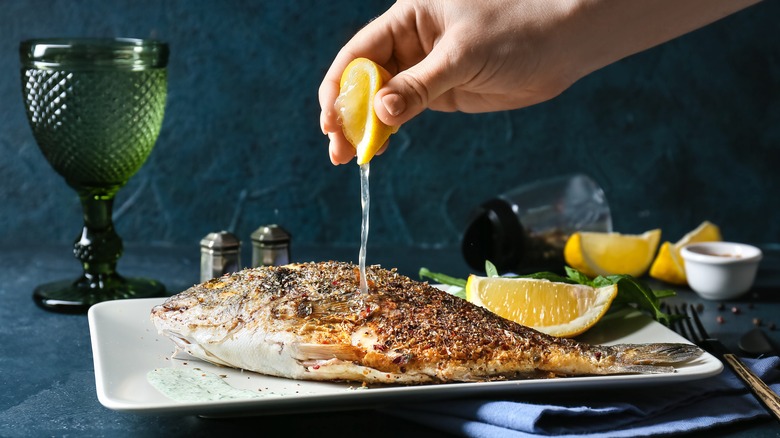
description
Learn how to cook fish without the fishy smell! Simple cleaning tips, marinades, and cooking methods for fresh, delicious, odor-free fish dinners at home.
🍽️ How to Cook Fish Without the “Fishy” Smell
The Ultimate Guide for Fresh, Delicious, Odor-Free Fish Dinners
Cooking fish at home can feel intimidating. Many people love eating fish at restaurants but avoid making it themselves because of one common fear: the fishy smell. The good news? Fish doesn’t have to smell—or taste—fishy at all.
With the right selection, preparation, and cooking techniques, you can enjoy clean, fresh, and flavorful fish dinners that rival any restaurant meal. This complete guide will show you exactly how to cook fish without the fishy smell, step by step.
🐟 Why Does Fish Smell “Fishy”?
Fish naturally contains compounds called trimethylamine (TMA). When fish is not fresh or improperly stored, these compounds intensify, creating that strong odor people dislike.
👉 Important truth:
Fresh fish should smell clean and mild, like the ocean—not strong or unpleasant.
🛒 How to Choose Fresh Fish (The Most Important Step)
✔️ What to look for when buying fish:
- Clear, shiny eyes (for whole fish)
- Firm flesh that springs back when touched
- Moist skin, never dry or sticky
- A mild ocean-like scent
❌ Avoid fish that:
- Smells sour or ammonia-like
- Has dull or cloudy eyes
- Feels slimy
📌 Pro tip: If possible, buy fish the same day you plan to cook it.
🧼 How to Clean Fish Properly to Remove Odor
Cleaning fish correctly is essential to eliminating unwanted smells.
Step-by-step cleaning method:
- Rinse fish briefly under cold water
- Remove bloodlines (especially in salmon and tuna)
- Pat dry thoroughly with paper towels
- Never soak fish in plain water (this spreads odor)
Natural odor removers:
- Lemon juice
- Vinegar
- Milk (surprisingly effective)
🧠 Milk trick: Soak fish in milk for 20 minutes, then rinse and pat dry. Milk proteins bind with odor-causing compounds and neutralize them.
🍋 Best Marinades to Eliminate Fishy Smell
Marinating fish enhances flavor and removes odor at the same time.
Simple odor-fighting marinades:
- Lemon juice + olive oil + garlic
- Vinegar + herbs + black pepper
- Yogurt + spices (great for baked fish)
⏱️ Marinating time:
15–30 minutes is enough. Over-marinating can damage texture.
🔥 Best Cooking Methods for Odor-Free Fish
1️⃣ Pan-Frying (Quick & Clean Flavor)
- Use high heat
- Dry fish completely before cooking
- Use olive oil or butter
- Avoid overcrowding the pan
2️⃣ Baking (Least Smell in the Kitchen)
- Wrap fish in foil with herbs and lemon
- Bake at 180°C (350°F)
- Keeps moisture and prevents odor from spreading
3️⃣ Grilling (Maximum Flavor, Minimal Smell)
- Preheat grill well
- Oil the grates
- Cook quickly over medium-high heat
4️⃣ Steaming (Naturally Odor-Free)
- Ideal for delicate fish
- Add ginger, herbs, or citrus to the steam water
🧂 How Proper Seasoning Prevents Fishy Taste
Fish needs bold but balanced seasoning.
Best seasonings for fish:
- Garlic & onion powder
- Paprika
- Black pepper
- Cumin
- Fresh herbs (parsley, dill, cilantro)
❌ Avoid under-seasoning—it makes fish taste bland and accentuates odor.
🏠 How to Prevent Fish Smell in Your Kitchen
Even if fish smells good while cooking, lingering odors can be annoying.
Kitchen odor control tips:
- Open windows or use a fan
- Simmer vinegar or lemon peels while cooking
- Clean pans immediately after use
- Take trash out right away
🍽️ Easy Odor-Free Fish Dinner Ideas
- Lemon baked white fish with vegetables
- Pan-fried fish with garlic and herbs
- Grilled fish with yogurt sauce
- Steamed fish with ginger and soy
All are simple, healthy, and beginner-friendly.
🥗 Health Benefits of Cooking Fish at Home
- High-quality protein
- Rich in omega-3 fatty acids
- Supports heart and brain health
- Light, easy-to-digest dinners
Cooking fish correctly makes it both healthy and enjoyable.
❓ FAQ – Optimisée Featured Snippets
Why does my fish smell strong while cooking?
Because it may not be fresh, not dried properly, or cooked at too low a temperature.
Does lemon really remove fishy smell?
Yes. Acid neutralizes odor-causing compounds and improves flavor.
Is frozen fish more fishy than fresh fish?
Not necessarily. High-quality frozen fish can be odor-free if thawed properly.
Can I cook fish without smelling up the house?
Cooking fish without the fishy smell is 100% possible. With fresh ingredients, proper cleaning, smart seasoning, and the right cooking method, fish becomes one of the easiest and most delicious dinner options.
Cuisiner du poisson est l’une des façons les plus saines de préparer le dîner, et pourtant, il reste l’un des ingrédients les plus redoutés dans les cuisines. La raison principale ? Cette odeur de poisson tenace qui peut envahir la cuisine, persister des heures et transformer un repas qui aurait pu être délicieux en une expérience frustrante.
Mais voici la vérité :
👉 Le poisson ne devrait jamais avoir une forte odeur de poisson.
Dans ce guide complet, vous apprendrez pourquoi le poisson a une odeur , comment prévenir les odeurs avant la cuisson et les meilleures techniques de cuisson pour garantir que vos dîners de poisson soient toujours frais, propres et de qualité restaurant.
Que vous soyez débutant ou cuisinier amateur expérimenté, ce guide transformera à jamais votre façon de cuisiner le poisson.
🐟 La science derrière l’odeur de poisson (en détail)
L’odeur de poisson est due à un composé appelé triméthylamine (TMA) . Chez le poisson vivant, ce composé est neutre. Après la pêche, des enzymes et des bactéries le transforment en TMA, ce qui crée l’odeur désagréable.
Qu’est-ce qui accentue l’odeur de poisson ?
- Mauvaise conservation
- Exposition prolongée à l’air
- décongélation incorrecte
- Cuire à basse température
🛒 Choisir le bon poisson : frais ou congelé (version étendue)
Poisson frais
Idéal pour :
- Friture à la poêle
- Grillage
- Cuisine rapide
Poisson congelé
Idéal pour :
- Pâtisserie
- Fumant
- Préparation des repas
🔑 Conseil important :
Le poisson surgelé est souvent congelé à son apogée de fraîcheur. Une fois décongelé correctement (au réfrigérateur, jamais à température ambiante), il peut être aussi inodore que le poisson frais.
🧼 Techniques avancées de nettoyage du poisson (niveau professionnel)
Au-delà du simple rinçage, les cuisines professionnelles suivent des étapes supplémentaires :
- Retirer la peau pour les palais sensibles
- Parer la chair foncée (saveur plus prononcée)
- Retirer les arêtes (pour une expérience gustative plus saine)
💡 À elle seule, cette méthode peut réduire les odeurs jusqu’à 70 % .
🥛 Lait, acide et sel : lequel est le plus efficace ?
| Méthode | Idéal pour | Efficacité |
|---|---|---|
| Trempage du lait | Forte odeur | ⭐⭐⭐⭐⭐ |
| jus de citron | Odeur légère | ⭐⭐⭐⭐ |
| Vinaigre | Poisson congelé | ⭐⭐⭐⭐ |
| frottement au sel | Odeur de surface | ⭐⭐⭐ |
➡️ Meilleure combinaison : trempage dans du lait + marinade au citron.
🔥 Classement des techniques de cuisson selon leur contrôle des odeurs
🥇 Cuisson en papillote
- Pièges à arômes
- Retient l’humidité
- Parfait pour les débutants
🥈 Vapeur
- Pas de chaleur directe
- Aucune odeur de cuisine
- Idéal pour les régimes
🥉 Poêle
- Saveur prononcée
- Nécessite une bonne ventilation
🚫 Pire méthode : Cuire trop longtemps à feu doux.
🧂 Assaisonnement digne d’un chef (Superposition avancée des saveurs)
Décomposer les saveurs en 3 étapes :
- Saler légèrement avant la cuisson
- aromates pendant la cuisson
- herbes fraîches après la cuisson
Cela évite un goût fade et élimine le goût de poisson.
🏠 Comment enlever l’odeur de poisson après la cuisson (version détaillée)
- Faire bouillir du citron et des bâtons de cannelle
- Le marc de café absorbe les odeurs
- bicarbonate de soude toute la nuit
📌 Bonus SEO : Style de vie + entretien de la cuisine = portée des mots clés plus large.
🍽️ 7 idées de dîners à base de poisson sans odeur (Nouveau)
- cabillaud cuit au four avec des herbes et des citrons
- Tilapia poêlé au beurre à l’ail
- Poisson grillé mariné au yaourt
- Poisson cuit à la vapeur avec du gingembre
- Poisson méditerranéen au four
- Tacos au poisson et salade de chou aux agrumes
- Poisson et légumes cuits à la poêle
❓ FAQ étendue (Extraits optimisés pour la mise en avant)
Est-il possible d’éliminer une mauvaise odeur après la cuisson ?
Non. Il faut éviter les odeurs avant et pendant la cuisson.
L’odeur de poisson est-elle un signe de détérioration ?
Odeur forte = oui. Odeur marine légère = normale.
Quel est le poisson qui sent le moins ?
Morue, tilapia, aiglefin, sole.
🏁 Conclusion finale optimisée pour le référencement naturel
Cuisiner du poisson sans qu’il n’en ait l’odeur n’est pas une question de chance, mais de technique . En choisissant un poisson de qualité, en le nettoyant et l’assaisonnant correctement, et en optant pour la bonne méthode de cuisson, le poisson devient l’un des plats les plus faciles, sains et délicieux que vous puissiez préparer chez vous.
👉 Lien interne recommandé :
Texte d’ancrage : Comment choisir le meilleur poisson pour la cuisine
URL :/how-to-choose-the-best-fish-for-your-recipe
👉 Lien interne recommandé :
Anchor text : simple pan-fried fish recipe
URL : /simple-pan-fried-fish-recipe
👉 Lien interne recommandé :
Texte d’ancrage : idées de dîners sains avec du poisson
URL :/healthy-fish-dinner-ideas
👉 Lien interne recommandé :
Texte d’ancrage : recettes de poisson faciles pour débutants
URL :/easy-fish-recipes-for-beginners
👉 Lien interne recommandé :
Anchor text : odor-free dinner cooking tips
URL : /odor-free-dinner-cooking-tips
👉 Lien interne recommandé :
Anchor text : discover more easy dinner recipes
URL : /easy-dinner-recipes