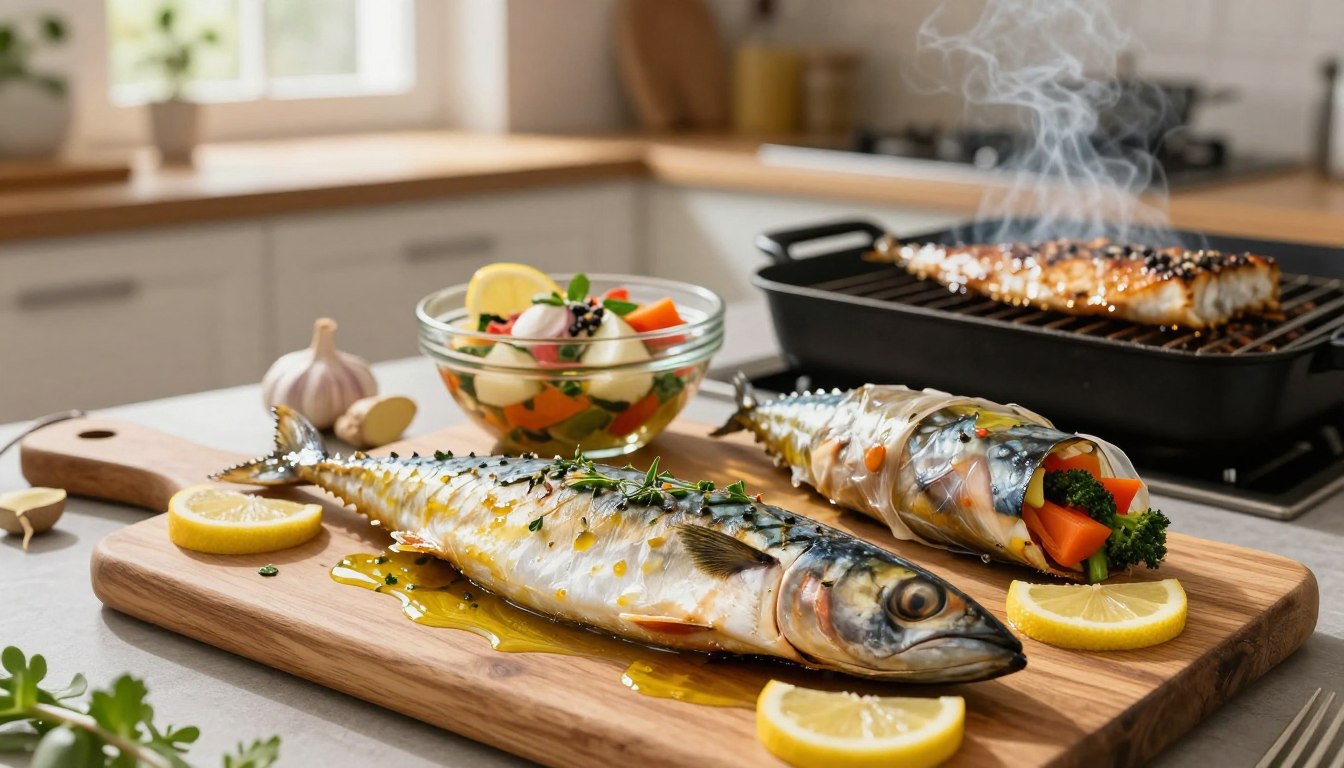
How to Make Mackerel: baked, en papillote, marinated or barbecued
Cooking fish at home makes your kitchen warm and exciting. You hold a fresh mackerel fillet, thinking about the best way to cook it. Mackerel is easy to work with and always turns out delicious when you know how.
Mackerel can be cooked in many ways. Whether you’re cooking for a quick dinner or want to impress, you have great options. The choice depends on your mood, time, and what you’re in the mood for.
Baked mackerel recipes give you crispy skin and soft meat. Cooking in parchment paper keeps flavors inside. Marinating makes the fish taste amazing. Barbecuing adds a smoky flavor everyone loves. Each method is easy to learn.
By the end of this article, you’ll be ready to try any mackerel recipe. You’ll know how to pick the freshest fish, prepare it, and cook it in four ways. Your kitchen will become your cooking school, and your meals will impress everyone.
Key Takeaways
- Mackerel is a versatile fish that works beautifully with baking, parchment paper cooking, marinating, and barbecuing methods.
- Each cooking technique brings out different qualities in the fish, from crispy skin to sealed-in moisture and smoky flavors.
- You don’t need special skills to learn how to cook mackerel at home using these four distinct approaches.
- The best way to cook mackerel depends on your preferences and available time.
- Mackerel recipes range from simple weeknight dinners to impressive dishes for entertaining.
- Proper selection and preparation of fresh mackerel makes a significant difference in your final results.
Why Mackerel Deserves a Place in Your Kitchen
Mackerel is a top choice for healthy protein meals. It offers more benefits than many other protein sources. Adding mackerel to your meals can improve your health and your family’s well-being.
Nutritional Benefits of Fresh Mackerel
Choosing mackerel for your meals means getting a nutritional powerhouse. A single serving has 46 grams of protein, great for muscle building. It also has omega-3 fatty acids that are good for your heart and brain.
Mackerel also provides important minerals and vitamins:
- Potassium (933mg) supports healthy heart function
- Iron (3mg) helps carry oxygen throughout your body
- Vitamin A (140 IU) promotes vision and immune health
- Calcium (54mg) strengthens your bones
- Vitamin C (5mg) boosts your immune system
The fat in mackerel is mostly healthy unsaturated fats. It has 18 grams of total fat per serving. With only 1 gram of carbohydrates, it fits many diets well.
| Nutrient | Amount | Daily Value Support |
|---|---|---|
| Protein | 46g | Builds muscle and tissue |
| Omega-3 Fatty Acids | High | Supports heart and brain |
| Potassium | 933mg | Regulates blood pressure |
| Iron | 3mg | Transports oxygen |
| Calories | 362 | Sustainable energy |
| Carbohydrates | 1g | Minimal impact on blood sugar |
Choosing the Right Cooking Method for Your Taste
Cooking fresh mackerel is versatile. Your preferences and needs guide your choice. Different methods highlight different qualities of the fish.
For crispy textures and browned exteriors, baking or pan-frying are great. These methods are perfect for quick weeknight dinners. Cooking in parchment paper keeps the fish moist and the kitchen smelling fresh.
Barbecuing adds bold, smoky flavors to mackerel. It creates a beautiful char. Marinating is ideal for meal prep or traditional recipes like Korean-style dishes.
An oven-roasted Atlantic mackerel with tomato paste is a tasty way to prepare this fish. Your choice of cooking method depends on what you value most: convenience, flavor, cleanliness, or prep efficiency. Mackerel fits all these needs, keeping your meals interesting and nutritious.
Selecting and Preparing Fresh Mackerel
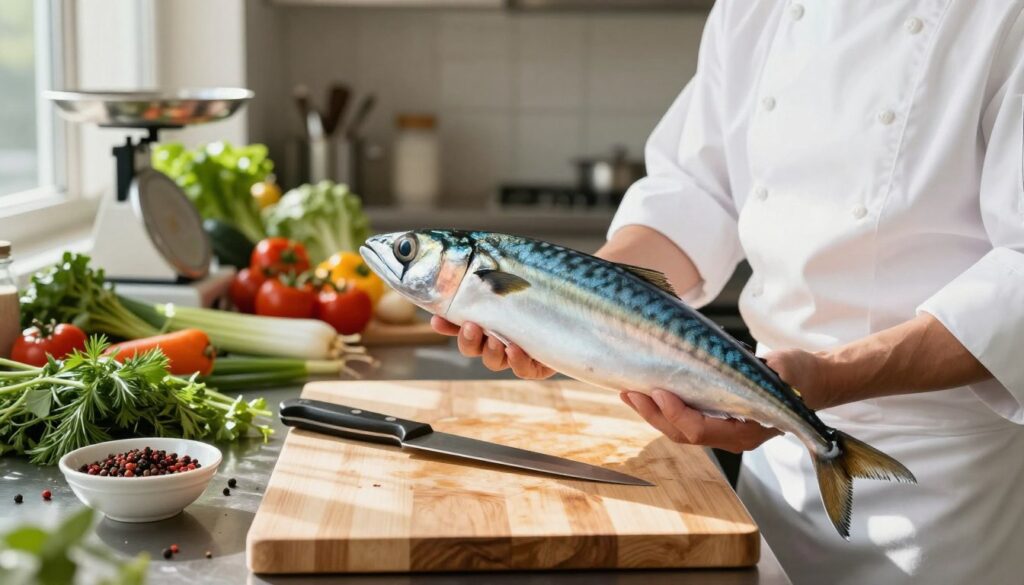
Starting your fresh fish cooking journey means choosing the right mackerel. The quality of your fish greatly affects the taste of your dish. Knowing how to pick fresh mackerel and basic preparation tips is key to success in the kitchen.
What to Look for When Buying Mackerel
When you get to the fish counter, check the mackerel carefully. Fresh mackerel shows its quality through its look and feel. Press the flesh with your finger—it should bounce back right away. If it’s soft or mushy, it’s not fresh.
Look at the skin for these signs:
- Clean, shiny skin that sparkles
- No blemishes, dull spots, or discolorations
- Bright, clear eyes that look lively
- Avoid fish with cloudy, sunken, or milky eyes
Ask your fishmonger to keep the skin on your mackerel fillets. The skin keeps moisture in and adds great flavor.
Essential Mackerel Preparation Tips
Before cooking, proper preparation is crucial. Rinse your mackerel under cold water and dry it with paper towels. This prevents moisture from stopping it from browning and crisping.
Removing mackerel bones is key. Use tweezers or fish bone pliers to pull out bones gently. Always pull in the direction of the bone’s point—never against it. This step avoids any unpleasant surprises when eating.
Having a checklist helps you stay organized:
- Check for firmness and bright appearance
- Rinse thoroughly under cold water
- Pat dry with paper towels
- Remove pin bones with tweezers
- Store in the coldest part of your refrigerator until cooking
Following these mackerel preparation tips ensures even cooking and beautiful results every time.
How to Cook Mackerel Using the Parchment Paper Method
Cooking mackerel en papillote is a smart way to make this tasty fish at home. This French method uses parchment paper to keep moisture and flavors in. It also prevents your kitchen from smelling like a fish market.
The parchment paper method is inspired by Korean cuisine. It makes grilled mackerel tender and full of flavor. When you wrap the fish in parchment, steam cooks it gently and evenly. This results in moist, delicate flesh every time.
Before cooking, prepare your mackerel well. If it’s salted, soak it in rice water for 10 minutes to reduce saltiness. Fresh mackerel needs only 5 minutes in rice water, or you can skip this step. Pat the fish dry with paper towels.
Here are the simple steps for easy mackerel recipes using the parchment method:
- Coat both sides of your mackerel fillet with a thin layer of white vinegar
- Brush parchment paper generously with oil
- Place the mackerel on the oiled parchment
- Fold the parchment over to create a sealed pouch, double-folding all edges
- Cook folded-side down in a covered pan over medium-low heat for 6-7 minutes
- Flip the pouch when you see it puff up from steam
- Cook for another 5-6 minutes until the parchment turns golden brown
- Carefully cut open the pouch with scissors and let steam escape
This method of cooking eliminates the fish odor problem. The parchment keeps everything inside, delivering perfectly cooked mackerel with no lingering smells. Your kitchen stays fresh while you enjoy restaurant-quality results in about 15 minutes total.
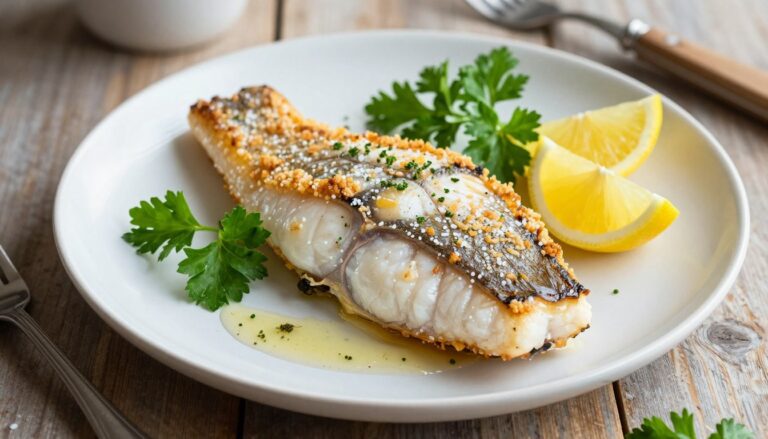
Baked Mackerel Recipe for Crispy Skin and Moist Flesh
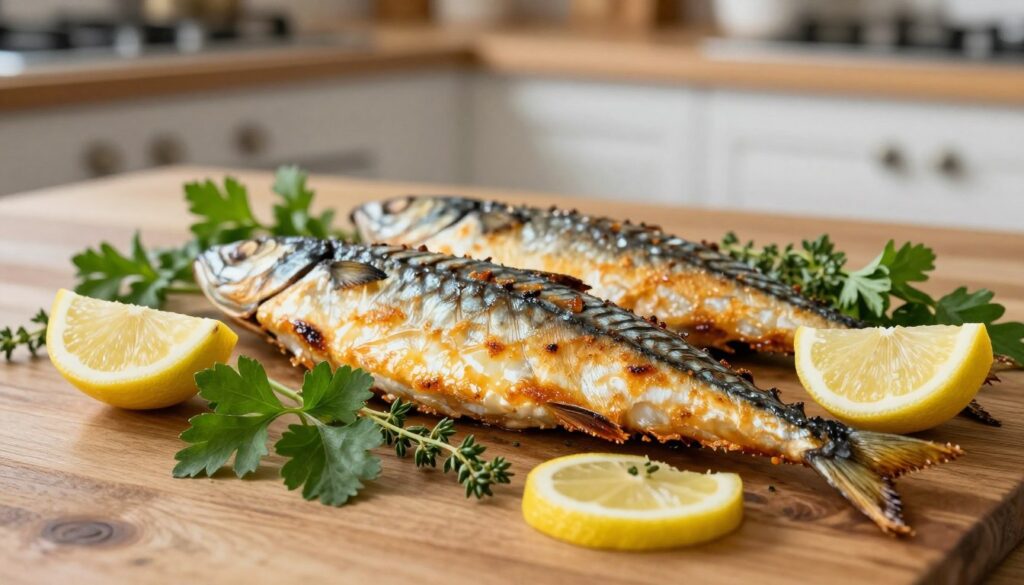
Making the perfect baked mackerel at home is simple. This method gives you restaurant-quality results without long hours in the kitchen. By learning to bake mackerel, you get a tasty fish with crispy outside and soft inside. The secret is in the right seasoning and oven temperature.
Seasoning Mackerel Fillets for Maximum Flavor
Seasoning mackerel fillets needs care because of its strong flavor. Choose seasonings that enhance, not hide, its taste. Start with salt, black pepper, and olive oil for a great base.
Here are some seasoning ideas:
- Fresh lemon juice with minced garlic and dill
- Paprika, cumin, and coriander for a warm spice blend
- Asian-inspired ginger, soy sauce, and sesame oil
- Fresh herbs like parsley, thyme, or tarragon
- Red pepper flakes for subtle heat
Season both sides of the fillets with salt and pepper. Mackerel can handle strong flavors, unlike delicate fish. This makes it easy for beginners to cook.
Baking Mackerel in Oven: Temperature and Timing
To bake mackerel well, the oven temperature is key. Heat it to 400-425°F (200-220°C). This temperature helps get crispy skin and keeps the inside moist.
Here’s how to get great results:
- Put seasoned mackerel fillets skin-side up on a lightly oiled baking sheet or parchment-lined pan
- Put the pan in the upper third of your oven for better browning
- Bake for 12-15 minutes, depending on the fillet’s thickness
- Check if it’s done by looking for opaque flesh that flakes easily with a fork
- For extra-crispy skin, finish under the broiler for 1-2 minutes (watch carefully)
This method ensures perfectly cooked fish with little effort. The crispy outside and soft inside make every bite enjoyable.
Grilled Mackerel Techniques for Smoky Perfection
Grilling mackerel turns it into a smoky treat with crispy skin and soft inside. This method brings out the fish’s flavors in a way other methods can’t. Whether you use charcoal or gas, learning how to grill mackerel will make your outdoor cooking better.
To start a great grilled mackerel recipe, prepare your grill well. Heat it to medium-high, about 400°F (200°C). Clean and oil the grates to stop the fish from sticking. These steps are crucial for a good result.
Scoring the mackerel skin is key. Make shallow cuts to stop the fish from curling and to let heat in. Your cuts should be about a quarter-inch deep and an inch apart.
Charcoal Grilling vs. Gas Grilling
Charcoal grilling gives a real smoky taste that’s hard to match. Korean-style grilled mackerel uses a wire rack over hot coals for great char marks and smoky flavor. Gas grill users can use wood chips in a smoker box for similar results.
| Grilling Method | Temperature | Fillet Timing | Whole Fish Timing | Best Flavor Profile |
|---|---|---|---|---|
| Charcoal Grill | 400°F (200°C) | 4-5 minutes per side | 6-8 minutes per side | Deep smoky with char |
| Gas Grill with Wood Chips | 400°F (200°C) | 4-5 minutes per side | 6-8 minutes per side | Moderate smoke |
| Gas Grill Without Smoke | 400°F (200°C) | 3-4 minutes per side | 5-7 minutes per side | Light and fresh |
Essential Grilling Steps for Perfect Results
Follow these steps for your bbq fish recipes with mackerel. Place the fish skin-side down first on the grates. Don’t move it until it’s ready to flip. It’s ready when the skin comes off easily.
- Pat your mackerel dry with paper towels before grilling
- Season inside and out with salt, pepper, and your preferred herbs
- Oil the grates generously to prevent sticking
- Place fish skin-side down first for crispier results
- Flip only once during cooking
- Watch for flesh that becomes opaque near the bone
- Remove when skin crackles and flesh flakes easily
Knowing when your fish is done takes practice. The flesh should be opaque and flake easily. The skin should be crispy and slightly charred. This mix of crispy outside and soft inside makes grilled mackerel so good.
For gas grills without smokers, use wood chips in foil packets. Place these packets on the heat source to create smoke. This trick helps your bbq fish recipes taste like they were grilled over charcoal, even without it.
Marinated Mackerel: Korean-Style and Beyond
Marinated mackerel opens up a world of flavor possibilities. In Korean cuisine, salt-curing mackerel is a tradition passed down through generations. This method preserves the fish and creates unique textures.
Whether you’re exploring traditional dishes or creating your own, marinating gives you control. It lets you decide how your mackerel tastes and feels.
The Salt-Curing Method for Traditional Flavor
Salt-curing is a simple yet powerful way to prepare mackerel. Start with fresh, clean mackerel fillets. Sprinkle kosher or coarse sea salt over both sides of the fish.
Let it sit for 10 to 15 minutes. This short time firms up the flesh and seasons the meat deeply.
Here’s the real advantage: properly salted mackerel can be wrapped and frozen for up to three months. This makes meal prep easy. Buy fresh mackerel when it’s available and at its best price, then preserve it for whenever you need it.
Removing Excess Saltiness with Rice Water
Sometimes your mackerel comes out too salty. Rice water soaking is a genius solution that Korean cooks have trusted for generations. Soak your salted mackerel in rice water for 10 minutes.
This draws out excess salt while rice starches help neutralize fish odors. Fresh mackerel only needs a quick five-minute soak or can skip this step entirely. Store-bought salted mackerel benefits from the full 10-minute treatment.
Beyond Korean-style preparations, you can explore other marinating approaches. Use soy sauce, mirin, sake, citrus juices, and aromatic herbs. These create complex flavor profiles perfect for grilling or baking. Check out grilled mackerel techniques for smoky perfection to see how marinating pairs with cooking methods. Traditional fish dishes come alive when you master these marinating skills.
| Mackerel Type | Salt Curing Time | Rice Water Soak | Best Use |
|---|---|---|---|
| Fresh Mackerel | 10-15 minutes | Skip or 5 minutes | Immediate cooking |
| Fresh Mackerel for Storage | 10-15 minutes | Skip | Freezing up to 3 months |
| Store-Bought Salted Mackerel | Already salted | 10 minutes | Reducing excess saltiness |
Pan Fried Mackerel Recipe with Crispy Skin
Make restaurant-quality mackerel at home in minutes. This method is great for quick dinners when you’re short on time. It cooks in 10 to 12 minutes, perfect for families needing fast, healthy meals.
To get crispy skin, start with proper preparation. Dry the mackerel fillets with paper towels. Then, score the skin with shallow cuts. This helps the skin crisp up and prevents curling.
Set up your cooking area right. Use a heavy skillet, like cast iron, over medium-high heat. Add oil with a high smoke point, like vegetable or canola oil. When it shimmers, put the mackerel in the pan, skin-side down.
Press the fillet gently with a spatula for 30 seconds after placing it in the pan. This helps the skin crisp evenly. Don’t move the fish. Let it cook for 4 to 5 minutes until the skin is golden and crispy.
Cooking Steps for Perfect Results
- Pat mackerel fillets dry with paper towels
- Score the skin with shallow diagonal cuts using a sharp knife
- Heat cast iron skillet over medium-high heat
- Add high smoke-point oil to the hot pan
- Place fillets skin-side down and press with spatula for 30 seconds
- Cook undisturbed for 4 to 5 minutes
- Flip and cook for 1 to 2 minutes on flesh side
- Check for opaque flesh about three-quarters up the fillet
When the flesh is opaque three-quarters of the way up, it’s time to flip. Cook the flesh side for 1 to 2 minutes. Your mackerel should have crispy skin and tender flesh.
| Cooking Element | Temperature/Time | Purpose |
|---|---|---|
| Skillet Heat Level | Medium-High | Achieves crispy skin without overcooking flesh |
| Oil Smoke Point | 400°F or Higher | Prevents oil from burning and affecting flavor |
| Skin-Side Cooking | 4 to 5 Minutes | Creates golden, crispy exterior |
| Flesh-Side Cooking | 1 to 2 Minutes | Finishes cooking while keeping interior moist |
| Total Cooking Time | 10 to 12 Minutes | Perfect for quick weeknight dinners |
The beauty of pan-frying is its simplicity combined with spectacular results—crispy skin that shatters, tender flesh that flakes beautifully, all ready in the time it takes to prepare a side dish.
Adding a squeeze of lemon juice and a sprinkle of sea salt makes the dish special. A pat of herb butter adds richness. These touches turn a simple meal into a memorable, restaurant-quality dinner.
Serving Suggestions and Pairing Ideas
Your perfectly cooked mackerel deserves the right sides to shine. The way you serve it can turn a simple meal into something special. Whether you stick to traditional sides or mix things up, the right choices bring out mackerel’s rich flavor.
Traditional Accompaniments for Grilled Fish
In different cultures, mackerel pairs well with classic sides. In Korea, it’s served with steamed white rice, fresh lemon, and soy sauce for dipping. Squeeze lemon on the fish first, then dip in soy sauce for a perfect mix of flavors.
Korean meals often pair mackerel with bold, fermented sides. Try it with kimchi stew or soybean paste stew. These flavors cut through the fish’s richness.
For a Mediterranean twist, serve mackerel with boiled potatoes, green salad, grilled veggies, and crusty bread. Add fresh herbs like parsley, dill, and cilantro. A lemon herb seasoning blend adds brightness to the fish’s taste.
- Steamed white rice with soy sauce
- Fresh lemon wedges for squeezing
- Kimchi stew or soybean paste stew
- Roasted or boiled potatoes
- Grilled vegetables like zucchini and peppers
- Crisp green salad with lemon vinaigrette
- Crusty bread for soaking juices
Creating a Complete Seafood Meal
Building a balanced plate around mackerel is easy. Mix it into grain bowls with quinoa, roasted veggies, and tahini dressing for a healthy lunch. Cooked mackerel keeps well for 2-3 days in the fridge, making it great for meal prep.
Use your mackerel in salads, grain bowls, or pasta dishes throughout the week. This saves time and keeps meals exciting. Add sides like creamy coleslaw, tangy cucumber salad, or roasted root veggies for variety.
A lemon herb seasoning blend of fresh herbs and lemon zest is a great topping. It cuts through the fish’s richness and works with any cuisine.
| Meal Type | Main Components | Best Side Dishes | Prep Time |
|---|---|---|---|
| Korean-Style Bowl | Grilled mackerel, steamed rice | Kimchi stew, soy sauce, lemon wedges | 15 minutes |
| Mediterranean Plate | Grilled mackerel fillet | Roasted potatoes, green salad, grilled vegetables | 20 minutes |
| Grain Bowl | Flaked mackerel, quinoa, roasted vegetables | Tahini dressing, lemon herb seasoning | 25 minutes |
| Seafood Meal Prep | Cooked mackerel portions | Mixed greens, cucumber salad, coleslaw | 30 minutes (serves multiple days) |
“The bold flavor of mackerel pairs best with sides that either match its intensity or provide refreshing contrast.”
Mackerel’s bold flavor works well with intense sides like spicy kimchi or bold sauces. Or, it pairs well with refreshing sides like citrus, pickles, or crisp veggies. Knowing these flavor combinations makes seafood meal prep easier.
Conclusion
You now know how to cook mackerel like a pro. You’ve learned how to pick the freshest fish and prepare it with confidence. There are four main cooking methods: parchment paper, baking, grilling, and pan-frying.
Each method highlights the nutritional benefits of mackerel. Choose the one that suits your schedule and kitchen. Mackerel is full of protein and omega-3s, great for your heart and brain.
Cooking mackerel at home means you control what goes into it. It’s healthier and cheaper than eating out. For a simple method, try parchment paper. Or, if you’re in a hurry, pan-frying is quick.
Tips from four-star master chefs show you can cook mackerel in many ways. This suits different tastes and schedules.
Begin with the method that feels right for you. Don’t worry if it’s not perfect the first time. Each method in this guide has clear steps to follow.
Enjoy your mackerel with steamed veggies, rice, in salads, or in tacos and sandwiches. Your family and guests will love the restaurant-quality dishes you make at home. You have all the tools and knowledge to make mackerel a regular part of your cooking.