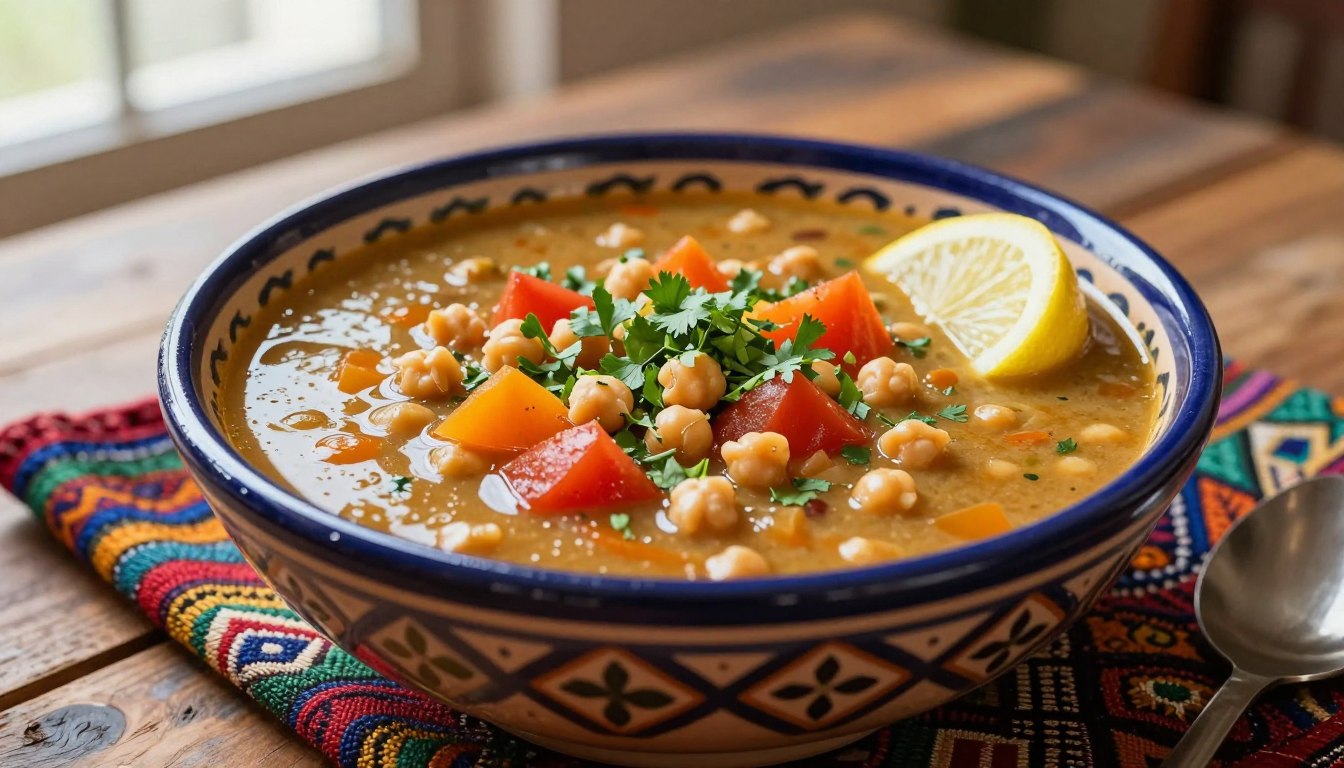
The Best Easy Harira traditional Moroccan soup
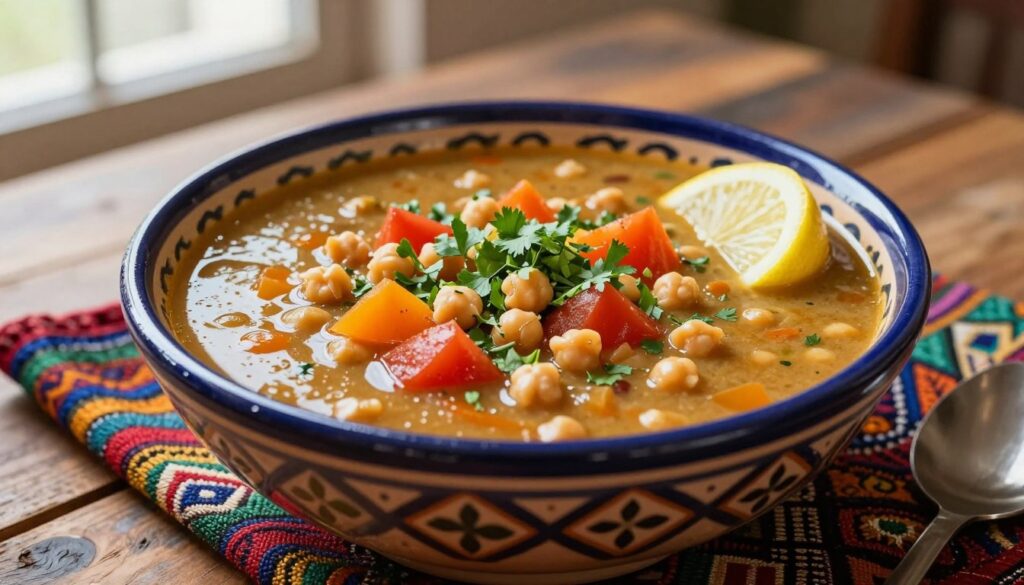
There’s something magical about coming home to a kitchen filled with the aroma of a simmering meal. For many, this dish is the ultimate comfort food, offering a warm hug after a long day. If you want to bring that peace to your table, you’re in the right place.
Creating a nutritious and flavorful meal doesn’t have to be hard. Our team at our kitchen thinks everyone should enjoy real flavors without stress. This easy harira recipe is simple for all cooks, from beginners to pros.
This classic dish is very versatile, fitting well for vegetarians while keeping its rich taste. Let us show you how to make a bowl of joy that your family will love for years.
Key Takeaways
- Discover how to prepare a hearty, nutrient-dense meal with minimal effort.
- Learn simple techniques to make this traditional dish accessible for any home cook.
- Explore how to easily adapt the ingredients to suit a vegetarian lifestyle.
- Understand the secret to building deep, complex flavors using basic pantry staples.
- Gain confidence in the kitchen with clear, stress-free cooking instructions.
Understanding the Cultural Significance of Moroccan Harira Soup
Did you know how deeply traditional harira soup is part of North African life? It’s a symbol of hospitality and heritage. It’s often made to welcome guests or celebrate family events. This dish is the heart of traditional Moroccan cuisine, showing a history that goes back generations.
In the world of Moroccan food culture, this soup is more than just a starter. Its name, “silk,” describes its smooth texture. Making it is a labor of love that needs patience and a good sense of spice.
During Ramadan, the soup’s role is even more special. It’s the main dish to break the fast, giving much-needed nutrients and water. Many families see a ramadan harira soup recipe as a treasured family secret, passed down through generations.
Here’s why this soup is so important:
- Community Connection: It’s often shared with neighbors, building stronger bonds.
- Nutritional Restoration: Its mix of legumes and herbs helps restore the body.
- Symbol of Abundance: Serving it means showing warmth and generosity at home.
By making this dish, you join a centuries-old tradition that celebrates North African life. Whether you’re new to cooking or experienced, honoring these traditions makes every spoonful special.
Essential Ingredients for an Authentic Moroccan Harira Recipe
To make a true authentic Moroccan Harira recipe easy at home, start with the best ingredients. Each part is crucial for the dish’s rich, savory taste. Using top-quality items will make your authentic Moroccan recipe truly capture the essence of North African comfort food.
Selecting the Best Quality Lentils and Chickpeas
The key to a great vegetable and lentil soup is the quality of your legumes. Opt for dried brown or green lentils that are the same size and color. These lentils keep their shape well, giving a nice texture.
For chickpeas, you can choose between dried or canned. If using dried, soak them overnight for better softening. Quality is important, so pick plump, clean chickpeas for a creamy taste.
The Importance of Fresh Cilantro, Parsley, and Celery
To make a traditional Moroccan soup with lentils and chickpeas, don’t skimp on herbs. Fresh cilantro, flat-leaf parsley, and celery are essential. They add a bright, earthy flavor that contrasts well with the tomato base.
Always use fresh herbs for the best vibrant flavor. Chop them finely to release their oils into the broth. Also, make sure to use thin wheat-based vermicelli pasta, not rice noodles, for the right texture.
Preparing Your Kitchen and Ingredients for Success
To make an easy homemade harira soup, preparation is key. Embracing mediterranean cooking means valuing the process as much as the result. By setting up your workspace right, your time in the kitchen will be stress-free and fun.
Organizing Your Mise en Place
The French term mise en place means having everything ready before cooking. Start by gathering spices, chopped veggies, and liquids into small bowls. This habit stops the panic of searching for ingredients while your food is cooking.
Efficiency is key when cooking with many components. When your ingredients are prepped, you can focus on the cooking rhythm. This organized way is a hallmark of mediterranean cooking and keeps you in control.
Cleaning and Soaking Your Legumes
Properly preparing your lentils and chickpeas is crucial for the perfect soup texture. Always rinse them under cold water to remove dust or debris. This ensures your soup is clean and free of grit.
Soaking chickpeas overnight is a vital step for better digestion and texture. If you’re short on time, a quick-soak method works too. But, patience usually gives the best results. Taking these extra moments to prep your legumes will make your easy homemade harira soup top-notch.
Step-by-Step Guide to Making Moroccan Harira Soup
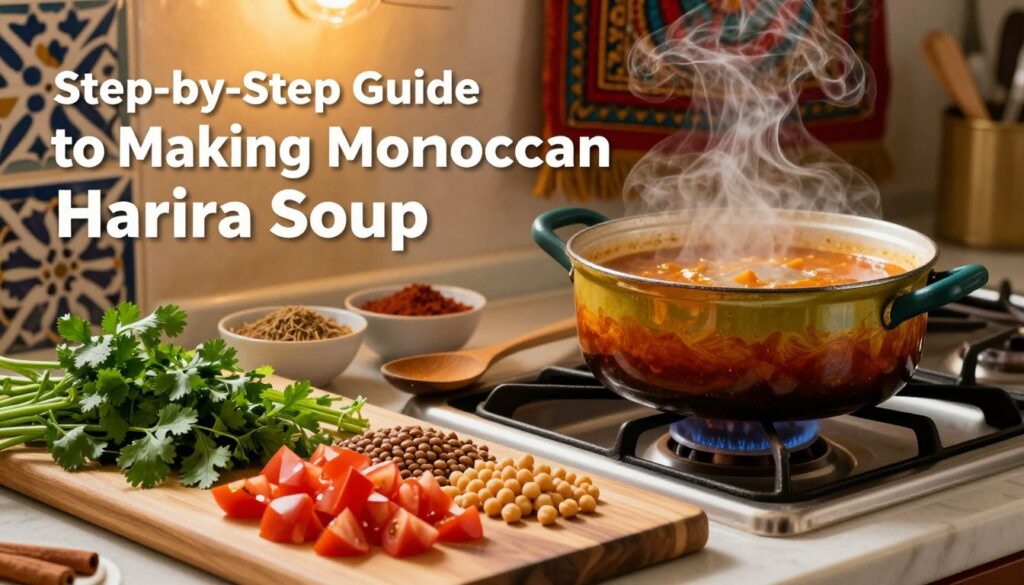
Making Harira is a fun journey you can do at home. By learning how to make Moroccan Harira step by step, you get to make a meal loved for ages. This guide makes it easy, so you’ll feel confident at every step.
Sautéing the Aromatics and Meat
Start by heating oil in a big pot over medium heat. Add diced meat like lamb or beef and sear it until it’s rich, golden-brown crust.
After the meat is browned, add chopped onions and celery. Cook them until they’re soft and clear. This step is key because it brings out the flavors that make an authentic Moroccan Harira recipe easy for anyone to make.
Simmering the Base for Maximum Flavor
Now, add the heart of the soup. Mix in tomato base, fresh herbs, and spices like ginger, turmeric, and cinnamon. Let these ingredients blend for a few minutes before adding water or broth.
Bring it to a gentle boil, then lower the heat to a simmer. Covering the pot helps the flavors concentrate, making a robust and aromatic broth. The kitchen will fill with the scent of North African spices as the flavors grow.
Adding the Legumes at the Right Time
Adding legumes at the right time is key for their texture. If using pre-soaked chickpeas and lentils, add them after the base has simmered for about twenty minutes. This makes them tender without becoming mushy.
Here’s how to get the right texture:
- Chickpeas: Add these early, as they need more time to soften.
- Lentils: Add these a bit later to keep their shape and bite.
- Final Check: Always taste the broth to make sure the seasoning is right before thickening it.
By following these steps, you’ll see why it’s the best Moroccan soup recipe for beginners. A little patience will help you serve a soup that tastes like it’s from a traditional Moroccan kitchen.
Mastering the Art of the Tomato and Herb Base
Creating a flavorful base is key when making a quick harira recipe with simple ingredients. This base is the heart of your soup, adding depth and complexity. Using high-quality tomatoes and fresh herbs ensures a delicious soup every time.
Choosing Between Fresh Tomatoes and Tomato Paste
Deciding between fresh tomatoes and tomato paste is a big choice. Fresh tomatoes bring a bright, garden-fresh acidity but need more prep. If using fresh, blanch and peel them for a silky texture.
Tomato paste, on the other hand, adds a deep, savory richness. Many prefer mixing both for the best flavor. A small amount of paste with fresh tomatoes gives a rich color and flavor.
Balancing Acidity and Sweetness
Finding the perfect balance is crucial for a zesty soup. If your tomatoes are too tart, a bit of sugar can help. This small change makes the soup feel harmonious and comforting.
Herbs are also key in balancing flavors. Fresh cilantro and parsley add a grassy note that balances the tomato base. Always taste as you go when following a quick harira recipe with simple ingredients. This ensures your soup is perfectly seasoned.
The Role of Lentils and Chickpeas in Traditional Moroccan Cuisine
Lentils and chickpeas are key in traditional Moroccan cuisine. They add both flavor and heart to every dish. These legumes turn simple ingredients into a hearty soup from Morocco that feeds families all year. By learning about their role, you can make your cooking truly authentic.
Nutritional Benefits of This Hearty Soup
Making a vegetable and lentil soup is a nutritional win. Lentils are packed with plant-based protein and iron. Chickpeas add fiber, making the soup both tasty and filling.
“The beauty of the Moroccan table lies in the wisdom of our ancestors, who knew that a simple pot of legumes could nourish the body and warm the spirit.”
Here’s why these ingredients are great for a balanced diet:
| Ingredient | Primary Benefit | Dietary Impact |
|---|---|---|
| Lentils | High Protein | Muscle Repair |
| Chickpeas | High Fiber | Digestive Health |
| Combined | Complex Carbs | Sustained Energy |
Texture Variations for Different Regional Styles
Every family has its own way of making traditional harira soup. Some like it smooth, where the legumes blend into a creamy soup. Others prefer it chunky, with whole chickpeas for a fun texture.
You can make your healthy Moroccan lentil soup your way. For a thicker soup, mash some chickpeas against the pot’s side. Trying different textures lets you find the perfect one for your taste.
Achieving the Perfect Consistency with the Tadouira Thickener
The secret to a silky, restaurant-quality broth is the tadouira technique. This method makes a healthy moroccan lentil soup velvety. By mastering this, you control the soup’s thickness, ensuring it’s just right every time.
How to Prepare the Flour and Water Mixture
To make the tadouira, you need flour and cold water. The goal is a smooth, thin slurry. This slurry thickens the soup without making it heavy or pasty.
- Combine about 1/2 cup of flour with 1 cup of cold water in a small bowl or jar.
- Whisk the mixture well until there are no lumps.
- Make sure it’s thin, like heavy cream.
Techniques for Incorporating the Thickener Without Lumps
Adding the flour mixture to boiling soup needs care to avoid clumps. Pour the tadouira slowly while stirring the soup with a spoon or whisk.
Constant motion is key. Pour slowly and stir in circles to mix the flour well. After adding, simmer for ten to fifteen minutes. This step cooks out the flour taste, leaving a perfectly thickened healthy moroccan lentil soup.
Balancing Spices for That Signature North African Flavor
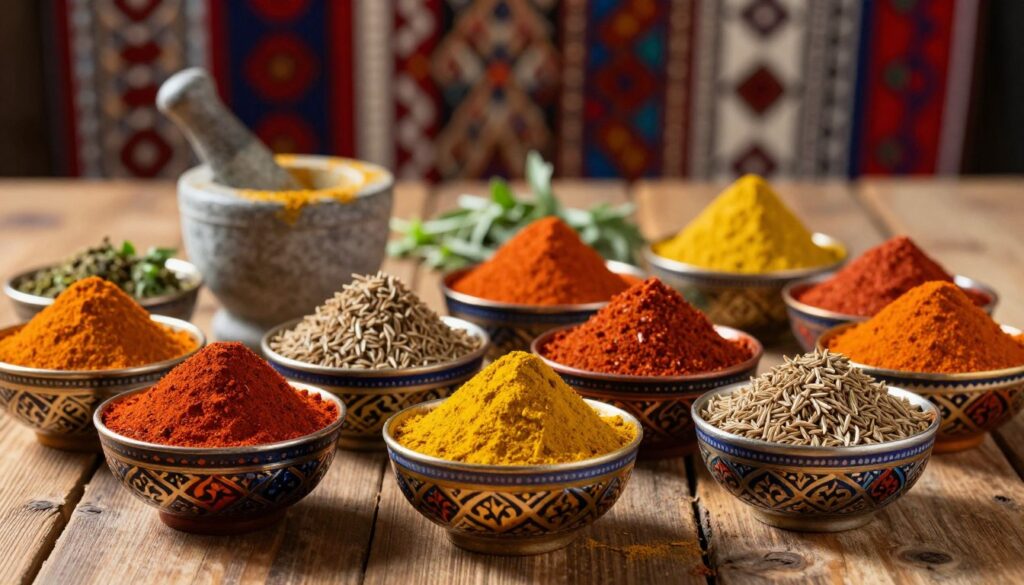
When making a quick harira recipe with simple ingredients, the spice blend is key. These spices give a north african soup its unique taste. They add a depth of flavor that’s both rich and comforting.
Understanding how these spices work together helps you adjust the flavor to your liking. This way, you can make the soup your own.
The Essential Role of Ginger, Turmeric, and Cinnamon
The dish’s magic comes from its mix of earthy and sweet flavors. Ginger adds a sharp, zesty taste. Turmeric gives it a golden color and a subtle, musky flavor.
A small amount of cinnamon is the secret ingredient. It connects the savory legumes with the bright tomato base.
Here are some tips for your spice blend:
- Freshness matters: Use high-quality, fresh spices for the best flavor.
- Bloom your spices: Sauté ginger and turmeric with the aromatics for a minute to release their oils.
- Start small: You can always add more, but it’s hard to remove too much spice.
Adjusting Heat Levels with Black Pepper and Saffron
Customizing the heat level makes the quick harira recipe with simple ingredients your own. Fresh black pepper adds a bold, lasting warmth. If you prefer less heat, use less pepper and let the veggies’ sweetness shine through.
Saffron adds a touch of luxury to any north african soup. It brings a delicate, floral aroma and a rich color. To get the most flavor, soak the saffron threads in warm water before adding them to the pot.
Tips for Storing and Reheating Your Homemade Harira
Keeping your homemade soup fresh for days is all about the right storage. Whether you’re making a big batch or saving some for later, these tips will help. Your ramadan harira soup recipe will stay flavorful.
Freezing Harira for Future Meals
Freezing your soup is best done before adding the thickener or noodles. The thickener might change texture when frozen. So, add it fresh when you reheat for the best taste.
Portion the cooled soup base into airtight containers or freezer-safe bags. This way, you can enjoy your harira soup whenever you want. Remember to leave some space at the top for expansion during freezing.
Best Practices for Reheating Without Losing Texture
Thaw your soup in the fridge overnight for the best taste. Reheat it slowly on the stovetop to keep the ingredients together.
“The true magic of a well-made soup lies in its ability to taste even better the next day, provided it is handled with care and patience.”
Once the base is hot, add your fresh thickener and noodles. This will give you that silky texture again. Your meal will taste as good as the first day.
| Storage Method | Recommended Time | Best For |
|---|---|---|
| Refrigerator | 3-4 Days | Quick weekday lunches |
| Freezer (Base Only) | Up to 3 Months | Long-term meal planning |
| Countertop | Not Recommended | Safety and freshness |
Serving Suggestions for a Complete Moroccan Comfort Food Experience
Serving this hearty soup from morocco is an art form that brings people together. The way you present your meal defines the dining atmosphere. Traditional accompaniments can make your home cooking truly authentic.
Pairing with Dates and Chebakia
In moroccan food culture, this soup is never served alone. It’s customary to pair it with sweet treats to balance the flavors. Serving it with sweet dates contrasts nicely with the earthy lentils and chickpeas.
Also, try chebakia, a traditional sesame-coated cookie folded into a flower shape and drenched in honey. The warm, savory soup and the sweet, crunchy pastry create a perfect harmony of flavors. As one culinary expert noted:
“The beauty of a traditional meal lies in the harmony of contrasting textures and flavors, where every bite tells a story of heritage.”
Adding a Splash of Lemon for Brightness
The soup’s base is rich and complex, but a splash of acidity is key for a perfect finish. Adding a fresh squeeze of lemon juice right before serving cuts through the richness. This simple step brightens the dish and highlights the aromatic spices.
When serving this moroccan comfort food, place lemon wedges on the table. This lets everyone adjust the zest to their liking. A small splash of citrus is often the secret ingredient that makes the flavors pop, ensuring your meal is both satisfying and vibrant.
Common Mistakes to Avoid When Cooking Harira
Mastering Harira needs careful attention to avoid common mistakes. In mediterranean cooking, patience is key. Knowing these errors helps make your dish a hit.
Preventing the Soup from Burning at the Bottom
Lentil soups often stick and burn. Lentils and chickpeas settle at the pot’s bottom. Stir your soup often, after adding thickener, to avoid burns.
A heavy-bottomed pot helps with heat. If heat is too high, reduce it to a simmer. This keeps your ingredients intact while following the traditional Moroccan Harira soup method.
Avoiding Overcooking the Vegetables
Don’t overdo the simmering time. Vegetables need the right timing. Timing is key for beginners.
Add fresh cilantro and parsley late to keep flavors bright. Overcooked veggies become mushy. Watch your pot closely for the best texture and taste in your mediterranean cooking.
Conclusion
Learning this authentic Moroccan recipe turns your kitchen into a lively place. It’s filled with rich smells. You now know how to mix complex spices and make a smooth texture, just like this famous dish.
Knowing how to make Moroccan harira step by step lets you do more than just cook. You can try new herbs and quality legumes to make it your own. This North African soup connects you to a rich culinary history.
When you serve this Moroccan comfort food, you bring warmth to any gathering. Every bowl you make carries the spirit of a culture known for its kindness. Enjoy the time simmering these ingredients and sharing them with your loved ones.
Your adventure in global cooking keeps growing with every meal. Keep learning new ways to improve your cooking. Share your stories with others to keep this tradition alive in your home.