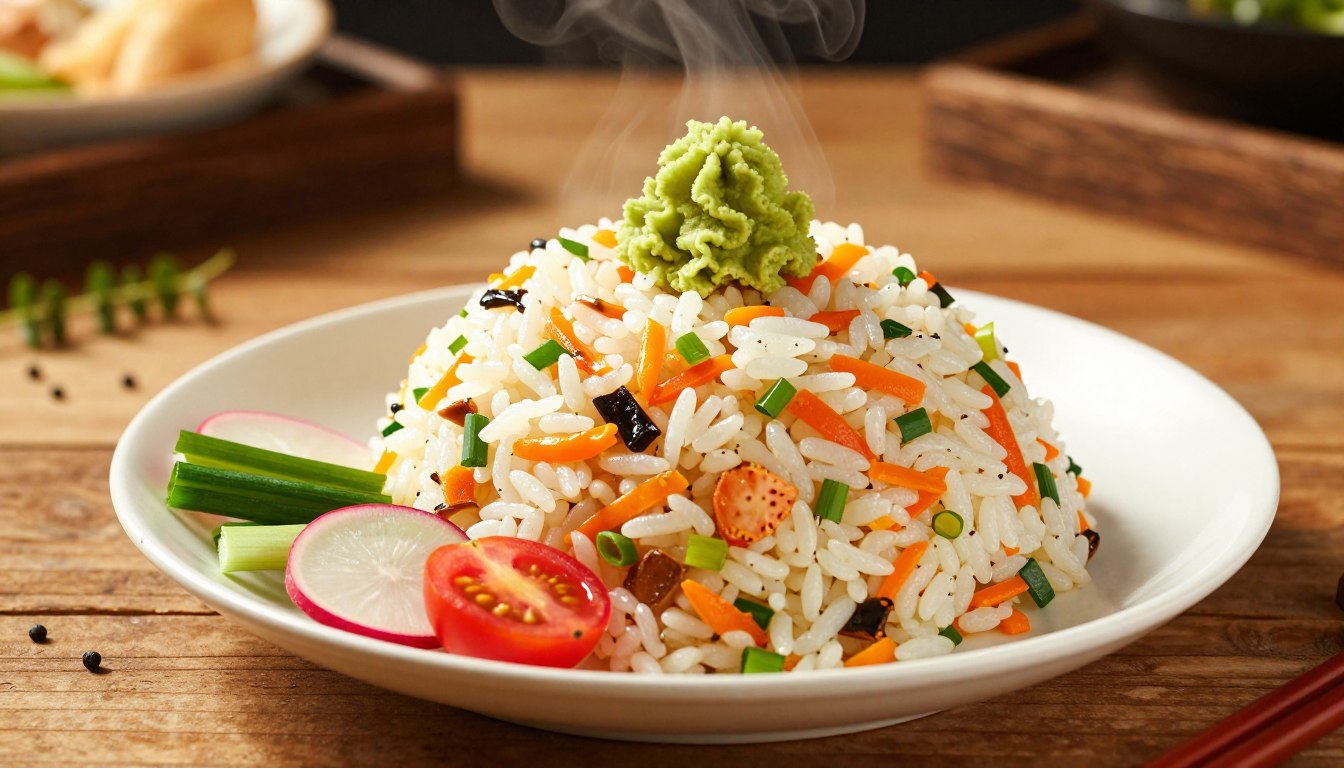
How to Make Surprise Rice with Wasabi
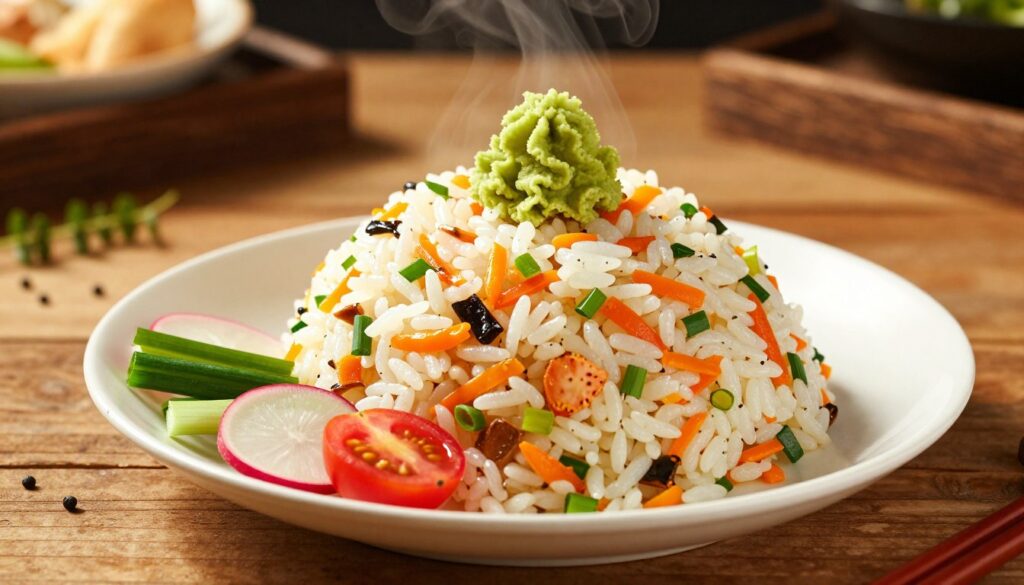
Ever had a meal that surprised you in the best way? That moment when a new flavor hits your tongue and changes everything? We’re about to show you how to make that happen at home with this surprise rice recipe.
In Seville, Spain, a restaurant served a creamy risotto. But then, a sharp wasabi flavor appeared, surprising everyone. The mix of rich rice and bold Japanese spice was amazing. It felt like dining at a top restaurant.
You don’t need to travel to enjoy this magic. Making surprise rice with wasabi at home is easy. This recipe combines Spanish comfort with Japanese flair. It serves 3-4 people and will impress everyone.
This recipe is special because of its creamy texture and sharp flavor. The wasabi adds a surprise that will amaze your family and guests. They’ll love discovering this secret ingredient.
Key Takeaways
- Learn how to make surprise rice with wasabi at home using Japanese short grain rice
- Discover why this Japanese style rice recipe stands apart from traditional risotto
- Master the technique for hiding the wasabi surprise until the perfect moment
- Achieve restaurant-quality creamy texture and flavor layers at home
- Find the best protein and vegetable pairings for your surprise rice recipe
- Understand how to adjust heat levels based on your taste preferences
- Create a memorable dining experience for your family and guests
What Makes This Japanese Style Rice Recipe Unique
This wasabi rice recipe is unique because it mixes two worlds in one. It combines creamy rice with wasabi’s sharp, aromatic heat. This creates a flavor that surprises and delights you.
The addition of wasabi turns a common side dish into a memorable main course. It’s a new experience for your taste buds.
The ingredients in this dish build layers of flavor. You get warmth, creaminess, and a wasabi kick all at once. This mix is rare in rice dishes, making your meal special.
The Unexpected Wasabi Twist
Wasabi adds magic to your bowl. Unlike other rice dishes, this recipe uses wasabi as the main flavor. It brings a spicy, aromatic twist that elevates the dish.
Wasabi and creamy rice are a perfect pair. It cuts through richness and adds complexity. The heat is balanced, making the dish memorable.
Origins from a Spanish Restaurant Experience
This recipe started in Seville, Spain. Imagine enjoying a creamy risotto with a surprising wasabi undertone. That moment inspired this dish.
The goal was to recreate that experience at home. Using Japanese rice and ingredients, we aimed to surprise and satisfy. Your kitchen became the place to bring that memory to life.
- Original inspiration came from a Seville restaurant experience
- The dish features unexpected wasabi undertones
- Japanese ingredients were selected for their complementary qualities
- Home recreation relies on taste memory and experimentation
Essential Ingredients for Wasabi Rice
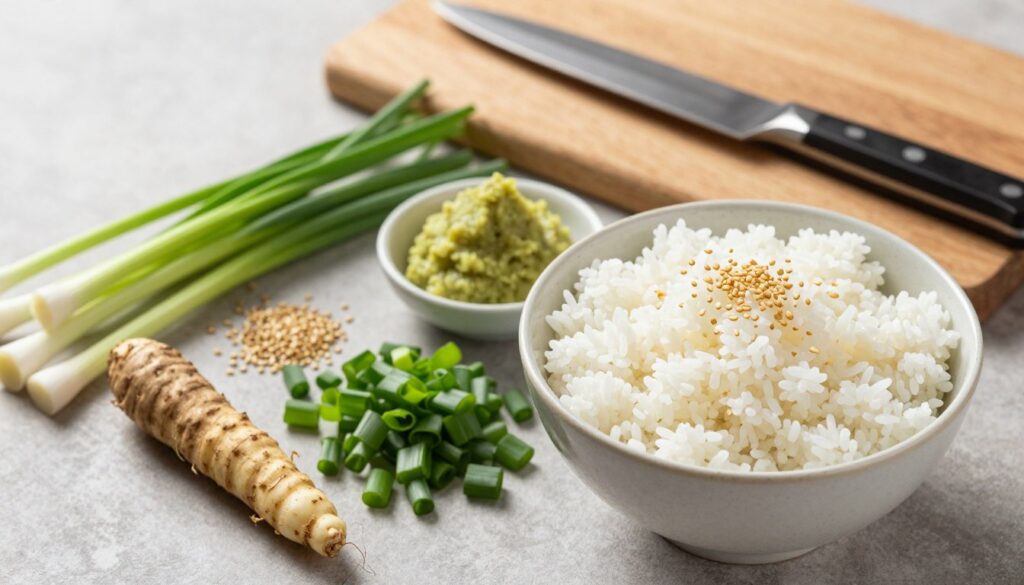
Making easy wasabi rice starts with gathering the right ingredients. Having everything ready before cooking makes the process simple and fun. This recipe serves three to four people, so you can adjust portions as needed. Knowing each ingredient’s role helps you make a delicious homemade wasabi rice dish that will impress everyone.
The base of your easy wasabi rice is quality short grain sushi rice. You’ll also need a flavorful liquid base, like clam or fish stock mixed with water. Adding sake or white wine, like Pinot Grigio, adds complexity and depth to your dish. These ingredients together create a creamy, flavorful rice.
Here’s what you need for your homemade wasabi rice:
- 1 cup sushi short grain rice (washed until water runs clear)
- 2 cups clam or fish stock
- 2 cups water
- 1/2 cup sake or white wine
- 1 medium onion, finely chopped
- 3 tablespoons cream cheese (Kite Hill brand works well)
- 1 ounce freshly grated parmesan cheese
- 1 tablespoon olive oil
- 1 tablespoon wasabi paste (optional, adjust to taste)
- Sea salt and cracked pepper
- 400 grams assorted mushrooms (crimini, oyster, shiitake, or maitake varieties)
- 4 to 6 ounces fresh salmon per person
- Gari (pickled Japanese ginger) for serving
| Ingredient Category | Item | Amount | Purpose |
|---|---|---|---|
| Rice Base | Sushi short grain rice | 1 cup | Creates the creamy texture foundation |
| Liquid Components | Clam or fish stock | 2 cups | Adds umami and seafood flavor |
| Liquid Components | Water | 2 cups | Balances liquid-to-rice ratio |
| Liquid Components | Sake or Pinot Grigio | 1/2 cup | Adds aromatic complexity |
| Aromatics | Onion, finely chopped | 1 medium | Builds flavor layers |
| Cream Elements | Cream cheese | 3 tablespoons | Creates luxurious, creamy texture |
| Cream Elements | Parmesan cheese | 1 ounce | Adds richness and umami depth |
| Flavoring | Wasabi paste | 1 tablespoon | Provides the signature heat element |
| Seasoning | Olive oil | 1 tablespoon | Sautés aromatics and mushrooms |
| Seasoning | Sea salt and cracked pepper | To taste | Enhances all flavors |
| Proteins & Vegetables | Assorted mushrooms | 400 grams | Adds earthy, meaty texture |
| Proteins & Vegetables | Fresh salmon | 4-6 ounces per person | Provides protein and complements wasabi |
| Garnish | Pickled ginger (gari) | To taste | Refreshes palate between bites |
The cream cheese and parmesan create a creamy, luxurious texture you’ll love. The wasabi paste is optional, so you can control the heat. Different mushrooms add interesting flavors and textures that go well with the wasabi.
Shopping for these ingredients is easy, just one trip to your local grocery store or Asian market. Most items are easy to find. You can find quality sushi rice in the international aisle, and fresh salmon at the seafood counter. Preparing ingredients beforehand makes cooking your easy wasabi rice stress-free and enjoyable.
Choosing the Right Japanese Short Grain Rice
Your choice of rice is key to a great dish. The right rice makes cooking easier and improves the taste. For wasabi rice, you need a type that absorbs liquid well and becomes creamy. Japanese short grain rice is perfect for this.
Knowing the differences in rice varieties helps you choose wisely. For authentic Japanese rice, pick rice made for this purpose, not other cuisines.
Why Sushi Rice Works Best
For sushi rice, short grain varieties are best because of their starch. This starch makes the rice creamy without needing constant stirring. Use one cup of sushi short grain rice for soft, flavorful results.
The starch in Japanese short grain rice makes it fluffy. Unlike Arborio rice, you can add all the stock at once. The grains stay separate but bind together, saving time and effort.
| Rice Variety | Starch Level | Cooking Method | Texture Result |
|---|---|---|---|
| Japanese Short Grain | High | Add all liquid at once | Creamy and cohesive |
| Arborio Rice | Moderate | Gradual liquid addition | Creamy with constant stirring |
| Long Grain White | Low | Standard boiling | Separate, fluffy grains |
How to Properly Wash Your Rice
Washing rice removes excess starch that makes it gummy. This step is crucial for your dish. Without it, your sushi rice won’t turn out right.
Here’s how to wash your rice:
- Place one cup of rice in a fine-mesh strainer
- Rinse under cold running water
- Gently agitate the rice with your fingers
- Repeat until water runs clear instead of cloudy
- This usually takes four to six rinses
The water should clear up completely. This removes starch particles that cloud the water. It ensures your rice cooks evenly and avoids gumminess. Always wash your rice before cooking for the best results.
After washing, your rice is ready for cooking. It’s now prepared for success.
Preparing Your Stock and Aromatics
Before you start cooking, getting your ingredients ready is crucial. This step, called mise en place, helps you succeed. You’ll prepare your stock and aromatics to have everything ready when needed.
Begin by mixing 2 cups of water with 2 cups of fish stock in a pot. Heat it over medium heat until it boils. Then, lower the heat to keep it warm and steaming. This ensures your rice cooks evenly.
While your stock warms up, heat 1 tablespoon of olive oil in another pan. Add 1 medium onion, finely chopped. Cook the onion until it’s soft and translucent, but don’t let it brown. This takes about 3 to 5 minutes.
Learning to make Japanese rice begins with these steps. Be careful with the heat to avoid browning the onion. Your onions are done when they’re tender and smell sweet. This base flavor is key for your dish.
- Keep stock at a gentle simmer, not a rolling boil
- Chop onion into small, even pieces for uniform cooking
- Watch for translucent texture, not brown edges
- Have all tools and ingredients within arm’s reach
For more on aromatics and flavor, check out guides on how to prepare fried rice. They share techniques for rich, layered flavors in rice dishes.
Japanese Style Rice Recipe Step-by-Step Cooking Method
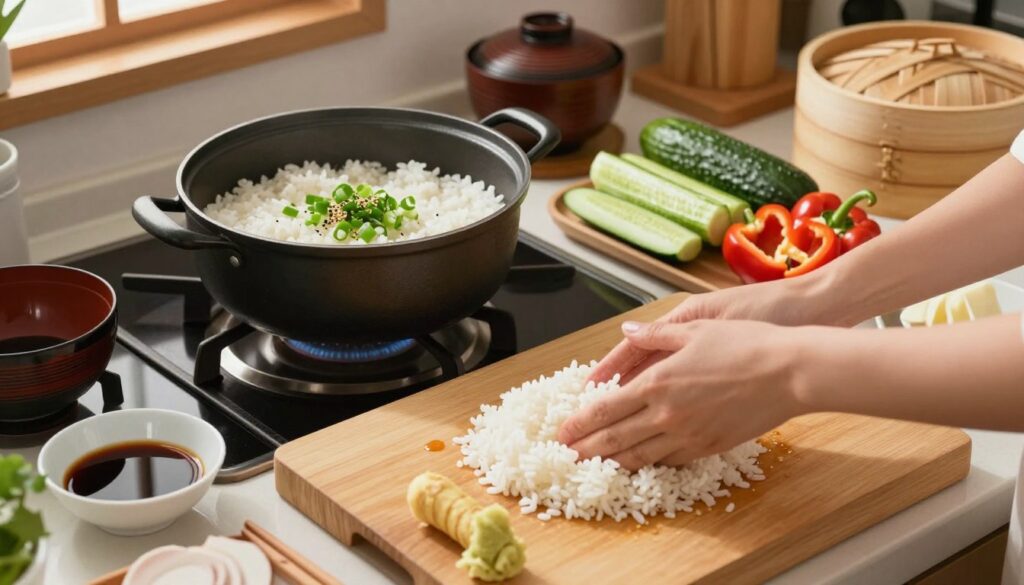
Learning the easy japanese wasabi rice recipe is all about building flavor and getting that creamy texture. This method blends traditional Japanese rice techniques with modern comfort food. It’s a simple process that turns simple ingredients into something special.
Building Flavor Layers
Great flavor starts when you mix your rice with softened onions in the pan. Gently toss the grains to coat them with the aromatic oil and onions. This ensures every bite is full of deep, savory flavors.
Next, add sake or white wine and bring it to a boil. Season with salt and black pepper. Let the wine reduce by half to concentrate the flavors. Then, add hot broth a ladle at a time, letting it absorb into the rice.
Achieving the Perfect Creamy Texture
Use the japanese rice cooker method or stovetop to add the rest of the stock. The short grain rice releases starches, making it creamy without stirring. Simmer until the rice is tender and the liquid has reduced a lot.
Now, the magic happens. Remove the pot from heat and mix in cream cheese until it’s super creamy. Add parmesan cheese and let it sit for a few minutes. This allows the flavors to blend perfectly.
| Cooking Stage | Action | Time | Expected Result |
|---|---|---|---|
| Initial Coating | Toss rice with softened onions | 2 minutes | Rice grains coated evenly |
| Wine Reduction | Add sake and simmer | 3-4 minutes | Wine reduced by half |
| First Stock Addition | Add one ladle of broth | 4-5 minutes | Liquid fully absorbed |
| Remaining Stock | Add all remaining broth at once | 15-18 minutes | Rice soft and creamy |
| Cream Cheese Blend | Whisk in cream cheese off heat | 2 minutes | Super creamy consistency |
| Final Assembly | Stir in parmesan cheese | 1 minute | Rich, savory coating |
| Resting Period | Let rice sit undisturbed | 3-5 minutes | Flavors meld together |
This method uses stovetop control to get deeper flavors. You can watch and adjust as needed, ensuring perfect results every time.
- Watch for visual cues—rice should look glossy and creamy
- Taste occasionally to check seasoning and texture
- Keep heat at medium-low to prevent scorching
- Don’t skip the resting period for best flavor development
Your patience during these steps is key to adding the surprise wasabi element that makes this dish unforgettable.
Adding the Surprise Wasabi Element
This is where your dish goes from good to amazing. The surprise wasabi element makes this recipe stand out. To make wasabi rice, add wasabi paste when your rice is slightly cool. Hot rice can ruin the wasabi’s flavor, making it bitter.
Begin with 1 tablespoon of wasabi paste and mix it well into your rice. Aim for even distribution so every bite has that special kick. Authentic Japanese wasabi preparation methods show that how you mix it affects the taste. Your rice should have a slight green color when mixed right.
Creating the best spicy rice with wasabi sauce is all about what you like. Your taste preferences are key:
- Add more wasabi for a stronger kick
- Use just 1 tablespoon for a milder spice
- Omit it if you or your family prefers no wasabi
Wasabi heat is different from chili pepper heat. It’s sharp and hits your nose, not just your tongue. This unique sensation makes your rice memorable.
Don’t worry if you don’t like wasabi. It’s optional, and your dish will still be tasty. The important thing is to make wasabi rice in a way that suits your family’s taste.
Best Protein and Vegetable Pairings
Your wasabi rice dish needs the right protein and vegetable friends. They should match its bold taste. Mushrooms and salmon are great choices—they add different textures and tastes that go well with wasabi.
Think about how proteins work with wasabi’s strong flavor. Tofu or chicken are good because they let wasabi be the star. Salmon, on the other hand, can handle the heat without getting lost. Your veggies add color, crunch, and nutrients, making the dish complete.
Sautéed Mushroom Varieties That Complement Wasabi
Mushrooms are a perfect match for wasabi rice. Their earthy taste adds depth. Try mixing different types for the best flavor:
- Crimini mushrooms have a mild taste and firm texture
- Oyster mushrooms are delicate and tender
- Shiitake mushrooms add a rich, umami flavor
- Maitake mushrooms have a wispy texture and a hint of sweetness
Use 6-8 ounces of mixed mushrooms per serving. Clean them gently with a damp cloth. Slice them evenly for even cooking. Sauté in a hot pan with a little oil until they’re golden and caramelized. This brings out their sweetness and contrasts with the spicy rice.
Preparing Salmon to Serve Alongside
Fresh baked salmon is a great protein to pair with wasabi rice. Plan for 4-6 ounces per person. Season with salt, pepper, and lemon to complement the wasabi.
Don’t just stick to salmon. Try halibut, cod, or grilled chicken breast. Vegetarians can enjoy the mushrooms for protein. When you make an Asian-inspired dinner bowl, make sure everything is ready at the same time. This ensures a balanced and enjoyable meal.
| Protein Option | Portion Size (per person) | Cooking Method | Cooking Time |
|---|---|---|---|
| Salmon | 4-6 oz | Bake at 400°F | 12-15 minutes |
| Chicken Breast | 4-6 oz | Pan-sear or bake | 15-18 minutes |
| Tofu | 5-7 oz | Pan-fry or bake | 10-12 minutes |
| Mixed Mushrooms | 6-8 oz | Sauté in hot pan | 8-10 minutes |
Serving Suggestions and Garnishes
Presenting a quick and simple wasabi rice bowl is key. Your plating can turn this dish into a restaurant-quality meal in minutes. How you arrange your ingredients is as important as the flavors.
There are two main ways to serve your dish. Family-style serving is perfect for groups. Put warm rice in a large bowl and surround it with sautéed mushrooms, baked salmon, and pickled ginger. This way, everyone can pick what they like.
Individual rice bowls offer a more elegant look. Start with rice, add proteins and veggies, and finish with garnishes. This makes each bowl unique.
Pickled Japanese ginger, or gari, is a must-try. It’s sweet and tangy, balancing the spicy rice. Gari adds a layer of flavor that’s hard to beat.
Here are more garnish ideas to enhance your dish:
- Sliced green scallions for fresh crunch
- Toasted sesame seeds for nutty flavor
- Nori strips for umami notes
- Light soy sauce drizzle for extra depth
- Fresh cilantro for brightness
Keep your dish warm, not hot. This lets all the flavors come together without being too much. Enjoy it with sake, white wine, or green tea for a complete experience.
Tips for Adjusting Heat Levels and Customization
Not everyone likes the same level of heat. That’s why this wasabi rice recipe is great. You can adjust the heat to your liking. Start with 1 tablespoon of wasabi paste and add more if you want it spicier. For a milder taste, use less or none at all.
For groups with different tastes, make the rice base without wasabi. Then, serve the wasabi paste on the side. This way, everyone can adjust the heat to their liking. It’s perfect for quick rice recipes that need to please everyone.
There are many ways to customize this dish:
- Try different cream cheese brands or go for reduced-fat and dairy-free options
- Change the cheese ratio for more or less richness
- Use vegetable stock for a lighter flavor or add extra clam juice for a brinier taste
- Cook the rice for a bit less time for a firmer texture or longer for it to be super soft
Get creative with leftovers. Turn the seasoned rice into quick rice recipes like patties or grain bowls. Make it vegetarian by using plant-based cheeses and vegetable stock. Add butter or extra Parmesan for a richer taste. Your imagination can turn this dish into many meals throughout the week.
Conclusion
You’ve mastered a unique dish that blends Japanese and European cooking. This surprise rice with wasabi stands out with its creamy rice and unexpected flavor. It’s a hit at any dinner table.
The dish’s beauty is in its balance. The umami from stock and cheese meets the sharp wasabi. Earthy mushrooms and delicate salmon add sophistication to each bite.
This dish is special because it’s easy to make. Like quick rice recipes, it requires just a few steps and little prep time. Your journey from a Spanish restaurant to your kitchen shows that you can make amazing meals at home.
The creamy rice, wasabi, and beautiful pairings make it unforgettable. The kitchen is your space for trying new things. Start with this version, then adjust it to your liking.
Share this dish with loved ones and the story behind it. You’ve earned the joy of mastering a unique recipe.