How to Make Hamburgers, Wraps, Kebabs, Sandwiches

Remember the last time you bit into a perfectly crafted burger? That first taste of juicy, flavorful goodness is pure magic. Now imagine creating that feeling anytime you want, right in your own kitchen.
There’s a special kind of joy in making food with your own hands. You control the ingredients, the flavors, and the love that goes into every bite. This guide is your friendly invitation to discover that satisfaction.
Forget soggy takeout and overpriced delivery. Homemade handheld meals are about versatility, cost-effectiveness, and superior flavor. Whether you’re craving a classic beef patty, a fresh veggie wrap, smoky kebabs, or a stacked sandwich, you have the power to build it better.
You become the master of your kitchen and grill. It’s easier than you think to whip up meals that impress your family and satisfy your cravings. Let’s unlock the simple secrets to crafting your favorite handheld feasts.
Key Takeaways
- Creating your own meals at home brings a unique sense of pride and accomplishment.
- Homemade burgers, wraps, kebabs, and sandwiches are far more customizable than restaurant versions.
- DIY cooking is often much kinder to your wallet than regular takeout.
- You gain complete control over ingredient quality and freshness for better flavor and health.
- Mastering a few simple techniques can turn you into a confident home chef.
- The process of grilling and assembling food can be a fun and rewarding experience.
- Handheld meals are perfect for busy weeknights, weekend cookouts, and everything in between.
The Joy of Homemade Handheld Meals
Forget the drive-thru; the real magic happens when you create your own handheld feasts in the kitchen. There’s an undeniable thrill in transforming simple ingredients into a meal you can hold. This is where burger recipes and their portable cousins truly shine.
Making these meals at home puts you in complete control. You choose the quality of your beef, the crispness of your veggies, and the zest of your sauces. This means healthier options and often a friendlier budget. The best part? Creative freedom. You design a wrap with flavors you love or a kebab marinated exactly to your taste.
Cooking becomes a shared adventure. It’s fun to assemble sandwiches with family or thread kebabs with friends. The pride of serving something made by your own hands is a real culinary badge of honor. These aren’t just meals; they’re experiences you build together.
That experience fits any occasion. It turns a regular weeknight dinner into something special. It becomes the star of a weekend BBQ. For a packed lunch, a homemade wrap beats a sad desk salad any day. Need more inspiration for your midday meal? Explore our guide to easy lunch recipes for beginners.
The joy is in the process and the personal touch you add to every bite.
Gathering Your Kitchen Arsenal: Essential Tools & Equipment
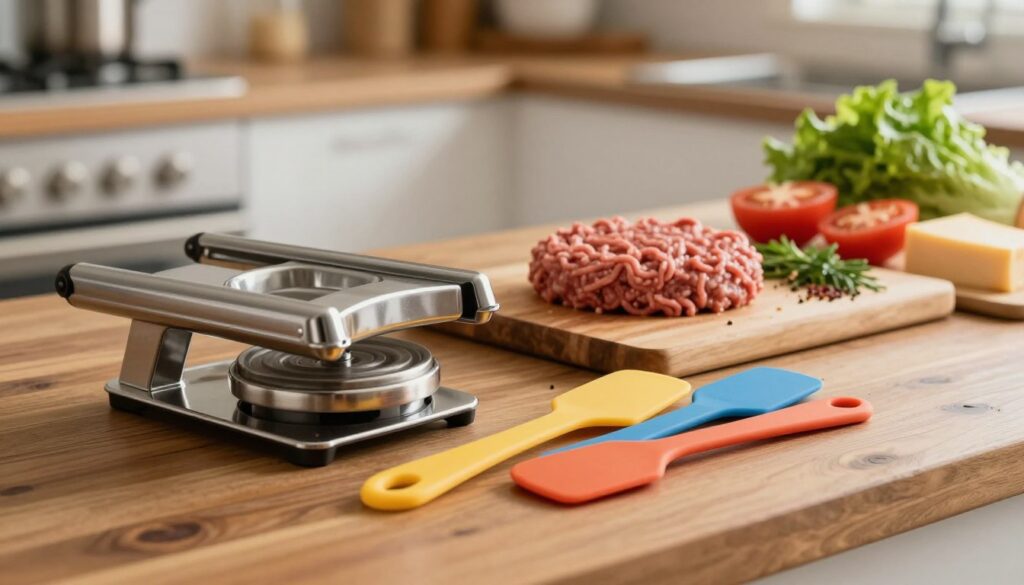
Success in the kitchen starts with preparation. This means having the right tools before you begin. The right equipment makes cooking easier, improves your dishes, and adds fun to the process. Let’s look at what you need in two parts: everyday basics and specialized tools.
Must-Have Basics for Every Recipe
These tools are probably already in your kitchen. Keeping them clean and ready is key to kitchen success.
- Sharp Chef’s Knife: A sharp knife is essential for safely cutting vegetables, meat, and herbs.
- Sturdy Cutting Boards: Use separate boards for proteins and produce to avoid contamination. Wood or thick plastic are good options.
- Mixing Bowls: A set of nested bowls in different sizes is great for mixing burger meat, marinating chicken, or tossing salads.
- Measuring Spoons and Cups: These ensure you add the right amount of spices, oils, and binders for consistent flavor.
Specialized Gear for Grilling and Assembly
While you can improvise, these tools help you achieve better results for your homemade hamburgers and other dishes.
Your cooking surface is important. A gas or charcoal grill gives that smoky flavor. For indoor cooking, a cast-iron skillet or grill pan creates perfect sear marks and juicy interiors.
For kebabs, you can choose between metal skewers and wooden skewers. Metal skewers are reusable and heat well. Wooden skewers should be soaked in water for at least 30 minutes to prevent burning.
Useful tools for assembly include a burger press for even patties, a sturdy spatula for flipping, and a pastry brush for glazes and oils. With these tools ready, you’re all set to create amazing flavors.
Building Blocks of Flavor: Core Ingredients & Principles
The secret to a great burger or wrap is simple: quality ingredients. Great flavor comes from the right foundations. This is key for cooking hamburgers and other handheld favorites.
Think of proteins, veggies, and sauces as your cooking tools. Fresh, well-chosen ingredients make your dish stand out. Let’s explore these essential elements.
Selecting Proteins: Beef, Chicken, and Beyond
Your protein is the main attraction. For burgers, an 80/20 ground beef mix is perfect. It’s juicy and full of flavor.
For kebabs and wraps, try cubed chicken, ground turkey, or shrimp. Black bean patties or tofu are great for plant-based options. They soak up flavors well.
The Fresh Factor: Vegetables and Herbs
Crisp veggies add crunch and nutrition. Don’t just stick to lettuce and tomato. Try red onion, pickled jalapeños, or shredded cabbage for a twist.
Fresh herbs are a game-changer. A sprinkle of cilantro, basil, or parsley can add a vibrant, aromatic punch that dried herbs can’t.
Sauces, Spreads, and Seasonings
A great sauce makes a meal unforgettable. It brings everything together, adding moisture, creaminess, tang, or heat.
Begin with a base like mayonnaise, yogurt, or mustard. Then, add flavor with:
- Acids: Lemon juice or vinegar for brightness.
- Aromatics: Minced garlic, grated ginger, or shallots.
- Spices: Smoked paprika, cumin, or chili powder for depth.
Season generously with salt and pepper. They enhance the natural flavors of every ingredient.
How to Make Hamburgers: The All-American Classic
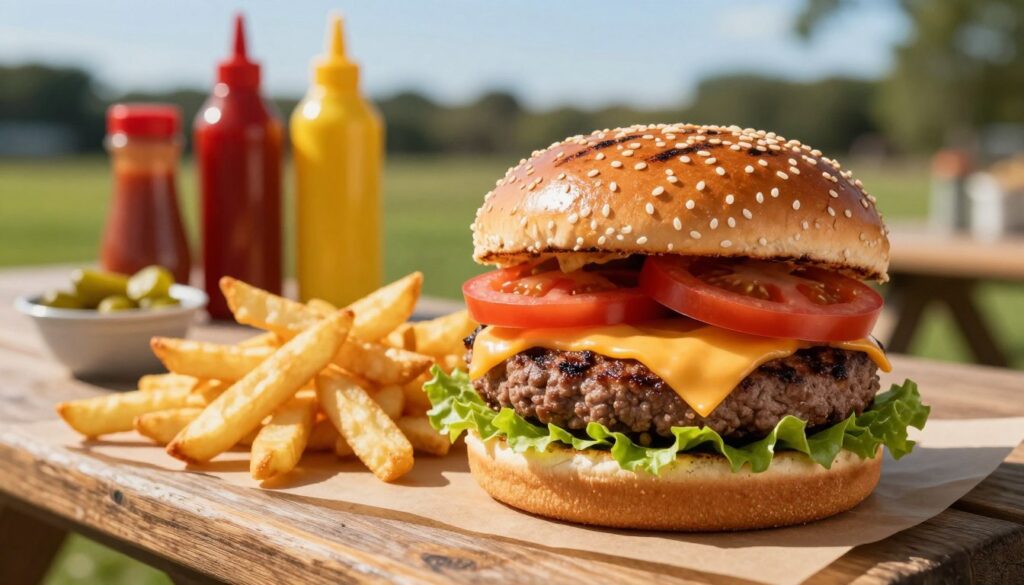
Making burgers is more than just mixing ground beef. It’s a journey that requires patience and skill. The end result is a juicy, flavorful burger that beats any restaurant.
Choosing and Preparing Your Burger Meat
Great burgers start with great meat. Your choices here set the stage for everything that follows.
Step 1: Selecting the Right Beef Blend
For the juiciest results, choose ground beef with a fat content of around 20%. An 80/20 blend (80% lean, 20% fat) is the gold standard. The fat melts during cooking, basting the meat from the inside. Avoid extra-lean blends like 90/10 or 93/7. They often lead to dry, tough patties.
Step 2: Gently Forming the Perfect Patties
Handle the meat as little as possible. Overworking it develops tough proteins. Gently divide the beef into equal portions, about 6 to 8 ounces each. Loosely shape them into balls, then flatten into ¾-inch thick discs. Make a slight thumbprint indentation in the center of each patty. This prevents the burger from puffing up into a ball as it cooks.
Cooking Your Burger to Perfection
This is where the magic happens. Heat management and timing are your best tools for crafting the ultimate grilled hamburgers or pan-fried versions.
Step 3: Seasoning and Preheating
Generously season your patties with salt and pepper just before they go on the heat. Salting too early can draw out moisture. While you season, preheat your cooking surface. Whether using a grill, skillet, or broiler, it must be screaming hot. A proper sear locks in juices.
Step 4: Grilling, Pan-Frying, or Broiling
Each method has its merits. For classic grilled hamburgers, place patties on a clean, oiled grate over direct high heat. For pan-frying, use a heavy cast-iron or stainless steel skillet with a little oil. Do not press down on the patty with your spatula! You’ll squeeze out all the precious juices.
Step 5: Knowing When It’s Done
Guessing doneness leads to overcooked burgers. The only reliable method is using an instant-read meat thermometer. Insert it into the side of the patty to reach the center. Refer to the guide below for perfect results every time.
| Doneness Level | Internal Temp (°F) | Description |
|---|---|---|
| Rare | 120-125°F | Red, cool center; very juicy. |
| Medium Rare | 130-135°F | Warm red center; ideal for many. |
| Medium | 140-145°F | Warm pink center; juicy and safe. |
| Medium Well | 150-155°F | Slightly pink center; less juicy. |
| Well Done | 160°F+ | No pink, fully cooked through. |
The Art of Assembly: Buns, Toppings, and More
A great patty deserves a great presentation. Thoughtful assembly ensures every bite has the perfect balance of flavors and textures.
Step 6: Toasting the Bun
Never skip toasting your bun. A quick toast on the grill or in a dry pan adds crunch and creates a barrier against sogginess. It also brings out a lovely, nutty flavor from the bread. Buttering the cut sides lightly before toasting adds extra richness.
Step 7: Layering Flavors and Textures
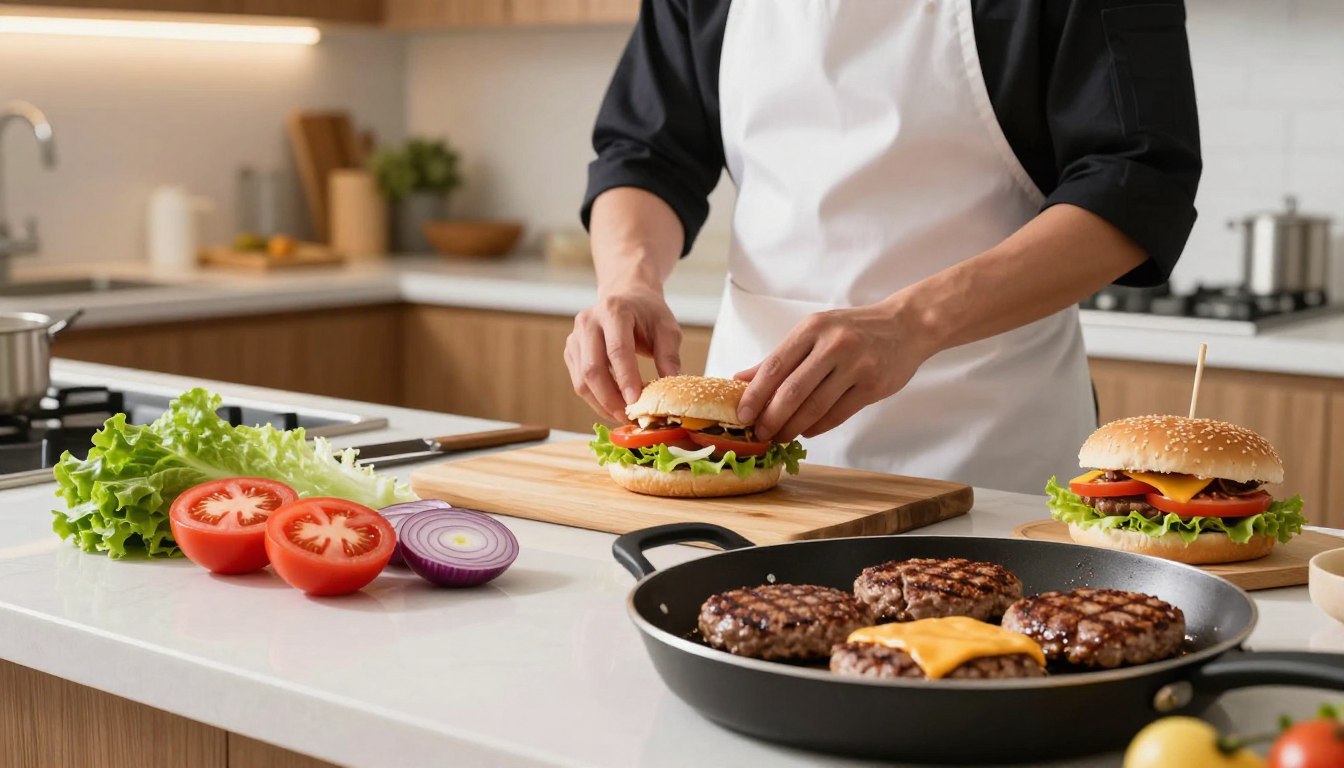
Build your burger from the bottom up. Start with a sauce or spread on the toasted bottom bun. Next, add a crisp piece of lettuce. This acts as a shield, keeping the juicy patty from making the bun soggy. Place the hot patty on the lettuce, then add cheese if using. Follow with tomatoes, onions, and pickles. Finally, cap it with the top bun, which should also have a thin layer of sauce. This method is the secret to a structurally sound and delicious best hamburger recipe experience.
Crafting Flavorful Wraps: Portable and Packed with Goodness
Learn how to make a leak-proof, tasty lunch with wrap-making. Wraps are great for eating on the go. They’re perfect for busy days, picnics, or using leftovers from a classic burger recipe night.
Choosing Your Wrap Foundation: Tortillas, Lettuce, and More
Your wrap’s outer layer is key for flavor and keeping things in. The right choice depends on your diet and the filling’s texture.
Flour tortillas are soft and hold up well to fillings. Whole wheat tortillas add fiber and a nutty taste.
Corn tortillas are gluten-free with a unique flavor. For bigger wraps, choose “burrito-size” tortillas. For a low-carb option, use large lettuce leaves like romaine or butter lettuce.
Try spinach tortillas, lavash bread, or collard green leaves for something different. The key is flexibility—your wrapper should bend without cracking.
Step-by-Step Guide to a Perfect Wrap
Follow this method to make a tight, secure wrap. It will keep everything together from start to finish.
Step 1: Preparing and Spreading Your Base
Start with a room-temperature tortilla. If it’s cold, warm it briefly in a dry skillet or microwave for 10 seconds. This makes it soft and less likely to tear.
Lay it flat on a clean surface. Spread your sauce or spread evenly across the center, leaving a 2-inch border on all sides. This creates a moisture barrier and glues your fillings together.
Step 2: Arranging Fillings for Optimal Bite
Think in layers. Place heavier, chunkier items like grilled chicken or beans down the center first. Then, add lighter items like shredded lettuce, spinach, or diced tomatoes.
Keep the filling mound compact and horizontal. Overstuffing is the main cause of breakage. A good rule is to use about one cup of total filling per standard tortilla.
Step 3: Mastering the Fold and Roll
This is the crucial burrito-fold technique. Fold the left and right sides of the tortilla inward over the filling. Then, starting from the side closest to you, tightly roll the wrap away from you, tucking the fillings in as you go.
For ultimate security, wrap the finished roll in parchment paper or foil. This keeps it tight and makes for mess-free eating. It’s even simpler than mastering an easy burger recipe.
Inspiring Wrap Filling Combinations
Let your creativity shine with these balanced and delicious ideas. Mix and match proteins, veggies, and sauces.
- Greek Chicken: Grilled chicken strips, chopped cucumber, tomatoes, red onion, kalamata olives, feta cheese, and a generous dollop of tzatziki sauce.
- Southwest Black Bean & Veggie: Seasoned black beans, corn, bell peppers, avocado slices, shredded cheese, and a creamy cilantro-lime dressing.
- Turkey Club: Sliced turkey, crispy bacon, lettuce, tomato, and a light avocado mayo spread.
- Breakfast Wrap: Scrambled eggs, sautéed spinach, diced ham or sausage, and a sprinkle of cheddar cheese. Perfect for meal prep!
The beauty of wraps is their adaptability. Use what you have on hand and create your own signature portable meal.
Skewering Success: How to Make Kebabs at Home
If you love grilled food, making kebabs at home is a great idea. It lets you control your ingredients and portion sizes. Plus, it’s a fun way to prep meals.
Kebab Basics: Skewers, Soaking, and Safety
Start with the right skewer. You can choose metal or bamboo. Metal skewers are reusable and heat up food inside. Bamboo skewers are cheap but need soaking.
Soak wooden skewers in water for at least 30 minutes before using them. This stops them from burning. Keep water nearby to control flare-ups.
Preparing Your Kebab Components
Even cooking is key for great kebabs. Make sure all pieces are ready at the same time. Proper prep helps achieve this.
Step 1: Cutting Meat and Vegetables for Even Cooking
Uniform pieces are your friend. Cut all ingredients to 1 to 1.5 inches. This includes chicken, beef, shrimp, and veggies.
Smaller pieces cook evenly. Avoid burnt onions and raw chicken. Try the “Layered Tortilla Kebab” for a twist. It involves spreading spiced meat between tortillas and cutting into rectangles.
Step 2: Marinating for Maximum Flavor
Marinating is where the magic is. It tenderizes and flavors the meat. A good marinade has acid, oil, and herbs.
For the tortilla kebab, mix ground meat with onions, peppers, cumin, and paprika. This makes it sticky and flavorful. Marinate it for at least 30 minutes.
Here’s a quick guide to popular marinade styles:
| Style | Key Ingredients | Best For | Marinate Time |
|---|---|---|---|
| Mediterranean | Olive oil, lemon, garlic, oregano | Chicken, Lamb | 2-4 hours |
| Asian-Inspired | Soy sauce, ginger, sesame oil, honey | Beef, Pork | 1-3 hours |
| Spicy Yogurt | Plain yogurt, cumin, coriander, chili powder | Chicken, Beef | 4 hours to overnight |
| Herb & Citrus | Olive oil, lime juice, cilantro, paprika | Shrimp, Fish | 30-60 minutes |
Threading and Cooking Your Kebabs
Now it’s time to assemble and cook your kebabs. A little strategy ensures every bite is perfect.
Step 3: Assembling the Skewers
Don’t just randomly put ingredients on the skewer. Leave space at both ends for easy handling. Alternate between protein and vegetables for even cooking.
For the tortilla kebabs, skewer pre-cut tortilla-and-meat rectangles. The layers will crisp up beautifully on the grill. This is a great way to try homemade wraps recipes in a new way.
Step 4: Grilling or Broiling to Perfection
Preheat your grill or broiler to medium-high heat. Lightly oil the grates. Place your kebabs on the heat for a nice sear without burning.
Turn the skewers every 3-4 minutes. Most kebabs cook in 10 to 15 minutes. Chicken and pork need to be cooked through, while beef can be cooked to your liking. The tortilla kebabs are done when the outside is golden and crispy and the meat is fully cooked.
Let your kebabs rest for a few minutes after cooking. This ensures juicy and delicious bites.
Elevating the Everyday: Creative Sandwich Recipes
Think again about what lunchtime staples are. Sandwiches are like blank canvases for your creativity. With a few smart choices, you can make lunchtime special. This guide will teach you to make easy sandwich recipes that stand out.
Beyond PB&J: Bread Selection and Preparation
Your sandwich adventure begins with the bread. The right bread makes all the difference. A crusty baguette is great for juicy fillings, while soft ciabatta is tender.
Try whole-grain or seeded loaves for a healthier option. Don’t forget to prepare your bread. Lightly toasting it adds crunch and prevents sogginess. Grilling it with butter or oil makes it crispy and warm.
Building a Better Sandwich: A Step-by-Step Method
A great sandwich is built in layers. This method ensures every bite is balanced and avoids sogginess. Follow these three steps for perfect results.
Step 1: The Foundation (Spread)
Start with a spread. It’s your moisture barrier and flavor base. Use mayonnaise, mustard, or hummus. Mix in herbs, garlic, or hot sauce for extra flavor. Spread it evenly on both slices.
Step 2: The Structure (Lettuce, Cheese, Protein)
Next, add your structural elements. Place crisp lettuce or spinach on the spread. Then, add cheese and your main protein, like sliced turkey or a veggie patty. This layer is the sandwich’s core.
Step 3: The Accents (Veggies, Condiments)
Finally, add your accents. Use sliced tomato, red onion, pickles, or avocado. Place these on top of the protein. Add wet condiments like ketchup or relish in the center to keep the bread dry.
Hot and Cold Sandwich Ideas
Now, try these inspiring ideas. For a hot option, make a gourmet grilled cheese. Use sourdough, sharp cheddar, crispy bacon, and thin apple slices. Grill until golden and gooey.
For a cold sandwich, try a hearty club. Layer turkey, bacon, lettuce, tomato, and garlic aioli on toasted multigrain. Find more creative sandwich recipes to inspire you.
These easy sandwich recipes show that lunch can be special. Experiment with different breads, spreads, and fillings to find your new favorite.
Mastering Cooking Techniques: Grilling, Pan-Frying, and More
Your grill and stovetop are powerful tools. But, you need to know how to control heat to get the best results. This skill makes a big difference between a dry patty and a juicy one. It also ensures your kebabs are cooked right without burning.
Controlling Heat for Juicy Results
Using too much heat too soon is a big mistake. Always preheat your cooking surface. For a pan, heat it over medium-high before adding oil and food. For a grill, let it get to the right temperature.
Direct heat is good for searing. Indirect heat, where food cooks next to the flames, is better for thicker items. This way, you avoid a charred outside and a raw inside.
Medium heat is your best friend. For example, when making Layered Tortilla Kebabs, preheat the grill to medium. Cook them for 10-12 minutes, turning often. This heat cooks the ingredients evenly and blends flavors without burning the tortilla.
The same goes for grilled hamburgers. A medium-hot grill gives a beautiful sear that keeps juices in. Don’t press down with your spatula! That pushes out the juices you want to keep.
Food Safety Tips for Handling Raw Ingredients
Great technique is nothing if it makes people sick. Food safety begins when you unpack your groceries. Always keep raw meat, poultry, and seafood separate from ready-to-eat foods like vegetables and bread.
Use separate cutting boards and utensils for raw and cooked items. If you only have one board, wash it well with hot, soapy water between uses. Marinate proteins in the refrigerator, not on the counter.
Your hands can spread germs easily. Wash them with soap and warm water for at least 20 seconds before and after handling raw ingredients. A clean kitchen is a safe kitchen, so clean surfaces as you go.
Finally, get a good meat thermometer. It’s the only sure way to know your protein is cooked safely. Color alone is not enough to tell.
Sauce it Up! Homemade Condiments and Dressings
The secret to making your handheld meals special is in the sauces. A great sauce adds moisture and brings flavors together. It gives your dishes a unique taste that’s all yours. Plus, homemade sauces are fresher and don’t have preservatives.
These simple recipes can be made in minutes. They’ll take your burgers, wraps, kebabs, and sandwiches from good to great.
Quick Burger Sauces and Spreads
No best hamburger recipe is complete without a killer sauce. Skip the bland store-bought stuff. A classic “special sauce” is incredibly easy to make.
Mix three tablespoons of mayonnaise with one tablespoon each of ketchup and sweet pickle relish. Add a pinch of garlic powder and a dash of Worcestershire sauce. Stir it together and let it sit for ten minutes. This tangy, creamy spread is the perfect partner for a juicy beef patty.
For a smoky twist, add a teaspoon of chipotle in adobo sauce. For a zesty kick, stir in some finely chopped onion and a squeeze of lemon.
Yogurt-Based Sauces for Kebabs and Wraps
Cool, creamy yogurt sauces are perfect for balancing grilled and spiced meats. A basic tzatziki or a creamy dill sauce can be a game-changer.
Combine one cup of plain Greek yogurt with a grated cucumber (squeezed dry), a minced garlic clove, two tablespoons of fresh dill, and a tablespoon of lemon juice. Season with salt and pepper. It’s refreshing on lamb or chicken kebabs and makes a great wrap dressing.
Don’t forget a basting sauce for grilling. Melt four tablespoons of butter with the zest of one lemon, two minced garlic cloves, a teaspoon of chili flakes, a tablespoon of honey, and a pinch of salt. Brush this sweet, tangy, and spicy glaze onto your kebabs during the last few minutes of grilling. It will caramelize beautifully.
Vinaigrettes and Sandwich Spreads
A good vinaigrette isn’t just for salads. It can brighten up a chicken sandwich or a veggie wrap. The basic ratio is three parts oil to one part acid.
Whisk together three tablespoons of olive oil with one tablespoon of red wine vinegar. Add a teaspoon of Dijon mustard, a small minced shallot, salt, and pepper. Shake it in a jar until emulsified. This versatile dressing adds a sharp, clean flavor.
For sandwich spreads, consider mixing mayo with pesto, or blending roasted red peppers with cream cheese. These add layers of flavor and keep your bread from getting soggy. Pair your handheld creations with a fresh side, like these restaurant-style salads you can make at.
Mastering these condiments is the final touch to your best hamburger recipe and all your other favorite meals. They give you complete control over flavor, turning every bite into a personalized delight.
Pro Tips for Meal Prep and Leftovers
These handheld meals are special because of the planning. A little effort at the start makes dinner easy and tasty. It’s perfect for busy weeknights.
Prepping Components in Advance
Starting early makes cooking stress-free. You can prep many parts ahead. This makes an easy burger recipe even easier.
Make burger patties and freeze them with parchment paper in between. Mix kebab meat with spices and keep it in the fridge. Chop onions, peppers, and lettuce and store them in separate containers.
| Component | Prep Method | Best Storage | Max Fridge Time |
|---|---|---|---|
| Burger Patties | Form, season, layer with parchment | Freezer bag or airtight container | 3 months (frozen) |
| Chopped Veggies (onions, peppers) | Dice, do not wash after cutting | Airtight container with paper towel | 3-4 days |
| Kebab Meat (marinated) | Mix meat and spices in a bag | Refrigerator in sealed bag or bowl | 1-2 days |
| Homemade Sauces | Whisk ingredients together | Glass jar or squeeze bottle | 5-7 days |
For long-term plans, check out freezer meal strategies. They’re great for having many pre-assembled meals.
Storing and Reheating for Best Quality
Leftovers can get soggy or dry if not stored right. Store parts separately whenever you can. Keep cooked patties, grilled chicken, and sauces in their own containers.
Use gentle heat when reheating. Reheat a burger patty in a skillet with a splash of water and a lid. For kebabs, a quick oven or toaster oven reheating is better than a microwave.
With these tips, your easy burger recipe and other dishes will stay delicious, even on the second day.
Conclusion
You’ve dived into the world of handheld meals. From grilling to assembling on your counter, you now have these skills. Making your own food means you control the taste and quality.
The joy is in the making. Creating perfect homemade hamburgers or colorful kebabs is rewarding. It makes a simple meal a personal victory.
These recipes are just the start. Feel free to mix things up or try new things. Your next great dish is just a step away.
Get your ingredients ready. Light up your stove or grill. The fun of cooking these classic meals is waiting for you in your kitchen.