
The Best Simple Dauphinoise Potatoes
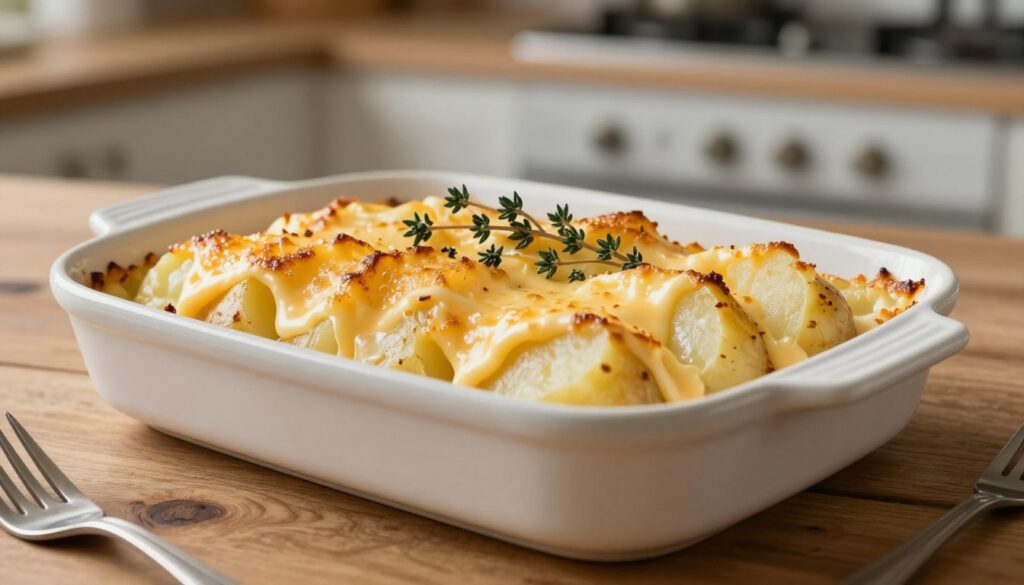
Sitting down to a home-cooked meal can feel both comforting and special. It’s that warm, creamy taste that makes everything else disappear. Dauphinoise potatoes are a French dish that turns simple potatoes into a fancy treat. It’s easy to make at home, perfect for any special occasion.
You don’t need fancy training or gadgets to make dauphinoise potatoes. Just six basic ingredients and some patience are all you need. The result is tender potatoes in rich cream, topped with golden cheese. It’s perfect for any big meal, impressing your guests with its restaurant-quality taste.
This recipe comes from Julia Child, a cooking legend. It’s all about simplicity. No need to parboil potatoes or use complicated techniques. Even beginners can make it taste amazing. The secret is using quality ingredients the right way. For the full guide, check out this trusted dauphinoise potatoes guide.
Key Takeaways
- Dauphinoise potatoes are a French classic that sounds fancy but are surprisingly easy to make at home
- You only need six basic ingredients: potatoes, cream, garlic, butter, cheese, and seasonings
- The entire dish takes just 1 hour and 45 minutes from start to finish, with only 15 minutes of prep work
- This recipe serves 8 to 10 people, making it perfect for gatherings and special occasions
- The best dauphinoise potatoes recipe uses starchy potatoes like Russet or Maris Piper for the ideal texture
- You can prepare this dish ahead of time and reheat it when you’re ready to serve
- Gruyere cheese gives you the best browning and flavor, though other cheeses work as substitutes
What Are Dauphinoise Potatoes
Dauphinoise potatoes are a beloved French dish that adds elegance to any dinner. This classic dish comes from the Dauphiné region of France. It’s made with thinly sliced potatoes, heavy cream, butter, garlic, and seasonings.
When baked, these ingredients turn into something magical. They become creamy on the inside and have a golden, crispy top.
The beauty of gratin dauphinois lies in its simplicity. Raw potato slices cook in the cream, thickening it as it bakes. This creates a luxurious, velvety texture. Modern versions often include cheese for extra flavor and richness.
The French Classic Explained
Understanding the origins of this dish makes it special. It comes from the Dauphiné region in southeastern France. The original recipe had potatoes, cream, butter, garlic, and seasonings, but no cheese.
Over time, the dish evolved. Julia Child’s version, which added cheese, influenced many recipes today. You’ll find both versions worth making. The traditional dauphinoise recipe shows how cream-based cooking develops deep flavor.
- Authentic French version: cream, potatoes, butter, garlic
- Modern cheese versions: add Gruyère or similar cheeses
- Optional fresh thyme for extra flavor
- Baked until potatoes are fork-tender
Dauphinoise vs Scalloped Potatoes
Many people confuse dauphinoise potatoes with scalloped potatoes. Yet, they differ in important ways. Both dishes look similar and taste delicious, but the cooking methods set them apart.
| Feature | Dauphinoise Potatoes | Scalloped Potatoes |
|---|---|---|
| Potato State | Raw slices | Raw or pre-cooked |
| Sauce Base | Heavy cream only | Flour-butter roux with milk |
| Thickening Method | Potato starch released during cooking | Flour in roux thickens sauce |
| Texture Result | Creamy, luxurious | Thicker, more sauce-based |
| Cheese Tradition | Not in authentic version | Often includes cheese |
Dauphinoise uses pure cream to cook raw potatoes. As they bake, the potatoes release starch into the cream. This naturally creates a thick, silky sauce. Scalloped potatoes, on the other hand, rely on a flour and butter mixture to thicken milk or cream.
This difference explains why gratin dauphinois achieves that special creamy texture. Understanding these differences helps you choose which version suits your meal best.
Why You’ll Love This Simple Recipe
Get ready to discover why an easy dauphinoise potatoes recipe should be a staple in your kitchen. This dish looks fancy but is virtually foolproof. It’s perfect for cooks of all levels.
This recipe is great because it’s easy. You don’t need to parboil potatoes, saving time and dishes. A regular knife is enough to slice potatoes thinly for even cooking.
This recipe skips unnecessary steps. You just slice, layer, and bake. It’s forgiving, so your slices don’t have to be perfect. Your layers can be casual too.
- Skip the parboiling step entirely
- No complicated sauce-making required
- Minimal kitchen equipment needed
- Prep everything ahead of time
- Perfect for busy dinner nights
This dish is perfect for making ahead. You can prep it hours before guests arrive. Mix cream with garlic and thyme, layer potatoes, and refrigerate. Then, bake when you’re ready.
Whether it’s for a special dinner or a weeknight meal, this recipe impresses. It’s easy to make and doesn’t require fancy skills or gadgets. That’s why it’s a favorite.
Essential Ingredients for Perfect Dauphinoise Potatoes
To make a homemade potato gratin that tastes like it’s from a restaurant, start with the right ingredients. You’ll need potatoes, cheese, and dairy. Each plays a key role in making the dish rich and comforting. Knowing what to buy and why will help you succeed in the kitchen.
Choosing the Right Potatoes
The type of potato you choose is crucial. You need starchy or floury varieties that soften during cooking. This softening creates the creamy texture you want.
Here are some good varieties to look for:
- Yukon Gold potatoes (become ultra creamy, not grainy)
- Russet potatoes (excellent for baking)
- Maris Piper potatoes (traditional choice)
- King Edward potatoes (reliable and consistent)
- Sebago potatoes (great if available in your area)
Avoid waxy or new potatoes. They won’t soften right and might fall apart, making your dish mushy.
The Best Cheese Options
Cheese adds flavor and a golden-brown top to your gratin. Gruyère is the classic choice, offering a nutty taste and beautiful browning. It melts well into the cream sauce.
For more flavor, sharp or mature cheddar is a good choice. You can also try:
- Swiss cheese
- Fontina
- Havarti
- Monterey Jack
- Muenster
Always grate your own cheese. Pre-shredded cheese has additives that stop it from melting smoothly. For your gratin, use 50 to 250 grams of cheese, depending on your taste.
Heavy Cream vs Other Dairy
Choosing the right dairy is key for your gratin. You need heavy cream or double cream with full fat. The fat content is crucial for a rich sauce and to prevent curdling.
| Dairy Option | Fat Content | Best for Dauphinoise? |
|---|---|---|
| Heavy Cream | 36-40% | Yes – Perfect choice |
| Half-and-Half | 10-18% | No – Will curdle |
| Whole Milk | 3-4% | No – Too thin |
| Light Cream | 18-30% | No – Insufficient fat |
Use 300 milliliters to 2 cups of heavy cream for 1 to 2 pounds of potatoes. The amount you need depends on how creamy you want it. With these ingredients, you’re set to make a delicious creamy potato gratin that everyone will love.
Kitchen Tools You’ll Need

Making a great oven baked potato gratin is easy. You probably have most of what you need in your kitchen. This guide will show you the key tools for making your layered potato bake.
Begin with a sharp knife or mandoline slicer for cutting potatoes. A mandoline makes slices even, which helps them cook well. If using a mandoline, wear a cut-proof glove for safety. A sharp chef’s knife works too, but it takes longer.
Your baking dish is crucial. Pick a size that fits your needs. Options include an 8×8 inch dish, a 26cm x 18cm pan, or a 9×13 inch dish for more. A 1.5-liter or 1.5-quart dish is perfect for serving a few people. The right size prevents potatoes from drying out or staying raw.
- Large bowl for soaking potatoes in cold water
- Measuring cups or jug for your cream mixture
- Aluminum foil for covering during the initial baking phase
- Grater for cheese and fresh nutmeg
| Tool | Purpose | Essential or Optional |
|---|---|---|
| Sharp Knife or Mandoline Slicer | Creates thin, even potato slices for uniform cooking | Essential |
| Baking Dish (8×8, 9×13, or 1.5L) | Holds your layered potato bake during baking | Essential |
| Large Bowl | Soaks potatoes to remove excess starch | Helpful |
| Measuring Cups or Jug | Measures cream, milk, and seasonings accurately | Essential |
| Aluminum Foil | Covers dish during initial baking to prevent browning | Essential |
| Grater | Grates cheese and fresh nutmeg for flavoring | Essential |
| Cut-Proof Glove | Protects your hand when using a mandoline slicer | Optional |
This recipe is simple. You don’t need fancy gadgets or big pans to make it great. Most people already have the basic tools. Just make sure you have sharp knives and the right baking dish size. Then, you’re set to make delicious potatoes.
How to Make Dauphinoise Potatoes Step-by-Step
Making a classic French potato gratin is simpler than you might think. This guide will walk you through each step. You’ll go from raw ingredients to a golden, bubbling dish that will impress everyone at your table. Don’t worry if you’ve never made this dish before—the process is straightforward and forgiving.
Preparing and Slicing the Potatoes
Begin by peeling your potatoes and slicing them thin—about 2 to 3 millimeters thick, or roughly 1/8 inch. Uniform thickness is key because it ensures even cooking throughout your dish. Thin slices cook quickly while thicker ones stay firm.
After slicing, immediately place your potatoes in a large bowl of cold water. This rinsing step removes excess starch from the surface. Starch can make your cream mixture curdle, so don’t skip this important step. Drain the potatoes well before layering.
While your potatoes soak, prepare your cream mixture. Combine 1 1/2 cups of heavy cream with 2 minced garlic cloves, 2 teaspoons of fresh thyme leaves, 1 teaspoon of salt, and 1/4 teaspoon of pepper. This garlic cream potatoes recipe creates a rich, flavorful base that makes the dish special. Stir everything together until well mixed.
Layering Technique for Best Results
Butter your baking dish to prevent sticking. Now comes the fun part—building your layers. This is where your potatoes with cream and garlic come together beautifully.
Follow this layering pattern:
- Place a single layer of potato slices on the bottom (they don’t need to be perfect)
- Drizzle 2 to 3 tablespoons of your cream mixture over the potatoes
- Sprinkle with about 3/4 cup of grated Gruyere cheese
- Repeat these layers two more times
- Make sure cheese tops your final layer
Pour any remaining cream mixture over the top. Press down gently to release air pockets and help the potatoes cook evenly. Don’t stress about making it look picture-perfect—uneven layers taste just as delicious as neat ones.
| Layer Number | Potatoes | Cream Mixture | Cheese |
|---|---|---|---|
| Layer 1 | 1/3 of sliced potatoes | 1/3 of cream mixture | 3/4 cup Gruyere |
| Layer 2 | 1/3 of sliced potatoes | 1/3 of cream mixture | 3/4 cup Gruyere |
| Layer 3 | 1/3 of sliced potatoes | 1/3 of cream mixture | 3/4 cup Gruyere |
Baking to Golden Perfection
Preheat your oven to 350°F (180°C). Cover your baking dish tightly with foil. The foil traps steam, which cooks your potatoes through without drying them out. This low-and-slow phase is essential for tender potatoes.
Bake covered for 1 hour and 15 minutes. You can check doneness by inserting a knife—it should slide through the potatoes easily. If they still feel firm, bake a bit longer.
Once the potatoes are tender, remove the foil. Increase your oven temperature to 425°F (220°C) and bake for 10 to 15 minutes more. This high-heat finish creates that irresistible golden, bubbly top that makes this garlic cream potatoes recipe so appealing. Watch carefully—you want golden brown, not burnt.
Let your dish rest for 5 minutes before serving. This resting period lets the cream set slightly, making it easier to portion. For detailed instructions and recipe variations, check out the complete potatoes au gratin guide for additional tips and tricks.
The beauty of this dish lies in its simplicity—perfectly sliced potatoes, creamy sauce, and melted cheese come together to create restaurant-quality results in your own kitchen.
Tips for the Creamiest Dauphinoise Potatoes
Making a rich and creamy potato side dish is more than just following a recipe. It’s about the small details that make a big difference. These insider tips will help you achieve silky-smooth results every time you make this classic French dish.
Start by slicing your potatoes thinly and evenly. Aim for about 1/8 inch thickness using a mandoline or sharp knife. Thinner, uniform slices cook faster and more evenly, preventing some pieces from becoming mushy while others stay firm. After slicing, soak your potatoes in cold water for a few minutes. This removes excess starch that can make your cream mixture grainy and cloudy.
The cream itself deserves your full attention. Always use full-fat heavy cream and never substitute with lower-fat dairy products. The fat content is essential for achieving that luxurious texture. You can infuse your cream with extra flavor by gently warming it with minced garlic and fresh thyme before layering. This technique, detailed in professional dauphinoise recipes, distributes flavors evenly throughout your dish.
Temperature control is crucial for success. Bake your creamy potatoes gratin at 350°F rather than higher heat. Lower temperatures prevent the cream from curdling and create that silky consistency you’re after. High heat causes the dairy to break and become grainy.
During assembly, ensure your potatoes are fully submerged in the cream mixture. Press down gently on each layer to release air pockets that could create dry spots. Don’t overlap potato slices too much. When your dish finishes baking, let it rest for 10 minutes before cutting. This resting period allows the cream to thicken slightly and makes serving much easier.
- Slice potatoes uniformly at 1/8 inch thickness
- Soak sliced potatoes in cold water to remove starch
- Use only full-fat heavy cream for the best results
- Bake at 350°F to prevent cream from curdling
- Keep potatoes fully submerged in the cream mixture
- Press down layers to remove air pockets
- Rest the dish for 10 minutes after baking before serving
- Grate cheese fresh rather than using pre-shredded varieties
Fresh grated cheese melts better than pre-shredded cheese, which contains anti-caking agents that interfere with even melting. This small choice makes your rich and creamy potato side dish taste noticeably better. Following these tips transforms your dauphinoise potatoes into a restaurant-quality dish that impresses every guest at your table.
Common Mistakes to Avoid
Making baked creamy potatoes at home can seem daunting. But, most issues are simple to avoid. Knowing what can go wrong helps you succeed on your first try. By learning about these common mistakes, you can make restaurant-quality dishes in your kitchen.
Why Your Cream Might Curdle
Curdled cream is a major problem in making dauphinoise potatoes. It happens when cream is exposed to too much heat. This causes it to break down and become grainy instead of smooth.
The main reasons for curdling include:
- Oven temperature that’s too high (above 325°F)
- Potato starch residue on your slices
- Using low-fat cream or milk instead of full-fat heavy cream
- Rapid temperature changes during cooking
To stop curdling, rinse your potato slices in cold water before layering. This removes excess starch. Always use full-fat heavy cream because it handles heat better. Keep your oven at 325°F throughout cooking.
Preventing Undercooked Potatoes
Serving baked creamy potatoes with a golden top but a crunchy center is a letdown. Undercooked potatoes usually happen for three reasons: slices cut too thick, not enough baking time, or oven temperature too low.
Here’s how to cook potatoes perfectly:
- Slice potatoes as thin as possible, around ⅛ inch thick
- Keep all slices the same thickness for even cooking
- Bake covered for at least 1 hour and 15 minutes
- Test doneness by inserting a knife through the center
- Cover with foil if the top browns before potatoes finish cooking
Avoid overlapping your potato layers too much. This ensures even heat. Use starchy potatoes like Russets instead of waxy varieties. Waxy potatoes won’t hold together well in your dauphinoise potatoes recipe. With these tips, your dish will be creamy and delicious every time.
Flavor Variations and Additions
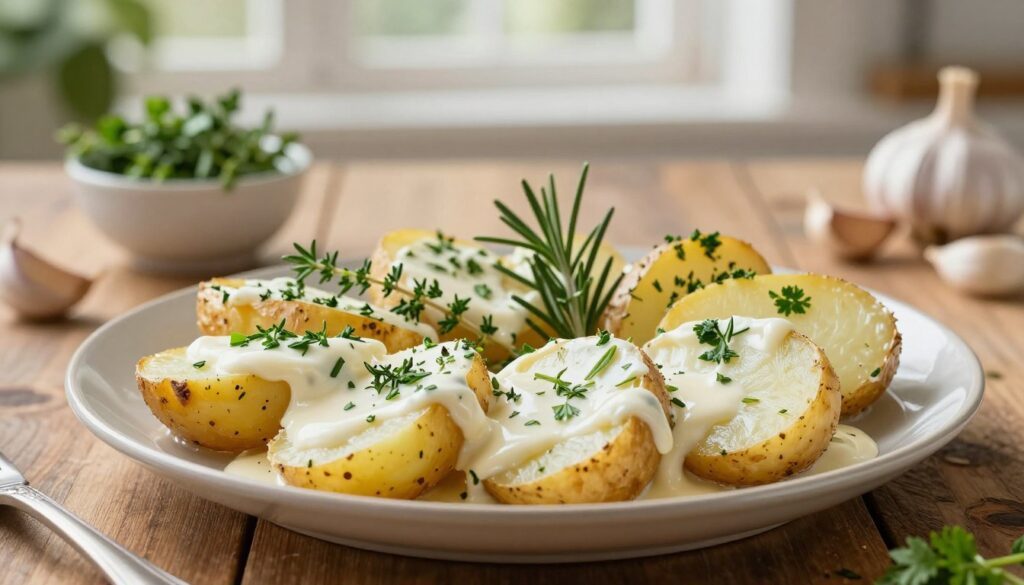
Mastering the classic dauphinoise recipe opens the door to exciting variations. This French potato casserole is versatile. You can try different ingredients based on your taste and what you have at home.
Try different cheese combinations to start. Brie makes a creamy, luxurious version that melts well. Blue cheese or goat cheese add a bold, tangy flavor. Mozzarella and Parmesan blend for a complex taste that pleases many.
Boost the garlic in your potatoes by using 4 to 6 cloves instead of the usual amount. Simmer smashed garlic cloves in the cream before adding it to your layers. This method infuses a deeper, richer garlic flavor into the dish.
Creative Layer Additions
Make your French potato casserole even better with tasty additions between layers:
- Caramelized onions for natural sweetness
- Crispy bacon bits for smoky depth
- Fresh mushrooms for earthy umami flavor
- Leeks for mild onion notes
Vegetable and Herb Options
Try using sweet potatoes, celery root, parsnips, or butternut squash instead of regular potatoes. Fresh thyme is great, but rosemary, parsley, or chives as garnish add new flavors. Add panko breadcrumbs on top for crunch, or keep it simple without any topping.
Your garlic cream potatoes become uniquely yours when you experiment with seasonal ingredients and personal favorites.
What to Serve with Dauphinoise Potatoes
Your dauphinoise potatoes deserve great company on your plate. This creamy side dish pairs well with many main courses. It turns a simple meal into a special occasion. The rich flavor goes well with both meat and fish.
Perfect Meat Pairings
Roasted meats are a perfect match for your creamy potatoes. Roast beef or roast lamb make a classic dinner. Slow-roasted lamb shoulder with garlic and rosemary pairs beautifully with the potatoes.
Other great meat choices include oven-roasted beef tenderloin and herb-crusted rack of lamb. Red wine braised short ribs also work well. Sausages and roasted turkey are great for Thanksgiving.
Dauphinoise potatoes and slow-roasted meats cook well together in the oven. Salmon is also a great choice, making your dish like a fish pie. For salmon, try creamy Tuscan salmon and garlic butter for a tasty pairing.
| Meat Option | Cooking Method | Flavor Profile | Best Season |
|---|---|---|---|
| Roast Lamb Shoulder | Slow-roasted with garlic and rosemary | Rich, savory, garlicky | Year-round, especially spring |
| Beef Tenderloin | Oven-roasted with herb crust | Tender, elegant, classic | Year-round, especially holidays |
| Red Wine Braised Short Ribs | Low and slow braising | Deep, complex, wine-forward | Fall and winter |
| Salmon Fillet | Pan-seared or roasted | Delicate, buttery, light | Year-round |
| Roasted Turkey | Whole bird or breast portions | Mild, savory, comforting | Thanksgiving and winter |
Wine Recommendations
Choosing the right wine can enhance your meal. French red wines pair well with dauphinoise potatoes. Claret wines from Bordeaux offer great flavor. Southern French blends like Côtes du Rhône or Minervois are also good choices.
When pairing wine with meat or fish, match it to the protein. A bold red wine goes well with roasted beef. A lighter wine suits salmon better.
Adding fresh, green vegetables balances your meal. Try a warm spinach salad or sautéed broccoli rabe. These sides add nutrition and beauty to your dinner.
- Serve with roasted or braised meats
- Include a fresh green vegetable side dish
- Pair with French red wines
- Match wine to your main protein
- Balance richness with lighter vegetables
Make Ahead and Storage Instructions
Planning a dinner party or holiday meal is easier with a make-ahead french potato gratin recipe. This classic dish is perfect for preparing in advance. It lets you focus on other tasks while your dauphinoise potatoes chill in the fridge.
Preparing Your Dauphinoise in Advance
You can assemble your french potato gratin recipe up to three days before serving. Start by putting together the dish as you normally would. Bake it at 350°F for 45 minutes until it’s partially cooked.
This partial baking step is key—it softens the potatoes without fully cooking them through. Once baked, let the dish cool completely before covering it with plastic wrap. Store it in your refrigerator for up to three days.
Here’s a clever trick: hold back about half a cup of your cream mixture. You’ll pour this reserved cream over the top right before the final baking stage.
Final Baking When You’re Ready to Serve
When dinner time arrives, remove your dauphinoise from the fridge 30 to 60 minutes early. This helps the middle cook evenly during reheating. Pour that reserved cream mixture over the top, add your cheese topping, and cover everything with foil.
Reheat at 350°F for 45 minutes to an hour until the dish is hot and bubbly throughout. Uncover the foil during the last few minutes so the cheese gets golden and crispy on top.
You can even microwave individual portions to speed up the process, then finish the whole dish in the oven for that perfect golden crust.
Storing Your Leftovers
Leftover dauphinoise potatoes keep well in a covered container in your refrigerator for three to four days. The texture changes slightly after reheating—the potatoes become softer and less creamy than when freshly baked. Don’t let that worry you.
The dish still tastes delicious and makes a great side for quick weeknight meals.
- Cool completely before covering and refrigerating
- Store in an airtight container for best results
- Keep leftovers for 3–4 days maximum
- Reheat in a 350°F oven for even warming
- Microwave individual portions for quick meals
Make-ahead french potato gratin recipe dishes save you stress during entertaining. This approach lets you manage your time better while still serving an impressive, restaurant-quality side dish to your guests.
Reheating and Freezing Guide
Your easy dauphinoise potatoes recipe doesn’t have to end when dinner is over. Learning how to reheat and freeze your leftovers helps you enjoy this classic dish multiple times. Dauphinoise potatoes store reasonably well with the right techniques. This lets you plan ahead and reduce food waste.
Best Methods for Reheating
The oven method is your best choice for reheating dauphinoise potatoes. Place your leftover easy dauphinoise potatoes recipe in an oven-safe dish and cover it with foil. Heat at 350°F for 15 to 20 minutes until the dish is hot throughout. The exact timing depends on how much you’re reheating.
Why choose the oven over the microwave? The oven warms your potatoes gently and evenly. Microwaves can make the edges rubbery while leaving the center cold. Your cream sauce stays creamy with oven reheating.
Be honest about expectations. Reheated dauphinoise won’t taste identical to fresh. The cream won’t ooze quite the same way, and potatoes become softer. The dish still tastes delicious, just a bit different.
| Reheating Method | Temperature | Time | Quality Result |
|---|---|---|---|
| Oven (Best Choice) | 350°F | 15-20 minutes | Creamy, even heating |
| Microwave (Not Recommended) | High | 2-4 minutes | Uneven, rubbery texture |
Can You Freeze Dauphinoise Potatoes
Yes, you can freeze your easy dauphinoise potatoes recipe, but understand the trade-offs first. Freezing changes the texture and flavor. The cream can separate slightly, and potatoes may become a bit grainy when thawed.
If you choose to freeze, follow these steps:
- Cool your dauphinoise completely before freezing
- Transfer to a plastic container with a tight-fitting lid
- Store for up to three months
- Thaw overnight in your refrigerator
- Reheat using the oven method above
The best approach? Enjoy your dauphinoise fresh or refrigerate leftovers for a few days. Most people find this simple approach gives better results than freezing. Your easy dauphinoise potatoes recipe tastes its best when served shortly after making it.
Conclusion
You now have all the info to make a stunning homemade potato gratin. It will wow your family and friends. Dauphinoise potatoes might seem fancy, but they’re actually easy to make.
The basic steps need just a few quality ingredients. You don’t need fancy equipment or cooking skills to make this elegant dish.
Making a creamy dauphinoise potatoes recipe is great for beginners and special occasions. It’s perfect for Sunday lunch or a midweek treat. This dish is both indulgent and easy to make.
Start with the classic version to learn the basics. Then, try different variations once you’re more confident. Serve it with roasted chicken, grilled salmon, or a fresh green salad.
This dish is versatile and perfect for many meals. Even if your first try isn’t perfect, potatoes, cream, and cheese always taste great. So, go ahead and try this recipe. You’ve got all the help and confidence you need.