The Best Simple Salad Benefits of Magnesium
Magnesium is key to your health. It helps with many body functions, keeping you healthy and well. https://s.click.aliexpress.com/e/_c4oviCt1
Adding magnesium-rich foods to your salads can help you get more magnesium. Knowing how magnesium helps your health lets you make better food choices.
Key Takeaways
- Magnesium is essential for hundreds of chemical reactions in your body.
- Including magnesium-rich foods in your diet can improve overall health.
- Simple salads can be a great way to increase your magnesium intake.
- A healthy diet rich in magnesium can have numerous health benefits.
- Magnesium plays a crucial role in maintaining overall well-being.
Understanding Magnesium: The Essential Mineral
Your body needs magnesium, a key mineral for health. It’s important for many body functions. So, it’s a must-have in your diet every day.
What Is Magnesium and Why Your Body Needs It
Magnesium is a mineral that’s vital for your body. It helps with over 300 body functions, like muscle and nerve work, blood sugar control, and blood pressure. Yet, many people don’t get enough of the 420 milligrams (mg) they need daily.
What Is Magnesium and Why Is It Important?
Magnesium is a naturally occurring mineral found in foods, supplements, and even drinking water. It helps regulate:
-
Muscle and nerve function
-
Blood sugar levels
-
Blood pressure
-
Protein synthesis
-
Bone development
-
Energy production
According to the National Institutes of Health, magnesium is required for more than 300 enzymatic reactions in the body. Despite this, many adults consume less than the recommended daily amount. https://s.click.aliexpress.com/e/_c3Vv2L2X
You can learn more about official intake recommendations from the NIH Office of Dietary Supplements (external link suggestion).
You can learn more about official intake recommendations from the NIH Office of Dietary Supplements (external link suggestion).
👉 Internal link suggestion:
Link here to your article on: “The Best Nutrition for Muscle Recovery and Better Performance.”
Magnesium also supports ATP production (the body’s energy molecule), making it crucial for endurance and strength training.
Magnesium’s role in energy production is key. It turns food into energy, keeping your body running well. It’s also important for muscle relaxation and contraction. This is why athletes and active people need it.
How Magnesium Functions in Your Body
Magnesium does many things in your body. It helps make ATP, the energy for your cells. It also helps with muscle and nerve work, making sure your body moves right.
| Magnesium’s Role | Description |
|---|---|
| Energy Production | Magnesium helps convert food into energy, supporting overall bodily functions. |
| Muscle Function | Magnesium is essential for muscle contraction and relaxation, aiding in physical performance and recovery. |
| Nerve Function | Magnesium helps regulate nerve function, ensuring proper transmission of nerve impulses. |
Knowing how magnesium works helps you see why it’s so important. Getting enough magnesium is key for good health and avoiding problems from not having enough.
The Benefits of Magnesium for Overall Health
Magnesium is a key mineral that boosts health in many ways. It helps muscles work better and keeps the heart healthy. Adding magnesium to your diet can greatly improve your overall well-being. https://s.click.aliexpress.com/e/_c44vT3AX
👉 Internal link suggestion:
Link to: “Lifestyle Upgrades That Boost Energy and Reduce Stress.”
Improved Muscle Function and Recovery
Magnesium is vital for muscle health and recovery. It helps muscles contract and relax, preventing cramps and soreness. It’s crucial for athletes or anyone who works out a lot, helping them recover faster and perform better.
Better Sleep Quality
Magnesium helps you sleep better by relaxing your body and setting your internal clock. It can lessen insomnia and restless leg syndrome, leading to better sleep. Eating foods rich in magnesium can make you feel more refreshed in the morning.
Stress Reduction and Mood Regulation
Magnesium helps reduce stress and improve mood. It lowers stress hormones like cortisol, making you feel calmer. It also supports mental health, helping with anxiety and depression.
Enhanced Heart Health
Magnesium is vital for heart health. It helps control blood pressure and lowers heart disease risk. Eating foods high in magnesium can keep your heart healthy and reduce heart problems.
Support for Energy Production https://s.click.aliexpress.com/e/_c32LpYIj
Magnesium is key for energy, helping make ATP, the body’s energy source. Having enough magnesium fights fatigue and boosts energy, making it vital for daily life.
Signs You’re Not Getting Enough Magnesium

Low magnesium levels can affect your body and mind in many ways. Magnesium is key for over 300 biochemical reactions. Its deficiency can have wide-ranging effects.
Common Physical Symptoms of Deficiency
When you don’t get enough magnesium, your body might show signs of trouble. These can include:
- Muscle cramps and spasms: Magnesium helps muscles work right, and without it, you might get cramps and spasms.
- Weakness and fatigue: Feeling very weak or tired could mean your magnesium levels are low.
- Numbness or tingling: Magnesium helps nerves work well, and without enough, you might feel numbness or tingling. https://s.click.aliexpress.com/e/_c3dzGWoB
👉 External link suggestion:
You may link to a reputable health authority such as the World Health Organizationfor general nutrient guidelines.
Mental and Emotional Indicators
Magnesium deficiency isn’t just physical; it can also affect your mind and feelings. Watch for:
- Anxiety and stress: Not enough magnesium can make anxiety and stress worse.
- Depression: Some studies suggest a link between magnesium deficiency and depression.
- Sleep disturbances: Magnesium helps with sleep, and without it, you might have trouble sleeping or restless nights.
Risk Factors That Increase Your Chances of Deficiency
Some things can make you more likely to have low magnesium. These include:
- Gastrointestinal disorders: Conditions like Crohn’s disease or celiac disease can make it hard to absorb magnesium.
- Diuretic use: Some diuretics can make you lose more magnesium.
- Poor diet: Eating foods low in magnesium can lead to deficiency over time.
Knowing these signs and risk factors can help you take steps to get enough magnesium. Whether through food or supplements, keeping magnesium levels up is key for health.
How Much Magnesium Do You Need Daily?
Knowing how much magnesium you need daily is key for good health. The Daily Value (DV) for magnesium is 420 mg. But, this amount can change based on your age, gender, and other factors. https://s.click.aliexpress.com/e/_c3FTZY6x
Recommended Daily Intake by Age and Gender
Magnesium needs change as you get older. Adult men should aim for 400-420 mg daily. Adult women need about 310-320 mg. Pregnant women might need up to 350-360 mg each day.
Factors That Affect Your Magnesium Requirements
Many things can affect how much magnesium you need. Your health, some medicines, and lifestyle choices matter. For example, athletes or those who work out a lot might need more magnesium because they lose it through sweat.
The Best Time to Consume Magnesium for Optimal Absorption
When you take magnesium can affect how well your body absorbs it. Taking it with meals can help avoid side effects like diarrhea. Some like to take it before bed for better sleep. Others prefer it in the morning to stay energized all day.
Top Magnesium-Rich Foods for Your Salads

Salads are a great way to get more magnesium. They have many foods that are full of nutrients. Adding magnesium-rich foods to your salads can make you healthier.
Magnesium is key for many body functions. It helps with muscle and nerve work, energy, and bone health.
The American Heart Association emphasizes the importance of mineral balance, including magnesium, for heart health. https://s.click.aliexpress.com/e/_c3yqE15V
👉 Internal link suggestion:
Link to a related nutrition article like: “Healthy Eating for Better Digestion and Gut Health.”
Leafy Greens: The Magnesium Powerhouses
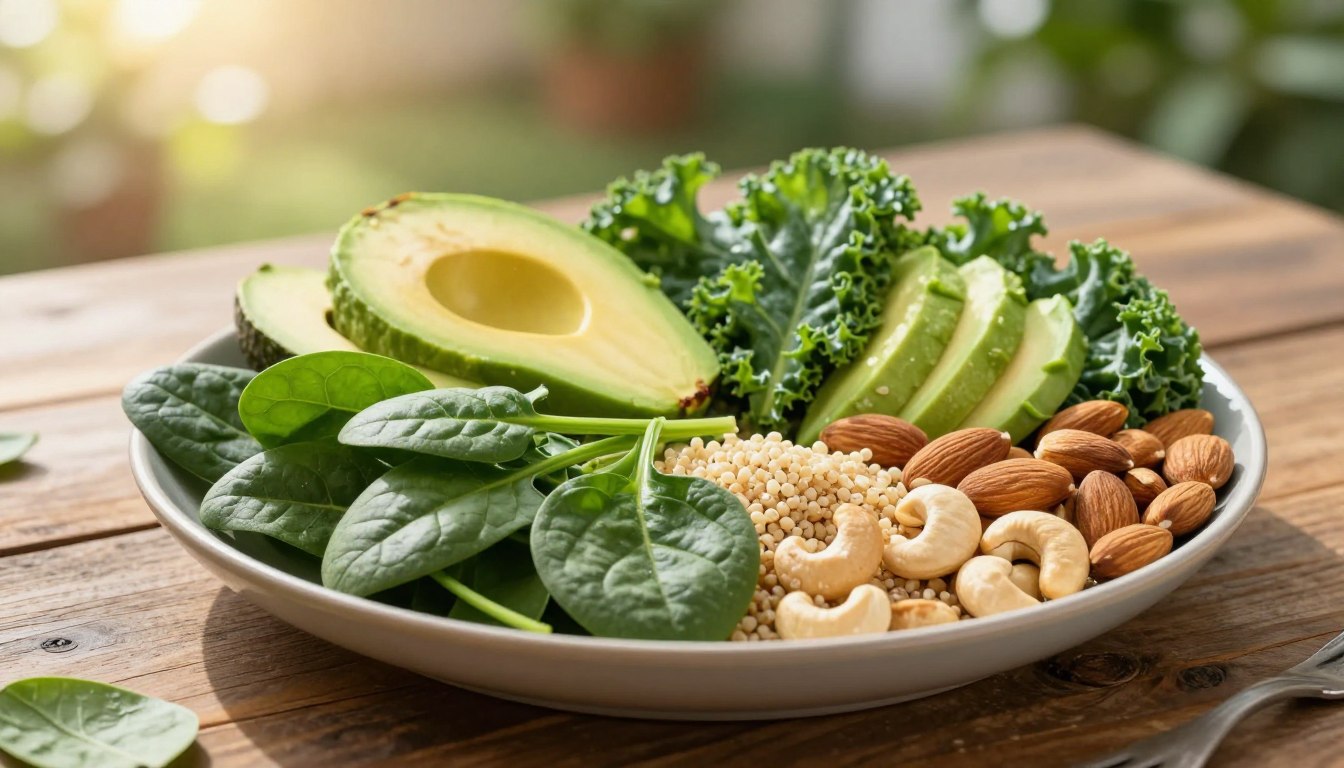
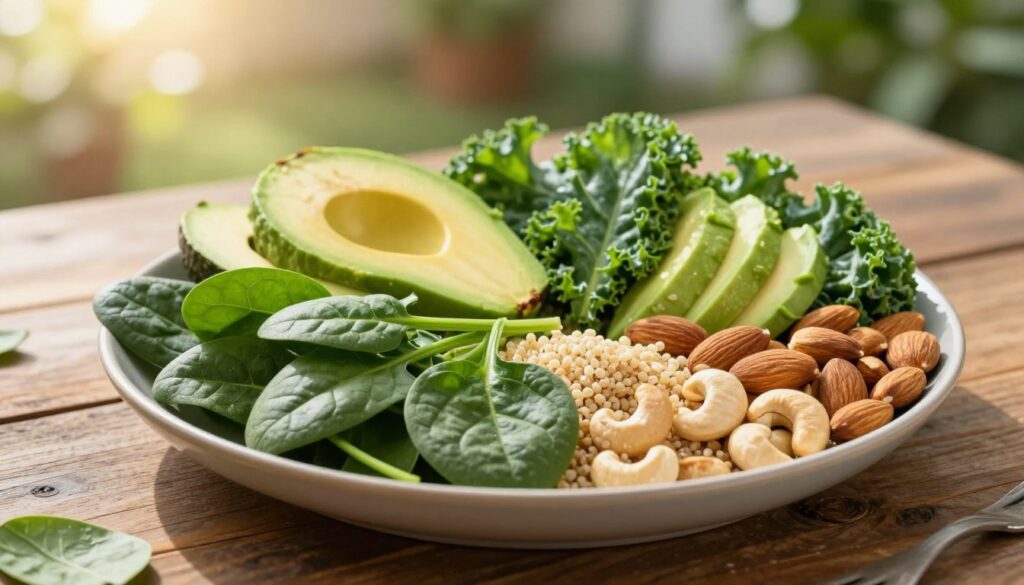
Leafy greens are full of magnesium. Spinach, kale, and Swiss chard are top choices. They’re also packed with vitamins and antioxidants, making them perfect for salads.
For example, one cup of cooked spinach has about 157 mg of magnesium. That’s about 39% of what you need daily. Adding spinach to your salad can really up your magnesium levels.
Nuts and Seeds to Boost Your Magnesium Intake
Nuts and seeds are great for salads too. Almonds, cashews, and pumpkin seeds are magnesium-rich. They add crunch and a nutty flavor to your salad.
A quarter cup of almonds has about 100 mg of magnesium. Sprinkling almonds or pumpkin seeds on your salad is an easy way to get more magnesium.
Other Salad-Friendly Magnesium Sources
There are more foods rich in magnesium for salads.
Legumes and Beans
Black beans, chickpeas, and lentils are magnesium-rich. They’re also high in protein and fiber. They add texture and nutrition to your salads.
Whole Grains
Adding quinoa or farro to your salads boosts magnesium. These whole grains are also full of other essential minerals.
Fruits and Vegetables
Certain fruits and vegetables, like avocados, bananas, and dark chocolate, are magnesium sources. Avocados and bananas can make your salads tasty.
Mixing these magnesium-rich foods makes salads delicious and nutritious. Try different ingredients and dressings to find your favorites.
How to Create the Perfect Magnesium-Rich Salad
https://www.youtube.com/watch?v=l7IEwGMvthk
Making a magnesium-rich salad is a tasty way to boost your health. You need to pick the right ingredients. Here’s a simple guide to make a great magnesium-rich salad.
Step 1: Selecting Your Magnesium-Rich Base Ingredients
Begin with leafy greens like spinach, kale, or Swiss chard. They’re full of magnesium. These greens also make a healthy base for your salad.
Step 2: Adding Protein Sources with Magnesium
Add beans, lentils, or tofu to your salad. They’re magnesium-rich and keep you full. Try black beans, chickpeas, or edamame. https://s.click.aliexpress.com/e/_c3e7y5nD
Step 3: Incorporating Magnesium-Rich Toppings
Top your salad with nuts and seeds like almonds, cashews, and pumpkin seeds. They’re packed with magnesium. You can also add dark chocolate or dried fruits.
Step 4: Creating Dressings That Enhance Magnesium Absorption
Make dressings with olive oil, lemon juice, and garlic. They help your body absorb magnesium better. But, don’t use too much vinegar, as it can block mineral absorption.
| Food | Magnesium Content (mg per serving) |
|---|---|
| Spinach (1 cup cooked) | 157 |
| Almonds (1 ounce) | 80 |
| Black Beans (1 cup cooked) | 120 |
By following these steps, you can make a tasty magnesium-rich salad. Try different ingredients and dressings to find your favorite.
5 Simple Magnesium-Boosting Salad Recipes
Boost your magnesium intake with these 5 simple and delicious salad recipes. Adding magnesium-rich foods to your diet is easy and tasty. Here are some mouth-watering salad ideas to get you started.
Spinach and Pumpkin Seed Power Salad
This salad is a magnesium powerhouse, featuring spinach and pumpkin seeds. Simply combine fresh spinach leaves with roasted pumpkin seeds, cherry tomatoes, and a drizzle of your favorite vinaigrette.
Avocado and Black Bean Magnesium Bowl
The creamy avocado pairs perfectly with black beans in this magnesium-rich salad. Mix diced avocado with cooked black beans, red onion, and cilantro. Top with a squeeze of lime juice and a sprinkle of pumpkin seeds.
Quinoa and Dark Chocolate Breakfast Salad
Yes, you read that right – dark chocolate in a salad! Combine cooked quinoa with diced dark chocolate, fresh berries, and chopped nuts. This sweet and satisfying breakfast salad is a great way to start your day. https://s.click.aliexpress.com/e/_c3nhal31
Almond and Berry Magnesium Boost Salad
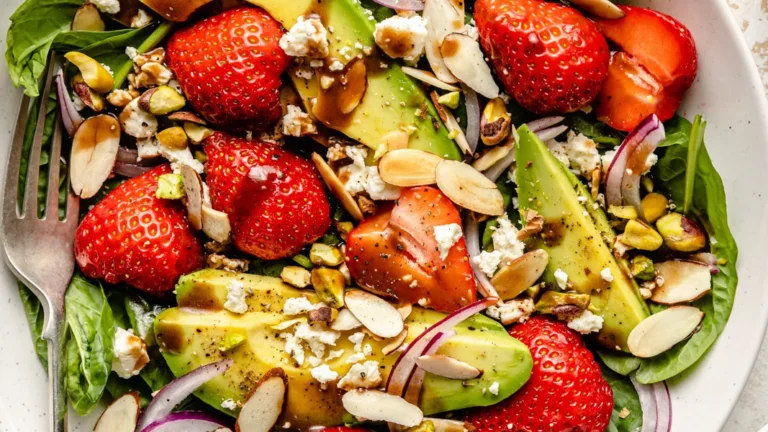
Almonds are a rich source of magnesium, making them a great addition to this refreshing salad. Toss sliced almonds with mixed berries, crumbled feta cheese, and a handful of spinach. Drizzle with a light vinaigrette for a delicious and healthy snack.
Mediterranean Magnesium Salad with Figs
This salad is a flavor explosion, featuring sweet figs, tangy feta, and crunchy walnuts. Combine mixed greens with diced figs, crumbled feta, and chopped walnuts. Drizzle with a zesty lemon-tahini dressing for a truly satisfying meal.
| Salad Recipe | Main Magnesium Sources | Magnesium Content |
|---|---|---|
| Spinach and Pumpkin Seed Power Salad | Spinach, Pumpkin Seeds | High |
| Avocado and Black Bean Magnesium Bowl | Avocado, Black Beans | Medium-High |
| Quinoa and Dark Chocolate Breakfast Salad | Dark Chocolate, Quinoa | Medium |
| Almond and Berry Magnesium Boost Salad | Almonds | High |
| Mediterranean Magnesium Salad with Figs | Figs, Walnuts | Medium |
These salads are not only delicious but also packed with magnesium. Experiment with different ingredients and dressings to create your own unique magnesium-boosting salad recipes.
Magnesium Supplements: When Diet Alone Isn’t Enough
When you don’t get enough magnesium from food, supplements can help. Eating foods rich in magnesium is best. But sometimes, supplements are needed to support your health.
👉 Internal link suggestion:
Link to your article: “The Best Fitness Training Without Overtraining.”
Types of Magnesium Supplements and Their Benefits
Magnesium supplements come in many forms, each with its own benefits. Magnesium oxide is good for constipation because it helps with bowel movements. Magnesium glycinate, on the other hand, is easy on the stomach and helps raise magnesium levels without upsetting your digestive system.
Magnesium citrate is also easy for your body to use and helps with regular bowel movements. Magnesium L-threonate is special because it can get into your brain. This might help with thinking and memory. https://s.click.aliexpress.com/e/_c35HnlDH
How to Choose the Right Supplement for Your Needs
Choosing the right magnesium supplement depends on your health and needs. Think about why you want to take it, your health, and any medicines you’re on. For example, if you want better sleep, magnesium glycinate is a good pick because it helps relax you.
Potential Side Effects and Precautions
Magnesium supplements are usually safe but can cause problems at high doses. You might get diarrhea, feel sick, or have stomach pain. Always take the dose your doctor recommends and talk to them if you have kidney problems or are pregnant.
Knowing about the different magnesium supplements and their benefits helps you decide if you need one. It also helps you pick the best one for your health.
Conclusion: Incorporating Magnesium-Rich Salads Into Your Daily Routine
Adding magnesium-rich salads to your daily meals is easy and tasty. Just a few changes in your diet can bring many benefits. These include better muscle function, improved sleep, and heart health.
Salads are a great way to increase your magnesium intake. With the recipes and tips given, you can make delicious and healthy salads. They fit well into your lifestyle and support healthy eating.
Begin by adding leafy greens, nuts, and seeds to your salads. Try different proteins and dressings to boost magnesium absorption. This move will help you achieve a balanced diet and improve your health.