
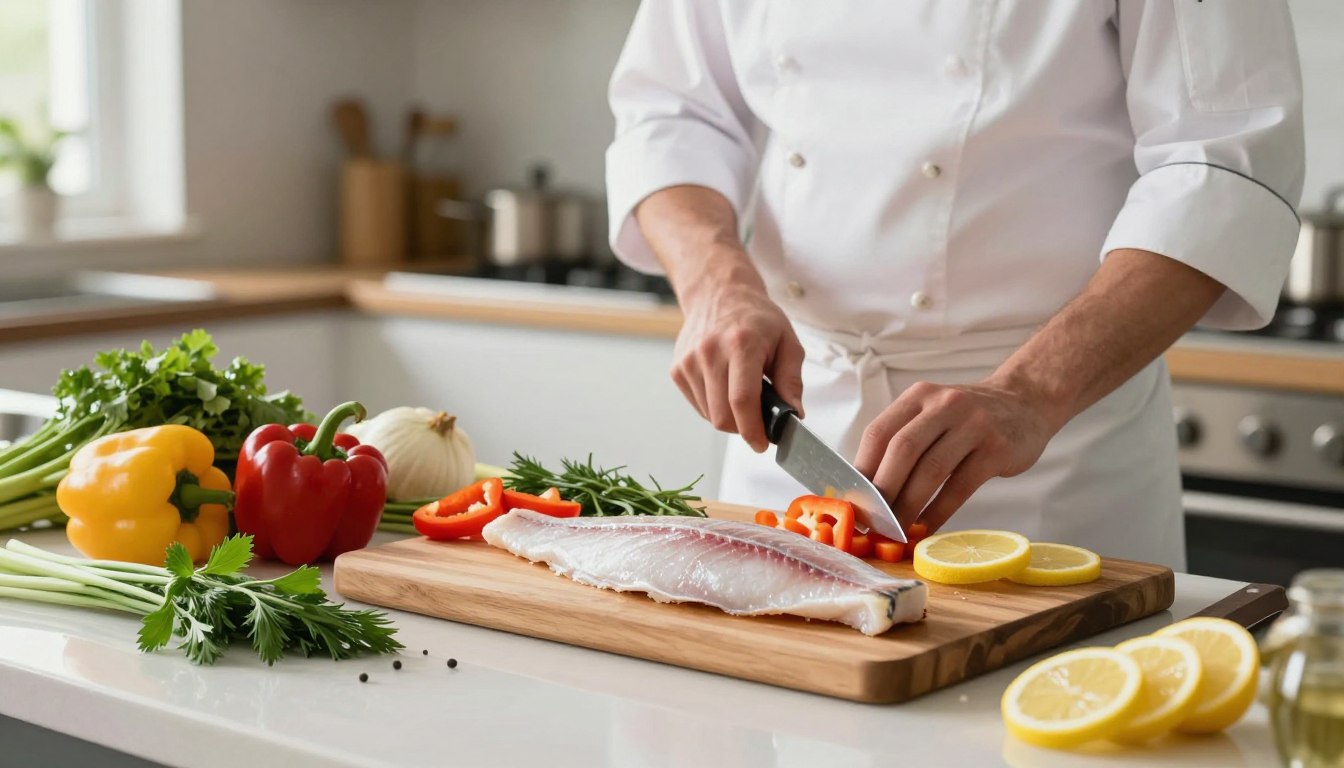
The Most Versatile Fish Recipe

I once stood in the seafood section, feeling lost among the choices and prices. I worried if my family would like what I picked. Would I mess up expensive halibut and end up with a rubbery mess? This fear kept me from cooking seafood at home for a long time.
But then, I found a game-changer: a master technique that works with any white-fleshed option. Whether it’s cod, tilapia, flounder, or the freshest catch at your market, this single approach ensures perfect results every time. https://amzn.to/3ZiNcZu
This method is incredibly simple. You can have a complete seafood dinner ready in just 30 minutes. There are no complicated steps, hard-to-find ingredients, or worries about your protein sticking or tasting bland.
This approach tackles the biggest seafood challenges for home cooks. You can pick what’s affordable or on sale, adjust the flavors to your liking, and achieve consistent, delicious results. It’s perfect for both weeknight dinners and special occasions.
Key Takeaways
- One master technique works with any white-fleshed option including cod, tilapia, flounder, sole, halibut, snapper, catfish, haddock, and grouper
- Total cooking time is just 30 minutes from start to finish
- Choose whatever’s freshest or most affordable at your market without changing the method https://amzn.to/4pIXCwq
- Simple approach eliminates common problems like sticking, overcooking, or bland flavor
- Multiple cooking methods and flavor variations adapt to your preferences and equipment
- Perfect for busy home cooks wanting healthy, delicious seafood dinners without complexity
Why This Is The Most Versatile Fish Recipe You’ll Ever Need
This customizable fish dinner recipe is amazing because it fits any budget and schedule. I’ve made it with both expensive halibut and cheap tilapia, and it’s always delicious. You can use any white fish, so you don’t have to spend a lot.
What makes it easy is how flexible it is. You can pan-fry it on busy nights or bake it when you have more time. This way, you can always make a tasty meal.
Fish is also super good for you. It’s full of protein and omega-3s, which are great for your heart and muscles. This recipe makes it easy to eat fish at least twice a week, as health experts suggest.
This recipe is also super flexible in terms of flavors. One night, I might add olives and tomatoes for a Mediterranean taste. The next night, I might use a ginger soy glaze for an Asian flavor. The base technique stays the same. https://amzn.to/3YCnq2j
“When a recipe calls for ‘any type of white fish,’ it frees you to make choices at the market based on what’s freshest or what’s the better bargain.”
This recipe makes cooking fish easy and fun. You don’t need to know a lot about different fish. It’s forgiving, so small changes in cooking time won’t mess up your meal.
Learning this one method saves a lot of time. You won’t need to find new recipes every time you buy fish. I’ve even made seasoning blends and sauces ahead of time to make things easier.
It’s great for families who are busy and on a budget. You can use whatever white fish is on sale without worrying about the recipe. This means fewer trips to the store and less waste.
This recipe has changed how people cook fish. It makes them feel confident and not scared. You learn one technique that you can use for years, not a bunch of recipes that you never use.
Choosing the Right Fish: What Works Best for This Recipe
Choosing the right fish is key to a great white fish recipe. I’ve tested many types to find the best ones. The right fish makes cooking easier and ensures a perfect meal every time.
This recipe works with many fish types, giving you options based on what’s available and your budget. Knowing the characteristics of each fish helps you make the best choice at the store. Let me share what I’ve learned about picking the right fish for this recipe.
White Fish Varieties That Give Perfect Results
White fish varieties have the ideal texture and flavor for this recipe. Unlike oily fish, white fish tastes mild and absorbs flavors well. Its flaky texture cooks quickly.
Cod is my top pick for white fish recipes. It has thick, firm fillets that cook well. Cod from Alaskan waters has a mild taste that goes with any dish. https://amzn.to/4qX7y6x
Tilapia is a budget-friendly option that cooks fast. It’s lean and high in protein, perfect for weeknight meals. Wild-caught tilapia has better texture than farm-raised.
Halibut has a meatier texture. Its firm flesh is great for high-heat cooking. Choose halibut for a heartier fish meal. https://amzn.to/3NrLbYn
Flounder and sole have a delicate sweetness. Their thin fillets are best cooked gently. Their flavor is enhanced in light dishes.
Other great options include:
- Haddock – Similar to cod but sweeter
- Snapper – Medium-firm texture with mild sweetness
- Catfish – Firm flesh that holds shape well
- Grouper – Robust texture perfect for bold seasonings
Fresh vs Frozen: What I Recommend
The debate between fresh and frozen fish surprises many. High-quality frozen fish often beats “fresh” options in taste and nutrition. Flash-frozen seafood is processed quickly, preserving freshness. https://amzn.to/4qyzygQ
Fresh fish may have traveled far before reaching the store. Its quality can decline during transport and display. Frozen fish from trusted suppliers usually gives better results.
When choosing frozen fish, look for individually wrapped portions. This prevents freezer burn and lets you thaw only what you need. Avoid packages with ice crystals, which mean thawing and refreezing.
To thaw fish, place it in cold water for 30-45 minutes. Change the water if needed. Never thaw fish at room temperature to avoid food safety risks.
Fresh fish is great when you can get it from quality seafood markets. Choose fresh when you can cook it the same day. Trust your source and their handling practices.
How to Select Quality Fish Fillets at the Store
Learning to spot quality fish fillets makes shopping easier. Visual inspection shows freshness and handling. Always check fish before buying. https://amzn.to/4qhbkYs
Look for these signs of quality:
- Firm, springy flesh – Press gently; it should bounce back
- Moist appearance – Avoid dry edges or browning
- Clear, fresh smell – Quality fish smells like clean ocean water
- Translucent color – White fish should look slightly translucent
Ask the fishmonger about the day’s catch. Building a relationship with your seafood counter staff gives you insider knowledge. They can help you find the best fish and cut it to your liking.
For whole fish, check that eyes are clear and bulging. Gills should be bright red or pink. The skin should be shiny with tightly attached scales. https://amzn.to/4b0t0Tr
Avoid fillets in liquid or with rainbow-colored sheens. These signs indicate age or improper storage. Starting with quality ingredients makes a big difference in your meal.
Don’t be afraid to ask about sourcing and catch dates. Reputable fish markets are proud to share this information. Stores that discuss their supply chain usually offer better products for white fish recipes. https://amzn.to/49mI4cV
The Essential Ingredients for My Versatile Fish Recipe
When I make my favorite homemade fish dinner, I use a few key ingredients. This method is easy and doesn’t require a lot of special items. You can make delicious fish at home without a huge pantry.
I’ve sorted the ingredients into three groups. This makes it easy to know what to have ready and what to add later.
The Foundation: What You Must Have
Every fish fillet recipe I make starts with five basic things. These ingredients are great on their own or as a base for more complex dishes.
First, you need high-quality cooking oil. Olive oil is good for medium heat, and avocado or grapeseed oil for higher heat. Just one tablespoon is enough for a simple dish.
Salt and black pepper are must-haves. They enhance the fish’s flavor without overpowering it. I use sea salt or kosher salt for better control.
Fresh lemon is also essential. Its acidity cuts through the fish’s richness and adds a clean finish.
Building Layers of Taste
With the basics covered, seasonings and aromatics make a simple dish memorable. These add depth without making cooking harder.
Fresh garlic is my go-to aromatic. I use it minced, sliced, or as whole cloves for different intensities. Garlic powder is convenient when I’m in a rush.
Herbs like parsley, thyme, dill, and basil add freshness and complexity. I keep both fresh and dried herbs on hand.
Paprika adds color and a subtle sweetness. It’s great for adding visual appeal and a bit of flavor.
Shallots and onions add more aromatic depth. I prefer shallots for their sweetness, but onions work well too.
Personalization Options
This is where you can make your fish fillet recipe truly yours. Optional add-ins let you customize based on your mood or what you have in the fridge.
White wine is great for deglazing the pan and making quick sauces. Butter adds richness and helps sauces stick together.
For Mediterranean flavors, I use capers, cherry tomatoes, and olives. These add brininess and acidity that go well with white fish.
Asian-inspired dishes call for fresh ginger and soy sauce. These two ingredients change the flavor profile easily.
Hot sauces and spice blends like Cajun seasoning or red pepper flakes add heat and complexity. You can adjust the heat to your liking.
| Ingredient Category | Primary Purpose | Essential Examples | When to Use |
|---|---|---|---|
| Core Ingredients | Basic preparation foundation | Oil, salt, pepper, lemon, fish | Every preparation |
| Seasonings & Aromatics | Flavor depth and complexity | Garlic, herbs, paprika, shallots | Most preparations |
| Optional Add-Ins | Customization and variety | Wine, butter, capers, ginger, soy sauce | When experimenting with flavors |
| Heat Elements | Spiciness and boldness | Hot sauce, cayenne, red pepper flakes | For spicy variations |
The secret to mastering this homemade fish dinner is to start simple. Begin with just the core ingredients until you’re comfortable with the basic technique. Then, add seasonings and optional elements as you gain confidence.
I never feel pressured to have everything at once. My pantry grew as I tried new flavors. This way, cooking stays fun and not overwhelming.
Kitchen Equipment That Makes Fish Cooking Easy
You don’t need fancy gadgets to cook great fish at home. The right tools make this easy fish recipe for dinner easy and fun. I’ve found a few key tools that help avoid common fish cooking problems.
Knowing which tools are important is key. Some tools really help, while others just take up space. I focus on tools that solve specific issues when cooking fish.
Using versatile tools is a big plus. Your one-pan fish recipe will be easy to clean up. This makes cooking on busy nights more enjoyable. https://amzn.to/4qZr4j0
Heavy-Bottomed Skillets for Perfect Searing
A heavy-bottomed skillet is my top pick for cooking fish. These pans keep heat evenly and give a nice golden crust. I like a 12-inch skillet for two big fillets or four small ones.
Too many fillets in the pan can make them steam instead of sear. This stops the fish from getting that crispy outside. The right pan size lets each fillet touch the hot pan.
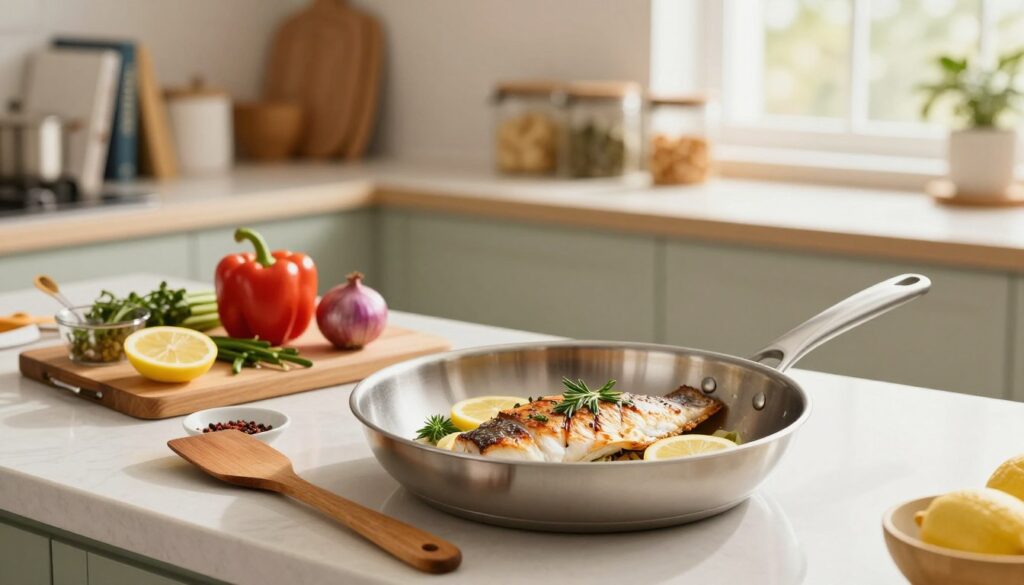
Stainless steel skillets get a tasty fond, those browned bits stuck to the pan. This fond is great for pan sauces. Cast-iron pans work the same way and can get very hot.
I love that these skillets work well on the stovetop and in the oven. You can sear fish on the stove and then bake thicker fillets in the oven. It’s a one-pan fish recipe all the way.
Nonstick pans are good for beginners who worry about sticking. They need less oil and are easy to clean. But, they don’t give the same flavor or browning as other pans.
Essential Tools for Handling Delicate Fillets
A fish spatula is the most important tool I recommend. Its thin, flexible design makes it easy to slide under fish. The slots let oil drain, keeping the fish light and crisp.
This spatula helps avoid breaking fish fillets. Regular spatulas are too thick for delicate fish. I use it for flipping, moving, and serving without damaging the fish.
An instant-read thermometer makes sure fish is cooked right. I check the thickest part of the fillet with it. This avoids undercooked or overcooked fish.
Silicone-tipped tongs are another gentle way to turn fish. They won’t scratch pans and give better control than metal tongs. I use them for whole fish or thick fillets.
Parchment paper and silicone baking mats are great for oven cooking. They make a nonstick surface without extra fat. Your fish comes out clean every time, making this an easy fish recipe for dinner even on busy nights.
Rimmed baking sheets are key for oven cooking. They keep juices or marinades in. I prefer half-sheet pans that fit in standard home ovens.
Preheating your baking vessel is crucial. A hot baking sheet sears the fish well. This technique improves texture and prevents sticking, even without parchment.
Quality oven-safe dishes open up more recipe options. Glass or ceramic dishes work well for sauces or toppings. Make sure they can handle your oven’s broiler setting for finishing touches.
Preparing Your Fish Fillets for Cooking Success
Success with fish dinner starts before cooking. The steps you take before cooking make a big difference. They ensure a great seared crust or a steamed fish.
Many home cooks skip these steps and wonder why their fish doesn’t taste like restaurant food. Chefs never rush this phase. They know that proper preparation is key for great flavor and texture. https://amzn.to/3NlaWJY
How I Pat Dry Fish for Better Searing
Moisture stops a fish from getting a golden crust. Excess water makes fish steam instead of sear. This is why a flavorful caramelized exterior is important.
I remove the fish from its packaging and place it on a paper towel-lined plate. Then, I pat all surfaces with paper towels. I focus on crevices and thicker parts where water collects.
After patting, I let the fish rest for five minutes. This lets any remaining moisture surface. I then blot it away with fresh paper towels. For pan-seared fish, this step is absolutely non-negotiable.
If baking, this step is less critical but still helps. Drier fillets brown better, even in the oven, when finished with a broiler.
Seasoning Techniques That Build Flavor
Seasoning fish at the right time is important. I season just before cooking, not in advance. Salt removes moisture, and we worked hard to remove that.
I season both sides evenly. Use enough salt to enhance flavor without overpowering it. About 1/4 teaspoon of salt per 6-ounce fillet works well, along with black pepper.
Layering flavors makes a simple seafood dinner special. Season before cooking, add more flavors during, and finish with bright touches after plating.
For initial seasoning, sprinkle evenly from 8 inches above. This spreads seasonings evenly. Avoid salty spots.
Why Room Temperature Matters
Cold fish cooks unevenly. The outside overcooks while the inside is underdone. This mistake ruins good fish dinner ideas.
I take fish out of the fridge 15 to 20 minutes before cooking. This ensures even cooking from edge to center.
During this time, I prepare ingredients and equipment. The timing is perfect for mise en place while the fish warms up.
Thicker fillets need more time than thin ones. A one-inch thick halibut needs 20 minutes, while a thin sole fillet needs about 10 minutes.
Removing Pin Bones Safely
Pin bones run along fish fillets. Many fishmongers remove them, but some stay. Run your fingers along the fillet to find any.
I gently feel along the fillet’s center line. Pin bones feel like hard ridges. Mark their location with a small cut.
To remove them, use tweezers or needle-nose pliers. Grasp the bone at its base and pull at an angle. Pulling straight up can tear the flesh.
This step takes less than two minutes. It prevents a bad dining experience. Taking this extra moment shows care and attention to detail that elevates your cooking.
Fresh fish has fewer pin bones than frozen fish. But, always check every fillet for a better dining experience. https://amzn.to/4sYVzHF
The Pan-Seared Method: My Go-To Cooking Technique
When I need a quick fish dinner, I always choose pan-searing. It makes the fish golden on the outside and tender inside. This method is quick, taking less than 15 minutes.
Pan-searing uses high heat to create a delicious crust. It also adds complex flavors. This technique lets me try different pan-seared fish recipes all week.
Getting Your Pan to the Perfect Temperature
Getting the pan temperature right is key. I preheat it over medium-high heat for 3 to 4 minutes before adding oil or fish. This step is crucial.
To check if the pan is ready, I use the water droplet method. If a drop of water sizzles and disappears quickly, the pan is ready.
Many home cooks make mistakes. They might not heat the pan enough, causing the fish to stick. Or they might overheat it, burning the outside before the inside cooks.
I also use the hand-hover test. Hold your hand 4 inches above the pan. You should feel strong, consistent heat. This tells me the pan is ready for high-heat cooking.
The Right Oil for High-Heat Cooking
Choosing the right oil is important. It prevents smoking and off-flavors. I always pick oils with high smoke points for pan-searing.
Avocado oil is my top choice, with a smoke point of 520°F. It has a neutral flavor that won’t compete with your fish or seasonings. Grapeseed oil is second, with a smoke point of 420°F, and is more affordable.
Refined olive oil is also good, with a smoke point of 465°F. Don’t use extra-virgin olive oil or butter alone for searing, as they have lower smoke points and can burn.
I add a tablespoon of butter during the last 30 seconds for extra flavor. You only need 1 to 2 tablespoons of oil for a properly heated pan. More oil can cause smoking or greasiness.
Step-by-Step Searing Instructions
Following the right steps ensures perfect pan-seared fish every time. These steps work for any white fish fillet. https://amzn.to/3YG7s7f
First, add your chosen oil to the hot pan and swirl it around. The oil should shimmer but not smoke. This tells me it’s ready for the fish.
Next, carefully lay your fillet into the pan presentation-side down. This is typically the side that had skin removed, or the skin-side up if cooking skin-on fillets. I always place the fish away from my body to prevent oil splatter from reaching me.
Here’s the hardest part: resist the urge to move, peek under, or flip the fish. Let it cook undisturbed for 3 to 4 minutes. During this time, the proteins will release naturally from the pan surface as they cook and caramelize.
Many home cooks make one of two mistakes. They either don’t heat the pan enough, which causes the fish to stick and steam rather than sear. Or they overheat the pan, which burns the exterior before the interior cooks through.
I also use the hand-hover test when I’m not sure about temperature. Hold your hand about 4 inches above the pan surface. You should feel strong, consistent heat radiating upward. This gives me confidence that the pan is ready for high-heat cooking without needing a thermometer.
How I Test for Doneness Without Overcooking
Knowing when fish is perfectly cooked prevents dry, rubbery results. I use multiple methods to ensure my quick fish dinner comes out flawlessly every time.
The gentle press test is my first approach. I press the thickest part of the fillet with my finger or a spatula. Properly cooked fish feels firm but still has slight give, similar to pressing the fleshy part of your palm below your thumb. If it feels mushy, it needs more time. If it feels rock-hard, you’ve overcooked it.
For precision, I use an instant-read thermometer inserted into the thickest part. The USDA recommends 145°F for fish. I often remove my fillets at 140°F because residual heat continues cooking the fish for another minute or two after leaving the pan.
The flake test provides visual confirmation. I gently prod the thickest part with a fork. The fish should just begin to flake apart into large, moist pieces. If it flakes too easily or looks dry, I’ve gone too far.
Visual cues also guide my timing decisions. Perfectly cooked fish appears opaque throughout most of the fillet. I look for just a slight translucency in the very center, about the size of a dime. This small area will finish cooking from residual heat during the resting period.
By combining these four testing methods, I avoid the common mistake of overcooking. Fish continues cooking after you remove it from heat, so pulling it slightly before it looks completely done is the secret to maintaining moisture and tenderness.
The Oven-Baked Method for Hands-Off Cooking
Baking fish is simple and lets you focus on other dishes. It’s perfect for a weeknight fish dinner because it’s easy and always works. Unlike pan-searing, you don’t need to constantly check it.
This method is great for families or meal prep. The oven’s heat cooks the fish evenly. It makes the fish moist and flaky, just like in a restaurant.
Setting Up Your Baking Sheet for Success
Setting up your baking sheet right is key for a great baked fish recipe. Use a rimmed baking sheet or shallow dish. This prevents the fish from steaming instead of baking.
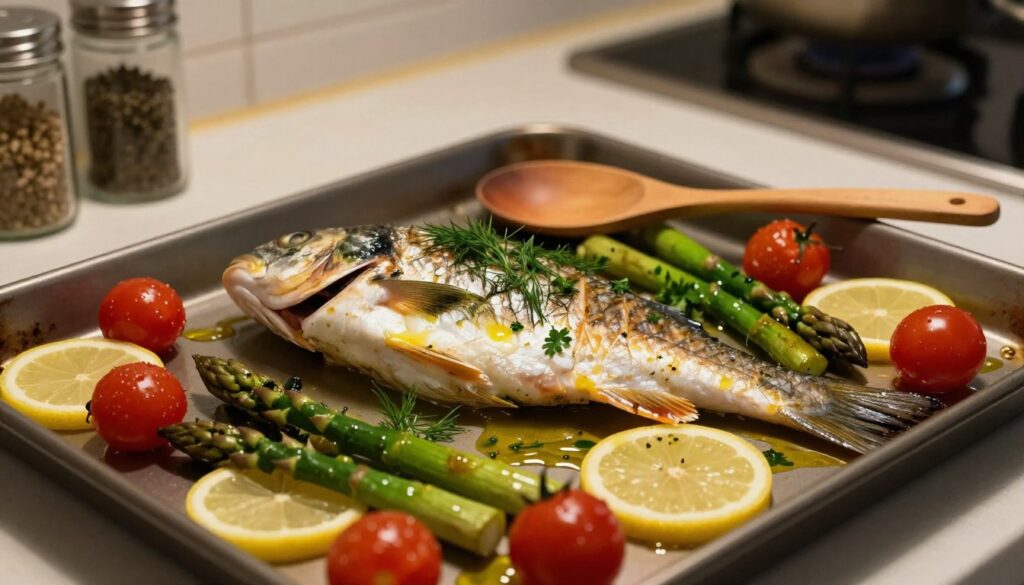
Line your sheet with parchment paper. It makes cleanup easy and prevents the fish from sticking. This keeps your fillets intact.
For extra flavor, add a bed of aromatics under the fish. Lemon slices, onion rings, or cherry tomatoes work well. They add moisture and flavor.
Brush the fish with olive oil or melted butter before baking. This helps it brown evenly and keeps it moist.
Temperature and Timing for Different Thicknesses
When baking fish, precision is key. I preheat my oven to 400°F for most fish. For thicker fish, I use 425°F. For delicate fish, I use 375°F.
For most fish, cook for 10 minutes per inch of thickness. But, since fish sizes vary, I have a detailed guide. It ensures perfect cooking every time.
| Fillet Thickness | Oven Temperature | Cooking Time | Internal Temperature |
|---|---|---|---|
| Thin (½ inch) | 400°F | 8-10 minutes | 145°F |
| Medium (¾ inch) | 400°F | 12-15 minutes | 145°F |
| Thick (1 inch) | 425°F | 15-18 minutes | 145°F |
| Extra Thick (1¼ inch+) | 425°F | 18-22 minutes | 145°F |
Check the fish a few minutes before it’s done. It will continue cooking after you take it out. This prevents overcooking.
The fish is done when it flakes easily and reaches 145°F. It should look opaque, with no translucent parts.
Adding a Broiled Finish for Crispy Tops
Adding a broiled finish makes the fish even better. It gives a crispy top layer, like pan-searing. This adds a nice contrast to the dish.
Here’s how to get this crispy top: https://amzn.to/4bAxgcz
- Bake the fish until it’s almost done, about 2-3 minutes before the end.
- Switch to broil on high heat.
- Move the rack so the fish is about 6 inches from the broiler.
- Broil for 2-3 minutes until the top is golden brown.
- Remove it right away to avoid burning.
Be careful when broiling. It cooks fast. I watch it closely to avoid burning. I stand in front of the oven with the door ajar to see how it’s doing.
This method works well with toppings like breadcrumbs or parmesan cheese. They get a golden crust from the broiler, adding texture to each bite.
Making Quick Pan Sauces to Elevate Your Fish
Adding a quick pan sauce can turn a simple fish dinner into a standout meal. These sauces are made in minutes and use the tasty browned bits left after cooking. They capture all the caramelized flavors that would be lost.
Pan sauces are great for light dinner ideas because they add flavor without heavy cream or hard techniques. You can make the sauce as rich or light as you like. Even a simple butter sauce can make fish feel special.
Classic Lemon Butter Sauce in 3 Minutes
After cooking your fish, reduce the heat to medium-low. Add 2 tablespoons of butter and let it melt until it foams. This creates a rich base that complements delicate fish.
Once the butter foams, add 2 tablespoons of fresh lemon juice and a pinch of salt. Swirl the pan gently to mix everything into a smooth, glossy sauce. Pour it over your fish for a classic dish that always impresses.
This basic sauce is perfect for a low-calorie fish dinner. Use just 1 tablespoon of butter to keep it lighter. The lemon juice brightens the flavors, while the butter adds richness.
The simplicity of butter and lemon shows that the best sauces need quality ingredients and timing, not complicated techniques.
Building Depth with Garlic and Herbs
To elevate your lemon butter sauce, add minced garlic after melting the butter. Cook it for 30 seconds until fragrant but not browned. Burned garlic can make the sauce bitter.
Fresh herbs can make a simple sauce unforgettable. I use chopped parsley, dill, thyme, or basil, depending on the fish. Different herbs give different flavors with little effort.
Here’s how I match herbs to fish:
- Dill pairs well with salmon and richer fish
- Parsley is great with mild white fish like cod or halibut
- Basil complements Mediterranean-style dishes with tomatoes
- Thyme adds earthy notes to both white fish and salmon
Add the herbs just before removing the sauce from heat. This keeps their bright, fresh flavor and color. Stir them in, taste, and spoon the sauce over your fish right away.
Deglazing Techniques for Maximum Flavor
Deglazing is a restaurant trick that makes pan sauces stand out. After removing your fish, add ¼ cup of white wine, chicken broth, or water to the pan. The liquid bubbles and loosens the flavorful browned bits stuck to the bottom.
Use a wooden spoon to scrape up every bit of caramelization from the pan. These browned pieces have concentrated flavor from the fish and seasonings. Let the liquid reduce by half, which takes about 2 minutes over medium-high heat.
Once reduced, remove the pan from heat and stir in 1-2 tablespoons of butter. The heat will melt the butter, creating a silky sauce. Add a squeeze of lemon juice to brighten it up.
Deglazing captures flavors that would be lost when washing the pan. It concentrates all the savory notes from searing into a sauce that ties the dish together. This method works for both simple weeknight dinners and special occasions.
Six Flavor Variations for This Simple Fish Recipe
Learning one cooking method and changing flavors can keep fish dinners exciting. You’re not learning six new recipes. Instead, you’re using the same method with different tastes.
Each flavor change turns your fish into a new meal. You can enjoy Mediterranean, Asian, or French flavors. My family loves the variety, so we never get tired of fish.
Mediterranean Style with Olives and Tomatoes
This mediterranean fish recipe is perfect for family dinners. I pan-sear the fish first, then set it aside.
Next, I add cherry tomatoes, Kalamata olives, capers, and garlic to the pan. After two minutes, I put the fish back in and cover it with the mixture.
I finish with basil, olive oil, and lemon. This creates a light, tasty sauce. My kids love it for the vibrant colors and tastes.
Asian-Inspired Ginger Soy Glaze
For this version, I make a quick glaze. It’s soy sauce, ginger, garlic, rice vinegar, sesame oil, and honey or sugar.
I sear the fish, then pour the glaze over it for the last two minutes. The sauce caramelizes, making a glossy coating.
I garnish with green onions and sesame seeds. The ginger adds spice, while soy sauce brings umami. It’s great with cod or halibut.
Cajun Blackened Fish
This version is bold and spicy. I make my own blackening spice with paprika, cayenne, garlic, onion, thyme, oregano, salt, and pepper.
I press the spice on the fish, then cook it in a very hot skillet. The high heat creates a blackened crust.
Don’t move the fish once it’s in the pan. Let it get that dark crust for three minutes per side. Serve with cool sides to balance the heat.
Italian Herb and White Wine
This version is elegant but quick. I sear the fish, then cook shallots in butter.
After the shallots soften, I add white wine and let it reduce. Then, I add herbs and heavy cream for richness. The sauce becomes silky and aromatic.
I warm the fish in the pan with the sauce. This pairs well with pasta or bread. The wine adds a nice acidity.
Tropical Mango Salsa Topping
This version is bright and summery. I season the fish with salt, pepper, and lime zest.
While the fish cooks, I make a mango salsa with mango, red onion, jalapeño, and cilantro. The salsa should be fresh for the best taste.
I spoon the mango salsa over the fish. The sweet tropical fruit contrasts with the savory fish. It’s perfect for warm months.
Classic French Meunière
This French preparation is simple yet elegant. I lightly flour the fish with salt and white pepper, then shake off excess.
I cook the fish in butter until golden, then remove it. I continue cooking the butter until it’s light brown and nutty.
I add lemon juice and parsley to the brown butter, then pour it over the fish. The brown butter adds depth and richness. It’s perfect for special occasions or regular meals.
I love these variations because they show you can change flavors without new recipes. Once you master the basic method, switching flavors is easy. I choose based on what we have or what we’re in the mood for.
Complete Meal Ideas: What I Serve with This Fish Dinner
Adding the right side dishes can make fish dinner special. I look for flavors and textures that match the fish’s taste. This way, the meal feels complete without being too heavy.
I think about cooking methods and flavors when choosing sides. I want them to cook quickly or at the same time as the fish.
Quick Roasted Vegetables That Cook Alongside
Roasted veggies are great with baked fish because they cook together. I’ve timed it so everything is ready at once, making a one-pan meal.
Asparagus is a top choice. I roast thick spears at 400°F for 12-15 minutes. They get caramelized and pair well with lemony fish.
Brussels sprouts take a bit longer. I halve them and roast for 5-8 minutes before adding fish. At 400°F, they need 18-20 minutes for crispy edges.
Cherry tomatoes are sweet and jammy in 10-12 minutes. I scatter them around fish for a natural sauce that’s perfect with Mediterranean fish.
To make sheet-pan meals efficient, I put veggies on one side and fish on the other. This prevents overcrowding and ensures even roasting. I season both with the same herbs for cohesive flavor.
| Vegetable | Cooking Time | Temperature | Best Fish Pairing |
|---|---|---|---|
| Asparagus | 12-15 minutes | 400°F | Lemon butter fish |
| Brussels Sprouts | 18-20 minutes | 400°F | Herb-crusted fish |
| Cherry Tomatoes | 10-12 minutes | 400°F | Mediterranean fish |
| Green Beans | 15 minutes | 400°F | Garlic butter fish |
| Bell Peppers | 15-18 minutes | 400°F | Cajun-spiced fish |
Light Grain and Salad Pairings
Grains and salads add substance without being heavy. They’re perfect for light dinners centered on fish. I choose based on the fish’s flavor.
Rice pilaf with herbs is elegant. I cook it with chicken broth, butter, and fresh herbs. It pairs well with French-style fish or simple pan-seared fish.
Quinoa cooks in 15 minutes and soaks up flavors. I mix it with lemon zest, olive oil, and herbs for a Mediterranean side that goes well with olive and tomato-topped fish.
Couscous is quick, cooking in just 5 minutes. I pour boiling broth over it, cover, and let it steam while the fish cooks. It’s great for weeknights.
For Asian-style fish with ginger soy glaze, I serve cold sesame noodle salad or steamed rice. The mild grain balances the bold flavors without overpowering them.
Simple green salads with vinaigrette offer a refreshing contrast. I prefer arugula with lemon vinaigrette with rich, buttery fish. The peppery greens cut through the richness.
One-Pan Dinner Combinations
I love making meals on a single sheet pan. These one-pan recipes eliminate extra dishes and create cohesive flavors. https://amzn.to/4pJvlGf
Fish with sliced potatoes and fennel looks elegant. I arrange thin potato rounds as a base, top with fish fillets, and surround with sliced fennel. Everything roasts together at 400°F for 20-25 minutes.
For Tuscan-inspired meals, I nestle fish among roasted cherry tomatoes and white beans. I add garlic, fresh basil, and olive oil. The beans soak up the fish and tomato flavors, making a hearty yet healthy dinner.
A simple mix of fish with bell peppers and onions works for any weeknight. I slice the veggies, season with paprika and garlic powder, and roast until the peppers caramelize and the fish flakes easily.
My most requested dish features fish on asparagus spears with lemon slices. The asparagus steams the fish from below, and the lemon adds bright flavor. This elegant setup looks like it’s from a restaurant but is easy to make.
These meal plans turn fish into diverse dinner solutions. Whether you need a quick weeknight meal or something impressive for the weekend, these ideas are simple and delicious.
Meal Prep and Storage for Easy Weeknight Dinners
Smart meal prep turns this versatile fish recipe into the easiest weeknight dinner. Fish is one of the most practical proteins for meal prepping. It offers incredible diversity to your weekly menu. While it requires different handling than chicken or beef, the time savings make it worth it.
The key to successful fish meal prep is understanding proper storage techniques. Knowing which components you can prepare in advance is also crucial. I’ll share my tested methods that keep your weeknight fish dinner fresh, flavorful, and ready in minutes.
Proper Storage Keeps Fish Fresh and Safe
I let my cooked fish cool to room temperature within 30 minutes of finishing cooking. This prevents condensation from making the fish soggy and reducing its shelf life.
Transfer cooled fish to airtight containers immediately after it reaches room temperature. I prefer glass containers with tight-sealing lids because they don’t absorb odors and keep fish tasting fresh.
Store your containers in the coldest part of your refrigerator, usually the back of the bottom shelf. Cooked fish maintains its best quality and safety for 2-3 days when stored properly. I mark my containers with the cooking date so I know exactly when to use them.
You can freeze cooked fish if you need longer storage, though the texture becomes slightly drier after thawing. Wrap individual portions tightly in plastic wrap, then place them in freezer bags with all air pressed out. Frozen cooked fish stays good for up to 2 months.
Reheating Methods That Preserve Moisture
My favorite reheating method uses a covered skillet with added moisture. I place the fish in the pan, add a tablespoon of water or broth, cover with a lid, and heat over medium-low for 3-4 minutes. This gentle steaming prevents the fish from drying out.
For oven reheating, I wrap the fish in foil with a splash of liquid and heat at 275°F for 10-12 minutes. This low temperature ensures the fish warms through without becoming rubbery.
If you’re using a microwave, set it to 50% power and reheat in 30-second intervals until just warmed through. Never use full power, as it turns fish tough and dry within seconds.
I’ve discovered that some preparations actually taste better served cold. Mediterranean-style fish with olives and tomatoes makes an excellent cold salad topping, eliminating reheating concerns entirely. This approach transforms your quick fish dinner into an even faster meal option.
Advance Preparation Saves Precious Time
I prepare spice blends on weekends and store them in small jars labeled with the flavor profile. Having Cajun seasoning, Italian herb mix, and Asian-inspired blends ready to go cuts my weeknight prep time significantly.
Fresh herbs require special handling for advance prep. I wash and thoroughly dry them, then wrap them in slightly damp paper towels before storing in containers. This method keeps herbs fresh and ready to use for up to 5 days.
Pre-cutting vegetables for roasting is another major time-saver. I wash, chop, and store vegetables in containers with a paper towel to absorb excess moisture. They stay crisp and ready to toss onto baking sheets alongside your fish.
Pan sauces can be made 2-3 days in advance and stored in small containers. I simply reheat them gently while my fish cooks, adding a tablespoon of water if they’ve thickened too much during storage.
For marinating, I prepare fish on the morning of cooking day. Place fillets in a shallow dish or zip-top bag with your marinade, then refrigerate for 4-8 hours. This timing develops flavor without breaking down the delicate fish texture.
While fish itself should always be cooked fresh for optimal results, these advance preparation strategies reduce your actual cooking time to just 15 minutes. This makes enjoying a healthy, delicious easy fish dinner completely achievable even on your busiest weeknights.
I’ve found that dedicating 30 minutes on Sunday to prep work transforms my entire week. With components ready, that weeknight fish dinner goes from intimidating to effortless, encouraging me to choose this nutritious option more frequently.
Solving Common Fish Cooking Challenges
Over the years, I’ve faced every fish cooking challenge and found solutions. Fish cooks fast and acts differently than meat. But, knowing the common problems and fixes makes cooking fish easy. https://amzn.to/45TDq3I
Most fish cooking issues come from a few main causes. Getting the temperature right, timing, and handling the fish gently solve most problems. Here are some tips to help you master these techniques.
When Your Fillet Refuses to Release
Fish sticking to the pan is a common problem. It happens when the pan isn’t hot enough, there’s not enough oil, or you flip too soon. The fish needs a good crust to release from the pan.
I preheat my pan for at least three minutes before adding oil. Then, I wait until the oil shimmers before adding the fish. Remember, don’t touch the fish for at least three minutes after it hits the pan. https://amzn.to/4qozwbF
If the fish sticks, don’t worry. Use a thin fish spatula to gently pry it loose. Work slowly to avoid tearing the fillet.
Preventing the Dreaded Dry Texture
Dry, overcooked fish is a big complaint. This recipe should result in moist, tender fish. The key is to stop cooking sooner than you think.
I remove the fish when it reaches 140°F to 145°F. It will cook a bit more from the heat left in it. This way, it stays moist and tender.
Thicker fillets cook more evenly. Choose fillets at least three-quarters of an inch thick. Starting with room-temperature fish also helps prevent dryness.
Use moderate heat instead of high heat. This gives you better control and prevents the outside from drying out before the inside is done. https://amzn.to/4qM2aD2
Handling Without Breaking
Delicate fillets can break apart when flipping or transferring. But, with the right techniques and tools, this problem is easy to solve.
I use a thin, flexible fish spatula with a slotted surface. When flipping, slide the spatula under the fillet completely. For large fillets, use two spatulas to distribute the weight evenly.
Cooking with the skin on helps hold the flesh together. The skin also adds flavor. If you prefer skinless fillets, choose firmer varieties like halibut or cod.
Some fish, like sole or flounder, are very delicate. For these, baking is a better option. Baking eliminates the need to flip, which prevents breaking. https://amzn.to/4bFXRF0
Correcting Undercooked Centers
Discovering an undercooked center is disappointing. But, there are ways to fix it. The method depends on how far along you are and if you’ve added sauce.
To fix it, return the fish to your pan over medium-low heat for one to two minutes. Cover the pan to trap heat. Check the center with a fork until it’s done.
If you’ve already plated the fish, finish it in a 350°F oven for three to five minutes. This gentle heat cooks the center without drying out the outside. For sauced fish, use the microwave at fifty percent power in thirty-second intervals.
With practice, you’ll know when fish is perfectly cooked. Press the fillet gently with your finger. It should feel firm but still have a slight give.
| Cooking Challenge | Primary Cause | Prevention Strategy | Quick Fix |
|---|---|---|---|
| Fish sticks to pan | Insufficient heat or moving too soon | Preheat pan 3+ minutes, wait 3 minutes before flipping | Use gentle back-and-forth motions with thin spatula |
| Dry, overcooked texture | Cooking past 145°F internal temperature | Remove at 140°F, use thicker fillets, room temperature fish | Serve with butter sauce to add moisture back |
| Fillet falls apart | Inadequate support when handling | Use proper fish spatula, cook skin-on, choose firmer varieties | Use two spatulas together for large pieces |
| Undercooked center | Heat too high or fillet too thick | Use medium-high heat, check with fork at thickest point | Return to pan 1-2 minutes or finish in 350°F oven |
These tips make fish cooking reliable. Every challenge you solve builds your confidence. Soon, cooking fish will be as easy as any other weeknight dinner, and you’ll create restaurant-quality meals at home.
Conclusion
You now have all the tools to master this versatile fish recipe. I’ve shared my top techniques, from pan-searing to oven-baking. These methods work with any white fish you find at your local market.
This customizable fish dinner recipe fits your schedule, budget, and taste. Start with the basic preparation method I outlined. First, master the fundamental searing technique. Then, experiment with different seasonings and sauces.
The beauty of this seafood dinner recipe is its simplicity. You can make restaurant-quality meals in under 30 minutes. Fish is full of lean protein and essential nutrients that support your health goals.
I recommend starting this week with fresh fish from your store. Choose a flavor variation that excites you. Follow my preparation steps carefully. You’ll see why home-cooked fish beats takeout every time.
This single approach solves the common challenges of fish cooking. You now know how to prevent sticking, avoid overcooking, and make perfectly flaky fillets every time.
Try different fish varieties each week. Rotate through the six flavor profiles I shared. Pair your fish with various sides to keep dinners interesting. Your family will never get tired of this versatile fish recipe because each meal feels completely different.



9 Comments