
The Tips for Choosing the Best Quality Fish
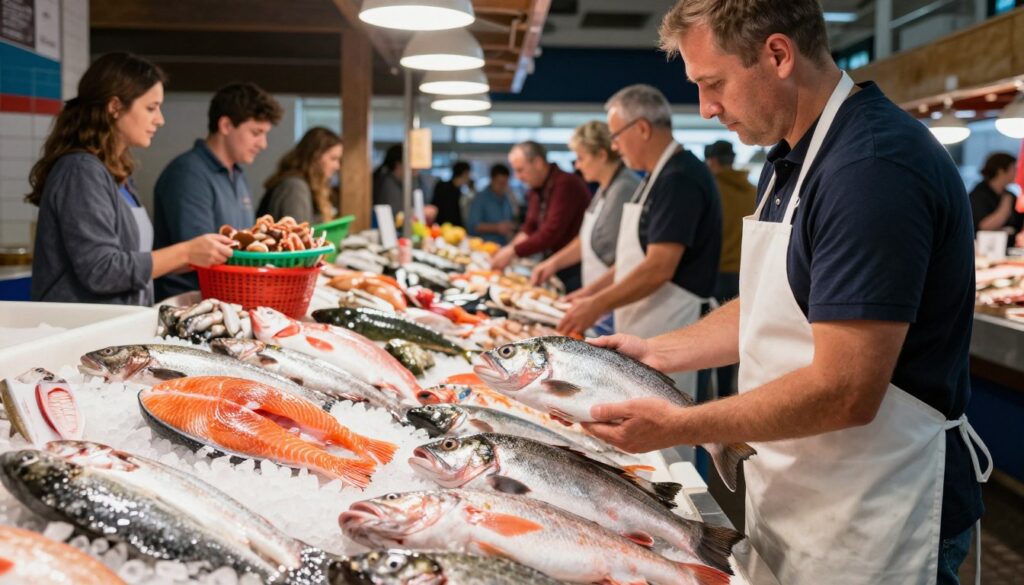
Preparing a meal with fresh fish is special. The flavors, texture, and presentation all start with choosing the right fish. Knowing how to pick fresh fish at the market is key.
Many home cooks feel nervous when buying seafood. They worry about picking the wrong fish or getting something that doesn’t taste good. But, selecting the best quality fish is easy once you know what to look for.
Whether you shop at a local store, a fish market, or a farm shop like Greendale, the same rules apply. Your senses are your best tools. You can look, touch, and even smell your way to finding excellent seafood. The quality of fish you choose greatly affects your dish’s flavor and texture.
This guide covers everything you need to know about buying fresh fish. You’ll learn visual signs of freshness, what questions to ask staff, and why seasonal choices matter. You’ll also learn about sustainability and how to store your fish properly at home. With this knowledge, you’ll feel confident every time you buy seafood.
The best part? You don’t need special training or experience. You just need to trust your instincts and pay attention to the details. By the time you finish reading about how to choose fresh fish, you’ll have all the tools you need to make smart choices. You’ll understand that finding premium seafood is within your reach.
Key Takeaways
- Fresh fish should have a clean, ocean-like scent—never sour or ammonia-smelling
- Clear and bright eyes indicate freshness in whole fish; cloudy eyes mean the fish is old
- Flesh should spring back quickly when pressed; soft spots mean the fish isn’t fresh
- Look for shiny, moist skin that reflects light rather than dry or dull skin
- Bright red or pink gills signal freshness; brown or grey gills mean the fish is past its prime
- Shopping at counters with fresh ice helps ensure you get the highest quality fish
- Asking staff questions empowers you to make informed decisions about your purchase
Why Fresh Fish Makes All the Difference in Your Cooking
Fresh fish is the key to a great seafood dish. Choosing quality seafood means better taste and nutrition. Fresh fish has a better flavor and texture than older fish.
It’s tender and cooks well with little seasoning. This lets the natural flavors of the fish shine.
Quality seafood is crucial for good cooking results. Old fish is dry and tough. Even the best cooks can’t fix bad ingredients.
So, picking fresh fish from the start is key to success. It cooks evenly, giving you consistent meals.
Fresh seafood is packed with nutrients. It has omega-3s, protein, vitamins D and B12. These are great for your health.
When you pair fish with the right cooking, flavors explode. For example, fresh salmon is amazing with salsa verde. Mild cod becomes crispy and delicious.
- Fresh fish has fragile, tender flesh that preserves moisture better
- Natural flavors shine through without excessive seasoning
- Cooking becomes more predictable with consistent results
- Nutritional benefits remain at peak levels
- Superior taste makes every bite worthwhile
Starting with fresh, high-quality fish is essential. It ensures your meals taste great and are good for your health.
How to Choose Fresh Fish at the Market
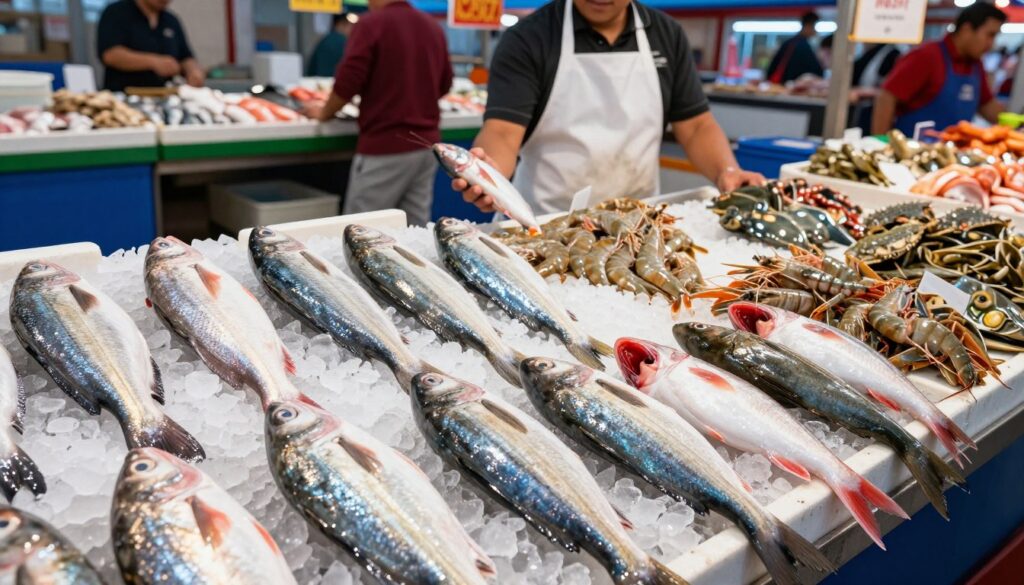
When picking fresh fish, your senses are key. You don’t need special training. Just know what to look for and inspect well. Three simple steps help find the freshest fish, whether whole or fillets.
Learning these skills takes just a few minutes. They help every time you shop. Fishmongers expect you to check their products closely. Don’t hesitate to ask questions or take time to inspect the fish.
The Smell Test for Freshness
Your nose is a powerful tool for checking fish quality. A fresh fish should smell like the ocean, with a clean, sea-like scent. Think of a sea breeze and natural saltwater.
Fresh fish never smells bad, like fishy, sour, or ammonia. If you smell these odors, the fish is not fresh. A fresh fish smell test is very reliable.
- Good smell: Clean, ocean-like, sea breeze aroma
- Bad smell: Fishy, sour, ammonia-like odors
- Action: Ask your fishmonger to let you smell before purchasing
Checking the Eyes and Gills
Looking at the eyes and gills confirms freshness. For whole fish, check the eyes first. They should be bright, clear, and slightly bulging. They should look alive.
Cloudy, sunken, or dull eyes mean the fish is old. Next, lift the gill cover gently. Fresh gills are bright red or pink. Brown or grey gills mean the fish is not fresh.
| Fish Feature | Fresh Fish | Old Fish |
|---|---|---|
| Eyes | Bright, clear, bulging, glossy | Cloudy, sunken, dull |
| Gills | Bright red or pink | Brown or grey |
| Overall appearance | Alert and lively looking | Faded and lifeless |
Testing Fish Firmness
The firmness test is simple. Gently press your finger into the fish’s flesh. Fresh fish feels firm and bounces back quickly. This test works for whole fish and fillets.
If your finger leaves an indent or the flesh feels soft, the fish is not fresh. A firm texture means the fish is fresh and will taste great. This quick test greatly improves your cooking.
- Press gently with your finger
- Flesh should spring back immediately
- Mushy or soft texture means the fish isn’t fresh
- Works for both whole fish and fillets
Signs of Fresh Fish You Should Never Ignore
Learning to spot fresh fish starts with knowing what to look for at the seafood counter. Fresh fish has certain traits that show it’s good to buy. Being able to recognize these signs makes shopping better and ensures tasty meals at home.
First, check the fish’s look. Fresh fish has shiny, moist skin that looks metallic in the light. If the skin is dull, dry, or flaky, it’s been there too long. Bright colors without brown spots or fading mean it’s fresh. The comprehensive fish recipe guide says these visual clues are key to finding quality seafood.
But looks aren’t everything. You also need to check how the fish is displayed. Good seafood is on clean, plenty of ice. Fish in bags with too much liquid is a worry—that liquid often means it’s thawed and refrozen or is going bad.
Make a checklist for freshness:
- Skin appears moist and shiny, not dry or dull
- No brown spots, discoloration, or fading colors
- Displayed on clean ice in proper conditions
- Fillets show moist appearance without sliminess
- Clean cuts with no browning around edges
- Tight, intact scales present
Your confidence in picking quality fish comes from noticing these signs together. Trust your senses and instincts at the seafood counter.
Understanding Wild vs Farmed Fish Quality
Choosing between wild and farmed fish at the seafood counter affects your health and the planet. Knowing the differences helps you pick wisely. Both can be good if sourced right, but they have their own pluses and minuses. Let’s look at what makes each special and how to pick the best for you.
Nutritional Differences Between Wild and Farmed
Wild salmon has more minerals and a better omega-3 to omega-6 ratio. This ratio is key because too much omega-6 can cause inflammation. Wild fish also has more DHA, which is good for your brain and eyes.
Farmed salmon has more total omega-3s because it’s fatter. But it has a lot more omega-6s, which can cause inflammation. This is because farmed fish live in close quarters and eat pellets made to mimic natural food.
When choosing between fresh versus frozen fish, remember that good frozen wild fish might be fresher than “fresh” farmed fish. Check out best fish recipes for lunch to learn how to keep nutrients in your fish.
| Nutritional Factor | Wild Salmon | Farmed Salmon |
|---|---|---|
| Mineral Content | Higher levels | Moderate levels |
| Total Omega-3 Fatty Acids | Moderate | Slightly higher |
| DHA Content | Higher | Lower |
| Omega-3 to Omega-6 Ratio | Better balance | More omega-6 present |
| Fat Content | Leaner | Higher fat |
| Calories per Serving | Lower | Higher |
Sustainability Considerations
Wild fish stocks have been hit hard, with some down by 50% since 1970. Overfishing, bycatch, habitat destruction, and climate change threaten wild fish. Choosing sustainable options is key to protect our oceans.
Farmed salmon can help by reducing pressure on wild fish. Modern aquaculture is getting better, and some farms produce nutritious fish with little environmental harm. When shopping, look for best practices for buying fish like ASC (Aquaculture Stewardship Council) on farmed products and labels for responsible wild fishing.
For more on farm-raised versus wild-caught salmon comparisons, see how sourcing works. Both wild and farmed salmon can be good choices if they’re labeled antibiotic-free and sustainably sourced.
- Look for ASC certification on farmed fish packaging
- Choose wild salmon from well-managed fisheries
- Ask your fishmonger about sourcing practices
- Check for “antibiotic-free” labels on farmed options
- Consider seasonal availability for wild varieties
By asking about sourcing and understanding certifications, you support good fishing and farming. Your choices at the seafood counter affect the future of fishing and farming.
How to Select Fresh Fish Fillets and Whole Fish

Choosing between fish fillets and whole fish at your local market needs different skills. Each type requires checking specific details for quality and freshness. Learning these tips will help you pick the best fish at the store.
Evaluating Fresh Fish Fillets
When buying fresh fish fillets, look at their appearance and texture first. Fresh fillets should have moist, translucent flesh and a clean look. The color should be even, without any browning or drying.
Check the packaging liquid. Less liquid is better. Too much means the fish has thawed or is breaking down. Look for firm, intact fillets without holes or bruises. A sweet, fresh smell is good, but a strong fishy smell is bad.
Mastering Whole Fish Selection
Choosing fresh whole fish involves a detailed check. Start with the eyes—they should be bright, clear, and slightly bulging. Cloudy or milky eyes mean the fish isn’t fresh.
Next, look at the gills by gently lifting the gill cover. They should be bright red or vibrant pink. Brown, grey, or slimy gills mean the fish is old. The belly should feel firm and intact, not soft or ruptured. The skin should be shiny, metallic, and show vibrant colors specific to that species.
| Feature | Fresh Whole Fish | Fresh Fish Fillets |
|---|---|---|
| Eyes | Bright, clear, slightly bulging | Not applicable |
| Gills | Bright red or pink, moist | Not applicable |
| Flesh Color | Vibrant, species-specific | Moist, translucent, consistent |
| Texture | Firm, rigid body shape | Firm to touch, no soft spots |
| Smell | Sweet, fresh, salty aroma | Sweet, fresh, salty aroma |
| Packaging | Displayed on ice | Minimal liquid pooling |
The whole fish should feel firm and rigid, not limp or floppy. Fresh whole fish keeps its natural shape and doesn’t bend too much. According to Canada’s food guide on selecting fish, checking these physical characteristics ensures maximum freshness and quality.
Understanding Different Fish Cuts
Fish comes in various forms at your market. Whole fish need a detailed inspection. Fillets (with skin or skin removed) require careful examination of flesh quality and packaging. Butterfly fillets still have the spine attached, offering a nice presentation for cooking.
- Steaks or darnes contain bones and skin, ideal for grilling
- Lean fish have lighter flesh and dry, flaky textures
- Fatty fish display darker flesh and firmer consistency
When identifying fresh fish at store, remember that sustainable fish choices matter for both quality and. Ask your fishmonger about the source and freshness of their stock. They can help you find the best fish for your cooking needs.
Whether you choose fillets for quick meals or a whole fish for special dishes, these skills will improve your shopping and cooking. They will make your experience better and your dishes more delicious.
Mercury Levels and Contaminants in Different Fish Species
When you buy fish at the grocery store, knowing about mercury levels is key for your family’s health. Mercury is bad for your brain and can harm your immune and heart systems. Pregnant women, nursing moms, and young kids are most at risk.
Fish pick up contaminants over time. Bigger, older fish have more mercury and harmful stuff. Asking about the fish’s size and where it came from is a good tip. This helps you choose safer fish for your family.
Fish can also have PCBs, dioxins, microplastics, and pesticides. These are found in bigger fish and can be harmful. Eating different types of fish helps lower your risk of getting sick from these contaminants.
Fish with Low Mercury Levels
There are many safe fish options at the grocery store. Many popular fish have little mercury and are safe to eat often. Here are some tips for choosing healthier seafood:
- Catfish
- Salmon
- Tilapia
- Flounder and Fluke
- Herring and Anchovies
- Pollock and Haddock
- Sardines
- Oysters, Crabs, and Scallops
- Canned Light Tuna (skipjack)
- Trout
These fish have low mercury and are nutritious. If you like canned tuna, choose skipjack for the light variety.
Fish to Avoid Due to High Mercury Content
Some fish have too much mercury and should be avoided, mainly by those at risk. Here are some fish to limit or avoid:
| Mercury Level | Fish Species | Recommendation |
|---|---|---|
| High | King Mackerel, Swordfish, Tilefish, Shark | Avoid completely |
| Mid-Range | Most Tuna varieties (except skipjack), Orange Roughy, Marlin, Grouper, Spanish Mackerel, Chilean Seabass, Bluefish, Lobster | Limit consumption |
| Mid-Range | Weakfish, Halibut, Sablefish, Striped Bass | Eat occasionally |
Big predatory fish like king mackerel and swordfish have a lot of mercury. Avoid these when buying fish. Most tuna is in the mid-range category and should be eaten in moderation, more so for kids and pregnant women. Skipjack and canned light tuna are safer choices.
Follow these tips to keep your family safe. Younger, smaller fish have less mercury than older, bigger ones. Mix up the fish you eat to reduce risks. Ask your fishmonger about the fish’s size and where it came from. Making smart choices lets you enjoy seafood’s benefits safely.
Seasonal Fish Selection for Best Quality and Taste
Buying fish in season is like picking fresh produce. It ensures better flavor and texture. Fish tastes best when caught during its peak season. This is because they thrive in their environment, making their flesh top-notch.
Knowing seasonal patterns helps you pick the best fish all year. In summer, bass and mackerel are at their best. They have rich flavor and firm texture when water is warm. Winter brings Dover sole and others to their finest, offering delicate taste and perfect texture.
Choosing seasonal fish is good for taste and the ocean. It supports sustainable fishing and ocean health. Buying fish in season helps avoid overfishing and supports marine ecosystems.
Finding Seasonal Fish at Your Market
Here’s how to pick the best fish at the market:
- Ask your fishmonger what species arrived fresh that week
- Check local fishing cooperatives near your area
- Visit farmers’ markets if you live near coastal areas, lakes, or rivers
- Look for abundant displays of specific fish at multiple vendors
- Consult seasonal seafood guides for your region
When many vendors have the same fish, it’s in season. This means fresher fish at better prices. You get premium fish without high costs because supply is high during peak seasons.
Local fishermen sell their catches at farmers’ markets. This gives you access to fish caught that day. It supports your community’s fishing industry and helps you find the freshest fish.
Proper Storage Tips to Keep Your Fish Fresh
When you bring fresh fish home, storing it right is key. Fish spoils fast if not stored properly. Knowing how to keep it fresh ensures a tasty meal and saves money.
Temperature Requirements for Fish Storage
Your fridge’s temperature is crucial for fish storage. Fish needs cold to stay fresh. Aim for a temperature between 32°F and 38°F.
Place fish on the fridge’s lowest shelf. Use a sealed container or plastic wrap. Add ice in a pan and replace it as it melts. This keeps the fish fresh and prevents bacterial growth.
For more on seafood storage, keeping the right temperature is vital.
How Long Fresh Fish Stays Good
Fresh fish has a short shelf life. Cook it within one to two days. The sooner, the better it tastes.
Watch for smell changes. It should smell like the ocean. A strong fishy or ammonia smell means it’s spoiled.
| Fish Type | Storage Time | Storage Location |
|---|---|---|
| Fresh Fish Fillets | 1-2 days | Lowest shelf on ice |
| Whole Fresh Fish | 1-2 days | Lowest shelf on ice |
| Frozen Fish | Up to 3 months | Freezer at 0°F or below |
| Live Mussels & Clams | 4 days | Open container with damp towel |
| Live Oysters | 7-10 days | Open container with damp towel |
If you can’t cook it in two days, freeze it. Frozen fish stays good for up to three months. Remove from liquid packaging, pat dry, and rewrap to prevent moisture buildup.
Marinate your fish before cooking. This adds flavor and keeps it moist. Proper preparation starts with good storage, as explained here.
- Keep raw fish separate from other foods to prevent cross-contamination
- Check that how fresh fish should smell remains clean and ocean-like
- Replace ice regularly to maintain cold temperatures
- Store fish on the lowest refrigerator shelf where it’s coldest
- Cook within one to two days for best quality and safety
Follow these tips to keep your fish fresh, safe, and delicious. Your careful attention to temperature and timing protects your seafood investment and ensures wonderful meals for your family.
Conclusion
You now have the tools to pick fresh, quality fish with confidence. Choosing great fish doesn’t need special training or years of experience. It just needs your attention to a few key signs and trusting your senses.
Use the smell test, look at the eyes and gills, and check the meat’s firmness. These simple steps will help you find the best fish at your local market.
Eating fish can be healthy, but it’s important to do it mindfully. Try to eat fish about once a week or a few times a month. Pick smaller, younger fish to avoid toxins.
Choose wild-caught fish when you can, and look for sustainability certifications. Your local seafood counter is full of resources. Don’t be shy about asking your fishmonger questions.
They are happy to help and want you to have a great experience. They can tell you about the fish’s origin, freshness, and how to prepare it.
The knowledge you’ve gained puts you in control of your seafood choices. You know about mercury levels, the benefits of wild versus farmed fish, and how to store fish at home. You also know which seasons have the best quality fish.
By using these techniques, you’ll make choices that support your health and the environment. You’ll also improve your meals. With practice, picking quality fish will become as easy as choosing fresh vegetables.
Your family’s wellbeing and the future of our oceans depend on the smart choices you make today.