The Easy Homemade Lunches Better Than Takeout
Every weekday at noon, your stomach growls. You grab your phone and order from Jimmy John’s again. You promise it’s just once, but it keeps happening. This habit costs you money and leaves you feeling tired by 2 p.m.
But what if you could change this? Easy homemade lunches are closer than you think. You don’t need to be a pro in the kitchen. Most recipes are quick, pack well, and reheat great at your desk.
Your lunch hour is worth more. Choosing homemade meals saves your wallet and health. You know what’s in your food, avoid delivery waits, and enjoy your meals. These lunches are just as good as takeout but cost much less.
In this article, you’ll find 21 easy meals that are affordable. You’ll get ideas for protein bowls and creative leftovers. Say goodbye to takeout and hello to lunches you’ll love.
Key Takeaways
- Homemade lunches save you money while tasting better than restaurant takeout
- Most recipes take 30 minutes or less and travel well for office lunches
- DIY takeout alternatives give you control over ingredients and nutrition
- Meal prep and leftovers transform into gourmet lunch creations
- Protein-packed options keep you full and energized through the afternoon
- No-cook solutions work when your schedule gets tight
- Homemade meals instead of takeout fit every diet preference and budget
Why Homemade Lunches Beat Restaurant Orders Every Time
Choosing to make your lunch or order takeout changes your week. Homemade lunches offer clear benefits. You save money and control your health and diet. Let’s look at why making lunch at home is always the best choice.
Save Money While Eating Better
Homemade meals are a smart financial move. A caprese sandwich or chicken wrap can make four to five lunches from the same ingredients. One restaurant sandwich costs twelve to fifteen dollars, but you can make the same meal for just three dollars per serving.
Plan simple recipes to save money. You can cut your weekly lunch costs from seventy-five dollars to just fifteen dollars. That’s fifty to sixty dollars saved every week.
| Lunch Option | Cost Per Meal | Weekly Cost (5 Days) | Monthly Savings |
|---|---|---|---|
| Restaurant Takeout | $13.50 | $67.50 | $270 |
| Homemade Lunch | $3.00 | $15.00 | $60 |
| Your Monthly Savings | $10.50 | $52.50 | $210 |
Control Your Ingredients and Nutrition
Restaurant food often has hidden ingredients and too much sodium. Making your own meals lets you know exactly what you’re eating. You can choose whole wheat bread, fresh vegetables, and lean protein like grilled chicken breast.
Homemade lunches are healthier than fast food. You control the ingredients, portion sizes, and avoid preservatives and allergens. This is great for people with dietary restrictions like gluten-free, dairy-free, or low-sodium.
- Know every ingredient in your food
- Reduce sodium and preservatives
- Adjust portions to your needs
- Accommodate dietary restrictions easily
- Add extra vegetables for nutrition
Skip the Midday Delivery Wait
Delivery apps promise quick service, but it often takes thirty to forty-five minutes. Orders can be wrong, and your lunch gets cold while you work.
Homemade lunches are faster and better. They take ten to fifteen minutes to prepare. You eat when you’re hungry, not when the delivery arrives. This keeps you focused on your work.
Homemade meals are not only cheaper but also healthier and faster. With smart planning, your lunchtime can be transformed.
Quick Protein-Packed Lunch Ideas You Can Make in Minutes
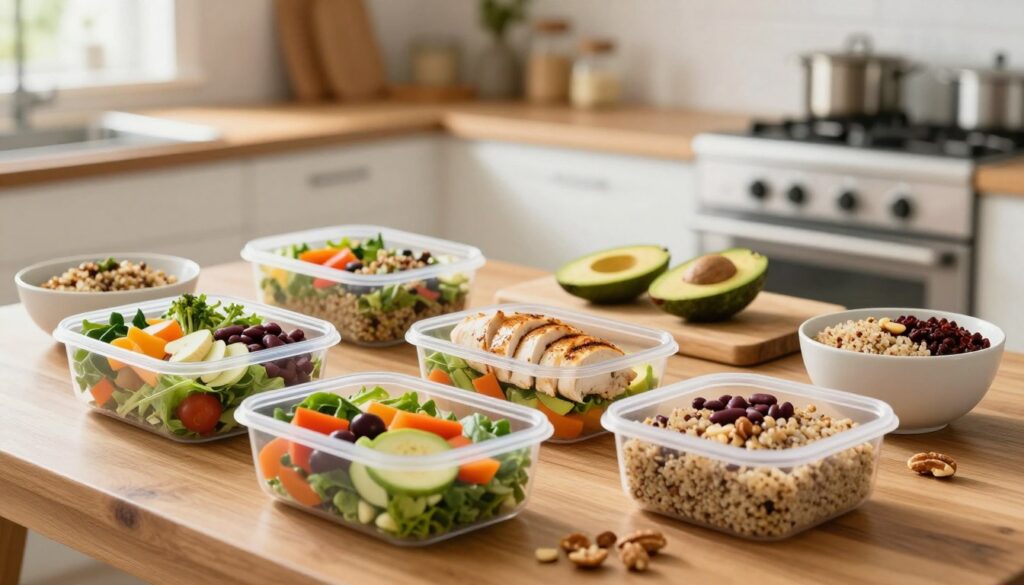
Creating fast and healthy lunches doesn’t take hours. You can make satisfying meals in under 15 minutes. Use simple ingredients and smart cooking methods. Choose proteins that cook quickly and pair them with fresh sides.
Quick lunch recipes are easier with versatile proteins. Garlic butter chicken bites cook fast and can be used in many ways. Try them with pasta, in a tortilla with buffalo sauce, or with roasted veggies.
Shrimp is another great choice, cooking in about 4 minutes with a good marinade. A shrimp Caesar salad is quick but packed with protein, keeping you full all day.
For no-cook lunches, tuna salad is a winner. Try a turmeric-spiced version for a tasty and easy meal. Egg white wraps are also high in protein, needing just two ingredients. For plant-based options, crispy tofu nuggets and chickpea salads offer protein without losing flavor.
- Garlic butter chicken bites (5 minutes cooking)
- Shrimp Caesar salad (4 minutes cooking)
- Tuna avocado sandwiches (no cooking needed)
- Egg white wraps with fillings (2 minutes)
- Crispy tofu nuggets (10 minutes in oven)
- Turmeric-spiced tuna salad (no cooking)
Cook proteins in bulk on weekends for quick lunches during busy weekdays. With prepared components, making fast and healthy meals is a breeze. You’ll stay energized and avoid the vending machine.
Budget-Friendly Meal Prep Strategies for Busy Weekdays
Mastering your weekday lunch meal prep doesn’t have to be hard or pricey. Smart planning saves time, cuts down on food waste, and makes better lunches. The key is to mix simple recipes with smart shopping. This guide shows you how to make it work for your life.
Cook Once, Eat All Week
Batch cooking makes weekdays easy. Choose recipes that stay good in the fridge for a big win. Veggie black bean enchiladas make five meals from one batch. Chicken shawarma turns into different meals by changing sides.
Using the right containers keeps food fresh all week. Your meals should taste great from Monday to Friday. Sheet pan quesadillas feed everyone’s lunches at once. These methods save you hours on busy days.
Smart Shopping Tips for Maximum Savings
Smart shopping changes your budget. Easy lunch recipes for beginners use affordable ingredients. Buy proteins on sale and freeze them. Choose versatile veggies like carrots and bell peppers.
Check your pantry before buying new stuff. Dried beans, rice, and pasta are cheap and versatile. Seasonal veggies are cheaper and taste better. Seeing the cost savings keeps you on track.
| Ingredient Category | Budget-Friendly Options | Cost Per Serving | Weekly Uses |
|---|---|---|---|
| Proteins | Chicken thighs, eggs, canned tuna, dried beans | $1.50–$2.50 | 5–7 meals |
| Grains | Rice, pasta, oats, bread | $0.50–$1.00 | 7+ meals |
| Vegetables | Carrots, onions, peppers, frozen mixed vegetables | $0.75–$1.25 | 5–7 meals |
| Pantry Staples | Canned tomatoes, beans, olive oil, spices | $0.25–$0.75 | Multiple recipes |
Keep seasonings simple for budget-friendly meals. You don’t need fancy items to cook well. Start with a few simple recipes and switch them up. This builds confidence without spending a lot.
Restaurant-Style Wraps and Sandwiches Made at Home
You don’t need to go to your favorite sandwich shop to enjoy tasty wraps and sandwiches. Making restaurant-style lunch recipes at home is quick and cheap. It’s perfect for packing lunches for work or a quick meal at home.
The key to making wraps like Panera’s is using quality ingredients and smart tricks. Frozen chicken strips save time and keep your wrap crispy. Instead of frying chicken from scratch, use frozen strips for a quick, tasty result.
Creating the perfect wrap is about choosing the right ingredients and layering them well. Here are some top combinations to try:
- Crispy Chicken Caesar Wraps with romaine lettuce, parmesan cheese, and homemade Caesar dressing
- Caprese Sandwiches with fresh mozzarella, ripe tomatoes, basil, and quality balsamic vinegar
- Buffalo Chicken Grilled Cheese combining spicy buffalo sauce with melted cheese and crispy chicken
- Pinwheel Sandwiches with cream cheese, deli turkey, and roasted red peppers
- Cucumber Tea Sandwiches with homemade tzatziki sauce and fresh herbs
- Chicken Club Egg White Wraps with bacon, lettuce, tomato, and avocado
Choosing the right ingredients makes a big difference. For caprese sandwiches, use fresh mozzarella and ripe tomatoes. Quality balsamic vinegar is essential. These ingredients will last for several sandwiches.
Wrapping your lunch right is key for a commute-friendly meal. Use parchment paper or foil to keep it tight. Place heavy ingredients at the bottom and light ones on top. This keeps your bread from getting soggy. For more comfort lunch recipes that feel homemade, take small steps to enhance your meal.
| Wrap Type | Main Protein | Key Spreads | Prep Time |
|---|---|---|---|
| Crispy Chicken Caesar | Frozen chicken strips | Caesar dressing, parmesan | 8 minutes |
| Caprese Sandwich | Fresh mozzarella | Balsamic vinegar, pesto | 5 minutes |
| Buffalo Chicken | Cooked chicken breast | Buffalo sauce, ranch dressing | 10 minutes |
| Pinwheel Sandwich | Deli turkey | Cream cheese, mustard | 6 minutes |
| Cucumber Tea Sandwich | Cream cheese | Tzatziki, dill | 4 minutes |
| Chicken Club Egg White | Rotisserie chicken | Avocado mayo, mustard | 7 minutes |
Pro tip: Invest in quality spreads and sauces for a restaurant-like flavor. Homemade aioli, pesto, and tzatziki make your lunch better. Store them in glass containers for easy access.
Don’t settle for the same old peanut butter and jelly. These recipes show that gourmet meals at home are easy and affordable. Spend a few minutes on your wrap, and enjoy a meal that feels like it came from a pro kitchen.
Easy Homemade Lunches Better Than Takeout: Bowl Recipes That Satisfy
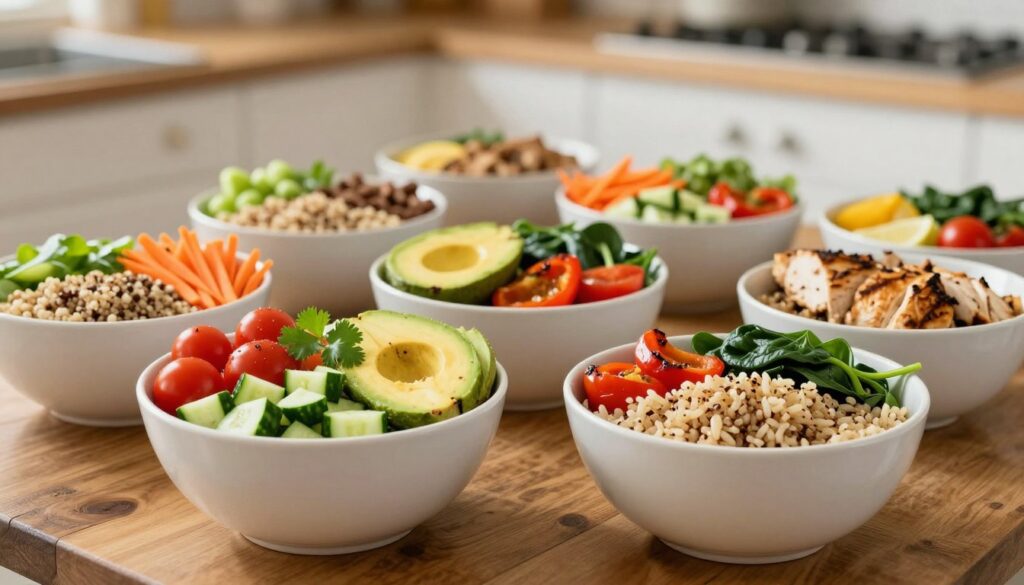
Bowl meals are super flexible and satisfying to make at home. They can be fresh and vibrant or warm and cozy. Make-ahead lunch bowls taste like restaurant food but cost less. The beauty of bowl recipes is their simplicity.
Building layers of flavor and nutrition is key. You start with a grain base, add protein, then vegetables, and finish with a tasty sauce. This mix keeps you full all day and lets you try new things every week.
Power Bowls With Endless Combinations
Power bowls let you get creative with what you have. Choose a grain like brown rice or quinoa. Add protein like grilled steak or chickpeas. Then, add fresh veggies and your favorite sauce.
Here are some filling bowl ideas:
- Steak fajita bowls with brown rice, black beans, and sautéed peppers
- Salmon quinoa bowls with cucumber and creamy dill yogurt dressing
- Sweet potato couscous bowls with roasted vegetables and tahini dressing
- Chipotle shrimp taco bowls with lime crema
These bowls keep well for three to four days. Keep the sauce separate to keep grains fluffy.
Asian-Inspired Noodle and Rice Bowls
Asian-style bowls bring authentic flavors right to your kitchen. They’re packed with noodles, rice, and bold sauces.
Try these favorites:
- Peanut noodle bowls with shredded chicken and roasted broccoli
- Pork dumpling bowls with wheat noodles and dumpling sauce
- Dragon noodles with charred vegetables and sriracha mayo
- Creamy peanut-lime chicken with rice noodles
- Chicken shawarma bowls with rice and cucumber-tomato salad
- Omurice—fried rice wrapped in fluffy omelette with ketchup drizzle
These bowls are great for lunch on the go. They taste even better the next day. Store noodle bowls in glass containers for best flavor.
No-Cook Lunch Solutions for When You’re Short on Time
Some days, you just don’t have time to cook. Maybe you’re busy with meetings, your oven is broken, or you’re too tired. The good news is, “no-cook” doesn’t mean you have to settle for boring food. You can make delicious lunches that are just as good as takeout without using the stove. These easy recipes save you money and taste great.
The trick is to use smart assembly and quality ingredients. Think of no-cook lunches as elevated snack boards instead of just leftovers. They’re quick to prepare and packed with nutrition.
Here are your go-to quick lunch recipes at home when cooking feels impossible:
- Caprese Sandwiches: Slice fresh mozzarella, ripe tomatoes, and basil. Layer them on quality bread with balsamic vinegar. Total time: three minutes.
- Cheese Board Lunch Boxes: Arrange aged cheddar, prosciutto, Marcona almonds, fresh berries, olives, and quality crackers in a container. This grown-up approach to Lunchables feels fancy and keeps you satisfied.
- Cold Noodle Bowls: Toss chilled Japanese soba or ramen noodles with store-bought peanut sauce, shredded cucumbers, and rotisserie chicken. Drizzle with sesame oil.
- Greek Pita Pockets: Stuff whole wheat pitas with hummus, pre-chopped vegetables, feta cheese, and olives. Mix together in seconds.
- Tuna Salad Wraps: Mix canned tuna with Greek yogurt and diced celery. Spread on tortillas with lettuce and tomato.
Simple lunch recipes for beginners are a breeze when you have the right pantry staples. Keep canned tuna, good crackers, nut butters, pre-washed greens, rotisserie chicken, quality hummus, olives, and flavorful condiments ready. You’ll always have something to fall back on.
Choosing a no-cook lunch doesn’t make you lazy—it makes you smart for having a backup plan.
Having a “no-cook pantry” makes your days easier. When you’re exhausted, these simple recipes require no effort but give you real satisfaction. Your wallet stays happy, and you avoid the wait for delivery.
Transform Leftovers Into Gourmet Lunch Creations
Leftovers don’t mean you have to eat the same meal twice. You can turn yesterday’s dinner into new dishes. This way, you save money and reduce waste, perfect for busy families.
Most of these changes take just 30 minutes or less. This fits well into your weekday schedule.
Repurpose Last Night’s Dinner
Yesterday’s roasted chicken can become a creamy chicken salad. Steak strips can turn into fajita bowls. Day-old rice is great for making fluffy omurice or fried rice.
Mashed potatoes and green beans pair well with garlic butter chicken bites. This makes a lunch that feels like it’s from a restaurant.
- Add fresh vegetables to make meals feel completely new
- Use different sauces and toppings to change the flavor profile
- Combine proteins with fresh greens or grain bowls
- Try crunchy elements like nuts or crispy onions for texture
Creative Ways to Use Pantry Staples
Your kitchen has ingredients for amazing quick lunches. Canned beans can make burrito bowls or hearty salads. Pasta can turn into cold salads with fresh veggies.
Dragon noodles, made with pantry noodles and simple sauces, are quick and delicious. These recipes are cheap but taste like takeout.
| Leftover Ingredient | New Lunch Creation | Time Needed |
|---|---|---|
| Cooked Rice | Fried rice with frozen vegetables | 15 minutes |
| Roasted Chicken | Chicken salad or grain bowl | 10 minutes |
| Cooked Pasta | Cold pasta salad with fresh herbs | 10 minutes |
| Canned Beans | Quick burrito bowl | 12 minutes |
The secret lies in seeing leftovers as building blocks rather than repetitive meals. Just take your leftover protein, add something fresh, change the carb base, and you’ve got a new dish.
High-Protein Vegetarian Lunches That Keep You Full
Vegetarian lunches are a great choice for a healthy meal at home. Many think skipping meat means less satisfaction. But, plant-based proteins keep you full and energized all afternoon.
When you mix different protein sources, your lunches become amazing. Quick high-protein lunches don’t need meat to be satisfying. Protein helps you stay full, reduces cravings, and boosts focus.
- Chickpea and quinoa power bowls with peanut sauce—chickpeas offer fiber and protein, while quinoa completes your amino acid profile
- Crispy sheet-pan black bean tacos seasoned with smoky spices deliver 15 grams of protein per serving
- Lentil salads with roasted red peppers—lentils are incredibly cheap and packed with fiber, making them perfect for budget-friendly meal prep
- Tofu burritos with smoky crumbles or crispy oven-baked nuggets that even meat-eaters enjoy
- Veggie black bean enchiladas loaded with fiber and protein for satisfying meals
These vegetarian options are not only healthy but also delicious. You’re not eating diet food—you’re enjoying vibrant, flavorful meals that are nutritious and filling.
| Vegetarian Protein Source | Protein Per Cup | Cost Per Serving | Best Use |
|---|---|---|---|
| Chickpeas | 15g | $0.50 | Bowls, salads, hummus |
| Lentils | 18g | $0.40 | Salads, soups, sides |
| Black Beans | 15g | $0.45 | Tacos, enchiladas, burritos |
| Tofu | 20g | $0.75 | Nuggets, burritos, stir-fries |
The Jennifer Aniston viral salad is a hit for a reason. It combines chickpeas, pistachios, and quinoa for a complete meal with impressive protein. This approach to building healthy lunches teaches you that satisfaction comes from combining textures and flavors thoughtfully.
“When you pair plant proteins with nuts, seeds, and whole grains, you create meals that fuel your entire afternoon without leaving you hungry or reaching for snacks.”
Mastering these preparation techniques makes your low-calorie lunches even more powerful. Crisping tofu, seasoning beans, and layering proteins ensure you stay full and focused. These healthy homemade lunch ideas show that vegetarian eating is not about sacrifice—it’s about finding delicious food that’s better for your body and budget.
Make-Ahead Lunch Recipes Perfect for Office Reheating
Your workday deserves a fresh and tasty lunch. Make ahead recipes solve the big office lunch problem. They make meals that travel well and reheat great in a microwave. You don’t need complicated recipes or special equipment at your desk.
Choosing the right dishes is key to great office lunches. One-pan chicken pesto pasta gets better with time, as flavors mix overnight. Sesame chicken stays tender and doesn’t smell up the office. Sheet pan quesadillas get crispy in a toaster oven, and grain bowls are good cold or warm.
Smart storage and reheating are crucial for easy lunches. Use containers that won’t leak and are safe for microwaves. For rice, add a bit of water to keep it moist. Use medium power for proteins to keep them tender.
| Recipe Type | Storage Duration | Reheating Method | Best Container |
|---|---|---|---|
| Pasta dishes | 3-4 days | Microwave with extra sauce | Glass with lid |
| Grain bowls | 4-5 days | Cold or microwave 2 minutes | Compartment container |
| Sheet pan quesadillas | 3 days | Toaster oven 5 minutes | Aluminum foil lined |
| Chicken dishes | 3-4 days | Microwave at medium power | Glass or ceramic |
Creating your meal prep schedule takes just one afternoon. Make ahead meals make batch cooking easy. Spend Sunday cooking pasta, roasting veggies, grilling protein, and preparing grains. Mix and match to keep meals fresh.
Real food lunch recipes use whole ingredients you know. Avoid processed foods and choose simple, wholesome combinations:
- Roasted chicken with seasonal vegetables and brown rice
- Black bean and quinoa bowls with roasted sweet potatoes
- Turkey and vegetable pasta with marinara sauce
- Lentil soup with whole grain bread
- Grilled salmon with broccoli and wild rice
Choosing the right ingredients shows respect for your office. Avoid fish in shared spaces. Pick sturdy veggies like carrots and broccoli. Pack dressings and sauces separately to avoid sogginess.
Easy weekday lunches become routine with a little planning. Pack your containers on Sunday, and you’ll have lunch ready all week. Your coworkers will appreciate it, your wallet will save money, and you’ll eat healthier.
Conclusion
Now you know how to switch from takeout to homemade lunches. You’ll save money, feel better, and taste the difference. Plus, you’ll save time waiting for delivery or in lines.
You don’t have to change everything at once. Start with one or two recipes you like. Begin by prepping just one ingredient, like grilled chicken or rice. Even bringing lunch home three days a week can save money and improve your health.
Eating home-cooked meals five or more days a week can add years to your life. Your simple recipes don’t have to be fancy to be effective.
Getting into the habit of making homemade lunches is easy once you start. You’ll see the money in your bank and feel the energy from real food. These ideas work for everyone in your family. You have the tools and knowledge to make a change. It’s time to ditch the takeout menus and enjoy the benefits of homemade lunches.