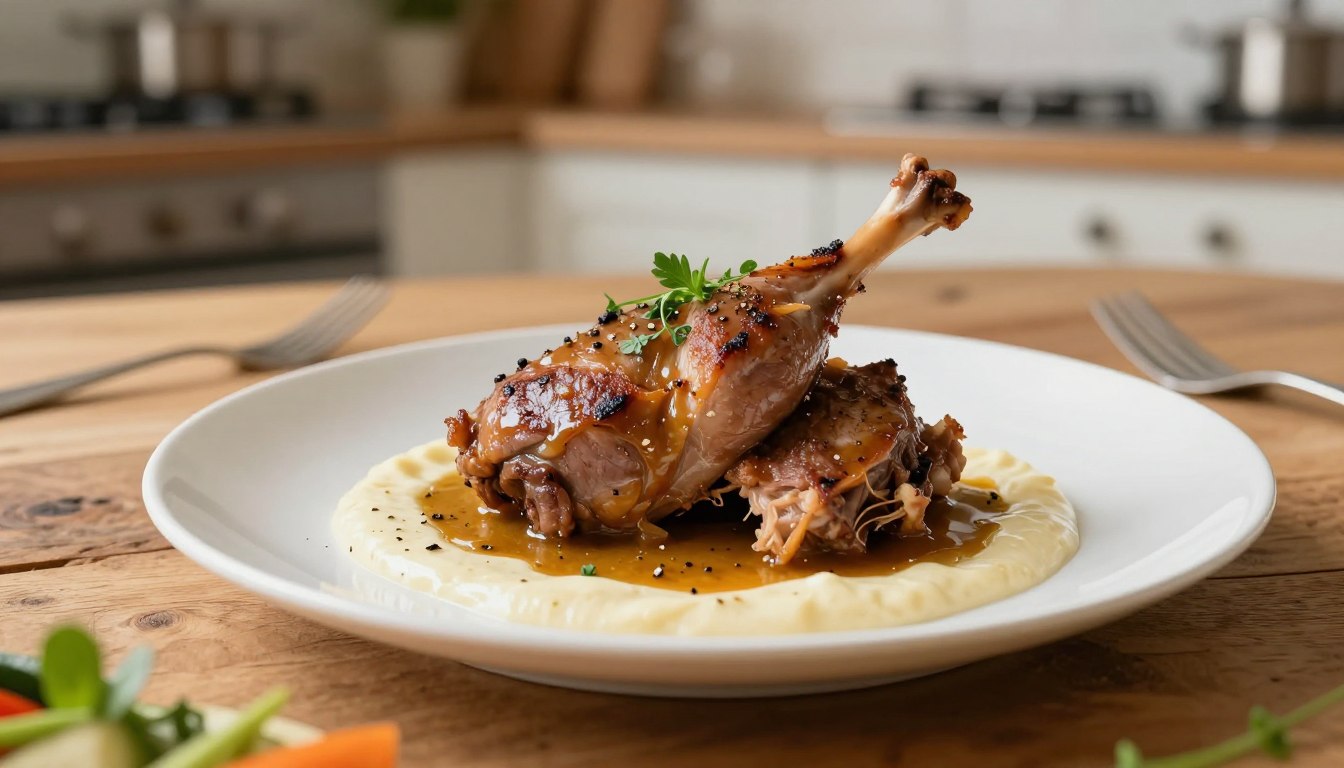
The Best Simple Rabbit with Mustard Sauce
Discovering a dish that’s both fancy and easy to make is magical. You might think rabbit with mustard sauce is for fancy chefs. But it’s actually easy to make at home.
Have you ever seen rabbit at the butcher and thought it was too exotic? It’s actually a great meat to cook. This simple recipe can impress your guests or treat your family to something special.
This dish has been a favorite in French homes for years. Families in Paris and the countryside love Lapin à la Moutarde. Now, you can join in and make it at home.
Your kitchen is about to become a place for rustic French cooking. You don’t need special skills or tools. Just patience, quality ingredients, and a simple recipe to make a delicious dish.
Key Takeaways
- Rabbit with mustard sauce is a traditional French dish that’s easier to make than you think
- This simple rabbit recipe works beautifully for both casual weeknight dinners and formal gatherings
- Rabbit meat is tender, lean, and cooks faster than chicken or beef
- Dijon mustard creates the perfect flavor balance with cream and fresh herbs
- Braising is the technique that transforms rabbit into incredibly moist, flavorful meat
- You can have restaurant-quality results in your own kitchen with basic cooking tools
- This dish pairs well with simple sides like mashed potatoes or egg noodles
Why Rabbit with Mustard Sauce Deserves a Place on Your Table
https://www.youtube.com/watch?v=xAB2NscjgFI
Rabbit might not be a common choice for dinner, but it’s gaining popularity in American kitchens. It’s packed with nutrients and has a rich history in cooking. This dish offers something special that other meats can’t match.
Understanding the appeal of this classic dish helps you see the effort put into making it. It’s more than just a meal; it’s a tradition passed down through generations.
The Rich History of Lapin à la Moutarde in French Cuisine
Lapin à la moutarde has its roots in Burgundy’s farmhouses. It was a way to make the most of what was available, using rabbits and mustard. This combination was perfect for the Dijon region, famous for its mustard.
What began as a simple dish became a beloved part of French cuisine. It shows the French love for letting ingredients shine through simple cooking. This tradition also influenced Louisiana Cajun cooking, where rabbit dishes were adapted to the bayou.
Health Benefits That Make Rabbit a Superior Protein Choice
Rabbit is leaner than chicken, beef, pork, lamb, and turkey. It has fewer calories and more protein per pound. This means your family gets more nutrition from each serving.
Rabbits are also better for the environment. They need less feed and water than cattle to produce more meat. This makes rabbit a sustainable choice for your kitchen.
The taste of rabbit is a pleasant surprise. It’s similar to chicken but richer and more satisfying. Wild rabbit has a stronger flavor, while farm-raised is milder. The earthy sweetness pairs well with mustard’s tanginess.
| Meat Type | Fat Content | Calories per Pound | Protein Percentage |
|---|---|---|---|
| Rabbit | Lowest | Fewest | Highest |
| Chicken | Low | Moderate | High |
| Beef | High | High | Moderate |
| Pork | Moderate | Moderate | Moderate |
| Turkey | Low | Moderate | High |
Choosing rabbit means you’re picking a protein that’s good for you and honors cooking traditions. When you make lapin à la moutarde, you bring authentic flavors and real nutritional value to your table.
Understanding Rabbit Meat: What Makes It Special
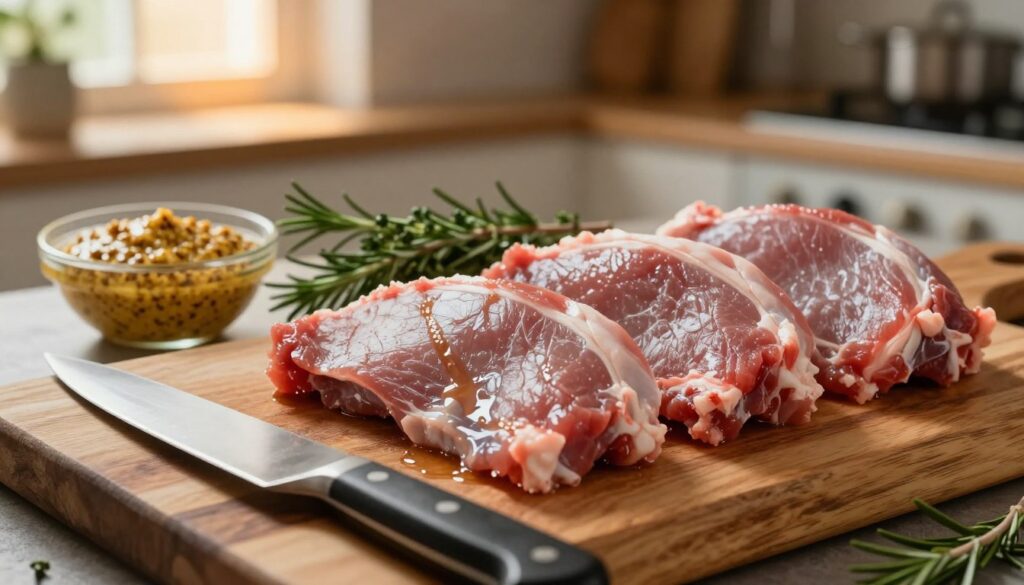
Rabbit meat is a great addition to your kitchen. Many people avoid it, thinking it’s exotic or hard to cook. But, it’s actually lean, flavorful, and great for braising.
Buying rabbit means you get meat that’s between chicken and beef in taste and texture. It has a richer, earthier flavor with a sweet undertone. Domestic rabbit is mild and tender, perfect for creamy sauces. Wild rabbit has a stronger taste, great for those who like a challenge.
The main difference is the rabbit’s origin. Domestic rabbit is mild and tender, great for beginners. It’s perfect for classic cooking methods. Wild rabbit has deeper flavors and needs different cooking techniques.
| Rabbit Type | Flavor Profile | Texture | Best Use |
|---|---|---|---|
| Farm-Raised Domestic | Mild, delicate, no gamey taste | Tender white meat | Braising in cream sauces |
| Wild Rabbit | Rich, earthy, meatier | Firmer texture | Stews and hearty dishes |
Finding quality rabbit is easier than you think. Look at specialty butcher shops, farmers markets, and online. Choose meat that’s pink or light. Whole rabbits cut into pieces are best for braising.
- Buy from trusted butchers or farmers markets
- Choose farm-raised rabbit for milder flavor
- Request the butcher cut the rabbit into pieces
- Store in the coldest part of your refrigerator
- Use within two days for best quality
Rabbit meat cooks faster than chicken and beef because it’s lean. This means you can have dinner quicker while still enjoying deep flavors. The meat absorbs sauces well, making it ideal for your mustard braising project.
Essential Ingredients for Perfect Rabbit with Mustard Sauce
To make a stunning creamy mustard rabbit dish, start by picking the right ingredients. Choose a fresh rabbit weighing 3 to 4 pounds, perfect for about four people. You’ll also need butter or lard for browning, shallots for sweetness, garlic for depth, and quality chicken broth.
These basics, combined with the sauce, make the dish unforgettable. Getting your pantry ready helps you cook smoothly and focus on technique.
- One whole rabbit (3-4 pounds), cleaned and cut into pieces
- 3-4 tablespoons butter or lard
- 4-5 shallots, minced
- 3-4 garlic cloves, minced
- 2 tablespoons flour
- 1 cup dry white wine
- 1.5 cups chicken broth
- 1/2 to 1 cup heavy cream
- 2 tablespoons crème fraîche
- Fresh thyme and rosemary sprigs
- 3-4 tablespoons fresh parsley, chopped
- Salt and black pepper to taste
- Capers for garnish
Choosing Between Dijon and Creole Mustard
The mustard you choose changes the dish’s character. Dijon mustard adds smooth, slightly sweet notes that blend well into a refined sauce. It’s perfect for traditional dijon mustard rabbit recipes.
Creole mustard, on the other hand, is grainier and spicier. It adds texture and kick. Many Louisiana cooks prefer it for creamy mustard rabbit. Mixing both mustards—2 to 3 tablespoons of Dijon and 2 tablespoons of Creole—brings depth to the dish.
Your choice depends on your taste:
| Mustard Type | Flavor Profile | Best For | Amount to Use |
|---|---|---|---|
| Dijon | Smooth, slightly sweet, refined | Classic French-style dishes | 2-3 tablespoons |
| Creole | Grainy, spicy, textured | Bold, Louisiana-inspired flavors | 2 tablespoons |
| Both Combined | Balanced, complex, sophisticated | Depth and dimension | 4-5 tablespoons total |
Fresh Herbs That Elevate Your Dish
Herbs make your rabbit dish special. Thyme is key, with 3/4 teaspoon of dried or fresh sprigs. It adds earthy notes that complement the rabbit’s flavor. Rosemary adds a pine-like intensity, so use just 1/4 teaspoon or a small sprig.
Fresh parsley adds brightness before serving. Chop 3 to 4 tablespoons and sprinkle it over for color and freshness. These herbs enhance your dijon mustard rabbit sauce, making each bite interesting.
Supporting ingredients are crucial. Shallots are sweeter than regular onions and blend well into the sauce. White wine adds acidity, balancing the richness. Heavy cream and crème fraîche make the sauce velvety and luxurious.
Preparing Your Rabbit: Cutting and Seasoning Techniques
Getting your rabbit ready for cooking is key to a great dish. Proper preparation ensures even cooking and a nice brown crust. If you bought a whole rabbit, cut it into pieces before cooking.
Begin by cutting your rabbit into 6 to 8 pieces. This includes the hind legs, front legs, saddle, and shoulders. Cutting a whole rabbit might seem hard. You can ask a butcher to help or find video tutorials online.
Let your rabbit pieces sit at room temperature for about 30 minutes. This helps the meat cook evenly. Cold meat can turn tough.
Next, season your rabbit pieces. Pat them dry with paper towels first. This prevents moisture from stopping browning. Then, season them generously with salt and black pepper on all sides. Your rabbit with mustard sauce recipe will get rich flavors from the sauce later.
- Pat pieces dry with paper towels
- Season both sides with salt and pepper
- Let meat reach room temperature
- Ensure even coating for browning
Remember to handle raw rabbit safely, like chicken. Keep your workspace clean and wash your hands well after handling. Your rabbit is now ready for browning and making a fantastic dish.
Step-by-Step Guide to Braising Rabbit in Mustard Cream Sauce
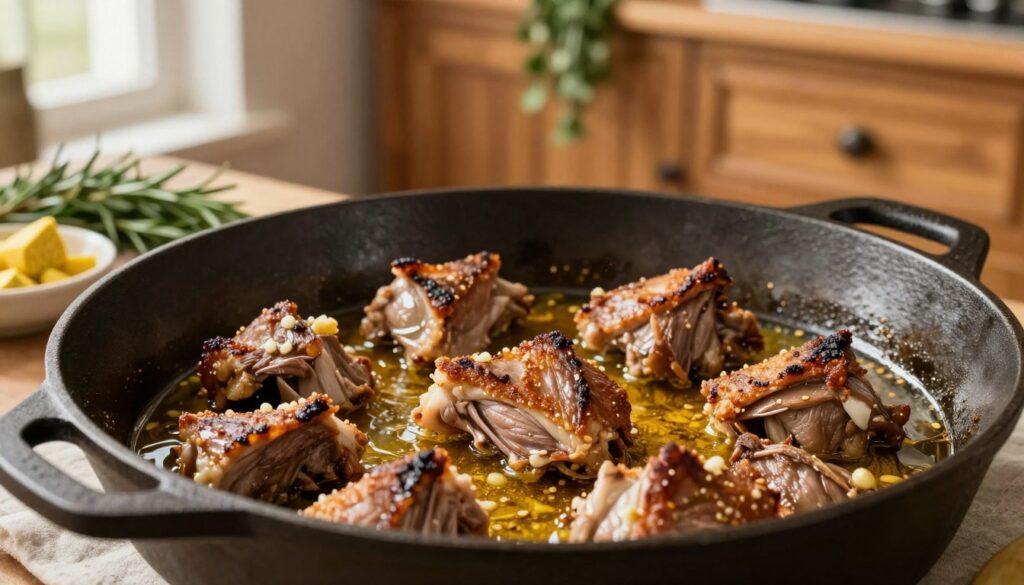
Making a mustard braised rabbit dish needs patience and skill. This guide will show you how to cook it, from browning to making the sauce. You’ll learn how to turn raw rabbit into a tender, tasty dish, just like a French bistro.
Browning the Rabbit for Maximum Flavor
Browning the rabbit is key to your dish. It makes the meat taste rich and complex. Start by heating 4 tablespoons of butter or 3 tablespoons of lard in a heavy pot over medium-high heat.
Lightly dust your rabbit pieces with flour. This helps create a golden crust and thickens the sauce. Place the floured pieces in the hot fat, a few at a time, to avoid steam.
Cook each side for 3 to 4 minutes until golden. Listen for a gentle sizzle to know the heat is right. Move the browned rabbit to a clean plate once done.
Building the Perfect Mustard Sauce Base
Now, it’s time to make the sauce base. Add 1 to 2 cups of diced shallots or onions to the pan. Cook them for 4 to 6 minutes until soft.
Add 1 minced garlic clove and cook for 1 minute. Sprinkle 1 to 2 tablespoons of flour and stir well. Cook for about 1 minute to get rid of any raw flour taste.
Pour in 1/2 cup of white wine and scrape the pan with a spoon. This step gets all the flavorful browned bits. Bring it to a boil for 1 minute.
- Add 1/2 to 2 1/2 cups of chicken broth
- Stir in 2 to 3 tablespoons of mustard—Dijon or Creole
- Add fresh thyme and rosemary for flavor
- Season with salt to taste
Put the browned rabbit back in the pot. Bring it to a boil, then lower the heat to low. Cover and let it simmer until the meat is tender and falls off the bone.
Cooking Times and Temperature Tips for Tender Rabbit
To make your rabbit in cream sauce tender, you need to know the right cooking times and temperatures. Patience is key here. Start by boiling your braising liquid to seal in flavors. Then, reduce the heat to low to break down the meat’s connective tissues.
Let your rabbit simmer for about an hour, covered. High heat can make the meat tough. You want it to be so tender it falls off the bone.
You can cook your rabbit on the stovetop or in the oven. Both methods work well if you keep the heat low. Stovetop cooking lets you watch it closely, while the oven offers even heating.
| Cooking Method | Temperature Setting | Cooking Time | Best For |
|---|---|---|---|
| Stovetop | Low heat (gentle simmer) | 1 hour or until fork-tender | Active monitoring and sauce adjustment |
| Oven | 375°F | 1 hour or until fork-tender | Even heating and hands-off approach |
The best way to check if your rabbit is done is the fork test. If it’s easy to pierce with a fork, it’s ready. Don’t just rely on time; every rabbit cooks differently.
When your rabbit is tender, add heavy cream and crème fraîche. Heat it gently to avoid boiling. This step makes your dish rich and luxurious. For more details, check out this braised rabbit recipe with mustard cream.
If your sauce is too thick, add a bit of broth. If it’s too thin, simmer it uncovered to thicken. Keep it warm but avoid boiling after adding cream. This way, your sauce stays smooth and perfect.
The Role of Wine and Broth in Your Mustard Braised Rabbit
Wine and broth are key to your french rabbit mustard sauce. They make the braising liquid that keeps your rabbit tender and flavorful. Knowing how to use them right makes your dish top-notch.
Wine and broth do many things in your cooking. They deglaze the pan, add moisture, and thicken the sauce. Finding the right balance is crucial for a great sauce.
Selecting the Right White Wine for Deglazing
Choosing the right white wine is important. You need a dry white wine with good acidity. This acidity balances the cream and fat in your dish.
Good choices for your rabbit dish include:
- Sauvignon Blanc
- Pinot Grigio
- Unoaked Chardonnay
- French white Burgundy
Use 1/2 to 1 cup of dry white wine. Pour it into your hot pan after browning the rabbit. The wine bubbles and reduces, concentrating the flavor. Always choose a wine you’d drink.
The amount of chicken broth you use affects the sauce’s thickness. Use 1/2 cup to 2 1/2 cups of broth. Less broth makes a thicker sauce, while more makes it lighter. Low-sodium broth helps with seasoning.
| Wine Type | Best For | Acidity Level |
|---|---|---|
| Sauvignon Blanc | Bright, crisp finishing | High |
| Pinot Grigio | Light, delicate flavor | Medium |
| Unoaked Chardonnay | Clean, mineral notes | Medium-High |
| French White Burgundy | Complex, sophisticated taste | High |
Wine and broth create the perfect braising environment. They keep your rabbit moist and add flavor. The wine adds fruity and mineral notes, while the broth adds depth. Together, they make a sauce that tastes like it’s from a French kitchen.
Adding Cream and Finishing Touches to Your Sauce
When you add cream to your easy rabbit stew with mustard, it becomes silky and luxurious. Your rabbit meat should be tender by now. This is when patience and gentle heat are key.
To finish perfectly, stir in your cream without boiling it. Remove the pot from heat before adding 2/3 cup of heavy cream and 2 tablespoons of crème fraîche. Pour the cream slowly while stirring gently. This keeps your sauce smooth and velvety.
Now, add fresh herbs and seasonings to brighten your dish. Mix in chopped parsley and sliced chives into your warm sauce. These add color and fresh flavor. Taste and adjust the salt, pepper, or mustard as needed.
Consider these optional finishing touches for extra depth:
- 1 teaspoon of chopped capers for briny flavor bursts
- A squeeze of fresh lemon juice for brightness
- A pinch of Dijon mustard for extra tang
Your sauce should coat the back of a spoon and cling to the rabbit. If it’s too thick, add a splash more broth. If it’s too thin, simmer uncovered until it’s velvety.
| Finishing Ingredient | Amount | Purpose | When to Add |
|---|---|---|---|
| Heavy Cream | 2/3 cup | Creates silky texture and richness | After rabbit is tender, off heat |
| Crème Fraîche | 2 tablespoons | Adds subtle tang and richness | With heavy cream |
| Fresh Parsley | 3-4 tablespoons chopped | Provides color and herbaceous flavor | Just before serving |
| Chives | 1/4 cup sliced | Adds mild onion flavor and freshness | Just before serving |
| Salt and Pepper | To taste | Balances all flavors | Final tasting step |
| Capers (Optional) | 1 teaspoon chopped | Adds briny complexity | Just before serving |
The magic happens in these final moments. Your easy rabbit stew with mustard becomes outstanding. Respect the cream’s delicate nature and let fresh herbs shine. Heat everything gently, taste carefully, and adjust your seasonings. Your dinner is now ready to impress.
Best Side Dishes to Serve with Your French Rabbit Dish
Your rabbit with mustard sauce needs the perfect side dish. The right choice makes your meal complete. You want something that soaks up the sauce’s creamy, tangy goodness.
Think about texture and flavor balance. Your dish is best with sides that enhance it. Each option adds something special to your meal.
Creamy Mashed Potatoes Versus Buttered Egg Noodles
Creamy mashed potatoes are ultimate comfort. Use Yukon Gold or russet potatoes for the best taste. Whip them with butter and cream until fluffy.
Buttered egg noodles offer a lighter, European touch. Wide egg noodles or pappardelle tossed with butter and parsley are perfect. They soak up the sauce beautifully, making your meal feel lighter.
| Side Dish | Texture Profile | Sauce Absorption | Best For |
|---|---|---|---|
| Creamy Mashed Potatoes | Smooth and fluffy | Excellent | Comfort food lovers |
| Buttered Egg Noodles | Tender and delicate | Outstanding | Traditional European meals |
| Steamed White Rice | Light and neutral | Very good | Lighter meals |
| Crusty French Bread | Crispy exterior, soft interior | Perfect for sopping | Sauce lovers |
Other Excellent Accompaniments
There are great options beyond the classics. Steamed white rice is perfect for lighter meals. It lets the sauce be the star.
Crusty French bread or a good baguette is essential. It’s great for sopping up sauce. Simple vegetable sides complete your meal:
- Roasted or steamed green beans
- Glazed carrots
- Sautéed mushrooms
- Light green salad with vinaigrette
These vegetables balance the sauce’s richness. Green beans add brightness, while mushrooms echo earthy flavors.
Common Mistakes to Avoid When Making Rabbit in Mustard Sauce
Making a tasty rabbit with mustard sauce needs careful steps. Many home cooks make mistakes, leading to tough meat. Knowing these common errors helps you cook like a pro at home.
Start by drying your rabbit with paper towels. This step helps get a nice crust. Let the rabbit warm up for 30 minutes before cooking. Cold meat cooks unevenly, causing tough spots.
Browning is key. Don’t overcrowd your pan. Steam forms instead of a nice crust. Brown in batches if needed. This step is crucial for flavor.
Keep your heat low for tender meat. High heat makes rabbit tough. When making your sauce, never let the cream boil. Boiling ruins the sauce’s texture.
| Mistake | What Happens | Solution |
|---|---|---|
| Skipping the browning step | Pale, bland meat lacking depth | Always brown meat on all sides first |
| Crowding the pan | Steaming instead of browning | Work in batches for proper crust |
| Cooking at high heat | Tough, rubbery rabbit | Maintain a low, steady simmer |
| Boiling the cream | Sauce curdles and separates | Add cream off heat or at very low temperature |
| Wet meat before browning | No browning occurs | Pat meat dry with paper towels |
Your sauce needs attention. Make a roux by cooking butter and flour together. This prevents a thin sauce. Add mustard slowly, tasting and adjusting as you go. Rabbit needs salt to taste good.
Timing is crucial. Rushing makes meat tough. Braising for 50-60 minutes ensures tenderness. Stir occasionally to prevent sticking.
Choose dry white wine for cooking. Bad wine ruins your dish. Follow expert tips for authentic rabbit with mustard sauce.
Before serving, taste your rabbit. This final check ensures balanced flavors. Your guests will appreciate it.
Conclusion
You now have all you need to make a stunning rabbit with mustard sauce at home. This simple recipe will wow your family and guests. You’ve learned key cooking skills like browning meat and making a rich sauce.
These skills are not just for this dish. They work great with chicken, pork, and beef too. Rabbit with mustard sauce is a classic French dish that’s perfect for American kitchens.
Rabbit meat is lean, tasty, and full of protein. It’s also better for the environment than many meats. This recipe brings French tradition to your table and adds excitement to your cooking.
This French dish is perfect for any meal, whether it’s a family dinner or a dinner party. The creamy mustard sauce is a hit with everyone. Your guests will be impressed by your homemade masterpiece.
Start your rabbit with mustard sauce journey this weekend. Share your success with friends and family. Try more French dishes to grow your cooking skills.