
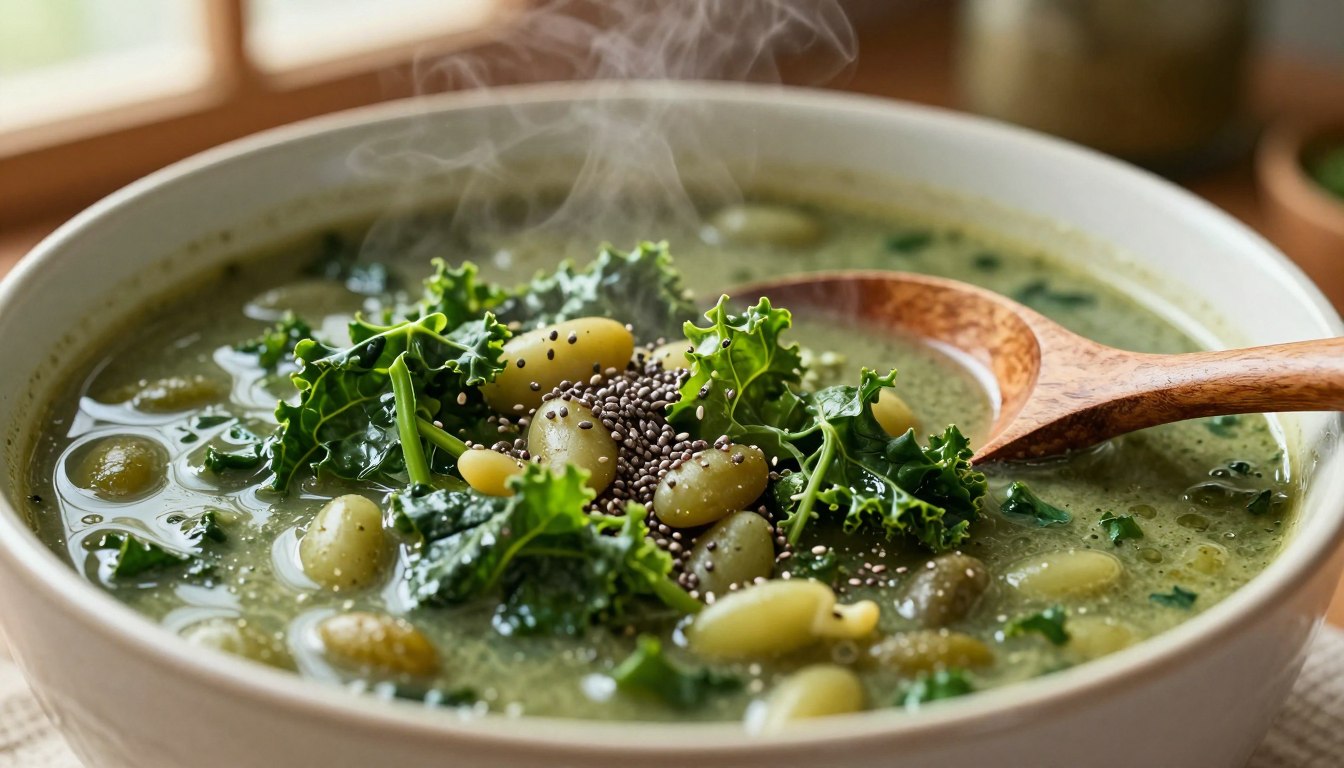
The Best Simple High-Protein, High-Fiber Swamp Soup
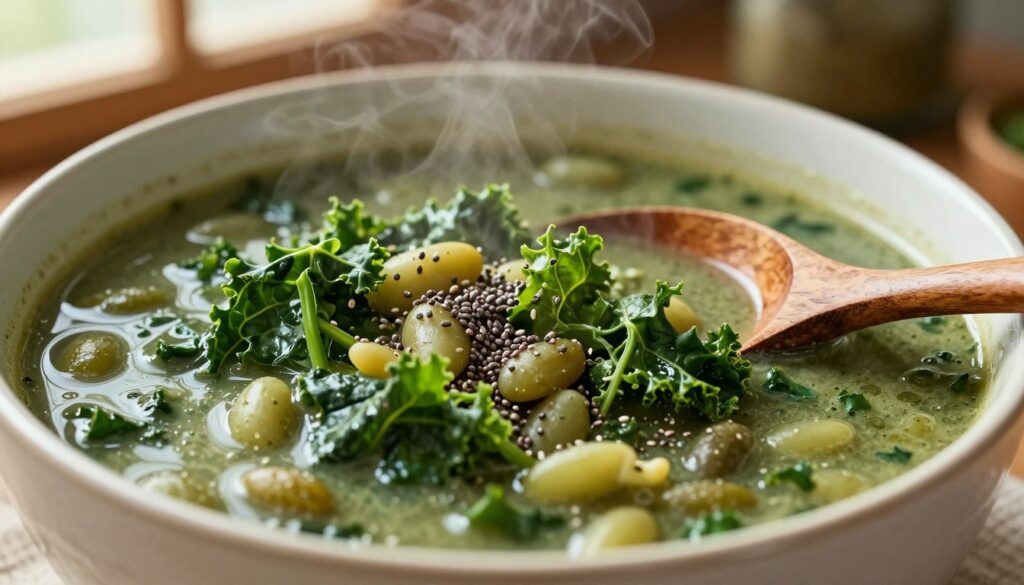
Ever feel stuck in a dinner rut? You’re tired, hungry, and want something tasty but quick. Swamp soup is your answer. It’s a vibrant green soup that’s become a hit online. It’s perfect for those who want to eat healthier without spending hours cooking.
The name might sound odd, but the results are amazing. It’s based on Southern recipes and popular on TikTok. This swamp soup is packed with protein and fiber, making it a nutritious choice.
This soup is special because it’s quick to make and full of nutrients. It’s great for a weeknight dinner, meal prep, or when you’re feeling sick. It’s also a part of the world of nutrient-dense meals, like protein bowls. It offers fast nutrition without being complicated.
Key Takeaways
- Swamp soup is a high-protein, high-fiber meal that takes about 30 minutes to make
- The vibrant green color comes from blended leafy greens like spinach and kale
- This nutritious swamp soup recipe supports weight loss and keeps you feeling full longer
- You can customize a healthy swamp soup recipe to fit any dietary preference or need
- Meal prep swamp soup on weekends for quick, grab-and-go meals during busy weekdays
- The soup contains anti-inflammatory ingredients that support your overall health
- Wishbone Kitchen’s viral version sparked the internet trend that made this recipe famous
What Makes Swamp Soup a Nutrient-Dense Powerhouse
Swamp soup is more than just a trendy dish. It has deep roots in American cooking. It evolved from a Southern comfort food to a wellness sensation. Knowing its history shows why it’s a hit for those seeking healthy meals.
Swamp soup’s journey spans two eras. The first is generations of Southern home cooking. The second is its viral rise, changing how we view green vegetables.
The Origins of Viral Swamp Soup
Traditional swamp soup was filled with greens, beans, and sometimes meat. It was a true comfort food. Meredith from Wishbone Kitchen added a twist with garlic, ginger, and fresh greens. Her simple healthy soup recipe on TikTok won hearts with its vibrant color and flavor.
The name “swamp soup” came from its striking green color. But it was the taste and nutrients inside that truly mattered. The mix of aromatics and greens made it special.
Why This Green Soup Became an Internet Sensation
Swamp soup’s online fame came from flavor, health, and ease. It was great for clearing sinuses and packed nutrients. The recipe was simple, making it a hit.
People loved it because it tasted amazing. The ginger and garlic added depth without extra calories. Making this meal means you’re embracing a wellness trend with real taste and nutrition.
Its appeal also lay in its flexibility. It suited various diets, from vegan to protein-rich. This made it accessible to everyone. Making a immune-boosting green veggie swamp soup at home was a way to enjoy restaurant-quality food while boosting health.
- Simple ingredients you probably have at home
- Quick preparation for busy weeknights
- Packed with vitamins and minerals
- Works for various dietary preferences
- Tastes even better as leftovers
Now you know the story of swamp soup. You’re ready to make your own. It’s all about choosing the right ingredients for maximum nutrition and flavor.
Essential Ingredients for High-Protein High-Fiber Swamp Soup
Starting your high-protein high-fiber swamp soup means picking the right ingredients. Each choice is crucial for a delicious and nutritious meal. It’s where the magic begins.
Leafy greens like spinach and kale are key. They’re affordable, easy to find, and make the soup green. These greens pack a nutritional punch.
- Chickpeas and beans and legumes — Great for plant-based diets, offering 6-8 grams of protein and lots of fiber
- Chicken — A top choice for those who eat meat
- Vegetable or chicken broth — The liquid that ties everything together
Aromatics like garlic, ginger, turmeric, and jalapeños add flavor and health benefits. Green onions and parsley add freshness and more nutrition.
Adding mozzarella cheese, carrots, celery, and onions can enhance the soup’s taste and texture. Tomato sauce and diced tomatoes add acidity and richness. Fresh basil and oregano complete the flavor.
“Whole food ingredients are the foundation of real nutrition. When you choose real foods, you’re choosing health.”
By combining leafy greens, beans, and legumes, your swamp soup becomes a complete meal. It’s not just soup; it’s a dish that nourishes your body and supports your health goals.
The Health Benefits of Loading Up on Leafy Greens and Legumes
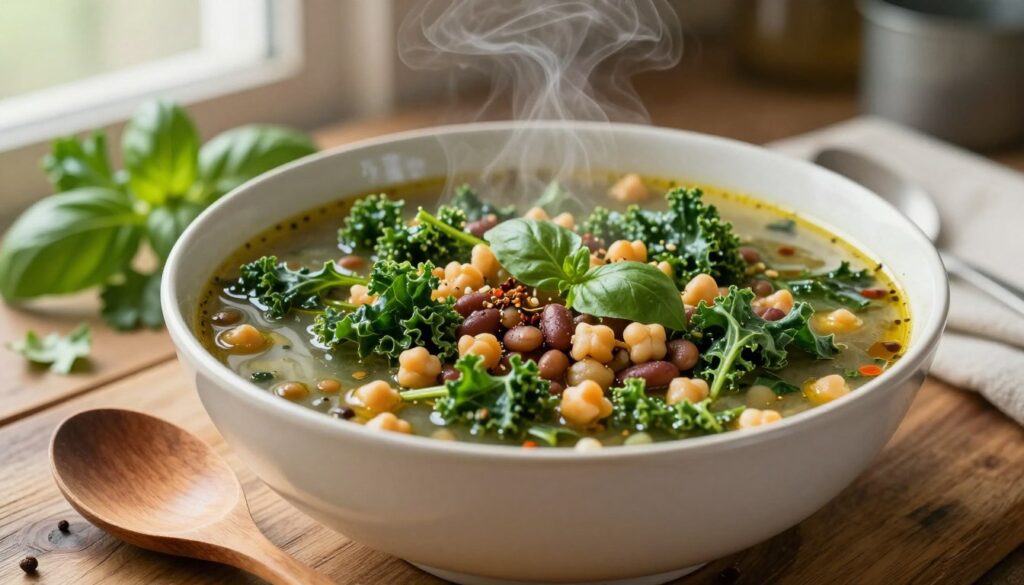
Adding leafy greens and legumes to your swamp soup makes it super nutritious. This mix supports your body in many ways. You get vitamins, minerals, protein, and fiber all in one bowl.
When you blend these ingredients, your body absorbs the nutrients better. This makes your soup work harder for your health.
How Spinach and Kale Boost Your Immune System
Spinach and kale are full of nutrients that help fight illness. They have vitamins A, C, and K. These vitamins boost your immune system.
Spinach also has iron and folate for blood health. Kale has calcium and antioxidants. When these greens mix into your soup, your body uses the nutrients better.
Cooking breaks down plant cell walls. This makes vitamins more available for absorption. You’re making a delicious soup that protects your health.
Why Chickpeas and Beans Add Satisfying Protein
Chickpeas and beans are great for a protein-packed soup. They have built-in fiber. One serving gives you about 6 grams of protein and 5-6 grams of fiber.
This combination keeps you full for hours. The fiber in beans slows down digestion. You stay satisfied longer without extra calories.
This makes your soup perfect for weight loss. When you pair beans with leafy greens, you create heart-healthy ingredients. These support your wellbeing.
| Ingredient | Protein per 100g | Key Benefits |
|---|---|---|
| Chickpeas | 6.3g | Plant-based protein, fiber, iron |
| Black Beans | 8.9g | High protein, antioxidants, folate |
| Kidney Beans | 12.8g | Protein powerhouse, heart-healthy |
| Spinach | 3.7g | Vitamins A, C, K, immune support |
| Kale | 3.7g | Calcium, antioxidants, bone health |
Exploring high-protein vegetables and legumes opens up endless possibilities. The fiber from beans lowers cholesterol levels. The potassium in greens keeps blood pressure healthy.
Mixing greens and legumes creates something powerful. You get a meal that satisfies your hunger while supporting your immune system. This is why high-protein lunches with greens and legumes work so well for keeping you full. Your body thanks you for this nutritious choice.
- Spinach and kale provide immune-boosting vitamins and antioxidants
- Chickpeas and beans offer both protein and fiber for lasting fullness
- The combination creates heart-healthy ingredients for overall wellness
- Blended greens make nutrients easier for your body to absorb
- Beans support weight loss through natural satiety and digestion
Anti-Inflammatory Ingredients That Make This Soup Healing
Feeling sick or dealing with inflammation? Swamp soup is your best friend. It’s packed with anti-inflammatory foods that help your body heal. Unlike pills, these ingredients are tasty and easy to digest.
Turmeric is the hero of any anti-inflammatory soup. It has curcumin, which studies show can ease arthritis pain and swelling. But, curcumin isn’t easily absorbed by the body. That’s where black pepper comes in. It boosts curcumin absorption, making your soup super effective. Making a healthy swamp soup with leafy greens adds more anti-inflammatory goodness.
- Fresh ginger – Reduces muscle soreness and settles your stomach
- Garlic – Contains compounds that boost immunity and fight inflammation
- Jalapeños – Provide capsaicin, which offers natural pain relief
- Leafy greens – Contribute antioxidants and their own anti-inflammatory properties
Together, these ingredients make your soup more than just food. It’s a healing meal that tastes like home. Reach for it when you need to fight inflammation.
Step-by-Step Guide to Making Your Best Swamp Soup

Making a simple, healthy soup is easy. This high-protein dinner is ready in 15 to 30 minutes, perfect for busy nights. You’ll learn to add layers of flavor and make a nutritious soup base. It’s great for digestion and gut health.
The process has two main parts: making your green purée and building the soup base.
Preparing Your Aromatics and Vegetable Purée
Your green purée is key to swamp soup’s taste and nutrition. Start by carefully prepping your ingredients. Remove jalapeño ribs and seeds for less heat, or keep them for more spice. Scrape off ginger and turmeric’s tough spots to peel them.
Here’s what you need for your purée:
- Fresh ginger
- Turmeric root
- Jalapeños (cleaned)
- Garlic cloves
- Green onions
- Fresh parsley
- Kale
- Fresh spinach
Blend all these ingredients until smooth and green. You don’t need to cook your greens first. They’ll cook well in the hot broth. This makes your dinner very nutritious.
Building Flavor Layers in Your Soup Base
Now, build your soup base. Start by melting butter in a pot and sautéing celery, carrots, onion, and garlic until tender. This step adds deep flavors to your soup.
Here’s how to build your layers:
- Sauté aromatics in butter until soft (about 5 minutes)
- Add dried herbs like basil and oregano
- Pour in tomato products and broth
- Bring the mixture to a boil
- Add your prepared green purée and leafy greens
- Reduce heat and simmer for 5 to 10 minutes
- Finish with fresh lemon or lime juice
For a vegan version, use vegetable stock and water. Season with salt and black pepper, then add your purée and chickpeas. Simmer for 5 to 10 minutes. This makes a protein-rich dinner that’s good for you. Add cheese off the heat so it melts into the soup.
Customizing Your Swamp Soup for Different Dietary Needs
Swamp soup is super flexible, fitting into many lifestyles. It’s great for vegans, those with food allergies, or anyone watching their sodium. You can tweak it to meet your nutritional and taste needs.
To make a plant-based high-protein soup, just swap a few things. Use vegetable broth instead of chicken broth. Add chickpeas or Great Northern beans for protein and fiber. This makes your soup both filling and healthy.
For a high-protein vegetarian soup recipe, add more beans, lentils, or tofu. Adding extra beans increases nutrition and portion size without extra cost.
It’s easy to change up the greens and cheese. Pick your favorite greens like mustard, turnip, kale, or spinach. For cheese, try fat-free mozzarella or skip it for a dairy-free option. Choose feta or parmesan based on your preference.
Controlling sodium and allergens is simple. Use no-salt-added canned goods and low-sodium broth. Your protein fiber soup is gluten-free with the right ingredients. Just be sure to check labels to avoid common allergens like wheat, eggs, nuts, soy, and shellfish.
- Adjust heat levels by using fewer or more jalapeños
- Add cayenne pepper for extra spice or keep it mild
- Boost protein with extra chickpeas, white beans, or tofu
- Increase fiber by adding lentils or extra vegetables
- Control sodium with no-salt-added products
Your swamp soup should match your needs. Try different versions until you find the perfect one for you.
Why This Soup Keeps You Full Longer and Supports Weight Loss
A weight loss swamp soup is great because it has protein and fiber. These two nutrients make you feel full for hours. You get 6–8 grams of protein and 5–6 grams of fiber in just 107–140 calories. It’s a fantastic mix for managing your weight.
Many people find swamp soup surprisingly filling, even though it’s mostly vegetables. The secret is how your body breaks down these nutrients. Eating a high-protein soup makes your body work harder, which tells your brain you’re full. The fiber also makes you feel full longer by slowing down digestion.
The Science Behind Protein and Fiber for Satiety
Protein and fiber are key to feeling full. Protein takes longer to digest than carbs, keeping you satisfied. Fiber adds bulk to your stomach and slows down nutrient absorption, making you feel full for hours.
When you mix both in a meal, you get even more fullness benefits. You can check out similar strategies in high-protein breakfast smoothies. But with soup, you get these benefits from whole vegetables, not processed foods.
| Nutrient | Amount Per Serving | Benefit for Fullness |
|---|---|---|
| Protein | 6–8g | Triggers satiety hormones; slows digestion |
| Fiber | 5–6g | Adds bulk; slows stomach emptying |
| Calories | 107–140 | Low intake; high satiety ratio |
| Water Content | High | Fills stomach; supports hydration |
Blood Sugar Balance and Metabolism Support
Your blood sugar affects how hungry you feel. A low-calorie high-protein dinner soup keeps your blood sugar steady. This prevents sharp spikes and crashes that lead to cravings and energy dips.
Steady blood sugar also improves your insulin sensitivity over time. When your body handles glucose well, managing your weight becomes easier. The high water content and nutrient density of swamp soup support metabolism. Your body gets what it needs to function well and burn fat instead of storing it.
Many people find this swamp soup even more satisfying the next day as leftovers. The flavors meld together, and the nutrients continue to keep you full. This makes meal prep simple and sustainable for long-term success.
- Protein slows digestion and triggers fullness signals
- Fiber adds volume and slows stomach emptying
- Stable blood sugar reduces cravings and energy crashes
- Low calories with high nutrition supports sustainable weight loss
- Water content fills your stomach without adding calories
Meal Prep Tips for Making Swamp Soup in Advance
Preparing your swamp soup in advance is easy with a little planning. Cooking it on a Sunday afternoon makes healthy eating simple for the week. The soup’s flavors get better with time, making each bite more delicious.
Your high-protein soup stays fresh for four to five days in the fridge. Cool it down first and store it in airtight containers. Use quality glass containers with tight lids to keep it fresh and prevent odors.
- Cool your soup completely at room temperature before transferring to containers
- Portion your soup into individual servings for grab-and-go convenience
- Store any grain components separately to prevent mushiness
- Keep a container of fresh rice or quinoa to add when reheating
- Label each container with the date you prepared it
- Position containers on the same shelf in your fridge for easy visibility
Don’t worry if the cheese gets firm in the fridge. It will melt well when reheated. Reheat individual portions for the best taste and to avoid heating too much soup at once.
These tips also work for high-protein lunches for work. Cooking in batches saves time and keeps your meals healthy. Your swamp soup becomes a convenient solution for busy weekdays.
“The best part about meal prepping is the freedom it gives you during busy weekdays—no scrambling for lunch ideas when a delicious bowl is waiting for you.”
Starting with swamp soup makes meal prep easy. It helps you avoid unhealthy takeout and keeps your diet on track. This simple method shows that healthy eating can be quick and easy.
Best Ways to Serve and Garnish Your High-Protein Soup
Turning your soup into a fancy dish is easy with a few smart touches. How you present your soup is as important as the ingredients. Your veggie swamp soup recipe should look as good as it tastes.
Fresh garnishes make your soup pop. Here are some finishing touches to enhance your meal:
- Fresh parsley adds a vibrant green color and herbaceous flavor
- Lemon or lime slices let you control the citrus level
- A drizzle of olive oil creates richness and depth
- Red pepper flakes provide a pop of color and gentle heat
- Whole grain crackers on the side add satisfying crunch
Adding a squeeze of lemon or lime juice is key for your high-fiber vegetable soup. It brightens the flavors and adds a fresh twist. This simple step changes the taste completely.
Grain Pairings That Complement the Flavors
Adding grains makes your soup a full meal. When you serve your swamp soup with the right grain, it becomes balanced and filling.
| Grain Option | Flavor Profile | Best For | Extra Benefits |
|---|---|---|---|
| White Rice | Light and neutral | Traditional serving style | Mild taste won’t overpower the soup |
| Brown Rice | Nutty and earthy | Extra nutrition seekers | Additional fiber boosts your daily intake |
| Barley | Chewy and substantial | Texture lovers | Adds wonderful depth to each bite |
| Quinoa | Mild and slightly nutty | Protein maximizers | Complete protein source amplifies nutrition |
You can serve the grain in the bowl or on the side. This way, everyone can customize their meal. Add crusty bread or a side salad for a complete meal.
Pro tip: Use toppings like those in fresh vegetable recipes with lime for your soup. Fresh cilantro and lime wedges are great garnishes.
Storage Guidelines and Reheating Your Swamp Soup
Your homemade low-calorie swamp soup needs the right care to stay fresh and tasty all week. Storing it correctly keeps it safe and preserves the flavors you worked hard to create. Here’s how to keep your soup in great shape.
First, let your soup cool down completely. Place it on your kitchen counter for about 30 minutes. But don’t leave it out for more than 2 hours. This step prevents your soup from getting watery and losing flavor.
Refrigerator Storage Timeline
Your healthy dinner soup under 400 calories stays best in the fridge for 4 to 5 days. Use airtight glass or BPA-free plastic containers. Glass is best because it doesn’t absorb flavors and reheats evenly. Make sure to leave a little space at the top since liquids expand when cold.
| Storage Method | Duration | Best Quality |
|---|---|---|
| Refrigerator | 4-5 days | Full flavor and texture |
| Freezer | Up to 3 months | First month recommended |
| Cooked grains (separate) | 4-5 days | Crispier texture |
| Roasted vegetables (separate) | 4 days | Best texture retention |
Reheating Your Soup Perfectly
When reheating, you have two easy options. Microwave individual portions for 2 to 3 minutes, stirring halfway. This way, your cheese will melt well, and everything will be hot. Or, reheat on the stovetop over medium heat until steam rises.
Leafy greens will soften over time but still keep their nutrients. The soup becomes richer as flavors blend during storage. For the best results, keep grains and broths separate until serving time.
- Cool soup completely before storing
- Use airtight glass containers
- Store for 4-5 days in the refrigerator
- Freeze for up to 3 months
- Reheat in microwave for 2-3 minutes
- Keep portions at 400 calories or under
Pro tip: Your low-calorie swamp soup tastes better the next day. Each serving stays under 400 calories, making it perfect for meal prep all week.
Conclusion
You now have all you need to make swamp soup a part of your healthy diet. This recipe uses whole foods that are good for your body. The green color means you’re getting lots of nutrients.
This soup is easy to make and you can change it up. You can use different veggies and spices. It’s also a great source of protein, which is good for muscles.
Start making your first batch this week. Cook a big pot on Sunday and enjoy it all week. You’ll feel more energy and be full longer. Your body will thank you for choosing real food.
Do you have questions about the recipe? Want to share a variation you tried? Feel free to reach out at latifabenabdelmalak@gmail.com. Your feedback matters, and hearing about your swamp soup success would be wonderful. Now go ahead and get cooking.