The Best Simple Generous Paella Recipe
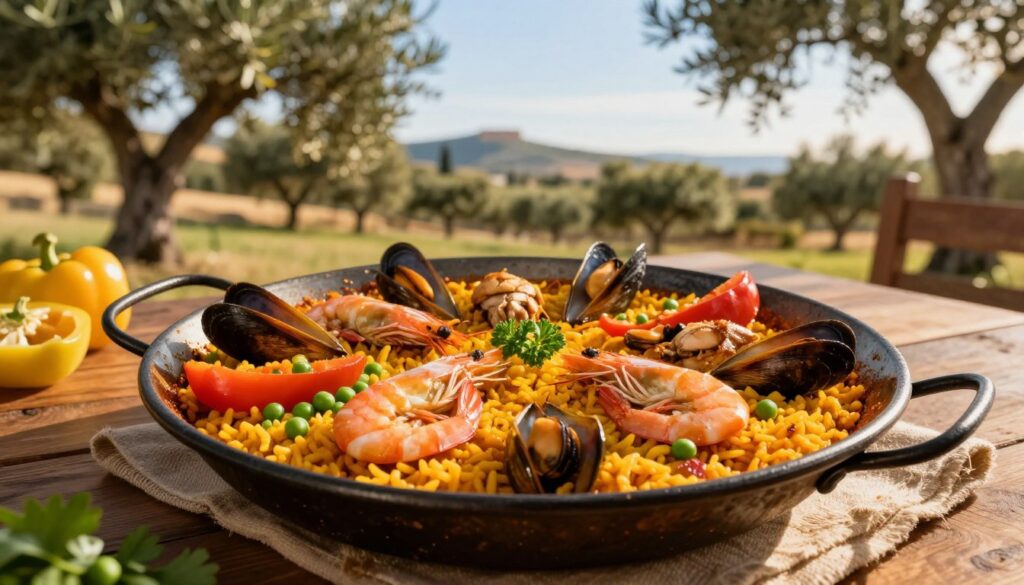
Imagine the warm glow of a setting sun. You’re sitting around a large dining table with your favorite people. You’re sharing stories and laughter. There’s something magical about sharing a meal that brings everyone together.
This simple paella recipe captures that feeling of joy and connection in every bite. It’s filled with vibrant colors and rich aromas of saffron.
This classic meal comes from the sun-drenched Valencia region of Spain. It has traveled across the globe to become a favorite in many American homes. You can customize it with your favorite proteins to match any mood or season.
It’s a versatile choice that feels like a grand celebration, even on a busy Tuesday night.
Cooking at home should never feel like a chore. You want to impress your loved ones with something special. Creating an easy dinner lets you spend more time making memories with those who matter most.
Let the savory scents fill your kitchen as you prepare a feast. It’s generous in spirit and packed with incredible flavor for everyone to enjoy.
Key Takeaways
- Discover the traditional roots of the Valencia region to understand its history.
- Learn how to balance rice and proteins for the best results every time.
- Find out why fresh vegetables and saffron matter most for authentic flavor.
- Master the art of the perfect *socarrat* rice crust on the bottom.
- Enjoy a generous meal that easily feeds a large crowd of your friends.
- Save time with efficient and straightforward kitchen tips for busy cooks.
Why This Traditional Spanish Paella Will Become Your Go-To Dish
Looking for a meal that impresses guests without keeping you in the kitchen all night? You’re in the right place. This traditional paella is a perfect mix of rustic charm and sophisticated flavor. Its vibrant colors and rich aromas make it a hit for any night.
Once you get the hang of it, this recipe will be your go-to. It’s great for a quiet family dinner or a big celebration. You can adjust the ingredients to use what you have on hand.
The History Behind Spain’s Most Famous Rice Dish
This iconic Spanish rice dish started in the 15th century. Farmers in Valencia cooked rice over open fires in the fields. They used nearby ingredients to make a filling meal.
Back then, the recipe had simple proteins like rabbit and chicken. It also had fresh snails and local beans. As it spread, cooks added seafood and spices. This created the traditional paella we know and love today.
What Makes This Authentic Paella Recipe Different
Many modern versions take shortcuts, but our recipe focuses on the basics. A great homemade paella needs quality rice and rich broth. Learn more about the art of paella to see how these elements come together.
This Spanish rice dish stands out for its “sofrito,” the aromatic base. We also don’t stir the rice once it starts simmering. This lets the flavors meld and creates a unique texture.
Why Generous Portions Make Paella Perfect for Gatherings
Paella is more than a meal; it’s a social event. The large pan encourages everyone to gather and share. Sharing a meal from the same vessel creates a unique sense of community and joy.
“Paella is a dish that brings people together, symbolizing the warmth of Spanish hospitality.”
Our homemade paella recipe has big portions of proteins and veggies. It’s the ultimate “one-pot” wonder that impresses without a lot of cleanup. See how the ingredients compare in the table below.
| Feature | Traditional Style | Our Generous Version |
|---|---|---|
| Protein Variety | Rabbit or Chicken | Chicken, Chorizo, and Seafood |
| Vegetable Mix | Green Beans and Peas | Peppers, Onions, and Beans |
| Serving Style | Directly from Pan | Large Family-Style Platters |
Essential Ingredients for Your Homemade Paella
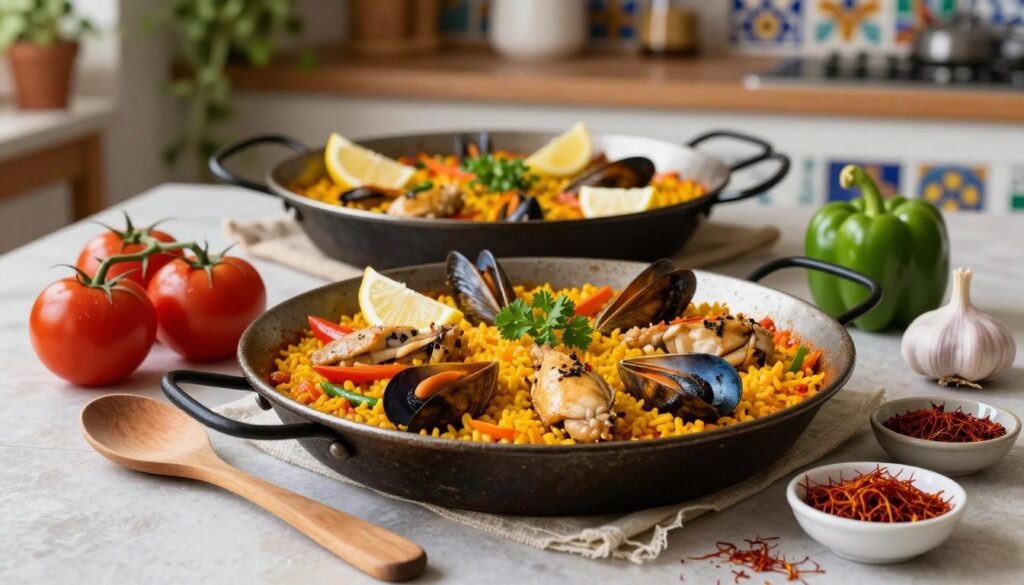
Starting your kitchen masterpiece means picking the freshest ingredients. Each part is crucial for building flavors that make this dish special. Choosing top-quality items makes every bite a celebration of Spanish culture.
To make paella, start with the right rice. Use short-grain rice like Bomba or Calasparra. It absorbs liquid well and stays firm, avoiding a sticky mess.
The heart of a real paella recipe is in the spices and broth. Saffron is essential for its golden color and unique smell. A rich, savory stock is key for deep, complex flavors in the rice.
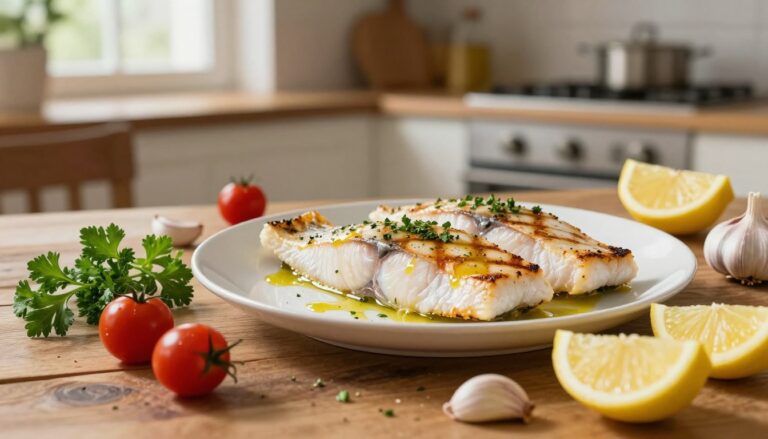
Seafood lovers will enjoy these simple fish recipes for choosing the best seafood. Shrimp, mussels, or firm white fish add great texture. Freshness is key for a memorable meal.
Paella is a dish where the rice is the star, and other ingredients support it.
Don’t forget the veggies and proteins for a full flavor. Traditional paella has chicken, rabbit, or chorizo, with green beans and tomatoes. Using fresh produce makes the sofrito base sweet and balanced.
| Ingredient Category | Specific Item | Key Benefit |
|---|---|---|
| Rice | Bomba or Calasparra | Absorbs flavor without getting mushy. |
| Spices | Saffron & Smoked Paprika | Provides iconic color and smoky depth. |
| Proteins | Chicken & Seafood | Adds heartiness and variety to the dish. |
| Vegetables | Bell Peppers & Tomatoes | Creates a sweet and savory flavor base. |
Kitchen Equipment You’ll Need to Make Paella
Getting your kitchen ready is the first step toward serving a truly spectacular meal. You don’t need a professional chef’s kitchen to make this recipe. But, having the right tools ensures your generous paella turns out perfectly every time.
The Paella Pan: Your Most Important Tool
The most vital piece of equipment you will use is the paellera, or paella pan. For an easy seafood paella, you need a large, shallow pan with a heat-diffusing bottom. This shape allows the liquid to evaporate quickly and evenly across the rice.
Your pan should measure at least 15 inches in diameter for a standard family gathering. It typically features a depth of only 2 to 3 inches. This shallow design is essential because it prevents the rice from stacking too high in the pan.
A wide surface area ensures that every grain of rice touches the bottom or stays close to the heat. This helps you achieve the famous crispy bottom layer that everyone loves. If you use a deep pot, the rice will steam and become mushy instead of firm.
Optional Equipment That Makes Cooking Easier
While the pan is the star of the show, a few other items make the process much smoother. A long-handled wooden spoon helps you stir the base ingredients without scratching the pan surface. You might also want a kitchen timer to track the cooking stages accurately.
If you cook over an open flame, a heat diffuser provides consistent temperature control. This helps you create a generous paella with a perfectly toasted crust. Using a warm pitcher for your broth also keeps the temperature stable when you start an easy seafood paella.
| Pan Diameter | Servings | Ideal Heat Source |
|---|---|---|
| 13 Inches | 2-3 People | Standard Stovetop |
| 15 Inches | 4-6 People | Large Burner |
| 18 Inches | 7-9 People | Outdoor Grill |
Preparing Your Ingredients Before You Start Cooking
Getting ready is key to a stress-free cooking time with a traditional Spanish paella. This dish cooks fast, so have everything ready. This way, you avoid mistakes later.
Professional chefs call this “mise en place,” meaning everything in its place. You’ll feel more confident without searching for spices while cooking. Ten minutes of prep can make your homemade paella recipe taste like it’s from a seaside restaurant.
How to Prep Your Seafood and Proteins
Begin by cleaning your seafood and cutting meats into equal pieces. Chop chicken or rabbit into small pieces for quick browning. Uniformity ensures all protein cooks evenly.
Keep shrimp shells on for extra flavor in the rice. You might also enjoy this versatile fish recipe for another meal. Pat your proteins dry for a better sear.
Chopping and Measuring Your Vegetables
The “sofrito” is the base flavor of any traditional Spanish paella. Dice onions and bell peppers finely for a smooth sauce. Grate tomatoes for a smooth texture, as Spanish cooks often do.
| Ingredient | Prep Method | Pro Tip |
|---|---|---|
| Onions | Fine Dice | Keep them small for even melting. |
| Bell Peppers | Small Strips | Use red and green for color. |
| Garlic | Minced | Add this last to avoid burning. |
Getting Your Broth Ready
Your broth is the moisture and seasoning for the rice in your homemade paella recipe. Use warm broth to avoid shocking the rice. Keep it simmering in a separate pot.
“Infusing your warm broth with saffron threads before adding it to the pan ensures a vibrant golden color and an earthy aroma throughout the dish.”
Measure your liquid carefully to avoid mushy rice. Warm broth is essential for the right texture. Once your broth is ready and your vegetables are chopped, you’re set to start cooking.
Step-by-Step Instructions for Cooking Traditional Paella
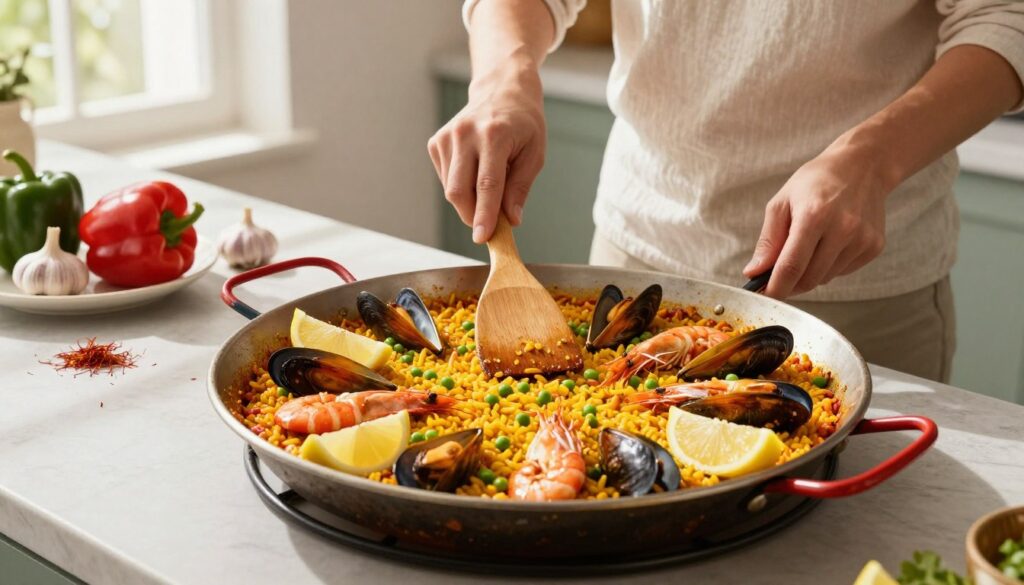
Turning raw ingredients into a vibrant feast is rewarding. It starts with a hot pan. To get classic Spanish results, follow a specific order. Cooking an easy paella dinner requires your full attention, but the reward is a spectacular meal that impresses every guest.
Patience is your best friend during this process. You will watch the colors change and smell the saffron infusing the air. Let’s dive into the heat and start building those iconic layers of flavor.
Building Your Flavor Base with Sofrito
The foundation of any great Spanish dish is the sofrito. Start by heating a generous amount of olive oil in your wide pan over medium heat. Sauté your diced onions and bell peppers until they become soft and translucent.
Add your minced garlic and grated tomatoes to the mix. Cook this mixture slowly until the water from the tomatoes evaporates and the sauce turns a deep, dark red. This concentrated base is the secret to how to make paella with authentic depth.
Adding the Rice and Creating the Perfect Layer
Once your sofrito is ready, pour in your short-grain rice. Stir the grains for a minute or two to ensure they are completely coated in the oil and tomato base. This “toasting” step helps the rice maintain its structure during the long simmer.
Pour in your warm, saffron-infused broth and spread the rice into one even layer across the pan. Do not stir the rice again after this point. Moving the rice releases starch, which makes the dish creamy rather than fluffy and distinct.
Incorporating Your Proteins and Seafood
As the rice begins to absorb the liquid, it is time to add your proteins. Nestle your pre-browned chicken or chorizo back into the rice so they can finish cooking. The juices from the meat will seep into the grains, adding even more richness to your easy paella dinner.
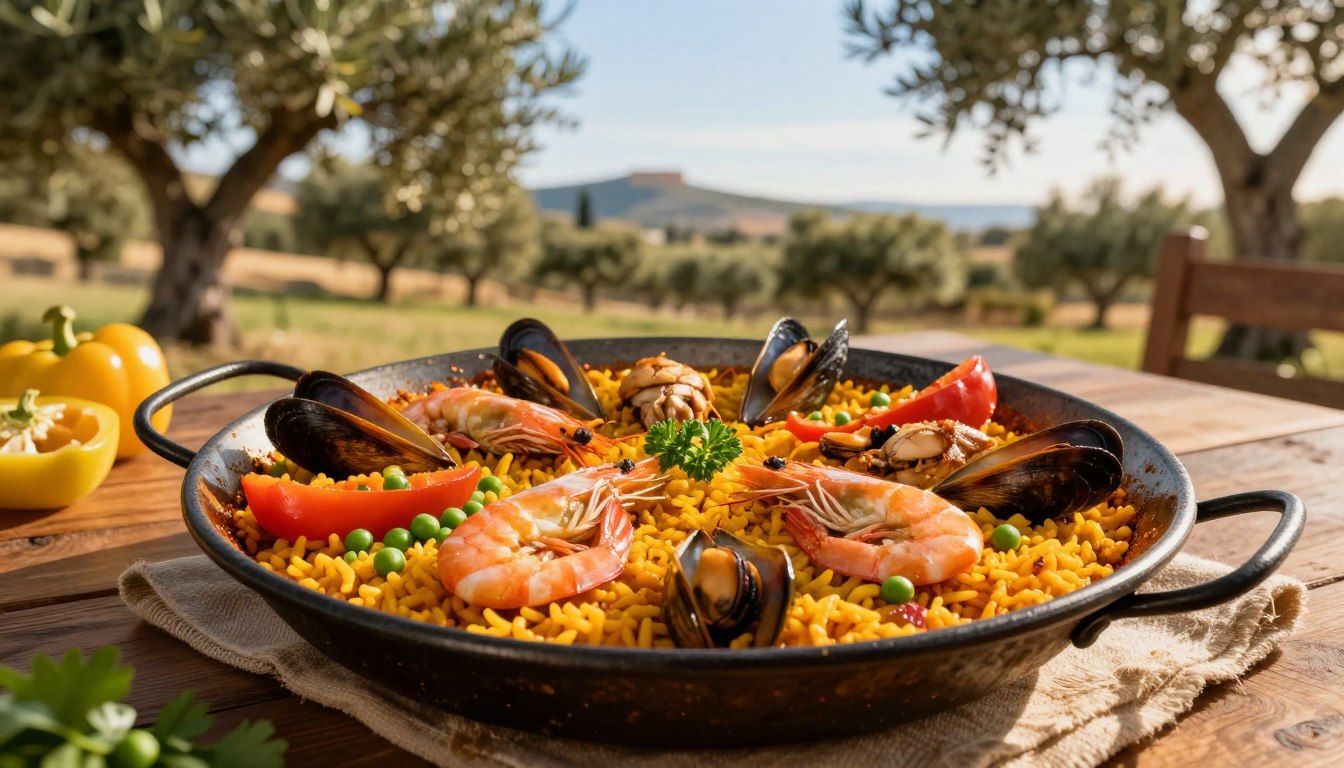
During the last five to eight minutes of cooking, arrange your shrimp, mussels, or clams on top. The rising steam will gently cook the seafood until the shells open and the shrimp turn pink. If you need more help with timing, this paella recipe provides a great visual guide for seafood placement.
Achieving the Coveted Socarrat Crust
The final stage is the most exciting: creating the socarrat. Turn the heat up to medium-high for the last two minutes of cooking. Listen closely for a faint crackling or popping sound coming from the bottom of the pan.
This sound indicates that the liquid is gone and the bottom layer of rice is toasting against the metal. This crunchy, caramelized crust is the most prized part of the entire dish. Be careful not to let it smell burnt; you want a deep golden brown, not black.
| Cooking Stage | Approximate Time | Key Goal |
|---|---|---|
| Sofrito Base | 10-15 Minutes | Develop deep flavor |
| Rice Simmer | 15-20 Minutes | Absorb broth evenly |
| Socarrat Finish | 2 Minutes | Create crispy bottom |
“The socarrat is the soul of the paella; without that toasted crunch, the dish is merely rice and meat.”
Tips for Perfecting Your Simple Paella Recipe
To make your authentic paella recipe stand out, pay attention to the small details. These details can turn a simple dish into a generous paella feast. Start by choosing the best ingredients for the best taste.
Remember, never stir the rice once it starts simmering. Stirring can make the rice creamy like risotto, which isn’t what you want. You want the rice to stay firm and absorb the broth well.
“The secret of a great paella is not just the ingredients, but the patience of the cook who lets the fire do its magic.”
To get the right consistency, cook at a steady, medium-low heat. This lets the liquid evaporate slowly, making the rice soft but not mushy. If the rice seems too dry, add a little warm broth.
The socarrat is the crispy rice layer at the bottom. To get this, increase the heat for the last two minutes. You’ll hear a crackling sound when the rice is toasting.
| Feature | Ideal State | What to Avoid |
|---|---|---|
| Rice Texture | Al dente and separate | Mushy or sticky grains |
| Socarrat | Golden-brown crust | Burnt or black bottom |
| Broth Level | Fully absorbed | Soupy or watery base |
Always let your generous paella rest for 5 to 10 minutes before serving. Cover it with a towel or foil to keep the steam in. This resting time helps the flavors meld and the rice to reach its best texture.
How to Serve Your Easy Paella Dinner
Bringing a traditional Spanish paella to the table is a moment of pure joy. It’s a chance to share a special moment with your loved ones. The effort you put into making it shows in the presentation.
The look of your meal is part of the magic. When you serve your homemade paella, let the saffron and seafood colors shine. Here are some tips to make your dinner look as good as it tastes.
Traditional Spanish Presentation Methods
In Spain, the pan is the star. Always bring the entire paella pan to the center of the table. This lets everyone see the vibrant ingredients and golden rice before you start serving.
Top it with fresh lemon wedges in a circle. Add some chopped parsley over the seafood for a burst of green. These touches make your traditional Spanish paella look authentic and inviting.
Paella is more than just a meal; it is a celebration of life and community shared around a single pan.
Best Side Dishes and Accompaniments
Since paella is hearty, keep your side dishes light and refreshing. A simple green salad with citrus vinaigrette is perfect. You might also serve crusty bread to soak up juices.
For more ideas, check out these flavor-packed fish recipes with simple ingredients. Adding different textures makes the meal complete. Here are some popular options for your traditional Spanish paella feast:
- Ensalada Mixta: A classic Spanish mixed salad with tomatoes and olives.
- Garlic Bread: Perfect for those who love a bit of crunch.
- Pimientos de Padrón: Small, blistered peppers that add a fun kick.
Wine Pairings That Complement Paella
Choosing the right drink can elevate your homemade paella. You want a wine that balances the savory spices without overpowering the seafood or meat. Spanish wines are the best choice for this occasion.
Whether you prefer white, red, or rosé, there’s a perfect bottle for you. Use the table below to find your ideal match for your dinner.
| Wine Type | Specific Variety | Why It Works |
|---|---|---|
| White Wine | Albariño | Its high acidity and citrus notes pair beautifully with seafood. |
| Rosé Wine | Garnacha Rosado | A dry rosé offers a fruity balance to the savory saffron rice. |
| Red Wine | Tempranillo (Joven) | A young, light red won’t overwhelm the dish like a heavy wine. |
Common Mistakes to Avoid When Making Paella
Learning to avoid common mistakes is key to making your easy seafood paella taste like it’s from Valencia. Even if you follow a recipe well, small errors can change the dish’s texture and flavor.
Choosing the wrong rice is a big mistake. You need short-grain Spanish rice, like Bomba, to soak up the broth without getting sticky or gummy.
Another common error is stirring the rice once it’s in the pan. Unlike creamy risottos, a traditional paella needs to sit still to get its unique texture.
Stirring breaks the rice grains and releases too much starch, ruining the texture. You want the rice to be tender but separate and full of flavor.
If you want to learn more about troubleshooting, check out the most common mistakes when making paella. This guide covers seasoning, heat management, and more for beginners.
Managing the heat is crucial for success. If the flame is too low, you won’t get that crispy bottom layer, the socarrat.
But if the heat is too high, you risk burning the rice before it cooks fully. It’s a delicate balance that needs your full attention during the final minutes.
“The soul of a paella is the rice, and the heart is the socarrat.”
Lastly, avoid overcrowding your pan with too many toppings. While a generous portion is great, too much meat or seafood can steam the rice instead of frying it properly.
To help you succeed, remember these traditional paella tips for your next easy seafood paella night:
| Common Mistake | Impact on Dish | Correct Action |
|---|---|---|
| Stirring the rice | Mushy, sticky texture | Leave it undisturbed |
| Using cold broth | Unevenly cooked rice | Always use hot broth |
| Low heat at the end | No socarrat crust | Increase heat slightly |
| Wrong rice variety | Hard or soggy grains | Use Bomba or Calasparra |
Conclusion
You now have the skills to make this Spanish classic in your kitchen. This simple paella recipe brings Valencia’s vibrant flavors to your table. Invite friends and family for a memorable meal.
The aroma of saffron and smoked paprika will make your home warm and inviting. Using the right tools, like a carbon steel pan, is key. Your homemade paella will impress with fresh seafood and rich Goya saffron.
The crispy rice layer at the bottom is a true mark of expertise. It tastes amazing. Making this dish requires patience and attention to detail.
This recipe aims to inspire you to try Spanish cooking. With the right tips, you can create a delicious, authentic meal. You can also try different proteins like chicken or chorizo.
Matiz Bomba rice ensures the perfect texture every time. Enjoy the process of creating something beautiful and delicious. Cooking for others shows you care.
Your guests will appreciate the effort you put into this authentic meal. Keep your kitchen stocked with quality ingredients. You’re ready to impress with your new talent.
This meal is about sharing culture and making memories. Grab your apron and start your Spanish adventure now. You’ll find joy in every spoonful.
## FAQ
### Q: What is the best type of rice to use for an authentic paella recipe?
A: For the perfect homemade paella, use short-grain rice. Bomba or Calasparra rice, like Matiz, is best. They soak up broth well and stay firm. Don’t use long-grain or arborio rice; they’re not right for traditional Spanish paella.
### Q: Can I make this spanish rice dish if I don’t own a specific paella pan?
A: You can still make great paella without a special pan. A large, heavy-bottomed stainless steel skillet works well. Just make sure it’s wide enough for the rice to cook evenly.
### Q: How can I ensure I get the perfect “socarrat” crust on my traditional paella?
A: The socarrat is the toasted rice layer everyone loves. To get it, don’t stir the rice once it’s simmering. Turn the heat up in the last two minutes. You’ll hear crackling and smell a toasted aroma, meaning your crust is forming.
### Q: Is it possible to prepare a quick paella dish for a busy weeknight?
A: Yes! Use pre-made broth, like Aneto Natural Stock, and prep veggies ahead. This makes a complex meal quick and flavorful, ready in under 45 minutes.
### Q: What makes this a particular generous paella for dinner parties?
A: This paella is generous, with lots of seafood and proteins. It has shrimp, clams, and Spanish chorizo, making it hearty and impressive. It’s perfect for a big celebration.
### Q: Can I easily swap ingredients to make an easy seafood paella?
A: Yes, this dish is versatile. For seafood paella, swap land proteins for seafood like squid or scallops. Use crustacean stock for brinier flavors.