The Best Ideas: Simple School Lunch Savory Muffins

Ever felt that sinking feeling when your kid sends back their lunch? It’s tough when you’re trying to pack healthy meals. Simple school lunch savory muffins can make a big difference.
These muffins aren’t fancy or hard to make. They’re easy, delicious, and your kids will love them. Parents everywhere have found them to be a game-changer.
Maybe your kid doesn’t like veggies. Or maybe you’re sick of making the same old sandwiches. Finding foods that stay fresh until lunch can be a challenge. Savory muffins solve all these problems.
This guide will show you the ropes. You’ll learn quick recipes that take only 20 to 30 minutes. You’ll see how to make flavors your family will enjoy. Plus, you’ll discover ways to freeze them for easy mornings.
Key Takeaways
- Savory muffins are quick to bake using simple one-bowl methods that beginners can master
- These muffins pack vegetables and proteins that kids enjoy eating without complaint
- You can prepare and freeze batches ahead for busy school weeks
- Savory muffins stay fresh and moist in lunchboxes until lunchtime
- Recipe variations let you customize flavors for picky eaters and different preferences
- Homemade versions cost less than store-bought lunch options
Why Savory Muffins Are Perfect for School Lunches
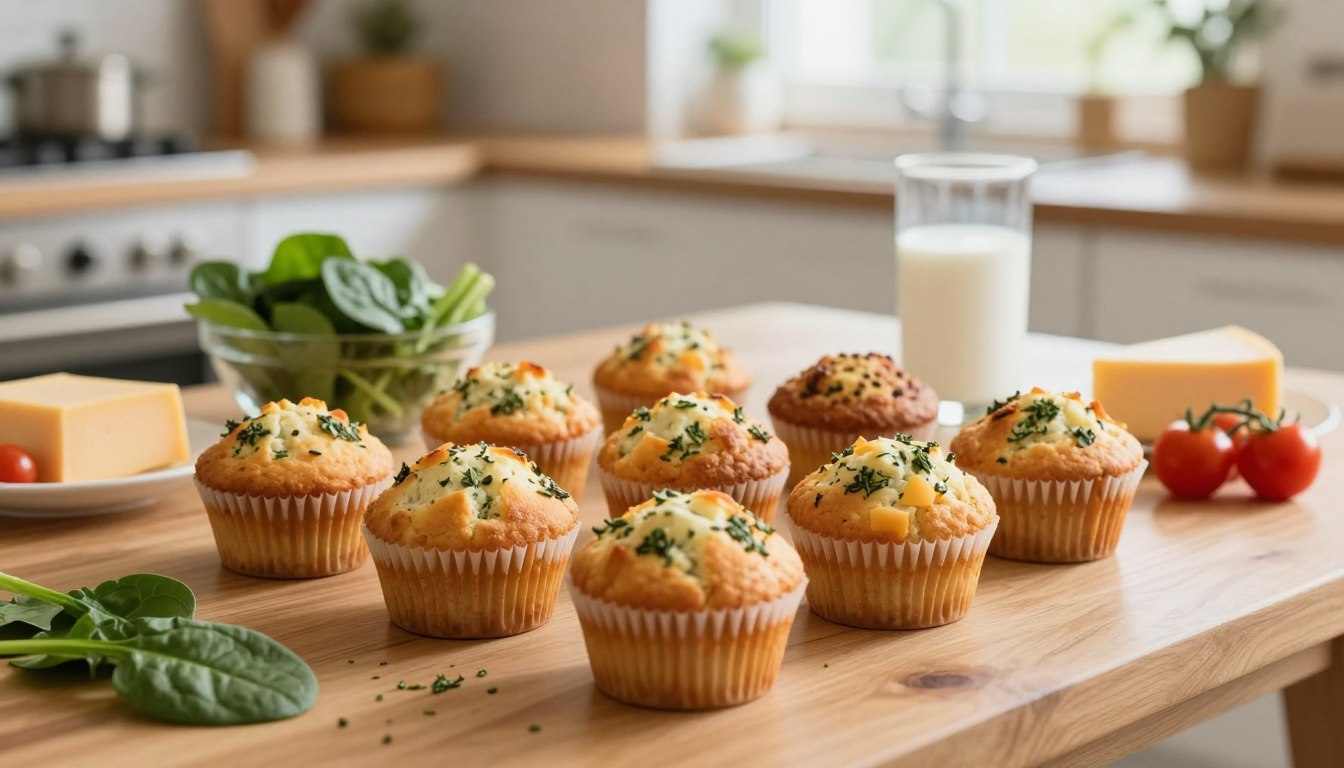
Packing lunch for school can be easy. Savory muffins are a great choice. They are nutritious, convenient, and tasty. They are perfect for busy families who want their kids to enjoy their lunch.
Nutritious and Balanced Meal Option
When you make school snack muffins at home, you choose every ingredient. They have veggies, eggs, cheese, and whole grains. This means your kids get protein, fiber, and carbs in one snack.
Each muffin has about 217 calories. It has 6.7 grams of protein and 16.7 grams of carbs. The veggies add vitamins and minerals your kids need.
Easy to Pack and Transport
Healthy muffin recipes are great for packing. They stay fresh and don’t need utensils or refrigeration. Your child can eat them easily at lunchtime.
A Yumbox lunchbox keeps muffins separate from other foods. The wrapper on each muffin keeps hands clean and prevents crumbs.
Kid-Approved Flavor Profiles
Kids love the flavors in these muffins. They taste like pizza or cheese bread. Mild veggies and spices make them interesting without being too strong.
When kids like their lunch, they don’t trade food or waste it. The cheesy flavors make eating healthy a treat. They see these muffins as food they want, not something they have to eat.
| Benefit | Why It Matters | Practical Impact |
|---|---|---|
| Nutritional Balance | Vegetables, protein, and grains in one portion | Complete meal covering multiple food groups |
| Portability | No special containers or utensils needed | Easy for kids to eat independently |
| Kid Appeal | Familiar cheese and mild flavors | Higher chance kids will actually eat them |
| Make-Ahead Friendly | Prepare on weekends for the week ahead | Saves time on busy school mornings |
| Storage Options | Refrigerator and freezer safe | Extended freshness and meal prep flexibility |
By making your own muffins, you control what they eat. Your weekend prep helps your kids have healthy, tasty lunches all week.
Essential Ingredients for Simple School Lunch Savory Muffins
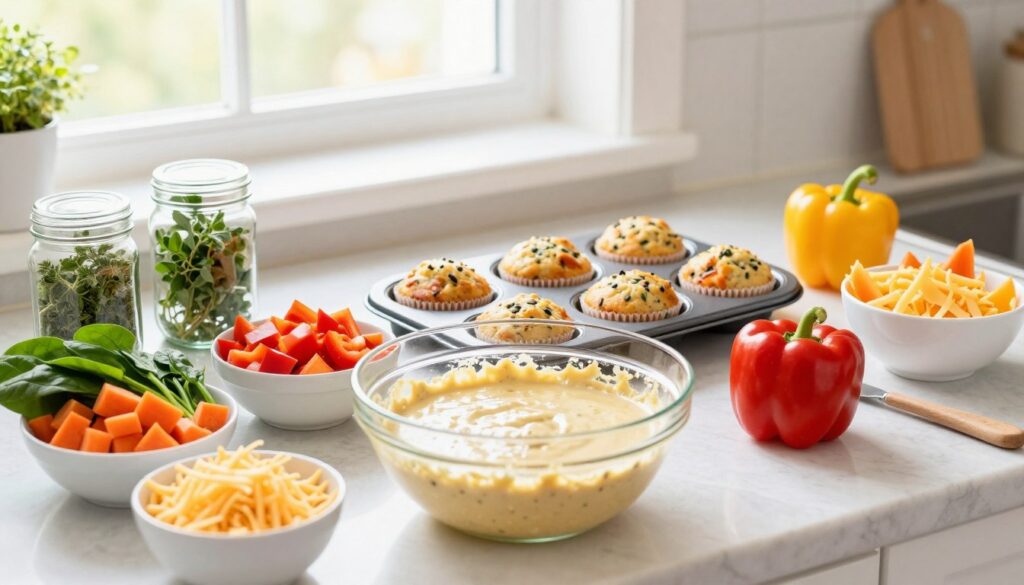
Creating healthy savory muffins for kids is easy with ingredients you probably have at home. You don’t need fancy or expensive items to make tasty muffins. Here’s what you need to start.
Basic pantry staples are key for easy savory muffins. You’ll need self-raising flour or all-purpose flour mixed with baking powder. This makes your muffins light and fluffy. Eggs provide binding and protein, while whole milk adds moisture. Olive oil or melted butter adds richness.
Using real, whole foods is important for savory muffins without processed ingredients. Here’s what you’ll use:
- Self-raising flour or all-purpose flour
- Baking powder for lift and rise
- Eggs (usually 2-3 per batch)
- Milk (whole milk works best)
- Olive oil or melted butter
- Cheddar cheese (sharp or mild, your choice)
- Fresh or frozen vegetables
- Garlic granules and dried herbs
Frozen vegetable mixes are great for budget-friendly lunches. They cost just a few dollars and include carrots, corn, peas, and zucchini. Regular cheddar cheese is perfect, and you don’t need expensive types. Garlic granules and dried herbs add flavor without needing fresh herbs.
These ingredients are very affordable. You can make a batch for under five dollars. This makes it a smart choice for school lunches.
| Core Ingredient | Purpose | Budget-Friendly Option |
|---|---|---|
| Flour | Structure and body | All-purpose or store-brand self-raising |
| Baking Powder | Lift and rise | Generic brand works perfectly |
| Eggs | Binding and protein | Regular brown or white eggs |
| Milk | Moisture and tenderness | Whole milk or 2% milk |
| Fat | Richness and flavor | Olive oil or melted butter |
| Cheese | Savory depth | Block cheddar, shredded yourself |
| Vegetables | Nutrition and moisture | Frozen vegetable mixes |
| Seasonings | Flavor complexity | Garlic granules, dried herbs |
Making healthy savory muffins at home lets you control what goes into them. No additives or preservatives. Just real ingredients that nourish and make lunch exciting.
The Basic One-Bowl Savory Muffin Recipe
Making savory muffins in 30 minutes is easy. This one-bowl method makes cleanup simple and ensures tasty results. You mix everything in one bowl, making it easy and stress-free. It’s perfect for quick breakfast muffins your family will love.
This method is simple. First, mix wet ingredients. Then, add dry ingredients and gently fold in vegetables and cheese. This avoids tough, dense muffins.
Mixing Your Wet Ingredients
Start by beating eggs in a large bowl until frothy. This adds air for rising. Then, add milk and olive oil and mix until smooth.
Next, add cheese, garlic, sage, cumin, and pre-cooked vegetables. Mix well before adding dry ingredients. This spreads flavors evenly in your muffins.
Combining Dry Ingredients Properly
Separately, mix flour, baking powder, salt, and pepper in a bowl. Whisk to spread leavening agents evenly. This helps muffins rise evenly.
Make a well in the dry ingredients. Pour in the wet mixture and whisk until just combined. A little lumpiness is okay for healthy baking.
| Ingredient Type | Temperature/Preparation | Mixing Method |
|---|---|---|
| Eggs | Room temperature | Beat until frothy |
| Milk and Oil | Room temperature | Beat with eggs until smooth |
| Flour and Baking Powder | Dry ingredients | Whisk together with salt and pepper |
| Vegetables and Cheese | Pre-cooked or finely chopped | Fold gently into batter |
Folding in Vegetables and Cheese
Folding in vegetables and cheese makes your muffins special. Use a spatula for gentle folding. Make about 15 to 20 folds until just combined.
Fill muffin tins three-quarters full. Bake at 180°C fan or 200°C conventional for 15 to 25 minutes. A toothpick should come out clean when done.
- Preheat your oven to 180°C fan or 200°C conventional
- Beat eggs until frothy before adding wet ingredients
- Whisk dry ingredients to distribute baking powder evenly
- Fold vegetables and cheese gently into batter
- Fill muffin tins three-quarters full
- Bake for 15 to 25 minutes until a toothpick comes out clean
This recipe makes perfect muffins for school lunches. The gentle folding makes them light and fluffy. Now, you can create many variations of quick lunchbox muffins your family will love.
Best Vegetable Add-Ins for Kid-Friendly Savory Muffins
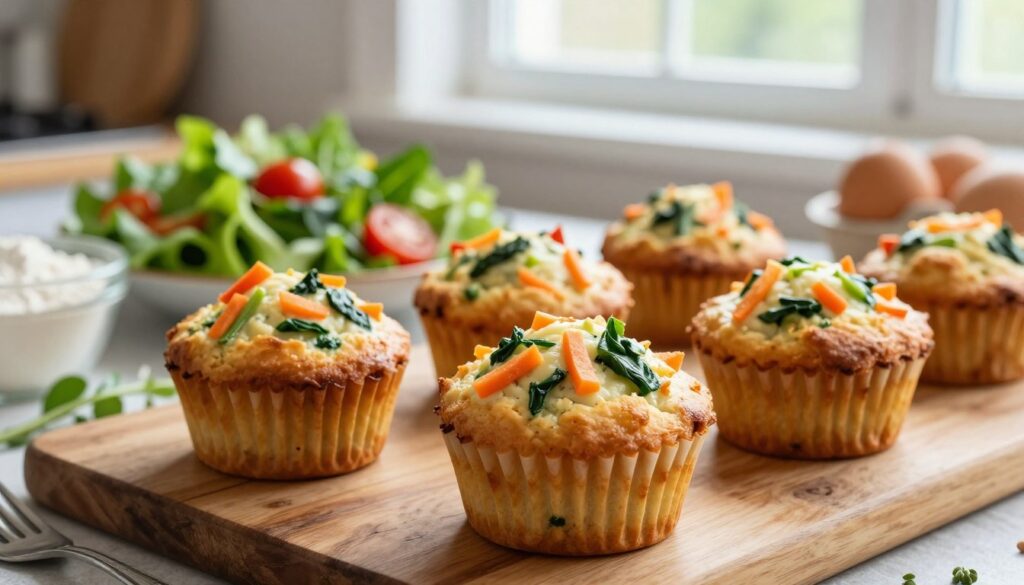
Choosing the right vegetables is key for making vegetable muffins for kids lunches. You want to pick veggies that mix well into the batter and don’t scare off picky eaters. The best ones have mild flavors or become almost invisible when finely chopped or grated.
Start with these kid-friendly options that are great for vegetable savory muffins for school:
- Grated zucchini adds moisture without strong flavor. Salt it first, let it sit for 20 minutes, then squeeze out excess water to prevent soggy muffins.
- Grated carrot brings natural sweetness and pretty orange specks that kids notice.
- Corn kernels (fresh, frozen, or canned) deliver pops of sweetness and fun texture.
- Frozen vegetable mixes offer instant convenience with zero prep work.
Some veggies need cooking before mixing into your batter. Bell peppers, mushrooms, and spinach should be cooked and cooled first. Raw options like zucchini and carrot work perfectly straight from prep.
Use about 1 to 1.5 cups of vegetables per batch. According to detailed guidance on vegetable muffins preparation, you can experiment with broccoli, sweet potatoes, peas, and cauliflower too. Frozen vegetables work just as well as fresh ones.
Building healthy school lunch muffin ideas means considering how different vegetables affect moisture. Wet vegetables like zucchini need that salting trick. Drier vegetables like corn need less attention. This balance keeps your muffins tender without being mushy.
Creating easy savory muffins for picky eaters starts simple. Begin with mild vegetables like corn and carrot. Gradually introduce stronger flavors like spinach as your kids get comfortable. Pre-grated vegetables from the store save you time on rushed mornings.
| Vegetable | Preparation Method | Amount Per Batch | Kid Appeal |
|---|---|---|---|
| Grated zucchini | Salt, rest 20 min, squeeze dry | 1 cup | Very high (mild taste) |
| Grated carrot | Grate fresh | 1/2 cup | Very high (sweet) |
| Corn kernels | No prep needed | 1 cup | Very high (texture) |
| Spinach | Cook and cool first | 1/2 cup | Moderate (introduce gradually) |
| Bell peppers | Cook and cool first | 1/2 cup | Moderate (mild when cooked) |
Cheese and Protein Options to Boost Nutrition
Creating protein-packed savory muffins for kids starts with choosing the right ingredients. The cheese and protein you pick turn these muffins into nutritious meals. They keep your kids full and focused through the school day. Your choices affect both taste and nutrition, making these muffins a balanced school meal your family will love.
Choosing the Right Cheese for Maximum Flavor
Sharp cheddar cheese is the top choice for these muffins. It melts well and adds a strong, savory flavor. You’ll need about 1 to 1.5 cups of grated cheese per batch, depending on how cheesy you like them.
Avoid mozzarella, even if kids like it. It gets rubbery when baked and lacks the bold flavor needed. Instead, try these alternatives:
- Cheddar (sharp or mild, based on your preference)
- Tasty cheese (similar to sharp cheddar)
- Parmesan (adds umami depth)
- Feta (creates tangy flavor bursts)
- Colby Jack (milder option for sensitive palates)
You can use pre-shredded or freshly grated cheese. Both work well for this recipe, making meal prep easier. Just avoid cheese with anti-caking powder for the smoothest texture.
Adding Ham, Bacon, or Plant-Based Proteins
Building balanced school meals means adding more protein than just cheese. Including meats like diced ham or cooked bacon makes the muffins complete lunches. Add about 1/2 to 1 cup of chopped, cooked meat per batch.
Cooked bacon crumbles add great texture and smoky flavor. Ham dices blend smoothly into your batter. Cooked chorizo brings spicy warmth that kids often enjoy. You can also mix in cooked, chopped chicken for a lighter option.
For plant-based families, protein-packed lunch muffins work well with alternatives like crumbled cooked tempeh, diced firm tofu, or roughly mashed canned chickpeas. These options keep your muffins vegetarian while maintaining their nutritious appeal.
| Protein Source | Amount Per Batch | Preparation Method | Best For |
|---|---|---|---|
| Diced Ham | 1/2 to 1 cup | Chopped into small pieces | Classic flavor kids recognize |
| Cooked Bacon | 1/2 to 1 cup | Crumbled finely | Added smokiness and texture |
| Cooked Chorizo | 1/2 to 3/4 cup | Crumbled or diced small | Spicy kick for adventurous eaters |
| Cooked Chicken | 1/2 to 1 cup | Diced finely | Mild protein option |
| Cooked Tempeh | 1/2 to 3/4 cup | Crumbled after cooking | Plant-based with nutty flavor |
| Firm Tofu | 1/2 to 3/4 cup | Diced into small cubes | Vegetarian, neutral flavor |
| Canned Chickpeas | 1/2 to 3/4 cup | Drained and roughly mashed | Vegan option with hearty texture |
Adding extra protein makes these muffins more filling. Your kids stay satisfied longer, avoiding energy crashes from carbs alone. This keeps them focused during afternoon classes and ready for homework.
Baking Tips for Perfectly Golden Savory Muffins
To make savory muffins that stay moist, focus on the baking process. The right temperature, timing, and technique are key. Preheat your oven to 180°C (fan-forced) or 200°C (conventional) for the best results.
When making batch cooking for lunch, preparation is key. Use paper liners in your muffin tin to prevent sticking. Fill each cup three-quarters full to allow for rise and even baking.
Baking time is crucial for snacks that are fresh and moist. Bake for 15 to 18 minutes until golden and a skewer comes out clean. Avoid opening the oven door early to prevent sinking.
Let muffins cool in the tin for 5 to 10 minutes before transferring to a wire rack. This ensures they cool evenly.
| Muffin Size | Baking Time | Oven Temperature | Cool Time in Tin |
|---|---|---|---|
| Standard (12-hole tin) | 15-18 minutes | 180°C fan / 200°C conventional | 5-10 minutes |
| Mini muffins | 10-12 minutes | 180°C fan / 200°C conventional | 3-5 minutes |
| Jumbo muffins | 25-30 minutes | 180°C fan / 200°C conventional | 10-15 minutes |
Common baking problems have simple fixes. Dry muffins might mean overbaking or too much flour. Pale tops suggest a cool oven—use a thermometer to check.
For even browning, rotate your pan halfway through baking. Keep these tips handy for making epic one-bowl savory muffins successfully.
- Use an oven thermometer to verify your oven’s true temperature
- Never open the oven door during the first 12 minutes of baking
- Test doneness with a toothpick—it should come out clean or with minimal crumbs
- Cool completely on a wire rack to prevent soggy bottoms from steam
- Check that muffin tops are golden brown before removing from oven
Proper cooling prevents your lunch from falling apart. Resting muffins in the tin allows them to set before moving. Once on the wire rack, they cool completely, avoiding a dense texture.
Make-Ahead and Freezer-Friendly Lunch Prep Strategies
Once you’ve mastered baking freezer-friendly savory muffins, the real magic happens in how you store and prepare them for the week ahead. Turn your baking into a smart lunchbox meal prep system. This keeps your mornings stress-free and your kids happy. By learning proper storage techniques and freezing methods, you’ll have homemade snacks ready to grab at a moment’s notice.
Proper Storage Methods for Maximum Freshness
After your muffins cool completely, place them in airtight containers. This locks in moisture and prevents them from picking up refrigerator odors. Your make-ahead school lunch recipes will stay fresh for 3-4 days in the fridge or up to 5 days in a cool pantry. Parchment paper between layers keeps muffins from sticking together and helps maintain that perfect golden dome.
If you prefer room temperature muffins at lunchtime, pack them the night before. Kids often enjoy savory muffins best when they’re slightly warm or at room temperature. This approach works perfectly for your make-ahead school lunch ideas.
Freezing and Reheating Instructions
For maximum flexibility, freeze your muffins right after they cool. Spread them on a baking sheet and freeze for about one hour until solid, preventing them from clumping together. Then, transfer to freezer bags or snap-lock containers and label with the date and flavor. Your freezer-friendly savory muffins will keep for 2-3 months, giving you weeks of ready-made options.
Reheating is simple and quick. Thaw muffins overnight in the fridge, microwave from frozen for 30-60 seconds, or warm in a 150°C oven for 10-15 minutes. Many families following make-ahead school lunch recipes bake a triple batch on Sunday and freeze portions for the entire week.
This freezing strategy works beautifully with protein-packed options like egg muffins too. Following breakfast meal prep ideas, you can prepare savory egg muffins with spinach, bell peppers, and cheese. Then, freeze them for grab-and-go lunches throughout the month.
| Storage Location | Freshness Duration | Best For |
|---|---|---|
| Cool Pantry | Up to 5 days | Same-week lunches |
| Refrigerator | 3-4 days | Quick access |
| Freezer | 2-3 months | Long-term meal prep |
Block out 3-4 hours each week for your freezer-baking session. Bake 2-3 batches of muffins at once, cool them completely, and store them strategically. This simple system transforms your homemade snacks into convenient lunchbox solutions. It saves money and eliminates morning stress.
Creative Flavor Combinations Your Kids Will Love
Finding the right flavor balance in a savory muffin recipe for lunchbox meals keeps your kids excited about what’s inside their lunch containers. The best kid-approved recipes combine familiar tastes with exciting twists that make eating fun. Your children will discover new favorites when you mix proven flavor combinations that real families have tested and loved.
Start with classic combinations that work for most kids. Pizza Muffins blend mozzarella cheese, diced tomatoes, Italian herbs, and mini pepperoni pieces for a lunch favorite. Cheese and Corn pairs mild cheddar with sweet corn kernels, creating a slightly sweet taste that appeals to younger eaters. Ham and Cheese reminds kids of their favorite sandwich with diced ham and cheddar mixed throughout. These back to school lunch ideas rarely disappoint and build confidence in the kitchen.
Ready to expand your child’s palate? Try Mediterranean Muffins with feta, sun-dried tomatoes, olives, and oregano for adventurous eaters. Southwestern Muffins combine cheddar, corn, black beans, and mild taco seasoning. Breakfast Style muffins feature bacon, cheddar, and chives. Garden Herb muffins pack mixed vegetables, Parmesan, and fresh basil or parsley for healthy school lunch muffin ideas that feel gourmet.
Customize your approach based on what your kids enjoy most. When children dislike visible vegetable pieces, grate zucchini, carrots, and peppers finely. For texture-sensitive eaters, keep all mix-ins uniform in size. Let your kids choose ingredients at the grocery store to increase their interest in eating the finished muffins.
Balance strong flavors carefully in your creations. Pair bold ingredients like olives or sun-dried tomatoes with mild cheese bases. Combine sweet elements such as corn with savory herbs like sage or cumin. Explore quick lunch recipes for busy days that inspire creative muffin variations using similar ingredient pairing principles.
| Flavor Combination | Main Ingredients | Best For Ages |
|---|---|---|
| Pizza Muffins | Mozzarella, tomatoes, Italian herbs, pepperoni | 5-12 years |
| Cheese and Corn | Cheddar, sweet corn kernels | 3-10 years |
| Ham and Cheese | Diced ham, cheddar cheese | 4-13 years |
| Mediterranean | Feta, sun-dried tomatoes, olives, oregano | 8-13 years |
| Southwestern | Cheddar, corn, black beans, taco seasoning | 6-13 years |
| Breakfast Style | Bacon, cheddar, chives | 5-13 years |
| Garden Herb | Mixed vegetables, Parmesan, basil, parsley | 7-13 years |
Introduce new flavors gradually to build acceptance. Start by adding one new ingredient at a time to a familiar base your child already enjoys. Play “mystery muffins” as a fun game where kids guess hidden ingredients as they eat. This playful approach transforms tasting into adventure, making healthy school lunch muffin ideas feel like treats rather than obligations.
Serving Suggestions and Lunchbox Packing Ideas
Your lunchbox-friendly savory muffin recipes need the right sides for a complete meal. When packing homemade school lunches, think about what goes with your muffins. A balanced lunch includes foods from different groups to keep your child full and energized.
Complementary Foods to Pack Alongside Muffins
Since your muffins have grains, veggies, and protein, you just need to add fresh fruits and a small treat. To build balanced school meals, include foods from these groups:
- Fresh vegetables: Cherry tomatoes, cucumber slices, bell pepper strips, or baby carrots add crunch and vitamins
- Fresh fruit: Apple slices, grapes, berries, or orange segments provide natural sweetness and nutrients
- Healthy fats: Cheese sticks, hummus for dipping, or a small handful of nuts boost nutrition
- Whole grains: A few whole-grain crackers round out the portable lunch ideas
Try different combinations even with the same muffin flavor. One day, pack cherry tomatoes and cucumber rounds with fresh basil and cheese. The next day, mix bell pepper strips with hummus and grapes. This keeps meals exciting and prevents boredom.
Keeping Muffins Moist Until Lunchtime
Keep your homemade school lunches fresh with smart packing. The container you choose is key. Compartmentalized lunchboxes like Yumbox keep muffins separate from wet items like fruit.
Use these tips to keep muffins moist:
- Wrap muffins in parchment paper or place them in reusable silicone bags inside your lunchbox
- Slightly under-bake muffins by one minute for extra tenderness
- Choose recipes with high vegetable content since these retain moisture better
- Add a small ice pack in warm weather to keep everything fresh
Your portable lunches taste best when they stay moist and fresh. Proper storage makes this easy. A thermos of warm soup with your muffin is perfect for winter. In summer, ice packs keep things cool. These simple tips ensure your meals arrive at lunchtime tasting great.
Conclusion
You now have all you need to make simple school lunch muffins your kids will love. These muffins are a mix of nutrition, convenience, and taste. You can start with a basic recipe or try new flavors to beat packaged lunches.
Healthy lunchbox muffin recipes are easy and quick. Spend one weekend afternoon baking, and you’ll have enough for two weeks. They’re perfect for busy mornings because they’re simple to make and can be frozen.
By making your own muffins, you control what’s in your child’s lunch. You avoid preservatives and excess sodium found in store-bought options. Plus, you save money and can be creative with flavors.
You can adjust these recipes to fit your family’s tastes and dietary needs. Looking for high-protein lunch ideas? Savory muffins are a great choice. Start baking today and make your child’s lunchbox a highlight of their day.