The Best Chicken Tagine with Apricots Easy
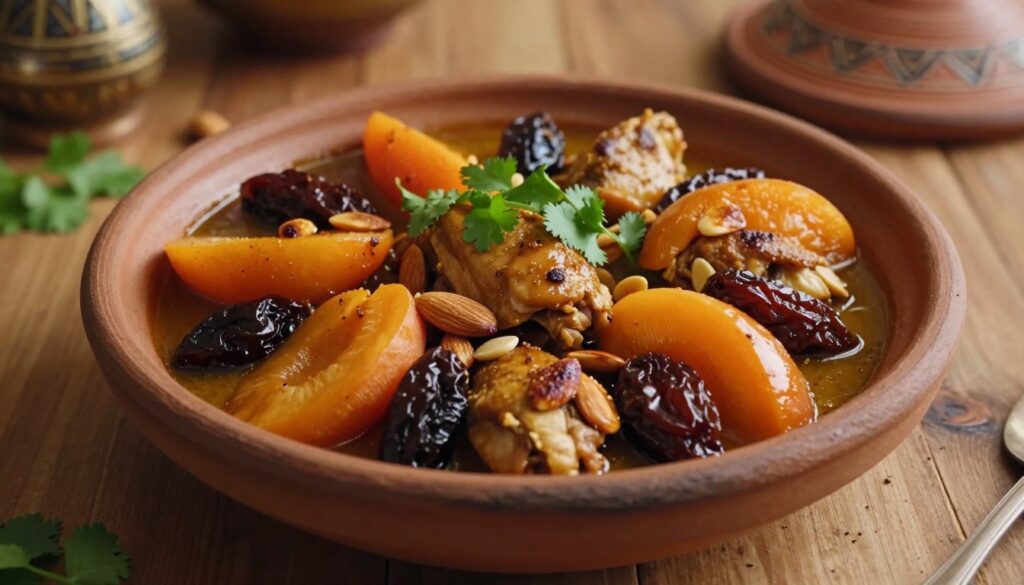
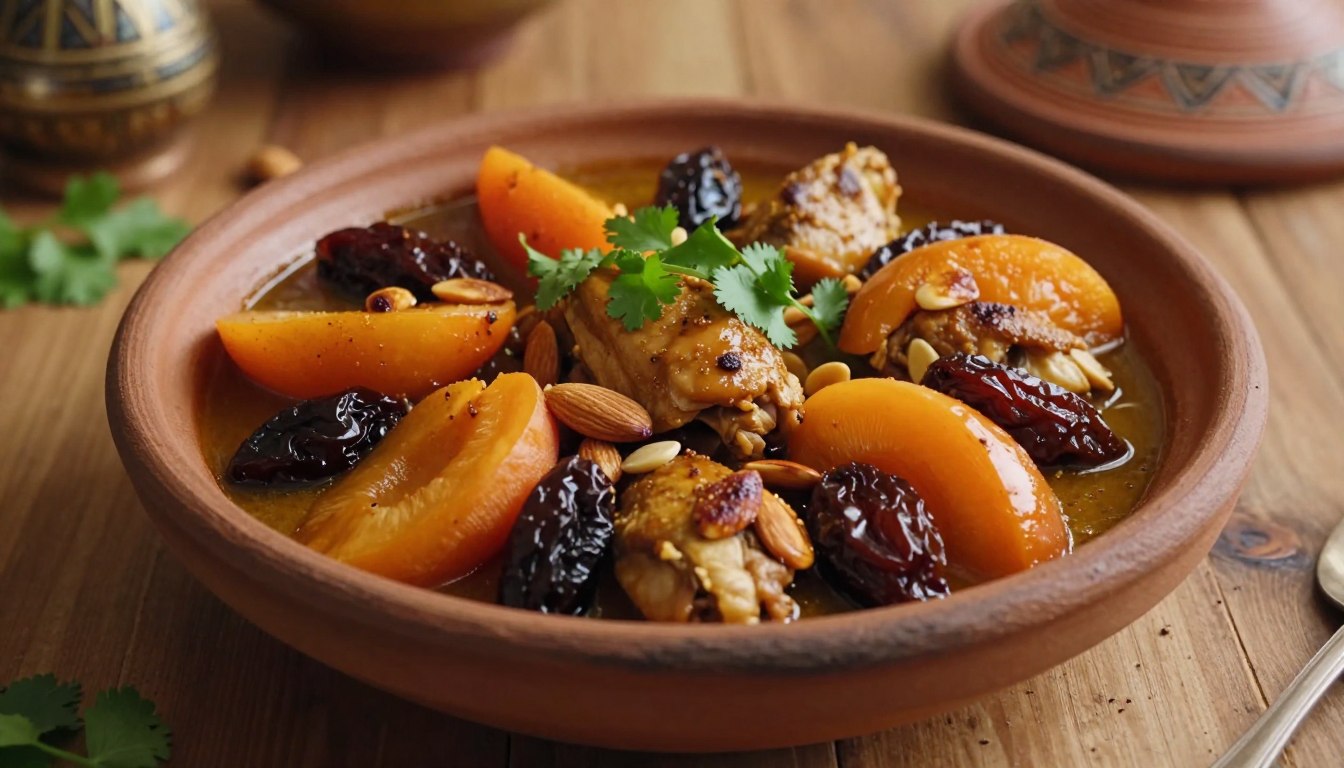
Imagine the kitchen filled with a warm, spice-scented aroma. Everyone stops at the doorway, drawn in by the smell. That’s what a good chicken tagine does. It brings people together.
Maybe you’re trying an apricot chicken recipe for the first time. Or you just want a comforting meal that feels special. This easy chicken tagine recipe combines bright dried apricots, tender chicken, and toasted almonds in one pot. It lets you spend more time with your loved ones
Key Takeaways
- This apricot chicken recipe is family-friendly and easy to make in 1–1.5 hours total.
- Core flavors: dried apricots, prunes (optional), almonds, and Moroccan spices.
- Use a tagine, Dutch oven, or oven-safe casserole — stovetop or oven methods both work.
- Typical servings: about 4 portions using 4 chicken pieces.
- Serve with couscous, rice, or flatbread and garnish with cilantro or parsley.
Why You’ll Love This Moroccan Chicken Tagine
This dish is special because of its sweet and savory mix. It combines tender chicken with apricots, prunes, and a hint of honey or brown sugar. This creates a sticky sauce that sticks to every piece.
The smell of this dish is amazing. Moroccan spices like cinnamon, ginger, and cumin add warm flavors. Saffron and preserved lemon add depth and brightness, keeping the salt low until the end.
Texture is key in every bite. Soft, syrupy dried fruit contrasts with the tender chicken and crunchy almonds. This mix makes each bite interesting and satisfying.
This dish is a true comfort meal that cooks in one pot. The tagine method slowly stews ingredients under a lid. This concentrates juices and aroma, making the flavors rich with little effort.
You can cook it on the stovetop or bake it in an oven-safe casserole. This makes it perfect for weeknight dinners or special gatherings without extra stress.
The fragrant steam that fills your kitchen is sure to start conversations. In homes where guests gather, this dish is often a hit. It becomes a memorable centerpiece from traditional Moroccan cuisine.
Ingredients for the Best Chicken Tagine with Apricots
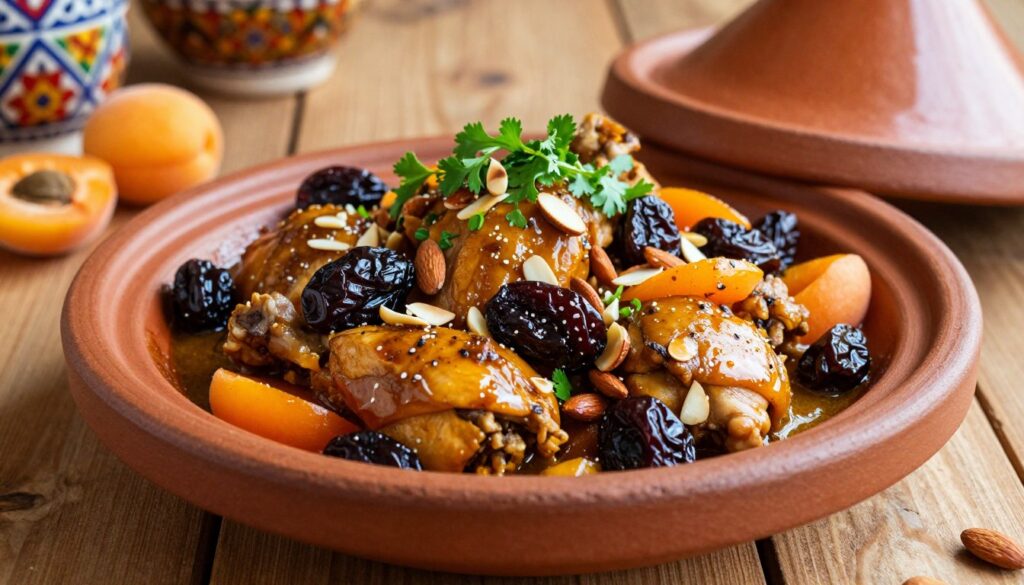
First, gather the key ingredients to cook with confidence. This list includes protein, dried fruits, spices, and the sauce’s liquids and fats. It’s a guide for a simple yet impressive chicken tagine recipe, perfect for any day.
Protein and dried fruits
Start with 4 chicken pieces, like thighs, drumsticks, or breasts. For dried fruits, use about 15 dried apricots (around 250 g). Add 10 dried pitted prunes for extra sweetness and depth. This mix of apricots and prunes is a classic choice that pairs well with spiced chicken.
Spices, aromatics, and condiments
For the spice blend, mix 1 teaspoon each of cinnamon, ginger, turmeric, cumin, coriander, and paprika. Add a pinch of saffron for a floral touch. Use salt and black pepper sparingly, adding salt late to control flavor.
Include 1–2 onions, thinly sliced or diced, and at least 4 garlic cloves, minced. Add a few tablespoons of fresh cilantro and parsley for brightness. Optional, add preserved lemon pulp or a bit of harissa for extra flavor.
Liquids, fats, and garnishes
Use 3/4 to 1 cup of low-sodium chicken broth or water for the braise. Add more liquid as needed to soften the fruit. For cooking fat, use 2–4 tablespoons of extra-virgin olive oil. Finish with 1 teaspoon of butter for shine.
To glaze the fruit, stir in 2–3 tablespoons of brown sugar or honey during the last minutes of cooking. Toast about 50 g (1/4–1/2 cup) of almonds and scatter them over the finished dish for crunch. For a detailed guide, see this resource on a chicken tagine with prunes and almonds at this ingredient resource.
| Component | Suggested Amount | Notes |
|---|---|---|
| Chicken | 4 pieces | Thighs or drumsticks for richer flavor; breasts for lean option |
| Dried apricots | 15 pieces (~250 g) | Soak if very dry; adds bright sweetness |
| Pitted prunes | 10 pieces | Optional; deepens color and taste |
| Spice mix | 1 tsp each | Cinnamon, ginger, turmeric, cumin, coriander, paprika; pinch saffron |
| Aromatics | 1–2 onions; 4+ garlic cloves | Onion and garlic form the savory base |
| Liquids | 3/4–1 cup broth + extra | Use low-sodium broth to control salt |
| Fats & finishing | 2–4 Tbsp olive oil; 1 tsp butter | Butter optional for glossy finish |
| Sweetener & garnish | 2–3 Tbsp honey or brown sugar; 50 g toasted almonds | Adjust sweetness to taste; almonds add texture |
With these ingredients, making chicken tagine is easy and flexible. The mix of savory spices, citrus or harissa, and fruit sweetness makes every dish memorable.
Equipment and Tagine Alternatives for Home Cooking
https://www.youtube.com/watch?v=b7EKD5UskHM
To make a traditional moroccan tagine chicken at home, the right cookware is key. A classic tagine has a shallow base and a cone-shaped lid. This design keeps the chicken moist and enhances flavors during slow cooking.
Traditional tagine cookware explained
Tagine cookware is often made from glazed or unglazed clay. Unglazed pots may need soaking before use. Use a heat diffuser on gas stoves to prevent cracking.
Always warm a cold clay tagine slowly in a cold oven. This protects the pot and keeps your stew authentic.
Practical alternatives: Dutch oven and oven-safe casserole
You can still get great results without a traditional tagine pot. An enameled Dutch oven or a heavy oven-safe casserole works well. Brown chicken and onions in a skillet, then bake in the casserole.
For a quicker method, sear in a cast-iron skillet and finish in a 9 x 13-inch baking dish. Follow the oven steps for juicy results. Find detailed guidance on making a chicken tagine without a tagine pot here.
Keep small tools handy: kitchen string, tongs, and a slotted spoon. If using clay over direct flame, a diffuser is crucial. For quick weeknight dinners, try sheet pans or oven-safe skillets for easy cleanup and fast cooking.
Chicken tagine without a tagine pot and one-pan recipes offer rich flavors. For more one-pot recipes and quick cookware tips, check out this collection. It’s perfect for busy kitchens and home cooks who love authentic tastes without specialty gear.
Step-by-Step Marinade and Prep Techniques
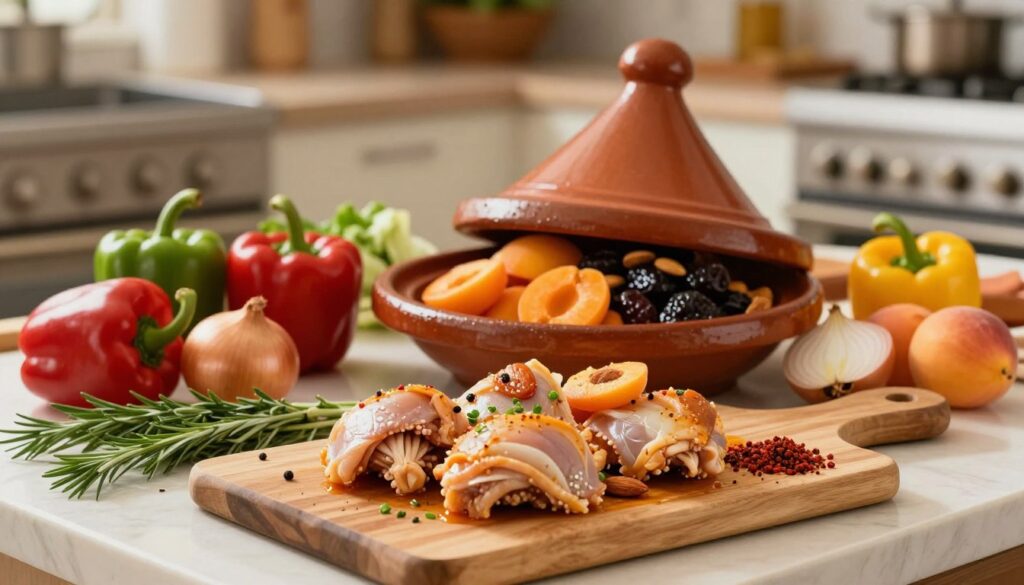
First, trim off any extra fat and remove the skin if you like. Rinse the chicken and dry it well. This makes the chicken soak up the marinade better and brown nicely when seared.
In a bowl, mix together ground cinnamon, ginger, turmeric, cumin, coriander, and sweet paprika. Add a pinch of saffron, minced garlic, preserved lemon pulp or fresh lemon juice, and chopped parsley and cilantro. Use two tablespoons of olive oil to make a smooth paste that sticks to the meat.
Spread the spice paste all over the chicken, getting it into joints and under the skin. You can cook it right away or let it rest for 30 minutes to several hours for more flavor. Chefs often mix the spices with 2 tablespoons of oil and 1 teaspoon of salt, then coat the chicken before browning.
Heat a large skillet with some oil or butter. Sear the chicken skin-side down in batches for 8–12 minutes until it’s golden. Move the pieces to a plate and keep the fond and juices for the braise. Searing adds a caramelized flavor that enhances the dish.
Cut onions thin and cook them slowly in butter and oil until they’re soft and translucent, about 6–10 minutes. Spread the softened onions at the bottom of your tagine, Dutch oven, or casserole pan. They create a fragrant bed for the chicken.
For dried fruits, simmer apricots and prunes in a small saucepan with water, a cinnamon stick, and a spoonful of honey or brown sugar. Cook until they’re very tender and the liquid turns into a glossy syrup, about 10–15 minutes. This syrup will glaze the fruit and add a sweet note to the tagine.
Toast almonds in a small skillet with a little oil or butter, stirring until they’re golden, one to two minutes. Drain on paper towels and set aside for garnish. Slivered almonds follow the same method and add a crisp contrast to the soft fruits.
| Task | Key Steps | Timing |
|---|---|---|
| Trim and dry chicken | Remove excess fat, pat dry to improve adhesion of chicken tagine marinade | 5 minutes |
| Make spice paste | Mix cinnamon, ginger, turmeric, cumin, coriander, paprika, garlic, lemon, herbs, oil | 5 minutes |
| Marinate | Rub paste into chicken; rest 30 minutes to several hours or cook right away | 30–240 minutes or immediate |
| Sear chicken | Brown skin-side down in oil/butter, reserve juices for braise | 8–12 minutes per batch |
| Prepare onions | Thinly slice and brown gently in butter and oil until translucent | 6–10 minutes |
| Simmer dried fruits | Cook apricots/prunes with water, cinnamon, and honey until syrupy | 10–15 minutes |
| Toast almonds | Toast in oil or butter until golden, drain and reserve | 1–2 minutes |
Follow these chicken tagine prep techniques to make your cooking easier. The steps help keep flavors focused and save time when you learn how to make chicken tagine step by step.
How to Cook an Easy Chicken Tagine: Stovetop and Oven Methods
This guide helps you choose between a quick stovetop chicken tagine and a slow oven finish. Both methods create deep flavors from browned chicken, spices, and simmered sauce. Use bone-in, skin-on thighs for the best results. Breasts need less time and different handling.
Stovetop tagine or Dutch oven method
Heat a heavy tagine base or Dutch oven over medium-low heat. Add oil and cook onions until soft, about 6–8 minutes. Brown chicken skin-side down for 8–10 minutes, then sear the flesh side briefly to lock in juices.
Stir garlic and Ras el hanout for 30 seconds, add crushed tomato, chickpeas, apricots, preserved lemon, cinnamon stick and ½–¾ cup stock. Bring to a gentle boil, reduce heat, cover and simmer.
Simmer covered for about 30 minutes, turn the pieces and cook another 10–20 minutes until tender. Ten minutes before the end, add the apricot syrup or honey to thicken the sauce and concentrate flavors. Finish with a pat of butter and taste for salt.
Oven-baked method for steady low heat
Start in a cold oven if using a clay tagine. Place the tagine or ovenproof casserole in the oven, then preheat to 325–340°F (about 170°C). This prevents thermal shock to clay and gives even heat for tender meat.
Brown onions and chicken on the stovetop first, then transfer to the tagine. Add spices, stock (¾–1 cup), apricots and any sweetener like brown sugar or honey. Cover and bake at 170°C/340°F for about 40 minutes.
Remove the lid for the last 10 minutes to reduce the sauce and toast almonds on top. Use saffron soaked in warm broth for extra aroma. The oven-baked chicken tagine gives even, gentle heat that makes a reliably tender dish.
Cooking notes: do not oversalt early because preserved lemon adds salt. Aim for an internal temperature near 70°C/158°F for thighs. For step-by-step timings and the full ingredient list, see the detailed recipe at this recipe. Try either approach when you want an easy chicken tagine or a richer slow cooked moroccan chicken for dinner.
Serving Suggestions and Pairings for Mediterranean Chicken Dishes
Set the table so guests can help themselves to the warm, glazed chicken and fruit. A gentle presentation invites sharing. It highlights the sweet-and-spicy notes that define traditional moroccan cuisine.
Traditional Moroccan sides
Serving chicken tagine with couscous is the classic move. Light, fluffy semolina soaks up the sauce and balances richness. You can swap in steamed rice or bulgur if you prefer a different grain texture.
Warm flatbread pairings are essential when you want hands-on eating. Tear khobz to scoop sauce and fruit, or place a basket of pita or naan nearby for casual meals.
Vegetable and salad accompaniments
Offer a platter of roasted vegetables or a warm vegetable tagine to echo the spices in the chicken. Simple roasted carrots, eggplant, or baked onion rings match the dish without competing.
Serve bright, fresh salads to cut sweetness. A chopped tomato-cucumber salad dressed with lemon and olive oil refreshes the palate. Add zaalouk or taktouka for authentic Moroccan vegetable sides.
Finish the tagine at the table by spooning syrup and toasted almonds over the chicken. Place preserved lemon on the side and a small bowl of harissa for anyone who wants extra heat.
Variations, Substitutions, and Dietary Tips
You can make this tagine your own by changing ingredients and flavors. Try different proteins or go for a plant-based option. This way, you keep the Moroccan taste but make it your own.
Protein swaps and meatless options
For a richer taste, use lamb shoulder instead of chicken. It cooks slowly and adds depth. Or, choose boneless, skinless chicken breasts for a quicker, lighter dish.
For a meatless version, try firm tofu, chickpeas, or sweet potatoes. They add texture and soak up the spices, making the dish hearty.
Ingredient swaps and flavor adjustments
Want less sweetness? Use half the honey instead of brown sugar. Omit prunes and add more apricots for a fresher taste.
Without preserved lemons, mix fresh lemon juice and salt for a tangy flavor. Use harissa sparingly for heat, or skip it for a milder taste. Saffron is optional; turmeric is a good substitute for color and warmth.
Healthier tweaks and one-pot convenience
Make it healthier by trimming fat, using less oil, or substituting butter with olive oil. Choose low-sodium broth to reduce salt and keep flavors rich.
Cook in one pot to save time and keep flavors together. A tagine, Dutch oven, or casserole works well. This method keeps juices and aromas in.
| Swap | Why it works | Tip |
|---|---|---|
| Chicken thighs → Lamb shoulder | Lamb adds richness and stands up to long, slow cooking | Braise longer at low heat for tender results |
| Chicken → Tofu / Chickpeas | Plant proteins absorb spices and stay hearty | Press tofu and roast briefly to improve texture |
| Brown sugar → Honey | Less processed, milder sweetness | Add sparingly and taste as you go |
| Preserved lemon → Fresh lemon + salt | Approximate tang when preserved lemons are unavailable | Add near the end to preserve brightness |
| Regular couscous → Rice / Gluten-free grains | Accommodates gluten-free diets and pairs well with tagine juices | Use basmati or quinoa for a nutty alternative |
| Skin-on chicken → Skinless pieces | Reduces saturated fat for a lighter dish | Brown gently then simmer to keep meat moist |
Troubleshooting Common Tagine Issues and Expert Tips
When a tagine doesn’t behave, small fixes will get you back on track. Use the tips below for preventing cracked clay tagine problems, fixing texture, and sharpening seasoning. Your chicken dish will shine on the table.
Preventing a cracked clay tagine
Avoid thermal shock by never placing an unheated clay tagine directly over high flame. Start with a cold oven and heat slowly, or put a heat diffuser between a gas burner and the base. Follow the manufacturer’s instructions for soaking or seasoning unglazed clay before first use. Do not expose the lid or base to sudden temperature changes like cold water on hot clay.
Texture and seasoning fixes
If chicken turns out tough, return the pot to low, covered heat and simmer until tender. White meat cooks faster, so watch breasts closely to prevent drying and shorten their time in the braise.
If the sauce is too thin, uncover and simmer to reduce it, or stir in a small slurry of cornstarch and water. If the sauce is overly sweet, thin it with more stock, or brighten it with lemon juice and a pinch of salt to balance flavors.
Delay salting when using preserved lemons; taste near the end and adjust salt, pepper, or lemon. To boost aroma, steep saffron threads in warm broth before adding them, or stir in a small knob of butter just before serving for sheen and richer mouthfeel. These tagine troubleshooting moves rescue timing and taste.
Maximizing flavor and presentation
Sear chicken and brown onions first to build Maillard flavor that underpins the sauce. Simmer dried fruits separately with cinnamon and a touch of honey to create a glossed finish; fold them in near the end so they keep shape and shine.
Garnish with toasted almonds and chopped cilantro or flat-leaf parsley for color contrast and crunch. Serve with couscous or warm flatbread and bring the tagine to the table for a dramatic, communal presentation. This will maximize flavor tagine and delight guests.
Keep a simple troubleshooting checklist handy for future cooks: heat control, timing for white versus dark meat, and final seasoning adjustments. These texture fixes chicken tagine and tagine troubleshooting steps will help you deliver a reliable, flavorful meal every time.
Conclusion
You can make a real Moroccan chicken tagine at home without special equipment. Just use common ingredients and a tagine, Dutch oven, or oven-safe dish. Brown the chicken and onions first. Then, simmer the apricots and prunes separately to make a sweet syrup.
Don’t add salt until the end if you’re using preserved lemon. Simple steps make the chicken tagine tasty. Toast almonds and add fresh cilantro at the end. You can also adjust the sweetness and spice to your liking.
Protect a clay tagine from sudden temperature changes. Use low, steady heat to make the meat tender. These steps improve the dish’s texture and flavor.
Try different versions like lamb, chickpeas, or vegetarian options. Follow the steps to make the chicken tagine. Serve it with couscous or flatbread and garnish with toasted almonds.
This recipe is great for family dinners or when you want to impress guests. It’s a fragrant and comforting dish that everyone will enjoy.