

The Best Anti-Inflammatory Breakfast Recipes
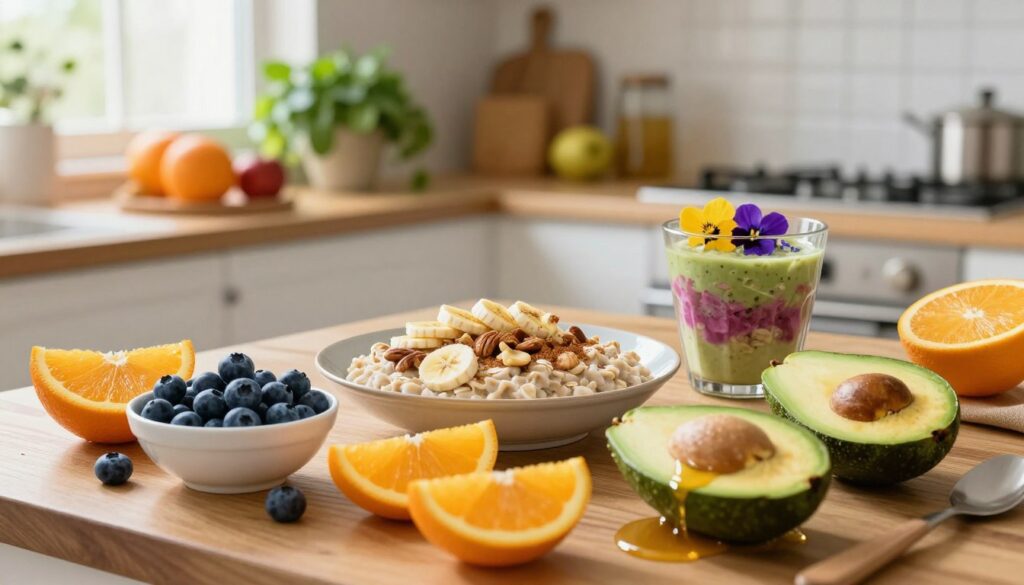
When you wake up, your body is ready for fuel. What you eat in the morning is very important. Registered dietitian Amy Shapiro says your breakfast choices affect your whole day.
She believes making good food choices early helps you succeed in all meals. This is because your willpower is strongest in the morning.
Inflammation is your body’s defense against injury and illness. But constant inflammation is harmful. It can affect your joints, heart, and mind.
An anti-inflammatory breakfast can be your ally. Keeping inflammation low is crucial for your health.
Your morning routine starts with choosing real food. This guide will teach you about tasty anti-inflammatory breakfast recipes. You’ll learn why some foods reduce inflammation and which ones to avoid.
You’ll also find recipes that fit your busy life. Whether you like to meal prep or grab breakfast on the go, there’s something for you.
Key Takeaways
- What you eat for breakfast affects your inflammation levels for the entire day
- Anti-inflammatory breakfast choices boost your energy and support your wellness goals
- Simple recipes with real ingredients deliver results without taking hours to prepare
- Understanding which foods trigger inflammation helps you make better morning decisions
- Healthy morning routines don’t require you to sacrifice taste or convenience
- Anti-inflammatory breakfast options exist for every lifestyle and food preference
Why Your Breakfast Choices Matter for Inflammation
The foods you eat at breakfast send strong signals to your body. Your morning meal can either help heal or start inflammation that lasts all day. Knowing how your breakfast affects inflammation is key to a healthier day.
Your immune system uses inflammation to defend you. When you get hurt, your body sends chemicals to protect the area. This acute inflammation helps your body heal. The redness and swelling you see are signs your immune system is at work.
Understanding Acute vs. Chronic Inflammation
Acute inflammation is short-term and helps protect you. Chronic inflammation lasts longer and can harm your body. Unlike a cut, you might not feel chronic inflammation right away. But it can damage your healthy cells slowly.
Chronic inflammation can cause serious health issues:
- Persistent fatigue and low energy
- Joint and muscle pain
- Digestive troubles and bloating
- Weight management challenges
- Mood changes like anxiety and depression
If not controlled, chronic inflammation raises your risk of heart disease and arthritis. What you eat for breakfast can help your body heal or harm.
How Food Impacts Your Body’s Inflammatory Response
Your diet controls inflammation. Foods rich in antioxidants and vitamins help reduce inflammation. But foods high in sugar and processed ingredients can trigger inflammation.
Inflammation and gut health are linked. Your gut has trillions of bacteria that affect your immune system. Eating foods that reduce inflammation at breakfast helps your gut bacteria. This strengthens your gut and reduces inflammation in your body.
Starting your day with the right breakfast means your immune system is on your side. It helps you avoid inflammation and promotes healing.
The Connection Between Morning Meals and All-Day Energy

Your breakfast choice is key to your day. Eating a breakfast rich in nutrients helps you stay energized and focused. It also affects your food cravings for the rest of the day.
Starting with foods high in refined carbs and sugars is a bad move. They give you a quick energy boost, but then your energy drops fast. This makes you tired and hungry for more sugar or a nap.
Healthy breakfasts are different. They have protein, healthy fats, and fiber. This keeps your blood sugar steady, making you feel sharp and energized all morning.
Research shows that a balanced breakfast improves your day. It helps you make better choices and keeps your brain working well. You’ll feel calm and alert, thanks to the right nutrients.
- Steady blood sugar means sustained mental clarity
- Proper nutrition reduces afternoon cravings
- Balanced breakfast supports better food choices all day
- Stable energy prevents the 2 p.m. energy crash
High-protein breakfasts are great for energy. They give you 25 to 35 grams of protein, which fuels your brain and muscles. This keeps your blood sugar stable and prevents energy crashes.
Adding protein to your breakfast with slow-burning carbs is even better. Your energy stays up, and your mind stays sharp. You’ll feel full without getting hungry too soon.
Your breakfast choice affects your body’s inflammation levels. Eating gluten-free and whole foods helps your digestion and nutrient absorption. This reduces inflammation and keeps your digestive system healthy all day.
“Breakfast sets the tone for your blood sugar, energy, digestion, and inflammation levels for the entire day.”
Pay attention to how different breakfasts make you feel. Notice the difference between sugary cereals and balanced meals. After a few days of healthy breakfasts, you’ll feel more energized and focused. Your cravings will decrease, and you’ll feel better overall.
Foods to Avoid for an Anti-Inflammatory Breakfast
Your breakfast choices are key to a healthy day. Some foods might seem healthy but can actually harm your body. Knowing what to avoid is as important as knowing what to eat for a low sugar anti-inflammatory breakfast.
Many foods in your kitchen can trigger inflammation. Learning about these hidden dangers helps you make better choices. This supports your wellness goals.
Hidden Sugars in “Healthy” Breakfast Products
Food companies often hide sugar in products labeled as healthy. Flavored yogurts can have as much sugar as desserts. Granola boxes and breakfast cereals also have a lot of added sweeteners.
Sugar has many names on labels. Look out for these when choosing your breakfast:
- High fructose corn syrup
- Cane juice
- Agave nectar
- Honey
- Maple syrup
- Coconut sugar
- Dextrose
Reading labels is crucial. Choose products with less than 5 grams of added sugar. This helps you find nutritious foods for breakfast.
Why Refined Carbohydrates Trigger Inflammation
White bread, bagels, and pastries have no fiber or nutrients. They cause blood sugar spikes, leading to inflammation.
Refined carbs lead to blood sugar highs and lows. This cycle exhausts your body and increases inflammation.
| Food Type | Blood Sugar Impact | Inflammation Risk | Better Alternative |
|---|---|---|---|
| White bread | Rapid spike | High | Whole grain bread |
| Regular bagels | Rapid spike | High | Steel-cut oats |
| Sweet pastries | Rapid spike | Very high | Vegetable-based dishes |
| Sugary cereals | Rapid spike | High | Antioxidant-rich foods like berries with nuts |
| Flavored oatmeal packets | Rapid spike | Moderate to high | Plain oats with fresh fruit |
Opt for whole grains and complex carbs. They have fiber that slows digestion and prevents blood sugar spikes. Include antioxidant-rich foods like berries and nuts in your breakfast.
Creating a clean eating breakfast means being mindful of every ingredient. Avoid the marketing tricks and choose whole foods your body can easily process.
Key Anti-Inflammatory Ingredients to Include Every Morning
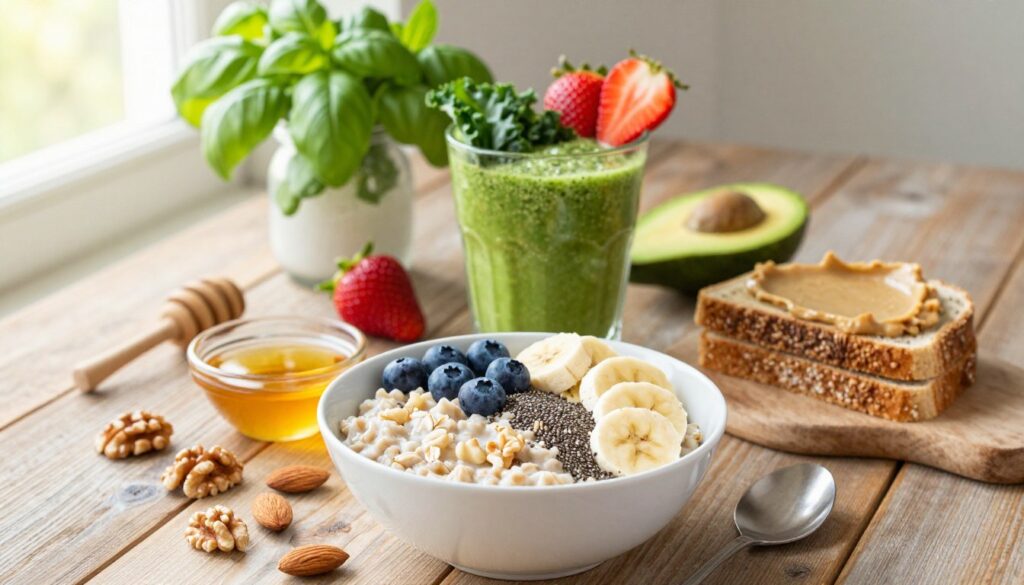
Starting your day with a healthy breakfast is key. It’s about choosing foods that fight inflammation. These foods are backed by science and are easy to add to your diet.
Make sure to include omega-3 breakfast foods in your meals. Walnuts, chia seeds, flaxseeds, and hemp seeds are full of good fats. They can be added to yogurt, smoothies, or oatmeal quickly. Sweet and easy gluten-free breakfasts can also include these seeds for a nutritional boost.
Don’t forget about the benefits of turmeric and ginger in your morning meals. Turmeric has curcumin, which helps with pain and swelling. Ginger is also great and tastes amazing in eggs, smoothies, or cereal. These spices can turn your breakfast into a healing meal.
Your anti-inflammatory foods list should also include:
- Berries (blueberries, strawberries, raspberries) packed with anthocyanins
- Leafy greens like spinach and kale rich in antioxidants
- Avocados with heart-healthy unsaturated fats
- Greek yogurt containing gut-supporting probiotics
- Eggs loaded with vitamin D and choline
- Cinnamon for steady blood sugar levels
By mixing these ingredients into your breakfast, you make meals that fight inflammation. Your body will be grateful.
Anti-Inflammatory Breakfast Recipes You’ll Actually Make
https://www.youtube.com/watch?v=KxZC1XQoGms
Ready to make your mornings better with simple, tasty meals? These easy anti-inflammatory breakfast recipes fit into your busy life. You don’t need to be a pro in the kitchen or spend hours cooking. Each recipe is quick to make and packed with nutrients that fight inflammation and boost your energy all day.
The best thing about these recipes is you can prep ingredients on Sunday and enjoy them all week. You’ll see that eating an anti-inflammatory breakfast doesn’t mean you have to give up taste or spend a lot of time cooking. Let’s explore three recipes that are perfect for busy mornings and big appetites.
Quinoa Bowl with Walnuts and Goji Berries
Start your day with this whole grain anti-inflammatory breakfast that’s better than oatmeal. Quinoa is a gluten-free seed full of protein and fiber. It helps lower cholesterol and balance blood sugar.
Here’s what you need:
- 1 cup cooked quinoa (batch-cook on weekends)
- ¼ cup walnuts, chopped
- 3 tablespoons goji berries (or blueberries for anthocyanins)
- ½ banana, sliced
- 1 tablespoon raw almond butter
- Splash of unsweetened almond milk
Combine cooked quinoa with walnuts, which offer omega-3 fatty acids and slow digestion for lasting energy. Top with goji berries for natural sweetness and antioxidant power without blood sugar spikes. Drizzle with almond butter and add almond milk to reach your preferred consistency. This omega-3 rich breakfast keeps you full until lunch.
Greek Yogurt Parfait with Berries and Seeds
Need a quick omega-3 rich breakfast? This parfait takes just three minutes to make and is packed with nutrition.
Layer these ingredients in a bowl:
- 1 cup plain, full-fat Greek yogurt
- ½ cup mixed fresh or frozen berries
- 2 tablespoons chia seeds or ground flaxseed
- 1 tablespoon raw almonds, sliced
- ½ teaspoon raw honey
Greek yogurt has healthy bacteria that fight inflammation and aid digestion. The seeds add omega-3s and fiber, while berries bring antioxidants that reduce inflammation. This simple whole grain anti-inflammatory breakfast alternative requires no cooking and is perfect for grab-and-go mornings.
Turmeric Tofu Scramble with Colorful Vegetables
Looking for plant-based easy anti-inflammatory breakfast recipes? This golden scramble delivers anti-inflammatory power in every bite.
Gather these items:
- 1 block firm tofu, pressed and crumbled
- 1 teaspoon turmeric powder
- 1 cup mixed vegetables (red bell pepper, spinach, mushrooms, tomatoes)
- 2 tablespoons olive oil
- Salt and black pepper to taste
- ½ teaspoon garlic powder
Heat oil in a skillet and sauté your colorful vegetables first. Add crumbled tofu and season with turmeric, which contains curcumin—a powerful anti-inflammatory compound. Each vegetable color represents different beneficial nutrients and antioxidants that work together to reduce inflammation. Cook for five minutes until everything is warm and golden.
Pro tip: Buy pre-crumbled tofu to save time on busy mornings. Use frozen vegetables when fresh options are expensive or unavailable. Keep cooked quinoa in glass containers for easy weekday meals.
| Recipe | Prep Time | Key Anti-Inflammatory Ingredient | Protein Content |
|---|---|---|---|
| Quinoa Bowl with Walnuts and Goji Berries | 5 minutes | Omega-3 walnuts and antioxidant goji berries | 8 grams per serving |
| Greek Yogurt Parfait with Berries and Seeds | 3 minutes | Probiotic yogurt and omega-3 seeds | 15 grams per serving |
| Turmeric Tofu Scramble with Colorful Vegetables | 7 minutes | Curcumin-rich turmeric and nutrient-dense vegetables | 16 grams per serving |
These three recipes show that eating well for inflammation doesn’t need to be complicated or expensive. Your body will thank you for choosing these nutrient-dense breakfasts that taste amazing and support your health goals.
Quick and Portable Anti-Inflammatory Breakfast Ideas
Your mornings don’t have to be complicated to eat well. Quick anti-inflammatory breakfast ideas fit into busy schedules. You don’t need to wake up early or spend hours cooking. The trick is to plan ahead and grab nutritious options on the go.
Creating quick anti-inflammatory breakfast ideas takes less than five minutes. All you need is to have the right ingredients ready. These breakfast foods that reduce inflammation are easy to prepare. They don’t require advanced cooking skills.
Five Portable Options You Can Grab Anywhere
- Apple or banana with almond butter packets — This classic pairing offers antioxidant-rich fruit, fiber, and protein. Keep single-serve almond butter packets in your desk, car, or bag for emergency breakfast situations.
- Whole-grain tortilla wraps — Wrap yesterday’s tofu scramble or eggs with avocado slices for a one-handed breakfast burrito packed with anti-inflammatory ingredients.
- Whole-food breakfast bars — Pair quality bars made with real ingredients with Greek yogurt or fresh fruit to create a complete meal in minutes.
- Hard-boiled eggs with fresh sides — Prepare eggs in batches on Sunday and pair them with cherry tomatoes or sliced avocado throughout the week.
- Brown rice cakes with toppings — Spread almond butter on rice cakes and top with sliced strawberries or banana for a gluten-free option ready in two minutes.
Anti-inflammatory breakfast ideas work best when you keep these ingredients at home. Your body benefits from these breakfast foods that reduce inflammation. They help keep your blood sugar stable and give you lasting energy for the day.
Make-Ahead Breakfast Options for Busy Mornings
Start your day without stress with anti-inflammatory breakfast meal prep. Just 15 minutes on Sunday can prepare you for the week. These strategies help you avoid skipping breakfast and support your body’s health.
Chronic inflammation breakfast meal prep is easy. Choose from many gut health breakfast ideas that don’t need much cooking. These recipes help you feel better without spending hours in the kitchen.
Overnight Chia Pudding with Vanilla and Cinnamon
This no-cook breakfast is quick to make. Mix three tablespoons of chia seeds with one cup of unsweetened almond or coconut milk in a jar. Add vanilla and cinnamon, then refrigerate overnight. The chia seeds make a creamy pudding that fights inflammation.
Top your chia pudding with fresh raspberries, chopped walnuts, hemp seeds, Greek yogurt, or almond butter. The high fiber content supports your digestive system. This breakfast keeps your blood sugar stable, preventing energy crashes. Prepare five jars at once for up to five days of breakfasts.
| Ingredient | Amount | Benefit |
|---|---|---|
| Chia Seeds | 3 tablespoons | Omega-3s reduce inflammation |
| Almond or Coconut Milk | 1 cup | Anti-inflammatory base |
| Vanilla Extract | Splash | Flavor without added sugar |
| Cinnamon | Sprinkle | May help regulate blood sugar |
| Fresh Raspberries | ½ cup | Antioxidants fight inflammation |
Veggie-Packed Frittata Muffins
Make your mornings better with these protein-rich bites. Whisk eggs with anti-inflammatory veggies like spinach, mushrooms, bell peppers, and tomatoes. Pour into a greased muffin tin and bake at 400°F for 10 minutes. These muffins last up to four days in the fridge or a month in the freezer.
Reheat a muffin in 30 seconds in the microwave on busy mornings. The eggs and veggies provide balanced nutrition that fights inflammation. You can change up the veggies in each batch. Make-ahead breakfast options like these make healthy eating easy.
- Prep egg and vegetable mixture on Sunday
- Bake in muffin tins at 400°F for 10 minutes
- Cool completely before storing
- Refrigerate up to 4 days or freeze up to 1 month
- Reheat in microwave for 30–60 seconds
Make-ahead cooking opens up endless breakfast ideas. Both chia pudding and frittata muffins offer anti-inflammatory benefits. Spend one afternoon preparing, and enjoy nutritious breakfasts all week without stress.
Berry Smoothies That Fight Inflammation
Berries are full of anti-inflammatory compounds. They help fight inflammation in your body. Making an anti-inflammatory smoothie is a quick way to start your day with these foods.
Berries have anthocyanins and polyphenols. These compounds lower inflammatory markers in your blood. Blueberries, strawberries, raspberries, and blackberries all offer similar benefits. Freezing them makes them easier to blend and keeps them fresh longer.
- Choose unsweetened almond milk, coconut milk, or regular milk as your base
- Add one cup of frozen berries to your blender
- Include protein from plain Greek yogurt or high-quality protein powder
- Boost nutrition with ground flaxseed, chia seeds, or rolled oats
- Drizzle raw honey for natural sweetness with anti-inflammatory benefits
Avoid common mistakes that make smoothies too sweet. Skip sweetened yogurts and fruit juice concentrates. Use whole ingredients that work well together. Adding fresh spinach adds nutrients without changing the taste.
Want to make it even better? Try an anti-inflammatory smoothie bowl recipe. Use less liquid and more frozen fruit. Blend until thick, then pour into a bowl. Top with almonds, hemp seeds, coconut flakes, and fresh berries. Enjoy it with a spoon.
Keep frozen berries on hand all year. Pre-portion smoothie ingredients into freezer bags for quick mornings. A high-powered blender makes your smoothie smooth and creamy. These meals are quick to make but give you energy for hours.
| Ingredient | Amount | Anti-Inflammatory Benefit |
|---|---|---|
| Frozen Mixed Berries | 1 cup | Anthocyanins reduce inflammation markers |
| Unsweetened Almond Milk | 1 cup | Low sugar, supports heart health |
| Plain Greek Yogurt | ½ cup | Protein keeps you full, probiotics aid digestion |
| Ground Flaxseed | 1 tablespoon | Omega-3 fatty acids fight inflammation |
| Chia Seeds | 1 tablespoon | Fiber slows glucose spikes, reduces inflammation |
| Rolled Oats | ¼ cup | Beta-glucans lower inflammatory markers |
| Raw Honey | 1 teaspoon | Natural antioxidants with anti-inflammatory properties |
Your anti-inflammatory smoothie becomes a complete meal when you balance fruit with protein, healthy fats, and fiber. This mix keeps your blood sugar stable and inflammation low all morning.
: Savory Anti-Inflammatory Breakfast Recipes for Egg Lovers
If you love starting your day with savory flavors, eggs are a great choice. They are full of protein, vitamin D, omega-3 fatty acids, and choline. These nutrients help manage blood sugar and reduce inflammation.
When you mix eggs with anti-inflammatory ingredients, you get a breakfast that fights inflammation. It also keeps you full for hours. Let’s look at two tasty ways to make your morning meal healthier.
Spinach and Mushroom Egg Scramble
This dish combines eggs with mushrooms and spinach. Start by sautéing mushrooms in olive oil and garlic. This prevents the scramble from getting soggy.
Mushrooms are full of antioxidants that fight inflammation. Add fresh spinach next. It has quercetin, an antioxidant that reduces inflammation.
Whisk eggs with milk and a bit of salt and pepper for a fluffy scramble. Add a little turmeric powder for extra benefits. This spice gives your eggs a golden color and helps ease discomfort.
You can also make this recipe into frittata muffins. Bake them in a muffin tin at 400°F for about ten minutes. These are perfect for busy mornings.
Avocado Toast on Whole Grain Bread with Hemp Seeds
Avocado toast is popular for good reasons. It’s a healthy breakfast when you choose the right ingredients. Use whole-grain or fermented sourdough bread for better digestibility.
Choose a ripe avocado and mash it. Drizzle olive oil and sprinkle sea salt on top. Add hemp seeds for omega-3 fatty acids that support heart and brain health.
Top with a soft-boiled or poached egg for extra protein. You can also add tomatoes, microgreens, or red pepper flakes for extra flavor. Learn more about anti-inflammatory breakfast options that fit your taste and lifestyle.
| Recipe Component | Key Anti-Inflammatory Benefits | Preparation Time |
|---|---|---|
| Eggs | Protein, vitamin D, omega-3 fatty acids, choline for blood sugar management | 2 minutes |
| Spinach | Quercetin antioxidant that reduces inflammation | 1 minute |
| Mushrooms | Antioxidant-rich, supports immune function | 3 minutes |
| Avocado | Carotenoids and tocopherols that reduce chronic disease risk | 2 minutes |
| Hemp Seeds | Omega-3 fatty acids for heart and brain health | 1 minute |
| Whole Grain Bread | Fiber and nutrients for sustained energy | 2 minutes |
These recipes offer tasty flavors with anti-inflammatory benefits. Choosing whole, nutrient-dense ingredients makes a big difference in how you feel all day.
Plant-Based Anti-Inflammatory Breakfast Options
Plant-based eating is great for reducing body inflammation. By choosing plant-based breakfasts, you get foods full of antioxidants, fiber, and phytonutrients. These foods have no saturated fat, which helps avoid inflammation triggers. Whether you’re vegan, dairy-free, or just want to eat healthier, plant-based meals are perfect for mornings.
Starting a plant-based breakfast for inflammation is easy. You can make tasty meals that keep you full until lunch. The secret is mixing complete proteins with colorful veggies and anti-inflammatory spices.
Here are some powerful plant-based anti-inflammatory breakfast recipes:
- Tofu Scramble with Turmeric and Vegetables – Crumble extra-firm tofu and season with turmeric, garlic powder, and black pepper. Sauté onions and bell peppers in olive oil, add the tofu, then include spinach or kale. Top with fresh avocado for healthy fats that reduce inflammation.
- Chia Seed Pudding with Coconut Milk – Mix chia seeds with coconut milk or almond milk and let it sit overnight. Top with fresh berries, walnuts, and hemp seeds for a gluten-free anti-inflammatory breakfast that tastes like dessert.
- Overnight Oats with Plant-Based Milk – Combine rolled oats with almond milk or oat milk, ground flaxseed, and cinnamon. Add berries and almond butter in the morning for a naturally gluten-free anti-inflammatory breakfast.
- Avocado Toast on Sprouted Bread – Mash avocado on sprouted whole-grain bread and top with hemp seeds, microgreens, and a drizzle of olive oil for omega-3 rich nutrients.
- Smoothie Bowl with Spinach and Pineapple – Blend spinach, frozen pineapple, ginger, and coconut water into a thick base. Top with coconut flakes, hemp seeds, and fresh fruit.
For a hearty dairy-free breakfast, try homemade veggie patties. Make them from beans, veggies, and ground flaxseed. These patties are full of protein, fiber, and omega-3s without animal products.
You can also explore plant-based anti-inflammatory breakfast recipes with detailed preparation that make your mornings easier and more nutritious.
Plant-based eating is all about variety and simplicity. Try almond butter with sliced banana or berries with walnuts and coconut yogurt. Mix sprouted grains with your favorite veggies. Each mix supports your body’s fight against inflammation and starts your day right.
Plant-based breakfasts don’t mean you have to give up taste or satisfaction. You’re choosing food that nourishes your body, reduces inflammation, and supports your wellness journey every morning.
Conclusion
Building an anti-inflammatory diet breakfast routine is not about being perfect. It’s about being consistent. Starting your day with foods high in fiber, healthy fats, and antioxidants is key. This helps keep your blood sugar stable, your energy up, and inflammation down.
Healthy anti-inflammatory recipes are great for more than just breakfast. They help with weight loss by keeping you full. They also ease arthritis symptoms by reducing pain and stiffness. Plus, they support gut health by feeding good bacteria.
You now have many choices for a healthy start to your day. Options like chia seed pudding with berries and avocado toast are quick and easy. You can also make meals ahead of time, like overnight oats and frittata muffins. This saves time on busy days.
Start with just one or two new breakfast ideas that you like. As these habits become part of your routine, you can add more. Remember, making small changes can make a big difference in your health.
Choosing nourishing foods should make your life better, not harder. Even simple swaps, like choosing whole grains over sugary cereals, can help. By controlling your breakfast choices, you’re taking charge of your health, one delicious morning at a time.