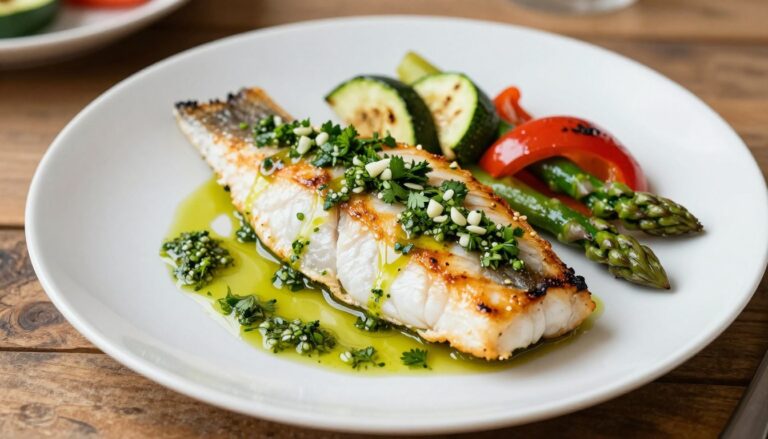

The Best 5 Secrets to Grilling + Smoking Success
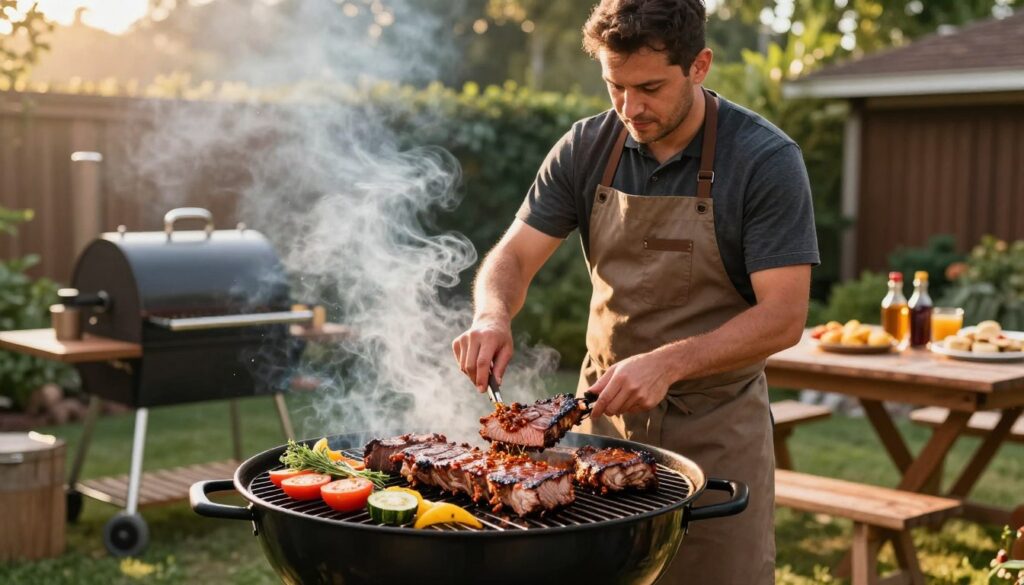
Standing in front of a smoker or grill on a Saturday is magical. The smoke rises, and your family gathers. The smell brings everyone closer. It’s not just cooking; it’s making memories.
Grilling and smoking success isn’t about fancy gear or secret ingredients. It’s about mastering the right techniques. Champions at the Lone Star Smokeout and award-winning pitsmasters use these basic principles. These principles make good barbecue legendary.
Smoking meat takes time and patience. It requires your full attention. The reward is meat that’s deeply flavorful and tender. You’ll spend hours by the fire, turning simple cooking into something special.
This guide brings together wisdom from champions and grill masters. You’ll learn five essential secrets for better cooking. These aren’t just tips. They’re the basics that pros use every day. Whether you’re cooking for your family or aiming for competition-level barbecue, these secrets will help.
Key Takeaways
- Grilling and smoking success depends on understanding your specific equipment and its unique characteristics
- Proper meat preparation and temperature control create the foundation for excellent results
- Clean fire techniques and wood selection directly impact flavor development
- Multiple heat zones on your grill give you control over searing and cooking speeds
- Timing smoke application and moisture management separate average barbecue from outstanding barbecue
- Practice and patience transform outdoor cooking excellence from a goal into your everyday reality
- Learning doneness indicators ensures your meat reaches perfect texture and taste every time
Understanding Your Smoker and Grill Equipment
Every smoker and grill is unique. This uniqueness affects how your food turns out. Knowing how your unit works is key to avoiding disappointment and achieving success.
The type of equipment you choose greatly impacts your cooking. Smokers are great for slow cooking with indirect heat. Grills are versatile for both high-heat searing and slow cooking. Whether you prefer charcoal, gas, or a pellet smoker, each has its own benefits.
Quality equipment makes a big difference. Handcrafted smoker models keep heat steady and smoke evenly. Before cooking, heat up your smoker to see how it reaches the right temperature.
Learning the Personality of Your Equipment
Your equipment has its own way of cooking. It affects how it holds heat, how fast it gets back to temperature, and how quickly it reaches cooking temperatures. Some units keep heat better, while others get back to temperature faster.
Get to know these traits before cooking important dishes. Do test cooks with cheap meat or just watch temperature changes for hours. See how it handles weather changes and how fast it gets to your target temperature. This helps you understand what makes your equipment special.
- Heat retention capacity of your unit
- How fast your smoker recovers temperature after opening
- Speed to reach target cooking temperatures
- Behavior during windy or cold weather
- How fuel burns in your specific model
Identifying Hot Spots and Airflow Quirks
Every cooking surface has hot spots and temperature variations. Some areas get hotter, while others stay cooler. Airflow inside your smoker or grill causes these differences. You need to find these zones before cooking valuable meat.
Use multiple thermometers to spot temperature differences. The bread test is good for finding these zones. Place bread slices on your grill without heat to see where they brown fastest. This shows you where the direct heat is strongest.
| Equipment Type | Heat Retention | Temperature Recovery | Airflow Control Method |
|---|---|---|---|
| Drum Smokers | Excellent (thick steel) | Fast | Air intake vents |
| Pellet Smoker | Good (automated) | Very Fast | Digital controls |
| Offset Smokers | Moderate | Moderate | Firebox management |
| Kamado Grills | Exceptional (ceramic) | Moderate | Vent adjustments |
Understanding your equipment’s quirks takes time and patience. Create a mental map of hot and cool zones. Know where airflow enters and exits your cooking chamber. This lets you place meat strategically, ensuring even cooking.
Spending time to learn your equipment’s personality saves you from mistakes. You’ll gain confidence and achieve consistent results. Success in smoking and grilling starts with this foundation of equipment knowledge.
The Importance of Proper Meat Preparation
Getting your meat ready is key when smoking meat for beginners. Many rush this step and miss out on great flavors. When you prepare your meat right, you’re set for success before you even start the fire.
Start by trimming your meat to the right thickness. For big cuts like brisket and pork butt, aim for a quarter inch of fat on top. This fat helps smoke penetrate and prevents grease fires. Trim excess meat the night before to avoid last-minute stress.
Your seasoning choice is crucial. Both marinade and dry rub work well, but they do different things. A dry rub makes the outside of your meat taste amazing. A marinade adds moisture and tenderizes tougher cuts.
For beginners, keep your seasonings simple. Salt, pepper, and garlic powder often beat out fancy spice blends.
Timing is key with meat preparation. Apply your dry rub or marinade the night before for big cuts. This lets salt penetrate deep into the meat, spreading flavor evenly. Smaller cuts like chicken or fish need only a few hours of seasoning.
Don’t forget to bring your meat to room temperature before cooking. Take it out 30 to 40 minutes before you start smoking. Room temperature meat cooks more evenly than cold meat.
Also, organize all your tools, wood, and supplies before lighting your fire. This prevents scrambling mid-cook and keeps you focused on managing heat and smoke.
Mastering Clean Fire Techniques for Better Flavor
Many people think more smoke means better flavor. But, thick smoke doesn’t always equal great taste. To get the right flavor, it’s key to have a clean fire. This type of fire burns well and creates the perfect smoke for BBQ.
Recognizing the Difference Between Clean and Dirty Fires
Spotting clean and dirty fires is easy once you know what to look for. Clean smoke is thin and blue, moving smoothly. Dirty smoke is thick and white, moving fast.
The smell is also important. Clean smoke smells sweet, while dirty smoke is sharp and bitter. This smell can tell you a lot about your fire.
Here’s a key principle: if the smoke smells harsh, your meat will taste harsh. Dirty fires can make your meat taste bad. Clean fires help your meat taste its best.
Choosing the Right Wood and Maintaining Proper Airflow
Starting with the right foundation is crucial. You need a solid bed of coals and the right wood. Seasoned wood is best, not green or wet wood.
Airflow control is also key. Too little airflow can cause problems, while too much can burn wood too fast. Finding the right balance is important.
- Too little airflow causes incomplete combustion and creosote buildup
- Too much airflow burns wood too quickly and creates temperature spikes
- Balanced airflow produces thin blue smoke consistently
Adjust your vents to get the perfect burn. This balance keeps your fire at the right temperature. It also makes your BBQ taste amazing.
Temperature Control and Heat Management

Learning to control grill temperature is key for pitmasters. It’s more about skill than the equipment you use. Knowing how to manage heat ensures your meat is always perfectly cooked.
The “low and slow” method is at the heart of smoking. Keep the temperature between 225°F and 250°F for most meats. This slow heat breaks down collagen, making tough cuts tender and juicy.
Start with lower temperatures to avoid overcooking. You can always add more heat, but you can’t take it away. This method prevents ruined meals. Every time you open the lid, you lose heat and smoke, adding 15 to 30 minutes to cooking time.
Use a quality dual-probe digital thermometer. It tracks both chamber and meat temperatures, reducing guesswork and the urge to constantly check.
| Cooking Method | Temperature Range | Cook Time | Best For |
|---|---|---|---|
| Smoking | 225°F – 250°F | Varies by cut | Beef brisket, pork ribs, whole chickens |
| Grilling | Medium to high heat | 8-12 minutes | Steaks, burgers, fatty fish |
| Baking/Roasting Fish | 375°F – 425°F | 15-25 minutes | Salmon fillets, whole fish |
Your grill setup must adapt to outdoor conditions. Wind, humidity, and temperature affect heat control. Different smokers need different adjustments.
When learning about smoking meat temperature guide techniques, remember that proteins need different heat levels. Fish recipes show that delicate proteins need careful heat management. Salmon, for example, cooks best at 194 to 198°F for 50 to 60 minutes.
Trust your tools and understand your equipment’s quirks. Mastering grill temperature control leads to consistent results that impress your guests.
Creating Multiple Heat Zones on Your Grill
Mastering multiple heat zones is a key grilling skill for beginners. It turns your grill into a tool with full temperature control. By setting up different zones, you can sear, finish, and keep food warm all at once. Knowing about direct vs indirect heat is crucial for grilling success.
Experts like Steven Rossler use specific zones for different tasks. This method avoids the mistake of some foods burning while others are undercooked. With zones, you get the precision needed for outstanding results.
Building the Perfect Searing Zone
Your searing zone is the hottest part of your grill. Use coals or set burners to maximum in one section. Aim for a temperature of 600° to 800°F. This heat triggers the Maillard reaction, enhancing flavors and creating a caramelized crust.
The searing zone is key for locking in juices and building flavor. Place meat at a 45-degree angle to the grates and sear for 2-3 minutes. Rotate it 90 degrees to get those impressive crosshatch marks. Then, move your protein to a cooler zone for finishing without burning.
- Develops rich, complex flavors through the Maillard reaction
- Creates visually stunning grill marks that impress dinner guests
- Seals in natural juices for tender, moist results
- Reduces cooking time for the finishing phase
- Prevents overcooking while achieving perfect crust
Using the Bread Test to Identify Temperature Zones
You don’t need expensive thermometers to map your grill’s temperature zones. Tyler Smith’s bread test is a simple way to see heat distribution.
Place bread slices in different areas of your grill for five minutes. The toasting levels show your temperature zones. Dark toast is the hottest, golden toast is medium, and barely toasted is the coolest. This helps you place foods where they need to cook.
| Bread Toast Level | Temperature Range | Best Foods | Cooking Time Estimate |
|---|---|---|---|
| Dark Toast (Charred) | 600-800°F | Steaks, chops, thick proteins | 2-3 minutes per side |
| Golden Toast | 400-500°F | Medium-thickness cuts, chicken pieces | 5-8 minutes per side |
| Barely Toasted | 250-350°F | Fish, vegetables, delicate items | 10-15 minutes per side |
This multi-zone approach fixes the mistake of cooking everything at the same heat. Steaks sear in the hot zone, then finish in medium zones. Delicate items like fish or vegetables cook in cooler zones, avoiding drying out or burning.
Understanding direct vs indirect heat through zones boosts your grilling skills. You can cook multiple items at their best temperatures at once. This is how beginners become experts, impressing everyone with their grilling.
Selecting and Using Wood for Optimal Smoke Flavor
The wood you choose greatly affects your smoking experience. It can make your meat taste amazing or bitter. Knowing your wood options helps you make dishes your family will love.
Each wood type has its own flavor. Hickory gives a strong, bacon-like taste that’s great for pork ribs and beef brisket. Apple and cherry woods add sweet, mild flavors that are perfect for chicken, turkey, and fish. Oak offers a balanced smoke that’s good for beef and pork. Mesquite has a strong, earthy taste that’s best used in small amounts for short cooking times.
Before using wood chips, soak them in water for thirty minutes. This prevents them from burning too fast and creating harsh smoke. You can soak them in beer, wine, or juice for extra flavor.
Hardwood chunks burn longer and are better for long smoking sessions. Use them in charcoal or stick-burner smokers for all-day cooks.
| Wood Type | Smoke Intensity | Best For | Usage Notes |
|---|---|---|---|
| Hickory | Strong | Ribs, Brisket, Pork | Bold flavor, use moderately |
| Oak | Medium | Beef, Pork | Balanced, versatile option |
| Apple | Mild | Chicken, Fish, Turkey | Sweet, fruity notes |
| Cherry | Mild | Chicken, Fish, Poultry | Sweet with fruity character |
| Mesquite | Very Strong | Short Cooks, Regional | Use sparingly, earthy flavor |
Mixing woods can add complexity to your flavor. Try combining oak and apple for a balanced taste. This will impress your guests and improve your smoking skills.
Getting the right amount of wood is key. Too little and your meat won’t get enough flavor. Too much can make it taste bitter. Experiment to find the perfect amount for your equipment.
- Scatter wood chips in smoker tray without piling them up
- Ensure chips are wet before adding them to your fire
- Look for thin, blue smoke rather than thick, white billows
- Add herb branches like juniper or rosemary on top of chips
- Place lemon wedges or onion halves near your meat for subtle flavors
Your choice of wood greatly affects your final dish. Take time to learn which woods go well with your favorite meats. With practice, you’ll find the perfect wood combinations for amazing flavors every time.
Timing Your Smoke Application Correctly
One of the most valuable bbq smoking secrets is knowing when to add smoke. Many beginners think more smoke equals better flavor. But, this isn’t true. Meat only absorbs smoke in the early stages, known as the “smoke ring period.”
Once the meat’s outside hits 170° to 180°F, it dries and forms a protective bark. At this point, it stops absorbing smoke.
The low and slow cooking method works best with strategic smoke application. Think of your meat as a sponge. When it’s cold and moist, it soaks up smoke flavor easily. But, as temperatures rise, the sponge dries out. Adding wood after the smoke ring period ends wastes resources and can make your barbecue taste bitter and sooty.
Understanding barbecue timing precision means knowing exactly how long to smoke different proteins. Here’s what you need to plan for:
- Brisket: 10-14 hours at 225-250°F
- Pork shoulder: 10-12 hours at 225-250°F
- Ribs: 5-6 hours at 225-250°F
- Chicken: 3-4 hours at 250-275°F
For gas or electric smokers, add wood only during the first two to three hours. This timing matches the smoke ring period when your meat absorbs flavor. After this, remove wood chips or pellets from your smoker.
Planning backward from your serving time is crucial. Add resting time to your calculations—it’s what makes good barbecue great. Resting meat for 1-2 hours wrapped in foil and towels lets juices redistribute. This is similar to letting food properly prepare before cooking. Skipping this step means juices spill onto your cutting board instead of staying in your meat.
Master these timing principles, and you’ll grasp essential bbq smoking secrets. These secrets can dramatically improve your results.
Achieving Grilling and Smoking Success Through Practice

Mastering BBQ takes time, dedication, and hands-on experience. Reading alone won’t make you a skilled pitmaster. Each cook teaches you about your equipment, meat, and technique. You need to practice these skills in real cooking sessions.
Even pros who’ve cooked many briskets keep learning. Variables like meat quality and weather mean every cook is different. This makes practice key for developing your skills.
Begin with easy cuts like pork shoulder or chicken thighs. They can handle small temperature changes. As you get better, try harder items like brisket or ribs. This way, you build your skills without getting too frustrated.
Keep a BBQ journal to track your cooks. Note the meat, rub, wood, temperatures, cooking time, results, and what you’d change next time. This helps you spot patterns and avoid mistakes.
| Practice Stage | Recommended Meats | Key Learning Focus | Expected Timeline |
|---|---|---|---|
| Beginner | Pork shoulder, Chicken thighs | Temperature control, basic timing | 3-6 months |
| Intermediate | Pork ribs, Whole chicken | Wood selection, smoke management | 6-12 months |
| Advanced | Brisket, Competition ribs | Precision timing, fine-tuning techniques | 12+ months |
Learning to grill and smoke means seeing failures as lessons. Even bad results teach you something. Patience is as important as skill. Don’t rush the cooking process. Trust the slow method and don’t constantly check your meat.
“BBQ is more than cooking—it’s a lifestyle. With the right smoker, right techniques, and a bit of patience, you can turn ordinary cuts into unforgettable meals.”
Join the BBQ community online or at local events. Experienced pitmasters share their knowledge. You’ll find that many questions have been answered before, helping you improve faster.
Getting good at grilling and smoking takes commitment. Start now, document your journey, learn from mistakes, and celebrate your wins. With practice and a willingness to adapt, you’ll make amazing smoked and grilled meals for years.
Knowing When Your Meat Is Perfectly Cooked
Getting your meat to the right doneness is key for flavor and safety. You need to learn more than just thermometer reading. Knowing meat doneness levels ensures perfect results every time you grill or smoke.
An internal meat temperature chart is your guide to success. Temperature shows when proteins and collagen break down, making meat tender. Learning about low and slow cooking, you find that different cuts reach their ideal tenderness at specific temperatures. For example, brisket and pork shoulder get tender at 203°F, while ribs reach perfection at the same temperature.
Besides the thermometer, pitmasters use their senses to check doneness. Your eyes and hands offer feedback that numbers can’t.
The Bend Test for Ribs
The bend test tells you if your ribs are ready. Lift the rib rack with tongs from the center. If they bend a lot but the meat cracks slightly, they’re done. If they feel stiff, they need more time. If the meat pulls off easily, they’re overcooked.
Good ribs have some resistance when you bite. The meat should pull cleanly from the bone without being mushy.
Accounting for Carryover Cooking
Understanding carryover cooking stops you from overcooking. Meat continues cooking after it’s removed from heat. Big cuts like brisket or pork shoulder can increase 5° to 8°F while resting. So, pull your meat when it’s at 195°F if you want it at 203°F.
Resting meat is crucial. Wrap it tightly in foil, then in towels, and rest it in a cooler for 30 minutes to 2 hours. This makes the meat juicy when you slice it.
| Meat Type | Target Temperature | Pull Temperature | Rest Time |
|---|---|---|---|
| Brisket | 203°F | 195°F | 1-2 hours |
| Pork Shoulder | 203-205°F | 196-197°F | 1-2 hours |
| Ribs | 203°F | 195-198°F | 20-30 minutes |
| Chicken Thighs | 175°F | 170°F | 10-15 minutes |
| Chicken Breast | 165°F | 160°F | 5-10 minutes |
Visual cues also help check doneness. Brisket should jiggle like gelatin when shaken. A probe should slide in and out easily, like soft butter. When cooking fish fillets, look for the flesh to turn opaque white and flake easily with a fork.
Using thermometers, tactile tests, visual checks, and understanding carryover cooking gives you full control. Your meat will always be perfectly cooked, just the way you like it.
Maintaining Moisture During the Smoking Process
Keeping meat moist during long cooking hours is a big challenge. Low and slow cooking breaks down tough tissue. But, it also pulls moisture from the meat’s surface. Luckily, several techniques can help keep your meat juicy and tender.
The water pan method is a secret in backyard bbq dinner ideas. Use a disposable aluminum pan filled with water inside your smoker. This water creates humidity, slowing down drying and keeping temperatures stable. You can add apple juice, cider vinegar, or beer to the water for extra flavor.
For smoking brisket, the Texas crutch technique is key. Wrap your brisket in foil or butcher paper when it hits 150-170°F. Foil wrapping speeds up cooking and keeps moisture in. Butcher paper helps keep bark texture while protecting moisture.
Don’t forget the spritz technique. Mist your meat with apple juice or cider vinegar every 45 to 60 minutes. This cools the surface, adds flavor, and keeps moisture levels up.
Managing the fat cap is important for moisture. Keep a quarter-inch fat cap on your brisket for natural basting. The fat cap’s position matters based on your heat source. Lean meats like chicken breast need more moisture strategies than fatty cuts like pork shoulder.
Similar moisture principles apply when cooking fish for smoking. Controlling temperature and moisture is key for tender results. For more on cooking fish, check out this guide.
| Moisture Technique | Best For | Key Benefit |
|---|---|---|
| Water Pan with Liquid | All Meats | Maintains humidity and stable temperatures |
| Foil Wrapping (Texas Crutch) | Brisket, Pork Shoulder | Speeds cooking and traps maximum moisture |
| Butcher Paper Wrapping | Brisket, Ribs | Protects moisture while preserving bark texture |
| Spritz Misting | All Meats | Adds flavor and cools surface during cooking |
| Fat Cap Management | Fatty Cuts | Provides natural basting as fat renders |
Avoiding excessive heat is crucial to prevent moisture loss. Cooking too hot dries out the surface. Keep your smoker temperature low, under 212°F, for proper smoke formation and moist meat. These methods together ensure tender, flavorful results that make your backyard bbq unforgettable.
Essential Tools and Accessories for Better Results
Investing in quality grilling tools makes a big difference. It turns smoking and grilling from hard to rewarding. The right tools make tricky techniques easier and help you get great results every time.
A quality bbq thermometer is key. A dual-probe digital thermometer lets you watch both your grill and meat temperatures. This way, you avoid guessing and know exactly when your meat is perfect. Instant-read thermometers give quick, accurate readings, so you can check multiple spots fast.
- Heavy-duty heat-resistant gloves or welding gloves for hand protection
- Long-handled tongs and wide spatulas for safe meat handling
- Quality basting brushes or silicone mops for applying sauces
- Sharp slicing knives for clean, professional cuts
- Chimney starters for clean charcoal lighting without chemicals
- Rib racks and grill baskets for maximizing cooking space
- Meat claws for shredding pulled pork or brisket
- Aluminum pans in various sizes for water pans and drip collection
Smart grilling tools essentials also include cleaning tools. Grill brushes, scrapers, and food-safe cleaners keep your grill clean and working well.
Regular grill maintenance keeps your grill in top shape. Clean out ash while it’s still warm to make it easier. Brush grates while they’re warm to remove stuck food, then oil them to prevent rust. Check door seals, vents, and thermometer accuracy monthly. This care keeps your grill working great for years.
Conclusion
You now know the five key secrets to making grilling into BBQ art. Mastering your equipment, preparing meat well, and creating clean fires are essential. Also, controlling temperature and using different heat zones are crucial.
These basics are the foundation of every great cookout. Whether you’re smoking a brisket or making healthy grilled meals for your family, these secrets help.
Your BBQ journey doesn’t stop here. Every time you grill or smoke, you get better and more confident. Try new things like the reverse sear method for steaks. Don’t be afraid to experiment and learn from mistakes.
Smoking meat is a skill that takes time and patience. But the taste is worth all the effort. BBQ is more than just cooking; it’s about sharing moments with others.
Every meal you make adds to your family’s memories and traditions. You’ll gain experience, confidence, and the joy of being appreciated for your cooking. Start your BBQ journey today, knowing you’re in good company.