How to Make Traditional Savoyard fondue: the real recipe
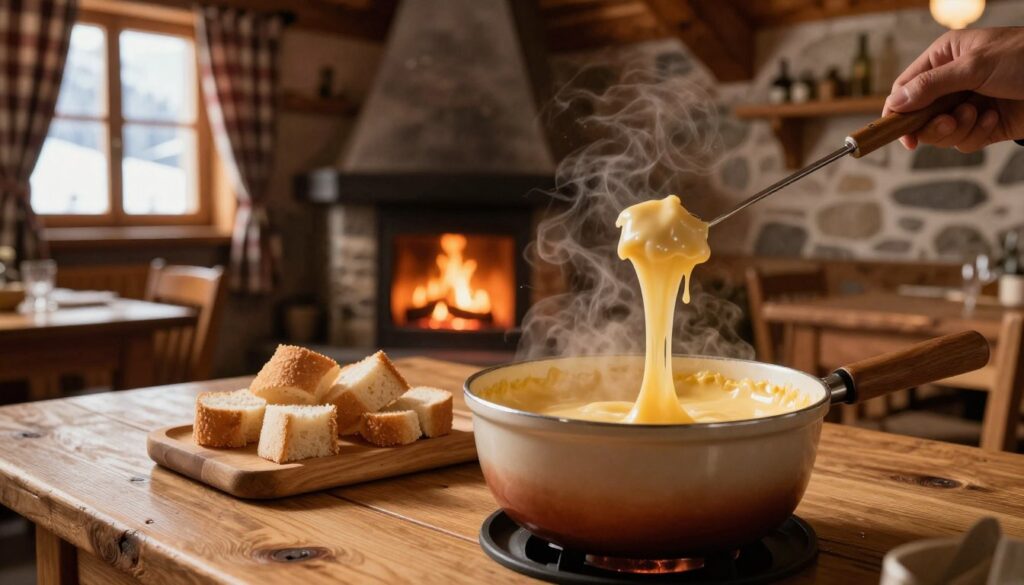
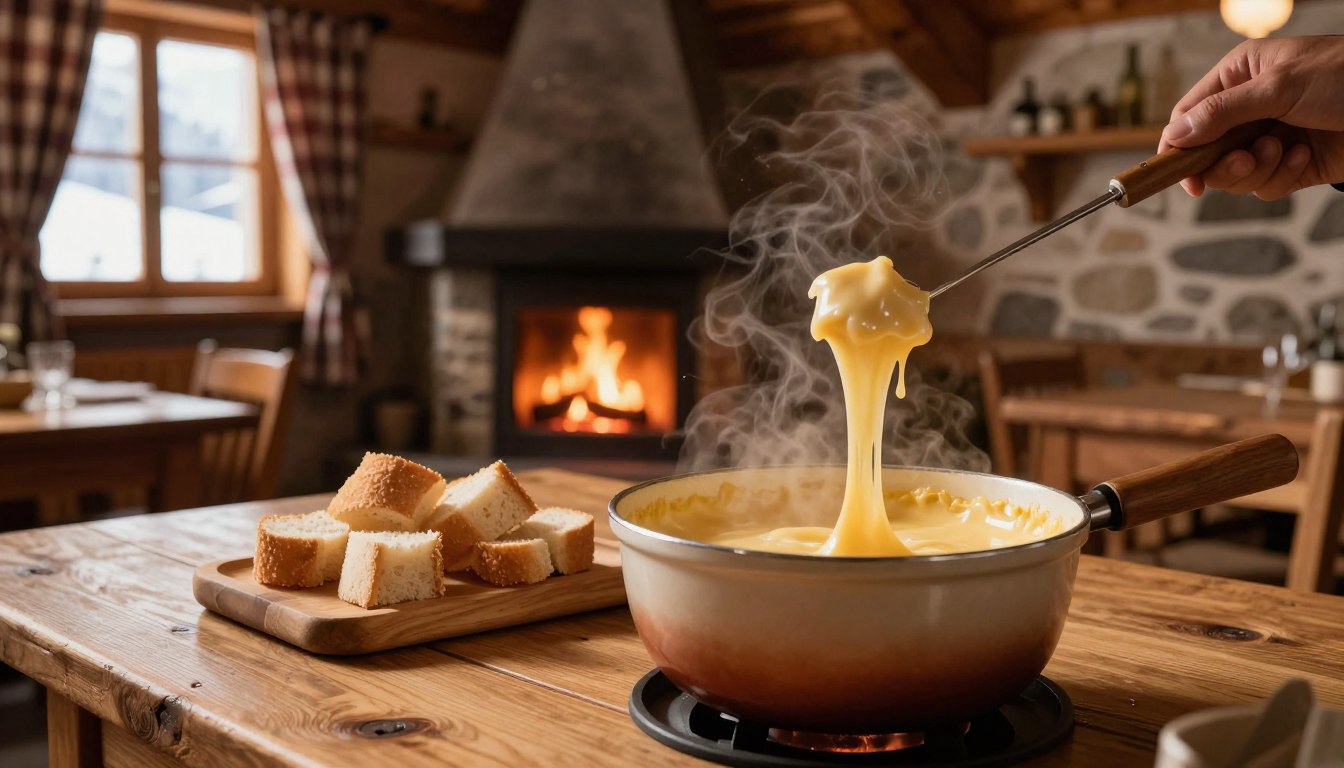
Imagine the cold of winter evening melting away as you gather around a pot of melted cheese. There’s something truly magical about sharing a meal that warms your hands and heart. This is the spirit of the Savoie region in France, where friends and family come together for a feast.
Learning how to make savoyard fondue lets you bring this Alpine tradition home. By mastering the traditional savoyard fondue, you turn any dinner into a festive celebration. This Savoyard fondue recipe is the top choice for those who love a creamy, flavorful meal.
Whether you’re new to cooking or experienced, this french fondue recipe will give you a smooth, velvety texture every time. Impress your guests with the ultimate comfort food that celebrates togetherness.
Key Takeaways
- Discover the cultural roots of this iconic Alpine dish from the Savoie region.
- Learn the essential techniques for achieving a perfectly smooth cheese consistency.
- Understand why this meal serves as the ultimate centerpiece for social gatherings.
- Master the secrets to selecting the right ingredients for an authentic flavor profile.
- Gain the confidence to host your own cozy, winter-inspired dinner party at home.
The Essence of Authentic Savoyard Cuisine
To grasp the heart of a traditional cheese fondue, we must go back to the Alpine peaks where it started. The name comes from the French word “fondre,” meaning “to melt.” It was a smart way for mountain families to use up old cheese and bread during cold winters.
As time went on, savoyard cuisine grew from a survival tactic to a beloved cooking art. It shows a strong bond with the land and the traditions of Savoie. Now, it’s loved for bringing people together with its warm, golden goodness.
This popular european cheese fondue has spread, with each country adding its own twist. Though the basic idea stays the same, each region has its own special take. These variations often mirror the local cheeses and wines found in each valley.
The real charm of an alpine cheese fondue is the togetherness it fosters. It’s not just about the food; it’s about the conviviality and warmth shared. Mastering this dish is a way to honor a heritage that values:
- High-quality ingredients: Authentic, locally sourced cheeses.
- Shared experiences: The joy of dipping and dining together.
- Slow living: Enjoying a meal that can’t be rushed.
Essential Ingredients for Your Savoyard Fondue Recipe
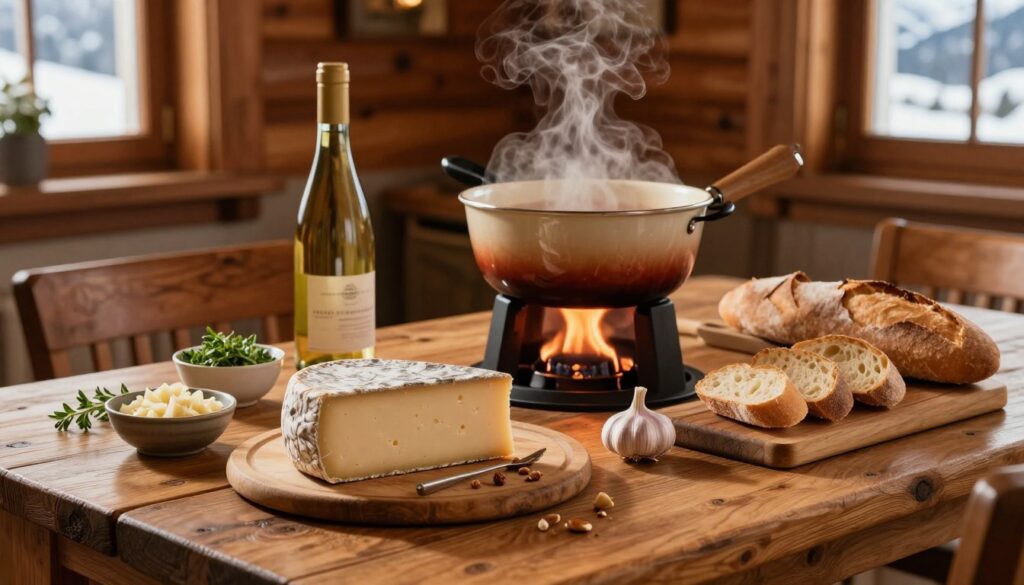
Starting a memorable meal begins with the best savoyard fondue ingredients. A traditional Savoyard fondue recipe depends on the quality of its parts. High-quality items make your meal feel like a trip to the French Alps.
Selecting the Right Alpine Cheeses
Choosing the best cheese for fondue is key. A classic mix is 2:1:1 Gruyère, Emmenthal, and Comté. This blend offers a perfect mix of nutty undertones and great melting.
Gruyère adds a creamy base. Emmenthal brings its famous holes and a mild sweetness. Comté adds a savory depth. Together, they make a smooth, velvety sauce for your bread.
The Role of Dry White Wine
Wine is more than a drink in an authentic cheese fondue recipe. It’s a key ingredient. A dry white wine, like a Savoie white, Riesling, or Sauvignon Blanc, breaks down cheese proteins. This prevents the fondue from becoming stringy.
The wine also balances the intense richness of the cheese. This keeps the dish light and enjoyable throughout the meal. Choose a wine you’d like to drink on its own, as its flavor will intensify in the fondue.
Choosing the Perfect Bread for Dipping
To make a classic fondue savoyarde, pick the right bread. Look for a loaf with a sturdy, crusty exterior and soft inside. A rustic sourdough or French baguette is ideal because it holds the cheese sauce well.
Don’t use too soft or fresh bread, as it gets soggy fast. Cutting your bread into cubes a few hours before helps. This dries the edges, making them better for the cheese to stick to.
Preparing Your Equipment and Workspace
Starting a perfect meal is more than just turning on the stove. In savoyard cuisine, being organized is key. A tidy workspace helps you enjoy the meal with friends, not stress about finding tools.
The Traditional Caquelon Explained
The caquelon is the heart of your setup. It’s a heavy pot made for melting cheese. Its thick walls keep the cheese at a steady, warm temperature.
Before adding cheese, rub a garlic clove inside the pot. This adds a subtle, aromatic depth to your dish. It’s a small step that makes a big difference in taste.
“Cooking is at once child’s play and adult joy. And cooking done with care is an act of love.”
Setting Up Your Heat Source
After preparing your pot, you need a reliable heat source. Use a gel burner or small electric heater to keep the cheese warm. Too much heat can make the cheese oily.
Test your burner before guests arrive for a steady, low flame. For a sweet treat after dinner, try a molten chocolate lava cake. Keeping things organized makes it easy to move from main course to dessert.
Step-by-Step Preparation of the Cheese Base
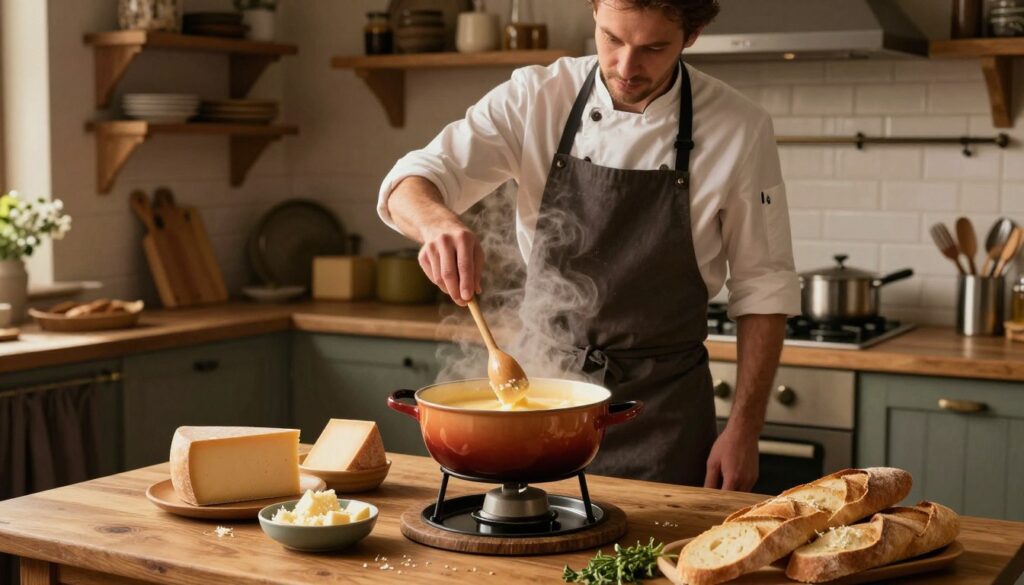
Now, you’re ready to turn your ingredients into a smooth, bubbling masterpiece. Learning how to make savoyard fondue is rewarding. It brings friends and family together. Follow these classic fondue instructions for a professional result every time.
Rubbing the Caquelon with Garlic
Start by rubbing a fresh clove of garlic against the interior walls and bottom of your caquelon. Cut the garlic in half first.
This step adds a subtle, aromatic essence. The garlic oils will mix well with the cheese, adding depth of flavor.
Melting the Cheese to Perfection
Heat your wine over medium heat until it simmers. Add grated cheese in small handfuls, mixing each batch fully before adding more.
Use the best cheese for fondue, like Comté or Beaufort, for a smooth melt. Keep the heat low and steady to avoid stringy cheese.
Achieving the Ideal Consistency
Stir the mixture constantly with a wooden spoon. Use a figure-8 motion to mix the cheese and wine well.
Be patient during this stage. Rushing can cause the sauce to separate. Keep a gentle, rhythmic pace until it’s thick and glossy.
| Heat Level | Cheese Texture | Result |
|---|---|---|
| Low | Creamy and smooth | Ideal for dipping |
| Medium | Slightly bubbling | Good for quick service |
| High | Separated or clumpy | Avoid this setting |
Knowing how to make cheese fondue means adjusting your heat. When it’s smooth and flowing, you’re ready to serve.
Mastering the Art of the Perfect Dip
Mastering the dip is key for a great classic fondue savoyarde evening. The interactive meal makes the night special. Follow these classic fondue instructions to dip with ease.
Proper Dipping Techniques
To enjoy your meal, hold your bread firmly with a fork. Choose a piece with a good crust. It holds the cheese better than soft bread.
- Skewer securely: Push the fork through the crust to ensure the bread does not fall off.
- Stir gently: Use a figure-eight motion to coat your bread without scraping the bottom of the pot.
- The golden rule: If you lose your bread in the pot, French tradition dictates that you must kiss someone at the table.
Managing the Heat During the Meal
Keeping the right temperature is crucial for a smooth texture. If the heat is too high, the cheese will scorch.
Use a low, steady flame. If the cheese gets too thick, move the pot away from the heat. This keeps your classic fondue savoyarde perfect until the end.
Watch the cheese’s consistency. If it separates, a quick stir will fix it. By following these classic fondue instructions, you ensure a fun and clean dining experience for everyone.
Common Mistakes to Avoid When Making Fondue
Even experienced cooks can face challenges when making traditional cheese fondue. Small mistakes in temperature or technique can mess up the dish. Luckily, most problems are easy to fix if you know what to look for.
Preventing the Cheese from Separating
Separation happens when cheese fats and proteins separate, making it oily and unappealing. To avoid this, add cheese slowly, not all at once. Patience is your best friend during this part.
Also, keep the heat low and steady. If it gets too hot, the cheese will separate quickly. Watch the pot closely and stir often to keep it smooth.
Handling Clumpy or Stringy Fondue
If your fondue gets clumpy or stringy, it means you added cheese too fast or the heat is too high. To make a authentic cheese fondue, keep the temperature gentle and consistent. If clumps form, take the pot off the heat and stir hard to mix it back.
Adding a bit of warm white wine or lemon juice can also fix the texture. Don’t worry if it’s not perfect the first time. Getting the heat right takes practice. With these tips, you’ll serve a smooth, creamy fondue that everyone will enjoy.
Pairing Your Fondue with Traditional Accompaniments
Choosing the right sides for a melted cheese dish is key. The sides you pick must balance the richness of savoyard fondue ingredients. This way, every bite is exciting and light.
Classic Side Dishes and Charcuterie
A traditional spread includes a cured meat board. Thinly sliced meats like prosciutto and salami add a savory contrast to the cheese. Don’t forget to add cornichons and pickled onions for a tangy touch.
Fresh fruit, like grapes or tart apple slices, brings a sweet contrast. These simple touches make your meal complete.
“The secret to a perfect meal lies in the harmony of contrasting textures and flavors,”
traditional chefs often say.
Selecting the Right Beverages
Choosing the right drink is crucial for an alpine cheese fondue. You need something acidic to cut through the cheese. A dry white wine, like Savoie or dry Riesling, is perfect.
If you prefer not to drink wine, try sparkling water with lemon. It’s a delightful alternative. Avoid heavy red wines to keep the cheese’s flavor in focus. Light drinks keep your guests happy and light.
The Cultural Etiquette of French Fondue Tradition
Sharing a pot of molten cheese is more than a meal; it’s a time-honored social ritual. This dish, often linked to the french fondue tradition, was named the Swiss national dish in the 1930s. Today, it’s a popular european cheese fondue that brings people together.
The Rules of the Fondue Pot
When you gather around the table, there are a few unwritten laws. Always stir your cheese in a figure-eight motion to keep it smooth. Never double-dip your bread after it’s touched your mouth, as this is a big faux pas.
If your bread falls off your fork into the cheese, you might face consequences. Depending on the group, you might have to buy the next round of drinks or do a silly task. These playful rules keep everyone focused on the meal and each other.
Social Traditions and Fun Challenges
The atmosphere of a fondue dinner is relaxed and communal. You can learn more about the rituals of the fondue party to make your evening more fun. These customs help break the ice and spark lively conversations.
Whether you’re hosting a formal dinner or a casual get-together, embracing the popular european cheese fondue culture makes it authentic. By following these simple etiquette guidelines, you honor the french fondue tradition and create lasting memories. The goal is to enjoy the warmth of the cheese and the joy of shared laughter.
Adapting the Recipe for Modern Kitchens
You don’t need a fancy kitchen to make a classic French fondue recipe. Even everyday cookware can work well with a few tweaks.
Using Stovetop Methods
Don’t have a fondue pot? No problem. Use a heavy-duty pan on the stovetop. Stainless steel or enameled cast-iron pans are best for even heat and to prevent burning.
When the cheese is creamy, move the pan to the table. Use a tea light warmer or a low heat induction burner to keep it warm.
“Cooking is at once child’s play and adult joy. And cooking done with care is an act of love.”
Substitutions for Hard-to-Find Ingredients
Finding Alpine cheeses can be tough. But you can still make a great easy fondue recipe with common, meltable cheeses.
Choose cheeses that taste good and melt well. Gruyère, Emmental, and a bit of Fontina work well together.
| Ingredient | Traditional Choice | Modern Substitute |
|---|---|---|
| Primary Cheese | Beaufort | Gruyère |
| Secondary Cheese | Comté | Emmental |
| Liquid Base | Dry Savoie Wine | Dry Sauvignon Blanc |
| Thickener | Potato Starch | Cornstarch |
These simple swaps make your French fondue recipe easy and tasty. The key is using high-quality ingredients, not fancy tools.
Safety Tips for Serving Hot Cheese
Bringing a bubbling pot of cheese to the center of your table creates a warm atmosphere. But, it demands careful attention to safety protocols. Safety is paramount when you are serving a dish that involves open flames and molten ingredients. By following a few simple precautions, you can ensure that your gathering remains a joyful experience for everyone involved.
Managing Open Flames
When you learn how to make cheese fondue, you must understand the importance of your heat source. Always monitor the flame under the caquelon throughout the entire meal to prevent the cheese from burning or the pot from overheating.
An uncontrolled flame can quickly become a hazard in a crowded dining room. Keep the burner on a stable, heat-resistant surface and ensure that no flammable items, such as paper napkins or decorative tablecloths, are near the base. Constant vigilance is the best way to maintain a safe environment.
Preventing Burns and Spills
The heavy nature of a ceramic or cast-iron pot means it retains heat for a long time. Always use thick oven mitts or specialized pot holders when moving the vessel from the stove to the table. You should also warn your guests that the sides of the pot remain extremely hot even after the flame is extinguished.
To avoid accidental spills, place the fondue pot in the center of the table where it cannot be easily knocked over. Encourage guests to reach for their food carefully rather than leaning across the pot. Following these steps helps you uphold the French fondue tradition while keeping your home and guests secure.
| Safety Category | Action Required | Frequency |
|---|---|---|
| Heat Source | Check flame height | Every 15 minutes |
| Pot Stability | Ensure level surface | Before serving |
| Guest Safety | Warn about hot edges | At start of meal |
| Emergency Prep | Keep damp cloth nearby | Always ready |
Conclusion
Learning to make Savoyard fondue makes any meal special. You now know how to turn simple ingredients into a delicious, bubbling dish for your next gathering.
This fondue recipe is all about mixing textures and flavors right. Try different Gruyère or Comté cheeses to find your favorite.
Sharing this meal creates memories with your loved ones. It shows the spirit of French hospitality and the joy of eating together. You have all you need to make the best fondue at home.
Start by gathering your favorite bread and a crisp white wine. Your guests will love the effort you put into this authentic experience. Bon appétit!