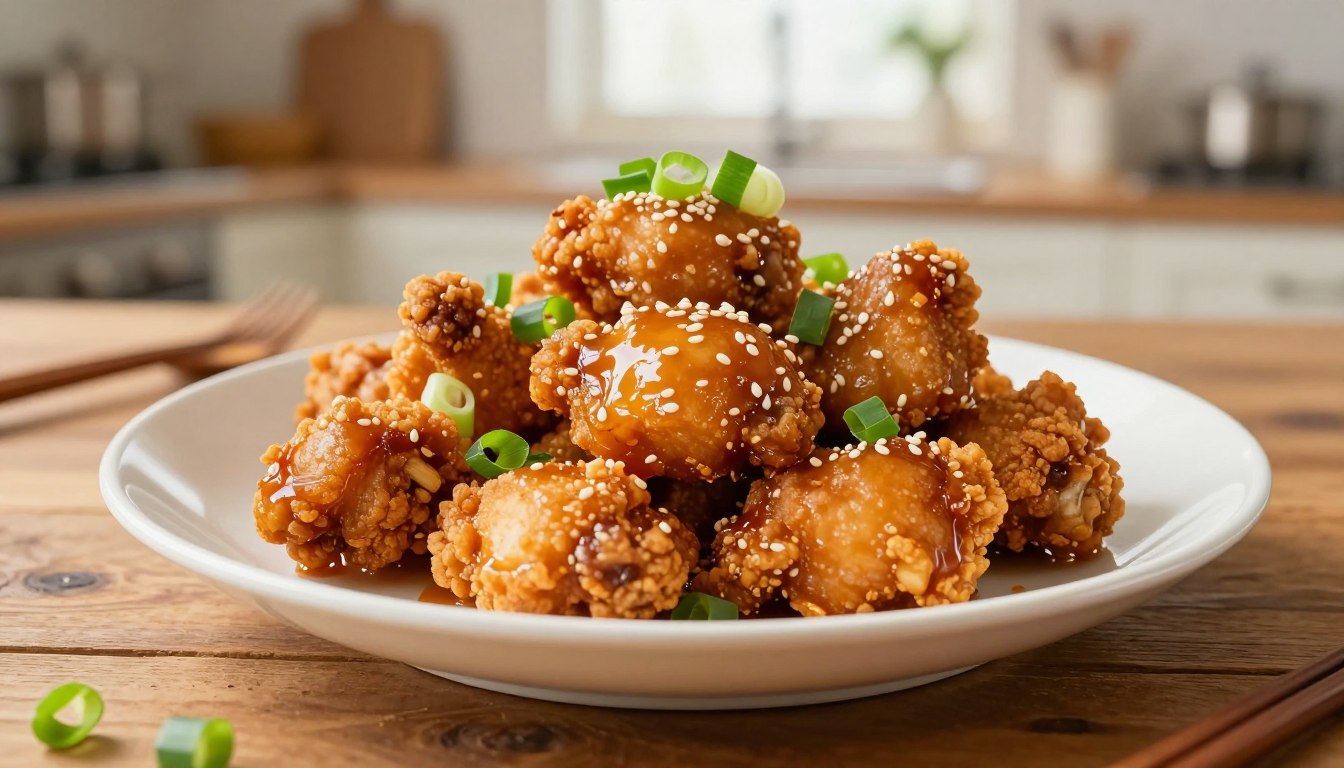
How to Make The BEST Sweet & Spicy Crispy Chicken
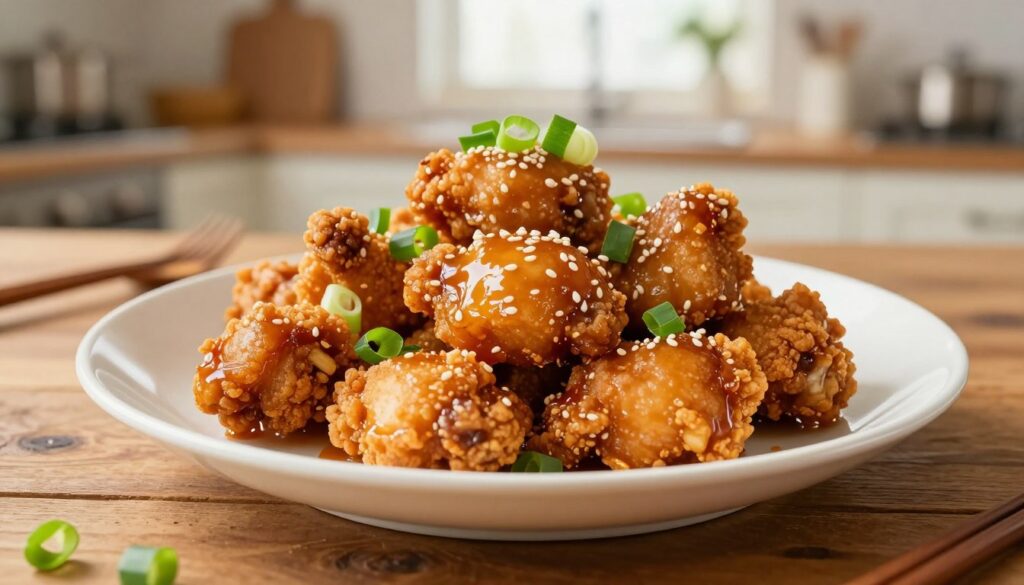
Ever scrolled through delivery apps at 7 p.m., wanting that crispy, tangy chicken? The price and wait time can be tough. But, what if you could make sweet and spicy crispy chicken at home?
This recipe is a game-changer. It combines crispy coating with a sweet and spicy glaze. Your family and friends will want more before they even finish their first bite.
The best sweet and spicy chicken recipe is affordable and delicious. You’ll have a meal fit for a restaurant in just 30 minutes. The secret coating method and balanced sauce will impress everyone.
Making homemade sweet and spicy chicken is simple. You need just a few ingredients and easy steps. This recipe is perfect for any occasion, with clear instructions and tips.
Key Takeaways
- Get restaurant-quality sweet and spicy crispy chicken ready in just 30 minutes
- Learn the secret coating method that creates ultra-crispy texture every single time
- Save money by making this homemade sweet and spicy chicken instead of ordering takeout
- Discover how to balance sweet and spicy flavors perfectly in your glaze
- Master temperature control to avoid common cooking mistakes
- Find simple ingredient swaps to customize the recipe for your taste
- Learn proper storage and reheating techniques to keep chicken crispy
Why This Sweet and Spicy Crispy Chicken Recipe Will Become Your New Favorite
This recipe is a must-have for your dinner plans. Making sweet and spicy crispy chicken at home is better than takeout. Your family will enjoy the taste, and your wallet will appreciate the savings. Plus, your weeknights will become more special.
Better Than Takeout and Budget-Friendly
Creating restaurant-style crispy chicken at home is a game-changer. You get to pick every ingredient, avoiding unwanted additives. Your family will love the homemade taste, made just the way you like it.
It’s also a big money-saver. Making this recipe at home is much cheaper than eating out. Here’s why:
- Simple ingredients found at any grocery store
- Feeds four to six people for under fifteen dollars
- Restaurant quality flavor at home prices
- No delivery fees or tips required
- Leftovers for tomorrow’s lunch
By choosing to make it yourself, you save money and enjoy better food. It’s a win-win for your wallet and taste buds.
Ready in Just 30 Minutes
This quick chicken dinner is perfect for busy weeknights. It’s ready in just thirty minutes. This is great when you’re tired from work or managing kids’ schedules.
| Step | Time Required | What Happens |
|---|---|---|
| Prep Work | 5 minutes | Cut chicken, gather ingredients |
| Coating | 8 minutes | Season and dredge chicken pieces |
| Frying | 12 minutes | Achieve golden, crispy perfection |
| Sauce | 5 minutes | Mix sweet and spicy glaze |
The cleanup is also easy. You mainly use one pan, which means fewer dishes. When you’re tired, cleaning up feels like a relief.
This quick dinner gets everyone to the table happy and full. It doesn’t take over your evening.
Essential Ingredients for Perfect Sweet and Spicy Crispy Chicken
Getting the right ingredients is key to making delicious crispy chicken at home. Each part is crucial for the perfect crunch, flavor, and tenderness. Start by gathering your ingredients to ensure success. Let’s look at what you need to know about each important ingredient.
Choosing the Right Chicken Cut
The debate between chicken thighs and breasts for frying is simple: chicken thighs are your best choice. They have more fat and connective tissue than breasts, keeping them juicy even if overcooked. This makes them ideal for beginners.
You’ll need about 1.5 pounds of boneless, skinless chicken thighs. Cut them into 1-inch cubes for even cooking. This prevents some pieces from drying out while others stay undercooked.
Can you use chicken breasts instead? Yes, but be careful. Breasts dry out quickly, so watch your cooking time and temperature closely. If using breasts, remove them from oil at 165°F internally to keep them moist.
The Secret to Ultra-Crispy Coating
To get that restaurant-quality crunch, understand the secret of crunchy chicken coating. The key is cornstarch. Mix 1/4 to 1/3 cup of cornstarch with an equal amount of all-purpose flour. This combo creates a crispy exterior better than flour alone.
Here’s your three-bowl coating setup:
- Bowl 1: Beat 2 eggs with a splash of water
- Bowl 2: Mix cornstarch, flour, salt, and black pepper
- Bowl 3: Your oil for frying (use a large, heavy-bottomed pot)
The layering technique creates multiple crispy layers. Coat your chicken in the egg mixture, then in the cornstarch-flour blend. This two-step process gives you a golden, crunchy exterior that stays crispy as it cools.
Building Your Sweet and Spicy Sauce
Your sweet and spicy chicken sauce recipe is what brings everything together. It combines sour, salty, and sweet flavors. Start with 1 tablespoon of rice wine vinegar for tanginess and 3 tablespoons of soy sauce for umami. Add 1 tablespoon of brown sugar for sweetness that balances the heat.
For the spicy elements, choose from:
- 1/2 teaspoon of sambal oelek or sriracha
- 1 small fresh jalapeno, finely chopped
- Red chili flakes to taste
Boost the flavor with aromatics. Mince 2 cloves of garlic and add 1/4 teaspoon of sesame oil—use it sparingly. Include 2 tablespoons of ketchup, which adds sweetness and thickens the sauce naturally.
Mix all sauce ingredients in a bowl before cooking. Having everything ready prevents scrambling and ensures smooth preparation.
| Ingredient | Amount | Purpose |
|---|---|---|
| Boneless, skinless chicken thighs | 1.5 lbs (cut into 1-inch cubes) | Main protein; stays juicy during frying |
| Cornstarch | 1/4 to 1/3 cup | Creates ultra-crispy coating exterior |
| All-purpose flour | 1/4 cup | Provides structure and color to coating |
| Eggs | 2 | Binding agent for coating layers |
| Rice wine vinegar | 1 tablespoon | Adds tanginess and brightness |
| Soy sauce | 3 tablespoons | Provides umami and salty depth |
| Brown sugar | 1 tablespoon | Balances heat with sweetness |
| Sambal oelek or sriracha | 1/2 teaspoon | Delivers spicy kick and complexity |
| Fresh jalapeno | 1 small, finely chopped | Fresh heat and fruity spice notes |
| Ketchup | 2 tablespoons | Adds sweetness and natural thickening |
| Garlic | 2 cloves, minced | Enhances overall flavor depth |
| Sesame oil | 1/4 teaspoon | Adds nutty aroma (use sparingly) |
Understanding these essential ingredients is crucial for making crispy, flavorful chicken. The quality and combination of each component greatly impact your final dish. So, don’t skip steps or make substitutions lightly.
The Science Behind Crispy Chicken: Cornstarch vs Flour
Understanding the difference between cornstarch and flour is key to mastering your crispy fried chicken recipe. These two ingredients work in completely different ways when you fry chicken. The secret to ultra crispy fried chicken lies in knowing which coating works best for your chicken pieces.
Flour contains protein, starch, and fiber. When flour gets wet, the proteins develop gluten. This gluten makes your coating tougher and less crispy. Cornstarch, on the other hand, is pure starch with no protein or fiber. This means it creates a lighter, more delicate coating that shatters beautifully when you bite into it.
When you heat cornstarch, something special happens. The starch absorbs water and forms a gel. As the water boils away during frying, you get an airy, crispy structure. Cornstarch pulls moisture away from the chicken’s surface, which is exactly what you need for crispiness. Moisture is the enemy of crunch, so this moisture-absorbing power is crucial.
The comparison between cornstarch vs flour for crispy chicken shows real differences in texture. For small 1-inch chicken pieces, using cornstarch as your main coating ingredient gives you superior results. Small pieces benefit most from 100% cornstarch coatings.
| Chicken Size | Best Coating Mix | Crispiness Level | Best For |
|---|---|---|---|
| Small pieces (1-inch) | 100% Cornstarch | Maximum Crunch | Bite-sized appetizers |
| Medium pieces (2-inch) | 75% Flour + 25% Cornstarch | Very Crispy | Quick dinners |
| Large pieces (breasts, thighs) | 75% Flour + 25% Cornstarch | Crispy exterior | Family meals |
For larger pieces like whole chicken breasts, a combination approach works better. Mix about 75% flour with 25% cornstarch. This blend gives you structural strength from the flour while cornstarch adds that extra crispiness you want. The flour helps hold bigger pieces together during frying.
According to expert guidance on making the best fried, the double-dip coating method (batter, then dredge) creates even crispier results. This technique uses the starch in the dredge to absorb liquid from the batter, forming small uneven clumps that fry up craggy and crunchy.
This knowledge comes from Asian cooking techniques called “velveting.” Cornstarch coating creates meat that’s crispy on the outside and incredibly tender and juicy on the inside. Your crispy fried chicken recipe will benefit from this proven method.
- Cornstarch is pure starch with no protein or fiber
- Flour develops gluten, which makes coatings tougher
- Cornstarch absorbs moisture better than flour
- Small pieces need more cornstarch for maximum crunch
- Larger pieces benefit from a flour and cornstarch blend
- The double-dip method enhances crispiness significantly
The golden color that develops when you fry cornstarch-coated chicken is beautiful and appetizing. This visual appeal happens because cornstarch browns differently than flour. Your fried chicken will look as good as it tastes, impressing everyone at your dinner table.
Step-by-Step Instructions for Making Sweet and Spicy Crispy Chicken
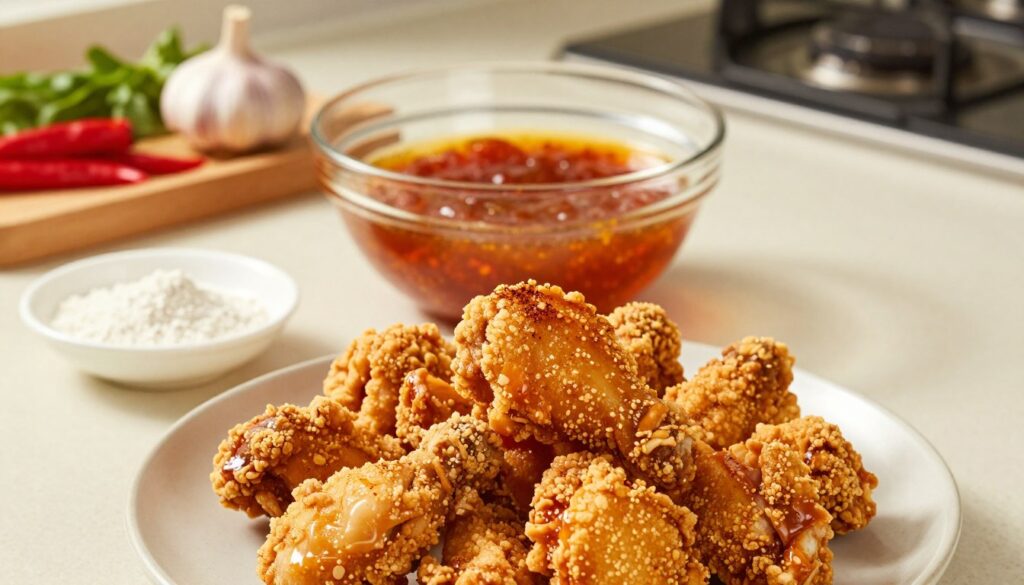
Making crispy chicken at home is a three-step process: preparation, frying, and sauce. Each step is crucial for a great result. Follow these steps to make a crispy chicken recipe that will wow your loved ones.
Preparing and Coating Your Chicken
Begin by cutting chicken thighs into 1-inch cubes. This ensures even cooking. Dry the chicken with paper towels to help the coating stick better.
Prepare your three-bowl dredging station:
- Bowl one: 2 whisked eggs
- Bowl two: 1/3 cup cornstarch
- Bowl three: 1/4 cup flour mixed with 1/4 teaspoon salt and 1/4 teaspoon black pepper
Coat your chicken in this order: cornstarch, egg, and flour mixture. To make it easier, put chicken and cornstarch in a zip-top bag and shake it.
Achieving Golden Perfection While Frying
Heat a large skillet over medium-high and add 3 tablespoons of oil. The oil should be around 335°F. Test it by adding a small piece of coating; it should sizzle without smoking.
Add chicken pieces to the skillet without crowding. Cook for 4-5 minutes until the bottom is golden. Flip and cook another 4-5 minutes until golden all over. Use a meat thermometer to check the internal temperature is 165°F.
Drain excess oil on a wire rack or paper towels.
Creating the Sweet and Spicy Glaze
Mix your sauce ingredients in a bowl before frying. Use rice wine vinegar, soy sauce, sesame oil, sambal oelek, garlic, jalapeno, ketchup, and brown sugar.
In the skillet, drain all but 1 tablespoon of oil. Heat it to medium-high and add garlic and ginger for 30 seconds. Then, pour in your sauce mixture. Simmer it slightly. Add your crispy chicken and toss to coat. Cook for 30 seconds to 1 minute until the sauce thickens.
Serve your chicken immediately to keep it crispy.
Expert Tips for Restaurant-Quality Results at Home
To make your sticky sweet and spicy chicken taste like it’s from a pro kitchen, you need more than just a recipe. You must learn a few key techniques. These techniques help you avoid common mistakes that can ruin the coating.
Once you know these secrets, you can make asian crispy chicken that’s as good as your favorite takeout.
Temperature Control for Perfectly Cooked Chicken
Temperature is key in the kitchen. When frying chicken, aim for an oil temperature of about 335°F. This heat creates a golden, crispy crust without burning the outside before the inside is cooked.
The best oils for frying include canola, vegetable, or peanut oil. Olive oil is not good because it has a low smoke point. It can make the coating darker and add unwanted flavors.
Use a deep-fry thermometer to keep your oil at the right temperature. The temperature drops when you add cold chicken. Let the oil recover between batches. Your chicken is cooked when it reaches 165°F inside.
- Keep oil at 335°F for best results
- Use canola or vegetable oil for neutral flavor
- Allow oil to recover between batches
- Check internal temperature with a thermometer
Preventing Common Coating Mistakes
Your coating is what keeps your chicken crispy. Professional tips say cornstarch is crucial for that crunch. Make sure every piece of chicken is evenly coated with cornstarch. Uneven coating leads to soggy spots.
Pat your chicken dry before coating. Wet chicken makes the coating fall off. Use a zip-top bag for coating to keep your hands clean. Don’t overcrowd your pan to ensure even cooking.
After frying, drain your chicken on a wire rack, not paper towels. This prevents the bottom from getting soggy. These small steps make a big difference in your chicken’s quality.
- Pat chicken completely dry before coating
- Apply cornstarch evenly to every piece
- Use a zip-top bag for easier, cleaner coating
- Avoid overcrowding your cooking pan
- Drain cooked chicken on a wire rack
Delicious Variations to Customize Your Recipe
This recipe is a great starting point for making dishes you love. You can change it up to fit your taste and what you have at home. The way you coat and fry works well with different proteins and flavors.
Try making korean fried chicken by adding gochujang to your sauce. Use one to two tablespoons of gochujang for a deeper flavor. Add garlic, ginger, sesame seeds, and green onions for a true Korean taste.
For honey sriracha chicken, use honey instead of some brown sugar. This makes the sauce smoother and sweeter. Sriracha adds a spicy kick.
Gochujang chicken brings a unique Korean flavor. The fermented paste adds a funky umami taste that many enjoy.
You can also make spicy chicken wings using this method. Just use whole wings or drumettes. Fry them for ten to twelve minutes, then toss in your sauce.
Protein and Ingredient Swaps
Try different proteins like boneless pork chops or turkey breast. These work well with the coating and frying. Just remember, turkey cooks faster than chicken.
- Chicken breast instead of thighs (watch temperature carefully to prevent drying)
- Cubed pork from boneless chops
- Turkey breast pieces
- Firm tofu for a vegetarian option
Adding Vegetables and Fruits
Add vegetables like bell peppers, broccoli, or mushrooms for extra flavor. Stir-fry them quickly before adding your sauce. For a sweet touch, add pineapple or mandarin oranges at the end. They add sweetness that balances the spice.
If you can’t handle spicy food, make a mild version. Leave out the spicy ingredients and add more brown sugar and tomato paste. This is perfect for kids or those who prefer milder flavors.
Making It Healthier Without Sacrificing Flavor
You don’t have to give up your favorite crispy chicken dish to eat healthier. There are smart ways to make it with fewer calories and less oil. You can bake, air fry, or choose a gluten-free option, all while keeping the taste you love.
These cooking methods take about the same time as traditional frying. Your family won’t notice the flavor difference. And you’ll feel good about what you’re serving them. Let’s look at three great ways to make this dish healthier.
Baked Sweet and Spicy Chicken Option
Baking is a simple way to cut down on oil while keeping your chicken tasty. Start by preheating your oven to 425°F. Line a baking sheet with parchment paper and put a wire rack on top for air to circulate.
Coat your chicken pieces using the cornstarch-egg-flour method for crispiness. Place them on the rack without touching each other. Then, spray them lightly with cooking oil spray. Bake for 20-25 minutes, flipping halfway, until golden and the internal temperature is 165°F.
The coating won’t be as crunchy as deep-fried chicken, but it’s still crispy. After baking, toss everything with your sweet and spicy sauce.
For an even lighter option, skip the coating. Season your chicken with salt, pepper, garlic powder, and paprika. Bake at 400°F for 18-22 minutes until cooked through. These naked chicken pieces will soak up your sauce well.
Air Fryer Sweet and Spicy Chicken Method
The air fryer is a great balance between health and texture. It uses hot air to create a crispy exterior with minimal oil—just a light spray.
For air fryer sweet and spicy chicken, coat your pieces with the cornstarch-egg-flour method. Place them in a single layer in your air fryer basket. If needed, work in batches to avoid crowding. Spray lightly with cooking oil and air fry at 380°F for 12-15 minutes.
Shake the basket or flip pieces halfway through cooking until golden and crispy with an internal temperature of 165°F. The result is remarkably close to deep-fried texture with significantly less oil. Once air fried, toss with your sauce in a bowl or pan.
The air fryer method is faster and less messy than traditional frying. You won’t have to deal with a large pot of hot oil to heat or dispose of afterward.
Gluten Free Crispy Chicken Option
Making a gluten free crispy chicken option is easier than you might think. Just swap the all-purpose flour for a gluten-free flour blend that includes xanthan gum. You can also use additional cornstarch in place of flour since cornstarch is naturally gluten-free.
- Check that your soy sauce is gluten-free (tamari is a great substitute)
- Review all ingredients for hidden gluten
- Use the same coating, baking, or air frying methods listed above
- Your gluten free crispy chicken will taste just as delicious as the original
Choosing healthier cooking methods doesn’t mean sacrificing the flavors you crave. You can enjoy this dish guilt-free while still impressing your family with amazing taste.
Perfect Side Dishes to Serve with Your Crispy Chicken
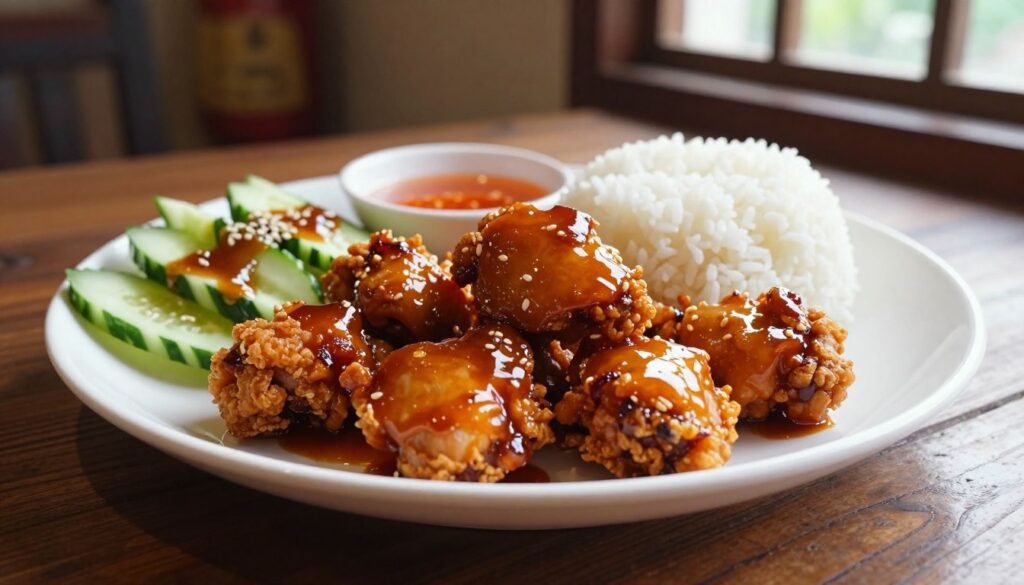
Your asian sweet and spicy chicken needs the right sides to make it complete. The perfect sides turn a good dinner into a restaurant-quality meal at home. Choosing sides that complement your chicken brings out the best flavors and saves time.
Asian-Inspired Accompaniments
Traditional sides add an authentic touch to your homemade dish. Steamed white rice is a classic choice. It absorbs the glaze from your chicken well. The fluffy rice provides a nice base for your spicy flavors.
There are many other options to try:
- Fried rice with scrambled eggs, peas, carrots, and green onions
- Easy chow mein with cabbage, carrots, and savory sauce
- Creamy Asian cucumber salad with peanut dressing
- Crispy egg rolls or spring rolls
- Steamed edamame sprinkled with sea salt
- Cucumber sushi rolls for a fresh crunch
A creamy cucumber salad with red onions offers a cool contrast to your spicy chicken. It adds a nice crunch and acidity. Fried rice adds more flavor and makes the meal more filling.
Quick Weeknight Dinner Pairings
When time is short, simple sides are best. Cauliflower rice is quick and good for low-carb diets. Brown rice is healthier than white rice and still great with your chicken.
| Side Dish | Prep Time | Best For |
|---|---|---|
| Steamed Broccoli | 5 minutes | Light, Nutritious Meals |
| Sweet Potato Fries | 15 minutes | Kids and Sweet Cravings |
| Cauliflower Rice | 7 minutes | Low-Carb Diets |
| Green Salad with Asian Dressing | 10 minutes | Balanced Nutrition |
| Snap Peas and Bok Choy | 5 minutes | Easy Vegetable Option |
Sweet potato fries offer a sweet contrast to your spicy chicken. They add veggies to the meal. A crisp green salad with ginger or sesame dressing balances the meal. Finish with light desserts like mandarin orange salad, green tea ice cream, or crispy sesame cookies.
Troubleshooting Common Issues
Even experienced cooks face problems when making sweet chili chicken crispy at home. Most issues have simple fixes. Knowing what went wrong helps you do better next time. Let’s look at common challenges and how to solve them.
Your coating might slide off during frying. This often happens if your chicken wasn’t dry enough before breading. Pat each piece dry with paper towels, then press the coating firmly onto the meat. Make sure each layer sticks well before moving on.
If your oil temperature drops below 325°F, the coating will soak up oil instead of crisping up. Use a thermometer to keep your oil at 350°F.
Tough and rubbery chicken can ruin your dish. This usually happens if you cook it too long. Chicken breast is lean and dries out easily. Use chicken thighs instead, as they stay tender even if slightly overcooked.
Always use a meat thermometer and pull your chicken when it hits 163°F internally. It will continue cooking while resting and safely reach 165°F.
Sticky chicken bites that lose their crispiness quickly need a timing adjustment. If you toss your chicken in sauce while it’s still hot, moisture will build up and soften the crust. Let your fried chicken rest for just one minute after frying. Then toss it quickly in your sauce and serve immediately.
For meal prep, keep the chicken and sauce separate until just before serving.
| Problem | Cause | Solution |
|---|---|---|
| Coating Falls Off | Wet chicken or low oil temperature | Pat chicken dry; maintain 350°F oil temperature |
| Tough Chicken | Overcooking | Use thighs; cook to 163°F; let rest |
| Crispy Coating Gets Soggy | Added sauce too early while hot | Rest one minute; toss quickly; serve immediately |
| Sauce Too Thin | Insufficient cornstarch or cooking time | Mix cornstarch slurry; simmer 30-60 seconds |
| Sauce Too Thick | Too much cornstarch added | Thin with water or chicken broth gradually |
| Burning Outside, Raw Inside | Oil temperature too high | Reduce heat to 335°F; finish in 350°F oven if needed |
Your sauce might be too thin or too thick. A thin sauce won’t cling to your chicken properly. Add a cornstarch slurry to your simmering sauce. Cook for 30 to 60 seconds until it thickens.
If your sauce is too thick, you added too much cornstarch. Thin it out gradually with water or chicken broth until it’s right.
When chicken burns on the outside but stays raw inside, your oil is too hot. Reduce the heat and target 335°F using a thermometer. If this already happened, finish cooking the chicken in a 350°F oven for a few minutes until it reaches 165°F inside.
Heat issues are easy to prevent when you follow proper temperature control guidelines for fried chicken.
Your dish might be too spicy or not spicy enough. Start with less heat than the recipe calls for and add more at the end if you want it hotter. Set hot sauce on the table so people can customize their own heat level.
If your sweet chili chicken crispy turned out too spicy, balance it with brown sugar or lime juice. These ingredients mellow the heat while keeping the flavor interesting.
Don’t worry if your first batch isn’t perfect. These troubleshooting tips give you the confidence to handle any issue and still end up with delicious results.
How to Store and Reheat Leftover Sweet and Spicy Chicken
When you make sweet chili chicken, you often have leftovers. These leftovers can be just as tasty as the first day. The key is to store and reheat them correctly to keep the flavors and texture right.
Proper Storage Methods
Let your sweet and spicy chicken cool down before storing it. Once it’s cool, put it in an airtight container within two hours. Refrigeration is best for short-term storage.
Refrigerated chicken stays good for three to four days in a sealed container. It’s smart to store the sauce and chicken separately. This helps keep the chicken crispy when reheating.
Freezing is great for longer storage. Freeze the chicken pieces first, then put them in containers or bags. Frozen chicken stays good for two to four months. Always label your containers with the date.
Maintaining Crispiness When Reheating
Choosing the right reheating method is key for crispy chicken. Microwaving can make the coating chewy. It’s better to avoid it.
Use your oven or air fryer for better results. Preheat your oven to three hundred fifty to three hundred seventy-five degrees. Place the chicken on a wire rack over a baking sheet. Reheat for ten to fifteen minutes until it’s hot.
The air fryer is the best for reheating. Heat the chicken at three hundred fifty degrees Fahrenheit for five to eight minutes. Shake halfway through. Your chicken will taste fresh.
If you froze your chicken, thaw it in the fridge before reheating. Never thaw at room temperature. Warm the sauce separately and mix it with the chicken before serving.
| Reheating Method | Temperature | Time | Texture Result |
|---|---|---|---|
| Microwave | High Setting | 60-90 seconds | Soft and chewy coating |
| Oven | 350-375°F | 10-15 minutes | Crispy and crunchy coating |
| Air Fryer | 350°F | 5-8 minutes | Extra crispy and excellent texture |
Reheated sweet and spicy chicken can give you many delicious meals. The flavors often get better the next day. With these tips, you can enjoy sweet chili chicken all week without losing quality or taste.
Recipe Variations: From Korean Fried Chicken to Honey Sriracha
Mastering the basic crispy chicken technique opens up a world of flavors. You can turn it into dozens of tasty dishes. Your kitchen becomes a place to try out restaurant-quality meals.
The Korean fried chicken variation is a standout. It uses a double-frying method for extra crispiness. The sauce is made from gochujang, soy sauce, garlic, ginger, and honey. Adding ketchup brings tanginess, while toasted sesame seeds and green onions add a nice touch.
The honey sriracha chicken variation offers a smooth flavor. It combines honey’s sweetness with sriracha’s heat. The sauce is made from honey, sriracha, soy sauce, rice vinegar, and sesame oil.
- General Tso’s-inspired — incorporates dried red chilies, extra garlic, and hoisin sauce for depth
- Orange chicken variation — uses fresh orange juice and zest for a citrusy-sweet profile
- Sesame chicken — reduces heat while adding toasted sesame seeds and extra honey
- Firecracker chicken — amps up the spice with hot sauce, red pepper flakes, and Thai chilies
- Teriyaki-glazed — swaps sauces completely for a sweeter, less spicy finish
Every chicken recipe variation lets you play with flavors. You can adjust sweetness, heat, and sauce texture. This way, you can make your favorite takeout dishes at home, creating a wide range of Asian-inspired crispy chicken.
Conclusion
You now have all the steps to make the best sweet and spicy crispy chicken at home. This dish combines sweet, spicy, and savory flavors. The crispy coating adds a restaurant-quality texture.
It’s ready in just 30 minutes, perfect for busy weeknights. You’ll love how easy and quick it is.
Follow the guide to get amazing results every time. The cornstarch trick helps achieve maximum crispiness. Keeping the oil at the right temperature ensures golden chicken.
Tossing the chicken in sauce at the right moment keeps it crunchy. These simple steps make your chicken taste like it came from a restaurant. Your family will be impressed.
Make the recipe your own by adjusting the spice level. Try Korean fried chicken or honey sriracha versions. Pair it with your favorite sides like rice, coleslaw, or Asian vegetables.
You control every ingredient, making it healthier and cheaper than takeout. This beats takeout in both taste and cost.
Bookmark this recipe and make it soon. You have all the knowledge and tips you need. Share your results and explore more recipes on this site. Your next favorite dinner is waiting, and you’re ready to create it.