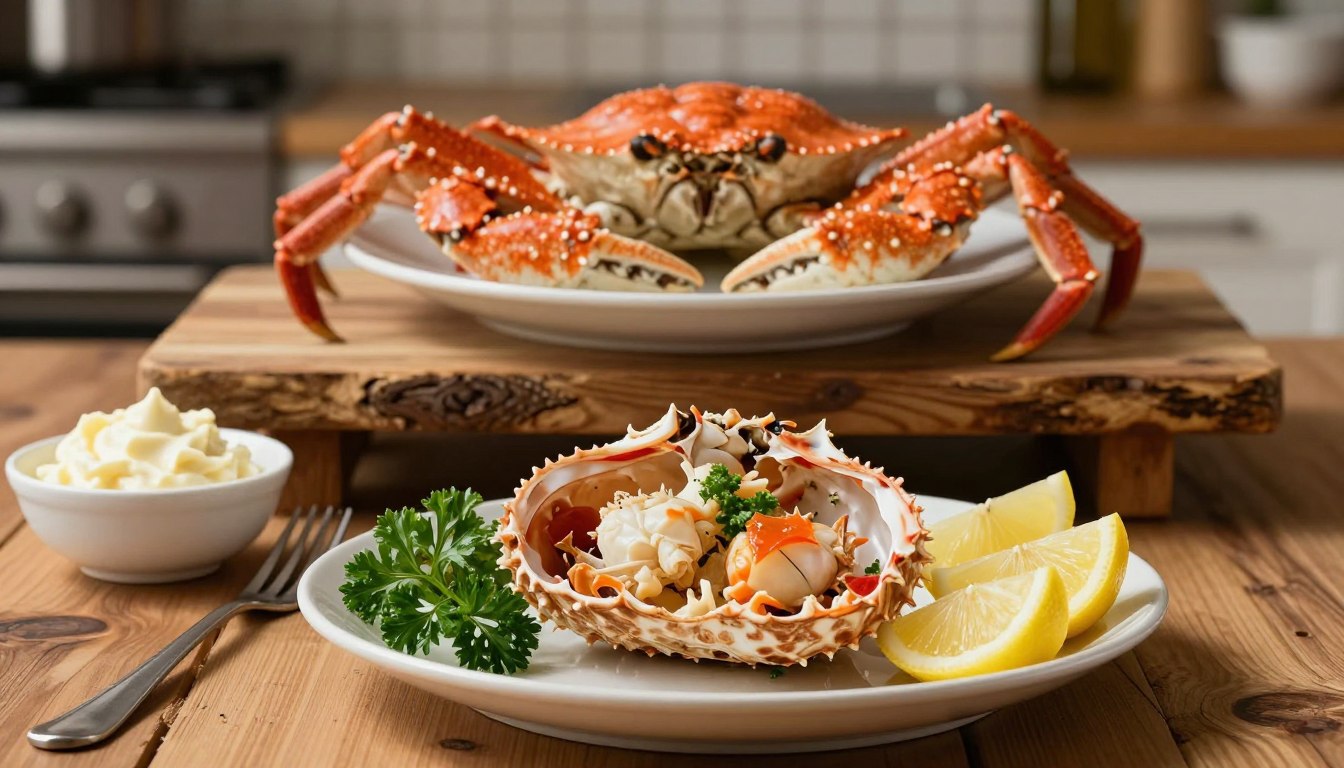
How to Make Spider Crab with Mayonnaise
Some meals remind us of special moments. Like the sea breeze, a seafood market, and the joy of eating fresh crab. This spider crab recipe brings that feeling home. It teaches you how to cook spider crab and make a homemade mayonnaise, just like the French crabe mayonnaise.
This guide will help you make a homemade spider crab recipe. You’ll learn to find fresh crab, boil it right, and make mayonnaise with a hand mixer. You’ll also get ideas for using the crab in crab cakes or salads. Plus, tips on timing and safety to ensure a great crab with mayonnaise dish.
The guide is easy to follow, whether you’re new to cooking spider crab or improving your skills. The aim is to create a tasty spider crab dish you’ll love to make again and again.
Key Takeaways
- This guide shows how to cook spider crab and pair it with classic homemade mayonnaise.
- Follow simple steps for boiling, cooling, and picking meat for the best texture.
- Make mayonnaise with a hand mixer and try variations like aïoli or tartar-style.
- Plan to cook crab at least two hours before serving so it cools well with mayonnaise.
- Sections cover sourcing, safety, plating, and easy recipe adaptations like crab cakes.
Why spider crab makes a delicious spider crab recipe
The spider crab is known for its sweet, delicate meat. It feels light on the tongue. This makes it perfect for a recipe where the crab is the main attraction.
The meat is loved for its gentle flavor and tender flakes. When you pick it from the legs and body, it tastes refined. A good cook will keep this texture, making your dish stand out without heavy sauces.
Seasonality and sourcing fresh spider crab in the United States
Availability changes by region and season. Buy live or recently caught crabs from places like Whole Foods Market or local harbors. Freshness is key for the best results. In coastal areas, a fresh crab can taste better than farmed ones.
Traditional and regional ways people enjoy araignée de mer (spider crab)
In France, they call it araignée de mer and serve it simply. They pair it with bread and hard-boiled eggs in crabe mayonnaise. You can serve it whole for a rustic look or pick the meat for salads. These ways keep the crab’s true taste and honor local traditions.
Choosing and preparing fresh crab for the best homemade seafood recipes
First, check live or recently caught spider crab for freshness. Look for active movement, an intact shell, bright eyes, firm legs, and a clean marine smell. This ensures the sweetest meat in your simple spider crab recipe.
When buying live crab, keep it cool and safe. Use a ventilated container and avoid heat. Learn humane killing methods at home to ensure freshness and treat the crab responsibly.
How to tell a fresh live or recently caught spider crab
Check for energetic leg movement and no loose limbs. A firm, unblemished carapace and a faint sea-breeze scent are positive signs. Avoid crabs with a strong sour or fishy odor. These quick checks make fresh crab preparation easier and reduce waste.
Handling and humane considerations when buying live crab
Transport the crab upright in a ventilated box. Cushion them with damp newspaper or seaweed. Keep the temperature cool but not freezing. If unsure about humane dispatch, ask your fishmonger or choose pre-chilled options.
Cleaning and prepping the crab safely for cooking
Rinse the crab under cold running water to remove surface debris. Use a dedicated cutting board and clean tools for any work near the gills or internal cavity. Many cooks prefer to boil the crab whole and pick the meat afterward; that method fits with common spider crab cooking tips.
If you remove gills or organs before cooking, do so with sanitized utensils and discard shells in a covered bin. After handling raw crab, thoroughly wash counters and utensils with hot, soapy water to prevent cross-contamination.
Allow cooked crab to rest and cool for at least two hours before serving cold with mayonnaise. For a practical guide on picking out meat after cooking, see this helpful how-to link that complements fresh crab preparation: how to pick out the meat from a spider. These steps pair well with tips on how to cook spider crab when you want a reliable, simple spider crab recipe.
| Step | Action | Why it matters |
|---|---|---|
| Inspect | Check movement, shell, eyes, scent | Ensures sweetest meat and reduces spoilage |
| Transport | Cool, ventilated container | Maintains quality and humane handling |
| Rinse | Cold water to remove debris | Prepares crab for cooking safely |
| Sanitize | Clean tools and surfaces after prep | Prevents cross-contamination |
| Cook whole | Boil or steam, then pick meat | Makes meat easier to extract and tastes fresher |
Tools and kitchen setup for an easy crab recipe
Get your kitchen ready before you start. A clean workspace makes cooking easier and less stressful. This is true for any spider crab cooking guide or new boiled spider crab method.
Use a big pot or stockpot for boiling whole crab. This ensures the water covers the crab evenly. Have a slotted spoon or a spider for safe lifting. Keep crab crackers, picks, and heavy-duty kitchen shears within reach for easy meat extraction.
Supporting tools
Set up bowls for separated meat and shells to avoid cross-contamination. A pouring jug helps when adding oil to homemade mayonnaise. Have a hand mixer—immersion or handheld—ready for smooth emulsifying. Place a wet dishcloth under the mixing bowl to stop it sliding while you whisk.
Practical setup tips
French cooks recommend the wet towel trick; it works. Use a tray for discarded shells to speed cleanup. Lay down disposable or washable table covers if you plan a communal picking session. Prepare serving platters, bread, and hard-boiled eggs ahead so plating feels effortless.
For pan techniques related to family-friendly seafood, see this short note on cookware choices from a trusted resource: pan and skillet recommendations. These pointers pair well with homemade seafood recipes and an easy crab recipe approach.
| Tool | Purpose | Tip |
|---|---|---|
| Large pot / stockpot | Boiling whole crab | Choose one large enough so crab sits fully submerged |
| Slotted spoon / spider | Safe lifting of crab | Gently lower and lift to avoid splashes |
| Crab crackers & picks | Extracting meat from joints | Keep picks in a small cup for easy access |
| Hand mixer & pouring jug | Making mayonnaise | Use a stable bowl and wet cloth under it |
| Bowls & trays | Separate meat, shells, and waste | Label bowls if multiple people are helping |
These setup steps make your spider crab cooking guide easier to follow. They also improve results when you try boiled spider crab or other homemade seafood recipes.
Boiled spider crab technique for perfectly cooked meat
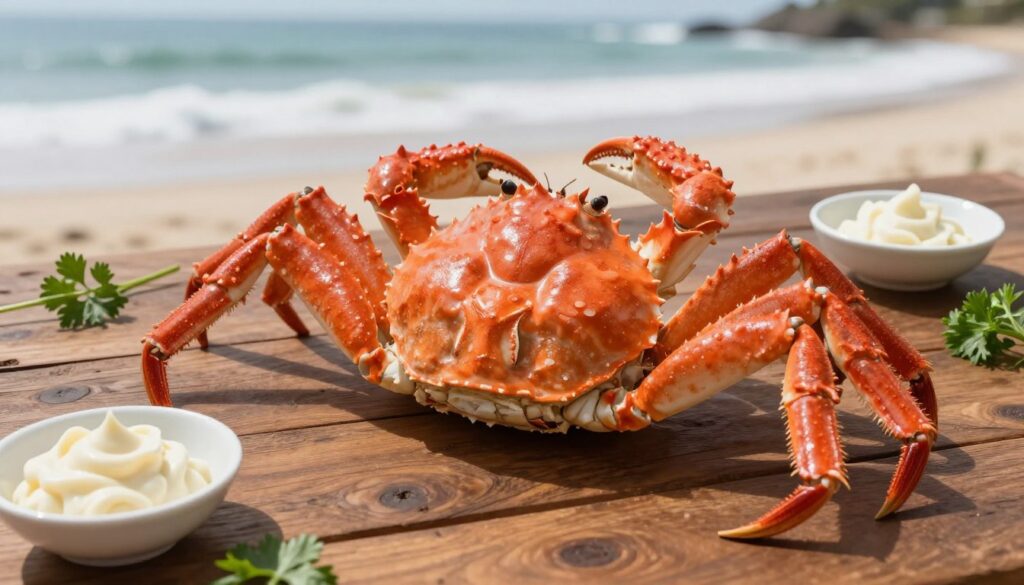
Start by seasoning a pot of water like the sea. Use coarse sea salt or a brine to season the shell and flesh. This simple step boosts flavor.
Brining and salting the cooking water for flavor
Fill a big pot for the whole crab. Add enough salt to match seawater. Natural seawater is best for authentic taste. A salty boil seasons the meat and keeps it fresh.
Timing: how long to boil spider crab depending on size
Boil the water fast, then add the crab. Cook for about 12 minutes per kilogram. For a 790 g crab, cook for about 15 minutes.
Adjust cooking time for bigger crabs. This ensures the meat cooks well without drying out. Timing is crucial for perfect cooking.
Cooling down the crab so it’s ideal to eat with mayonnaise
Stop the timer and remove the crab. Let it cool at room temperature for two hours. This makes the meat easy to pick and enhances flavors.
After cooling, break the legs and claws. Pick the meat, mixing brown and white as you like. Save the cooking stock for sauces. For more on cooking spider crab, see this guide.
| Crab Weight (kg) | Approx. Cook Time (minutes) | Cooling Time Before Serving | Serving Tip |
|---|---|---|---|
| 0.5 – 0.9 | 10 – 16 | 2 hours | Serve cold with lemon and mayonnaise |
| 1.0 – 1.5 | 12 – 18 | 2 hours | Crack legs gently; save stock for sauces |
| 1.6 – 2.5 | 19 – 30 | 2 – 3 hours | Keep meat moist; avoid overcooking |
| 2.6+ | 30+ (adjust by thickness) | 3 hours | Consider halving for even cooking |
Classic homemade mayonnaise for crab dipping sauce mayonnaise
Begin with a goal: a smooth, stable mayonnaise for your crab or seafood dishes. You’ll need one fresh egg yolk, 3/4 tsp Dijon mustard, a pinch of salt, 1/2 tsp wine vinegar, and 175 ml oil. Make sure all ingredients and the bowl are at room temperature for the best results.
Ingredients and why room temperature matters
When egg yolk and oil are at the same temperature, they mix better. Cold ingredients make it hard to combine them. So, let your yolk, vinegar, mustard, and oil warm up for 15 minutes before starting.
Step-by-step emulsifying method using a hand mixer
Put yolk, mustard, salt, and vinegar in a bowl on a damp cloth. Use a hand mixer on high speed. Start with a tiny amount of oil from a jug. Stop and let it mix well before adding more oil.
If it’s still too thin, chill it for 30 minutes. Then, whisk it briefly to thicken. This recipe works well with olive oil or a neutral oil blend for a lighter taste.
Troubleshooting separated mayonnaise and how to fix it
If your mayonnaise separates, start fresh with a new egg yolk. Slowly add the separated mayo to the new yolk while mixing. Once it’s creamy, add the rest of the oil. Adjust the seasoning to taste.
Keep this mayonnaise in the fridge and use it within a day because of the raw egg. It’s perfect with crab or other seafood dishes.
Flavor variations for mayonnaise to complement spider crab
Enhance your crab with mayonnaise recipe by picking a sauce that complements its sweet meat. Begin with a basic mayonnaise, then adjust its texture and acidity to fit your dish. Small tweaks can make a big difference in the taste of your spider crab meal, whether it’s whole crab or picked meat.
Simple lemon-herb mayonnaise for a fresh finish
Blend fresh lemon juice and finely chopped herbs like parsley, chives, and tarragon into mayonnaise. This sauce brightens the crab’s flavor and brings out its natural sweetness. It’s perfect for chilled picked meat or as a warm crab leg dipping sauce.
Garlic aïoli and paprika mayonnaise for bolder flavor
For a bolder taste, create an aïoli by blending crushed garlic into mayonnaise. Use extra-virgin olive oil for a darker, richer flavor. Add smoked paprika for color and depth. This mix is great with grilled shells and rustic presentations.
Tartar-style mayonnaise with capers and gherkins for texture
Make a tartar-style mayonnaise by adding chopped gherkins, capers, and a bit of Dijon mustard. The crunch and tang from these ingredients contrast nicely with the crab’s tenderness. Choose corn or neutral oil for a milder base if you prefer.
Try mixing different sauces with your crab with mayonnaise recipe to find your perfect flavor. Each option can turn a simple dish into a memorable, flavorful spider crab meal.
Putting together an authentic spider crab dish
You can present spider crab in many ways, fitting any occasion. Serving the whole crab is rustic and fun, letting guests pick meat at the table. For a neater look, picked meat is better for salads, crab cakes, or starters.
Serving spider crab whole adds drama and keeps the crab’s juices and smell in focus. Place it on a chilled platter with split shells nearby. Offer bowls for shells, lemon wedges, and small forks for a refined touch.
Picked meat is perfect for plated dishes. Use it to top toast, mix into salads, or shape into cakes. This way, the dish looks great and is easy to eat at big gatherings.
When making a homemade spider crab recipe, keep the mayonnaise simple. Use thick, room-temperature mayonnaise for the best flavor. Serve a small amount over the crab or in a ramekin for guests to control.
For a French-style crabe mayonnaise plating, arrange crab on a chilled platter. Add halved hard-boiled eggs and a dollop of mayonnaise. Garnish with lemon wedges and parsley or chives.
Choose sides that complement the crab’s sweetness. Serve with crusty bread or brioche to soak up the sauce. Add bitter greens like frisée or peppery watercress for contrast.
Here’s a quick guide to help you decide how to serve your crab. Consider style, effort, and guest experience.
| Presentation | Guest Experience | Effort | Best Pairings |
|---|---|---|---|
| Whole crab on platter | Interactive, social | Low prep, table-side work | Lemon wedges, crusty bread, mayonnaise |
| Picked meat on toast or salad | Elegant, easy to eat | More prep to pick meat | Frisée, watercress, tartar-style mayo |
| Crab cakes or composed starter | Restaurant-style, plated | Highest prep, holds well | Brioche, lemon aioli, microgreens |
Easy spider crab recipe adaptations: crab cakes and salads
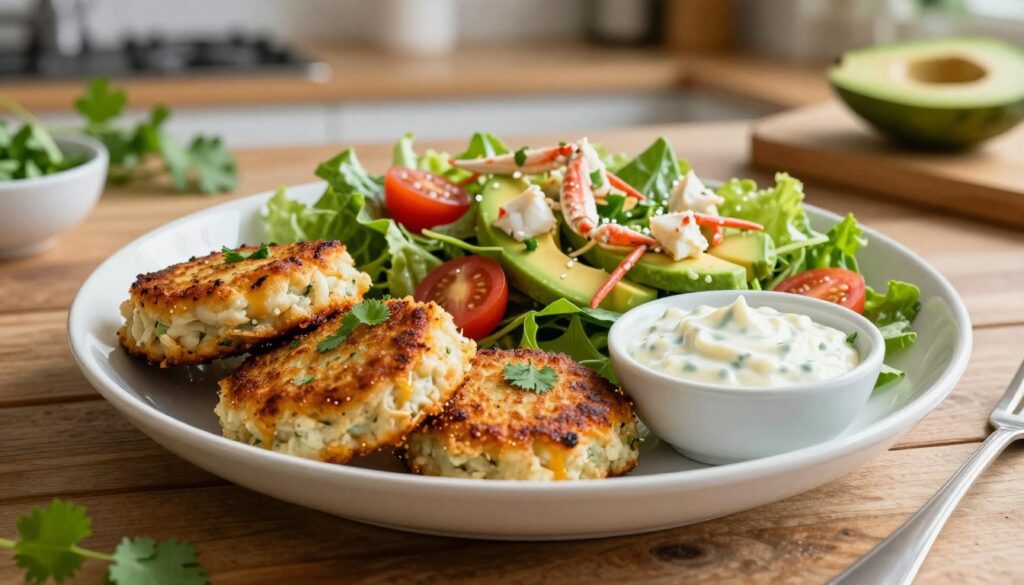
Start with picked lump spider crab meat for bright flavors and delicate texture. This meat is perfect for quick meals or parties.
Using picked crab meat to make crab cakes
Mix lump crab with a lightly beaten egg, mayonnaise, panko, diced bell pepper, green onions, and lemon. Add salt, pepper, and a pinch of Old Bay or paprika. Shape into patties and fry in butter and oil until golden. Serve with mayonnaise or tartar-style mayo for a nice contrast.
Light crab salad with mayo and crunchy vegetables
Combine picked crab with just enough mayonnaise to hold it together. Add diced celery, cucumber, bell pepper, parsley, and lemon juice. Serve on greens, in sandwiches, or in avocados. This salad stays fresh with crisp veggies and a light mayo touch.
Make-ahead crab dishes for dinner parties
Prepare crab dishes ahead by picking meat a day early and refrigerating it. Assemble crab cakes or salads just before serving for the best texture. Make homemade mayonnaise with raw eggs the day before, or use pasteurized egg yolks for longer safety. These tips help you serve elegant, stress-free dishes that showcase spider crab without the last-minute rush.
Best spider crab recipe tips for flavor and texture
Getting a simple spider crab recipe right is all about timing and care. You need to avoid overcooking to keep the crab’s texture perfect. For a medium crab of about 790 g, 15 minutes in boiling, salted water is usually enough. This way, you get sweet, tender meat.
After cooking, put the crab in an ice bath or very cold water. This stops the cooking process. It also keeps the meat moist and delicate when you eat it.
Mayonnaise is key to balancing flavors. When making homemade mayo, aim to match the crab’s sweetness. Use olive oil sparingly for an aïoli taste. For a milder mayo, use neutral oils like corn or refined peanut.
Try mixing oils in a 50/50 ratio to adjust the flavor. Taste as you go and stop when the mayo enhances the crab’s flavor without overpowering it. This method helps you adjust the flavor for different tastes and dishes.
Seasoning the crab is all about subtlety. The crab and the brine already add salt, so start with a small amount. Add a bit of French-style mustard and vinegar to deepen the flavor.
Finish with freshly ground pepper and lemon juice to brighten the dish. Taste before serving and adjust if needed. These steps keep the crab’s sweetness in the forefront while the sauce supports it.
Below is a quick reference for timing, mayo oil choices, and seasoning touch-ups.
| Step | Action | Why it matters |
|---|---|---|
| Boil timing | ~15 minutes for 790 g crab; scale with size | Prevents overcooking to preserve crab texture |
| Cooling | Plunge into ice or very cold water immediately | Stops cooking and keeps meat tender |
| Oil choice for mayo | Olive oil for bold aïoli; neutral oil for mild mayo; blend to taste | Balancing mayonnaise oils controls intensity and complements crab |
| Emulsion base | Egg yolk, French mustard, splash of vinegar | Stabilizes mayo and adds subtle tang |
| Final seasoning | Salt lightly, pepper to taste, lemon to brighten | Seasoning spider crab should enhance, not mask, natural flavor |
Food safety and storage for your flavorful spider crab meal
Keep your kitchen clean and your coolers colder. Use clean utensils and separate cutting boards to avoid cross-contamination. This is crucial when handling raw egg-based mayonnaise for food safety.
Safe handling of cooked crab and mayonnaise-containing dishes
Work quickly after cooking. Move picked crab meat into shallow, covered containers and chill within two hours. Use refrigerated prep areas when mixing crab with mayonnaise. If using pasteurized eggs, still keep batches chilled and away from direct heat.
How long cooked spider crab and homemade mayonnaise keep in the fridge
Store cooked crab in the refrigerator at 35–39°F (2–4°C). Plan on 2–3 days for storage cooked crab to maintain safety and quality. Homemade mayonnaise shelf life depends on the eggs used. If raw eggs are used, treat the mayo as highly perishable and use within one day. With pasteurized eggs, you can extend use slightly, but still be cautious.
For more storage tips and ice-handling advice, visit how long crabs can be kept on ice. This helps when planning fridge time and transferring to coolers.
Reheating and repurposing leftovers without losing quality
When reheating crab, go gentle. Warm picked crab meat slowly in a low oven or a pan over low heat just until warm. High heat dries delicate meat and robs texture. Cold crab works best in salads and cold dishes, where you can preserve sweetness and moisture.
If you plan to use leftover crab with mayonnaise, keep mayonnaise-based bowls chilled and discard any that have been left at room temperature for more than two hours. For safe reheating crab leftovers, combine crab with a sauce or gentle steam to protect moisture and avoid overcooking.
| Item | Storage Temperature | Safe Refrigerator Time | Notes |
|---|---|---|---|
| Cooked spider crab meat | 35–39°F (2–4°C) | 2–3 days | Keep in shallow covered containers; chill within 2 hours |
| Homemade mayonnaise (raw eggs) | 35–39°F (2–4°C) | 1 day | Use pasteurized eggs to extend shelf life slightly |
| Cooked crab in ice cooler | Near 32°F with drainage | Up to 24 hours | Drain meltwater regularly; avoid direct contact with ice |
Follow these rules and you protect flavor and safety. Proper attention to storage cooked crab, homemade mayonnaise shelf life, and reheating crab leftovers keeps meals enjoyable and lowers risk.
Serving suggestions and wine or beverage pairings for seafood crab recipe
Think about balance when serving spider crab. It should be light to let the sweet meat shine. Keep mayonnaise-based sauces chilled and serve crab meat at a cool temperature for the best texture.
Classic wine pairings
Choose crisp, unoaked white wines. Muscadet, Chablis, Sauvignon Blanc, or a dry Riesling cut through richness and highlight sweetness. Sparkling wine and Champagne lift the palate and make a flavorful spider crab meal feel celebratory.
Non-alcoholic options
Offer refreshing non-alcoholic pairings so everyone enjoys the meal. Citrus-infused sparkling water, iced tea, or a light lemonade balance the richness of mayonnaise. These pairings work well with simple sides like crusty bread or steamed baby potatoes.
Presentation tips to impress
Plate picked crab meat in a chilled ring mold for clean lines. Spoon a quenelle of flavored mayonnaise beside it to add shape and gloss. Garnish with microgreens, edible flowers, or thin herb sprigs for color and height.
Think about texture when you compose the plate. Add crisp toast points or shaved radish for crunch. Small contrasts make a presentation crab dish feel refined and restaurant-ready.
| Element | Suggestion | Why it works |
|---|---|---|
| Wine | Muscadet or Chablis | High acidity brightens sweet crab and cuts through mayonnaise richness |
| Sparkling | Brut Champagne or other sparkling wine | Effervescence refreshes the palate and elevates celebration |
| Non-alcoholic | Citrus sparkling water, iced tea, lemonade | Provides acidity and refreshment for a family-friendly meal |
| Sides | Crusty bread, steamed vegetables, boiled new potatoes | Neutral flavors support the crab without overpowering it |
| Plating | Chilled ring mold, quenelle of mayo, microgreens | Create clean shapes and color contrast for a Michelin-inspired look |
Conclusion
You now have a clear roadmap for a memorable spider crab recipe. You learned how to select and prepare fresh spider crab. You also learned to boil it in well-salted water and cool it for cold service with mayonnaise.
The guide covered making classic homemade mayonnaise. It also gave practical emulsifying tips. These include keeping ingredients and bowls at room temperature and steadying the mixing bowl with a wet dishcloth.
You explored flavor variations and plating ideas to create an authentic crab with mayonnaise recipe. You can adapt picked meat into crab cakes or a light crab salad. Use simple storage advice to keep your homemade seafood recipes safe and tasty.
Remember to balance oils in your mayonnaise. Experiment with herbs or spices to suit your taste.
For the best results, source fresh local spider crab when available. Try this easy spider crab recipe as a weekend project or special dinner. With these steps, practical tips, and a bit of creativity, your next crab with mayonnaise recipe will be both approachable and impressive. Enjoy your delicious spider crab meal with mayonnaise.