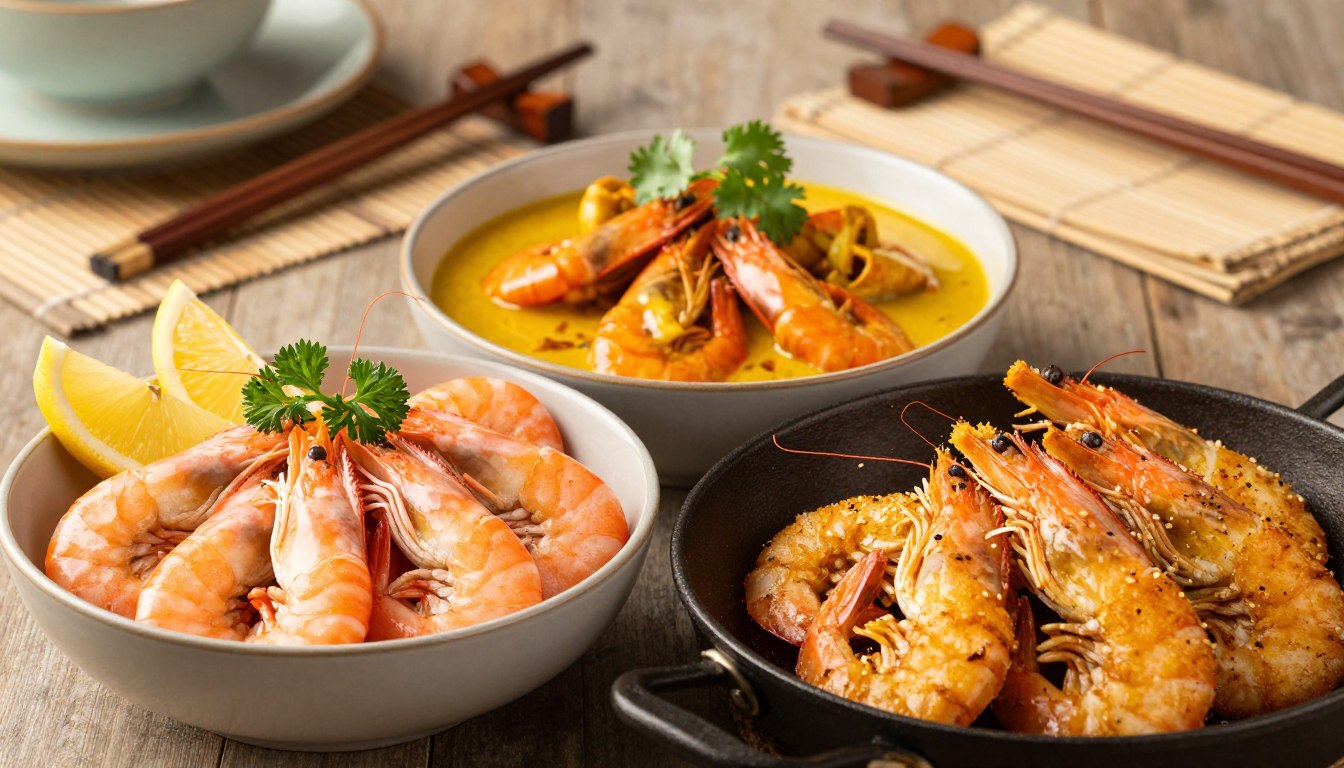
How to Make Shrimp: Cold, Pan-Fried, Curry & Asian
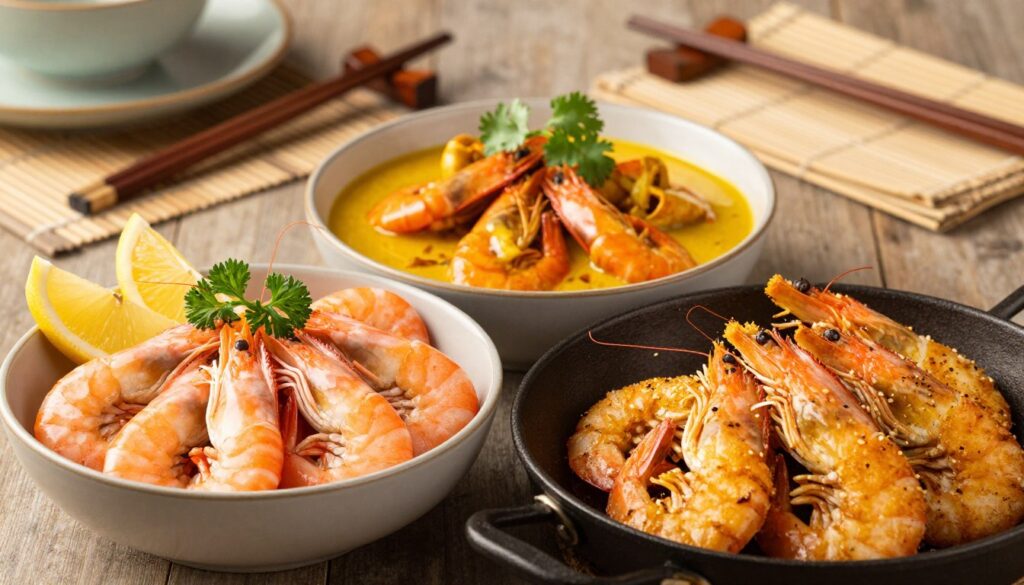
Do you remember that feeling? The satisfying crunch of seared seafood, the tangy sauce of a chilled appetizer, or the steam from a simmering pot. For many, a great shrimp dish is key to a memorable meal.
This guide is here to help you master that magic at home. We’re not just following recipes. You’ll learn essential techniques for plump, juicy shrimp every time, no matter the style.
From a refreshing cold shrimp cocktail for summer to a quick pan-fried dinner on a busy night, or a comforting curry and vibrant Asian flavors. We’ve got you covered. Let’s explore the amazing versatility of shrimp together.
Key Takeaways
- Master four distinct and delicious methods for preparing shrimp: cold, pan-fried, curry, and Asian-style.
- Learn professional tips for selecting the best shrimp at your local grocery store or market.
- Understand the core cooking techniques that prevent overcooking and ensure tender, juicy results.
- Gain the confidence to create restaurant-quality seafood dishes in your own kitchen.
- Discover how a single versatile ingredient can anchor a wide variety of meals for any occasion.
- Transform simple ingredients into flavor-packed, impressive dishes for yourself, family, and friends.
Your Ultimate Guide on How to Make Shrimp
This guide makes cooking shrimp easy and fun. It’s like having a key to unlock your kitchen skills. We’ve created a shrimp preparation guide to guide you from start to finish.
You’ll learn more than just one recipe. You’ll get the basics that apply to all cooking styles. Whether you want a light appetizer, a spicy stir-fry, or a warm curry, the basics stay the same.
- Build a Solid Foundation: Learn the essential prep steps for great results every time.
- Master Core Techniques: Discover how to tell if shrimp are cooked right and what tools you need.
- Explore Global Flavors: Try recipes for cold, pan-fried, curry, and Asian-style dishes.
- Solve Common Problems: Get tips to avoid overcooking and enhance flavors like a pro.
This guide isn’t about strict rules. It’s about understanding the why behind each step. Knowing why you devein shrimp or how a quick sear keeps juices in, lets you be creative. You’ll go from following recipes to making your own tasty dishes.
The best cooks aren’t those who never make mistakes, but those who understand their ingredients so well they can adapt on the fly.
We’ve structured this shrimp preparation guide in a clear way. We start with the basics—how to choose and prepare your shrimp. Then, we add key cooking techniques. Last, we use all that knowledge in tasty recipes. This step-by-step method keeps you on track.
By the end, you’ll have all you need to cook shrimp for any occasion. You’ll know how to cook shrimp for a quick weeknight meal or a special dinner. Let’s boost your shrimp-cooking skills together.
Shrimp Basics: Selection, Prep, and Foundation for Success
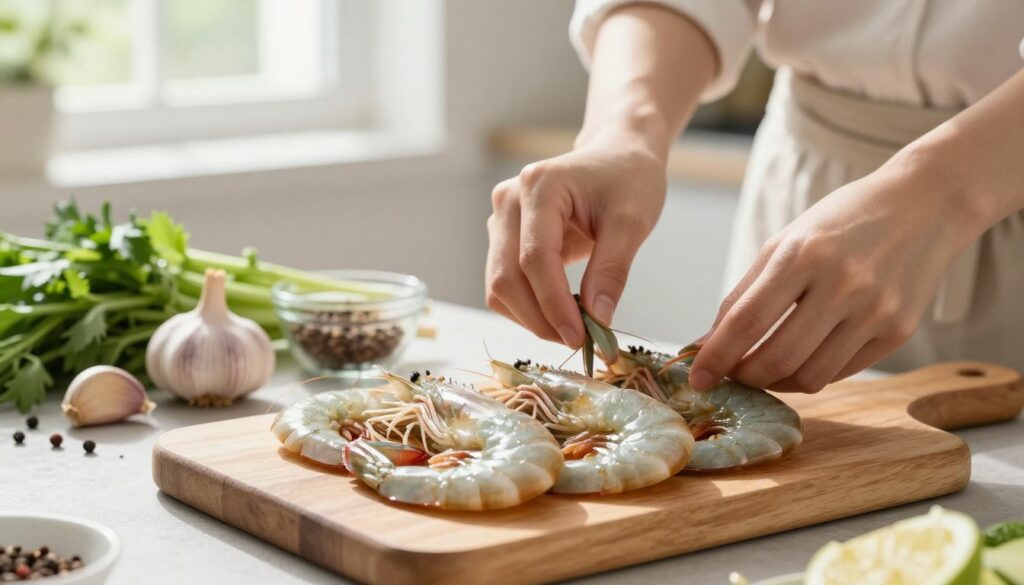
Learning to cook shrimp starts with smart choices at the market and confident prep in your kitchen. Getting these basics right makes you a pro at cooking shrimp. It’s the key to a delicious and easy shrimp recipe.
Picking the Perfect Shrimp: Size, Labels, and Freshness
Your first choice is at the seafood counter. Shrimp sizes are labeled by count per pound, like “U-15” or “21/25”. Larger numbers mean smaller shrimp. Medium (31/40) or large (21/30) are best for most dishes.
Don’t trust the “fresh” label too much. Much “fresh” shrimp was frozen and thawed. High-quality frozen shrimp is often better because it’s frozen at peak freshness. Look for labels like “wild-caught” or “responsibly farmed.”
If using frozen shrimp, thaw them quickly. Place them in cold water for about 15 minutes, changing the water a couple of times. They’ll be ready by the time you finish prepping.
How to Clean and Devein Shrimp Like a Pro
Cleaning shrimp is easier than it seems. The “vein” is the digestive tract, and removing it makes shrimp better. Here’s a fast method for shell-on shrimp:
- Hold the shrimp firmly. Peel off the shell, starting from the legs. You can leave the tail on for presentation.
- Using a small paring knife, make a shallow cut along the back (the outer curve).
- You’ll see a dark thread—the vein. Use the tip of your knife or a toothpick to lift it out and pull it away.
For a easy shrimp recipe shortcut, buy shrimp that are already peeled and deveined. It saves time and mess, letting you focus on flavor.
Quick Tips for Seasoning and Marinating Before Cooking
Seasoning is key to flavor. Even a brief marinade can make shrimp taste amazing. A mix of olive oil, garlic, lemon juice, salt, and pepper works well in just 10 minutes.
Follow these tips for best results:
- Keep it brief: Shrimp are delicate. Marinate for 10-30 minutes only. Acidic ingredients like lemon or lime can “cook” the surface if left too long.
- Pat dry: Before cooking, pat marinated shrimp dry with a paper towel. This ensures a good sear instead of steaming.
- Dry seasoning works too: For a fast pan-fry, toss raw shrimp with spices like paprika, garlic powder, and a pinch of salt right before they hit the pan.
These prep steps are the building blocks for everything from a simple sauté to a more involved dish like a classic how to cook scampi. With your shrimp selected, cleaned, and seasoned, you’re ready to cook with confidence.
Core Techniques Every Shrimp Cook Should Know
Knowing when shrimp are done and using the right tools are key. These shrimp cooking tips will help you master any recipe. Here, we cover the essential skills for perfect shrimp every time.
The Golden Rule: How to Identify Perfectly Cooked Shrimp
Shrimp cook fast, and timing is everything. The key is to know when they go from raw to done. They turn from gray or blue to pink and white, and their flesh becomes firm yet springy.
Look for the “C” shape when they curl. A tight “O” shape means they’re overcooked. A gentle “C” curl is perfect. You can also check by pressing them lightly; they should feel firm but still have a slight give.
For dishes with sauce, like curry, cook shrimp in two stages. Sear them until they’re 75% opaque, then set them aside. Finish the sauce and add the shrimp back to warm them through. This method, used in how to cook shrimp guides, prevents overcooking.
Your Shrimp-Cooking Toolkit: Pans, Oils, and Key Ingredients
Right equipment makes cooking shrimp easier. You need a few basics, not fancy gadgets. A large, heavy-bottomed skillet is best. Nonstick is good for beginners, while stainless steel or cast iron gives a better sear.
The oil you use must withstand high heat. Different oils have flavors and smoke points. The table below shows the best oils for cooking shrimp.
| Oil Type | Best For | Smoke Point | Flavor Note |
|---|---|---|---|
| Avocado Oil | Searing, Sautéing | 520°F (High) | Neutral, buttery |
| Grapeseed Oil | Stir-frying, Pan-frying | 420°F (High) | Light, clean |
| Extra Virgin Olive Oil | Low-heat sauté, Finishing | 375°F (Medium) | Fruity, robust |
| Refined Coconut Oil | Curries, Asian dishes | 450°F (High) | Mild coconut aroma |
Keep fresh garlic, lemon or lime, and good-quality butter handy. For a crispy coating, have flour, cornstarch, or panko breadcrumbs ready. These basics are great for simple pan-fried fish recipes and shrimp dishes.
The best shrimp cooking tips are simple. With a good skillet, high-heat oil, and attention, you can make amazing shrimp dishes with ease.
Cold Shrimp Recipes: Elegant and No-Cook Options
Cold shrimp dishes are a great way to enjoy seafood without cooking. They’re perfect for easy entertaining and healthy meals. These best shrimp recipes show that you can have great taste without hard cooking.
We’ll look at two famous dishes. First, we’ll update the classic shrimp cocktail with a simple poaching method. Then, we’ll make a zesty lime ceviche that “cooks” shrimp in citrus juice.
Classic Poached Shrimp Cocktail
This appetizer is always a hit. The secret is poaching the shrimp gently for a tender bite. Then, we add a spicy homemade sauce.
Poaching the Shrimp for a Tender Bite
Start with peeled and deveined large shrimp. Heat water to a simmer, not a boil. Add a bay leaf, peppercorns, and a lemon wedge for flavor.
Put the shrimp in gently. They cook fast, in 2 to 3 minutes. Look for them to turn pink and firm. Then, quickly move them to an ice bath to stop cooking and keep them firm.
Mixing the Signature Cocktail Sauce
Homemade sauce beats store-bought. Mix ketchup, horseradish, lemon juice, and Worcestershire sauce in a bowl.
Adjust the heat with more horseradish. Add a teaspoon of sweet chili sauce for a smoother taste. Chill the sauce for 30 minutes to let the flavors mix well.
Assembling and Serving the Classic Appetizer
Present it simply but elegantly. Put chilled shrimp on crushed ice or crisp lettuce. Place a small bowl of sauce in the center.
Add lemon wedges and parsley for garnish. Use small forks or picks for serving. This dish is great for parties because you can prep it ahead.
Vibrant Lime Shrimp Ceviche
Ceviche is a no-cook delight. Fresh lime juice firms and flavors the shrimp, making a bright, healthy dish.
Preparing Shrimp for Citrus “Cookery”
Use the freshest shrimp you can find. Peel, devein, and chop them into small pieces. Place them in a non-reactive bowl.
Pour enough lime juice over the shrimp to cover them. The acid will firm the shrimp, like heat would. This is called “cooking” with citrus.
Combining with Diced Vegetables and Cilantro
While the shrimp marinates, chop your veggies. Use a mix of red onion, cucumber, tomato, and jalapeño. Also, chop a lot of cilantro.
After the shrimp are firm (about 15-20 minutes), drain most of the lime juice. Fold in the veggies and cilantro. For a twist, add mango, like in this shrimp mango ceviche recipe.
The Marinating Process and Serving Suggestions
Let the mixture marinate in the fridge for 15 to 30 minutes. This blends the flavors. Season with salt and sugar to balance the acidity.
Serve in chilled glasses or with tortilla chips. It’s perfect for a light lunch or starter. If you love seafood, check out more fish recipes to try.
These cold shrimp recipes are full of flavor but easy to make. They’re great examples of how simple, quality ingredients can make unforgettable dishes. Keep these best shrimp recipes for your next gathering or a quick, tasty meal.
Pan-Fried Shrimp: Quick, Easy, and Full of Flavor
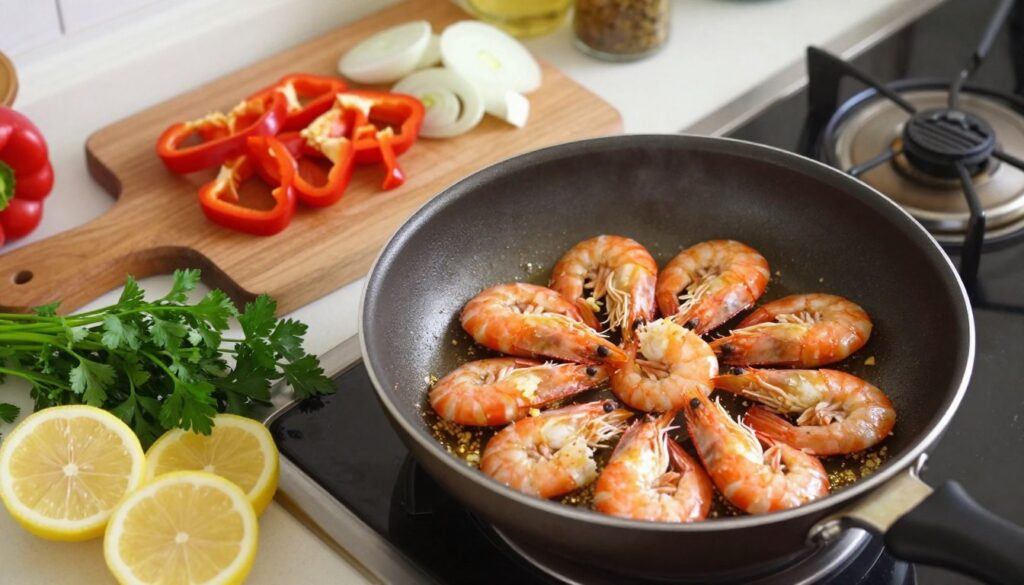
When you’re in a hurry and hungry, pan-fried shrimp is the perfect choice. This method keeps the shrimp’s natural sweetness and adds a great texture. Whether you want something saucy or crunchy, a hot skillet is the way to go. Learning these two methods will make dinner easy every night.
Garlic Butter Sautéed Shrimp in Minutes
This dish is quick and feels fancy. The secret is a high-heat sear and a fast sauce in the pan. You’ll love the smell.
Searing Shrimp in a Hot Pan
Start with dry, seasoned shrimp. Pat them dry with paper towels. Moisture ruins a good sear.
Heat a large skillet over medium-high. Use a high-smoke-point oil like avocado or canola. When the oil shimmers, add the shrimp in a single layer. Don’t overcrowd.
Cook the shrimp for about 90 seconds on each side. They should be pink and opaque. Flip them and cook for another 60-90 seconds. They should have a nice sear but not be fully cooked.
Creating the Simple Garlic Butter Sauce
Once the shrimp are seared, move them to the side. Lower the heat to medium. Add butter to the empty space. Let it melt and foam.
Add minced garlic and shallots to the butter. Sauté for 30 seconds until fragrant. Pour in white wine, lemon juice, or chicken broth. Scrape up browned bits from the pan bottom for extra flavor.
Finishing with Parsley and a Squeeze of Lemon
Simmer the sauce for a minute to reduce. Toss the shrimp in the sauce to coat and finish cooking. They will be perfectly firm. Turn off the heat.
Add chopped parsley and a squeeze of lemon juice. Serve over pasta, rice, or with crusty bread to soak up the sauce.
Crispy Breaded Pan-Fried Shrimp
Breaded pan-fried shrimp are unbeatable for crunch. This method uses a simple three-step coating. It gives a golden, crispy exterior and a juicy interior.
Dredging Shrimp in Egg and Seasoned Breadcrumbs
Set up your breading station with three shallow dishes. This step-by-step shrimp cooking technique is key for an even coat.
- Dish 1: All-purpose flour, seasoned with salt and pepper.
- Dish 2: Beaten eggs, sometimes with a teaspoon of water or milk.
- Dish 3: Seasoned breadcrumbs. Use panko for extra crunch or Italian-style for more flavor.
Coat each shrimp in flour, then egg, then breadcrumbs. Place them on a plate. Let them rest for 5 minutes so the coating sets.
Frying to a Golden Brown Crust
In a large skillet, heat about 1/4 inch of a neutral oil over medium heat. Test if it’s ready by dropping a breadcrumb; it should sizzle gently.
Add breaded shrimp in a single layer. Fry for 2-3 minutes per side. Watch for a deep golden brown color. The shrimp inside will cook quickly due to the high heat.
Use tongs to transfer them to a wire rack or a paper-towel-lined plate. This allows excess oil to drip away.
Tips for Keeping Them Crispy
Steam is the enemy of crispiness. Never cover breaded shrimp after frying. Serve them right away for the best texture.
If you must wait, place them in a single layer on a baking sheet in a warm oven (200°F). Avoid stacking them. For dipping, classic cocktail sauce, remoulade, or a spicy aioli are perfect partners.
| Aspect | Garlic Butter Sautéed Shrimp | Crispy Breaded Pan-Fried Shrimp |
|---|---|---|
| Best For | Fast, saucy meals; pairing with pasta or grains | Appetizers, sandwiches, or a crunchy main course |
| Key Ingredients | Butter, garlic, fresh herbs, lemon | Breadcrumbs (panko or regular), eggs, flour |
| Cooking Time | 8-10 minutes total | 15-20 minutes total (includes breading time) |
| Texture | Tender with a light sear, coated in rich sauce | Ultra-crispy exterior, juicy interior |
| Skill Level | Beginner-friendly | Easy, but requires a bit more prep |
Both pan-fried methods offer a great step-by-step shrimp cooking experience. They show you don’t need complex techniques for big flavor. Keep your skillet hot, your ingredients ready, and you’ll have a delicious shrimp dinner in no time.
Comforting and Flavorful Shrimp Curry Dishes
Turn your kitchen into a cozy haven with these shrimp curry recipes. They offer amazing flavor with little effort, perfect for a cozy night in. Each recipe makes a delicious shrimp dish that feels like a special treat.
The beauty of a good curry is its ability to comfort and excite all at once. It’s a symphony of spices in a single pot.
Whether you love creamy coconut or a hearty tomato base, you’ll find a new favorite here. Both curries are flexible. Add your favorite veggies for a complete meal.
Easy Coconut Milk Shrimp Curry
This Thai-inspired curry is rich, creamy, and ready in about 30 minutes. Full-fat coconut milk and red curry paste make the flavorful base. The result is a luxurious sauce that clings to every shrimp.
Sautéing Onion, Ginger, and Curry Powder
Start by heating oil in a large pan or Dutch oven. Sauté diced onion until soft. Then, add minced ginger, garlic, and your red curry paste.
Frying the curry paste for a minute wakes up the spices. It creates a deeper, more complex flavor base for your sauce.
- Use ½ a can of paste for mild heat, a full can for a spicy kick.
- Cook until the paste is fragrant and the oil may start to separate slightly.
Simmering with Coconut Milk and Broth
Pour in your full-fat coconut milk and a splash of chicken or vegetable broth. Stir well to combine everything into a smooth, creamy liquid.
Bring the mixture to a very gentle simmer. Let it cook for 5-10 minutes. This allows the flavors to marry and the sauce to thicken slightly.
Key tip: Avoid a rapid boil once the coconut milk is added. A gentle simmer prevents the sauce from curdling or splitting.
Adding Shrimp and Spinach at the Last Minute
For the best texture, sear your shrimp first. Cook them in a separate pan with a little oil until they are about 75% pink. Set them aside.
Once your coconut sauce is ready, stir in a handful of fresh spinach until it wilts. Then, add the partially cooked shrimp back into the simmering curry.
Let them cook for just 2-3 more minutes, until opaque and cooked through. This two-step method ensures your shrimp stay tender and never rubbery. Serve this delicious shrimp dish over a bed of fluffy jasmine rice.
Hearty Tomato and Bell Pepper Shrimp Curry
This vibrant curry leans on tomatoes and sweet bell peppers for its body. Warm spices like coriander, cumin, and turmeric create a different kind of comfort. It’s a hearty, satisfying option that’s equally quick to make.
Building a Spiced Tomato Sauce Base
In your pot, sauté diced onion and bell pepper strips until they begin to soften. Add minced garlic and your ground spices. Toast them for 30 seconds until incredibly fragrant.
Stir in a can of crushed tomatoes and a cup of broth. Scrape up any browned bits from the bottom of the pan. Those bits are packed with flavor.
Letting the Sauce Reduce and Thicken
Bring the sauce to a simmer. Let it cook, uncovered, for 10-15 minutes. You want it to reduce and thicken into a rich, gravy-like consistency.
This reduction time is crucial. It concentrates the tomato flavor and allows the spices to fully infuse the sauce. Stir occasionally to prevent sticking.
Gently Cooking the Shrimp in the Simmering Curry
Once your sauce is thick and flavorful, it’s time for the shrimp. Add your raw, peeled shrimp directly into the hot, simmering sauce.
Gently stir to submerge them. Let them cook for 3-5 minutes. They are done when they turn pink and firm to the touch.
Because the sauce is already hot and thick, the shrimp cook quickly and evenly. They absorb the spiced tomato flavor beautifully, creating another fantastic delicious shrimp dish.
| Curry Type | Flavor Profile | Key Ingredients | Best For |
|---|---|---|---|
| Coconut Milk Curry | Creamy, rich, with a sweet-spicy heat | Red curry paste, full-fat coconut milk, ginger | A luxurious, restaurant-style meal at home |
| Tomato & Bell Pepper Curry | Hearty, tangy, with warm earthy spices | Crushed tomatoes, bell peppers, cumin, coriander | A filling, vegetable-packed weeknight dinner |
Both curries store beautifully. Let them cool completely, then keep them in an airtight container in the fridge for up to 3 days. The flavors often taste even better the next day. Reheat gently on the stove over low heat to keep the shrimp tender.
With these recipes in your arsenal, you can easily whip up a world-class, delicious shrimp dish any night of the week.
Asian-Style Shrimp: Stir-Fries, Noodles, and Glazes
Ready to explore shrimp recipe ideas inspired by Asian cooking? This style turns simple ingredients into vibrant, restaurant-worthy meals in minutes. The key lies in bold sauces, high heat, and having everything prepped before you start.
Master these two techniques, and you’ll have a blueprint for countless quick dinners.
Speedy Shrimp and Vegetable Stir-Fry
This is the ultimate 20-minute meal. A successful stir-fry is all about organization. You cook over the highest heat possible, which locks in juices and creates a slight smoky char.
Prepping All Ingredients Before You Start Cooking
This step, called mise en place, is non-negotiable. Once the cooking starts, there’s no time to chop.
- Pat your shrimp very dry with paper towels.
- Chop vegetables into uniform, bite-sized pieces (bell peppers, broccoli, snap peas).
- Mince garlic and fresh ginger.
- Whisk your sauce in a small bowl: soy sauce, a splash of rice vinegar, a bit of honey or brown sugar, and cornstarch to thicken.
Have your oil, a slotted spoon, and serving plates ready by the stove.
The High-Heat Stir-Fry Sequence
Heat a tablespoon of neutral oil (like canola or peanut) in a wok or large skillet until it shimmers. Add the shrimp in a single layer. Let them sear for about 60-90 seconds per side until just pink and opaque. Remove them to a clean plate immediately.
Add a bit more oil to the pan. Toss in your harder vegetables first (like broccoli), stir-frying for a minute. Then add quicker-cooking veggies (like bell peppers). Add the garlic and ginger, stirring constantly for just 30 seconds until fragrant.
Adding the Sauce and Creating a Glaze
Give your pre-mixed sauce a quick re-whisk and pour it into the center of the hot pan with the vegetables. It will bubble and thicken almost instantly. Add the cooked shrimp back into the pan. Toss everything vigorously for another 30-60 seconds until every piece is coated in a shiny, savory glaze.
Finish with a drizzle of toasted sesame oil for an authentic aroma. For a deeper dive into this method, check out this detailed classic shrimp stir-fry recipe.
Sticky Garlic Soy Shrimp with Noodles
This dish is all about a rich, glossy sauce that clings to both tender shrimp and slippery noodles. It’s incredibly satisfying and uses pantry staples.
Cooking Rice or Lo Mein Noodles
Start a pot of salted water boiling. Cook your noodles according to the package directions. For rice noodles, a simple soak in hot water often does the trick. Drain and toss with a tiny bit of oil to prevent sticking. Set aside.
The goal is to have the noodles ready just as your shrimp and sauce are finished.
Searing Shrimp and Creating the Garlic-Soy Glaze
While the noodles cook, heat oil in a large skillet over medium-high heat. Add the shrimp in a single layer, seasoning with salt and pepper. Sear for about 90 seconds per side, then remove to a plate.
In the same skillet, lower the heat to medium. Add a generous amount of minced garlic and a pinch of red pepper flakes, cooking for one minute until fragrant but not burned. Pour in soy sauce, a touch of honey or maple syrup, and a splash of water or chicken broth.
Let the mixture simmer for 2-3 minutes until it reduces slightly and becomes syrupy.
Tossing Everything Together for a Complete Meal
Add the cooked shrimp back to the skillet with the glaze, tossing to coat. Then, add your drained noodles. Use tongs to toss and fold everything together for a minute or two, ensuring the sauce coats every strand and shrimp.
Garnish with sliced green onions and sesame seeds. Serve immediately while hot and sticky.
These Asian-style shrimp techniques are your gateway to a world of flavor. Once you’re comfortable, swap vegetables, try different noodles, or experiment with sauces like teriyaki or sweet chili. For more shrimp recipe ideas and other seafood delights, browse our collection of more seafood recipe inspiration.
Expert-Level Tips for Shrimp Cooking Mastery
Take your homemade shrimp dishes to the next level with these expert tips. We’ll show you how to achieve tender shrimp, enhance flavors, and keep your dishes fresh for later. These strategies will make your meals unforgettable.
How to Prevent Rubbery, Overcooked Shrimp
Overcooking is the biggest enemy of perfect shrimp. They cook quickly and continue to cook after being removed from the pan. This is called carryover cooking.
To avoid this, remove your shrimp from the heat just before they seem fully cooked. The best way to check is by looking at their shape. Perfect shrimp will form a loose “C” shape. If they curl into a tight “O,” they are overdone.
For more detailed guidance on timing different sizes, check out our guide on perfecting shrimp cooking times. Remember, high heat and quick cooking are your best friends for succulent results.
Flavor Boosters: Herbs, Spices, and Sauce Pairings
Turn simple shrimp into an extraordinary dish with the right flavor accents. Fresh herbs, bold spices, and quick pan sauces can elevate any recipe.
Fresh herbs like cilantro, basil, and parsley add a bright, finishing touch. Stir them in at the very end. For spices, think beyond salt and pepper. Smoked paprika, cumin, and cayenne pepper add warmth and depth.
Don’t forget about sauces! A simple deglaze of the pan with lemon juice, white wine, or broth creates an instant, flavorful sauce to coat your shrimp.
Here’s a quick-reference table to inspire your next creation:
| Herb/Spice | Best Used With | Quick Tip |
|---|---|---|
| Fresh Cilantro | Asian stir-fries, ceviche, coconut curries | Add right before serving for maximum aroma. |
| Smoked Paprika | Garlic butter sauté, breaded shrimp, tomato-based sauces | Bloom in oil for 30 seconds to unlock its full flavor. |
| Basil | Italian-style dishes, lemon garlic shrimp, simple pasta | Chiffonade (thinly slice) the leaves for elegant presentation. |
| Cumin | Hearty curries, Mexican-inspired bowls, spice rubs | Toast whole seeds and grind them fresh for the best taste. |
| Ginger & Garlic | All Asian-style dishes, stir-fries, glazes | Use freshly minced for a potent, vibrant kick. |
Try these combinations to make your homemade shrimp dishes taste complex and restaurant-worthy.
Handling Leftovers: Storage and Best Reheating Methods
Even the best-cooked shrimp can suffer if stored or reheated poorly. The goal is to preserve their delicate texture.
Storage: Cool leftovers quickly and store them in an airtight container in the refrigerator. Cooked shrimp dishes, like curry, will keep well for 3 to 4 days.
Reheating: Be gentle! Reheating on the stovetop over low heat is best. Add a splash of water, broth, or sauce to create steam and prevent drying out. If using a microwave, use short bursts at medium power and stir in between. Expect shrimp to become a bit firmer upon reheating.
Freezing Tip: For the best texture, consider freezing the sauce or broth base by itself. When you’re ready to eat, thaw the sauce, reheat it, and add freshly cooked shrimp. This ensures your frozen homemade shrimp dishes taste nearly as good as the day you made them.
Conclusion
You now have a complete guide for how to make shrimp. This journey covered cold appetizers, sizzling pan-fried dishes, comforting curries, and vibrant Asian-style meals. Each method shows how versatile this protein can be.
Cooking shrimp well is about simplicity. Start with good quality shrimp, prepare it with care, and watch the clock. The reward is a tender, flavorful dish ready in minutes. It is an easy way to bring restaurant-quality food to your table.
Use this guide as your go-to resource. Bookmark it for quick reference next time you need dinner inspiration. Do not be afraid to play with the flavors and techniques you learned. Make each recipe your own.
For a delicious example of a crispy, tropical twist, explore this coconut shrimp recipe. It is a perfect blend of sweet and savory.
Your new skills are not limited to shrimp. If you want to expand your seafood confidence, a comprehensive fish recipe guide can be your next step.
Grab your pan, pick a recipe, and start cooking. Your kitchen is the best place to create something delicious.