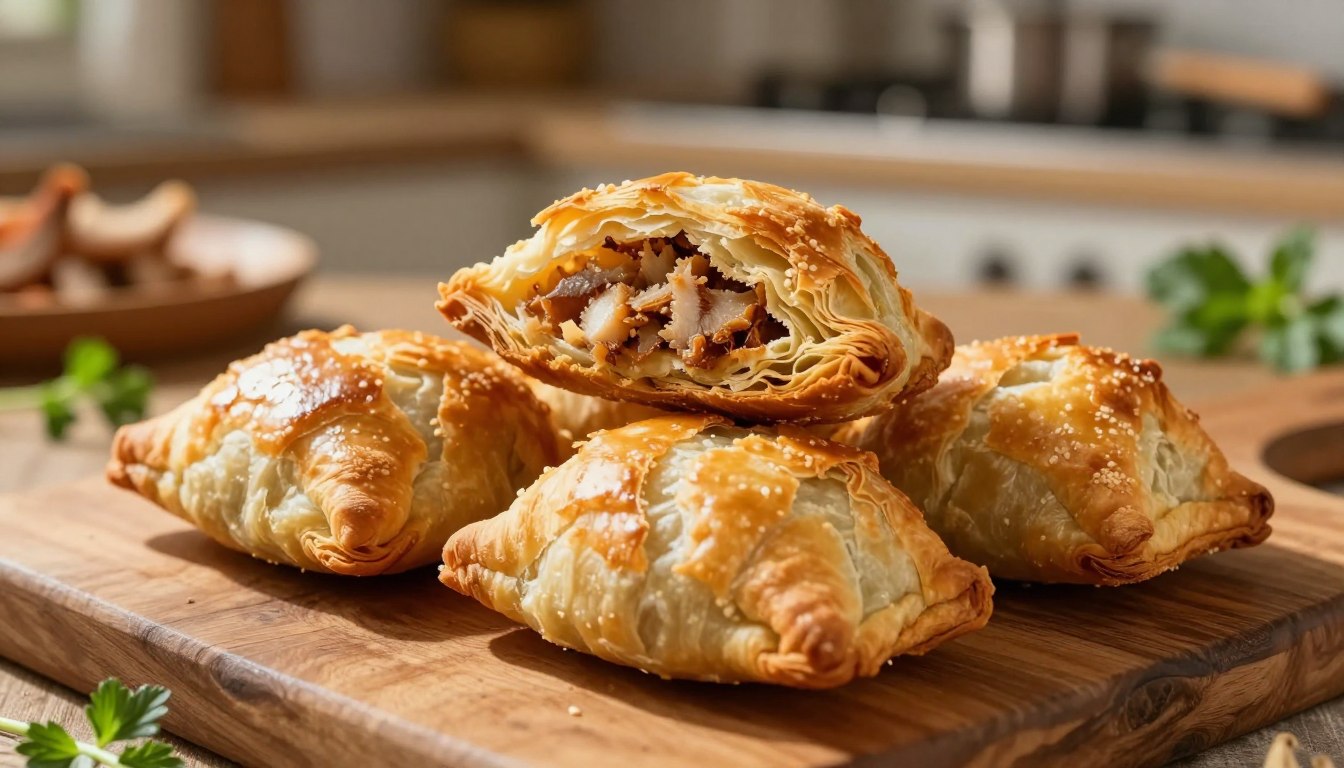
How to Make Pastels au Thon Croustillants
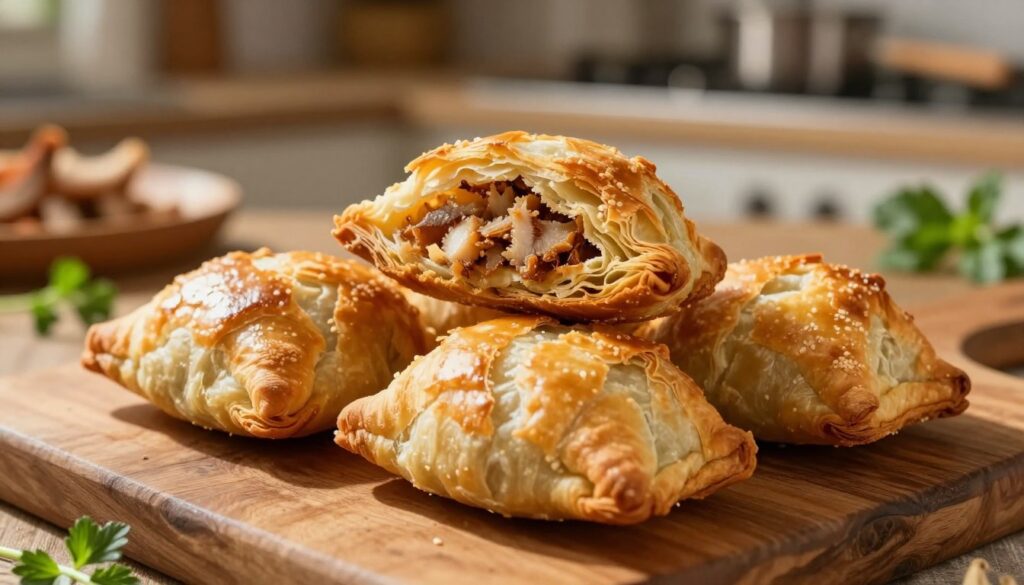
Ever had a snack so good it took you somewhere new? Discovering a favorite snack from another culture is special. You can make it in your kitchen.
Today, we’re making Pastels au Thon Croustillants. It’s a beloved Senegalese recipe, a West African favorite. People love it as a tasty appetizer or snack.
Making pastry from scratch might seem hard. But don’t worry, we’ll make it easy. You’ll see how simple it is to make these flaky, golden treats.
We’ll cover making a simple dough and a tasty tuna filling. The final fry will make them crispy. You’ll wow your family and friends with this authentic treat.
Key Takeaways
- This guide teaches you to make a traditional Senegalese snack called Pastels au Thon Croustillants.
- These crispy tuna pastries are a popular part of West African cuisine, perfect for appetizers.
- The process is broken down into easy, manageable steps, from dough to filling to frying.
- You’ll learn how to create a flaky, homemade dough and a savory tuna mixture.
- The goal is to achieve a perfect golden-brown, crunchy exterior.
- This recipe is designed to be approachable for home cooks of all skill levels.
- You’ll end up with an impressive and authentic-tasting homemade dish.
Discovering Pastels au Thon Croustillants
Have you ever bitten into a crispy, golden pastry and found a savory tuna filling bursting with flavor inside? That’s the delightful surprise waiting for you with Pastels au Thon Croustillants. These are not your average snacks. They are handheld treasures from West Africa, specificially Senegal, where they hold a special place in the heart of traditional cuisine.
Think of them as the ultimate fusion of comfort and convenience. A flaky, buttery crust wraps around a warmly spiced mixture of tuna and vegetables. Each bite offers a perfect contrast between the crunchy exterior and the tender, flavorful center. It’s a taste experience that feels both familiar and excitingly new.
In Senegal, these savory tuna pastels are more than just food; they are a symbol of hospitality and celebration. You’ll often find them at family gatherings, street food stalls, and festive occasions. Their portable shape makes them ideal for sharing, which is a core part of Senegalese culture. Cooking them connects you to this rich tradition of bringing people together over delicious, homemade food.
What makes them so irresistible? Let’s break it down:
- Flaky, Golden Crust: The dough fries up to a beautiful, shatteringly crisp texture that is incredibly satisfying.
- Hearty, Savory Filling: Flaked tuna is combined with onions, herbs, and spices like black pepper and a hint of chili for a deeply savory flavor.
- Perfect Portability: Their half-moon or triangular shape is designed to be eaten with your hands, making them the ultimate party or picnic food.
Understanding this background adds a layer of appreciation to your cooking. You’re not just following a recipe; you’re recreating a piece of culinary heritage. As you prepare your own batch, imagine the bustling markets of Dakar where the aroma of frying pastels fills the air. Your kitchen is about to become the source of that same wonderful smell and the same joyful, shareable food.
Your Complete Pastels au Thon Shopping List

Before you start cooking, let’s talk about the fun part: shopping. Having everything ready makes cooking easy and enjoyable. This list will help you make a flaky French pastry with tuna that’s perfect in every bite.
We’ve made it simple by dividing it into two parts: the dough and the filling. Just grab this list and head to your kitchen or the market. You’ll be ready for success.
For the Flaky Dough
A great pastel has a crust that shatters beautifully. The ingredients are common, but the type of fat is key.
For the Savory Tuna Filling
The filling is where the flavor comes alive. We’ll make a simple yet rich mix with quality tuna. The spices and aromatics will make the dough shine.
| Ingredient | Quantity & Notes | Purpose / Why It’s Important |
|---|---|---|
| All-Purpose Flour | 2 cups | Forms the structure of your dough. Don’t substitute with cake flour. |
| Cold Unsalted Butter | 1/2 cup (1 stick), cubed | The secret to flakiness. Cold fat creates steam pockets during baking or frying. |
| Salt | 1 teaspoon | Enhances the flavor of the dough itself, balancing the filling. |
| Ice Water | 1/4 to 1/2 cup | Binds the dough. Add gradually until it just comes together. |
| Canned Tuna | 2 (5 oz) cans, packed in water or oil, drained | The star of the show. Water-packed is lighter; oil-packed adds more richness. |
| Yellow Onion | 1 medium, finely diced | Provides a sweet, aromatic base for the filling after sautéing. |
| Garlic | 2 cloves, minced | Adds a punch of savory depth. Fresh is best. |
| Tomato Paste | 1 tablespoon | Concentrates umami flavor and helps bind the filling. |
| Ground Black Pepper | 1/2 teaspoon, or to taste | Essential seasoning that complements the tuna perfectly. |
| Olive Oil | 1 tablespoon | For sautéing the onions and garlic. |
Optional Add-Ins for Extra Flavor
Once you master the basic recipe, make it your own! Here are some easy additions to personalize your tuna filling:
- Fresh Herbs: A tablespoon of chopped parsley, cilantro, or chives adds brightness.
- Spice it Up: A pinch of cayenne pepper, red pepper flakes, or a diced jalapeño brings welcome heat.
- More Veggies: Try adding finely diced bell peppers or a handful of spinach with the onions.
- Cheesy Twist: Stir in 2-3 tablespoons of grated Parmesan or crumbled feta cheese for a salty, creamy note.
- Citrus Zest: A little lemon or lime zest can lift all the other flavors beautifully.
With your ingredients gathered, you’re more than halfway to delicious pastels. Now, let’s look at the simple tools you’ll need to bring it all together.
Kitchen Tools You Already Own
Forget about fancy culinary machines. Making perfect homemade tuna pastels needs just a few basic items you likely have. This recipe is for your everyday kitchen, not a pro bakery.
One of the best things is the empowerment you feel. You can find everything you need in your drawers. Let’s look at the simple tools that will make this project a success.
You don’t need a special gadget for any step. The table below shows each essential item and its purpose. It also suggests smart substitutes if you’re missing something.
| Tool | Purpose | Handy Substitute |
|---|---|---|
| Mixing Bowl | Combining dry dough ingredients and later, the tuna filling. | A large, clean saucepan or any deep, wide container. |
| Rolling Pin | Rolling the dough into a thin, even sheet for cutting. | A clean wine bottle, a sturdy glass, or even a cylindrical can. |
| Skillet or Frying Pan | Sautéing onions and cooking the savory tuna filling. | A wide-bottomed pot or saucepan. |
| Deep Pot or Dutch Oven | Frying the pastels in enough oil to achieve a crispy, golden brown crust. | A deep, heavy-bottomed skillet with high sides. |
See? Your kitchen is truly ready. The rolling pin substitute is a great example. A smooth wine bottle works absolutely fine in a pinch.
This approach shows that great cooking doesn’t need expensive gear. With these simple tools, you’re set to tackle the dough, filling, and frying steps. Building this kind of kitchen confidence is key, whether you’re making savory pastries or easy homemade desserts.
Now that you know your tools are ready, let’s move on to the fun part: making the dough from scratch.
Step 1: Making the Dough from Scratch
Making the dough from scratch is key to authentic traditional tuna pastries. This flaky crust is what makes homemade pastels special. Don’t worry if you’re new to making pastry dough. We’ll guide you through it step by step.
This dough is the perfect wrapper for your tasty filling. Getting it right means your pastels will be golden and crisp. The process involves mixing, cutting, hydrating, and resting.
Mixing the Dry Ingredients
First, gather your dry ingredients. You’ll need flour, a pinch of salt, and sometimes sugar. The salt adds flavor, and sugar helps with browning.
Whisk these together in a big bowl. This step is not just about mixing. It’s about spreading the salt evenly and making the flour light and fluffy. This makes your crust tender.
Cutting in the Fat
This step is crucial for flaky layers. Use cold butter, shortening, or a mix. Cut it into the flour until you get small, pea-sized pieces.
Use a pastry cutter, two forks, or your fingers. Work fast to keep the fat cold. If it melts, your dough will lose its flaky layers.
The mixture should look like coarse crumbs. It’s okay if it’s not even. The uneven pieces help create flaky layers when fried.
Adding Water and Forming the Dough
Now, add cold water, a tablespoon at a time. Sprinkle it over the flour-fat mixture. Stir gently until it starts to clump.
Be careful not to add too much water. You want the dough to hold when pinched. Too much water makes the dough tough.
Turn the dough onto a clean surface. Press and fold it a few times to shape it into a disc. It should not be too smooth. A bit of dryness is better than overworking the dough.
Resting the Dough for Easier Handling
Wrap the dough in plastic wrap and chill it in the fridge for at least 30 minutes. This step is crucial. It relaxes the gluten and firms up the fat.
Chilling makes the dough easier to roll out. It won’t shrink back as much. This step is important for many baked goods, like a perfect classic New York cheesecake crust.
Being patient with your dough is key. A well-rested dough rolls out evenly and fries up crisp.
After chilling, your dough is ready to be rolled, filled, and fried into golden traditional tuna pastries. This foundation ensures every bite is perfect.
Step 2: Preparing the Tuna Filling
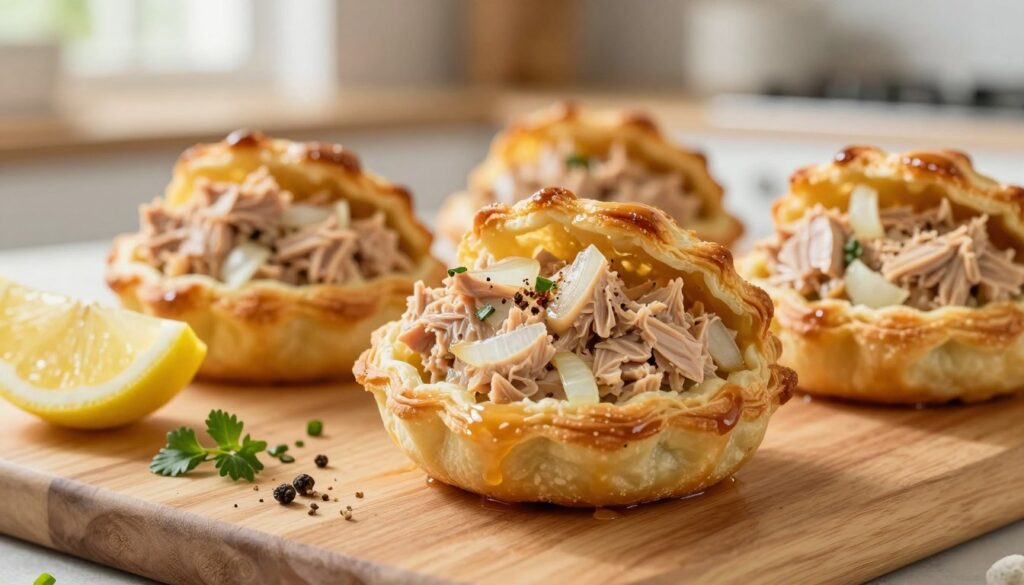
The heart of a perfect authentic pastels au thon is its tuna filling. This is where you create the deep, savory flavors. The filling is the delicious heart of the dish.
Sautéing Onions and Aromatics
Start by heating a tablespoon of oil in a skillet over medium heat. Add your finely chopped onion. Cook them slowly until they become soft, translucent, and sweet.
Don’t rush this step. Browning the onions adds a different flavor. You want them tender and golden. If you’re using garlic, add it in the last minute of cooking. This prevents it from burning and turning bitter.
This gentle sautéing unlocks the onions’ natural sugars. It creates a flavorful base that will permeate the entire tuna mixture. This depth is a signature of a truly great pastel.
Combining with Tuna and Seasonings
Transfer your soft aromatics to a mixing bowl. Now, add your well-drained canned tuna. Use a fork to flake it apart gently. You want a cohesive mix, not a pasty mush.
This is where you layer in the seasonings. Freshly ground black pepper is essential. A pinch of red pepper flakes or a finely chopped fresh chili can add a subtle warmth. Chopped fresh parsley brings a bright, herbal note.
Stir everything together until just combined. Taste and adjust. You’re aiming for a balanced, savory filling that captures the spirit of authentic pastels au thon. Remember, the dough is plain, so the filling should be bold.
Cooling the Filling Completely
Here is a non-negotiable pro tip for success. You must let the filling cool down to room temperature before you start assembling. Do not skip this.
A warm filling will steam the dough from the inside. This makes it soggy and difficult to seal properly. It can also cause the pastels to burst open during frying.
Spread the filling out on a plate or tray. This helps it cool faster. You can even pop it in the refrigerator for 15-20 minutes. A cool, firm filling is much easier to handle and will give you those crisp, perfect pockets every time.
Patience here ensures your final dish is everything you want it to be: flaky, crisp, and filled with delicious, authentic flavor.
Step 3: Assembling the Pastels
Assembling the easy tuna pastel recipe is the fun part. It’s where you fold the dough into beautiful shapes. Your dough and filling come together here. It’s all about having fun with it.
Rolling and Cutting the Dough Circles
First, flour your work surface and rolling pin. Take some dough and roll it out into a sheet. Try to make it a circle or rectangle.
Getting the Thickness Just Right
The dough needs to be thin but not too thin. It should be flaky and hold the filling well.
Here’s a guide to help you:
| Dough Thickness | The Result | Our Recommendation |
|---|---|---|
| Too Thin (Less than 1/16″) | Pastels may tear during filling or frying. Filling can leak out. | Avoid this. The dough becomes fragile. |
| Just Right (1/16″ to 1/8″) | Perfect balance. Cooks to a golden, crispy shell without being doughy. | This is your target. Like a thick pie crust. |
| Too Thick (More than 1/8″) | The exterior fries before the inside cooks. You get a doughy, undercooked center. | Roll it out more. Aim for uniformity. |
After rolling, use a round cutter or a glass to cut out circles. Gather scraps, re-roll, and cut more. This recipe is easy for anyone to make.
Placing the Filling on the Dough
Place a dough circle on your floured surface. Put your cooled tuna filling in the center. Be gentle.
The Golden Rule: Don’t Overfill!
Don’t put too much filling. It makes sealing hard and can leak in the oil.
Use about one heaping tablespoon of filling per pastel. Leave a 1/2-inch to 3/4-inch border of dough around the filling. This ensures a good seal and balanced taste.
Folding, Sealing, and Crimping the Edges
Now, fold one side of the dough over the filling to meet the opposite edge. This creates a half-moon pocket. Push out any air from around the filling before sealing.
Creating the Classic Half-Moon Shape
Press the edges together to seal. Then, use a fork to crimp the edge. This locks the pastel shut and gives it a rustic look. Make sure to press all along the curve and give it a final press to seal it well.
Place your pastel on a parchment-lined tray. Repeat with the rest of the dough and filling. Your tray will soon be full of half-moon pastels ready to fry. This easy tuna pastel recipe is a breeze to make.
Step 4: Frying to Crispy Golden Brown
This step is all about heat and precision. It’s where your pastels become crispy, golden, and flaky. The sound of success is the gentle sizzle as they hit the oil.
Mastering this process ensures your pastels are cooked through with a delicate, shattering crust. No one wants a soggy or greasy pastry. Let’s turn up the heat and get that perfect, crispy golden brown finish.
Heating the Oil to the Perfect Temperature
Choosing the right oil is your first decision. A neutral oil with a high smoke point, like vegetable, canola, or peanut oil, works best. You’ll need enough to submerge the pastels by at least half an inch in your heavy-bottomed pot or deep skillet.
The magic number for frying pastels is between 350°F and 365°F (175°C – 185°C). This range is crucial for sealing the dough quickly. It creates a barrier that prevents oil from soaking in, giving you a crisp shell and a fully cooked interior.
If you don’t have a thermometer, use the bread cube test. Drop a 1-inch cube of white bread into the oil. If it turns golden brown in about 60 seconds, your oil is ready. This simple trick is a reliable backup for achieving the perfect fry.
Hot Oil Safety Precautions
Safety always comes first when working with hot oil. A moment of caution prevents accidents and ensures a fun, successful cooking experience.
- Never leave hot oil unattended. Stay by the stove the entire time.
- Keep a lid for your pot nearby to smother any potential flare-ups. Never throw water on a grease fire.
- Gently lower pastels into the oil with tongs or a slotted spoon to avoid splashing.
- Make sure your pastels are completely sealed and dry. Any filling leaks or water droplets will cause the oil to splatter violently.
- Keep children and pets out of the kitchen during this step.
Frying in Batches Without Crowding
Resist the urge to fry all your pastels at once. Crowding the pot is the fastest way to get soggy, unevenly cooked results. When too many pastels are added, the oil temperature drops dramatically.
This causes the dough to absorb oil instead of sealing. Fry just 3-4 pastels at a time, depending on the size of your pot. This allows the oil temperature to recover quickly between batches.
Give each pastel some space to swim freely. They should not be touching each other. Fry for 3-4 minutes per side, turning once, until they are a deep, uniform golden brown. The skills you learn here, like maintaining oil temperature, are similar to those needed for a perfect simple pan-fried fish recipe.
Draining on Paper Towels
Your work isn’t done when the pastels come out of the oil. Proper draining is the final defense against greasiness. Have a plate or tray lined with a double layer of paper towels ready.
As you remove each pastel, let excess oil drip off for a few seconds over the pot. Then, place it on the paper towels in a single layer. Do not stack them while they are hot; the trapped steam will soften that beautiful crispy crust you just created.
This brief resting period allows residual surface oil to be wicked away. The result is a perfectly balanced, delicious tuna-filled pastry that is crispy through and through, not oily. Now, they are ready to be served and enjoyed at their absolute best.
Pro Tips, Serving Ideas, and Storage
You’ve nailed the recipe. Now, unlock the full potential of your crispy tuna turnovers with these essential serving and storage strategies. Think of this as your collection of astuces—those clever French tips that turn a good cook into a great one.
5 Expert Tips for Guaranteed Success
These insights, gathered from traditional practice, will help you avoid common pitfalls and achieve flawless results every time.
- Keep Everything Cool: Warm dough is a nightmare to handle. If your kitchen is warm, chill your rolling pin and work surface briefly. This prevents the butter in the dough from melting, which is key for flaky layers.
- Seal with a Fork, Then Crimp: After folding your dough over the filling, first press the edges with a fork. This creates an initial, strong seal. Then, use your fingers to create that classic decorative crimp. The double seal guarantees no leaks during frying.
- Test Your Oil with a Dough Scrap: Before frying a whole batch, drop a tiny piece of scrap dough into the oil. If it sizzles vigorously and rises to the top within 10 seconds, your oil is perfectly hot. This is more reliable than just using a thermometer.
- Don’t Skimp on the Rest: Letting the filled pastels rest for 10 minutes before frying allows the dough to relax. This reduces shrinkage in the oil and helps them keep their beautiful shape.
- Season the Filling Aggressively: The filling will be inside a bland dough pocket. Taste it before cooling and don’t be shy with salt, pepper, and lemon juice. A well-seasoned filling makes the entire bite pop.
The Best Dipping Sauces and Sides
These crispy tuna turnovers are a star on their own, but the right accompaniments turn them into a complete meal. Here are some crowd-pleasing pairings.
Dipping Sauces:
- Spicy Sriracha Mayo: Mix mayonnaise with a squeeze of lime juice and sriracha to taste. The creamy heat cuts through the richness perfectly.
- Tangy Tamarind Chutney: Its sweet, sour, and slightly spicy profile is a classic pairing for fried snacks and complements the tuna wonderfully.
- Simple Lemon-Herb Yogurt: Stir fresh dill or parsley into plain Greek yogurt with lemon zest. It’s a refreshing, light contrast.
- Hot Sauce & Lime: Sometimes, simplicity wins. A dash of your favorite hot sauce and a wedge of lime is all you need.
Light Sides to Complete the Meal:
Balance the richness with something fresh. A simple green salad with a vinaigrette dressing, a tomato and cucumber salad, or steamed green beans work beautifully. For a heartier option, serve with a bowl of lentil soup.
How to Store, Reheat, and Freeze Pastels
These pastels are perfect for make-ahead meals. Follow these methods to enjoy your crispy tuna turnovers later without losing their appeal.
Storing Leftovers: Cool cooked pastels completely. Store them in an airtight container in the refrigerator for up to 3 days. Place a paper towel at the bottom to absorb any excess moisture.
Reheating for Maximum Crunch: The oven or air fryer is your best friend. Avoid the microwave, as it makes them soggy. Reheat at 375°F (190°C) for 5-10 minutes until hot and crispy again.
Freezing for Future Feasts: You can freeze them unbaked or baked. For unbaked, assemble the pastels and freeze them in a single layer on a baking sheet. Once solid, transfer to a freezer bag. Fry directly from frozen, adding a minute or two to the cooking time. For baked, freeze as you would unbaked, then reheat in a hot oven.
| Method | Best For | Instructions | Key Tip |
|---|---|---|---|
| Refrigeration | Leftovers (1-3 days) | Cool completely. Store in airtight container with paper towel. | Reheat in oven/air fryer only. |
| Freezing (Unbaked) | Meal prep (Up to 2 months) | Freeze on sheet, then bag. Fry from frozen. | Do not thaw before frying. |
| Freezing (Baked) | Ready-to-eat stash | Freeze on sheet, then bag. Reheat in oven at 375°F. | Expect slight texture change. |
| Reheating | Restoring crunch | Oven/Air Fryer: 375°F for 5-10 mins. | Never use a microwave. |
Conclusion
You now have the complete guide to making perfect pastels au thon croustillants. This recipe comes from the community of African cuisine lovers, like Les Recettes de Famar. It brings a taste of tradition into your kitchen.
Learning to make the flaky dough and savory tuna filling is a rewarding skill. Your homemade pastels are a versatile snack for any gathering.
Feel free to share these golden parcels with friends. Try different fillings to make the recipe your own. The joy of homemade food is in every crispy bite.
We hope your journey into making this dish fills your home with delicious aromas and great flavor.