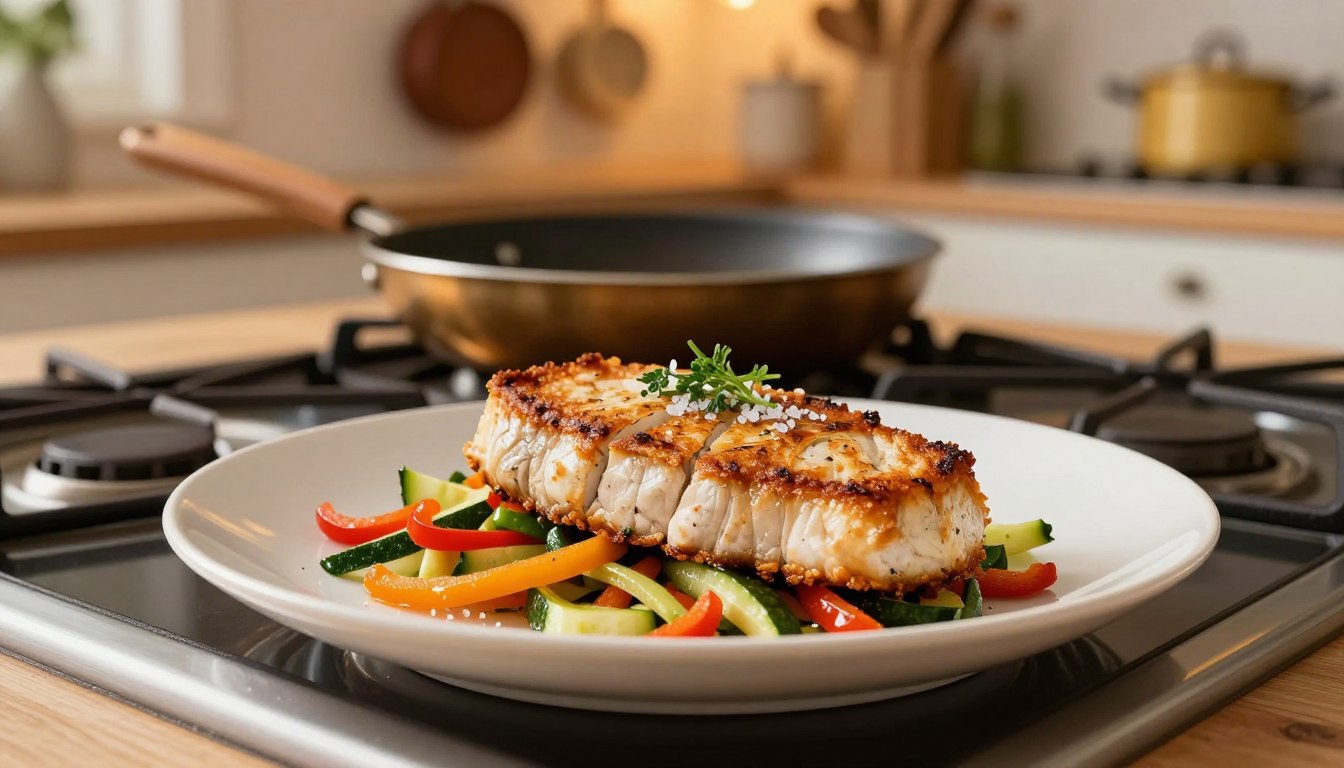
How to Make Pan-Fried Julienne Fillet

Ever opened the fridge and found a fresh fillet? Maybe it’s pollock from the supermarket or a firm cod from the farmers’ market. That moment can make an ordinary weeknight special. Learning to make a crisp, golden pan fried julienne fillet is key.
This guide will show you how to make pan fried fish strips that look like they came from a restaurant. You’ll learn to trim and dry fillets, use a light flour coating, and time the pan perfectly. This way, the fish stays flaky and tender.
You’ll also discover recipe variations using Pollock, Cod, Haddock, Snapper, Whiting, or blue ling. Plus, quick sauces made from pan drippings, white wine, and shallot. Whether you’re looking for an easy fish fillet recipe or want to master pan seared fish pieces, this guide is practical, affordable, and delicious.
Key Takeaways
- Pan fried julienne fillet delivers a crispy exterior and tender interior with minimal fuss.
- Use common white fish like pollock or cod for an affordable, family-friendly meal.
- A light dusting of plain flour and the right pan temperature are key to crunchy pan fried fish strips.
- Quick pan sauces—white wine, shallot, or a touch of cream—elevate pan seared fish pieces.
- Plan about 40 minutes total, with roughly 15 minutes active cook time for most recipes.
- Pair with julienned carrots and cucumber, rice or lentils for balanced, weeknight-ready dinners.
Why You’ll Love This Pan-Fried Julienne Fillet Recipe
White fish like cod, pollock, or haddock is perfect for bold flavors. Its mild flesh absorbs a quick pan sauce well. This lets simple ingredients stand out.
The method makes a crispy pan fried fillet with a golden crust. Pat the fillets dry, dust with flour, and sear in a hot skillet. This gives you a restaurant-quality texture in minutes.
Delicate white fish with bold flavor
This recipe is great for mild fish like snapper, whiting, or blue ling. They pair well with strong flavors like lemon, capers, or dill. You’ll get a delicious pan fried fish with a quick pan sauce.
Crispy pan fried fillet texture that’s easy to achieve
To get crunch, press the fillet into seasoned flour and shake off the excess. Use a heavy skillet like cast iron or a good nonstick pan. Preheat until the oil shimmers, then sear 2–3 minutes per side for thin pieces. Thicker fillets may need up to 3–4 minutes per side.
Quick, family-friendly easy fish fillet recipe for weeknights
This recipe is quick, ready in under 15 minutes. Serve it with rice and a cucumber salad or lentils with a light vinaigrette. The meal is affordable and feels special with a squeeze of lemon.
For a practical guide, check out this simple prep guide at this pan-fried fish recipe. It covers timing, equipment, and tips to prevent sticking.
| Benefit | What to do | Result |
|---|---|---|
| Quick cook time | Preheat pan 5 minutes; sear 2–4 min per side | Ready in under 15 minutes |
| Great texture | Pat dry, light flour coating, hot butter+oil | Crispy pan fried fillet with juicy interior |
| Simple pantry ingredients | Flour, salt, pepper, olive oil, butter | Delicious pan fried fish with minimal fuss |
| Family-friendly | Serve with rice, veggies, or lentils | Easy fish fillet recipe for weeknights |
| Versatile prep | Use cod, pollock, snapper, or blue ling | Works as a julienned fish recipe or whole fillet |
Choosing the Best Fish and Understanding Julienne vs. Blue Ling
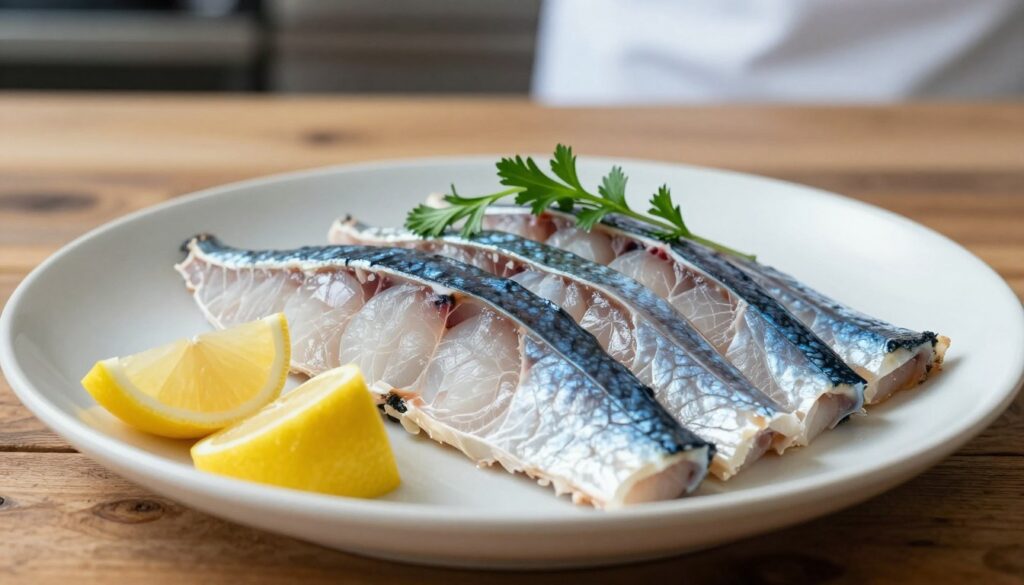
Choosing the right white fish is key for a great pan fried julienne fillet. Pollock, cod, haddock, snapper, and whiting are good choices. They have mild flavor and a tender flake that cooks well.
These fish are common in U.S. markets. They are easy to find and give consistent results.
Best white fish options
Look for fillets that feel firm and spring back when pressed. Pollock and cod are great for bold coatings. Haddock works well with batter or panko crusts.
Snapper adds a touch of sweetness. Whiting is budget-friendly and light. Any of these fish will crisp up nicely when pan-seared.
About “Julienne” and blue ling
The term julienne usually refers to thin, matchstick cuts for vegetables. But in Europe, blue ling (Molva molva) is called blue ling julienne. It has a firmer texture and subtle flavor.
In the U.S., recipes for blue ling julienne often use snapper, pollock, or whiting. Accurate naming is important for setting expectations when cooking fish.
How thickness and freshness affect cooking
Even thickness is important for even cooking. Trim larger fillets so each piece is the same size. This prevents some pieces from cooking too long.
Freshness is also key. Look for a mild sea scent, clear flesh, and no brown or gray edges. Rinse, pat dry, remove bones, and let rest at room temperature for a few minutes.
This helps achieve a clean sear and moist fish. For more on frying temps, oil choices, and crisping techniques, see this guide at pan-frying and cooking styles.
Ingredients You’ll Need for Crispy Pan Fried Fillet
Getting the right ingredients is key for a crispy, tasty fry. Plan for 2–4 fillets, depending on how hungry you are. Choose fresh white fish for a solid base.
For veggies, chop carrots and cucumber into strips. Blanch cucumber in water for 1 minute, then cool it down. Add steamed asparagus, butter-glazed radishes, or sweet potato fries to complete the dish.
Pan fry staples include plain flour for coating, unsalted butter, and olive oil for frying. Butter adds flavor and browning, while oil helps with frying. Season with salt and a mix of pepper. Use a small dish of flour to coat each fillet evenly.
For extra flavor, deglaze the pan with dry white wine. Brown a shallot in butter before adding liquid. Finish with chopped dill or parsley to brighten the dish.
For a fancy touch, try a vanilla cream sauce. Scrape vanilla seeds into heavy cream, simmer until thickened, then spoon over the fish. Add a pinch of iodized pink salt and pepper to highlight the fish.
Here’s a quick table to help you shop and portion for a tasty pan fried fish meal.
| Ingredient | Amount (for 2–4 servings) | Purpose |
|---|---|---|
| White fish fillets (cod, pollock, haddock, snapper) | 2–4 fillets (6–8 oz each) | Main protein for pan fried fish strips and julienned fish recipe |
| Plain flour | 1 to 1 1/2 cups (for dredging) | Light coating to produce crispy fish strips |
| Unsalted butter | 2 tbsp | Flavor and browning during pan fry |
| Olive oil | 2 tbsp | Raises smoke point for even searing |
| Salt & pepper (6-berry or mixed) | To taste | Seasoning for fillets and vegetables |
| Julienned carrots | 1 cup | Textural contrast and color |
| Julienned cucumber | 1 cup (blanch 1 min optional) | Fresh crunch, served raw or lightly blanched |
| Dry white wine | 1/2 cup | Deglaze pan for quick pan sauce |
| Shallot | 1 small, finely chopped | Base flavor for pan sauces |
| Dill, parsley | 2 tbsp, chopped | Finishing herbs to brighten the dish |
| Heavy cream & vanilla pod | 1/2 cup cream + 1 pod (optional) | For a subtle vanilla cream idea to coat fillets |
| Optional chili purée | 1–2 tsp | Flavor rice or sides for heat contrast |
Equipment and Prep: Tools to Make Fish Julienne Fry Easier
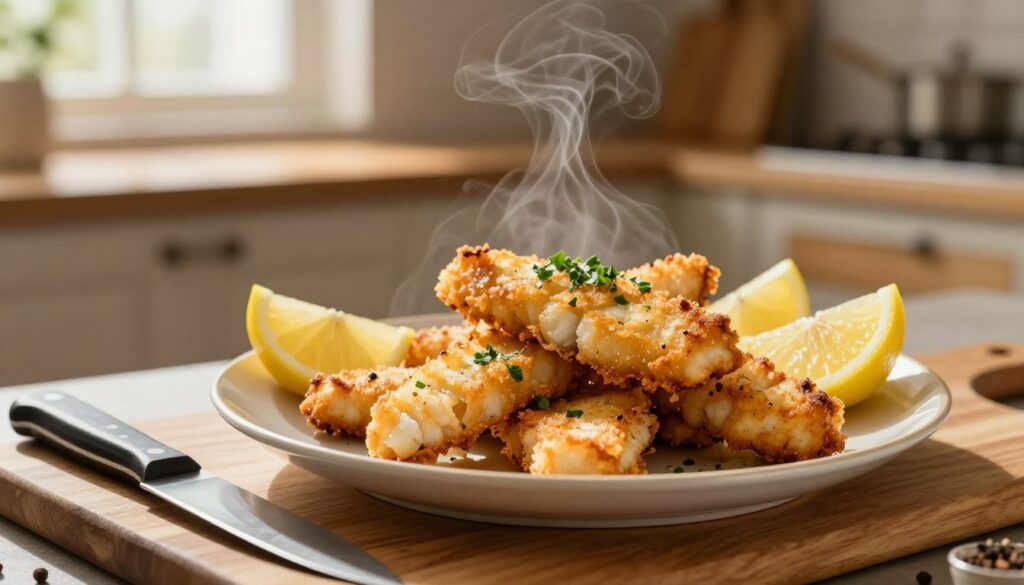
Before you start, make sure your workspace is ready. The right tools can save you time and keep your fish strips crispy. A well-organized setup helps you move quickly from prep to cooking.
Pan choices: nonstick skillet vs. stainless steel
For delicate fillets, a nonstick skillet is best. It prevents tearing when you flip the fish.
Stainless steel pans are great for a deep brown crust and flavorful sauces. Preheat and add oil to ensure a clean release.
Consider using two pans: one for fish and another for vegetables. This keeps everything hot and on schedule.
Cuts and tools: fillet knife, peeler, mandoline for julienning
A sharp fillet knife is essential for trimming and removing bones. It ensures even cuts for consistent cooking.
For vegetables, a peeler or mandoline makes uniform strips. Peel and seed cucumbers for a firmer texture.
How to pat, trim, and flour fillets for even crispy coating
Rinse and pat dry the fillets with paper towels. This prevents a gummy crust.
Trim edges and remove bones with tweezers. Lightly flour the surface, then tap off excess for a crisp finish.
| Tool | Why it helps | Quick tip |
|---|---|---|
| Nonstick skillet | Prevents sticking, great for fragile fillets | Use medium heat and a light oil spray |
| Stainless steel pan | Better browning and fond for sauces | Preheat thoroughly and test with a drop of water |
| Sharp fillet knife | Clean cuts, easy pin-bone removal | Wipe blade between cuts to stay precise |
| Mandoline or peeler | Consistent julienne for quick, even cooking | Use the safety guard and work on a flat surface |
| Paper towels & plates of flour | Dry fillets and uniform light dredge | Press flour briefly, then shake off excess |
Step-by-Step Technique for Perfect Pan-Fried Julienne Fillet
Begin with clean, even pieces for consistent results. Trim off any ragged edges or discolored bits. Use tweezers or needle-nose pliers to remove pin bones from the center.
Rinse the fillets briefly if needed. Pat them dry and let them rest for 5 minutes at room temperature. This helps them surface-dry.
Trimming and drying for even cook
Make sure the fillets are the same thickness. If some parts are thinner, fold or trim them to match the thicker parts. Drying is key; too much moisture can make the fish steam instead of crisp up.
Season the fish just before flouring. This prevents salt from drawing out moisture too soon.
Light flour coating technique
Use a shallow plate with plain flour seasoned with salt and black pepper. Coat each fillet lightly and shake off excess flour. Press the flour onto the fish gently so it sticks well.
This thin crust will give you a golden finish without a heavy batter. You’ll get delicate pan seared fish pieces and crispy strips.
Pan temperature and timing for sealing
Preheat the skillet over medium-high for 3 to 4 minutes. Test if it’s ready by dropping a water droplet; it should sizzle and disappear. Add 1 to 2 tablespoons of oil and a small knob of butter towards the end to enhance flavor.
Sear the presentation-side down for about 1 minute to set the crust. Then, sear for 1–3 minutes per side, depending on the thickness. For a classic golden sear, aim for 3–4 minutes per side on medium-high for thicker pieces.
Resting and when to finish in the oven
After searing, move the fillets to a warm plate and tent them for a minute or two. This allows for carryover cooking and keeps juices in. For thicker cuts, finish in a preheated 350°F oven for a few minutes until the internal temperature reaches 145°F and the flesh flakes easily.
Rest briefly before serving. This keeps your pan fried julienne fillet moist and tender.
For a practical visual and detailed technique guide, see this recipe demonstration at the most versatile fish recipe. It shows how to achieve crisp, golden pan seared fish pieces and tender centers.
How to Make Crispy Pan Fried Fish Strips and Julienned Vegetables
Begin by preparing your vegetables and fish. This will speed up the cooking process. Make sure your workspace is clean. Peel carrots and cut them into thin strips for a classic julienned vegetable.
For cucumber, remove seeds if you want a drier strip. Then, cut it to match the carrot length.
To keep cucumber color and texture, blanch it for about one minute. Then, quickly cool it in ice water. This step helps preserve its freshness. Carrots, if flash-fried briefly at high heat, don’t need blanching.
Lightly dust your fish fillets with flour for a golden crust. Heat oil and butter until it sizzles. Place the flour-dusted fish in the hot fat and gently move it. This quick step seals in moisture and makes the fish crispy.
For vegetables, use hotter oil than for heavier frying. Toss them vigorously every 8–12 seconds for a minute. This method gives them a blistered, crisp-tender finish. Use a slotted spoon or spider to remove them quickly to avoid overcooking.
Work in small batches with the fish strips to keep the oil temperature steady. Flip or stir them often until they’re evenly golden. After cooking, place them on paper towels to drain excess fat. This helps keep the crust crispy.
Present the dish for contrast: place hot fish strips next to chilled or flash-fried vegetables. Add a light sauce like pan reduction or vinaigrette. This combination of crunchy vegetables, tender fish, and a bright sauce makes the dish stand out.
If serving with rice or lentils, add diced cucumber on the side. This adds cool freshness. The layout showcases texture and balances crisp and flaky bites.
Sauces and Serving Ideas to Complement Pan Seared Fish Pieces
Start with a simple plan for sauces that lift, not mask, delicate white fish. A fast pan sauce made from the fond in the skillet can turn pan seared fish pieces into a restaurant-style plate in under a minute. You pull the fillets, deglaze with dry white wine, reduce quickly, then swirl in a knob of butter for shine and balance.
Use this quick pan sauce white wine method after cooking to capture browned flavor without overcooking. For a richer finish, brown a shallot first, add a splash of wine to scrape the fond, and finish with butter. The result clings to the fish and pairs well with steamed rice or roasted vegetables.
Quick pan sauce from pan drippings with white wine reduction
After you remove the fish, keep the pan hot and pour in a splash of dry wine. Stir to lift the browned bits and let the liquid reduce until slightly syrupy. Swirl in cold butter off heat for a silky sheen. This pan sauce white wine technique takes 20–30 seconds when the pan is hot and gives you a velvety finish.
Vanilla cream twist and other cream-based sauces for julienne fillets
If you want an elevated option, heat 20cl whipping cream with a split Tahitian vanilla pod and seeds until tiny bubbles form. Reduce white wine with browned shallot, then whisk the scented cream into the reduction. Season with a coarse pink salt and a mild mixed pepper blend for contrast. Use this vanilla cream fillet idea sparingly on delicate species like blue ling or cod to add a subtle floral note.
Light vinaigrettes, cucumber relish, and herb-based finishes
For a bright, everyday finish, toss vegetables or lentils in a light vinaigrette fish dressing. Mix garlic, hot water, a touch of sugar, lemon juice, and olive oil, then toss with warm lentils or steamed veg to serve alongside the fish. A quick cucumber relish—diced cucumber with chili purée and lemon—adds freshness and works well with rice.
Finish plates with chopped dill or flat-leaf parsley just off heat to preserve aroma. For more flavor ideas and simple ingredient approaches, check this practical guide on flavor-packed fish recipes that uses olive oil, garlic, lemon, and. These light finishes keep the fish as the hero while offering variety for weeknight meals or special dinners.
Side Dishes and Pairings for a Delicious Pan Fried Fish Meal
Pairings make a meal memorable. Choose sides that balance texture and flavor. This way, they enhance your pan fried fish without overpowering it.
Build a simple plate around crispy pan fried fillet sides or fish strips. A bright starch, a seasonal vegetable, and the right drink make a great trio.
Rice options
Seasoned long-grain rice is great with spicy and cooling flavors. Mix cooked rice with chili purée, diced cucumber, and olive oil. Let it cool a bit so flavors meld. Parboil the rice first; it cooks in about ten minutes in plenty of water.
Vegetable sides
Seasonal vegetables add color and contrast. Butter-glazed radishes offer sweet, tender bites. Steamed asparagus adds green crunch. Mashed turnip brings a gentle earthiness that pairs well with rich sauces.
For heartier plates, try sweet potato fries for caramelized edges or a warm lentil salad. Add carrots, shallots, and parsley dressed in a light vinaigrette. These options complement pan fried fish and richer sauces.
Wine and beverage pairings
Choose a wine that matches the sauce style. Dry white wines go well with lemony or herb finishes. A light red or fuller white suits cream or wine-reduction sauces. If you prefer not to drink alcohol, sparkling water with lemon or unsweetened iced tea refreshes the palate and keeps flavors bright.
| Side | Flavor Profile | Best with |
|---|---|---|
| Seasoned long-grain rice | Spicy with cooling cucumber | Light lemon or herb sauces for a delicious pan fried fish |
| Butter-glazed radishes | Sweet, tender, slightly peppery | Crispy pan fried fillet sides and simple pan sauces |
| Steamed asparagus | Fresh, crisp, green | Herb finishes and white wine reductions |
| Mashed turnip | Mild, earthy, creamy | Richer cream sauces and pan fried fish strips |
| Sweet potato fries | Caramelized, sweet, crisp | Spicy glazes and casual family-style servings |
| Lentil salad | Hearty, tangy, herbaceous | Protein-rich plates that balance a crispy pan fried fillet |
| Sparkling water with lemon | Clean, bright, palate-cleansing | Any style of delicious pan fried fish |
| Dry white wine | Crisp, acidic, citrus notes | Lemony or herb-pan sauces for pan fried fish strips |
| Light red wine | Soft tannins, red fruit | Richer reductions and cream-based accompaniments |
Tips for Safety, Storage, and Making This an Easy Fish Fillet Recipe
You want your fish to be safe and flaky, yet feel like a special treat. Cook it until it reaches 145°F. Or, check if the flesh is opaque and flakes easily with a fork. Thicker pieces might need a bit more time.
Let the fillets rest for a few minutes after cooking. This lets the heat spread evenly and keeps the fish moist.
When cooking a pan fried julienne fillet, look for visual signs. The edges should lift from the pan, and the crust should turn golden. For thicker fillets, use a thermometer to ensure they’re cooked safely.
Quickly cool leftovers and store them airtight in the fridge for up to two days. To keep crispy fish, avoid the microwave. Instead, reheat in a preheated oven or toaster oven at 350°F for 6–10 minutes. A hot skillet with a bit of oil also works well to restore crispiness while keeping the fish tender.
Scaling up this easy fish fillet recipe is easy. Just double the batches or cook multiple pans at once. It’s perfect for family meals and stays affordable. You can use blue ling, pollock, cod, or whiting instead. Also, try using lentils instead of rice and a simple wine-butter pan sauce to save time and money.
For quick tips on gentle cooking and packet cooking, check out this guide on fish en papillote tips. These methods complement pan searing, helping you maintain texture and flavor. They also support safe handling and smart storage.
Conclusion
You’ve learned how to choose firm white fish like cod or pollock. You also know how to trim and lightly flour fillets. Plus, you can slice vegetables into fine julienne for a bright contrast.
These steps help you achieve a crisp, golden finish. Whether it’s for a family weeknight or a special occasion, you’re set.
With just a few pantry basics like plain flour, butter, and olive oil, you can make a delicious dish. You’ll need simple tools like a skillet, fillet knife, and peeler or mandoline. These tools help you turn fresh ingredients into a tasty meal.
Timing and a hot pan are key to getting that crispy texture. They also keep the inside moist and tender.
Finish each portion with a quick pan sauce or a light vinaigrette. Pair it with seasoned rice or seasonal vegetables for a balanced meal. By following these techniques, you’ll make pan fried julienne fillet meals that are affordable, quick, and full of flavor every time.