How to Make Healthy Sweet & Savory Salad Recipes
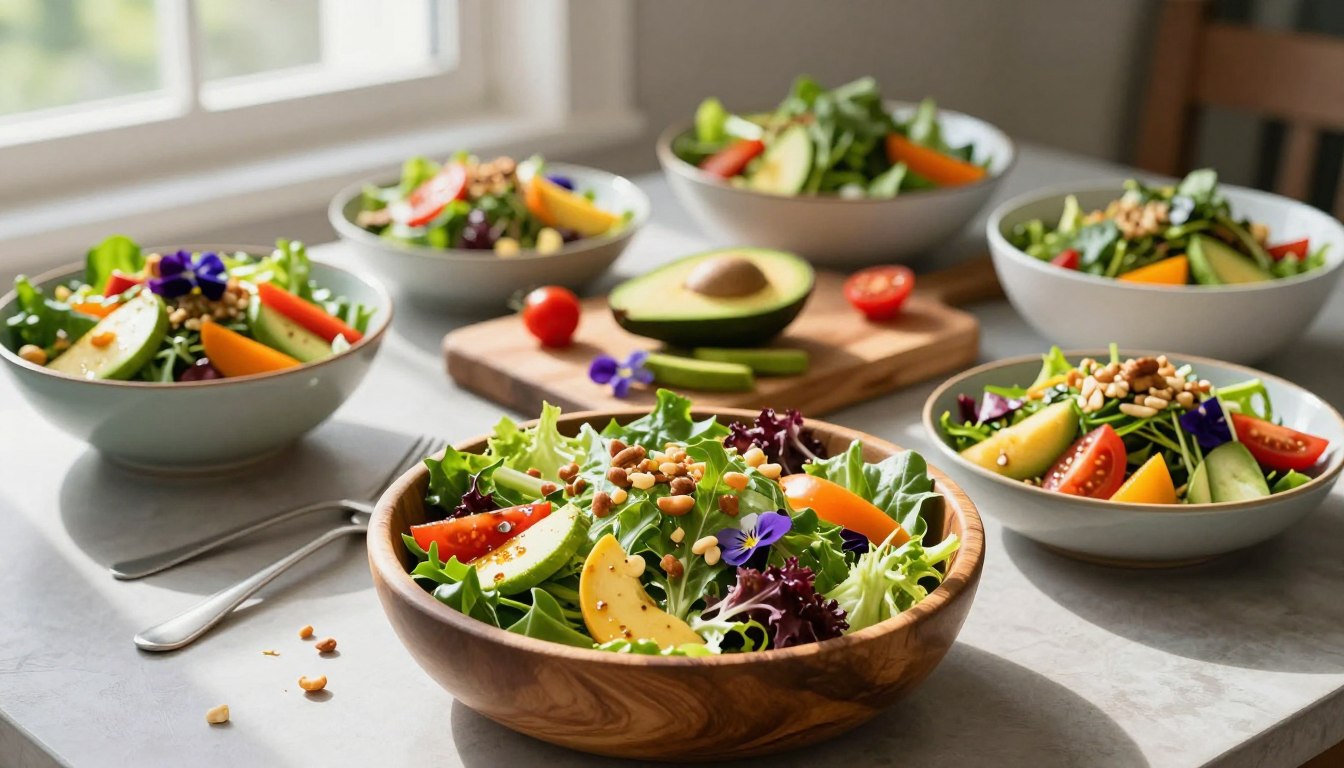
Ever stood at the fridge, dreaming of a meal that’s both nourishing and exciting? I know that feeling well. There’s a simple joy in filling a bowl with the season’s brightest, crispest produce.
This guide is your friendly roadmap to delicious, balanced meals that are anything but boring. We’ll explore the magic of combining sweet and savory flavors. You’ll discover how to make nutritious eating something you genuinely crave.
A great dish is more than just greens. It’s a canvas for vibrant texture, color, and nutrition. Whether you’re prepping a quick lunch, a stunning side, or a full meal, these techniques will transform your routine.
Let’s dive in and build your perfect combination. For even more fresh and flavorful healthy salad ideas, explore our complete collection.
Key Takeaways
- Celebrate delicious, in-season fruits and vegetables as the star of your meal.
- Master the balance of sweet and savory flavors for maximum enjoyment.
- Think beyond lettuce—focus on combining different textures and colors.
- These recipes are designed to be versatile for lunches, sides, or hearty dinners.
- Building your own perfect dish is an easy and deeply satisfying skill.
- Homemade dressings and fresh herbs elevate flavor without complexity.
- A bountiful bowl is a celebration of vibrant, wholesome ingredients.
The Allure of Sweet and Savory Salads
Ever had a salad that made you stop and think? That’s what a sweet and savory salad does. It’s like a perfect match between your fruit and veggie drawers.
Imagine grilled peaches with crisp arugula. Or fresh blueberries with salty feta and crunchy walnuts. This mix isn’t just a trend; it’s a classic that just works. The sweetness makes greens and veggies more exciting, turning a side dish into a main attraction.
So, why do these salads taste so amazing? It’s all about contrast and complexity. Your taste buds love a challenge. Sweet berries or apples balance out earthy greens and savory meats. Each bite is a new adventure, keeping you interested.
This mix also makes veggies more appealing. Sweetness can make even the pickiest eaters enjoy veggies. A few strawberries or mango chunks can make spinach or Brussels sprouts irresistible. It’s a clever way to eat more veggies without losing flavor.
At their core, these salads celebrate fresh, seasonal ingredients. They’re lively and light. A sweet and savory salad is a refreshing choice, great for lunch or dinner. It invites you to experiment with different textures and tastes, making simple ingredients special.
The Foundation: Building Blocks of a Healthy Salad
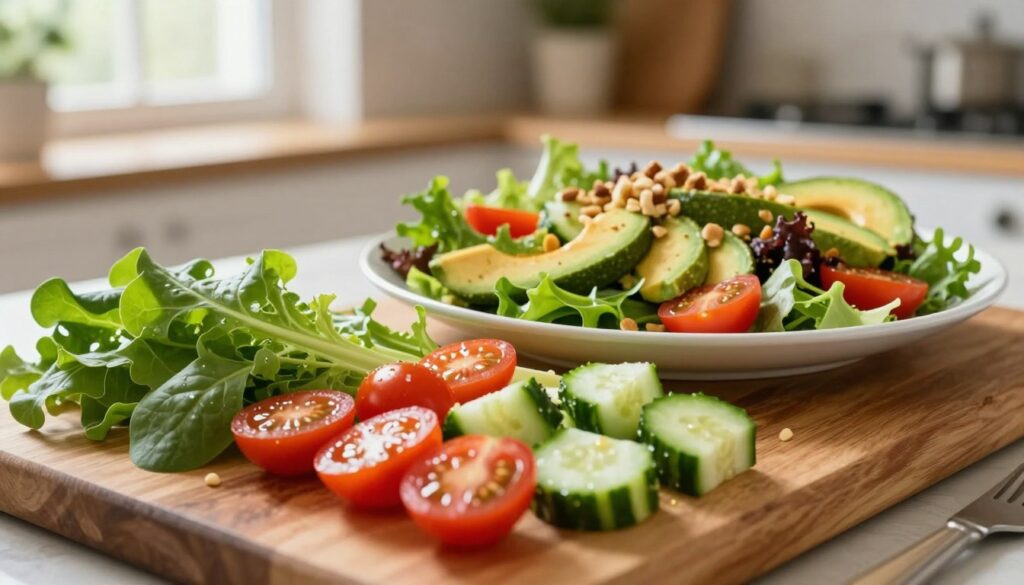
Creating a memorable salad is like being an architect. You need a strong foundation, reliable supports, and delightful finishing touches. By understanding the five essential categories of tasty salad ingredients, you can mix and match to create endless, satisfying nutritious salad combinations. This framework turns salad-making from a chore into a creative and delicious adventure.
As chef and food writer Julia Child once noted, “You don’t have to cook fancy or complicated masterpieces—just good food from fresh ingredients.” This philosophy is the heart of a great salad. Let’s break down each building block.
Choosing Your Greens
Your greens are the literal base of your creation. Think about the texture and flavor you want. Tender greens like butter lettuce or spinach offer a mild, soft bite. For a peppery kick, try arugula or watercress.
Hearty greens like kale or shredded Brussels sprouts hold up well to heavier dressings and won’t wilt quickly. They are perfect for healthy salads you’ll want to eat every day. Don’t be afraid to mix two or three types for a more complex base.
Picking Your Proteins
Protein transforms your salad from a side dish into a filling meal. This is where you can get really creative. Beyond grilled chicken or salmon, consider plant-based powerhouses.
Chickpeas, lentils, and black beans add fiber and substance. Cooked quinoa or farro are fantastic grain-based options that provide a complete protein profile. For a quick option, cubed tofu or a hard-boiled egg are excellent choices.
Selecting Sweet Elements
Sweetness brings balance and a burst of natural flavor. Fresh fruits like berries, diced apple, mango, or peaches are classic choices. For a warmer, deeper sweetness, try roasted vegetables like sweet potato, beets, or caramelized onions.
Even a handful of dried cranberries or cherries can do the trick. The key is to use sweetness as an accent, not the main event.
Choosing Savory Components
Savory elements add depth and umami, the “fifth taste” that makes food deeply satisfying. Salty cheeses like feta, goat cheese, or shaved Parmesan are popular picks. Olives, capers, or sun-dried tomatoes pack a flavorful punch.
Thinly sliced red onion, marinated artichoke hearts, or even a sprinkle of nutritional yeast can provide that essential savory note. These ingredients are the flavor anchors of your bowl.
Adding Crunch and Texture
Crunch is non-negotiable for a satisfying eating experience. It provides contrast to the softer greens and proteins. Toasted nuts like almonds, walnuts, or pecans add healthy fats.
Seeds like pepitas or sunflower seeds are a simple sprinkle. For a fun twist, try homemade whole-grain croutons, baked tortilla strips, or even crispy chickpeas. This final layer makes every bite interesting.
Here’s a quick-reference guide to help you visualize and plan your next creation:
| Building Block | Examples | Primary Role |
|---|---|---|
| Greens | Arugula, Spinach, Kale, Romaine, Butter Lettuce | Forms the base; provides freshness and volume. |
| Proteins | Chickpeas, Lentils, Quinoa, Chicken, Tofu | Adds staying power and makes the salad a meal. |
| Sweet Elements | Berries, Apple, Mango, Roasted Sweet Potato | Introduces natural sweetness and balance. |
| Savory Components | Feta, Goat Cheese, Olives, Red Onion, Artichokes | Provides depth, saltiness, and umami flavor. |
| Crunch & Texture | Almonds, Walnuts, Pepitas, Croutons, Tortilla Strips | Delivers a satisfying bite and textural contrast. |
Mastering these categories is the first step to building the perfect salad. With this foundation, you can confidently assemble endless nutritious salad combinations that are never boring. The real magic happens when you start to play with the balance between these groups.
Mastering the Sweet & Savory Balance
Make anyone love veggies by mixing them with their favorite fruits. This trick adds sweetness and flavor, making healthy food irresistible. Finding the right balance is an art, but it’s easy to learn.
The goal is harmony, not a flavor battle. Think of your savory base as the main star. Sweet elements, like fruit or honey, should add flavor. A handful of strawberries in spinach or diced apple with chicken is perfect.
Tasting as you go is key. If it’s bland, add salt or lemon juice. Too sharp? A bit of honey or more sweet elements can balance it. It’s about creating a delicious mix where no flavor dominates.
Here are some classic pairings:
| Savory Base | Sweet Accent | Resulting Flavor Profile |
|---|---|---|
| Baby Spinach & Grilled Chicken | Fresh Strawberries & Goat Cheese | Earthy, tangy, and refreshingly sweet |
| Mixed Greens & Chickpeas | Diced Mango & Toasted Almonds | Tropical, nutty, and satisfying |
| Kale & Quinoa | Roasted Sweet Potato & Pomegranate Seeds | Hearty, earthy, with bursts of sweetness |
| Romaine & Black Beans | Corn & Avocado | Creamy, sweet, and savory with a satisfying crunch |
For more ideas, check out this collection of sweet and savory summer salads. You’ll find great ways to use seasonal produce.
Remember, balance is personal. Start with the table’s guidelines and adjust to your taste. A balanced healthy salad is exciting with every bite. See how it works in a Mediterranean chickpea salad.
Mastering this balance makes salad recipes you’ll love. It turns healthy eating into a joy.
Essential Tools for Salad Success
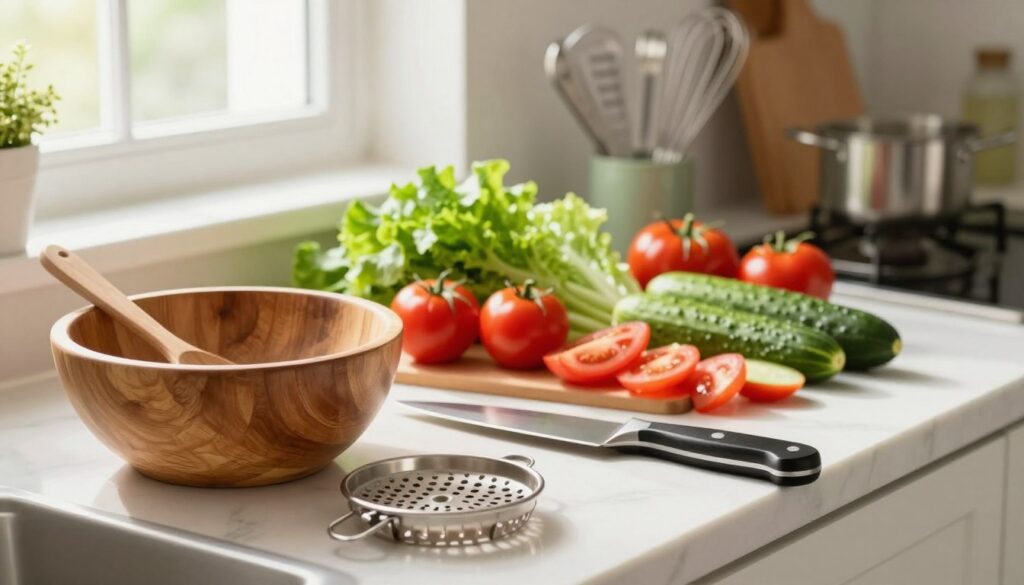
Imagine making a perfect salad without the hassle of wet greens or uneven cuts. The right tools make it easy. You don’t need a lot of gadgets. Just a few essential tools can make a big difference.
A large, wide mixing bowl is key. It lets you toss ingredients well without spills. This way, every bite gets the dressing it deserves.
A salad spinner is a must-have. It dries leaves, so dressing sticks to them, not water. Dry leaves mean a flavorful salad, not a soggy one.
Sharp knives and a sturdy cutting board are crucial. Dull knives are dangerous and can crush food. Sharp knives and a good board make chopping safe and quick.
For dressings, keep it simple. A glass jar with a tight lid is great for shaking dressings. No whisk needed! A small whisk works well for blending in a bowl.
Having these kitchen tools makes salad making quick and fun. It saves time and lets you be creative. For more ideas, check out our healthy salad recipes.
Crafting the Perfect Healthy Salad Dressing
Forget bottled dressings; making your own is easy and unlocks endless flavor. A great dressing brings all your salad ingredients together, making a complete meal. By making it yourself, you avoid hidden sugars, preservatives, and unhealthy fats found in store-bought versions. This way, you get delicious salad dressings that are healthy and full of taste.
The Basic Formula: Oil, Acid, Emulsifier, Flavor
Every great dressing, from lemon vinaigrette to creamy avocado, follows a basic ratio. Remember this, and you can create your own dressings easily. It’s your secret recipe.
The basic ratio is 3 parts oil to 1 part acid. Then, add an emulsifier and your flavorings.
- Oil: This is the base. Use extra virgin olive oil or try avocado, walnut, or sesame oil for different tastes.
- Acid: This adds the tang. Choose from lemon, lime juice, apple cider vinegar, balsamic vinegar, or red wine vinegar.
- Emulsifier: This keeps the oil and acid together. Use Dijon mustard, honey, maple syrup, tahini, or Greek yogurt.
- Flavor: Here, you can add your personal touch. Mix in minced garlic, fresh herbs, grated ginger, spices, salt, and black pepper.
The dressing is the soul of the salad. It should whisper, not shout, and bring harmony to every element on the plate.
First, whisk the emulsifier and acid together. Then, slowly add the oil while whisking. Season to taste, and you’ve got it.
Three Go-To Dressing Recipes
Ready to try the formula? These three recipes are perfect starters. Each offers a unique flavor—bright and sweet, warm and tangy, or rich and creamy—to match your salad.
Honey Lemon Vinaigrette
This dressing is like sunshine in a jar. It’s perfect for delicate greens and pairs well with berries, goat cheese, and nuts.
- ¼ cup fresh lemon juice
- 2 tablespoons raw honey
- 1 teaspoon Dijon mustard (emulsifier)
- ½ cup extra virgin olive oil
- 1 small garlic clove, minced
- Salt and black pepper to taste
Instructions: Whisk lemon juice, honey, and Dijon mustard until smooth. Slowly add olive oil while whisking. Stir in garlic and season with salt and pepper.
Maple Dijon Vinaigrette
This vinaigrette has a warm, tangy flavor. It’s great with roasted sweet potato, chicken, apples, walnuts, or kale.
- 3 tablespoons apple cider vinegar
- 2 tablespoons pure maple syrup
- 1 tablespoon Dijon mustard (emulsifier)
- ⅓ cup extra virgin olive oil or avocado oil
- 1 shallot, finely minced (optional)
- Salt and black pepper to taste
Instructions: Whisk vinegar, maple syrup, and Dijon mustard together. Slowly add oil while whisking hard. Add shallot if using, and season well.
Creamy Greek Yogurt Herb Dressing
Want creaminess without mayo? This dressing is packed with protein. Greek yogurt makes a thick base for fresh herbs, perfect for grain bowls, chopped salads, or as a veggie dip.
- ¾ cup plain, full-fat Greek yogurt
- 3 tablespoons fresh lemon juice or white wine vinegar
- 2 tablespoons olive oil
- ¼ cup finely chopped fresh herbs (like dill, chives, and parsley)
- 1 garlic clove, minced
- Salt and black pepper to taste
Instructions: Mix Greek yogurt, lemon juice, and olive oil in a bowl until smooth. Fold in herbs and garlic. Season with salt and pepper. For a thinner dressing, add a tablespoon of water or milk.
Try these recipes and experiment with them. Swap lemon for lime or use balsamic vinegar instead of apple cider. Making your own delicious salad dressings is fun and rewarding.
Step-by-Step: How to Build Your Salad
Forget haphazard mixing. A deliberate assembly process is the secret to crafting the perfect quick salad recipe every time. This method ensures each bite is balanced, your greens stay crisp, and your presentation looks like it came from a restaurant kitchen. Think of it as the final, crucial phase of building a healthy salad.
The best meals are often the simplest ones, assembled with care and enjoyed with presence.
Step 1: Prepare and Dry Your Greens Thoroughly
This step is non-negotiable. Even the best dressing will slide right off wet lettuce. Wash your greens in cold water to refresh them and remove any grit. Then, you must dry them completely.
Use a salad spinner for the fastest, most effective result. If you don’t have one, lay the greens on a clean kitchen towel, roll it up, and gently pat dry. Taking this extra minute is crucial for the dressing to cling properly.
Step 2: Layer Your Ingredients for Visual Appeal and Even Distribution
Don’t just dump everything in a bowl. Start with your dry greens as the base. Then, artfully arrange your heavier toppings—like proteins, roasted veggies, and cheese—on top.
Place smaller, delicate items like herbs or microgreens last. This layering technique ensures that when you toss, every serving gets a bit of everything. It also makes your creation look stunning, turning a simple meal into something special. It’s a pro tip for any quick salad recipes you want to impress with.
Step 3: Dress Just Before Serving
Timing is everything. Adding dressing too early is the number one cause of a soggy, sad salad. Always wait until you’re ready to eat before you pour.
This last-minute action keeps every component at its best texture. Your crunchy veggies stay crunchy, and your tender greens don’t wilt. Pour the dressing around the edges of the bowl first, not directly on top of the delicate greens in the center.
Step 4: Toss Gently and Taste for Seasoning
Now, bring it all together. Use a pair of large tongs or, for the best control, clean hands to toss the salad. You want a gentle, lifting motion to coat everything evenly without bruising the ingredients.
After a few tosses, do a final taste test. Does it need a pinch more salt or a crack of black pepper? Maybe an extra squeeze of lemon for brightness? Adjusting the seasoning at this stage is what separates a good salad from a great one.
Follow these four simple steps, and you’ll master the art of the quick salad recipe in no time.
Healthy Salad Recipes to Get You Started
Let’s explore three simple recipes that mix sweet and savory flavors. These easy salad ideas are full meals, packed with nutrients and taste. Feel free to customize them with what you have at home.
| Recipe | Key Flavors | Prep Time | Perfect For |
|---|---|---|---|
| Berry & Goat Cheese Spinach Salad | Tangy, Sweet, Creamy | 15 mins | Light Dinner or Elegant Starter |
| Apple, Walnut & Chicken Salad | Crunchy, Savory, Slightly Sweet | 20 mins | Protein-Packed Lunch |
| Roasted Sweet Potato & Quinoa Salad | Earthy, Warm, Creamy | 40 mins (mostly hands-off) | Hearty Plant-Based Meal |
The best salads are the ones you actually want to eat. Don’t be afraid to make them your own.
Recipe 1: Berry & Goat Cheese Spinach Salad with Balsamic Glaze
This classic mix is loved by many. Fresh berries add a juicy sweetness that pairs well with tangy goat cheese and a rich balsamic glaze. It’s elegant yet simple.
Ingredients
- 5 oz fresh baby spinach
- 1 cup mixed fresh berries (strawberries, raspberries, blueberries)
- 2 oz crumbled goat cheese
- 1/4 cup sliced almonds, toasted
- 1/4 red onion, thinly sliced
- 1/3 cup balsamic vinegar
- 1 tbsp honey
- 2 tbsp extra virgin olive oil
- Salt and black pepper to taste
Step-by-Step Instructions
- First, make the balsamic glaze. In a small saucepan, combine balsamic vinegar and honey. Simmer over medium-low heat for 8-10 minutes, stirring occasionally, until it reduces by half and coats the back of a spoon. Set aside to cool and thicken.
- While the glaze cools, place the spinach in a large serving bowl.
- Arrange the berries, crumbled goat cheese, toasted almonds, and red onion slices over the spinach.
- In a small jar, shake together the olive oil, a pinch of salt, and pepper. Drizzle lightly over the salad.
- Just before serving, drizzle the cooled balsamic glaze over the top. Toss gently and enjoy immediately.
Recipe 2: Apple, Walnut, and Chicken Salad with Maple Mustard Dressing
This salad is packed with protein and crunch. Tender chicken, crisp apples, and hearty walnuts are mixed with a dressing that’s both sweet and tangy. It’s a satisfying lunch.
Ingredients
- 2 cooked chicken breasts, shredded or cubed
- 6 cups chopped romaine lettuce
- 1 large apple (like Honeycrisp or Granny Smith), cored and sliced
- 1/2 cup walnut halves, toasted
- 1/4 cup dried cranberries
- 1/4 cup crumbled feta cheese (optional)
- 3 tbsp olive oil
- 1 tbsp apple cider vinegar
- 1 tbsp pure maple syrup
- 1 tbsp Dijon mustard
- 1 small clove garlic, minced
- Salt and pepper to taste
Step-by-Step Instructions
- Start by making the dressing. Whisk together the olive oil, apple cider vinegar, maple syrup, Dijon mustard, and minced garlic in a bowl until smooth. Season with salt and pepper.
- In a large bowl, combine the chopped romaine, shredded chicken, apple slices, toasted walnuts, and dried cranberries.
- Pour about three-quarters of the dressing over the salad. Toss until everything is evenly coated.
- Taste and add more dressing if desired. Top with crumbled feta cheese for an extra savory note, if using.
- Serve right away for the best texture. The apples will stay crisp and the walnuts crunchy.
Recipe 3: Roasted Sweet Potato & Quinoa Salad with Tahini Drizzle
This warm salad is a complete plant-based meal. Roasted sweet potatoes and fluffy quinoa are spiced with cumin and paprika, then finished with a creamy, lemon-tahini sauce. It’s perfect for meal prep.
Ingredients
- 2 medium sweet potatoes, peeled and cubed
- 1 tbsp olive oil
- 1/2 tsp ground cumin
- 1/2 tsp smoked paprika
- 1 cup quinoa, rinsed
- 2 cups water or vegetable broth
- 1 (15 oz) can chickpeas, rinsed and drained
- 4 cups chopped kale or arugula
- 1/4 cup tahini
- Juice of 1 lemon
- 2 tbsp warm water
- 1 tsp maple syrup
- Salt and pepper to taste
Step-by-Step Instructions
- Preheat your oven to 400°F (200°C). Toss the sweet potato cubes with olive oil, cumin, smoked paprika, salt, and pepper. Spread on a baking sheet and roast for 25-30 minutes, until tender and slightly caramelized.
- While the potatoes roast, cook the quinoa. Bring the water or broth to a boil in a saucepan. Add the rinsed quinoa, reduce heat to low, cover, and simmer for 15 minutes. Remove from heat and let it sit, covered, for 5 minutes. Fluff with a fork.
- Make the tahini drizzle. Whisk together tahini, lemon juice, warm water, maple syrup, and a pinch of salt until smooth. It should be a pourable consistency.
- In a large bowl, combine the cooked quinoa, roasted sweet potatoes, chickpeas, and chopped greens.
- Drizzle the tahini sauce generously over the salad. Toss everything together while the components are still warm. This wilts the greens slightly and melds the flavors beautifully.
These three recipes show that easy salad ideas can be diverse and satisfying. From a quick 15-minute toss to a hearty roasted vegetable bowl, you have a template for success.
Customizing Your Creations
Think of these recipes as starting points for your own creations. The real fun starts when you swap ingredients and adjust flavors. This way, you can enjoy healthy eating without getting bored.
One easy way to customize is by making any salad a light salad meal. Add protein like grilled shrimp, tuna, chicken, or tofu. These changes turn a side dish into a filling meal.
Want to change a salad’s flavor? Try a Mexican bowl with corn, black beans, and avocado. Or, go Mediterranean with olives, cucumber, and oregano. The core of greens and flavors stays the same, but the taste changes.
Follow the seasons for inspiration. Use berries in summer and squash in fall. Winter is for citrus and grains. This keeps your meals fresh and nutritious.
These adaptable dishes are great for any event. They impress at gatherings, are elegant for dinner parties, and are perfect for busy days. The sweet-and-savory mix works in many salads.
The most important ingredient is always your personal preference. Add cheese for taste, nuts for crunch, or lentils for protein. Your kitchen is your playground.
See these recipes as a starting point, not a rule. Mix and match to find your favorite flavors. You’ll create light salad meals that are uniquely yours, making healthy eating enjoyable.
Tips for Meal Prepping Salads
Imagine opening your fridge to find all the salad parts ready to go. This dream can be real with a bit of planning. Meal prepping salads is a great trick for busy weeks. It makes healthy eating easy and quick.
The key to success is simple: keep parts separate. Mixing too soon makes greens soggy. Think of your fridge as a salad bar you’ve set up.
Begin with the base. Store washed and dried greens in a big container. Use a paper towel at the bottom to soak up moisture. This keeps lettuce crisp for days.
Then, prep veggies, proteins like chicken, and grains like quinoa in separate containers. Use small jars for dressings. This component prep system lets you mix flavors all week.
When you’re ready to eat, just assemble in a minute. Mix your chosen ingredients, add dressing, and toss. This way, every bite is fresh and lively.
Some salads get better with time. Hearty ones with grains, beans, or roasted veggies are perfect. Think of a farro or lentil salad. Their flavors blend and deepen overnight. Slaws are also great to make ahead. They work well with tough veggies like cabbage, broccoli, or kale. Their texture and taste improve after a few hours.
Here’s a quick guide on how long your prepped ingredients will stay fresh:
| Component | Preparation Tip | Max Fridge Time (for best quality) |
|---|---|---|
| Leafy Greens (spinach, romaine, kale) | Wash, spin dry, store with paper towel. | 3-5 days |
| Chopped Veggies (bell peppers, cucumbers, carrots) | Store in airtight container, separate from greens. | 4-5 days |
| Cooked Proteins (chicken, shrimp, hard-boiled eggs) | Cool completely before storing. | 3-4 days |
| Cooked Grains & Legumes (quinoa, farro, chickpeas) | Store in their own sealed container. | 4-5 days |
| Salad Dressing (vinaigrettes, creamy dressings) | Use a sealed jar; shake before use. | 5-7 days |
This table shows your healthy salads are just a quick assembly away for nearly a week. For more tips on keeping ingredients fresh, check out this resource on how to meal prep salads and keep them.
The goal is to make eating well easy. Spend an hour or two on Sunday prepping. You’ll thank yourself every day at lunchtime. Your future self will enjoy fresh, delicious, and nutritious meals without stress.
Common Mistakes to Avoid
Don’t let simple oversights turn your vibrant salad into a soggy disappointment. Even with fantastic ingredients, a few common errors can sabotage your sweet and savory creation. Knowing what to avoid is just as important as knowing what to include.
The number one culprit of a failed salad is wet greens. Water clinging to your lettuce or spinach makes dressing slide right off. Your flavorful vinaigrette will pool sadly at the bottom of the bowl. Always, always dry your greens thoroughly after washing. A salad spinner is your best friend here, or pat them gently with clean kitchen towels.
Next up is the classic error of over-dressing. It’s easy to pour straight from the bottle and end up with a swimming pool. A drowned salad loses all its crisp texture and becomes unpleasantly heavy. The trick is to start with less than you think you need. You can always add more. For better control, toss your greens with dressing in a large bowl first.
Many people forget to season their salad with salt and pepper. Your dressing provides flavor, but seasoning enhances every single component. A pinch of salt on your tomatoes or a crack of pepper on your chicken makes all the difference. Season each layer as you build for a perfectly balanced bite.
Timing is everything. Adding delicate ingredients too early is a surefire way to ruin their appeal. If you toss in croutons, nuts, or fresh herbs ahead of time, they’ll lose their crunch and brightness. Keep these elements separate and sprinkle them on top right before you serve. This preserves their texture and fresh flavor.
For a quick reference, here’s a table breaking down these common pitfalls and how to fix them:
| Mistake | Why It Happens | The Fix |
|---|---|---|
| Using Wet Greens | Rushing after washing or improper drying. | Use a salad spinner or pat completely dry with towels. |
| Over-Dressing | Pouring directly onto the salad without measuring. | Start with a small amount, toss in a large bowl, and add more if needed. |
| Skipping Seasoning | Assuming the dressing provides enough flavor. | Season each component (greens, proteins, veggies) lightly with salt and pepper. |
| Adding Toppings Too Early | Meal prepping everything together for convenience. | Store crispy elements and fresh herbs separately; add just before serving. |
Even professional chefs can fall into these traps. For more expert insights on avoiding errors, check out this guide on common salad mistakes.
Steering clear of these mistakes guarantees a crisp, flavorful, and satisfying healthy salad every time. Your sweet and savory combinations will shine when you give each ingredient the care it deserves.
Conclusion
You now know how to make many healthy sweet and savory salads. Start with greens, proteins, sweet and savory parts. And don’t forget your perfect salad dressing.
Salads are more than just side dishes. They can be a full meal with protein, fiber, and healthy fats. Check out more ideas for filling salads on Redfish Recipes.
Salads are great because they’re versatile, refreshing, and easy to make. Enjoy them warm or cold, all year round. Find healthy salad recipes for summer on Alida’s Food.
Don’t be shy to try new things in your kitchen. Add nuts or seeds for texture. Mix fruits with cheeses or roasted veggies. Let fresh, seasonal ingredients inspire you.
Follow the assembly method you learned. Toss your ingredients with dressing just before serving. Enjoy making your own healthy, colorful meals. Your next favorite salad is just around the corner.